![Murakami Kibori Tsuishu Carved Lacquer Natsume Tea Caddy [2026]](https://jpmono.com/wp-content/uploads/2026/06/murakami-kibori-tsuishu-natsume-tea-caddy-where-to-buy-2026-featured.jpg)
Murakami kibori tsuishu (村上木彫堆朱, “Murakami wood-carved layered vermilion lacquer”) is a hand-carved urushi lacquerware made in the northern Niigata castle town of Murakami. The piece covered here is a natsume — the small lidded caddy that holds powdered green tea (matcha) in the Japanese tea ceremony. Its surface is not painted on; the artisan first carves a relief design — peony, dragon, or flowing karakusa scrollwork — into the wooden body, then builds up many coats of vermilion and black urushi and polishes them back, so the carving and the lacquer fuse into one surface.
This matters internationally because it is a quietly different idea of lacquerware. Most carved lacquer that reaches Western collectors is Chinese choshitsu, where dozens of solid lacquer layers are carved after they dry. Murakami’s method is wood-first: the relief is cut into the timber, and the lacquer follows the carving. The result is lighter, with crisp tool-cut lines under a deep red-black sheen. It was designated a National Traditional Craft in 1976, and it remains bound up with Murakami’s salmon culture, its hot-spring district, and its long history of tea-ceremony patronage.
This guide is for the reader weighing a Murakami natsume as a tea utensil or a gift, and who wants to understand what the object is, where it sits in Japan, how to buy it from outside Japan, and where it differs from the obvious alternatives. Note up front: only the Amazon JP Global Store listing reference (ASIN B0GPLPB75W) was available at the time of writing; live pricing and exact dimensions may have shifted since, and are marked as such throughout.
📅 Published: June 1, 2026
🔄 Last updated: June 1, 2026
⏱️ Read time: ~9 min
![Murakami Kibori Tsuishu Carved Lacquer Natsume Tea Caddy [2026]](https://m.media-amazon.com/images/I/41Q+8+QrWvL._SL500_.jpg)
- Who this is for — and who should skip it
- Product overview (from published specs)
- 📍 Where this comes from — place, era, and the craft tradition
- 📌 How does it compare?
- Price snapshot across stores
- 📦 Shipping & where to buy from outside Japan
- What it does well
- Weaknesses and things to verify before buying
- Conclusion — which buyer type are you?
- Other ways to approach this purchase
- 🏆 Editor’s Pick
- ❓ Frequently Asked Questions
Who this is for — and who should skip it
- practice or are learning the matcha tea ceremony (sadō) and want a hand-carved natsume rather than a plain one
- value tool-cut relief carving — peony, dragon, karakusa — under a polished lacquer surface
- are buying a gift for a tea practitioner and want something with a documented regional craft lineage
- prefer a lighter wood-cored caddy to the heavier solid-lacquer carved wares of China
- are comfortable hand-washing and storing a natural-urushi object carefully
- want a dishwasher- and microwave-safe everyday container
- need exact, confirmed dimensions before purchase (the listing data here is thin)
- are looking for the cheapest possible matcha caddy — hand-carved urushi carries a craft premium
- have a sensitivity to natural lacquer (urushi can cause skin reactions in rare cases before full curing)
- do not perform or gift tea-ceremony service — a natsume has a narrow, specific use

Product overview (from published specs)
The data available for this specific listing is limited. Per the Amazon JP Global Store reference (ASIN B0GPLPB75W), the table below records what is reasonably documented for Murakami kibori tsuishu as a craft category; item-specific figures such as exact height, diameter, and current price were not present in the source data and are marked accordingly. Do not treat the blank cells as zero — verify them on the live listing.
Murakami Kibori Tsuishu Carved Lacquer Natsume Tea Caddy
イ734 棗 高橋克実作 村上堆朱 棗 共箱 茶道具
通常6~7日以内に発送します。 · Sold by Hotitem Japan · ASIN B0GPLPB75W
Price and availability as of 2026-09-01 05:22 JST. The Amazon listing at the time of purchase is authoritative. jpmono.com earns a commission on qualifying purchases at no extra cost to you.
| Attribute | Detail | Source |
|---|---|---|
| Object type | Natsume (matcha tea caddy), lidded | Spec / listing |
| Craft | Murakami kibori tsuishu (wood-carved layered vermilion lacquer) | Maker / craft record |
| Material | Wooden core, hand-carved relief, multiple coats of vermilion and black urushi (natural lacquer), polished back | Craft record |
| Typical motif | Peony, dragon, or karakusa (scrolling vine) relief — verify the specific motif on the listing | Craft record |
| Origin | Murakami, Niigata Prefecture (Chūbu / Sea-of-Japan side) | Craft record |
| Designation | National Traditional Craft (METI), designated 1976 | Craft record |
| Dimensions / weight | Unconfirmed — check listing | Not in source data |
| Reference ID | Amazon JP ASIN B0GPLPB75W | Amazon JP Global Store |
| Price | Unconfirmed at time of writing — check current price on the listing | Not in source data |
Only the Amazon JP listing reference was available; live pricing and dimensions may have shifted since the writing date. Where a figure was not in the data, this guide writes “unconfirmed” rather than guessing.
📖 Glossary — key Japanese terms
- Tsuishu (堆朱) — “layered vermilion.” A carved lacquer technique. In Chinese choshitsu, solid lacquer layers are carved after drying; in Murakami’s kibori version the wood is carved first.
- Kibori (木彫) — “wood carving.” The relief design is cut into the wooden body before the urushi is applied.
- Urushi (漆) — natural lacquer, the refined sap of the urushi tree. Cures by humidity, not heat, into a hard, water-resistant film.
- Natsume (棗) — a lidded caddy for thin matcha (usucha), named for its resemblance to the jujube fruit.
- Matcha (抹茶) — stone-ground green tea powder whisked with hot water in the tea ceremony.
- Karakusa (唐草) — the “Tang grass” scrolling-vine motif common in East Asian decoration.
- Sadō / chadō (茶道) — “the way of tea,” the Japanese tea ceremony.
- Shokunin (職人) — a craftsperson or artisan who has trained in a specific trade.

📍 Where this comes from — place, era, and the craft tradition

Murakami is a small castle town in the far north of Niigata Prefecture, on the Sea-of-Japan side of the Chūbu region. It lies near the Yamagata border, between the Miomote River and the coast, with the Senami hot-spring district just to its west. This is one of the northernmost places in Japan where urushi has long been worked — a cold, snow-heavy zone whose winters slow the working year but suit the patient, humidity-cured rhythm of lacquer.
The town was the seat of the Honjo clan and, in the Edo period, of the Murakami domain. As a castle town it concentrated samurai households, and it is from those households that the craft grew. In the mid-Edo period — the 18th century — lower-ranking samurai took up tsuishu carving as a domain-encouraged side income, a way to supplement modest stipends with skilled handwork through the long winters. Over generations the technique matured into the wood-first relief carving that defines Murakami work today.
- Medieval era — Murakami develops as a castle town, seat of the Honjo clan in northern Echigo (today’s Niigata).
- Edo period — The Murakami domain governs the town; samurai households cluster around the castle.
- 18th century — Lower-ranking samurai take up tsuishu carving as a domain-encouraged side income; kibori tsuishu takes shape.
- 19th century — Tea-ceremony patronage spreads the carved natsume and other utensils; peony, dragon, and karakusa motifs become standard.
- 1976 — Murakami kibori tsuishu is designated a National Traditional Craft by Japan’s trade ministry (METI).
- 2026 — Pieces are still carved and lacquered by hand in Murakami workshops.
What separates Murakami’s method from the carved lacquer most international collectors have seen is the order of operations. In Chinese choshitsu, the artisan applies dozens of layers of solid lacquer and then carves the hardened block. In Murakami kibori tsuishu, the relief is cut into the wood first; the vermilion and black urushi are then built up over the carving in many coats and polished back, so the design reads through the lacquer rather than being carved from it. The wood core keeps the object light, and the crisp tool lines stay legible under the deep red sheen.
“The carving comes first and the lacquer follows it — so on a Murakami natsume the design is in the wood, not cut from the lacquer.”
The craft is also woven into the seasonal life of the town. Murakami is salmon country — the sake (salmon) drawn from the Miomote River is hung, dried, and prepared in dozens of local dishes — and the same patient, winter-bound culture that perfected salt-cured salmon also kept lacquer workshops busy through the cold months. With the Senami hot springs nearby and a long history of tea-ceremony practice among the former samurai families, the carved natsume is not an export curiosity here; it is a utensil that belongs to the place.

📌 How does it compare?
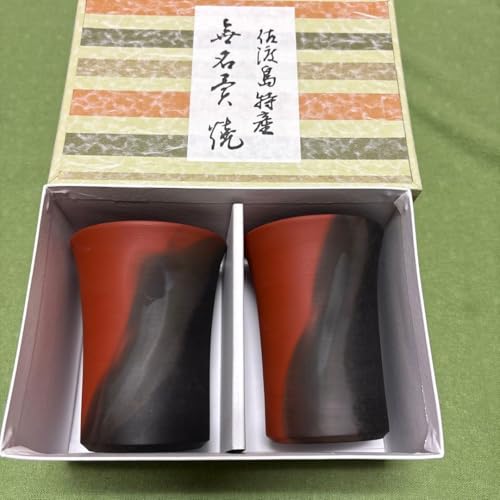
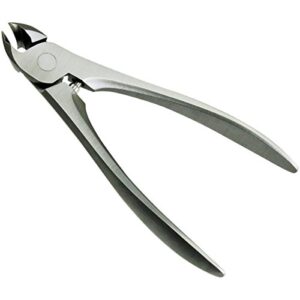
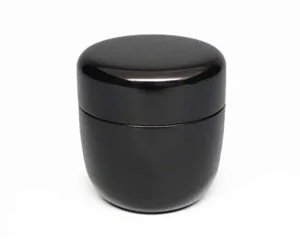
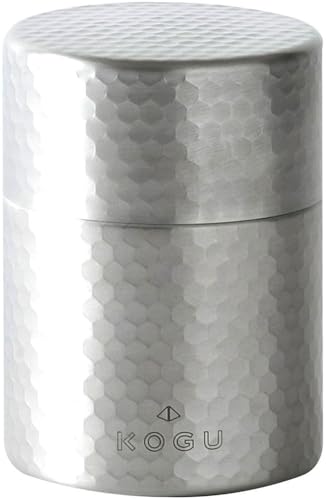
Related jpmono guides — within Niigata, across tea-caddy makers, and other lacquer and tea utensils worth comparing before you commit.
Price snapshot across stores
| Store | Item / variant | Price (JPY / USD est.) | Notes |
|---|---|---|---|
| 🇺🇸 Amazon.com (US) | Browse Japanese tea caddies & lacquerware | varies (USD) | Best if you’re shopping from the US — Prime shipping, USD pricing, no international customs. Amazon US carries Japanese natsume, lacquer caddies, and matcha utensils from various makers — useful for comparing motifs and price tiers. The exact Murakami piece is sourced from Japan (next row). |
| 🇯🇵 Amazon JP Global Store | Murakami kibori tsuishu natsume (ASIN B0GPLPB75W) | Unconfirmed — check listing | Ships internationally from Japan. This is the sourced listing for the specific item. Price was not in the source data; verify before buying. |
| Maker direct | Murakami workshop / craft cooperative pieces | Varies | Murakami workshops and the local craft cooperative sell direct; most do not ship internationally, so a proxy may be needed. |
| Proxy services (Buyee / Tenso) | Forwarding from JP-only shops | Item + fees + forwarding | Use when a piece is only listed on a Japan-domestic shop. Adds a service fee and a second shipping leg; factor in customs. |
Prices in USD are approximate and depend on the current exchange rate (≈ ¥150/USD baseline as of mid-2026). The JPY price is the authoritative figure. Prices and stock fluctuate — confirm at the retailer via the affiliate link before purchasing.
📦 Shipping & where to buy from outside Japan
The most reliable international path is the Amazon JP Global Store listing (ASIN B0GPLPB75W), which ships to most major destinations. For a small, light lacquer caddy, international shipping to the US or EU typically runs in the $15–$40 range, with longer transit and higher cost to other regions. Orders above your country’s de minimis threshold may attract customs duty or import VAT on arrival — budget for that separately from the item price.
If a particular Murakami workshop piece appears only on a Japan-domestic shop, a forwarding proxy such as Buyee or Tenso can receive and re-ship it; this adds a service fee and a second shipping leg. As a natural-urushi object with no electronics, the caddy carries no voltage or certification concerns — but it should be hand-carried or well-padded, as lacquer can chip on impact.
What it does well
Weaknesses and things to verify before buying
- Thin listing data. The source provided only the ASIN reference — no confirmed dimensions, weight, or current price. Verify all of these on the live listing before committing.
- No product photograph supplied. The motif (peony / dragon / karakusa) and finish were not pinned down in the data. Check the listing images so you know exactly which design you are buying.
- Care is hands-on. Natural urushi is not dishwasher-, microwave-, or freezer-safe. Wipe gently, keep out of prolonged direct sun, and avoid harsh detergents and abrasives.
- Lacquer chips on impact. The relief edges and lid rim are the vulnerable points; a drop can chip the urushi. Pack and store it carefully.
- Urushi sensitivity (rare). A small number of people react to incompletely cured natural lacquer. Reputable pieces are fully cured, but note it if you have known sensitivities.
- Narrow use case. A natsume is a matcha caddy. If you do not practice or gift tea-ceremony service, its utility is limited.
- Craft premium. Hand-carved, multi-coat urushi costs more than a machine-finished caddy. The data suggests this is a craft-tier object, not a budget one.
Conclusion — which buyer type are you?
Other ways to approach this purchase
🏆 Editor’s Pick
❓ Frequently Asked Questions
What is the difference between Murakami kibori tsuishu and Chinese carved lacquer?
In Chinese choshitsu, many solid layers of lacquer are built up and then carved after they harden. In Murakami kibori tsuishu, the relief design is carved into the wooden body first, and the vermilion and black urushi are applied over the carving and polished back. The Murakami piece is lighter because of its wood core, and the tool-cut lines stay crisp under the lacquer.
Does the Amazon JP Global Store ship this internationally?
Yes. The referenced listing (ASIN B0GPLPB75W) is on the Amazon JP Global Store, which ships to most major destinations. For a small lacquer caddy, international shipping to the US or EU typically runs about $15–$40, with customs duty possible above your country’s import threshold.
How do I care for a natural-urushi natsume?
Wipe it gently with a soft, slightly damp cloth and dry it. Do not use a dishwasher, microwave, or freezer, and avoid harsh detergents, abrasives, and prolonged direct sunlight. Store it padded so the lid rim and carved edges do not chip.
What is a natsume used for?
A natsume is a lidded caddy that holds powdered matcha for thin tea (usucha) in the Japanese tea ceremony. It is a specific tea utensil; it is not intended as a general-purpose kitchen container.
Why is the price not listed in this guide?
Only the Amazon JP listing reference was available in the source data at the time of writing, without a confirmed price or dimensions. Rather than guess, this guide directs you to verify the current price on the live listing. Prices and stock fluctuate.
Is a Murakami natsume a good gift?
For someone who practices or is learning the tea ceremony, yes — it is a use-specific object with a documented craft heritage. For a recipient with no connection to matcha or tea service, its narrow purpose makes it a less practical gift.
jpmono.com is curated by a Japan-based editorial team (working out of Toyama in the Hokuriku region and Nara in Kansai) and is independent. We don’t take payment from the makers we feature; income comes from affiliate links. We don’t physically test every product — we read maker specs and source listings. Read more about our editorial standards.
Note: This article was prepared with AI assistance and reviewed against the available source listing data. Where item-specific figures were not present in the data, they are marked “unconfirmed” rather than estimated. Verify current price, dimensions, and design on the retailer’s listing before purchasing.
Affiliate disclosure: jpmono.com may earn a commission on qualifying purchases made through links on this page, at no additional cost to you.