![Ryukyu Glass Kara-Kara Sake Server: Okinawa Bubble Glass Decanter [2026]](https://jpmono.com/wp-content/uploads/2026/05/japan-map-regions-and-prefectures-800x1050.png)
The Ryukyu glass kara-kara (からから) is one of the few celebrated Japanese craft objects with no premodern pedigree at all. It was born in the rubble of postwar Okinawa, when glassblowers — short on raw material under the US occupation — melted down discarded Coca-Cola, beer, and medicine bottles and blew them back into vessels. The recycled glass trapped air bubbles and carried stray tints of green, brown, and cobalt. Those were defects. They became the signature.
A kara-kara is a traditional Ryukyu serving vessel for awamori (泡盛), Okinawa’s indigenous distilled spirit: a rounded body, a narrow neck, and a generous pour. The name is onomatopoeic — some older examples held a small ceramic ball that rattled (kara-kara) when the bottle was nearly empty, a built-in low-fuel warning. The piece covered here is a hand-blown decanter from the Ryukyu Glass Village (琉球ガラス村) tradition in southern Okinawa, with the bubble-flecked, ocean-blue glass the island is known for.
This guide is for international readers deciding whether a Ryukyu glass kara-kara is the right buy, and how to get one shipped outside Japan. We cover what the form is for, the postwar recycled-glass story that gives it meaning, where it sits on the map, how to assess its characteristics honestly, and which buyer type it actually suits. Dimensions, capacity, and pricing are marked unconfirmed where they are not established.
📅 Published:
🔄 Updated:
⏱️ Read time: ~9 min
- Who this is for — and who should skip it
- Product overview (from published specs)
- Where this comes from — place, era, and the craft tradition
- How does it compare?
- Buying options
- What it does well
- Weaknesses and things to verify before buying
- Conclusion — which buyer type are you?
- Other ways to approach this purchase
- ❓ Frequently Asked Questions
Who this is for — and who should skip it
- Want a handmade serving vessel with a real, documented origin story rather than mass-produced decor
- Like the warm, imperfect look of trapped bubbles and uneven, color-saturated glass
- Serve awamori, sake, shōchū, or simply want a characterful water carafe for the table
- Appreciate the recycled-glass, waste-into-craft ethos as a buying value
- Are comfortable that each piece varies — color and bubble pattern are never identical
- Want flawless, optically clear crystal — bubbles and waviness are the point here, not a flaw
- Need guaranteed product details? The information here is limited.
- Expect dishwasher-proof, thermal-shock-rated glass — hand-blown glass is best hand-washed
- Prefer cut-glass precision (Edo Kiriko, Satsuma Kiriko) — a different aesthetic entirely
- Need an exact color match to existing tableware — recycled cullet tints vary batch to batch
Product overview (from published specs)
Ryukyu Glass Village kara-kara are hand-blown recycled-glass vessels in a living regional tradition. Precise measurements should be confirmed from the information supplied with the individual piece, while the craft history and material story provide the broader context.
| Attribute | Detail | Source |
|---|---|---|
| Object type | Kara-kara — Ryukyu sake / awamori server (decanter) | Product specification |
| Material | Hand-blown recycled soda-lime glass with trapped air bubbles | Spec / data notes |
| Color | Ocean-blue / cobalt tints typical of recycled cullet (varies per piece) | Spec / data notes |
| Origin | Okinawa Prefecture (Itoman / Ryukyu Glass Village tradition) | Spec / data notes |
| Capacity | — | — |
| Dimensions / weight | — | — |
📖 Glossary — key terms
- Kara-kara (からから) — a traditional Ryukyu serving flask for awamori; named for the rattle some older examples made when nearly empty.
- Awamori (泡盛) — Okinawa’s indigenous distilled spirit, made from long-grain (Thai) rice and black kōji; the drink the kara-kara was built to serve.
- Awa (泡) — “bubble.” The trapped-bubble look that defines Ryukyu glass; originally a flaw of recycled cullet, now the prized aesthetic.
- Cullet — crushed waste glass melted down to make new glass; the raw material of postwar Ryukyu glass.
- Ryukyu (琉球) — the historical kingdom and island chain that is now Okinawa Prefecture.
- Itoman (糸満) — a city in southern Okinawa, a center of Ryukyu glass production and home to the Ryukyu Glass Village.
- Yachimun (やちむん) — the Okinawan word for pottery; the older craft tradition (notably the Tsuboya district) beside which glassblowing grew.
Where this comes from — place, era, and the craft tradition

Okinawa is Japan’s southernmost prefecture: a long arc of subtropical islands curving from Kyushu toward Taiwan, with the main island and its capital, Naha, roughly 1,550 km from Tokyo. The climate is warm and humid year-round, the surrounding sea an intense blue-green. That sea matters here — the cobalt and aquamarine tints Ryukyu glassblowers chase in recycled cullet are, in a direct sense, the colors of the water around the islands.
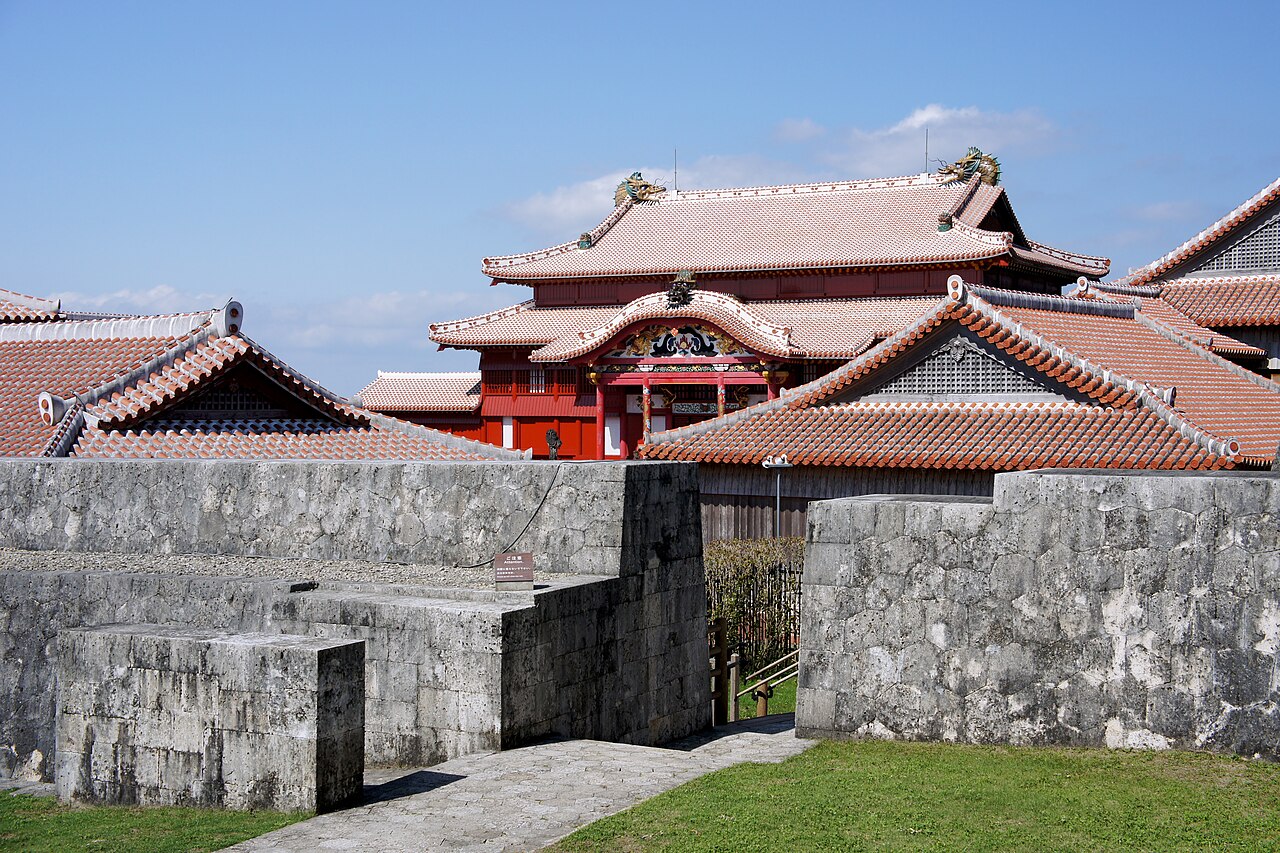
Unlike most prefectures in this series, Okinawa was not a Japanese castle town. It was the seat of an independent polity. The Ryukyu Kingdom, unified in 1429 and ruled from Shuri Castle above Naha, was a maritime trading state with its own court, dress, and drinking culture. Awamori — distilled from long-grain rice and black kōji, a technique that arrived through Southeast Asian trade — was the court spirit, and the vessels for serving it, including the kara-kara, belong to that older Ryukyu material world.
The glass itself, though, is modern — and that is the honest version of the story. Okinawa had small glass workshops by the late 19th century, making lamp chimneys and everyday bottles. The transformation came after 1945. The Battle of Okinawa left the islands under US administration and desperately short of materials. Glassmakers did the obvious thing: they collected discarded American bottles — Coca-Cola, beer, medicine — and melted them down.
- 1429 — Ryukyu Kingdom unified; Shuri Castle becomes the royal seat, with a court awamori-drinking culture.
- 15th–16th c. — Awamori distilling takes root in the Ryukyus through Southeast Asian trade.
- Late 1800s — First Okinawan glass workshops produce lamp chimneys and everyday bottles.
- 1945 — The Battle of Okinawa; US administration follows, leaving glassmakers short of raw material.
- Late 1940s–1950s — Discarded US bottles are melted into new vessels; trapped bubbles and color become the signature look.
- 1972 — Okinawa returns to Japanese administration.
- 1998 — Ryukyu glass is designated a traditional craft of Okinawa Prefecture.
- 2010s–2026 — Itoman and the Ryukyu Glass Village remain the heart of production.
The recycled cullet was full of impurities, and impurities trap gas. The new vessels came out flecked with bubbles and stained with the residual color of their source bottles — green from beer, brown from medicine, blue from others. By any industrial standard these were rejects. Okinawan makers leaned into them instead, and within a generation the bubble (awa) and the saturated color had become the deliberate identity of the craft.
“What began as the flaws of melted-down trash — bubbles, waviness, stray color — became the whole point of Ryukyu glass.”

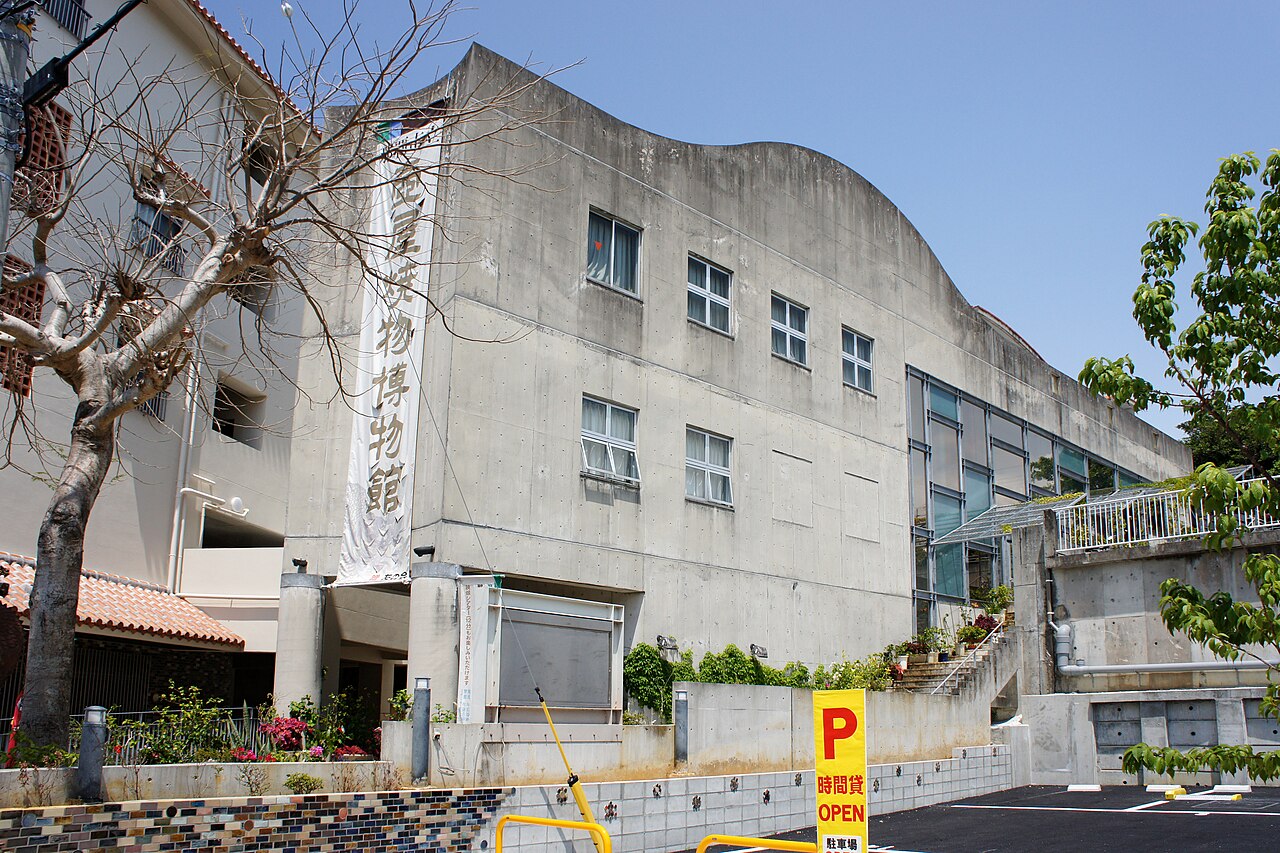
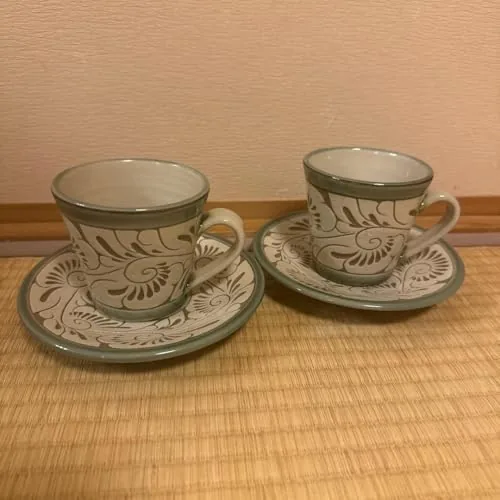
Today the craft is concentrated in southern Okinawa, with Itoman and the Ryukyu Glass Village as its center. Glassblowing grew up beside the island’s older clay tradition — the Tsuboya pottery district in Naha, source of Okinawan yachimun — and the two crafts share a sensibility: thick, hand-shaped, color-forward, made for daily use rather than display. The kara-kara joins the two worlds, pairing the island’s distilled awamori culture with its postwar glass.
How does it compare?
Other Japanese glass, Okinawan crafts, and sake vessels worth comparing before you decide.
Buying options
| Store | Item / variant | Price | Notes |
|---|---|---|---|
| 🇺🇸 Amazon.com (US) | Browse Japanese & Ryukyu glassware | varies (USD) | Best if you’re shopping from the US — Prime shipping, USD pricing, no international customs. Amazon US carries hand-blown Japanese glass from various makers; this specific Ryukyu kara-kara is sourced from Japan (next row). |
| 🇯🇵 Amazon JP Global Store | Ryukyu glass kara-kara | — | Ships internationally from Japan to most major destinations; confirm shipping at checkout. |
| Maker direct | Ryukyu Glass Village / Itoman studios | varies | Studio shops in Okinawa sell directly; international shipping varies by studio and may require email arrangement. |
| Proxy services (Buyee / Tenso) | Forwarding from JP retailers | item + fee + shipping | Useful for sellers that do not ship abroad directly; adds a service fee and consolidated forwarding. Fragile-glass packing is the buyer’s risk. |
Ryukyu glass Kara-Kara sake-server pricing varies with bubble-glass density, color combination, and whether the piece is hand-blown by a single Okinawan studio or a larger cooperative. As a rough range, a small single-bubble server is well below the cost of a multi-color art-glass piece, while a limited-edition collaboration lands noticeably higher. Treat any listed figure as the seller’s current quote rather than a fixed market price.
What it does well
Weaknesses and things to verify before buying
- Product details are limited. Confirm the fit before buying if that matters to you.
- Piece-to-piece variation. Color tint and bubble pattern differ between individual pieces; the one you receive will not exactly match the photo.
- Hand wash recommended. Hand-blown glass is generally best hand-washed; dishwasher and thermal-shock suitability are unconfirmed for this item.
- Fragility in transit. Glass shipped internationally carries breakage risk; check the seller’s packing and returns policy, especially via proxy forwarding.
- Not optical crystal. If you want flawless clarity, this is the wrong object — bubbles and waviness are intrinsic, not defects to complain about.
- Customs and duties. International orders above local thresholds may incur import duty or tax; factor that into the total cost.
Conclusion — which buyer type are you?
Other ways to approach this purchase
❓ Frequently Asked Questions
What is a kara-kara?
It is a traditional Ryukyu serving vessel for awamori or sake, with a rounded body and a narrow neck. The name is onomatopoeic: some older examples held a small ceramic ball that rattled (kara-kara) when the bottle was nearly empty.
Is Ryukyu glass an old tradition?
No. Ryukyu glass has no premodern lineage; it crystallized in postwar Okinawa, when craftsmen melted down discarded bottles under the US occupation because raw material was scarce. The serving form it takes, however, draws on the older Ryukyu awamori-drinking culture.
Why does the glass have bubbles?
The recycled cullet trapped air as it was melted and reblown. The bubbles and stray color were originally defects, but Okinawan makers embraced them, and the awa (bubble) look became the signature aesthetic of the craft.
Can I use it for drinks other than awamori?
Yes. Although it was made to serve awamori, the form works as a decanter or carafe for sake, water, or other cold beverages. Hot liquids are not recommended without confirming the glass is rated for thermal shock.
Does it ship internationally?
International shipping for household glassware varies by destination and seller. Confirm that the chosen shop serves your country and can pack the piece safely; if direct shipping is unavailable, a proxy service may be an option.
Is recycled hand-blown glass dishwasher safe?
Hand-blown glass is generally best hand-washed. Unless the maker states otherwise, avoid assuming dishwasher or thermal-shock suitability, and keep the vessel away from sudden temperature changes.
How is it different from Edo Kiriko or Satsuma Kiriko?
Those are cut-glass traditions, where patterns are ground into clear crystal. Ryukyu glass is the opposite sensibility: thick, bubble-filled, color-saturated hand-blown glass, valued for its irregularity rather than its precision.
jpmono.com is curated by a Japan-based editorial team (working out of Toyama in the Hokuriku region and Nara in Kansai) and is independent. We do not take payment from the makers we feature; income comes from affiliate links. We do not physically test every product — we consult maker specifications and public craft references.
This article was prepared with AI assistance and reviewed by the jpmono editorial team using craft references. Specifications and prices vary; use the information supplied with the individual piece for the final choice.
Affiliate disclosure: jpmono.com may earn a commission on qualifying purchases made through links on this page, at no additional cost to you.