![Sanuki Rihei-yaki Yunomi: Takamatsu’s Oldest Domain Kiln Teacup [2026]](https://jpmono.com/wp-content/uploads/2026/05/japan-map-regions-and-prefectures-800x1050.png)
Sanuki Rihei-yaki (讃岐理平焼, “Sanuki Rihei ware”) is regarded as the oldest pottery tradition in Kagawa Prefecture, on the island of Shikoku. It did not begin as a village folk kiln. It began as an act of domain patronage: in the Kanbun era (1661–1673), the first lord of the Takamatsu domain invited a Kyoto Awataguchi potter to settle in his castle town, and that potter — who took the working name Rihei — founded a lineage that still fires pots today.
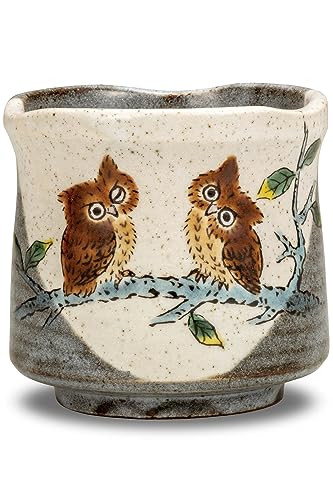
Because its roots are in Kyo-yaki (京焼, “Kyoto ware”) rather than in rustic stoneware, Rihei-yaki carries a refined, painterly character: hand-applied decoration and controlled glazes, the aesthetic of an elite Edo-period court town rather than a farming hamlet. The piece covered here is a Kyoto-style hand-painted yunomi (湯のみ, an everyday Japanese teacup) from the Morishima kiln, the family workshop that has kept the Rihei name alive.
This guide is for readers outside Japan who want a Sanuki Rihei-yaki yunomi with a documented lineage rather than a generic souvenir. It explains who the piece suits, how it compares to other Shikoku and kiln-town teacups, and the practical points for international buyers. Where a detail is uncertain, we say so plainly rather than guessing.
🔄 Updated:
⏱ Read time: about 11 minutes
Who this is for — and who should skip it
- Want a teacup with a verifiable, documented kiln lineage rather than an anonymous gift-shop piece.
- Appreciate Kyo-yaki-style hand-painting — refined decoration over rustic, heavy stoneware.
- Are building a collection of Shikoku or domain-kiln ceramics and want Kagawa’s oldest pottery represented.
- Drink Japanese green tea daily and prefer a smaller, hand-finished cup to a mass-produced mug.
- Are comfortable buying a single artisan piece where exact dimensions vary between firings.
- Need a large-capacity mug for coffee or a full breakfast pour — a yunomi is a modest tea size.
- Want guaranteed identical units (hand-painted ware shows natural piece-to-piece variation).
- Care confirmation matters. Hand-painted glazed ware is best treated according to the maker’s care guidance.
- Are price-sensitive and would rather buy an unbranded teacup at a fraction of the cost.
- Need the item fast and cheaply — international shipping from Japan adds time and cost.
Product overview (from published specs)
Specifications for a Sanuki Rihei-yaki yunomi vary from kiln to kiln, so confirming exact dimensions and capacity from the information supplied with the individual cup is worth the few minutes it takes. Pieces from established kilns typically sit in the 70–80 mm height range with a capacity suited to green tea, though hand-thrown forms drift noticeably. If basic measurements or capacity are missing, ask before ordering rather than assume.
| Attribute | Detail | Source |
|---|---|---|
| Item | Sanuki Rihei-yaki Kyo-style hand-painted yunomi (teacup) | Product title |
| Maker / kiln | Morishima kiln (the Rihei lineage), Takamatsu, Kagawa | Maker tradition |
| Material | Glazed ceramic, hand-painted (Kyo-yaki style) | Product / tradition |
| Origin | Kagawa Prefecture, Shikoku, Japan | Product |
| Capacity / dimensions | — | Not stated |
| Store | What you get | Notes |
|---|---|---|
| 🇺🇸 Amazon US (search) | Browse Japanese yunomi & ceramic teacups | Best if shopping from the US — Prime shipping, USD pricing, no customs. Amazon US carries Japanese teacups from various makers; this exact Rihei-yaki piece ships from Japan (next row). |
| 🇯🇵 Amazon JP Global Store | The exact Morishima-kiln Rihei-yaki yunomi | Ships internationally from Japan; confirm shipping before ordering. |
| Maker direct | Morishima kiln, Takamatsu | Small workshop; no confirmed English-language direct-order channel at time of writing. |
| Proxy services (Buyee / Tenso) | Forwarding from JP domestic shops | Useful if a piece is only listed domestically; adds a forwarding fee. |
📖 Glossary — key terms
- Yunomi (湯のみ) — a tall, handleless Japanese teacup for everyday green tea, distinct from the wider, shallow chawan used in formal tea ceremony.
- Kyo-yaki (京焼, “Kyoto ware”) — the refined, often hand-painted ceramic tradition of Kyoto, associated with court and temple patronage rather than rustic folk pottery.
- Awataguchi (粟田口) — a historic pottery district on the eastern edge of Kyoto and a wellspring of Kyo-yaki potters; Rihei came from this lineage.
- Rihei-yaki (理平焼) — the ware and the inherited workshop name founded by the Kyoto potter who took the name Rihei in Takamatsu; “Sanuki Rihei-yaki” specifies the Sanuki (Kagawa) origin.
- Sanuki (讃岐) — the old province name for present-day Kagawa Prefecture.
- Daimyo (大名) — a feudal domain lord. The Takamatsu daimyo’s patronage is why this kiln exists.
 Sanuki Shikki Kinma natsume
Same Kagawa craft tradition
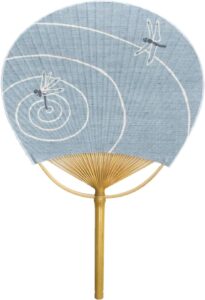 Marugame Uchiwa
Same Kagawa region
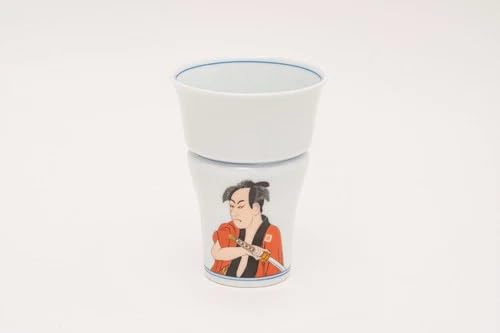 Otani-yaki tumbler
Shikoku pottery (Tokushima)
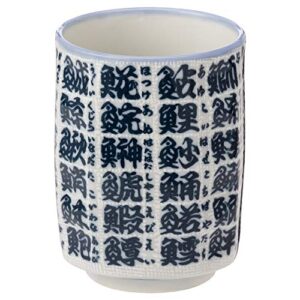 Odo-yaki Tosa yunomi
Shikoku pottery (Kochi)
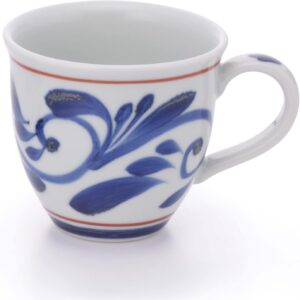 Senzan Tobeyaki mug
Shikoku pottery (Ehime)
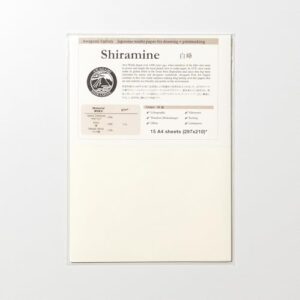 Awa Washi
Shikoku craft (Tokushima)
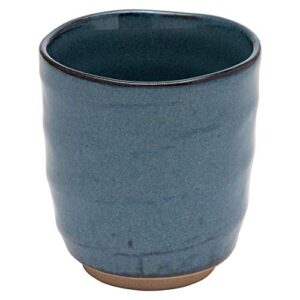 Shitoro-yaki yunomi
Another kiln-town teacup
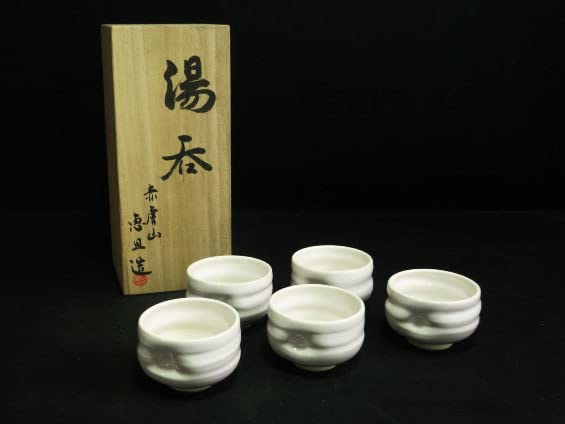 Akahada-yaki Nara-e yunomi
Hand-painted domain-kiln teacup
Buying options
| Store | Item / variant | Price (JPY + USD est.) | Notes |
|---|---|---|---|
| 🇺🇸 Amazon US (search) | Browse Japanese yunomi & ceramic teacups | varies (USD) | Best from the US — Prime, USD pricing, no customs. Compare teacup styles and price tiers. |
| 🇯🇵 Amazon JP Global Store | Rihei-yaki Kyo-style yunomi | — | The sourced item. Ships internationally from Japan; customs may apply above local thresholds. |
| Maker direct | Morishima kiln, Takamatsu | Unconfirmed | Small workshop; no confirmed English direct-order at time of writing. |
| Proxy services (Buyee / Tenso) | Forwarded from JP domestic shops | item + forwarding fee | Path for pieces listed only on JP domestic stores; expect a service fee and consolidated shipping. |
Prices in USD are approximate and depend on the current exchange rate. Prices and stock fluctuate; check the affiliate link for current data.
What it does well
“Rihei-yaki did not grow up from a village — it was invited in. A Kyoto court potter, carried into a Shikoku castle town by a grandson of Tokugawa Ieyasu, and the kiln has answered to his name ever since.”
Weaknesses and things to verify before buying
- Choose the cup for your preferred use.
- Care instructions are unconfirmed. Hand-painted glazed ware is often best hand-washed; follow the maker’s instructions for dishwasher or microwave use.
- Hand-painting means variation. The piece you receive may differ slightly in pattern and tone. This is inherent to the craft, not a defect.
- International shipping adds cost and time. From Japan, expect a shipping surcharge and possible customs duty depending on your country’s import threshold.
- It is a single cup, not a set unless stated otherwise. Confirm the quantity before buying for a household.
Where this comes from

Kagawa is the smallest prefecture in Japan, occupying the northeastern corner of Shikoku and looking out across the calm, island-dotted Seto Inland Sea toward Honshu. In the Edo period it was the province of Sanuki, and its principal castle town was Takamatsu — a coastal seat with sheltered harbors, mild weather, and easy sea links to Osaka and Kyoto. That maritime connection to the Kansai cultural center matters here: it is how a Kyoto potter could be brought across the water to a Shikoku domain, and why the ware that resulted looks like Kyoto rather than like local stoneware.
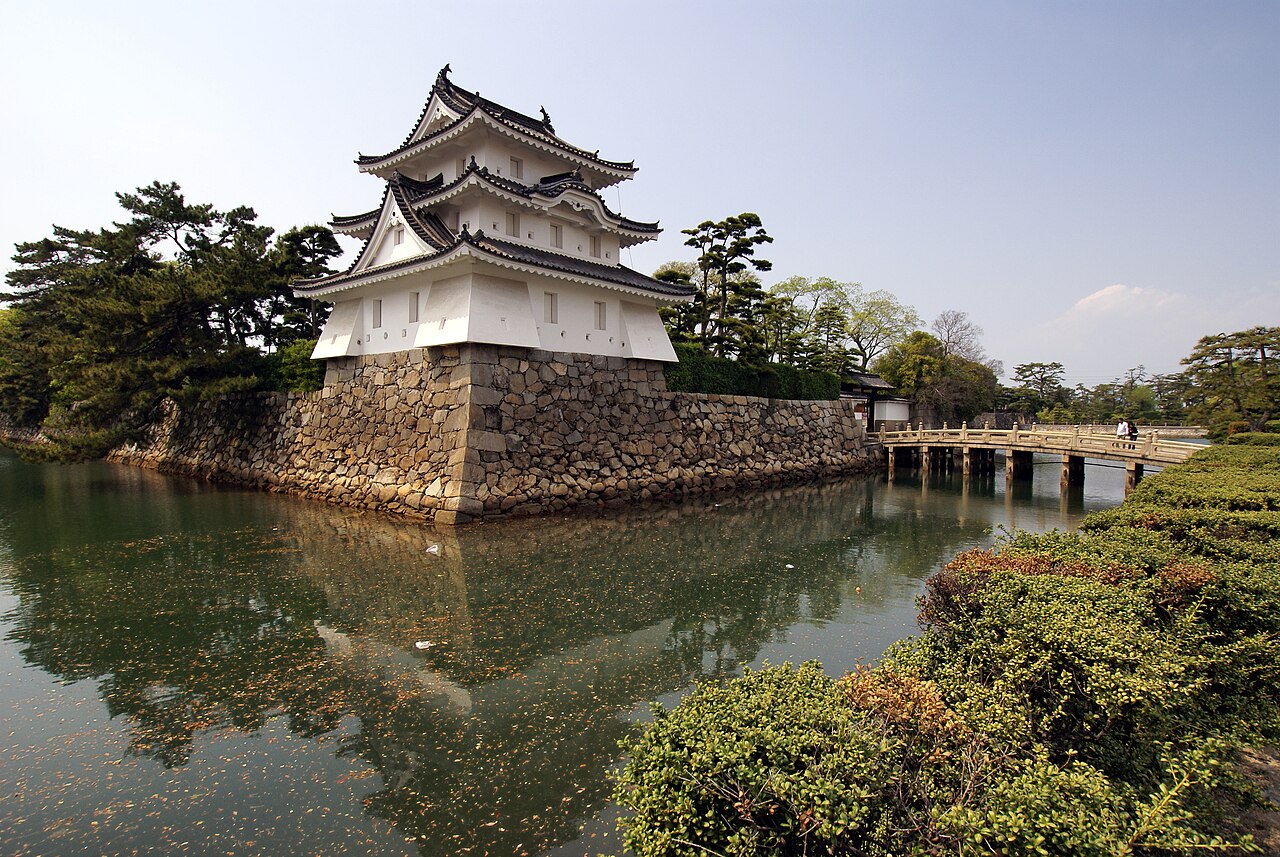
The pivotal figure is Matsudaira Yorishige, installed in the mid-17th century as the first lord of the Takamatsu domain. He was a grandson of Tokugawa Ieyasu, the founder of the shogunate, and the elder brother of Tokugawa Mitsukuni of Mito — in other words, a high-ranking lord with direct ties to the ruling house and to elite cultural taste. During the Kanbun era (1661–1673), he invited a potter from Kyoto’s Awataguchi district, Morishima Sakubei, to settle in Takamatsu. Sakubei took the working name Rihei, and the ware he founded became Sanuki Rihei-yaki — Kagawa’s oldest pottery.
Because the founder came out of Kyo-yaki, the resulting tradition inherited the refined, hand-painted aesthetic of the imperial capital rather than the heavier folk-pottery look of many regional kilns. This was domain-patronized ware, made within reach of a lord’s household and tastes.
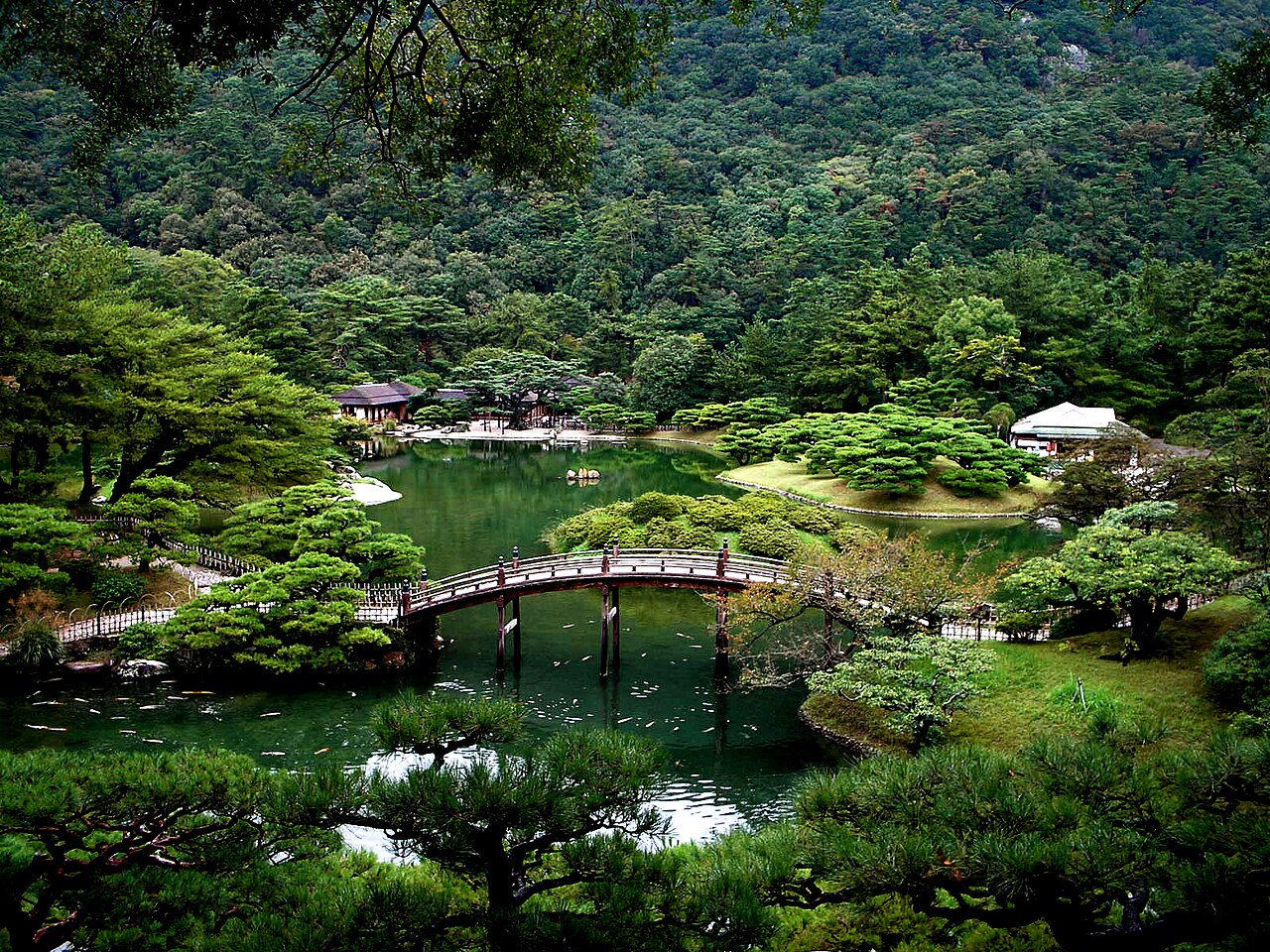
The same patronage produced Ritsurin Garden, one of Japan’s most celebrated landscape gardens, developed over generations of Matsudaira lords just outside the castle. Garden, castle, and kiln belong to one cultural project: an Edo-period domain importing and cultivating Kansai refinement on the Shikoku coast.
- 1588 — Takamatsu Castle is built on the Seto Inland Sea coast, anchoring rule over Sanuki province.
- 1642 — Matsudaira Yorishige, grandson of Tokugawa Ieyasu, is installed as the first lord of the Takamatsu domain.
- c. 1661–1673 (Kanbun era) — Yorishige invites the Kyoto Awataguchi potter Morishima Sakubei, who takes the name Rihei; Sanuki Rihei-yaki is born.
- c. 1745 — Ritsurin Garden reaches largely its present form under the Matsudaira lords, expressing the same patronage.
- 1871 — The domains are abolished; the Morishima family carries the Rihei kiln forward privately, without lordly patronage.
- 20th–21st c. — Rihei-yaki is recognized as a Kagawa-designated traditional craft, with the Morishima kiln keeping the lineage active.
- 2026 — The Morishima kiln still fires Rihei-yaki on a small scale; this yunomi belongs to that continuing line.
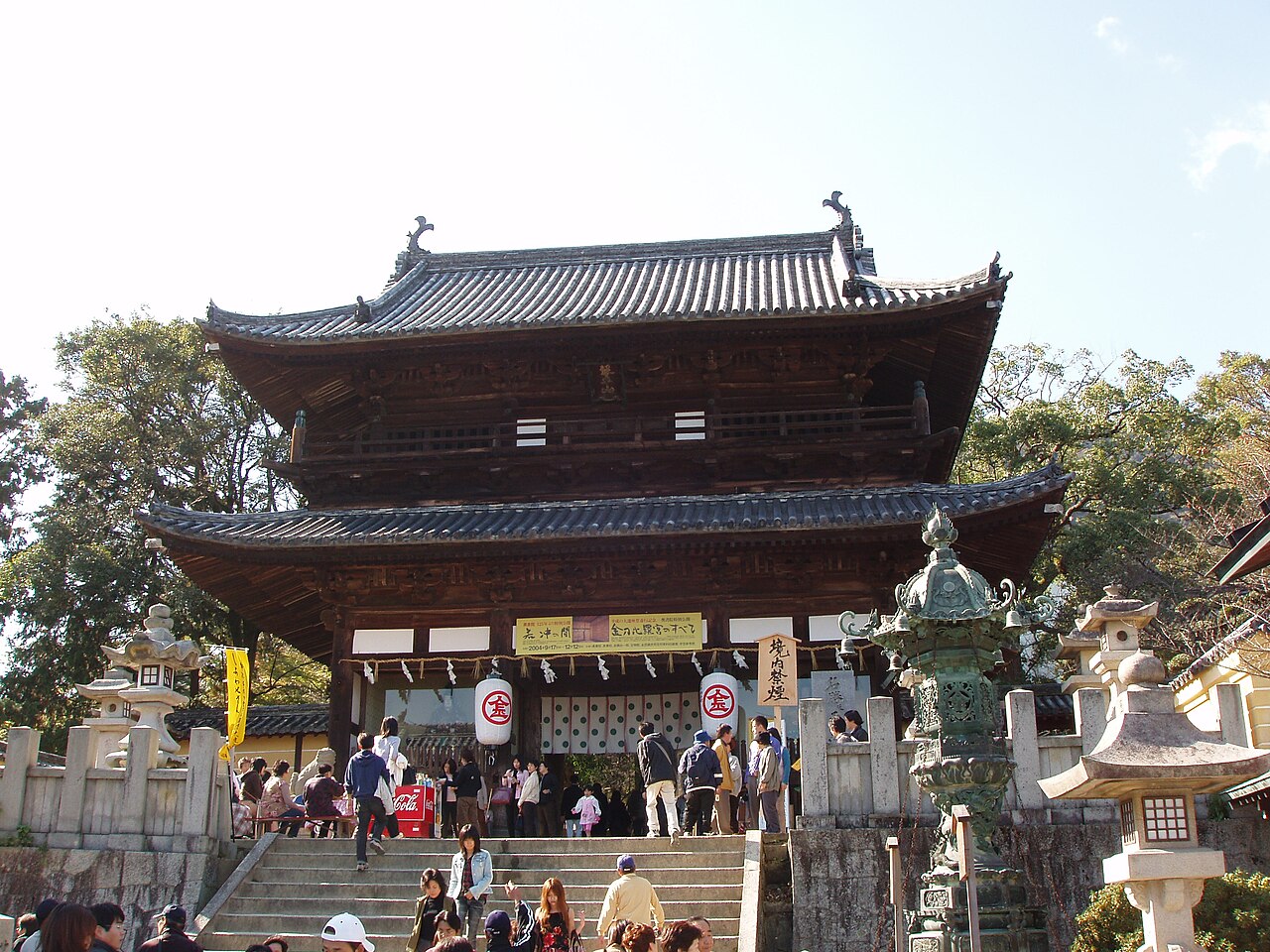
Kagawa’s cultural landscape reinforces the picture. Kotohira-gu — the great Konpira shrine, climbed by centuries of pilgrims up its long stone stairway — drew travelers and trade from across western Japan, and Sanuki has long been a crossroads of the Inland Sea rather than a remote backwater. A kiln serving a cosmopolitan castle town fits naturally into this setting.
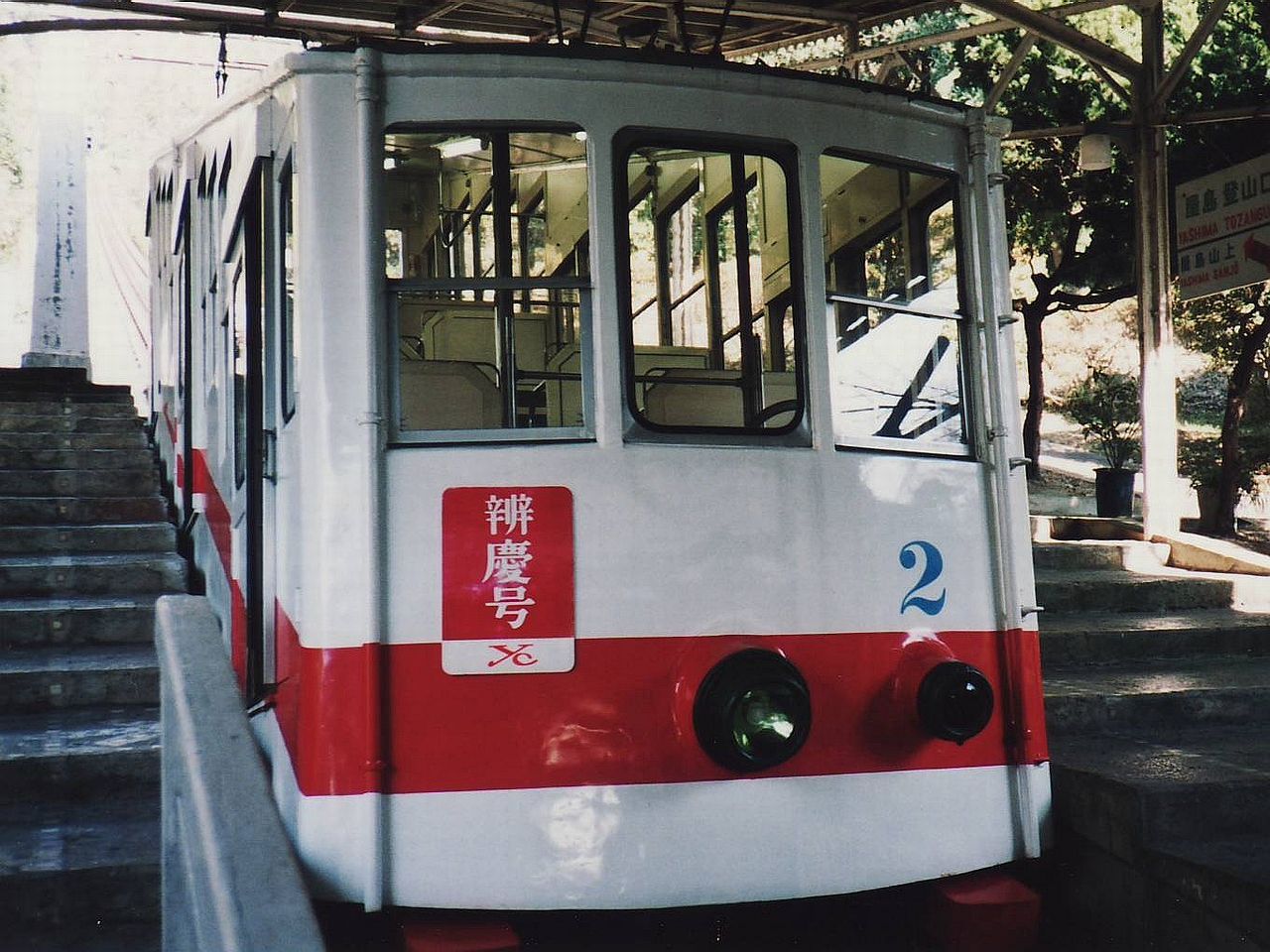
The flat-topped Yashima plateau above Takamatsu, the calm sea studded with islands, and a climate famously low in rainfall give Sanuki its distinctive character — the same region known today for its udon and its art islands. Against that backdrop, the Morishima kiln is a small, living survival of a 360-year-old domain craft. To buy this yunomi is to take a piece of that continuity off the shelf and put tea in it.
Conclusion — which buyer type are you?
Other ways to approach this purchase
❓ Frequently Asked Questions
What is Sanuki Rihei-yaki?
It is the oldest pottery tradition of Kagawa Prefecture (old Sanuki province), founded in the Kanbun era (1661–1673) when the first Takamatsu lord, Matsudaira Yorishige, invited a Kyoto Awataguchi potter who took the name Rihei. The ware carries a refined Kyo-yaki (Kyoto-style) painted aesthetic, and the Morishima kiln continues the lineage today.
Does this teacup ship internationally?
Sanuki Rihei-yaki yunomi can usually be ordered from the kiln directly, from regional ceramics cooperatives in Kagawa, or through larger Japanese craft platforms that ship internationally. International shipping from Japan typically carries a surcharge and customs duty above your country’s import threshold, so factoring these into the landed cost is wise. For pieces sold only within Japan, a proxy forwarder such as Buyee or Tenso is the usual alternative path.
How should I care for a hand-painted yunomi?
Care instructions vary by glaze and finish. Unless the maker states otherwise, hand-painted glazed ware is generally safest hand-washed, and dishwasher or microwave use should not be assumed.
Why does the price show as “varies” instead of a number?
Will the cup look exactly like the photo?
Not necessarily. Because the decoration is hand-painted, pattern placement and tone vary slightly from piece to piece. This variation is a feature of single-kiln craft ware rather than a defect; if you need perfectly uniform units, this is not the right product.
How does it compare to other Shikoku teacups?
Shikoku has several distinct kiln traditions — Otani-yaki in Tokushima, Odo-yaki in Kochi, and Tobeyaki in Ehime among them. Rihei-yaki’s distinguishing point is its Kyoto-court origin and Kagawa-oldest status. See the compare box above for direct links to those alternatives.
jpmono.com is curated by a Japan-based editorial team (working out of Toyama in the Hokuriku region and Nara in Kansai) and is independent. We don’t take payment from the makers we feature; income comes from affiliate links. Read more about our editorial standards.
Note: This article was prepared with AI assistance and reviewed by the jpmono editorial team. Craft and regional descriptions are based on published maker and reference information; details can vary between individual pieces.
Affiliate disclosure: jpmono.com may earn a commission on qualifying purchases made through links on this page, at no additional cost to you.