![Awa Yusan-bako Lacquered Picnic Box of Tokushima: Where to Buy [2026]](https://jpmono.com/wp-content/uploads/2026/05/japan-map-regions-and-prefectures-800x1050.png)
The Awa yusan-bako (阿波遊山箱, “Awa outing box”) is a three-tier lacquered cedar picnic box from Tokushima, on the island of Shikoku — a stack of small drawers-turned-trays with a carry handle, built like a miniature chest. In old Awa Province, children carried these boxes on yusan (遊山, “pleasure outings”) to the slopes of Mount Bizan and the riverbanks every third day of the third month, later fixed as April 3 — a spring custom found nowhere else in Japan. The boxes were the side work of the castle town’s tansu and sashimono joiners, which is why they are finished like bright little chests of drawers rather than plain lunch containers.
The custom faded in the 1970s as mass-produced plastic took over, and since the 2000s local woodworkers and a preservation association in Tokushima City have revived production — both as a children’s heirloom and as an adult picnic or stationery box. The handmade piece covered in this guide follows that revival pattern: stacking mini-tansu construction, lacquered cedar, and a carry handle.
This guide is for international readers weighing a handmade Tokushima box as a keepsake, a gift, or a working picnic and desk object. We cover what the box is, the Awa indigo economy that produced it, how it compares with other lacquerware on this site, and where to buy from outside Japan. A caveat up front: the search feed returned no live price for this craft category at the time of writing, so pricing is flagged as unconfirmed throughout rather than guessed.
🔄 Updated:
⏱️ Read time: ~11 min
- Who this is for — and who should skip it
- Product overview (from published specs)
- Where this comes from — place, era, and the craft tradition
- 📦 Shipping & where to buy from outside Japan
- Where to buy
- What it does well
- Weaknesses and things to verify before buying
- Conclusion — which buyer type are you?
- Other ways to approach this purchase
- ❓ Frequently Asked Questions
Who this is for — and who should skip it
- Want a handmade Japanese object with a documented regional custom behind it, not generic “Japan-style” décor
- Like the mini-tansu form — a tiered, handled box that works for picnics, desk stationery, tea things, or sewing kit
- Appreciate sashimono joinery and lacquered cedar, and are willing to hand-wash and store it with care
- Are buying a meaningful gift tied to Tokushima, Shikoku, or Japanese folk customs
- Collect revived near-extinct crafts and value a verifiable preservation story
- Need a dishwasher-safe, microwave-safe everyday lunch container
- Want confirmed pricing and instant availability before buying
- Expect factory-identical finish; handmade lacquered cedar varies piece to piece
- Need a leak-proof sealed box for wet foods or commuting
- Are shopping at a disposable-container budget — handmade joinery sits in a different price tier
Product overview (from published specs)
Awa yusan-bako is a tiered lacquered wooden box; dimensions, weight, and price vary with joinery, wood, and finish. The table distinguishes features of the craft from maker-specific details.
| Attribute | Detail |
|---|---|
| Object | Handmade Awa yusan-bako — three-tier lacquered cedar picnic box with carry handle |
| Origin | Tokushima (Awa), Shikoku, Japan |
| Construction | Stacking mini-tansu build in the sashimono (指物) joinery tradition; integrated carry handle |
| Tiers | Three stacking tiers |
| Material / finish | Cedar with lacquer finish; lacquer type unconfirmed |
| Dimensions / weight | Unconfirmed — check with the maker |
📖 Glossary — key terms
- yusan-bako (遊山箱) — a small tiered lacquered box that Tokushima children carried on a yusan; the word names the box after the outing.
- yusan (遊山) — a leisurely pleasure outing into hills or along riverbanks, in Tokushima fixed to the third day of the third month (later April 3).
- sashimono (指物) — Japanese fine joinery: wooden parts fitted with interlocking joints instead of nails or screws.
- tansu (箪笥) — traditional Japanese chests of drawers; Tokushima’s tansu joiners built yusan-bako as side work, which is why the box reads as a miniature chest.
- awa-ai (阿波藍) — Awa indigo, the Tokushima domain’s signature crop and export, which funded the castle town’s merchant and artisan culture.
- jūbako (重箱) — the general family of stacked tiered food boxes, used for New Year’s osechi.
- urushi (漆) — natural Japanese lacquer, the tree-sap finish traditionally used to seal and color wooden ware.
- Hina-matsuri (雛祭り) — the Dolls’ Festival on the third day of the third month; the yusan outing grew around its old-calendar date.
Where this comes from — place, era, and the craft tradition

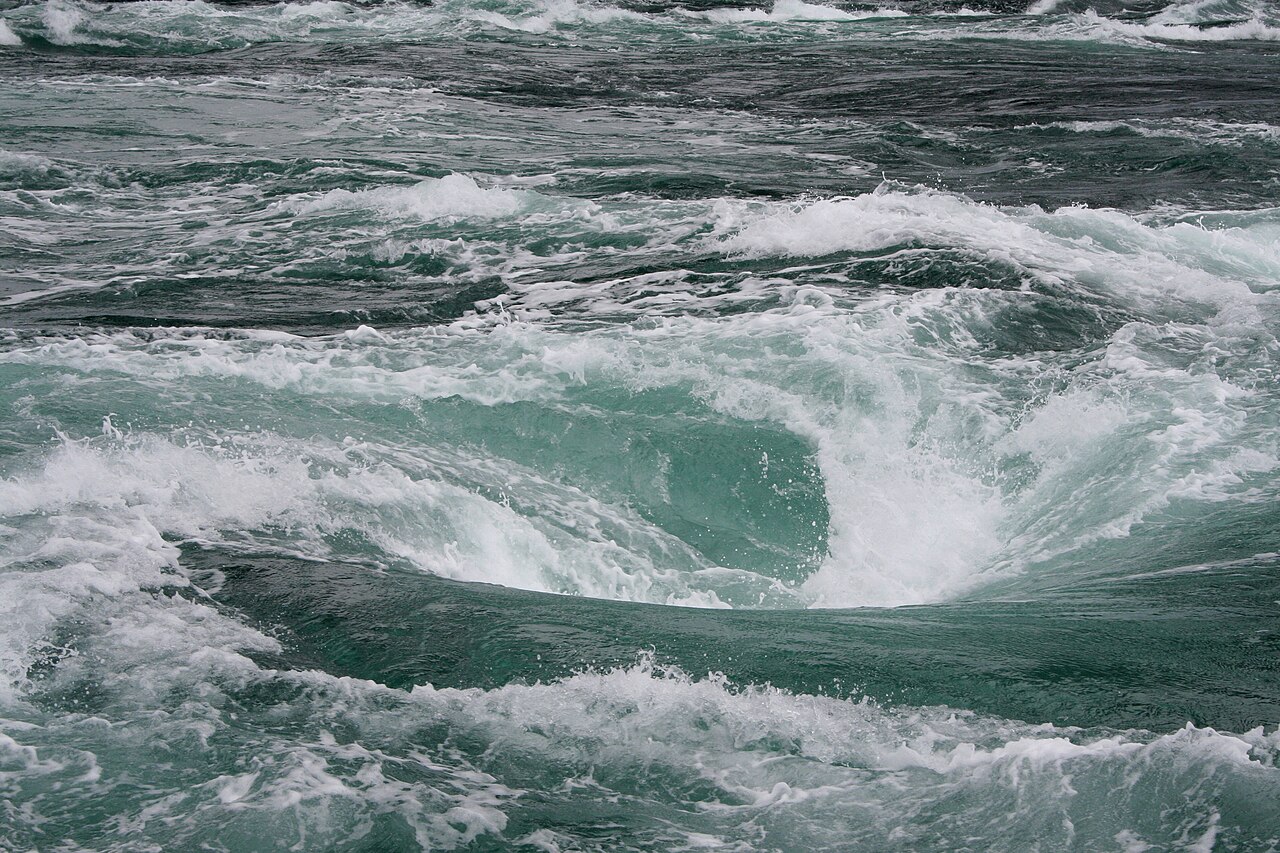
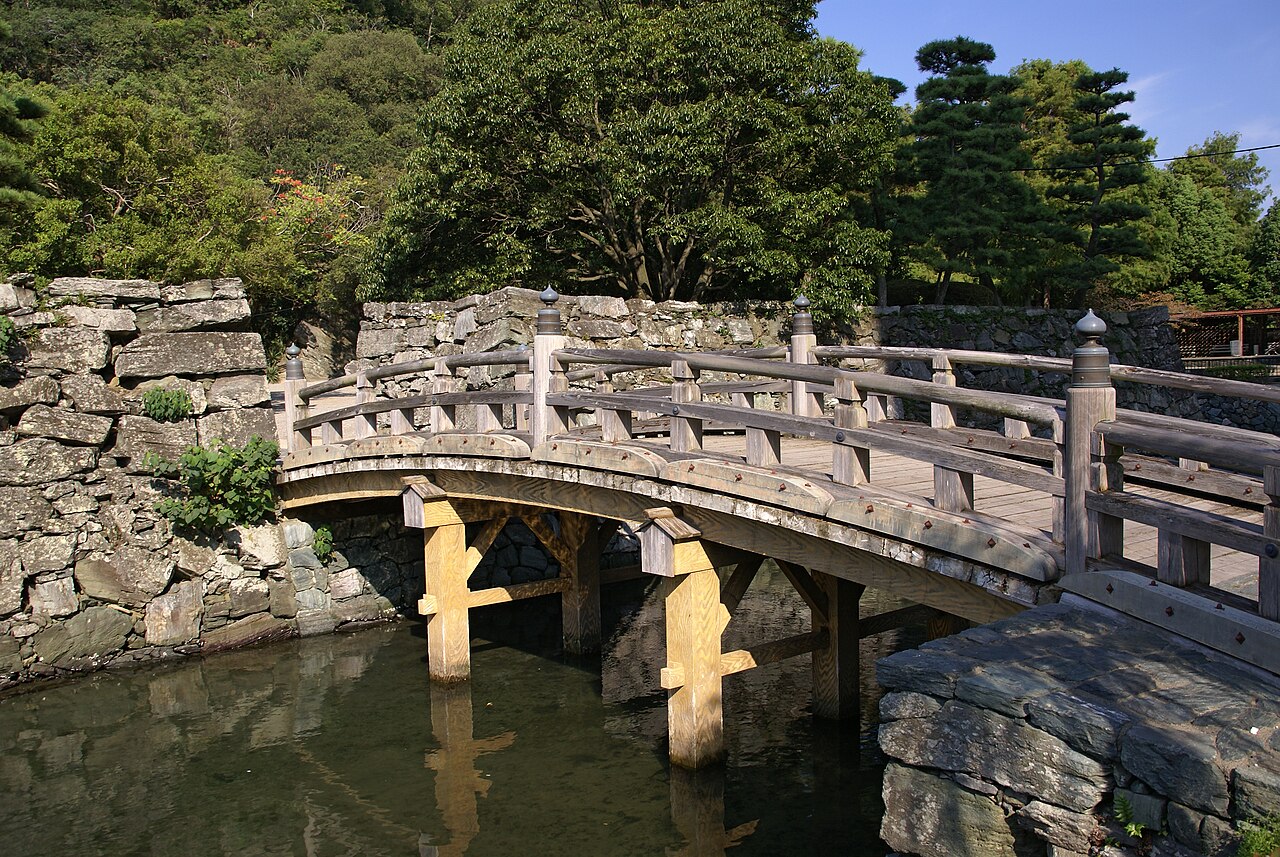
Tokushima occupies the northeastern corner of Shikoku, the smallest of Japan’s four main islands, where the Yoshino River spreads into a delta and meets the sea near the Naruto Strait. In the Edo period that strait was the gateway of Awa Province: the channel through which Tokushima’s indigo and craft goods moved by ship toward Osaka, the great commercial hub across the water. The city’s craft economy has always faced Kansai as much as it has faced the rest of Shikoku.
The historical anchor is the Hachisuka clan. Awa came under Hachisuka rule in 1585, when Hachisuka Iemasa built Tokushima Castle at the Yoshino River delta. The domain’s wealth rested on awa-ai (阿波藍, “Awa indigo”), and that single crop funded an unusually dense merchant and artisan culture in the castle town — dyers, joiners, lacquerers, and the festival economy that surrounded them.
- 1585 — Hachisuka Iemasa takes Awa Province and builds Tokushima Castle at the Yoshino River delta.
- Edo period (1603–1868) — Awa indigo becomes the domain’s signature export, shipped toward Osaka and funding a dense merchant and artisan castle town.
- Edo–Meiji — The yusan custom takes shape: children carry three-tier lacquered boxes to Mount Bizan and the riverbanks on the third day of the third month, later April 3. The boxes are side work for the city’s tansu and sashimono joiners.
- 1970s — Mass-produced plastic containers displace the boxes; the custom fades within a generation.
- 2000s — Local woodworkers and a preservation association in Tokushima City revive production.
- 2026 — Revival boxes are sold both as children’s heirlooms and as adult picnic and stationery boxes.
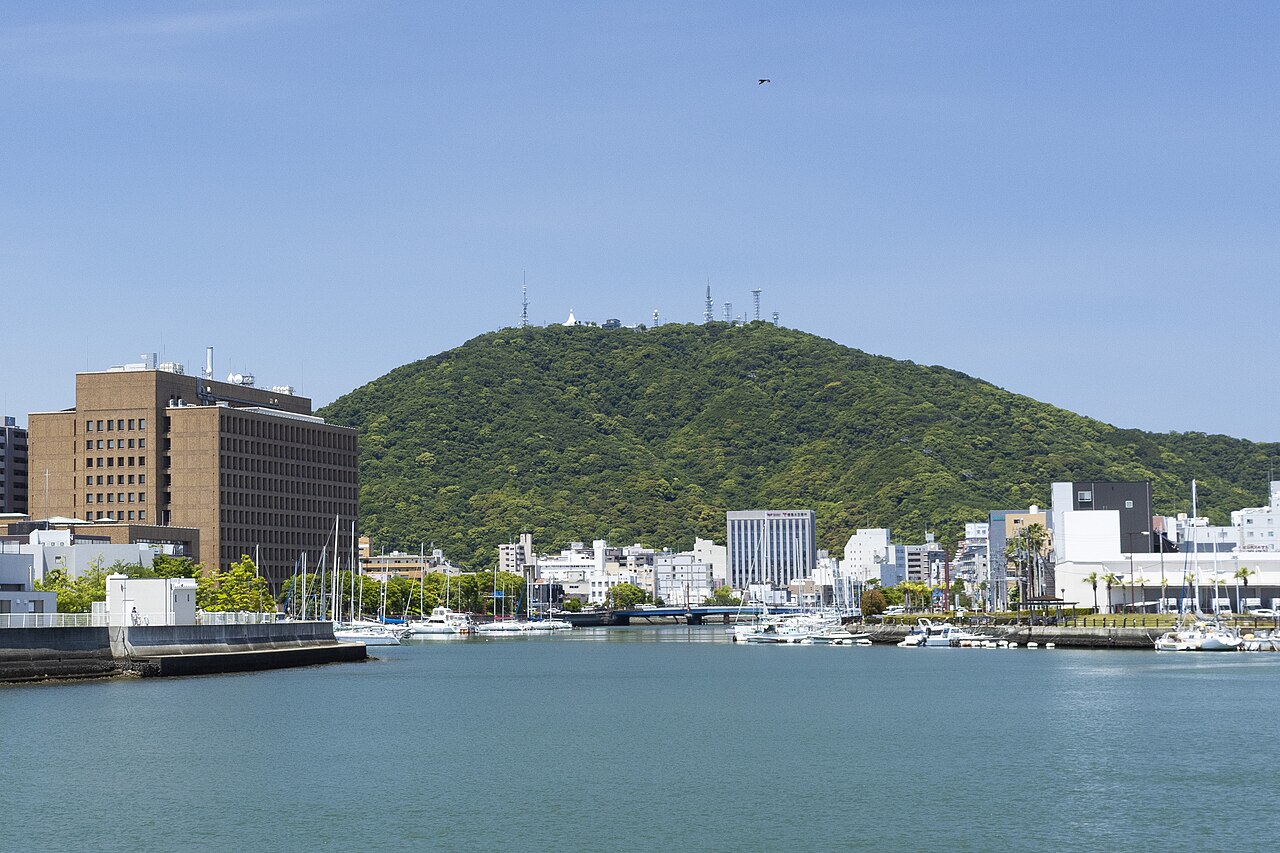
The custom itself was specific in a way few craft stories are. Every third day of the third month — the old-calendar Hina-matsuri season, later fixed as April 3 — Tokushima children packed their three tiers with rolled sushi and uiro sweets and walked to the slopes of Mount Bizan or down to the riverbanks to eat in the open.
This was a custom unique to Tokushima.
Who built the boxes matters as much as who carried them. They were not the product of a dedicated lunch-box industry; they were side work for the castle town’s tansu and sashimono joiners, who applied chest-making joinery and bright lacquer to a child-sized commission. That is why a yusan-bako looks the way it does — stacked tiers in a handled frame, finished like a miniature chest of drawers rather than a food container.
“A yusan-bako is the tansu joiner’s trade shrunk to a child’s hands — a chest of drawers built for one spring morning a year.”
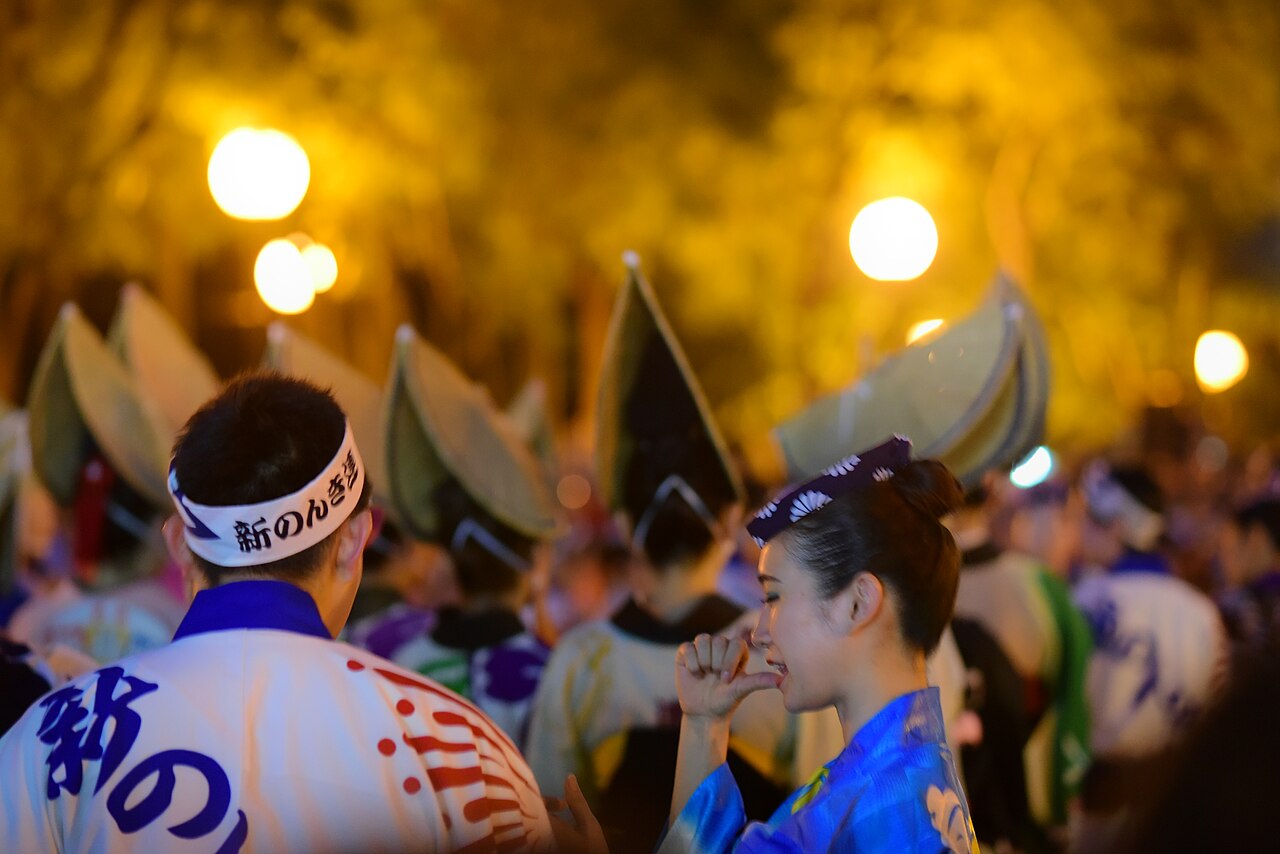
The same indigo wealth that paid the joiners also fed Tokushima’s festival culture, most famously Awa Odori, the city’s enormous summer dance. The yusan outing was the children’s share of that celebratory merchant culture — their own annual festivity, with the box as its emblem.
The continuity case is honest rather than unbroken. The custom faded in the 1970s with mass-produced plastic, and for a few decades the yusan-bako survived mostly as heirlooms in Tokushima households. Since the 2000s, local woodworkers and a preservation association in Tokushima City have rebuilt production—same tiered form, same joiner’s construction—and repositioned the box for two audiences at once: a child’s heirloom and an adult’s picnic or stationery box. Handmade yusan-bako belong to that revival generation.
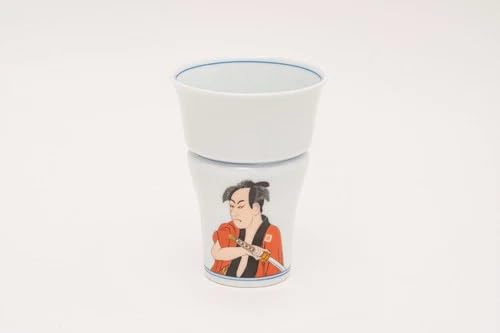 🍵 Otani-yaki Tumbler (Tokushima)
🟦 Buaisou Awa Indigo Tenugui (Tokushima)
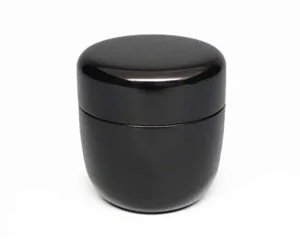 🍂 Sanuki Kinma Lacquer Natsume (Shikoku)
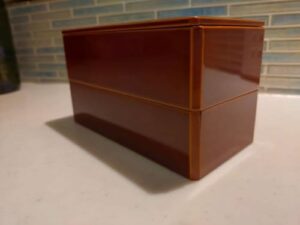 🍱 Ise Shunkei Lacquer Bento Box
🍶 Wajima Nuri Meoto Sakazuki
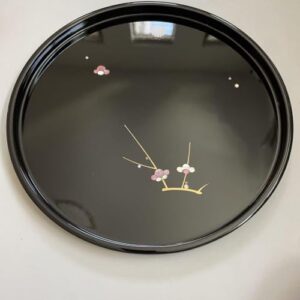 🐚 Takaoka Aogai Raden Lacquer Box
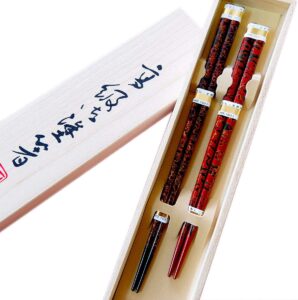 🥢 Tsugaru Nuri Meoto Chopsticks
📦 Shipping & where to buy from outside Japan
Lacquered wooden boxes can travel internationally, but they should be packed to protect the corners and finish from impact and rapid humidity changes. Shipping and import charges vary by destination.
If a retailer does not ship abroad, Tokushima makers’ own sites, proxy-forwarding services, and independent Japanese craft sellers can provide alternative routes. Revival and vintage yusan-bako also surface occasionally through independent sellers.
Where to buy
JPY (¥) is the authoritative price; USD figures, where shown, are approximate estimates at a ¥150/USD baseline as of mid-2026. Live pricing for Awa yusan-bako was unavailable at the time of writing — verify at the retailer before buying.
| Store | Item / Variant | Price (JPY + USD est.) | Notes |
|---|---|---|---|
| 🇺🇸 Amazon.com (US) | Browse Japanese lacquered picnic & bento boxes | varies (USD) | Best if you’re shopping from the US — Prime shipping, USD pricing, no international customs. Amazon US carries lacquered jūbako, bento boxes, and tiered ware from various Japanese makers, useful for comparing sizes and price tiers. The handmade Awa yusan-bako itself ships from Japan (next row). |
| 🇯🇵 Amazon JP Global Store | Handmade Awa yusan-bako, three-tier lacquered cedar, carry handle | Unconfirmed | International availability and current price vary by seller. |
| Maker direct | Tokushima revival workshops / preservation association | Varies | Some Tokushima woodworkers sell direct in Japan; most do not ship abroad without a proxy. |
| Proxy services (Buyee / Tenso) | Forwarding from Japanese retailers | Item price + service fee + reshipping | Useful if the Global Store does not reach your country; adds fees and transit time. |
What it does well
Weaknesses and things to verify before buying
- No confirmed price. Compare current offers before deciding.
- Capacity can vary. Confirm the interior space suits your intended use, such as adult-meal volume or A5 stationery.
- Care burden. Lacquered cedar is hand-wash only — no dishwasher, microwave, or soaking — and dislikes direct sun and very dry rooms. It is not a low-maintenance container.
- Handmade variation. Grain, lacquer tone, and finish details vary piece to piece; the box you receive will not be pixel-identical to a product photo.
- Not sealed. Tiered wooden boxes are not leak-proof. Wet or oily foods need inner containers or careful packing.
- Cross-border cost and time. International shipping adds cost and transit time, and local customs thresholds may trigger duties or import VAT. Confirm delivery to your country before buying.
Conclusion — which buyer type are you?
Other ways to approach this purchase
❓ Frequently Asked Questions
What is a yusan-bako?
A three-tier lacquered cedar box with a carry handle from Tokushima, on Shikoku. Children carried it on yusan — spring pleasure outings to Mount Bizan and the riverbanks on the third day of the third month, later April 3 — packed with rolled sushi and uiro sweets. The custom was unique to Tokushima.
How is it different from a jūbako or a regular bento box?
A jūbako is a larger ceremonial stack of tiers without a handle, made to sit on the New Year table; a modern bento box is a sealed single container. The yusan-bako is compact and portable — built like a miniature tansu chest with a carry handle, because it was made by chest joiners for children to carry outdoors.
Can I use it for everyday lunches?
It works for picnics and occasions rather than daily commuting. Lacquered cedar is hand-wash only, not microwave- or dishwasher-safe, and the tiers are not leak-proof — wet or oily foods need inner containers. Many buyers in the revival era use it as a stationery or desk box instead.
Does it ship outside Japan?
The Amazon JP Global Store ships many household goods internationally, and lacquered wooden boxes are generally eligible. Shipping to the US or EU typically runs about $15–$40, and orders above your local customs threshold may incur duties. If the Global Store does not reach your country, proxy services like Buyee or Tenso can forward it.
How much does it cost?
As handmade joinery with a lacquer finish, yusan-bako generally sits above factory-made tiered boxes. Prices vary with wood, joinery, lacquer work, and size.
How should I care for it?
Hand-wash with a soft cloth and mild detergent, dry promptly, and never use a dishwasher, microwave, or prolonged soaking. Keep it away from direct sunlight and very dry environments, which can stress both lacquer and cedar. Treated this way, lacquered woodware is a long-lived object.
Is it a good gift?
Yes — it carries a specific, tellable story: a Tokushima-only children’s spring custom, revived by local woodworkers since the 2000s. It suits recipients with ties to Tokushima or Shikoku, new parents looking for an heirloom box, and anyone who appreciates Japanese joinery and does not mind hand-washing.
jpmono.com is curated by a Japan-based editorial team (working out of Toyama in the Hokuriku region and Nara in Kansai) and is independent. We do not take payment from the makers we feature; we read maker specifications and craft references rather than physically testing every product.
🤖 This article was prepared with AI assistance and reviewed against regional craft sources and editorial standards. Craft and historical context can be understood separately from the varying specifics of each maker’s box.
Affiliate disclosure: jpmono.com may earn a commission on qualifying purchases made through links on this page, at no additional cost to you.