![Kuma Hanatebako: Hitoyoshi’s Heike-Legacy Camellia Wooden Box [2026]](https://jpmono.com/wp-content/uploads/2026/06/kuma-hanatebako-camellia-wooden-box-where-to-buy-2026-featured.jpg)
In the southern mountains of Kumamoto Prefecture, where the swift Kuma River cuts through one of Japan’s most isolated valleys, the small castle town of Hitoyoshi has produced a folk object that looks like nothing else in the country: the hanatebako (花手箱, “flower hand-box”), a lidded wooden box hand-painted with bold red-and-white camellia blossoms. It is carved from soft local wood, finished entirely by brush, and carries — in local memory at least — an eight-century-old legend of defeated samurai who fled into these gorges and never left.
The hanatebako is one of two signature folk crafts (kyodo gangu, 郷土玩具, “regional toys / folk craft”) to come out of the Kuma valley, alongside the kijiuma wooden horse. Both grew out of an unusually self-contained woodworking culture, sheltered by the steep Kyūshū mountains and shaped by roughly seven centuries of stable rule under a single clan, the Sagara. Today only a handful of Hitoyoshi workshops — Miyahara Kōgei among them — still paint the camellia by hand.
This guide is written for international readers considering a hanatebako as a keepsake, a gift, or a piece of folk-craft décor. We cover what the object is, where it comes from, how to read its history honestly rather than romantically, and — practically — how to buy one from outside Japan. Because the specific listing data for this piece is thin (see the note below), we are explicit throughout about what is confirmed versus what is regional context.
🔄 Updated:
⏱️ Read time: ~9 min

- Who this is for — and who should skip it
- Product overview (from published specs)
- Price snapshot across stores
- Where this comes from
- What it does well
- Weaknesses and things to verify before buying
- Conclusion — which buyer type are you?
- Other ways to approach this purchase
- 🏆 Editor’s Pick
- ❓ Frequently Asked Questions
Who this is for — and who should skip it
- Want a folk-craft object with a documented regional story, not a mass-produced souvenir
- Appreciate visible hand-brushwork where no two pieces are identical
- Are looking for a small lidded box for trinkets, accessories, or keepsakes
- Like camellia (tsubaki) motifs and bold red-and-white folk color
- Are comfortable buying internationally from a Japan-sourced listing
- Need precise, guaranteed dimensions or weight before buying (listing data is thin)
- Expect a hardwood, lacquered, or heirloom-grade construction — this is soft painted wood
- Want a functional, heavy-use storage box rather than a decorative folk piece
- Dislike variation and want a perfectly uniform, machine-finished surface
- Are unwilling to wait for international shipping from Japan
Product overview (from published specs)
Per the Amazon JP Global Store listing for ASIN B0FR4RQ8DV and the maker context, the confirmed details are limited. The table below leads with where to buy, then lists what the data supports. Where a value is not stated in the listing, it is marked “Unconfirmed” rather than guessed.
Kuma Hanatebako
熊本県伝統工芸品花手箱の小物入れ
通常5~6日以内に発送します。 · Sold by コレクトマーチ · ASIN B0FR4RQ8DV
Price and availability as of 2026-08-31 02:30 JST. The Amazon listing at the time of purchase is authoritative. jpmono.com earns a commission on qualifying purchases at no extra cost to you.
| Attribute | Detail (per listing / maker context) |
|---|---|
| Object | Hanatebako (花手箱) — lidded wooden hand-box, folk craft (kyodo gangu) |
| Maker | Miyahara Kōgei (Hitoyoshi, Kumamoto) |
| Motif | Hand-painted camellia (tsubaki, 椿) — stylized red & white blossoms |
| Material | Soft local wood, hand brush-finished (lacquer/coating type Unconfirmed — check listing) |
| Origin | Hitoyoshi, Kuma district, southern Kumamoto Prefecture, Kyūshū |
| Dimensions / weight | Unconfirmed — verify on listing before purchase |
| ASIN | B0FR4RQ8DV (Amazon JP Global Store) |
Sources: Amazon US search (primary, moonill-20) + Amazon JP Global Store (secondary, moonill-22, sourced listing) + maker context. No third-party specs are invented.
📖 Glossary — key terms in this article
- Hanatebako (花手箱) — literally “flower hand-box”; a small lidded wooden box painted with floral motifs, traditionally a girl’s keepsake or storage box.
- Tsubaki (椿) — the camellia flower, the hanatebako’s signature motif, painted in bold red and white.
- Kijiuma (木地馬) — “wooden horse”; the Kuma valley’s other signature folk toy, made by the same woodworking tradition.
- Kyodo gangu (郷土玩具) — “regional folk craft / toy”; locally made objects that are part of a place’s craft identity.
- Sagara (相良) — the warrior clan that ruled Hitoyoshi for roughly 700 years.
- Gokanoshō (五家荘) — a cluster of remote mountain hamlets in the Kuma region tied to the Heike-refugee legend.
- Heike / Taira (平家) — the clan defeated in the Genpei War (1180–1185); by legend, survivors fled to hidden settlements like those in the Kuma gorges.
Related folk woodwork, carved boxes, and Kyūshū craft we have covered on jpmono.com:
 🐻 Hokkaido folk woodcarvingCarved okimono from Hokkaidō
 🍵 Murakami carved tea caddyCarved & lacquered woodwork
 📦 Kyo paulownia boxKyoto joinery box
 🌾 Owari paulownia containerPaulownia storage
 🪵 Hakone marquetry woodworkYosegi mosaic technique
🏺 Arita porcelain (Kyushu)Neighboring Kyūshū craft
 🍶 Karatsu ware (Kyushu)Painted Kyūshū pottery
 🥢 Hasami porcelain (Kyushu)Modern Kyūshū tableware
Price snapshot across stores
JPY is the authoritative price for the specific listed item; USD figures are approximate estimates at a ¥150/USD baseline. At the time of writing, a published JPY figure was not captured in our listing snapshot, so confirm the live price at the retailer.
| Store | Item / variant | Price (JPY + USD est.) | Notes |
|---|---|---|---|
| 🇺🇸 Amazon US (search) | Browse Japanese folk-craft wooden boxes | varies (USD) | Best if you’re shopping from the US — Prime shipping, USD pricing, no customs. Amazon US carries Japanese carved and painted wooden boxes; this exact Hitoyoshi piece is sourced from Japan (next row). |
| 🇯🇵 Amazon JP Global Store | Miyahara Kōgei hanatebako (B0FR4RQ8DV) | Check listing (USD est. follows JPY) | The sourced listing for this exact item. Ships internationally from Japan to most major destinations. |
| Maker direct | Miyahara Kōgei (Hitoyoshi) | Unconfirmed | A small workshop; direct international ordering may be limited. Verify availability. |
| Proxy services (Buyee / Tenso) | Forwarding from JP domestic shops | Item price + fees | Useful if a seller ships only within Japan; adds handling and forwarding fees. |
Where this comes from

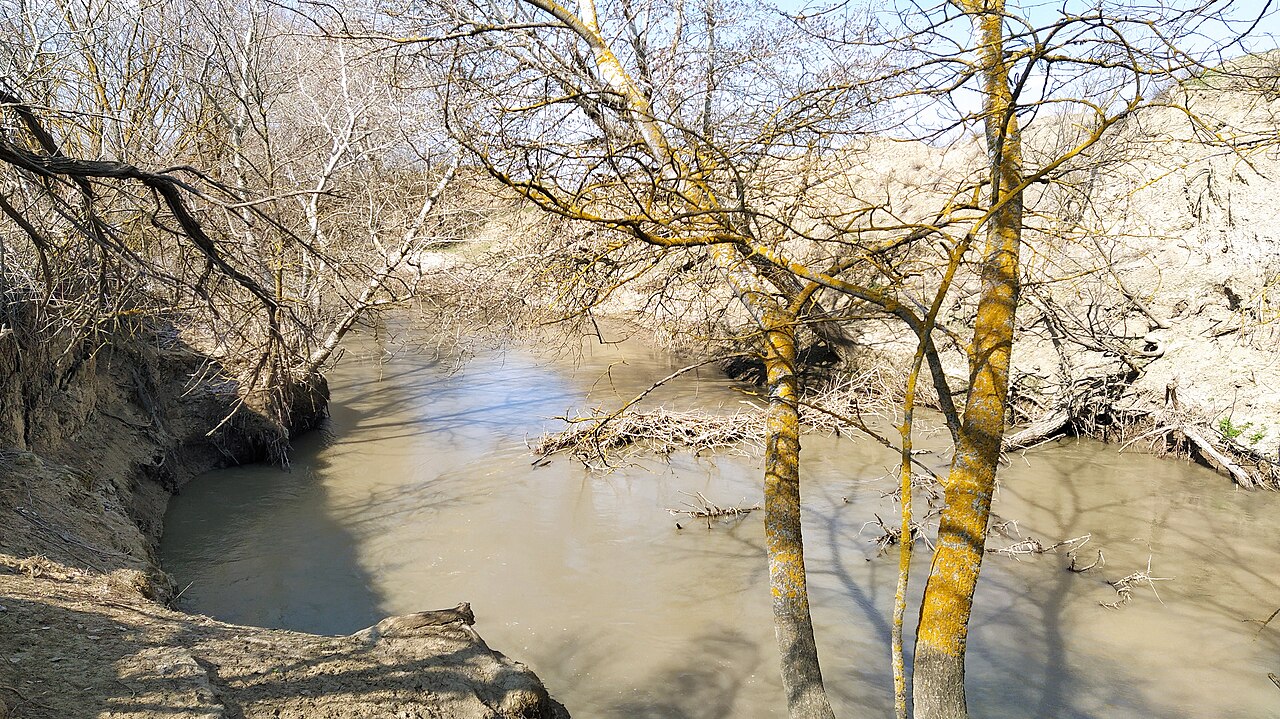
Hitoyoshi is a small city in the far south of Kumamoto Prefecture, on the island of Kyūshū. It sits in the Kuma basin, an inland pocket walled in by the Kyūshū mountains and drained by the Kuma River — counted among Japan’s three fastest-flowing rivers. That geography matters: the valley was historically hard to reach, which kept its culture, dialect, and crafts unusually self-contained. Abundant local softwood gave the area a woodworking base; isolation gave it the time to develop its own forms.
Deeper into the gorges, in the scattered hamlets of Gokanoshō and around Itsuki, runs one of Kyūshū’s most enduring legends. After the Taira (Heike) clan was destroyed in the Genpei War, which ended in 1185, defeated warriors are said to have fled into these mountains and built hidden settlements far from the victorious Minamoto. The story is folklore rather than documented history — it is traditionally believed, not proven — but it has shaped the valley’s self-image for centuries, and it sits in the background of its folk crafts.
“Carved from soft mountain wood and finished entirely by hand, each camellia is painted brushstroke by brushstroke — no two boxes are exactly alike.”
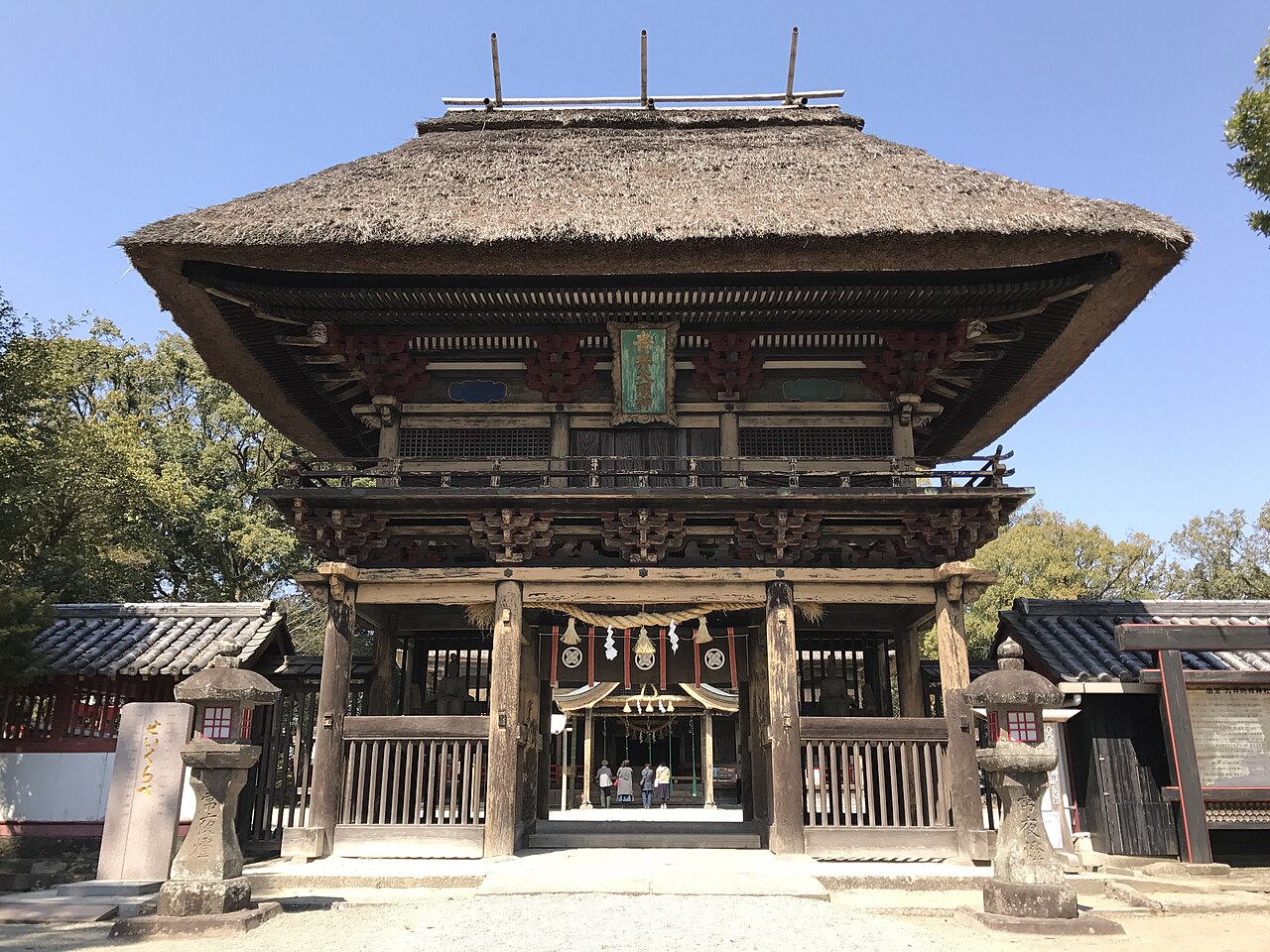
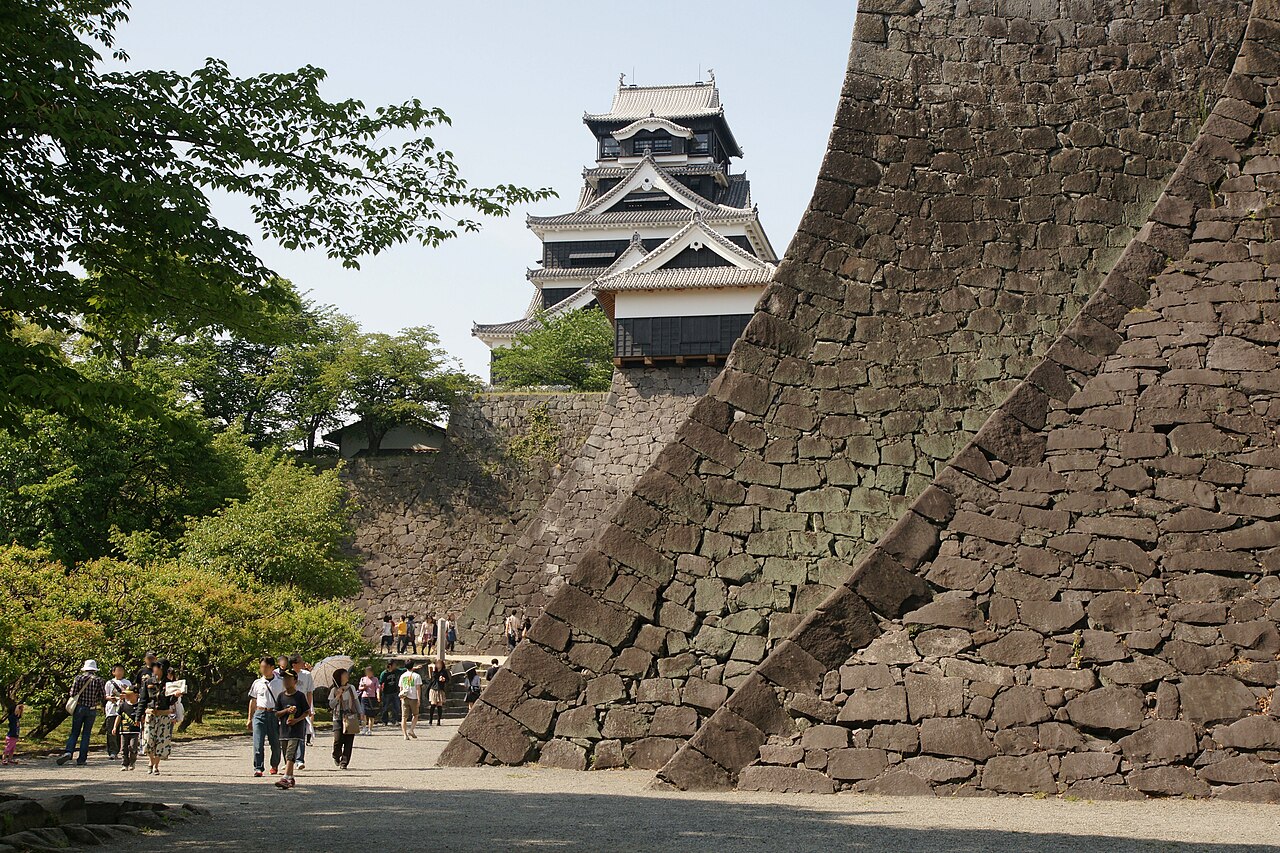
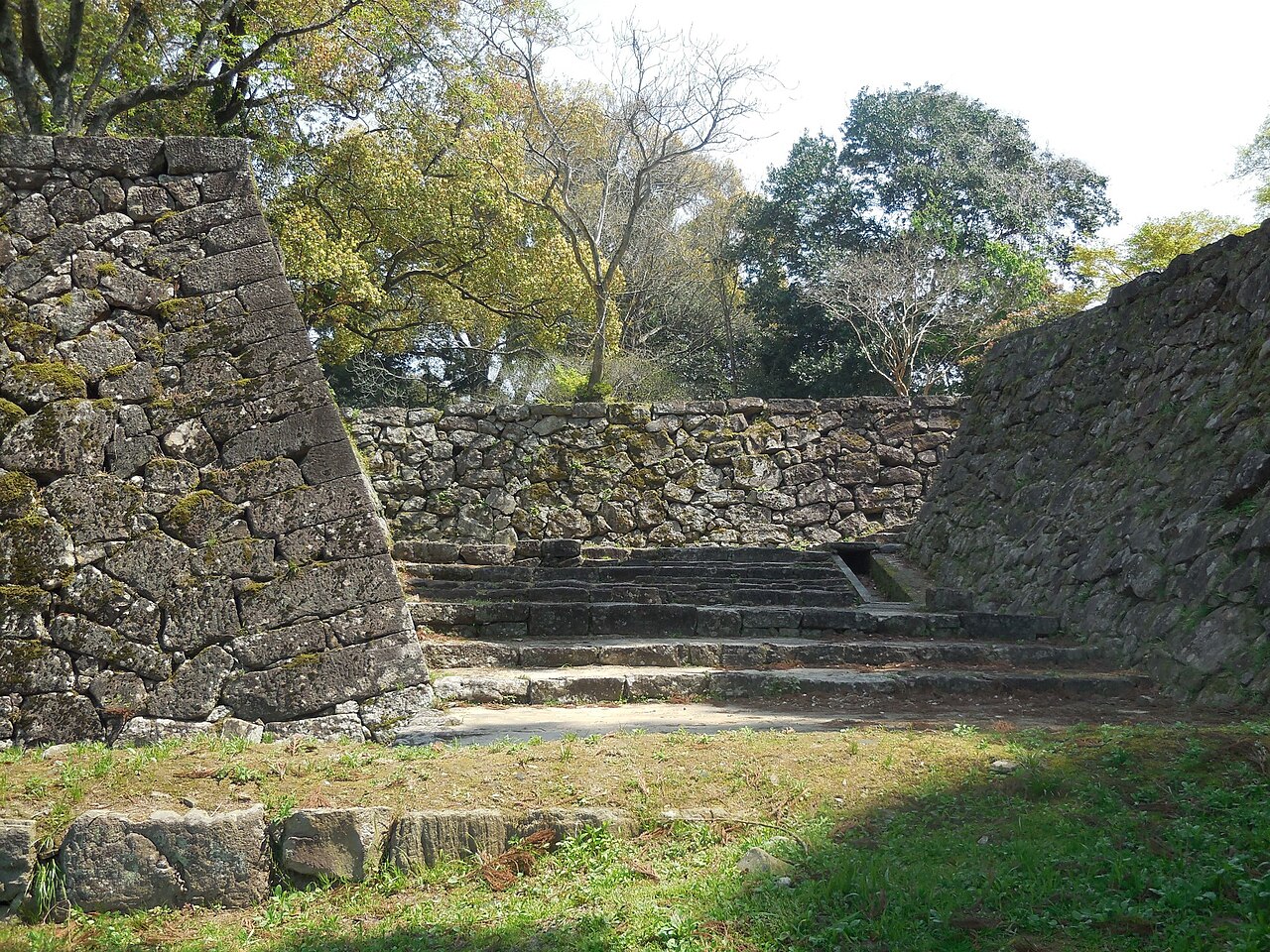
From the late twelfth century, Hitoyoshi was held by the Sagara clan, installed as local lords around 1198 at the start of the Kamakura period. The Sagara then ruled the Kuma district for roughly 700 continuous years, until the abolition of the domains after the Meiji Restoration in 1871 — an unusually long, stable dynasty by Japanese standards. That continuity left visible marks: the stone ruins of Hitoyoshi Castle, and the National Treasure Aoi Aso Shrine, whose halls were completed in the early 1600s. A settled, patronage-supporting regional court is exactly the environment in which local folk crafts can take root and survive across generations.
- 1185 — The Genpei War ends; by legend, defeated Heike (Taira) flee into the Kuma gorges.
- 1198 — The Sagara clan is installed as lords of Hitoyoshi, beginning roughly 700 years of rule.
- early 1600s — Current halls of Aoi Aso Shrine completed (later designated a National Treasure).
- 1871 — The Meiji abolition of domains ends Sagara rule over the Kuma district.
- 20th century — The kijiuma horse and hanatebako are recognized as Kumamoto’s signature folk crafts (kyodo gangu).
- 2020 — Catastrophic Kuma River flooding strikes Hitoyoshi and the surrounding valley.
- 2026 — A handful of workshops, including Miyahara Kōgei, continue painting hanatebako by hand.
What “still being made here” means in practice is modest but real. The hanatebako is no longer an everyday object; it survives as a folk craft kept alive by a small number of Hitoyoshi workshops. Miyahara Kōgei is among those still carving the boxes and painting the camellia in the traditional bold red and white. Buying one is, in part, support for a narrow craft line in a region that has had a hard recent decade.
What it does well
Weaknesses and things to verify before buying
- Thin listing data. Exact dimensions, weight, and coating were not captured in our snapshot — confirm them on the listing before buying.
- Soft, painted wood. This is a folk-craft box, not lacquered hardwood; treat the painted surface gently and keep it away from moisture and direct sun.
- Price not confirmed. No published JPY figure was captured at the time of writing; the live price (and any international shipping fee) should be checked at the retailer.
- Variation between pieces. Because the camellia is hand-painted, the box you receive may differ slightly from the photo. If you want an exact match, that is a risk.
- Limited maker-direct access. Miyahara Kōgei is a small workshop; direct international ordering may not be straightforward, so the Amazon JP path is usually simpler.
- Customs / duties. Orders above your country’s de minimis threshold may incur import duty or tax on arrival.
Conclusion — which buyer type are you?
Other ways to approach this purchase
🏆 Editor’s Pick
❓ Frequently Asked Questions
What is a hanatebako?
A hanatebako (花手箱) is a small lidded wooden box from the Hitoyoshi / Kuma region of Kumamoto, hand-painted with stylized camellia blossoms. It was traditionally a girl’s keepsake or storage box and is now valued as a regional folk craft.
Where is it made, and by whom?
It is made in Hitoyoshi, in the Kuma valley of southern Kumamoto Prefecture on the island of Kyūshū. This specific piece is by Miyahara Kōgei, one of the few workshops still producing hanatebako by hand.
Can it be shipped internationally?
Yes. The item is sourced from the Amazon JP Global Store (ASIN B0FR4RQ8DV), which ships to most major destinations from Japan. Orders above your country’s de minimis threshold may incur customs duty or tax.
How much does it cost?
A published JPY price was not captured in our listing snapshot at the time of writing. JPY is the authoritative figure for the specific item; please check the live price at the retailer before buying. USD estimates here assume a ¥150/USD baseline.
Why does each box look slightly different?
The camellia motif is painted by hand, so small differences in line and color are normal and expected. This variation is a hallmark of folk craft, not a flaw — but if you want an exact match to the photo, be aware of it.
How should I care for it?
Treat it as a decorative painted-wood object: keep it away from moisture, humidity swings, and direct sunlight, and wipe it only with a soft dry cloth. It is not intended for heavy-duty or wet use.
Is the Heike-refugee legend true?
It is folklore that is traditionally believed in the Kuma region, not documented history. Survivors of the defeated Taira (Heike) clan are said to have fled into the gorges of Gokanoshō after 1185, and the story remains part of the valley’s cultural identity.
jpmono.com is curated by a Japan-based editorial team working out of Toyama (Hokuriku region) and Nara (Kansai region), and is independent. We do not take payment from the makers we feature; income comes from affiliate links. We do not physically test every product — we read maker specs and source listings.
🤖 This article was prepared with AI assistance and reviewed against the source listing data. Facts are drawn from the Amazon JP Global Store listing snapshot and regional craft context; where data was incomplete, this is stated plainly rather than filled in.
Affiliate disclosure: jpmono.com may earn a commission on qualifying purchases made through links on this page, at no additional cost to you.