![Hokkaido Jingisukan Cast Iron Grill Pan — Where to Buy [2026]](https://jpmono.com/wp-content/uploads/2026/05/japan-map-regions-and-prefectures-800x1050.png)
The jingisukan (ジンギスカン, “Genghis Khan”) pan is the single most recognizable piece of cookware to come out of Hokkaido, and it does not look like anything else in a Japanese kitchen. It is a heavy cast-iron dome, ridged like the back of a turtle, with a slotted or vented crown and a shallow trough running around the rim. You set it over a tabletop gas burner, lay thin slices of lamb across the hot ridges of the dome, and pile onions, bean sprouts, and cabbage into the moat below. As the lamb cooks, its fat and juices run down the slope and braise the vegetables in the trough. It is grilling and stewing in one vessel — the form follows the meal exactly.
What this article covers is narrow and honest. Hokkaido has no METI-designated metal tradition; its officially named crafts include Otaru glass, Asahikawa blades, Nibutani Ainu woodwork, and Yutoku carved bears. The jingisukan pan is not a forging lineage handed down through generations of named smiths. It is a food-culture object: a domed cast-iron cookware form developed for a Hokkaido dish, with many pans made by Nambu and other mainland foundries.
This guide is for international cooks deciding whether a heavy cast-iron jingisukan pan suits their kitchen and cooking style. We cover the domed form, how to choose a suitable pan, the weaknesses worth knowing before you commit, and how this cookware sits beside other Hokkaido and cast-iron pieces.
🔄 Updated: June 13, 2026
⏱️ Read time: ~11 min
- Who this is for — and who should skip it
- Product overview (from published specs)
- Where this comes from — place, era, and the dish that made the pan
- Where to buy
- What it does well
- Weaknesses and things to verify before buying
- Conclusion — which buyer type are you?
- Other ways to approach this purchase
- ❓ Frequently Asked Questions
Who this is for — and who should skip it
- Cook lamb (or pork, beef, vegetables) at the table and want fat to drain rather than pool
- Already use cast iron and are comfortable seasoning, drying, and oiling iron cookware
- Have a tabletop gas burner or an induction hob, and a range hood or good ventilation
- Want the authentic Hokkaido jingisukan form, not a flat griddle or a non-stick imitation
- Value heat retention and an even, heavy cooking surface over light weight and convenience
- Want a dishwasher-safe, no-maintenance pan — cast iron needs hand care and re-oiling
- Have only an electric coil or smooth radiant cooktop and no tabletop burner
- Cannot ventilate indoor grilling smoke and lamb aroma
- Need something light to lift, store, and wash — these pans are deliberately heavy
- Expect a famous named-smith heritage piece; this is a food-culture cookware form, not a forging lineage
Product overview (from published specs)
The table below summarizes typical characteristics of cast-iron jingisukan pans. Exact weight, diameter, finish, and price vary by maker and model, so treat those details as specifications to confirm with the manufacturer or a specialist cookware seller.
| Attribute | Detail |
|---|---|
| Item type | Domed cast-iron jingisukan (Genghis Khan) tabletop grill pan |
| Material | Cast iron (鋳鉄), pre-seasoned heavy iron |
| Form | Ridged sloping dome + center vent + rim trough for vegetables |
| Heat sources | Induction (IH) and gas compatible |
| Diameter / weight | — |
| Origin | Hokkaido signature cookware form; many such pans are cast by Nambu (Iwate) and other foundries |
Cast-iron jingisukan pans vary in price, weight, and diameter. Compare the current specifications from a reputable maker or specialist seller before ordering.
📖 Glossary — key terms
Jingisukan (ジンギスカン, “Genghis Khan”) — Hokkaido’s signature grilled-lamb dish and, by extension, the domed pan it is cooked on. The name is a 20th-century invention; it has no real connection to the Mongol ruler beyond marketing.
Cast iron (鋳鉄, chūtetsu) — iron poured molten into a mold, prized for heat retention and an even cooking surface. It rusts if left wet, so it is dried and oiled after washing.
Nambu (南部) — the historic Nambu domain area of present-day Iwate Prefecture on the mainland, famous for nambu tekki (南部鉄器, “Nambu ironware”). Many jingisukan pans are cast in this tradition’s foundries.
Kaitakushi (開拓使) — the Hokkaido Development Commission, the Meiji-government office (1869–1882) that ran the colonization and industrialization of the island, including its first brewery in 1876.
Kitamae-bune (北前船) — the Edo-period coastal trading ships that carried goods, including mainland metalware, between Osaka and the northern ports along the Sea of Japan.
Where this comes from — place, era, and the dish that made the pan

Hokkaido is the second-largest and northernmost of Japan’s main islands — cold, broad, and comparatively young in Japanese terms. While Nara and Kyoto were imperial capitals more than a thousand years ago, Hokkaido was the homeland of the Ainu and lay largely outside the Japanese state until the modern era. Its systematic settlement by Wajin (ethnic Japanese mainlanders) only accelerated after 1869, when the new Meiji government created the Kaitakushi (開拓使, “Development Commission”) to colonize and industrialize the island. That late, deliberate, state-driven development is exactly why Hokkaido’s defining “craft” is a dish and its cookware rather than a centuries-old forging lineage.
The pan exists because of the lamb, and the lamb is there because of wool. In the early-to-mid Showa era, the Japanese government pushed a sheep-raising drive aimed at wool self-sufficiency, and Hokkaido’s cool grasslands were well suited to it. As the flocks grew, so did a supply of mutton and lamb that the rest of Japan had little appetite for. Hokkaido turned that meat into a regional cuisine: thin-sliced lamb seared at the table, dipped in a soy-and-fruit sauce or marinated before grilling. The dish acquired the name “jingisukan” — a piece of period branding, not history — and it spread from company canteens and beer halls into homes across the island.

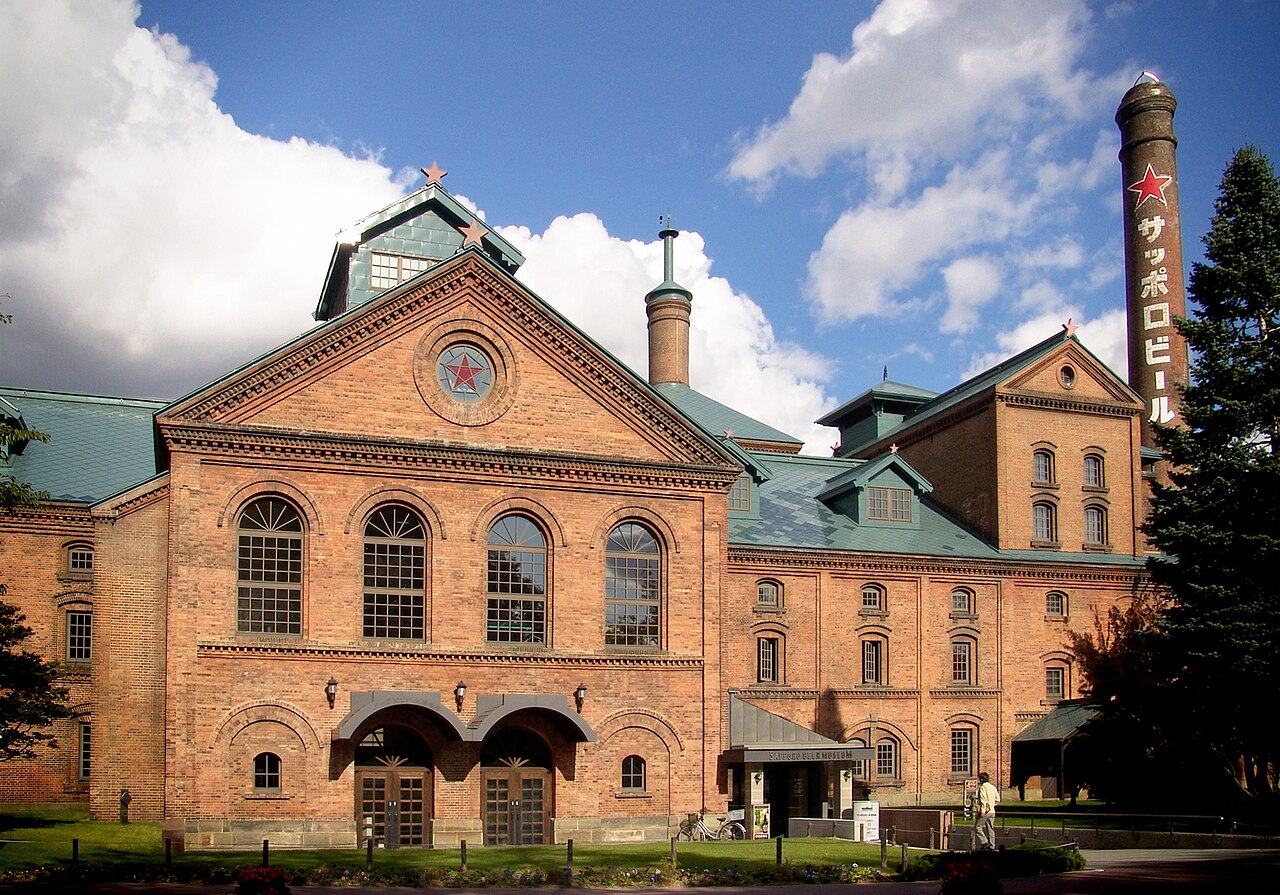
The single most important address in this story is the Sapporo Beer Garden, beside the brewery the Kaitakushi founded in 1876. The pairing of cold lager and hot grilled lamb, cooked over a shared domed pan at long communal tables, is what fixed jingisukan in the national imagination as the Hokkaido meal. The red-brick brewery buildings still stand as the Sapporo Beer Museum, and the beer garden beside them still serves the dish on the same kind of pan.
- 1606 — Matsumae Castle established as the seat of the Matsumae clan, Hokkaido’s only Edo-period castle town and the foothold for Wajin crafts on the island.
- Edo period — Kitamae-bune trading ships carry mainland metalware and cookware north to Hokkaido ports such as Otaru and Matsumae.
- 1869 — The Kaitakushi (Development Commission) is founded to settle and industrialize Hokkaido.
- 1876 — The Kaitakushi brewery opens in Sapporo — the ancestor of today’s Sapporo Beer and its beer garden.
- Early–mid Showa — A national wool drive expands sheep flocks across Hokkaido; lamb and mutton enter the local diet.
- Mid Showa — “Jingisukan” takes hold as the name for grilled lamb on a domed pan; the Sapporo Beer Garden cements it as Hokkaido’s dish.
- Late Showa–Heisei — Cast-iron jingisukan pans become a standard home and restaurant cookware item, many cast in Nambu (Iwate) foundries.
- 2026 — The domed pan is sold widely, including induction-compatible models on Amazon’s Japan Global Store.
The supply side has older roots than the dish. Before the railways, the Kitamae-bune (北前船) trading ships carried iron pots, tools, and other mainland goods up the Sea of Japan coast to Hokkaido’s ports, and the herring boom of the 19th century built grand “nishin-goten” herring mansions along the Otaru shoreline on that trade. Hokkaido did not develop its own ironcasting tradition; it received metalware from the mainland and, in the modern era, simply specified the shape it needed. That is the honest framing of this object — a Hokkaido form, often executed by mainland foundries.
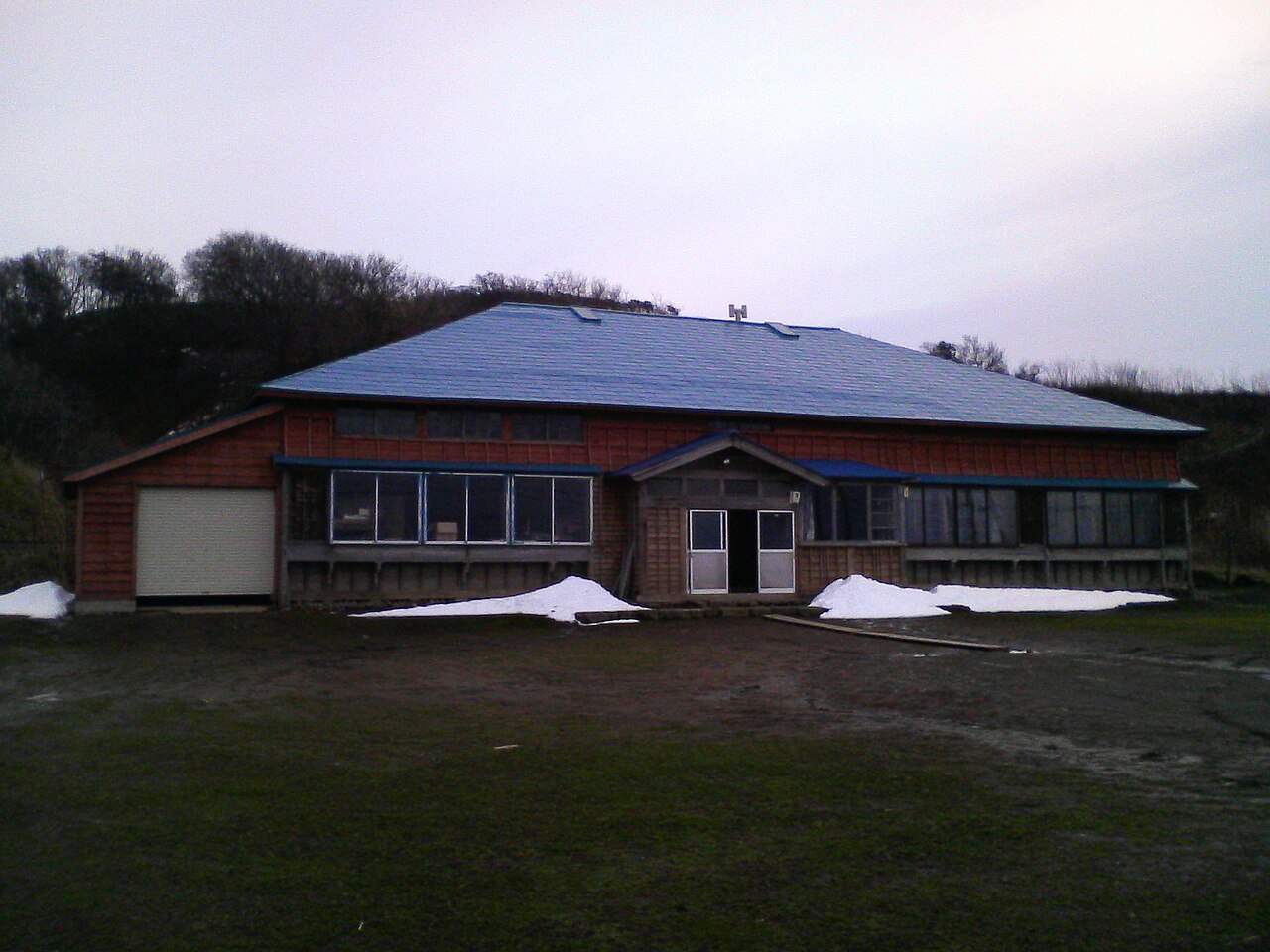
“The jingisukan pan is not a heritage forged by named smiths — it is a shape invented for a meal: fat drains off the crown, and the vegetables below cook in it.”
One earlier anchor sits at the island’s southern tip. Matsumae Castle, established in 1606, was Hokkaido’s only Edo-period castle town and the single foothold of Wajin governance and craft on the island for centuries — the northernmost Japanese castle. Everything north and east of it was, until the Meiji era, a frontier. Read against that timeline, a cast-iron pan designed in the 20th century for a 20th-century dish is not a shallow tradition; it is simply an honest, modern one, and the continuity it represents is culinary rather than metallurgical.

If you are weighing this domed pan against other Hokkaido objects or other Japanese cast iron, these related guides cover the neighbors in our catalog.
Another Hokkaido object, in ceramic
Ainu makiri knife →
Hokkaido’s Ainu carving blade
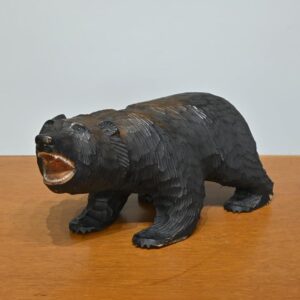 Hokkaido carved bear →
The island’s woodcarving icon
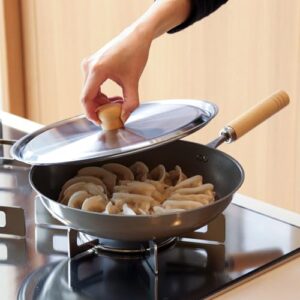 Kuwana cast iron skillet →
A flat cast-iron alternative form
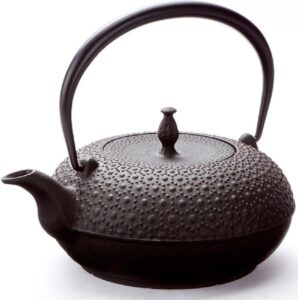 Oigen Nambu tetsubin →
The Nambu iron tradition behind many pans
 Tokushima cast bronze orin →
Cast metal in a different idiom
 Kaikado tin caddy →
Named-maker Japanese metalware
Where to buy
Jingisukan grill-pan pricing fluctuates between sellers, so the JPY figure below is marked unconfirmed rather than guessed. USD figures, where shown, are approximate at a ¥150/USD baseline as of mid-2026; the JPY price is the authoritative reference figure.
| Store | Item / variant | Price (JPY + USD est.) | Notes |
|---|---|---|---|
| 🇺🇸 Amazon US (search) | Browse Japanese cast-iron grill pans | varies (USD) | Best if you are shopping from the US — Prime shipping, USD pricing, no international customs. Amazon US carries cast-iron grill pans and Japanese cookware for comparison; this exact pan is sourced from Japan (next row). |
| 🇯🇵 Amazon JP Global Store | Domed cast-iron jingisukan pan | — | Amazon JP Global Store; international shipping may be available |
| Maker direct | Foundry unconfirmed | — | Producer and foundry prefecture are unconfirmed; many such pans are cast by Nambu (Iwate) foundries. |
| Proxy services (Buyee / Tenso) | Same JP option via forwarding | Item price + forwarding fee | Useful if the Global Store does not ship to your country directly; adds a handling/forwarding fee. |
What it does well
The domed, ridged crown lets lamb fat run off the meat and down into the rim, where it braises onions and bean sprouts instead of pooling under the meat.
Heavy cast iron holds temperature through repeated additions of cold meat and vegetables — a real advantage for tabletop grilling that a thin pan cannot match.
A well-made cast-iron jingisukan pan can suit both induction (IH) hobs and gas burners. It also works well on a tabletop cassette burner when you want the shared grilling experience.
This is the genuine Hokkaido jingisukan shape, not a flat griddle or a coated imitation — the cooking geometry that the dish was built around.
Weaknesses and things to verify before buying
- Heavy and slow to handle. Cast iron is deliberately weighty; lifting, washing, and storing it takes effort.
- Maintenance is mandatory. It is not dishwasher-friendly. After use it must be cleaned without harsh detergent where possible, dried thoroughly, and wiped with oil to prevent rust.
- Ventilation matters. Grilling lamb indoors produces smoke and a strong aroma; a range hood or open windows are effectively required.
- Producer and foundry are unconfirmed. The honest framing is “Hokkaido’s signature form” — many such pans are cast by Nambu (Iwate) and other foundries. If provenance matters to you, confirm the maker before buying.
- Availability and stock are unconfirmed. Confirm availability and international shipping eligibility before ordering.
- You may need a separate burner. A jingisukan pan is a tabletop pan; if you have only an electric coil or radiant smooth-top and no portable gas or IH burner, you cannot use it as intended.
Conclusion — which buyer type are you?
You want the authentic heavy cast-iron form and intend to grill lamb at the table regularly. Choose a genuine domed pan from a reputable maker and confirm its cooking-surface compatibility.
You cook tabletop occasionally and want one good pan. This induction/gas model covers most home setups; just verify size and shipping first.
You like the dish but not the weight or upkeep. Consider a lighter or flat cast-iron pan — see the Kuwana skillet guide — and accept the trade-off in fat drainage.
You have no tabletop burner, cannot ventilate indoor grilling, or want zero-maintenance cookware. This pan will frustrate you; pass on it.
Other ways to approach this purchase
Prices for cast-iron cookware vary with size, casting quality, and finish. If you are not in a hurry, compare several similar pans before choosing.
Seasoned cast iron ages well; a well-kept second-hand pan can be fine. Inspect for cracks and deep rust before committing.
If you already accumulate Amazon points or card rewards, applying them to a heavy-but-durable pan is a sensible use of a one-time purchase.
If your kitchen cannot support tabletop grilling or iron upkeep, the most economical choice is not to buy. The dish can also be enjoyed at a Hokkaido restaurant.
❓ Frequently Asked Questions
Does Amazon JP Global Store ship this pan internationally?
Amazon JP’s Global Store delivers many household and cookware items to most major destinations, but eligibility varies by item and country. Cast iron is heavy, so shipping can be a meaningful share of the total cost. Confirm the destination, shipping fee, and any import duties on the retailer’s checkout page before ordering. If it does not serve you directly, a proxy service such as Buyee or Tenso can forward a Japanese-side purchase for an added fee.
Is this pan actually made in Hokkaido?
The jingisukan pan is Hokkaido’s signature cookware form, but many such pans are cast by Nambu (Iwate) and other mainland foundries. Hokkaido has no METI-designated metal tradition. The honest framing is that the shape and the dish are Hokkaido’s contribution; the casting may happen elsewhere. The producer and foundry vary between pieces — check with the seller if provenance matters to you.
How do I care for a cast-iron jingisukan pan?
Wash it by hand, ideally without harsh detergent, dry it thoroughly over low heat, and wipe a thin film of oil over the surface to prevent rust. Do not put it in the dishwasher or leave it wet. Treated this way, cast iron seasons over time and lasts for decades.
Can I use it on an induction cooktop?
Cast iron is generally well suited to induction, while gas and portable cassette burners provide the traditional tabletop experience. Check the pan’s base and cooking-surface guidance before use.
Why is the pan domed instead of flat?
The dome is functional. Lamb is fatty, and the sloped, ridged crown lets the fat and juices run off the meat down into the rim trough, where onions, bean sprouts, and cabbage braise in it. A flat pan would leave the meat sitting in its own grease. The shape is the dish’s logic made into iron.
What is the price, and is it reliable?
Prices for cast-iron cookware vary by size and maker. Compare the current specifications and the total delivered cost, including shipping and duties, before ordering.
jpmono.com is curated by a Japan-based editorial team working out of Toyama (Hokuriku region) and Nara (Kansai region), and is independent. We do not take payment from the makers we feature; income comes from affiliate links. We do not physically test every product, and we review maker specifications and public craft references.
🤖 This article was prepared with AI assistance and reviewed against public craft references and editorial notes. Where measurements, materials, or prices vary by maker, that variation is stated rather than filled with an unsupported figure.
Affiliate disclosure: jpmono.com may earn a commission on qualifying purchases made through links on this page, at no additional cost to you.