![Joshu Fuki-Urushi Keyaki Lacquer Plate: Gunma Highland Wiped-Lacquer Zelkova Dish [2026]](https://jpmono.com/wp-content/uploads/2026/05/japan-map-regions-and-prefectures-800x1050.png)
A round zelkova plate from the highlands of Gunma is an unassuming object: a single dinner-sized dish, roughly 18–21 cm across, finished not in glossy colored lacquer but in fuki-urushi (拭き漆, “wiped lacquer”). Raw lacquer is rubbed into the bare wood and wiped back off, coat after coat, until the surface hardens and the grain of the keyaki (欅, zelkova) rises through it like a watermark. The result reads less as a lacquerware showpiece and more as everyday tableware with a long memory.
What makes it worth a closer look is the place it comes from. Gunma — the old province of Joshu (上州) — is not a famous lacquer region. Its nationally registered crafts are textiles: Kiryu-ori silk, Isesaki-gasuri, and the UNESCO-listed Tomioka Silk Mill. Wiped-lacquer keyaki pieces belong instead to a quieter, secondary tradition: the woodturners (kijishi, 木地師) of the Tone and Agatsuma highlands around Numata, where the Sanada clan’s domain once promoted forestry, and where the Mikuni-kaido trade route carried wiped-lacquer technique over the mountains from Echigo and Aizu.
This guide is written for international readers deciding whether a piece like this belongs in their cupboard. It covers what the object is, where it genuinely comes from, how it compares with better-known lacquer and woodturning lines, and who should pass. The label 上州漆器 is not an established trademark, so this should be understood as regional wood-and-urushi craft rather than a single heritage brand.
🔄 Updated: June 13, 2026
⏱️ Read time: ~10 min
- Who this is for — and who should skip it
- Product overview (from published specs)
- 📦 Shipping & where to buy from outside Japan
- Where to buy Joshu Fuki lacquer plates
- 📍 Where this comes from — place, era, and the craft tradition
- What it does well
- Weaknesses and things to verify before buying
- Conclusion — which buyer type are you?
- Other ways to approach this purchase
- ❓ Frequently Asked Questions
Who this is for — and who should skip it
- Prefer visible wood grain over a high-gloss colored lacquer surface
- Want a single everyday plate, not a serving tray or a lidded box
- Are comfortable with hand-wash-only, no-dishwasher, no-microwave care
- Value a regional, lesser-known craft story over a famous brand name
- Appreciate that small natural variation is the point, not a defect
- Need dishwasher- and microwave-safe tableware for daily volume use
- Are buying on the strength of a recognized METI-designated brand
- Want a guaranteed, consistent color and grain across multiple plates
- Have a lacquer (urushi) skin sensitivity — fully cured urushi is inert, but ask if uncertain
Product overview (from published specs)
Fuki-urushi keyaki tableware from the Joshu highlands is typically hand-turned in small batches and finished with a thin coat of wiped lacquer that lets the zelkova grain show through. Live pricing, exact dimensions and weight vary from piece to piece, so the table below reflects the general characteristics of fuki-urushi keyaki tableware rather than verified per-unit measurements. Treat every figure as “confirm with the seller.”
| Attribute | Detail | Source |
|---|---|---|
| Object | Round wooden plate (single dish, not a tray) | Product category |
| Material | Keyaki (zelkova) turned wood | Product category |
| Finish | Fuki-urushi (wiped lacquer); grain visible | Product category |
| Approx. diameter | ~18–21 cm (varies; confirm per piece) | General category range |
| Region | Gunma highlands (Numata / Tone–Agatsuma area) | Editorial anchor |
| Care | Hand-wash; no dishwasher / microwave / prolonged soak | Standard for lacquered wood |
📖 Glossary — key terms
- Fuki-urushi (拭き漆) — “wiped lacquer.” Raw urushi is rubbed into bare wood and wiped off, in many thin coats. It hardens the surface while letting the grain show, unlike opaque colored lacquer.
- Keyaki (欅) — Japanese zelkova, a hard, strongly figured hardwood prized for turned and joined woodwork.
- Kijishi (木地師) — itinerant and settled woodturners who shaped bowls, plates, and blanks on a lathe; historically the wood-supply base for lacquer workshops.
- Urushi (漆) — natural lacquer tapped from the lacquer tree. Caustic when wet; fully inert once cured.
- Joshu (上州) — the old province name for present-day Gunma Prefecture.
- Mikuni-kaido (三国街道) — the highland highway crossing the Mikuni Pass that linked Edo with Echigo (present-day Niigata).
Related jpmono guides — other Gunma crafts, other wiped-lacquer and wood-grain pieces, and the well-known lacquer lines this style of highland plate sits beside.
 🧵 Gunma’s Kiryu silk weaving
🥣 Wood-grain lacquer bowl (Okayama)
🍶 Fuki-urushi wiped-lacquer cup
 🟥 Nara lacquer tray
 ☕ Kiso lacquer tableware
 🌳 Turned keyaki woodwork
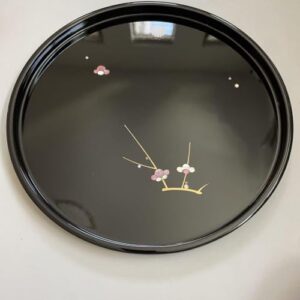 🐚 Takaoka raden lacquer
📦 Shipping & where to buy from outside Japan
Joshu highland fuki-urushi keyaki tableware is typically sold through the Amazon JP Global Store, through regional craft retailers, and direct from a few woodturning workshops in Numata and the Tone basin. For US and EU buyers, expect international shipping in roughly the $15–$40 range depending on weight and speed, plus the possibility of customs or import duty once your order exceeds your country’s de minimis threshold. Wooden tableware is generally unrestricted, but lacquered wood can occasionally trigger plant-material questions at certain borders — rare, but worth knowing.
Because this is not a trademarked brand line, availability depends on identifying the actual workshop behind a piece. Confirm the maker and shipping terms with the seller before assuming that every example has the same provenance.
Where to buy Joshu Fuki lacquer plates
| Store | Item / Variant | Price (JPY + USD est.) | Notes |
|---|---|---|---|
| 🇺🇸 Amazon.com (US) | Browse Japanese lacquer & wood tableware | varies (USD) | Best if you’re shopping from the US — Prime shipping, USD pricing, no international customs. Amazon US carries comparable Japanese wooden and lacquer plates from various makers; this Joshu highland piece itself ships from Japan (next row). |
| 🇯🇵 Amazon JP Global Store | This exact fuki-urushi keyaki plate | — | Ships internationally from Japan. The JP Global Store is a direct route for overseas buyers. |
| Maker direct | Highland kijishi workshop (if identifiable) | — | Not a trademarked brand; confirm the workshop before assuming direct sales. |
| Proxy services (Buyee / Tenso) | Forwarded domestic JP purchase | + forwarding fee | Useful if the Global Store does not ship to your country; adds a service fee on top of item + shipping. |
USD figures are approximate, currency conversions change with exchange rates, and prices vary by maker, wood, and finish.
📍 Where this comes from — place, era, and the craft tradition

Gunma is a landlocked prefecture in the northwest of the Kantō plain, the inland end of the region that holds Tokyo. Its south is flat farmland; its north climbs sharply into snow country. The town of Numata sits on a river terrace in that northern highland, where the Tone River and the Agatsuma drainage cut through forested mountains. Cold winters, deep snow, and slow-grown hardwood are the regional facts that matter for woodcraft: keyaki (zelkova) and tochi (horse-chestnut) thrive on these slopes, and where good turning wood grows, woodturners follow.
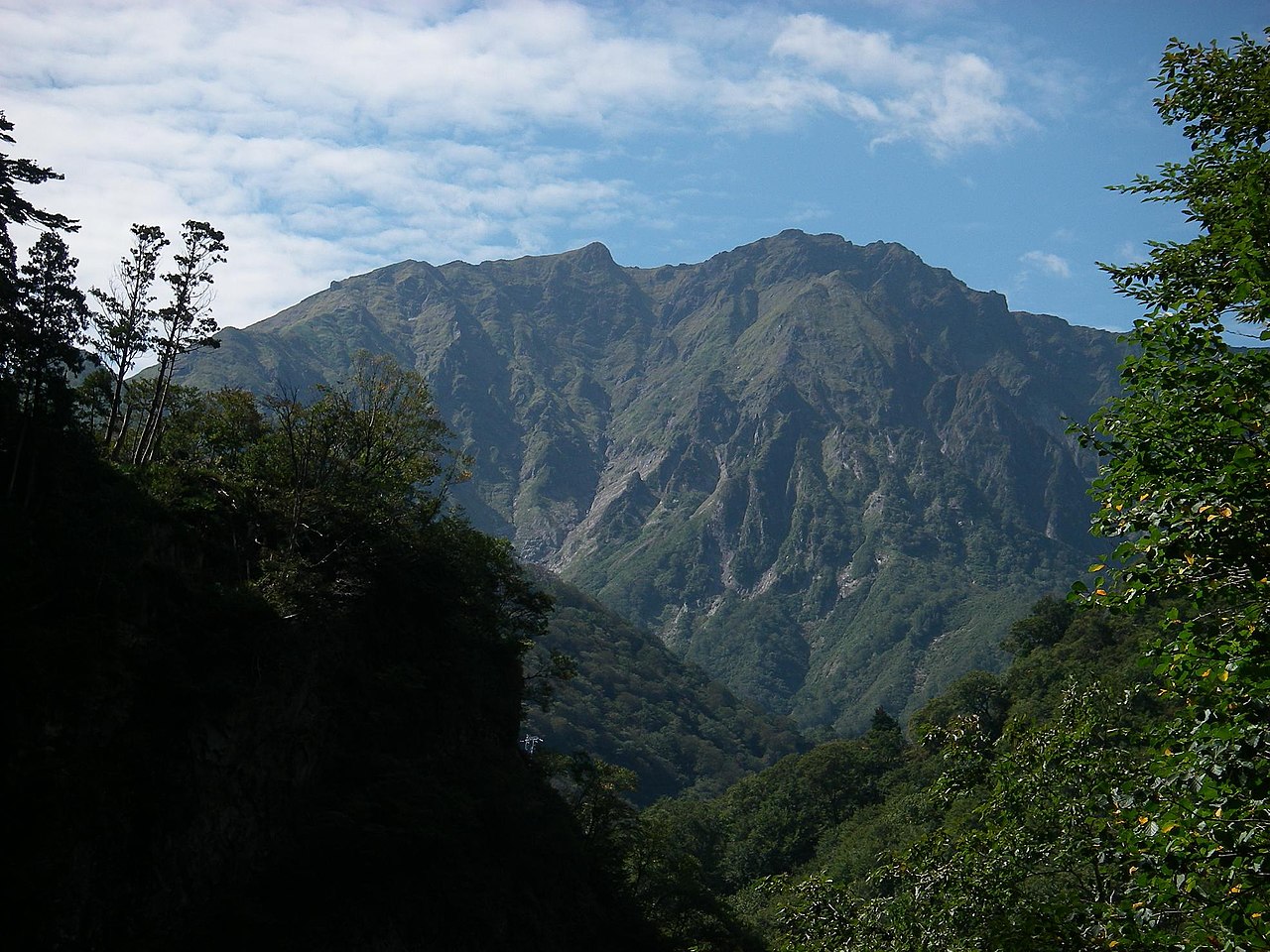
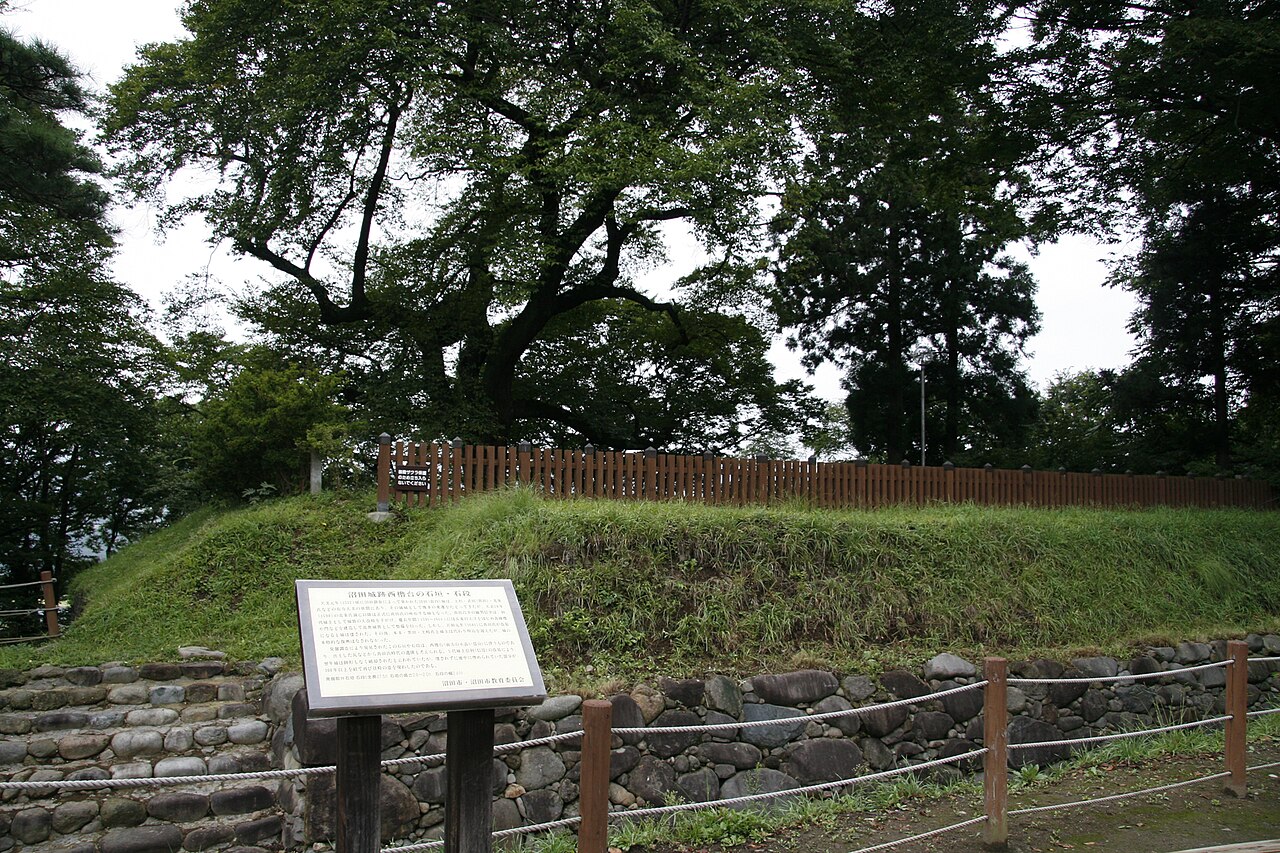
The historical anchor is the Sanada clan. In the late sixteenth century the Sanada established control over Numata, and through the Edo period the domain’s economy leaned on its forests — timber for construction, fuel, and the turned-wood blanks that woodturners shaped into bowls and plates. This is the concrete root of the craft: not a court-sponsored lacquer guild, but a forestry-and-woodturning base in the mountains.
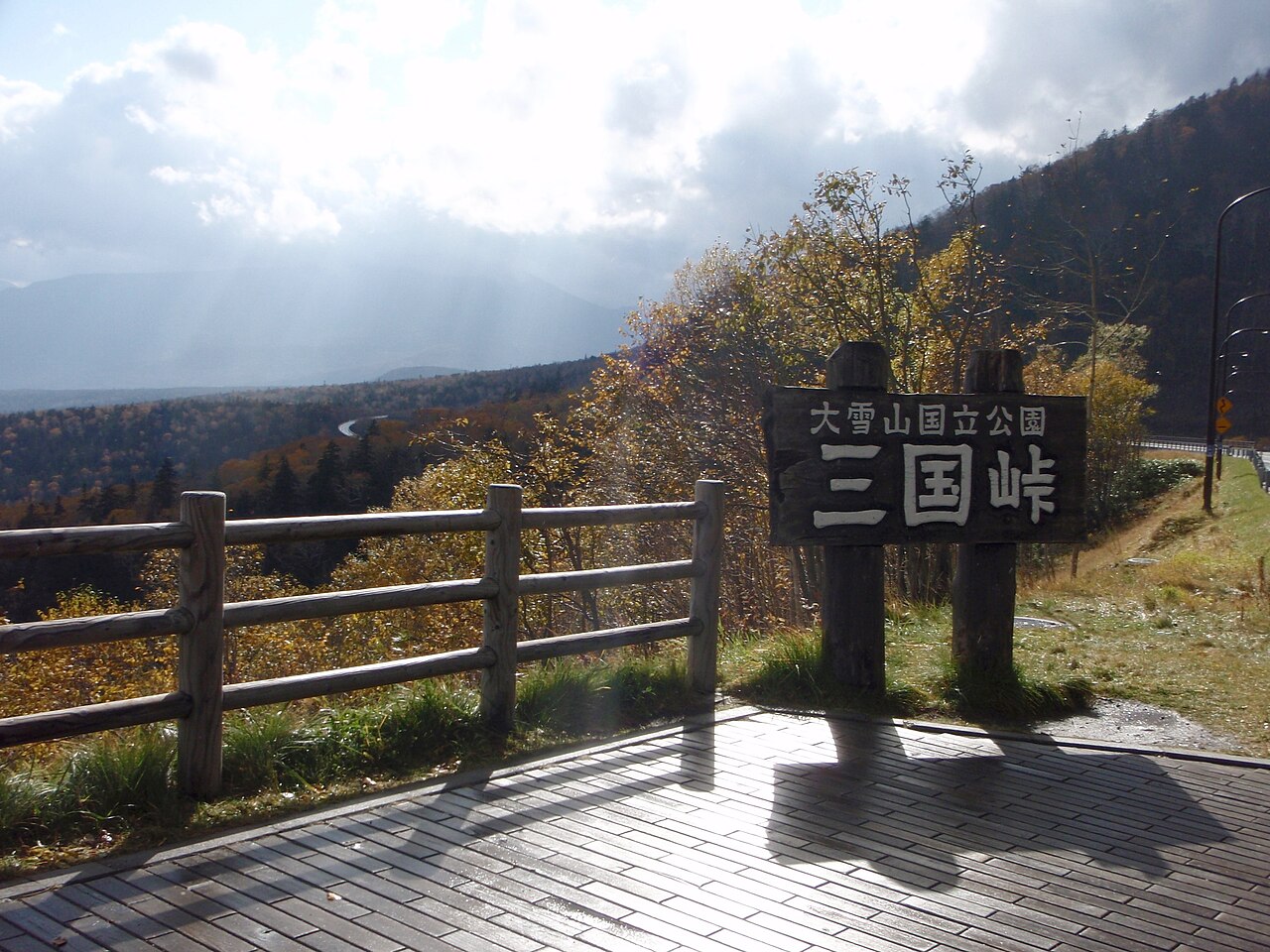
The lacquer half of the story arrives by road. The Mikuni-kaido was one of the old highland highways, crossing the Mikuni Pass to link Edo with Echigo (present-day Niigata) and, beyond it, the Aizu region — both major centers of lacquer work, including wiped-lacquer technique. Goods, people, and skill moved along that artery. The wiped-lacquer finish on a Joshu highland plate is best understood as technique that traveled over the pass and settled onto locally turned zelkova, rather than as an indigenous, court-anchored lacquer school of its own.
- 1580s — The Sanada clan establishes control over Numata; the domain promotes Tone-highland forestry.
- 1590 — Gamō Ujisato develops lacquer work at Aizu, deepening the wiped-lacquer skill pool to the north.
- Edo period — The Mikuni-kaido functions as the highland highway over the Mikuni Pass, linking Edo with Echigo and Aizu.
- 1681 — The Numata Sanada domain is dissolved; highland forestry and woodturning continue under successor administration.
- 1872 — The Tomioka Silk Mill opens, anchoring Gunma’s nationally recognized identity in textiles.
- 1977 — Kiryu-ori silk is designated a Traditional Craft by METI — confirming Gunma’s flagship crafts are textiles, not lacquer.
- 2014 — The Tomioka Silk Mill is inscribed as a UNESCO World Heritage site.
- Today — Highland kijishi turning plus fuki-urushi finishing continues as a secondary Gunma craft, the context for this plate.
So what does “still being made here” honestly mean for this object? Less than it would for a METI-designated brand, and that is the fair framing. There is no famous “Joshu lacquerware” house with a documented multi-generation lineage the way Aizu or Wajima can claim. What is real is the material logic — highland zelkova, woodturning roots, and a wiped-lacquer technique that genuinely had a road to arrive on. A plate like this carries that logic without the certificate.
“Where good turning wood grows, woodturners follow — and over the Mikuni Pass, the lacquer to finish their work followed too.”
What it does well
Weaknesses and things to verify before buying
- Not a designated brand. “上州漆器” is not an established trademark. If you are buying for brand prestige, this is the wrong object.
- Size varies. Category proportions differ by piece; check the fit for your shelf or set before buying.
- Care is restrictive. Hand-wash only, no dishwasher, no microwave, no prolonged soaking, and keep it out of prolonged direct sun. Lacquered wood rewards gentle handling.
- Natural variation is expected. Grain, color depth, and slight tone differences are inherent to wiped lacquer; a perfectly uniform matched set is not what this is.
- Workshop is unconfirmed. The exact maker is not established here; if provenance matters to you, ask the seller before purchase.
Conclusion — which buyer type are you?
Other ways to approach this purchase
❓ Frequently Asked Questions
Is “Joshu lacquerware” a recognized brand?
No. Gunma’s nationally designated crafts are textiles (Kiryu-ori, Isesaki-gasuri) and the UNESCO-listed Tomioka Silk Mill. “上州漆器” is not an established trademark. Fuki-urushi keyaki tableware is honestly a secondary highland craft — locally turned zelkova finished in wiped lacquer — not a famous lacquer house.
What is fuki-urushi, and how is it different from regular lacquer?
Fuki-urushi (wiped lacquer) means raw lacquer is rubbed into bare wood and wiped off, in many thin coats. It hardens the surface while letting the wood grain show through, unlike opaque colored or glossy lacquer, which covers the grain entirely.
Can it go in the dishwasher or microwave?
No. Lacquered wood should be hand-washed with mild soap and dried promptly, with no dishwasher, no microwave, no prolonged soaking, and no prolonged direct sunlight. Treated gently, a wiped-lacquer plate lasts for many years.
Will it ship outside Japan?
Joshu highland fuki-urushi keyaki tableware of this kind is typically found through the Amazon JP Global Store. Expect roughly $15–$40 in international shipping plus possible customs duty above your country’s threshold. If a seller does not ship to you, a proxy service such as Buyee or Tenso can forward the order.
How much does it cost?
Is it safe to eat from a lacquered plate?
Yes. Raw urushi is caustic only while wet; once fully cured it is inert and food-safe, which is why lacquerware has been everyday Japanese tableware for centuries. If you have a known urushi sensitivity, confirm the finish is fully cured with the seller.
Why does Gunma, a textile region, produce a lacquer plate?
Because the material logic is local even though the fame is not. The Tone highlands around Numata grew zelkova and horse-chestnut and supported woodturners under the Sanada domain’s forestry economy, while the Mikuni-kaido highway carried Aizu and Echigo wiped-lacquer technique over the Mikuni Pass. The plate is where local wood met traveling technique.
jpmono.com is curated by a Japan-based editorial team (working out of Toyama in the Hokuriku region and Nara in Kansai) and is independent. We don’t take payment from the makers we feature; income comes from affiliate links. Read more about our editorial standards.
Affiliate disclosure: jpmono.com may earn a commission on qualifying purchases made through links on this page, at no additional cost to you.