![Hikone Brass Incense Burner: Shiga’s Buddhist Metalwork Koro [2026]](https://jpmono.com/wp-content/uploads/2026/05/japan-map-regions-and-prefectures-800x1050.png)
On the east shore of Lake Biwa, in the old Ii-clan castle town of Hikone, sits one of Japan’s great centers of Buddhist-altar craft. The same metalworkers who cut and chase the brass fittings (kazari-kanagu, 飾り金具) for household altars also hammer out smaller butsugu — ritual implements — and a brass incense burner, or koro (香炉), is among the most enduring of them. This article looks at a solid-brass Hikone-lineage koro listed through Amazon’s Japan Global Store, the kind of piece that anchors a home altar or simply sits on a desk and slowly darkens with use.
Hikone Butsudan (彦根仏壇, “Hikone Buddhist altars”) was designated a national traditional craft in 1975, and it is built from seven specialized trades working in concert: the wood base, the kuden (宮殿) miniature-shrine carpentry, the carving, the lacquer, the gold leaf, the maki-e (蒔絵) painting, and the kazari-kanagu metalwork. The brass koro comes out of that last trade. For an international reader, the appeal is less “exotic souvenir” and more material honesty — a single dense metal, finished by hand, designed to develop a tarnish patina rather than resist it.
This guide is written for readers shopping from outside Japan who want to understand what they are buying before they commit: what the object is, where it comes from, how to source it from the US or elsewhere, and — just as importantly — who should pass on it. Because information about individual pieces can be limited, we distinguish established craft context from details to verify before purchase.
🔄 Updated: June 9, 2026
⏱️ Read time: about 9 minutes
- Who this is for — and who should skip it
- Product overview (from published specs)
- Where this comes from — place, era, and the craft tradition
- Buying options
- What it does well
- Weaknesses and things to verify before buying
- Conclusion — which buyer type are you?
- Other ways to approach this purchase
- ❓ Frequently Asked Questions
Who this is for — and who should skip it
- Keep a home altar (butsudan) or a small meditation or memorial space and want a koro from a recognized altar-craft region.
- Prefer solid, single-material metal objects finished by hand over plated or mass-pressed ware.
- Actively like living patina — you want the brass to darken and deepen, not stay mirror-bright.
- Burn stick or coil incense and want a dedicated vessel rather than a generic dish.
- Are comfortable buying from Amazon’s Japan Global Store and waiting on international shipping.
- Want a maintenance-free finish — bare brass tarnishes and needs occasional polishing if you want it bright.
- Need to confirm the burner’s size and capacity before buying.
- Are shopping purely on price and expect mass-market pricing.
- Burn only large quantities of powder or makko incense that need a wide bowl — confirm the form factor first.
- Need guaranteed fast domestic delivery; this ships from Japan.
“A Hikone koro is not designed to stay new. The brass is meant to darken, and the patina is the point — the object records the years it spends in front of you.”
Product overview (from published specs)
Because information about this craft object can be limited, the table below reports the characteristics supported by the craft and source notes and leaves unknown measurements plainly unconfirmed. We do not invent dimensions or weight.
| Attribute | Detail |
|---|---|
| Object | Koro (香炉) — incense burner / butsugu ritual vessel |
| Material | Solid brass (real metal, not plated), hand-finished |
| Craft lineage | Hikone kazari-kanagu (飾り金具) altar-fitting metalwork, Shiga |
| Origin | Hikone, Shiga Prefecture, Japan (Kansai) |
| Finish behavior | Develops a deepening tarnish patina with use |
| Dimensions / weight | Confirm before buying |
| Price | Live pricing was unavailable at time of writing — verify on Amazon JP Global Store |
The article draws on maker-trade background and regional craft context. Details that vary by piece should be confirmed through an appropriate Japanese craft retailer or workshop.
📖 Glossary — key terms
Koro (香炉) — an incense burner; on a Buddhist altar it is one of the core ritual vessels.
Butsugu (仏具) — Buddhist ritual implements, the metal and lacquer vessels used on an altar.
Butsudan (仏壇) — a household Buddhist altar, traditionally a focus for daily offerings and memorial rites.
Kazari-kanagu (飾り金具) — decorative metal fittings (brass or copper), cut, chased, and hammered by hand; one of the seven Hikone altar trades.
Kuden (宮殿) — the miniature-shrine carpentry inside an altar, modeled on temple architecture.
Maki-e (蒔絵) — lacquer decoration sprinkled with metal powder, another of the seven trades.
Patina — the darkened oxidized layer brass develops over time; on a koro it is considered part of the object’s character, not a defect.
Where this comes from — place, era, and the craft tradition

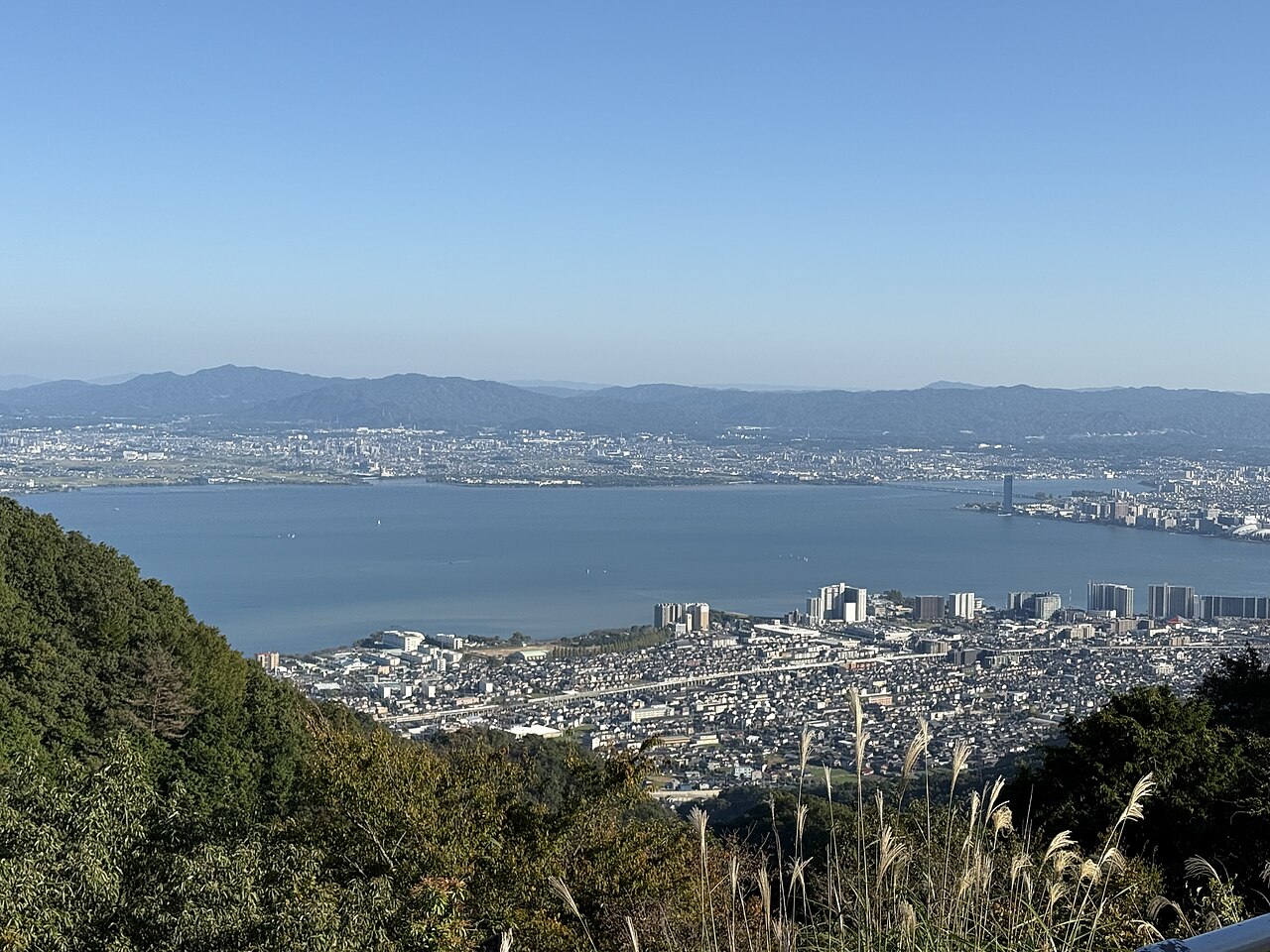
Hikone sits on the east shore of Lake Biwa (琵琶湖, Biwa-ko), Japan’s largest freshwater lake, in Shiga Prefecture. Shiga occupies the basin around the lake at the center of the Kansai region — close enough to Kyoto and Nara that the religious culture of the old capitals reached deep into its temple villages. Water, lake-shore trade routes, and a dense network of temples gave the region both the customer base and the logistics that a luxury altar industry needs.
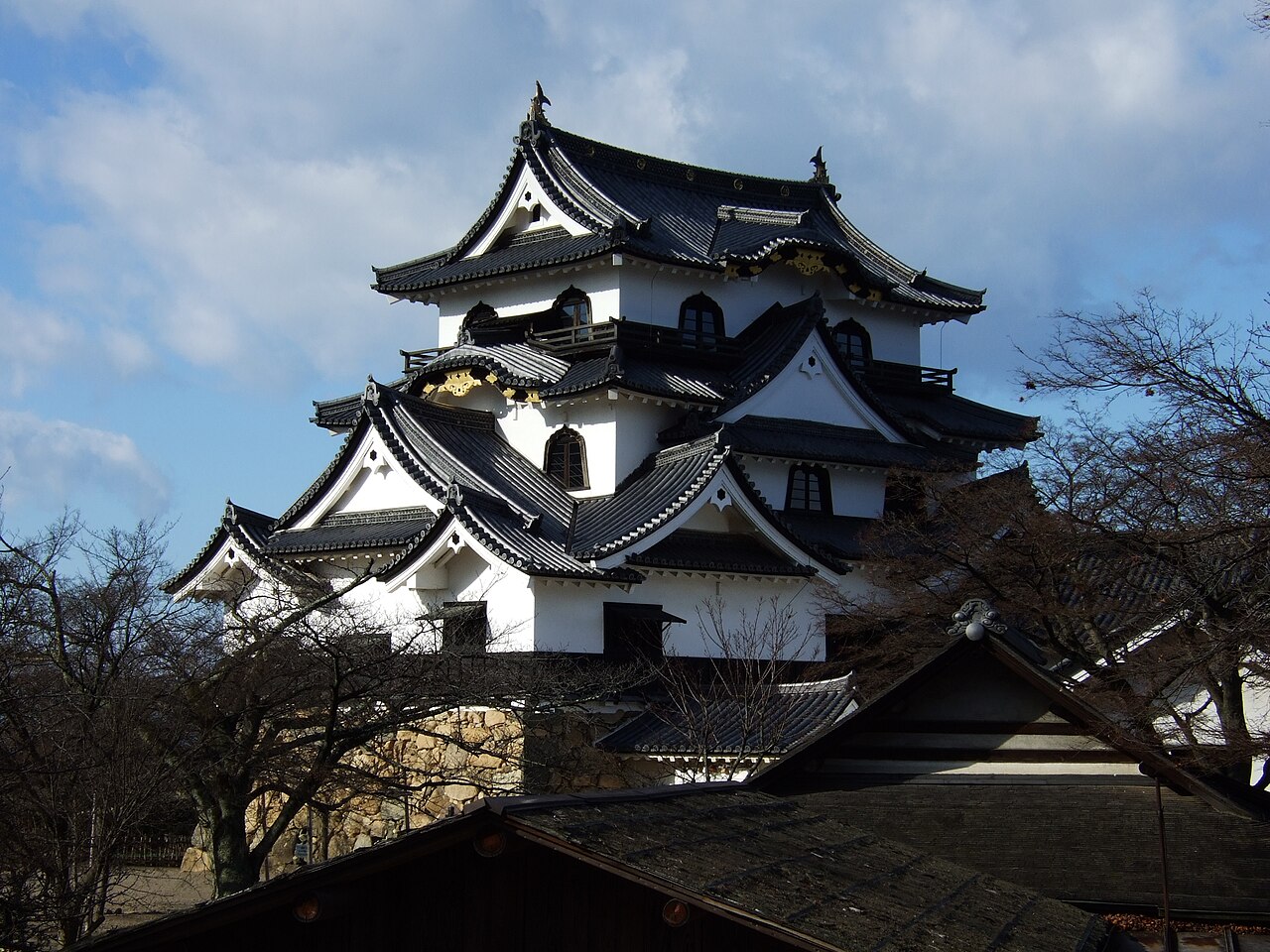
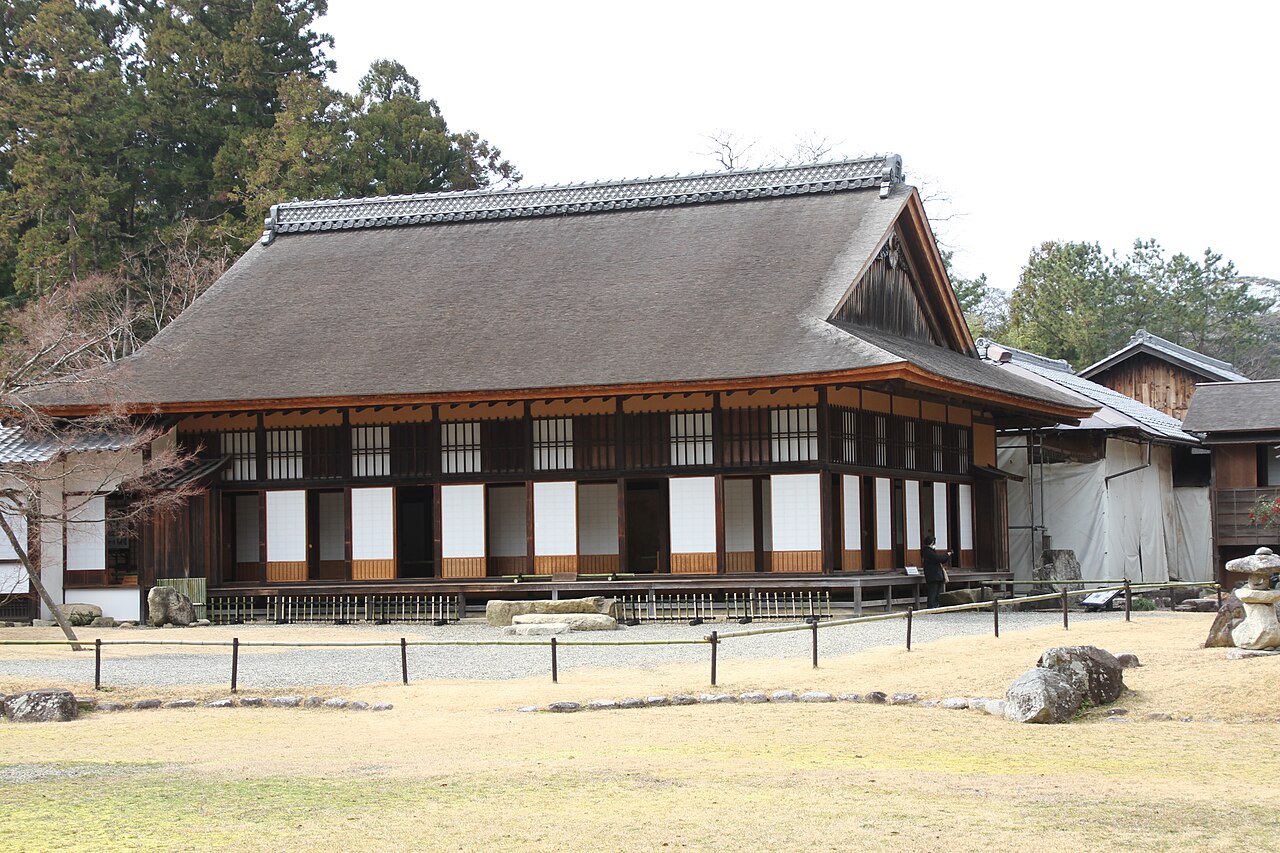
The historical anchor is the Ii clan (井伊氏). After the Battle of Sekigahara in 1600, the Ii were established as one of the most senior daimyo houses, and Hikone became their castle town. Hikone Castle, completed in the early 1620s, still stands as one of only a handful of original Japanese castle keeps, and the garden and townscape around it preserve the material refinement of a wealthy domain. A castle town of that rank concentrated woodworkers, lacquerers, carvers, gilders, and metalworkers — exactly the trades an altar requires.
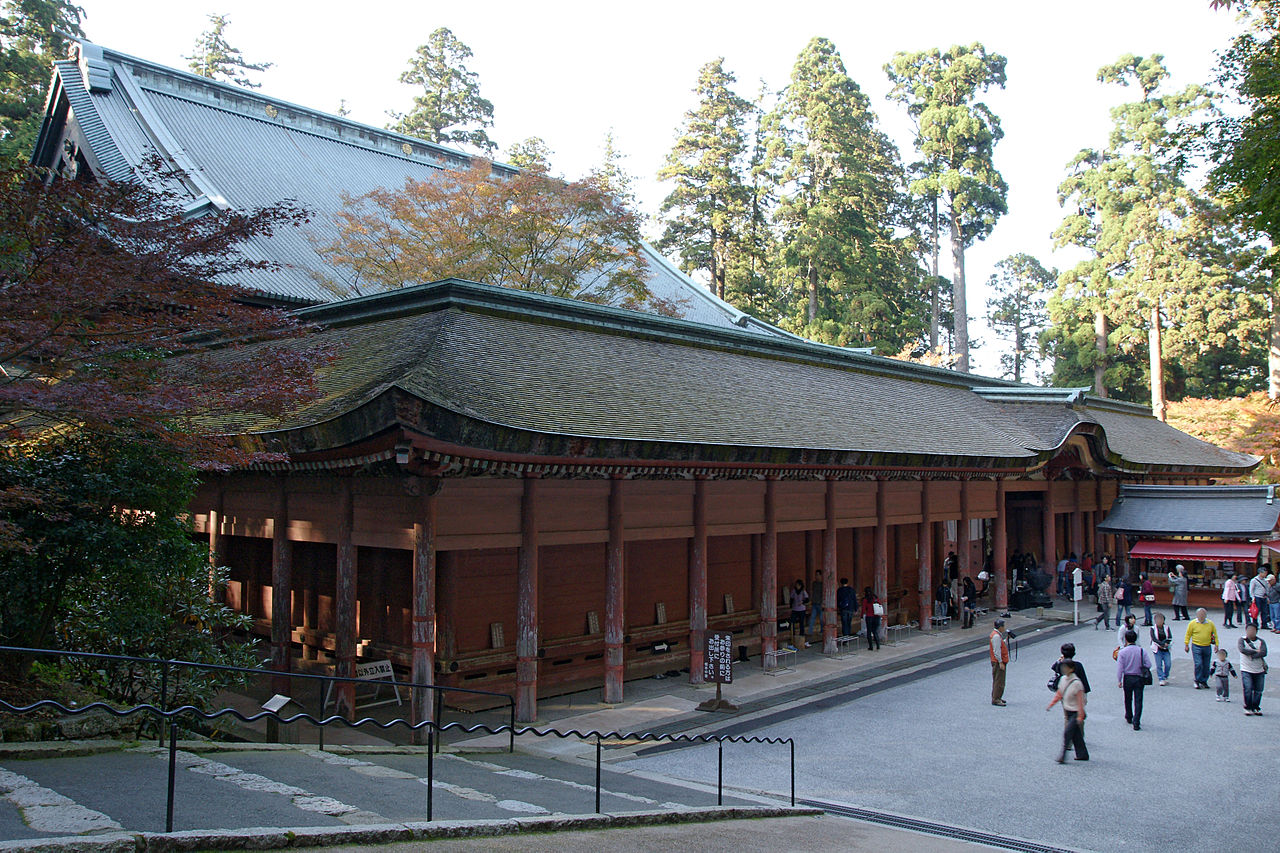
Demand came from religion. Mt. Hiei rises on the western side of Lake Biwa, and Enryaku-ji (延暦寺), founded there at the end of the 8th century, is the head temple of Tendai Buddhism — one of the most influential schools in Japanese history. Around the lake sit countless parish temples and, in turn, countless households keeping altars. That dense Buddhist economy is what sustained a high-skill metalworking trade in a relatively small city, and it is why Hikone, rather than a larger metropolis, became an altar-making center.
-
788 — Saichō founds Enryaku-ji on Mt. Hiei; Tendai Buddhism takes root by Lake Biwa. -
1600 — The Ii clan is established in the Hikone area after the Battle of Sekigahara. -
1620s — Hikone Castle is completed; the castle town concentrates the woodworking, lacquer, and metal trades. -
Edo period — The temple economy around Lake Biwa sustains a specialized Buddhist-altar industry across seven trades. -
1975 — Hikone Butsudan is designated a national traditional craft. -
2026 — Hikone’s kazari-kanagu metalworkers still cut and hammer altar fittings and butsugu such as koro by hand.
What “still being made here” means in Hikone is the seven-trade division of labor. An altar — and the smaller butsugu that go with it — passes through separate specialists: the wood base, the kuden miniature shrine, the carving, the lacquer, the gold leaf, the maki-e, and the kazari-kanagu metalwork. The koro in this guide is the product of that last trade, the same hands that cut and chase the brass fittings on a full altar. Buying one is buying a slice of a workshop system that has run for centuries, not a one-off novelty.
There is also a quiet seasonal and ritual logic to a brass koro. Incense marks the daily rhythm of an altar — morning and evening offerings, memorial days, the equinox observances of o-higan, and the summer return of ancestors at o-bon. A metal that darkens with every burning is, in that sense, well matched to its job: it visibly accumulates the years of use, which is the opposite of a disposable object.
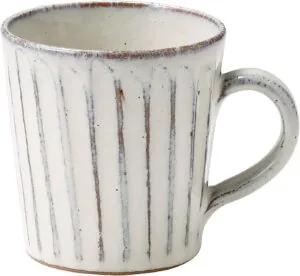
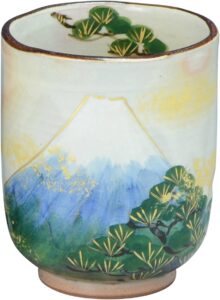
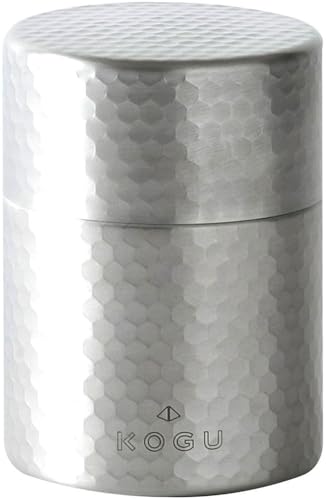
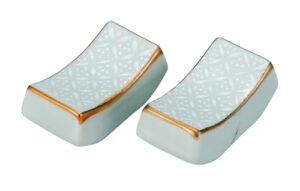
Related Japanese craft pieces we have covered — other Shiga / Kansai makers, and other metal traditions worth weighing against a Hikone koro.
Buying options
Prices for individual koro vary with material, size, and finish, so compare current offers through Japanese craft retailers rather than relying on a fixed number.
| Store | Item / variant | Price (JPY + USD est.) | Notes |
|---|---|---|---|
| 🇺🇸 Amazon.com (US) | Browse Japanese incense burners & koro | varies (USD) | Best if you are shopping from the US — Prime shipping, USD pricing, no international customs. Amazon US carries Japanese brass and bronze incense ware from various makers, useful for comparing form factors and price tiers. This exact Hikone-lineage piece is sourced from Japan (next row). |
| Amazon JP Global Store | Solid-brass Hikone koro | — | International shipping from Japan may be available; terms vary by destination. |
| Maker direct | Hikone altar / butsugu workshops | Varies — often JP-only checkout | Some Hikone Butsudan workshops sell butsugu directly, but most checkout flows are Japanese-language and domestic-shipping only. |
| Proxy services (Buyee / Tenso) | Forwarding from Japan | Item price + proxy fee + forwarding | Useful when a maker or marketplace will not ship abroad directly; adds a service fee and a second shipping leg, plus possible customs duties. |
USD figures are approximate (¥150/USD baseline as of mid-2026). JPY is the reference currency for Japanese craft goods.
What it does well
Weaknesses and things to verify before buying
- Published specifications are limited. Confirm the burner’s fit and capacity before buying.
- Budget guidance is limited. Set your budget before buying.
- Patina is not optional. Bare brass tarnishes. If you want it bright you will need to polish it periodically; if you dislike darkening metal, this is the wrong object.
- Form varies. Choose a shape that suits the way you burn incense.
- International shipping and customs. It ships from Japan; budget for shipping in the rough $15–$40 range to the US / EU and check whether your country charges import duty above its threshold.
- Care. Treat it as a hand-wash, soft-cloth object; avoid abrasive cleaners unless you specifically intend to strip the patina.
Conclusion — which buyer type are you?
Other ways to approach this purchase
❓ Frequently Asked Questions
Does Amazon JP ship a Hikone koro internationally?
Will the brass tarnish, and is that a defect?
What is the price?
What makes Hikone an altar-craft center?
How do I care for a brass koro?
Can I buy it if I do not keep a Buddhist altar?
jpmono.com is curated by a Japan-based editorial team (working out of Toyama in the Hokuriku region and Nara in Kansai) and is independent. We do not take payment from the makers we feature; income comes from affiliate links. We do not physically test every product — we review maker specifications and craft background, and we flag where the information is thin.
This article was drafted with AI assistance and edited against craft-tradition notes. Where details were incomplete, we marked them as unconfirmed rather than estimating.
Affiliate disclosure: jpmono.com may earn a commission on qualifying purchases made through links on this page, at no additional cost to you.