![Boso Studio Ceramic Tokkuri Sake Flask, Sawara Chiba — Where to Buy [2026]](https://jpmono.com/wp-content/uploads/2026/05/japan-map-regions-and-prefectures-800x1050.png)
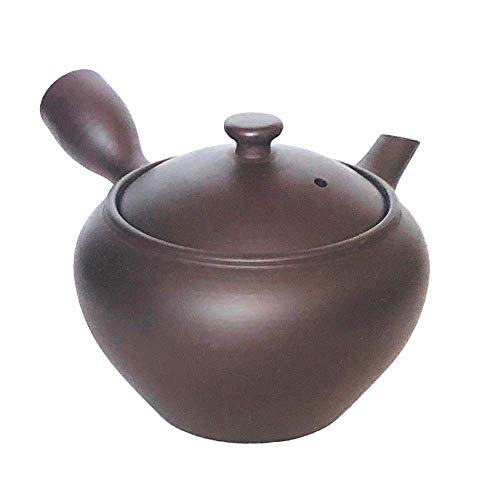
A tokkuri (徳利, “sake flask”) is the small-necked bottle you warm sake in and pour from — the quiet partner to the cup. The piece covered here is a hand-thrown ceramic tokkuri from the Boso Peninsula in Chiba Prefecture, finished in the iron-and-ash glaze family that contemporary studio potters across eastern Japan favor for sake ware. It holds roughly 300 ml, the standard table size, and is built to pair with a guinomi or ochoko rather than to sit on a shelf.
Chiba does not have a METI-designated pottery flagship the way Okayama has Bizen or Saga has Karatsu. So this is framed honestly: it is contemporary Boso / Sawara studio pottery, not a named historic kiln with a four-century lineage. What gives it a place on this site is the regional story. Sawara — now part of Katori City — is a Tone River merchant town nicknamed “Little Edo,” a designated Important Preservation District, the hometown of the cartographer Ino Tadataka, and home to sake breweries that have poured for generations near Katori Jingu. That brewing culture is the connective tissue that makes a tokkuri the natural object to write about here.
This guide is for the international reader deciding whether a studio tokkuri is worth sourcing from Japan and how to choose one. We cover the glaze and care realities, where studio pottery sits against named-kiln sake ware, and practical purchase paths through makers, specialist ceramics shops, and proxy services when needed.
🔄 Updated: June 13, 2026
⏱️ Read time: ~10 min
- Who this is for — and who should skip it
- Product overview (from published specs)
- Where to buy
- What it does well
- Weaknesses and things to verify before buying
- Conclusion — which buyer type are you?
- Other ways to approach this purchase
- 📍 Where this comes from — place, era, and the craft tradition
- ❓ Frequently Asked Questions
Who this is for — and who should skip it
- Warm sake at home and want a vessel sized for one or two drinkers (~300 ml)
- Prefer an earthy, hand-thrown look over factory-uniform porcelain
- Already own a guinomi or ochoko and want a matching pourer
- Value a regional story (Sawara’s canal brewing culture) over a brand-name kiln
- Are comfortable buying from Japan and waiting on international shipping
- Want a certified, METI-designated historic kiln with documented lineage
- Need a guaranteed dishwasher- and microwave-safe piece for daily heavy use
- Expect identical units — hand-thrown studio ware varies piece to piece
- Are shopping a tight budget where international shipping outweighs the item
- Only drink chilled or room-temperature sake and have no use for a warming flask
Product overview (from published specs)
Specifications for a studio tokkuri are usually limited and vary by potter. The table below describes the form and marks dimensions, capacity, glaze, and other details as variable rather than guessing. Confirm the piece’s characteristics with the maker or specialist ceramics seller.
| Attribute | Detail (as published) | Source |
|---|---|---|
| Object | Ceramic tokkuri (sake flask) | Amazon JP Global Store |
| Material | Glazed stoneware / ceramic | Maker direct or marketplace |
| Finish | Iron / ash glaze family (traditional sake-ware glazes) | Maker direct |
| Capacity | ~300 ml (standard table size) | Product information |
| Forming | Hand-thrown (studio pottery) | Product information |
| Origin | Boso Peninsula, Chiba (contemporary studio) | Editorial / maker direct |
| Dimensions / weight | Unconfirmed | — |
| Dishwasher / microwave | Unconfirmed | — |
Prices and exact dimensions for studio pottery vary by potter, clay, firing, and glaze. Confirm the current specifications with the maker or specialist ceramics seller before purchasing.
📖 Glossary — key terms
- tokkuri (徳利) — a small-necked ceramic flask used to serve sake, often warmed in hot water before pouring.
- guinomi (ぐい呑み) — a slightly larger sake cup, “gulp” sized; the usual partner to a tokkuri.
- ochoko (お猪口) — a small sake cup, smaller than a guinomi.
- yakishime (焼締め) — high-fired, unglazed stoneware where the clay itself is vitrified; associated with Bizen and Tamba.
- haiyu / ash glaze (灰釉) — glaze made from wood or plant ash, giving muted greens, browns, and earthy tones.
- tetsuyu / iron glaze (鉄釉) — iron-bearing glaze producing browns, blacks, and rust tones common in sake ware.
- Boso (房総) — the peninsula forming most of Chiba Prefecture, east of Tokyo Bay.
- Sawara (佐原) — a historic canal-side merchant district in Katori City, Chiba; nicknamed “Little Edo.”
Related jpmono guides — other Chiba (Boso) objects, and the named-kiln sake ware this studio tokkuri sits against.
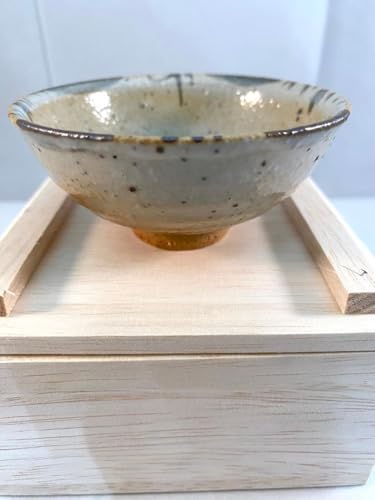
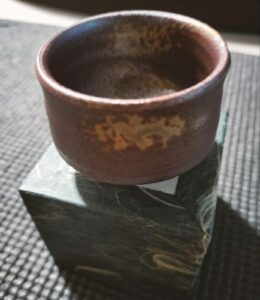
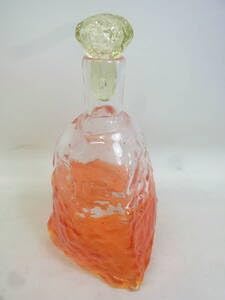
Where to buy
Prices for a studio ceramic tokkuri vary with the potter, clay body, glaze, and firing. Compare the current yen price with shipping and customs rather than relying on an old figure.
| Store | Item / Variant | Price (JPY + USD est.) | Notes |
|---|---|---|---|
| 🇺🇸 Amazon.com (US) | Browse Japanese sake tokkuri & guinomi sets | varies (USD) | Best if you are shopping from the US — Prime shipping, USD pricing, no international customs. Amazon US carries tokkuri and sake sets from many makers, useful for comparing size and glaze tiers. This studio’s exact piece is sourced from Japan (next row). |
| 🇯🇵 Amazon JP Global Store | This exact tokkuri | — | Where the specific item is sourced. Ships internationally from Japan to most major destinations. Verify stock and the current JPY price here. |
| Maker direct | Studio / kiln (if identified) | Varies | The specific studio/maker name should be verified before publish; small studios may sell direct or via gallery shops with limited international shipping. |
| Proxy services (Buyee / Tenso) | Forwarded JP option | Item price + forwarding fee | Fallback if the Global Store will not ship to your country: a Japanese forwarding address plus consolidated international shipping. Adds a service fee. |
What it does well
Weaknesses and things to verify before buying
- No designated kiln lineage. Chiba has no METI-designated pottery tradition; this is contemporary studio ware, framed honestly as such. If you specifically want certified heritage, look to Bizen, Tamba, or Karatsu.
- Maker name needs confirming. The specific studio or potter should be verified before you rely on any provenance claim.
- Purchase details were unavailable. Confirm the current purchase details and any international-shipping surcharge before ordering.
- Care specs unconfirmed. Dishwasher and microwave suitability are not confirmed. Treat as hand-wash unless the product information says otherwise; glazed sake ware is generally fine for warming in a hot-water bath.
- Hand-thrown variation. Exact dimensions, weight, and glaze pattern will differ unit to unit. If you need matched pairs or precise capacity, this category is a poor fit.
- Shipping math. For a modestly priced item, international shipping and possible customs duty can rival the item cost. Factor that in before ordering a single piece.
Conclusion — which buyer type are you?
Other ways to approach this purchase
📍 Where this comes from — place, era, and the craft tradition

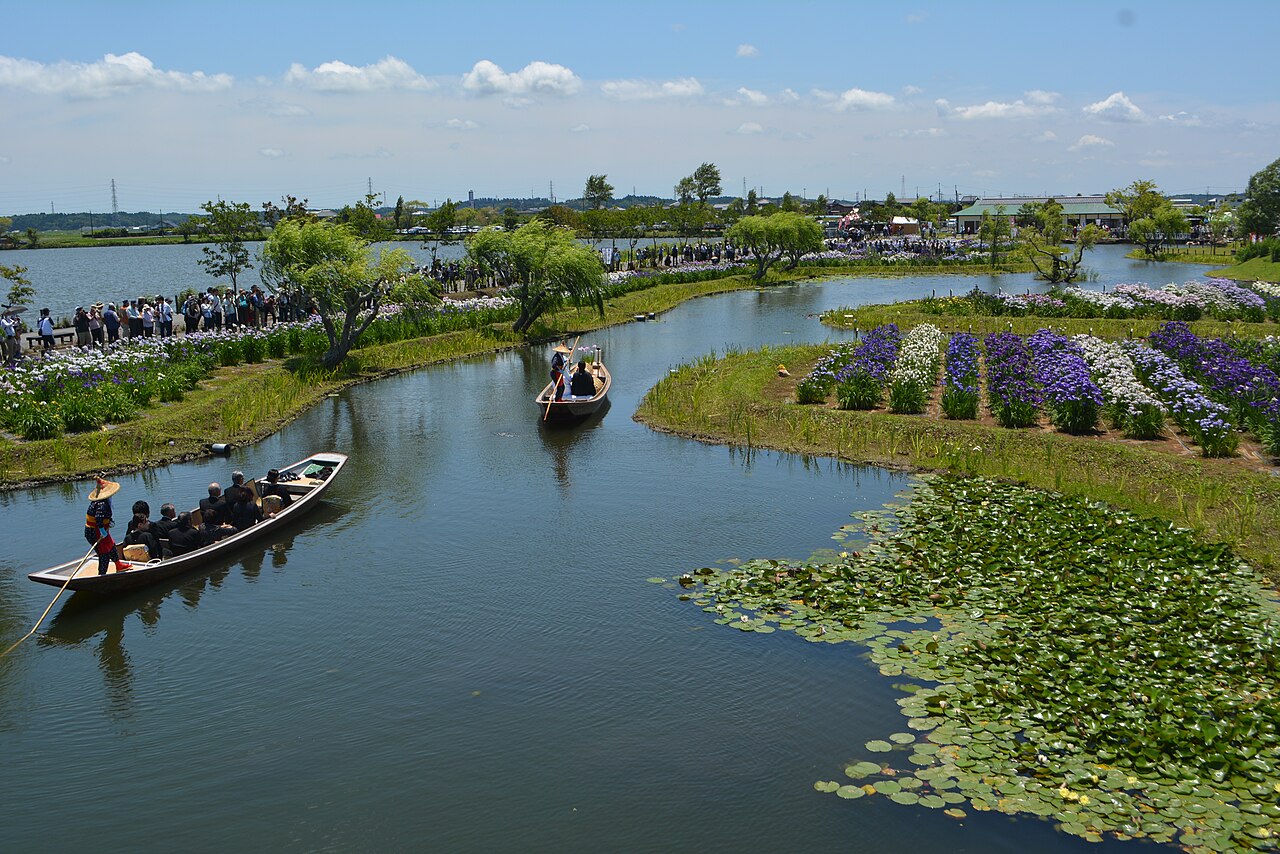
Chiba Prefecture occupies the Boso Peninsula, the broad arm of land that wraps the eastern side of Tokyo Bay. Sawara sits in its northeast corner, in what is today Katori City, on the lower reaches of the Tone River — Japan’s second-longest river and, in the Edo period, the main artery moving rice, sake, and goods between the agricultural northeast and the capital at Edo (modern Tokyo).
That river position is the whole reason Sawara grew wealthy. Boats could carry bulk cargo down the Tone and across to Edo far more cheaply than overland routes allowed, and Sawara became a transshipment and brewing town — close enough to the capital to mirror its fashions, far enough to keep its own merchant identity. The nickname stuck: Ko-Edo, “Little Edo.”
“A tokkuri is not a relic here — it is the working end of a brewing town that has poured sake along the same canal for generations.”
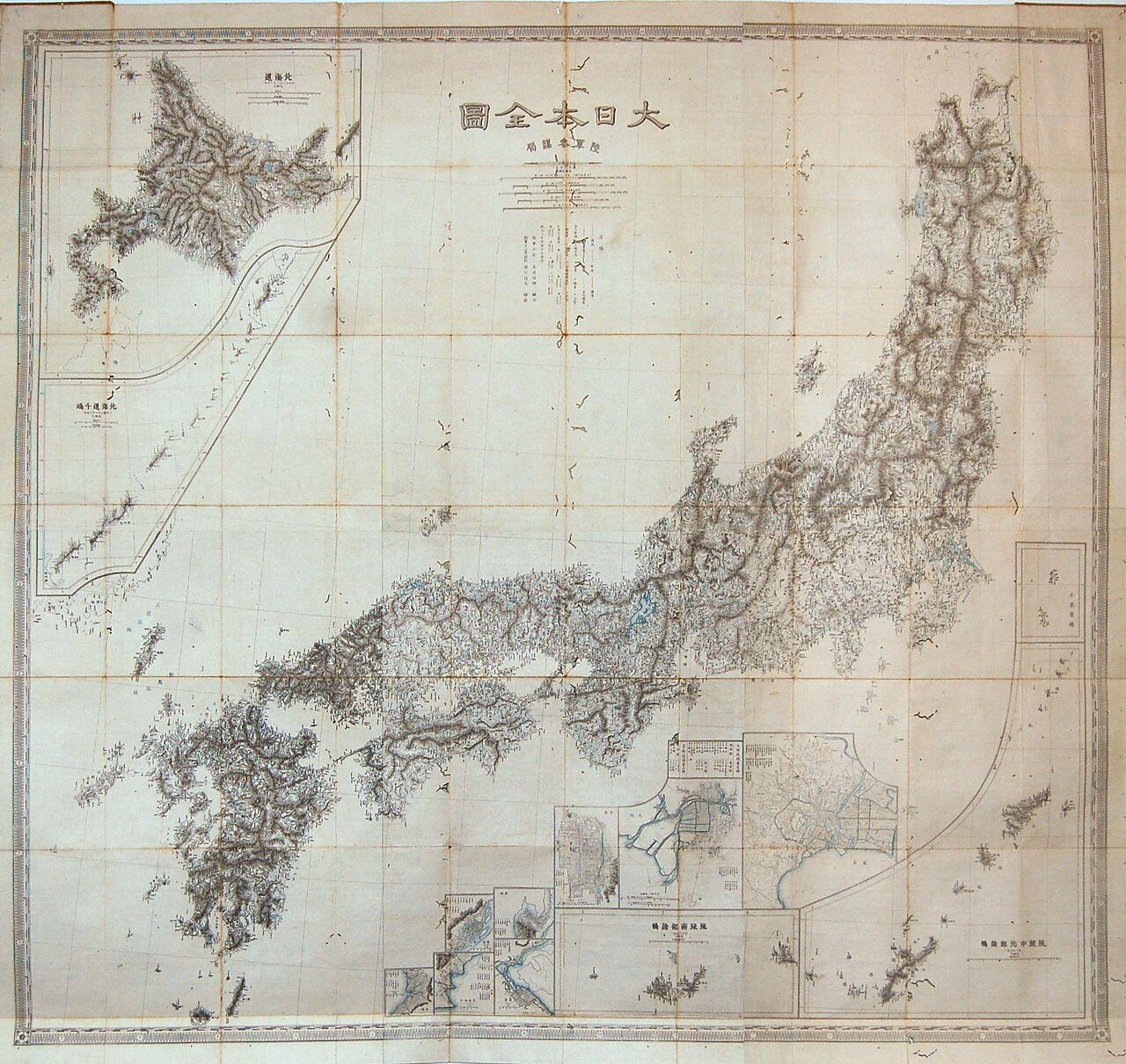
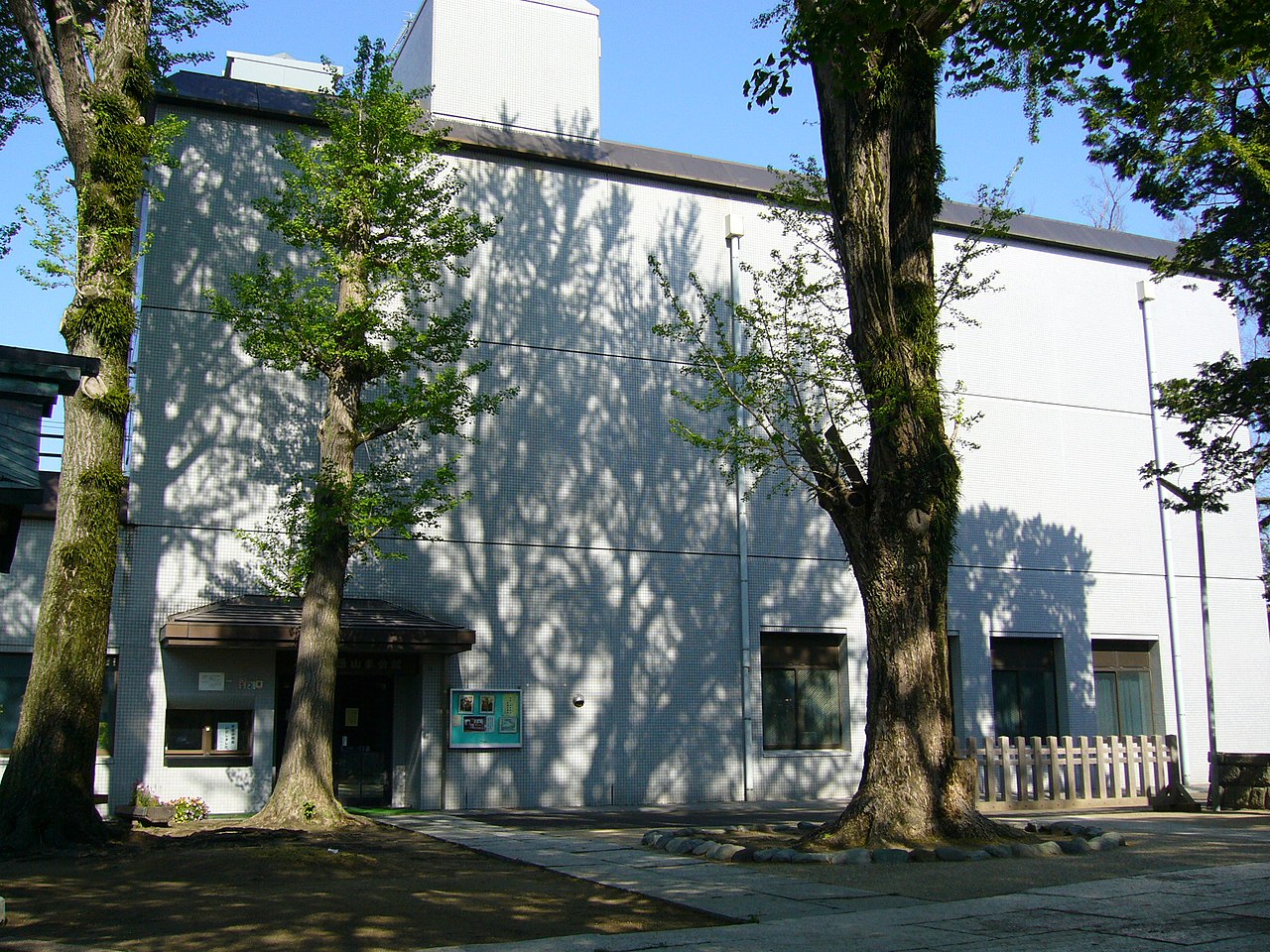
The historical anchors cluster tightly. Katori Jingu, one of the oldest shrines in the Kantō region and the head shrine of a nationwide network, sits just outside the old town and anchored the ritual and economic life — including the demand for sake vessels — around which the merchant district grew. And Sawara is the hometown of Ino Tadataka, the merchant-turned-cartographer who, beginning in 1800 in his fifties, walked and surveyed the entire Japanese coastline to produce the first accurate map of the country. His former residence survives in the preserved quarter.
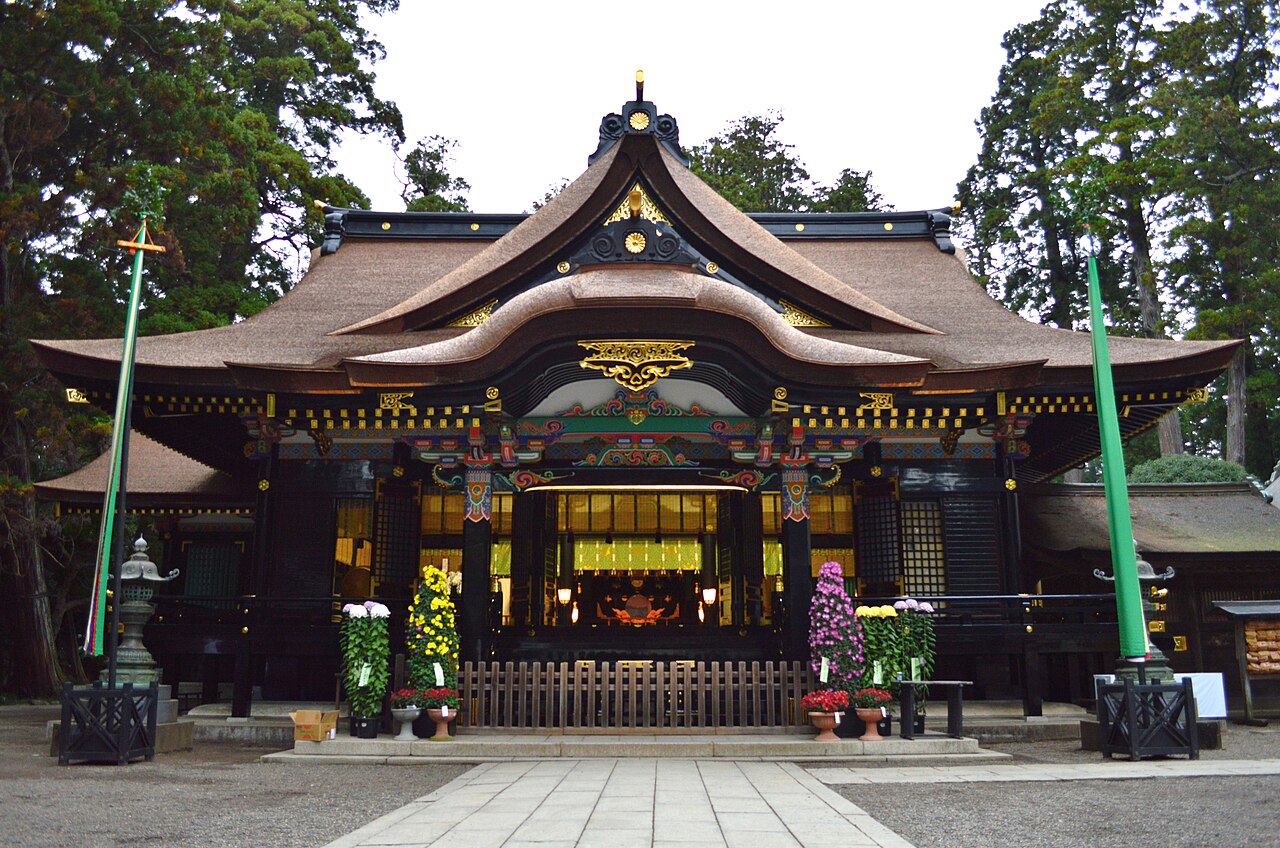
- Antiquity — Katori Jingu established as a major Kantō shrine, anchoring regional ritual life.
- Edo period — Tone River water transport makes Sawara a prosperous brewing and trade town, “Little Edo.”
- 1745 — Ino Tadataka, later adopted into a Sawara merchant family, is born.
- 1800 — Ino begins his nationwide survey, eventually mapping the Japanese coastline.
- Edo–modern — Sake breweries (e.g., Tokun Shuzo, Baba Honten) operate near the canal, sustaining a local sake-and-vessel culture.
- 1996 — Sawara’s merchant quarter designated an Important Preservation District for Groups of Traditional Buildings — a first in the Kantō region.
- 2016 — The Sawara Grand Festival floats inscribed on the UNESCO Representative List as part of Japan’s float-festival heritage.
- 2026 — Contemporary Boso studio potters continue making sake ware against this regional backdrop.
What does “still being made here” mean for a tokkuri with no historic kiln name? It means something more modest and more honest than a four-century lineage. Chiba is not a designated pottery province, so the case for this object rests not on a kiln pedigree but on a living regional culture: a brewing town where sake has been made and served continuously, and contemporary studio potters on the Boso Peninsula who throw functional sake ware in the iron-and-ash glaze idiom shared across eastern Japan.
The connective tissue is the sake itself. Sawara’s breweries — long-running houses such as Tokun Shuzo and Baba Honten near the old canal — are the reason a flask, rather than a vase or a teacup, is the natural object to write about from this place. Warmed sake, a tokkuri, and a pair of guinomi is a table setting this town has kept for a very long time.
❓ Frequently Asked Questions
Does Amazon JP ship this tokkuri internationally?
Many ceramic household items sell through the Amazon JP Global Store, which ships to most major destinations. Availability for Boso studio tokkuri should be confirmed on the current retailer page, since shipping eligibility can change. If it will not ship to your country, a proxy service like Buyee or Tenso can forward it.
Is this a designated traditional kiln?
No. Chiba has no METI-designated pottery tradition, so this is contemporary Boso / Sawara studio pottery, framed honestly as such. Its appeal is the regional context — Sawara’s canal brewing culture — rather than a certified historic lineage. If you want a named kiln, look at Karatsu, Tamba, or Bizen.
How do I use and care for a tokkuri?
To warm sake, stand the filled flask in a bath of hot, not boiling, water for a few minutes. Hand-washing is the safe default for hand-thrown glazed ware; dishwasher and microwave suitability vary by clay and glaze, so follow the maker’s care guidance.
What size cup pairs with a ~300 ml tokkuri?
A guinomi (the larger “gulp” cup) or an ochoko (smaller) both work. The muted iron-and-ash glazes pair easily with sake cups from Karatsu, Tamba, or Bizen — see the cross-link box above for related guides.
Why is no price shown?
Prices for studio pottery vary by potter, clay, glaze, and firing. Compare the current yen price and the full delivered cost before buying.
Will each piece look exactly like the photo?
Not exactly. Hand-thrown studio ware varies in glaze pattern, weight, and slight dimensions from piece to piece. That variation is characteristic of the category; if you need identical units or a matched pair, this style is not the right choice.
jpmono.com is curated by a Japan-based editorial team (working out of Toyama in the Hokuriku region and Nara in Kansai) and is independent. We do not take payment from the makers we feature; income comes from affiliate links. We do not physically test every product, and we review maker specifications and public craft references.
This article was prepared with AI assistance and reviewed against public craft references. Specifications, pricing, and availability vary by potter and should be confirmed with the maker.
Affiliate disclosure: jpmono.com may earn a commission on qualifying purchases made through links on this page, at no additional cost to you.