![Koishiwara-yaki Tobikanna Plate: Fukuoka Folk Pottery Guide [2026]](https://jpmono.com/wp-content/uploads/2026/06/koishiwara-yaki-tobikanna-plate-where-to-buy-2026-featured.jpg)
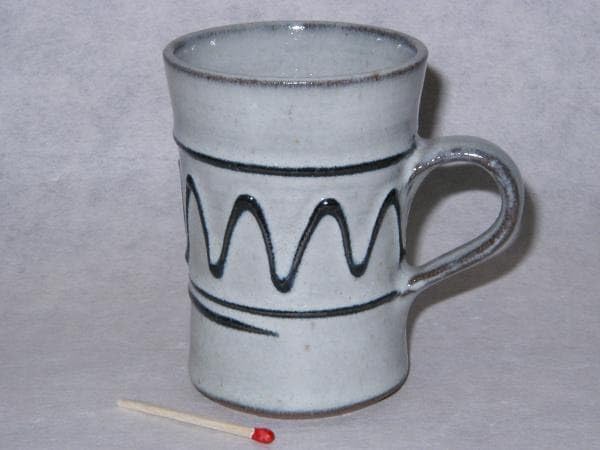
A Koishiwara-yaki (小石原焼, “Koishiwara ware”) plate is easy to recognize once you know what to look for: a dense ring of small, evenly spaced chatter marks cut into the glaze, marching around the rim like stitches in a hem. That decoration is called tobikanna (飛び鉋, “jumping/springing plane”), and it is not painted on — it is carved into the spinning clay by a sprung metal blade that skips across the surface. The result is geometry that comes from the lathe rather than the brush, repeated by hand on every piece.
The ware comes from a single mountain hamlet in Fukuoka Prefecture, on the northern island of Kyūshū, where family kilns have worked the same clay since the 1680s. It is folk pottery in the strict sense — mingei (民芸, “art of the people”), made for daily food rather than the tea-ceremony display shelf. Yanagi Sōetsu, the founder of Japan’s folk-craft movement, held Koishiwara up as a model of “beauty in use,” and the kiln was designated a national Traditional Craft in 1975.
This guide is written for international readers deciding whether an authentic tobikanna plate is worth importing, and how to do it without overpaying. We cover what the technique actually is, the Kuroda-domain origin that seeded the kiln, how Koishiwara compares with related Kyūshū and folk wares already on jpmono, and the realistic buying paths from outside Japan. One honest note up front: at the time of writing, the fetched dataset for this listing contained only the item reference (ASIN), with no live price or spec rows returned — so figures below are flagged as unconfirmed where the data did not supply them.
🔄 Updated:
⏱️ Read time: ~12 min

- Who this is for — and who should skip it
- Product overview (from published specs)
- Which finish should you choose?
- 📍 Where this comes from — place, era, and the craft tradition
- Price snapshot across stores
- What it does well
- Weaknesses and things to verify before buying
- Conclusion — which buyer type are you?
- Other ways to approach this purchase
- 🏆 Editor’s Pick
- ❓ Frequently Asked Questions
Who this is for — and who should skip it
- Want a daily-use plate with genuine, documented folk-craft heritage, not a souvenir reproduction
- Like the tobikanna rhythm — visible hand-work that is regular but never machine-identical
- Appreciate mingei “beauty in use” and plan to actually eat off it
- Are comfortable importing from Japan and reading a listing carefully before buying
- Already own Onta, Mashiko, or Shigaraki folk pieces and want the parent kiln of that lineage
- Want flawless, perfectly uniform dishes — handmade pieces vary in size, weight, and tone
- Need a guaranteed exact size or color; listings rotate and each kiln differs
- Expect bright painted decoration — Koishiwara is earth-toned slip and glaze, not colorful overglaze
- Are unwilling to pay international shipping or proxy fees on a modest-priced plate
- Require a confirmed price and stock before committing — this listing’s live data was thin at writing time
Product overview (from published specs)
Based on the listing reference and the maker tradition, the table below summarizes what a standard Koishiwara-yaki tobikanna plate of this size class is. Where the fetched dataset returned no value, the cell is marked Unconfirmed rather than guessed.
Koishiwara-yaki Tobikanna Plate
小石原焼 小石原焼き 5寸皿 飛び鉋 刷毛目 グレー 鬼丸豊喜窯 陶器 皿 (飛び鉋)
残り2点 ご注文はお早めに · Sold by Reboot Life · ASIN B09KPQDYYC
Price and availability as of 2026-08-31 02:30 JST. The Amazon listing at the time of purchase is authoritative. jpmono.com earns a commission on qualifying purchases at no extra cost to you.
| Attribute | Detail | Source |
|---|---|---|
| Ware | Koishiwara-yaki (小石原焼), Fukuoka folk pottery | Maker tradition |
| Material | Glazed stoneware (炻器, sekki); high-fired mountain clay | Maker tradition |
| Decoration | Tobikanna (chatter marks); often with hakeme brushwork / slip combing | Maker tradition |
| Size class | ~16–18 cm diameter plate (per recommendation hint) | Spec hint |
| Origin | Koishiwara district, Tōhō-mura, Fukuoka Prefecture, Kyūshū | Maker tradition |
| Designation | National Traditional Craft (METI), designated 1975 | Maker tradition |
| Item ID (ASIN) | B09KPQDYYC | Spec |
| Weight | Unconfirmed — check listing | Not in data |
| Price | Unconfirmed — fetched dataset returned no live price | Not in data |
Data note: the fetched JSON for this item contained only the listing reference and an empty results set; live pricing and dimension rows were unavailable at the time of writing. Verify the current size, weight, and price on the listing before buying.
📖 Glossary — key terms
- Koishiwara-yaki (小石原焼) — folk pottery from the Koishiwara district of Tōhō-mura, Fukuoka, established 1682.
- Tobikanna (飛び鉋, “jumping plane”) — a sprung metal blade held against the spinning wheel that skips and cuts rhythmic chatter dimples into the surface.
- Hakeme (刷毛目, “brush marks”) — sweeping white-slip brushwork left deliberately visible as texture.
- Mingei (民芸, “folk craft”) — the early-20th-century movement led by Yanagi Sōetsu celebrating everyday handmade objects as “beauty in use.”
- Sekki (炻器, “stoneware”) — clay fired hot enough to vitrify and become non-porous, between earthenware and porcelain.
- Dentō kōgeihin (伝統的工芸品) — a craft formally designated “Traditional Craft” by Japan’s Ministry of Economy, Trade and Industry (METI).
Which finish should you choose?
This piece is listed in 2 finishes. The photos below are the actual 色 options on the listing right now — pick the one you want and confirm it on the product page before ordering, since hand-finished wares vary slightly piece to piece.
![Koishiwara-yaki Tobikanna Plate: Fukuoka Folk Pottery Guide [2026] — 刷毛目 finish](https://m.media-amazon.com/images/I/51--lVD6wbL._SL500_.jpg)
📍 Where this comes from — place, era, and the craft tradition

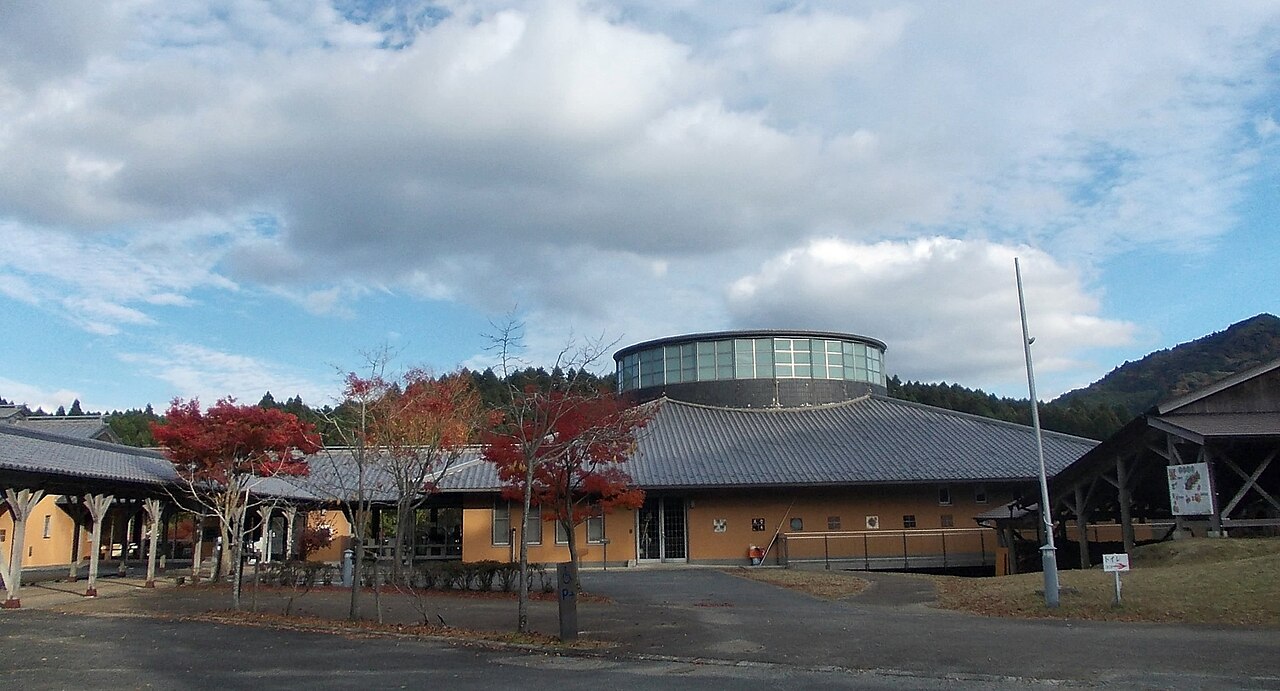
Koishiwara sits in the highlands of eastern Fukuoka Prefecture, on the northern island of Kyūshū, tucked against the Ōita border in what is today Tōhō-mura (“Tōhō village”). It is not a city kiln. The clay, the firewood, and the water that made the pottery possible are all local to these wooded hills, and the village remained small precisely because it was a working pottery district rather than a trading hub.
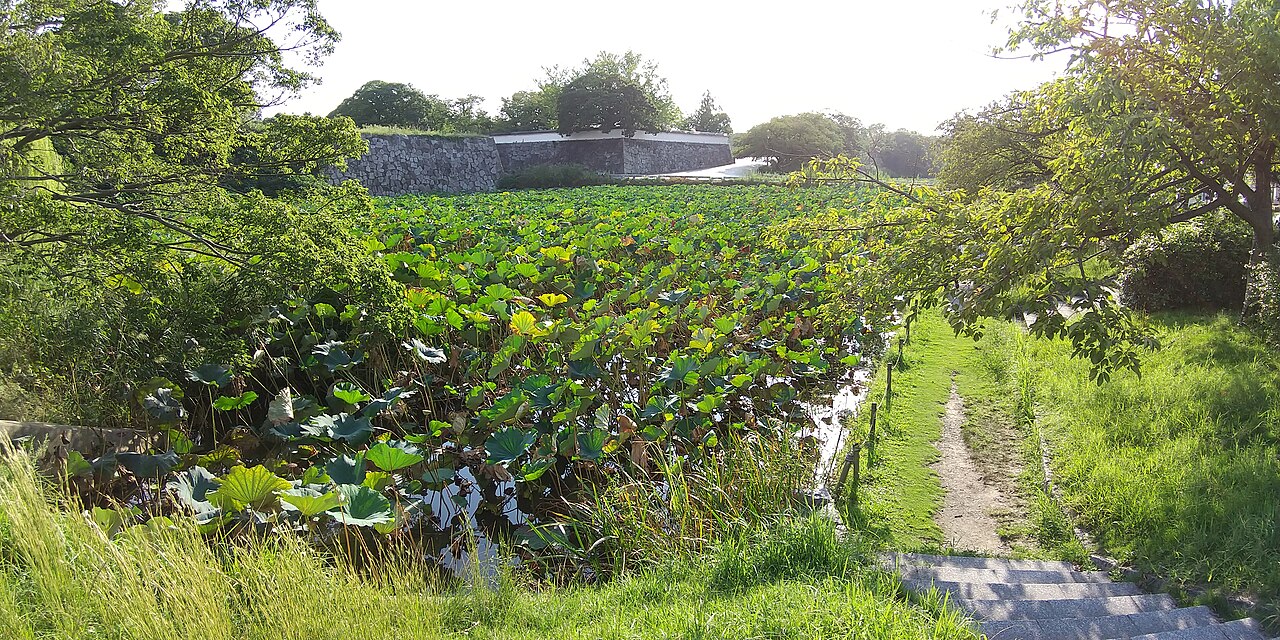
The kiln owes its existence to feudal industrial policy. The Kuroda clan ruled the Fukuoka domain from their castle in the city after the turn of the 17th century, and like many domains they treated ceramics as a controllable, taxable industry. In 1682 the Kuroda domain relocated potters of the Takatori tradition to the hamlet of Nakano — today’s Koishiwara — establishing a folk kiln along the Hikosan shugendō mountain-ascetic pilgrimage route. The pilgrimage traffic gave the early kilns a market; the domain gave them patronage and protection.
- c. 1600 — The Kuroda clan is installed as lords of the Fukuoka domain and begins fostering local industry.
- 1682 — The domain relocates Takatori potters to Nakano (Koishiwara), founding the folk kiln on the Hikosan pilgrimage route.
- early 18th c. — Koishiwara potters help found the Onta-yaki kiln across the border in Ōita — a direct daughter kiln.
- 1920s — Yanagi Sōetsu’s mingei movement celebrates Koishiwara as a model of “beauty in use.”
- mid-20th c. — The British studio potter Bernard Leach visits the Koishiwara–Onta district, raising its international profile.
- 1975 — Koishiwara-yaki is designated a national Traditional Craft (dentō kōgeihin) by METI.
- 2026 — Family kilns still throw and chatter plates in Tōhō-mura, mostly for the domestic Japanese market.
The signature of the ware is its surface. Tobikanna is made by holding a thin sprung metal blade lightly against a pot as it spins on the wheel; the blade catches, releases, and catches again, cutting a regular file of small dimples. Alongside it, potters use hakeme brushwork and slip combing to build pattern. None of this is painting. It is geometry born from the lathe — decoration that records the speed of the wheel and the steadiness of the hand.
“The pattern is not drawn onto the plate. It is the wheel’s own rhythm, caught by a blade — a record of motion you can run your thumb across.”
What “still being made here” means is the genuinely interesting part. Koishiwara never industrialized into a large factory town; it remained a cluster of family kilns, and that is exactly what the mingei movement valued in it. The lineage is also unusually traceable: Koishiwara potters crossed the nearby Ōita border and founded Onta-yaki, so the two kilns are parent and daughter, sharing techniques including tobikanna. When you buy a Koishiwara plate, you are buying from the source kiln of a folk-pottery family tree that international collectors already know through Onta and through Bernard Leach’s writing.
Related folk and regional wares already covered on jpmono — useful for placing Koishiwara within the wider map of Japanese ceramics and crafts.
 Onta-yaki (Koishiwara’s daughter kiln) →
Arita Ware Sometsuke Mug →
 Karatsu E-Garatsu Guinomi →
Hakata Hasami Scissors (same prefecture) →
 Shigaraki Hechimon Mug →
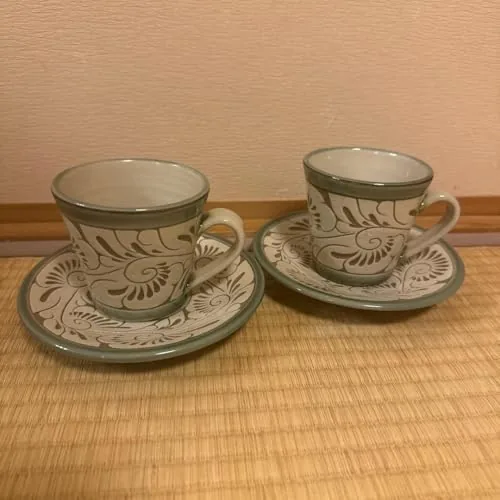 Yachimun Tsuboya Mug →
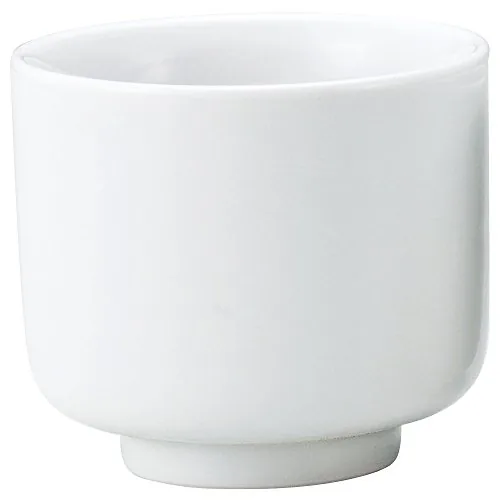 Shiro-Satsuma Sake Cup (Kyushu) →
Kobushi-yaki Blue-Glaze Teapot →
Price snapshot across stores
Order of paths reflects ease of purchase for our mostly US/EU/AU readership: an Amazon US search first, then the Japan Global Store where the specific listed item is sourced, then maker-direct and proxy routes. JPY is the authoritative currency; USD figures are approximate at a ¥150/USD baseline.
| Store | Item / Variant | Price (JPY + USD est.) | Notes |
|---|---|---|---|
| 🇺🇸 Amazon US (search) | Browse Japanese folk-pottery plates | varies (USD) | Best if you’re shopping from the US — Prime shipping, USD pricing, no international customs. Amazon US carries Japanese stoneware and folk-craft plates from various makers for comparison; the exact Koishiwara piece in this guide ships from Japan (next row). |
| 🇯🇵 Amazon JP Global Store | Koishiwara-yaki tobikanna plate (ASIN B09KPQDYYC) | Price unconfirmed — see listing | The sourced listing for the specific item. Ships internationally from Japan to most major destinations. Live price was not returned in the dataset; check before buying. |
| Maker direct | Tōhō-mura / Koishiwara kiln cooperative pieces | varies (JPY) | Individual kilns and the local pottery cooperative sell directly; usually Japanese-language and domestic shipping only. |
| Proxy services (Buyee / Tenso) | Any Japanese-store listing forwarded abroad | item + fee + forwarding | Useful when a kiln or shop won’t ship internationally. Adds a service fee and consolidated forwarding cost; watch for customs duties above your local threshold. |
Prices and availability fluctuate; the linked listings carry current data. USD estimates assume ¥150/USD as of mid-2026 and are approximate.
What it does well
The tobikanna ring is instantly recognizable and impossible to fake convincingly by machine — every plate records the wheel’s rhythm.
As mingei folk ware, it is designed to hold food, not sit on a shelf. High-fired stoneware is durable for everyday meals.
A 1682 origin, a METI Traditional Craft designation (1975), and a traceable lineage to Onta-yaki give it real provenance.
A ~16–18 cm plate suits a single main, sides, bread, or small servings — the most-used size in most kitchens.
Weaknesses and things to verify before buying
- Price was unconfirmed in our data. The fetched dataset returned no live price for this ASIN. Treat any figure you see at checkout as the real one and compare across listings.
- Handmade variation is the norm. Diameter, weight, glaze tone, and the exact chatter pattern differ piece to piece. If you need an exact match to something you already own, this is a risk.
- Listing photos may not be the exact piece. Folk kilns produce in small batches; the plate you receive can differ slightly from the catalog image. Read the description for “individual variation” notes.
- International shipping can rival the item cost. On a modestly priced plate, shipping and any proxy fees may be a large share of the total. Factor that in before deciding.
- Care requirements vary by glaze. Some folk-pottery glazes and unglazed feet are not ideal for dishwashers or microwaves. Confirm care guidance; when unstated, hand-wash is the safe default.
- Customs duties may apply. Orders above your country’s de minimis threshold can attract import duty and handling fees on delivery.
- Authenticity outside trusted channels. “Koishiwara-style” pieces exist. Buy from the Global Store listing, the kiln cooperative, or a reputable proxy to ensure you get the genuine ware.
Conclusion — which buyer type are you?
Want a signed or named-kiln piece and the deepest lineage? Pair this with Onta-yaki and buy maker-direct or via a specialist, accepting higher cost and effort.
Want a genuine daily-use tobikanna plate with the least friction? The Amazon JP Global Store listing (this item) is the straightforward path.
Cost-sensitive? Start from the Amazon US search to compare Japanese stoneware price tiers, or watch for a smaller plate or sale before importing.
Need perfectly uniform, dishwasher-guaranteed, bright-painted plates? This folk ware is not the right pick — choose mass-produced tableware instead.
Other ways to approach this purchase
Global Store prices and shipping promos shift. If you’re not in a hurry, watch the listing across a few weeks before committing.
Older Koishiwara and Onta pieces circulate on Japanese resale platforms; a proxy service can forward them. Inspect photos for chips and crazing.
If you already use Amazon points or a cashback card, applying them offsets the import cost on a modestly priced plate.
Unsure about handmade variation? Try a more affordable Japanese stoneware plate first to test whether folk ware suits your table.
🏆 Editor’s Pick
❓ Frequently Asked Questions
What is tobikanna decoration?
Tobikanna (“jumping plane”) is made by holding a thin sprung metal blade against the pot as it spins on the wheel. The blade catches and releases repeatedly, cutting a regular ring of small chatter dimples. It is carved geometry, not painted decoration, and is the signature of Koishiwara and Onta ware.
Does Amazon JP ship a Koishiwara plate internationally?
Many items on the Amazon JP Global Store ship internationally to most major destinations. Availability and shipping cost are shown at checkout for your country. If a particular kiln or shop will not ship abroad, a proxy service such as Buyee or Tenso can forward the parcel for a fee.
How is Koishiwara-yaki different from Onta-yaki?
They are parent and daughter kilns. Koishiwara was founded in Fukuoka in 1682; Koishiwara potters later crossed the border into Ōita and helped found Onta-yaki. The two share techniques, including tobikanna, so the wares look closely related. Koishiwara is the older, source kiln.
Is it dishwasher and microwave safe?
It depends on the specific glaze and kiln, and the fetched data did not confirm care details for this listing. Some folk-pottery glazes and unglazed feet are not ideal for dishwashers or microwaves. When care guidance is not stated, hand-washing is the safe default.
Why do the plates vary in size and pattern?
Koishiwara is handmade folk pottery, thrown and decorated piece by piece. Diameter, weight, glaze tone, and the exact chatter rhythm differ between pieces. This variation is intrinsic to the ware, not a defect — but if you need an exact match, factor it in.
How can I tell I’m getting authentic Koishiwara ware?
Buy through the Amazon JP Global Store sourced listing, the Koishiwara kiln cooperative, or a reputable proxy. “Koishiwara-style” imitations exist, so trusted channels and a clear maker or kiln attribution are the best safeguards. The ware has been a METI-designated Traditional Craft since 1975.
jpmono.com is curated by a Japan-based editorial team (working out of Toyama in the Hokuriku region and Nara in Kansai) and is independent. We do not take payment from the makers we feature; income comes from affiliate links. We do not physically test every product — we read maker specs and source listings.
This article was drafted with AI assistance and reviewed by the jpmono editorial team. Specifications and prices are drawn from available listing data at the time of writing and may have changed; verify on the retailer’s page before purchasing.
Affiliate disclosure: jpmono.com may earn a commission on qualifying purchases made through links on this page, at no additional cost to you.