![Banshu Miki Oire-Nomi Japanese Chisel: Hyogo Hand-Forged Woodworking Tool [2026]](https://jpmono.com/wp-content/uploads/2026/06/banshu-miki-oire-nomi-japanese-chisel-where-to-buy-2026-featured.jpg)
The oire-nomi (追入鑿, “bench” or cabinetmaker’s chisel) is the workhorse of Japanese joinery, and the version covered here is hand-forged in Miki, Hyogo — a town in the Harima district whose blacksmiths have specialized in carpentry tools for more than four centuries. A thin layer of hard high-carbon steel is forge-welded onto a soft wrought-iron body, the edge is water-quenched, and the back is hollow-ground so it flattens on a stone in seconds. It is a design Western woodworkers increasingly seek out by name for cutting clean mortises and paring dovetails.
What makes Miki notable is not a marketing story but an accident of history. The town’s tool trade traces to the Siege of Miki of 1578–80, when Hashiba (later Toyotomi) Hideyoshi starved out Miki Castle in a campaign remembered as the Miki no Hoshigoroshi (“the starving-out of Miki”). The town was leveled; reconstruction drew carpenters and the smiths who supplied them, and a permanent cluster of toolmakers took root. Miki became known as Kanamono no Machi — “the hardware town.” Today it is ranked alongside Sanjo, Sakai, and Echizen among Japan’s edged-tool centers, distinguished by its focus on carpentry tools rather than kitchen knives.
This guide is written for woodworkers and tool collectors outside Japan who are weighing a hand-forged Banshu Miki chisel. We cover what the laminated construction actually does, who the tool suits and who should pass, how to buy it from abroad, and how it sits next to other Japanese edged tools we have profiled. A note on data: the live listing snapshot for this item came back empty at the time of writing, so no current price or stock figure was captured — we say so plainly wherever it matters, and direct you to the live listing for authoritative pricing.
🔄 Last updated: June 13, 2026
⏱️ Read time: about 11 minutes

- Who this is for — and who should skip it
- Product overview (from published specs)
- 📍 Where this comes from — place, era, and the craft tradition
- Price snapshot across stores
- What it does well
- Weaknesses and things to verify before buying
- Conclusion — which buyer type are you?
- Other ways to approach this purchase
- 🏆 Editor’s Pick
- ❓ Frequently Asked Questions
Who this is for — and who should skip it
- Cut joinery by hand — mortises, dovetails, and paring work — and want a chisel that takes and holds a razor edge.
- Already sharpen on waterstones and are comfortable maintaining a hollow-ground back (ura).
- Prefer laminated high-carbon steel over stainless, and accept the care that carbon steel requires.
- Want a tool with a verifiable regional tradition rather than an anonymous import.
- Are building a graduated set over time and value buying matching widths from one source.
- Want a no-maintenance tool — carbon steel rusts if left wet and needs wiping and light oiling.
- Expect it to arrive sharpened and ready; many Japanese chisels need initial back-flattening and honing.
- Do only occasional, rough work where a hardware-store chisel is enough.
- Are unwilling to set the hoop (katsura) and seat the handle before first use.
- Need confirmed pricing and stock today — the live snapshot for this listing was unavailable at writing.
Product overview (from published specs)
The table below summarizes the attributes described in the product spec and the maker tradition. No live listing data was returned for this item at the time of writing, so the figures are drawn from the spec’s product description and general Banshu Miki practice — verify exact width, length, and steel type on the live listing before ordering.
Banshu Miki Oire-Nomi Japanese Chisel
藤正 追入のみ 5本組セット(皮のみ巻付)
残り2点 ご注文はお早めに · Sold by TOOL-LAB.【マキタ正規販売店】(株)柴商 · ASIN B094WXJ9LJ
Price and availability as of 2026-08-31 02:30 JST. The Amazon listing at the time of purchase is authoritative. jpmono.com earns a commission on qualifying purchases at no extra cost to you.
| Attribute | Detail |
|---|---|
| Tool type | Oire-nomi (追入鑿) — bench / cabinetmaker’s chisel |
| Edge steel | High-carbon white steel (shirogami) or blue steel (aogami), depending on listing |
| Body | Soft wrought iron (jigane), forge-welded to the hard steel layer |
| Back | Hollow-ground (ura) for fast flattening on a stone |
| Handle | Red oak (aka-gashi), with a steel hoop (katsura) at the striking end |
| Sold as | Single chisel or a graduated set of widths |
| Width / length | Varies by listing — confirm before ordering |
| Origin | Miki (三木市), Hyogo Prefecture, Harima region |
| Item ID (Amazon JP) | B094WXJ9LJ |
Sources: Amazon US search (primary, moonill-20) · Amazon JP Global Store (secondary, moonill-22, sourced listing) · maker tradition. No live price or stock figure was captured for this listing at writing.
📖 Glossary — key terms used in this article
- Oire-nomi (追入鑿) — the general-purpose bench chisel used for cutting and paring joints; the most common chisel in a Japanese woodworker’s kit.
- Nomi (鑿) — chisel. Kanna (鉋) — plane. Nokogiri (鋸) — saw. Kama (鎌) — sickle. These are Miki’s traditional product families.
- Shirogami / aogami (白紙 / 青紙) — “white paper” and “blue paper” steel, named for the maker’s wrappers; high-carbon tool steels that take a very fine edge. Blue steel adds tungsten/chromium for longer edge life.
- Jigane (地金) — the soft iron body laminated behind the hard steel; it absorbs shock and makes the tool easier to sharpen.
- Ura (裏) — the hollow-ground back of a Japanese blade; the hollow lets you flatten the back quickly against a stone.
- Katsura (冠) — the steel hoop fitted over the handle’s striking end to keep it from splitting under a mallet.
- Kanamono no Machi (金物のまち) — “the hardware town,” Miki’s nickname earned from its dense cluster of tool smiths.
- Hoshigoroshi (干殺し) — “starving to death,” the term for Hideyoshi’s siege tactic at Miki Castle.
📍 Where this comes from — place, era, and the craft tradition

Miki sits in the Harima region of Hyogo Prefecture, the broad inland plain that opens toward the Seto Inland Sea on Japan’s main island of Honshu. It is a short drive west of Kobe and the port cities of the coast, and it falls within the western reach of Kansai — the part of Japan whose craft traditions run deepest. The surrounding Harima country was historically rich in the things a forge needs: charcoal from the hills, water from the rivers, and a steady demand for tools from a region of carpenters, farmers, and temple builders.

The town’s tool trade has a precise and sober origin. In 1578 Hashiba Hideyoshi laid siege to Miki Castle, held by the Bessho clan, and rather than storm it he cut its supply lines and waited. The siege lasted into 1580 and is remembered as the Miki no Hoshigoroshi — the starving-out of Miki. When it ended, the castle town had been destroyed.
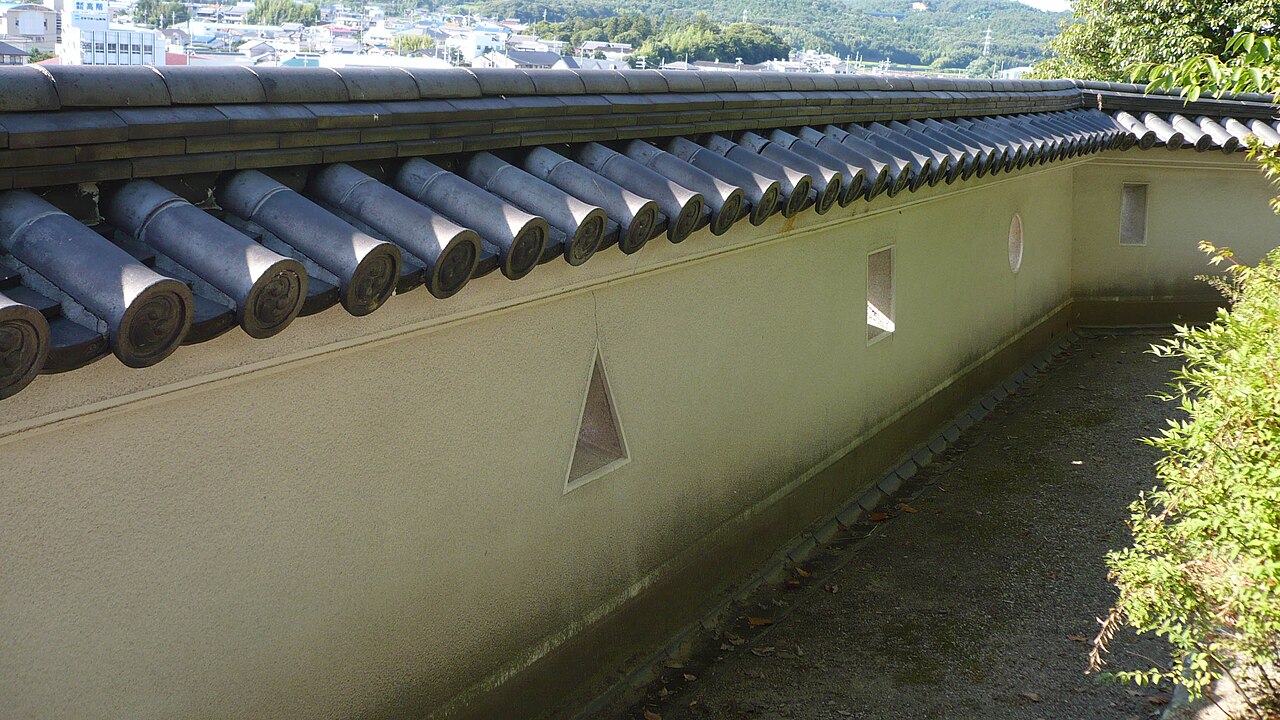
Rebuilding a town requires carpenters, and carpenters require tools. The reconstruction of Miki drew in woodworkers and the blacksmiths who supplied their chisels, planes, and saws, and that demand never fully receded. Over the Edo period the smiths concentrated and specialized, until Miki was producing carpentry tools at a scale that earned it the name Kanamono no Machi, “the hardware town.” It came to be ranked with Sanjo, Sakai, and Echizen among Japan’s great edged-tool centers — but where Sakai is known above all for kitchen knives, Miki’s identity is the carpenter’s kit: the chisel, the plane, the saw, and the sickle.
“Miki did not set out to become a town of toolmakers — a siege leveled it, and the work of rebuilding called the smiths in. Four centuries later, they are still forging chisels.”
- Medieval era — Tamba ware fired in northern Hyogo, one of Japan’s Six Ancient Kilns — early evidence of the region’s craft depth.
- 1578–80 — Siege of Miki; Hideyoshi starves out Miki Castle (the Miki no Hoshigoroshi), destroying the town.
- 1580s onward — Reconstruction draws carpenters and the smiths who armed them; a permanent toolmaking cluster takes root.
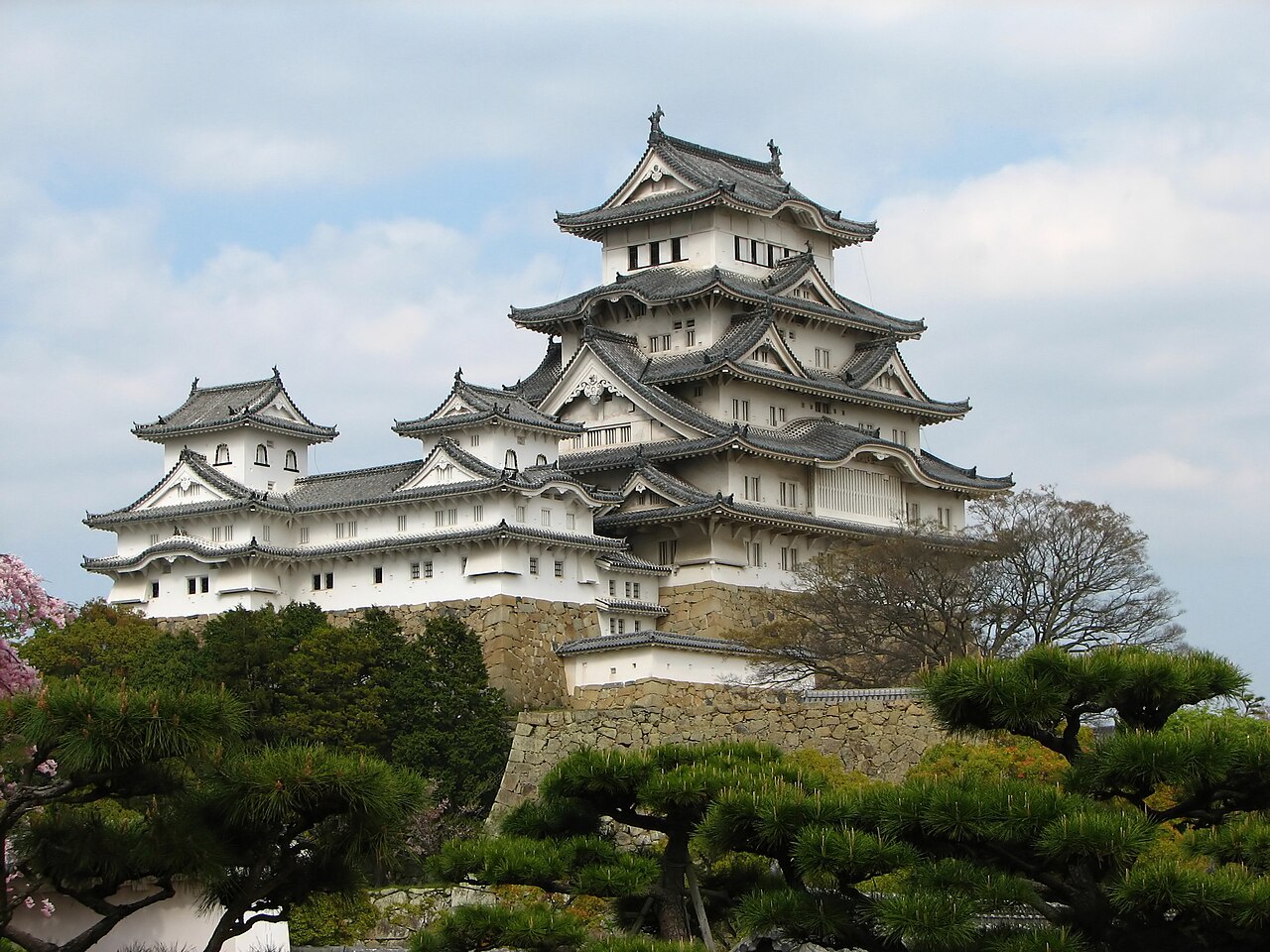
- 1609 — The current keep of nearby Himeji Castle is completed — the kind of large timber joinery that hand-forged chisels and planes serve.
- Edo period — Miki specializes in carpentry tools and earns the name Kanamono no Machi, “the hardware town.”
- 1998 — The Akashi Kaikyo Bridge opens, anchoring Harima’s modern industrial coast around Miki.
- 2026 — Miki smiths continue to hand-forge laminated oire-nomi for Japanese and Western woodworkers.
Hyogo’s craft identity is not steel alone. The same prefecture produced Tamba ware — one of Japan’s Six Ancient Kilns — and the carpentry that the chisels serve is visible in landmarks like Himeji Castle, the UNESCO World Heritage timber keep whose repairs and restorations still call for exactly this class of hand tool. The point is continuity: in this part of Kansai, the line between the tool and the thing it builds has stayed unbroken for centuries.
How the chisel is made is the craft itself. A thin slab of hard high-carbon steel is forge-welded onto a soft wrought-iron body, the two metals bonded under the hammer; the edge is then heated and water-quenched. The soft back absorbs the shock of mallet blows and resists chipping, while the hard steel face holds a keen edge — and because only a thin layer is hard, sharpening removes far less metal than it would on a solid tool. The hollow-ground back lets the user true the blade flat on a waterstone in seconds. It is, in effect, a laminated, renewable cutting edge, and that is precisely the feature Western joiners now buy a Miki chisel to get.
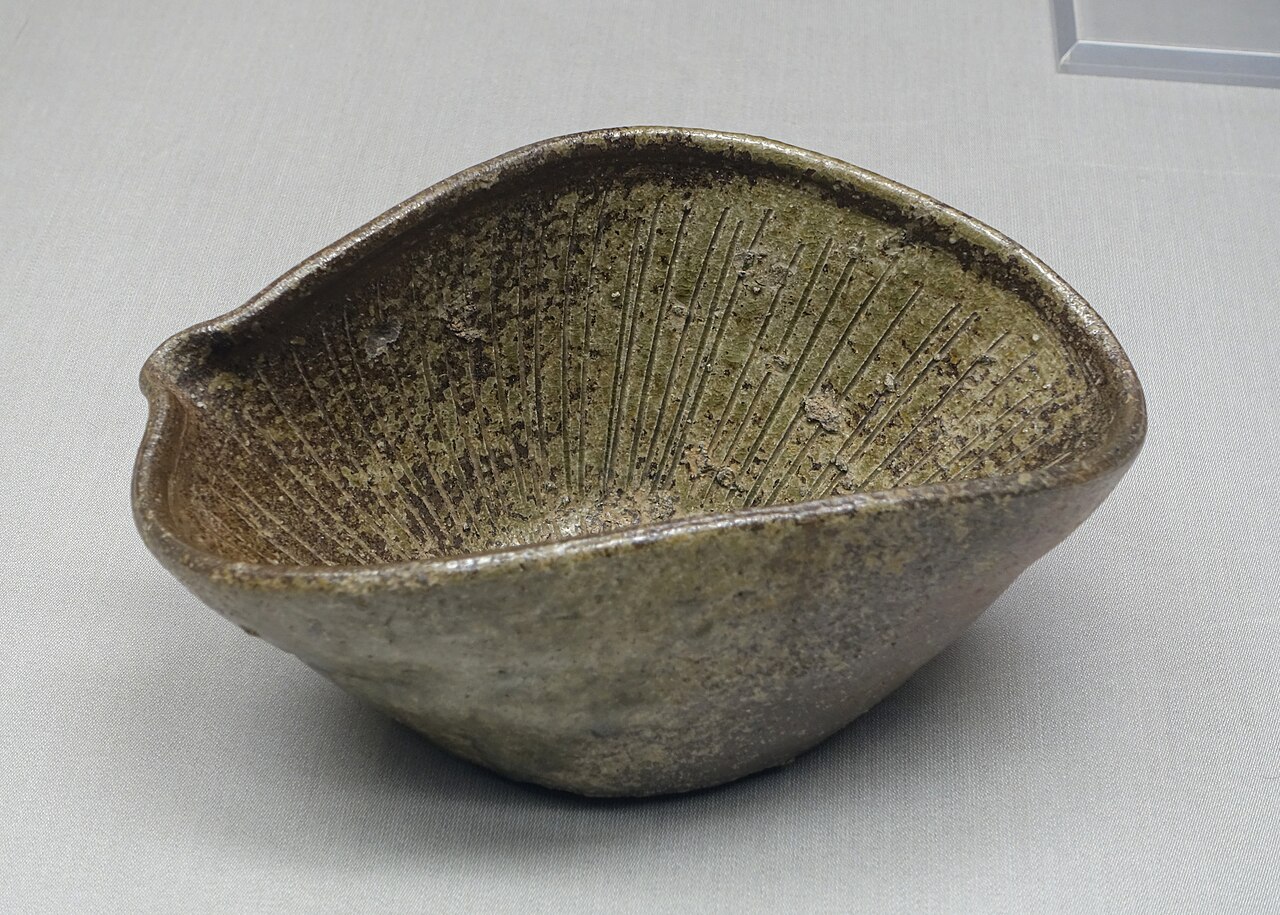
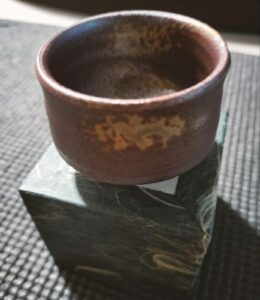 Tamba Tachikui Guinomi (Hyogo)
Another Hyogo craft — Six-Ancient-Kiln stoneware sake cup.
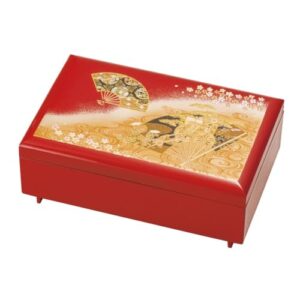 Kyo Sashimono Paulownia Box
What a chisel like this is used to build — fine joined boxes.
 Echizen Hand-Forged Santoku
A peer edged-tool center — laminated kitchen blade.
 Sakai Takayuki Gyuto
Sakai’s specialty — kitchen knives, vs. Miki’s carpentry tools.
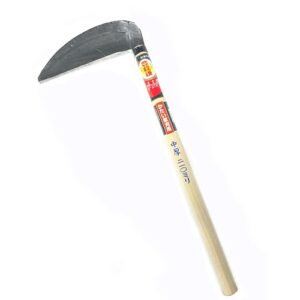 Shinshu Hand-Forged Sickle
Another laminated carbon-steel hand tool (kama).
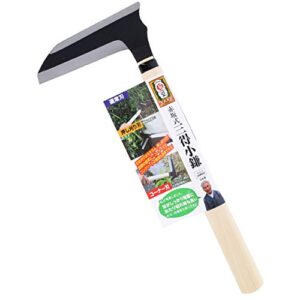 Chiba Koshogu Kama Sickle
Forged sickle from a different regional smith tradition.
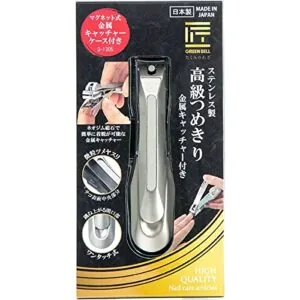 Seki Nail Clipper
Seki’s precision steel craft, in a small everyday object.
Price snapshot across stores
No live price was captured from the fetched data at the time of writing, so the figures below are marked accordingly. The JPY price on the Amazon JP Global Store listing is the authoritative one for the specific item; verify it at the listing before purchasing.
| Store | Item / Variant | Price (JPY + USD est.) | Notes |
|---|---|---|---|
| 🇺🇸 Amazon US (search) | Browse Japanese chisels & woodworking tools | varies (USD) | Best if you are shopping from the US — Prime shipping, USD pricing, no international customs. Amazon US carries Japanese chisels and plane irons from various makers, useful for comparing steel types and price tiers. The exact Banshu Miki piece is sourced from Japan (next row). |
| 🇯🇵 Amazon JP Global Store | Banshu Miki oire-nomi (single or set) — B094WXJ9LJ | Price varies — check listing | Ships internationally from Japan. This is the sourced listing for the specific item. Live price was unavailable at writing. |
| Maker direct | Miki tool smiths / local co-op | varies | Some Miki smiths sell through specialist Japanese tool shops; international shipping is not always offered. |
| Proxy services (Buyee / Tenso) | For listings not on the Global Store | item price + service fee + forwarding | Useful when a specific width or smith is only sold on Japan-domestic listings; expect a forwarding fee and longer transit. |
Prices in USD are approximate and depend on the current exchange rate (¥150/USD baseline as of mid-2026). The JPY price is the authoritative one for the listed item.
What it does well
Weaknesses and things to verify before buying
- Carbon steel rusts. White and blue steel are not stainless; the blade must be wiped dry and lightly oiled, or it will corrode — a real consideration in humid climates.
- Setup is expected. Many Japanese chisels ship needing initial back-flattening, honing, and seating of the handle and hoop (katsura). Budget time before the first cut.
- Sharpening skill required. Getting the best from the tool assumes you can sharpen on waterstones; without that, the edge advantage is lost.
- Width and length vary by listing. The spec does not fix a single size, and no live listing data was captured — confirm the exact width (and whether it is a single or a set) before ordering.
- Pricing was not captured. The fetched data returned no current price or stock, so any figure must be verified at the live listing; do not assume the price quoted elsewhere still holds.
- White vs. blue steel is a real choice. White steel sharpens easier and very fine; blue steel holds an edge longer but is slightly harder to hone. Make sure the listing states which you are buying.
Conclusion — which buyer type are you?
Other ways to approach this purchase
🏆 Editor’s Pick
❓ Frequently Asked Questions
What is an oire-nomi, and how is it different from other Japanese chisels?
The oire-nomi is the general-purpose bench or cabinetmaker’s chisel — the one a Japanese woodworker reaches for most often, used for cutting and paring joints. Other chisels in the tradition are specialized: heavier mortise chisels, long paring chisels, and so on. The oire-nomi is the versatile middle ground.
Is this a single chisel or a set?
Banshu Miki oire-nomi are sold both ways — as a single chisel of one width, or as a graduated set of several widths. Because no live listing data was captured at writing, check the specific listing to confirm whether you are buying one chisel or a set, and which widths are included.
White steel or blue steel — which should I choose?
White steel (shirogami) is a clean high-carbon steel that sharpens easily to a very fine edge. Blue steel (aogami) adds small amounts of tungsten and chromium for longer edge retention, at the cost of being slightly harder to hone. Beginners often start with white steel; those doing high-volume work may prefer blue. Confirm which the listing offers.
Does the chisel arrive ready to use, or do I need to set it up?
Many Japanese chisels need initial setup before first use — flattening the hollow-ground back, honing the bevel, and seating the handle with its steel hoop (katsura). Treat it as a tool you finish, not one that is finished for you. Plan for that step and have waterstones on hand.
Can I buy it from outside Japan?
Yes. The item is sourced from the Amazon JP Global Store, which ships internationally to most major destinations from Japan. Shoppers in the US can also browse comparable Japanese chisels on Amazon US for Prime shipping and USD pricing. For a specific smith or width sold only on Japan-domestic sites, a proxy service such as Buyee or Tenso can forward the order for a fee.
How do I care for a laminated carbon-steel chisel?
High-carbon steel is not stainless, so it can rust. Wipe the blade dry after use, apply a light film of camellia or mineral oil before storage, and keep it out of damp environments. Sharpen on waterstones and keep the hollow-ground back flat. With basic care the edge and body last for decades.
How does Miki compare to Sakai or Echizen tools?
All three are major Japanese edged-tool centers, but they specialize differently. Sakai is famous above all for kitchen knives; Echizen also produces renowned blades and knives. Miki’s identity is the carpenter’s kit — chisels, planes, saws, and sickles. For woodworking tools specifically, Miki is one of the names to know.
jpmono.com is curated by a Japan-based editorial team (working out of Toyama in the Hokuriku region and Nara in Kansai) and is independent. We do not take payment from the makers we feature; income comes from affiliate links. We do not physically test every product — we read maker’s specs and source listings. Read more about our editorial standards.
This article was prepared with AI assistance and reviewed against the source product data and the site’s editorial guidelines. Specifications and pricing reflect the data available at the time of writing and should be verified at the retailer before purchase.
Affiliate disclosure: jpmono.com may earn a commission on qualifying purchases made through links on this page, at no additional cost to you.