![Sakai Takayuki Gyuto Chef Knife: Where to Buy This Sakai Blade [2026]](https://jpmono.com/wp-content/uploads/2026/06/sakai-takayuki-gyuto-chef-knife-where-to-buy-2026-featured.jpg)
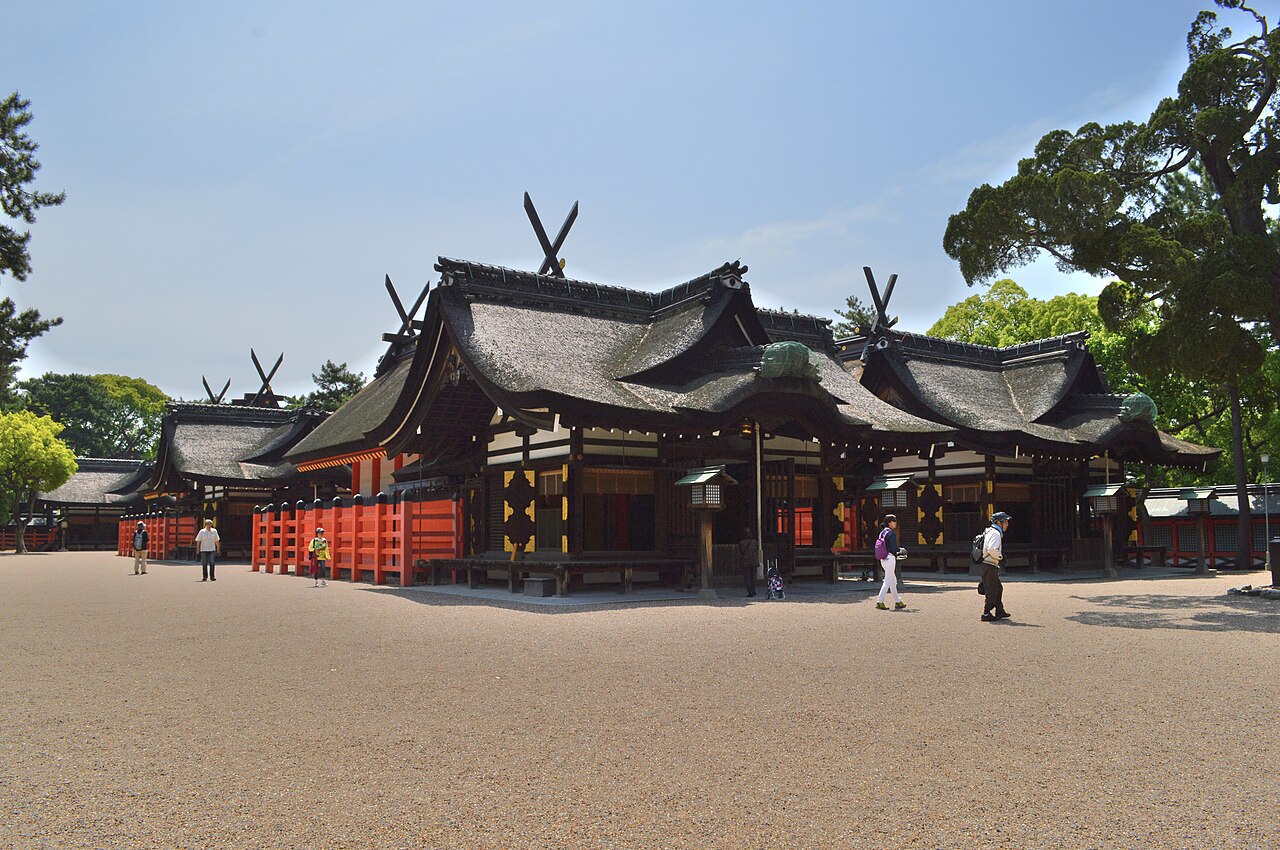
The gyuto (牛刀, “beef knife”) is Japan’s answer to the Western chef’s knife — a double-bevel, general-purpose blade with a curved belly for rocking and a pointed tip for fine work. This one carries the Sakai Takayuki name, and Sakai is the reason it matters. The small city on the southern edge of Osaka has forged blades since the 14th century, and it is said to arm roughly 90 percent of Japan’s professional kitchens today.
What makes a Sakai blade a Sakai blade is not a single workshop but a system. Forging, sharpening, and handle-fitting have traditionally been carried out by separate masters, each doing one thing for a lifetime. That divided-labor model is how a port town of merchants became the country’s cutlery capital. The gyuto is the most export-friendly product of that tradition: unlike Sakai’s single-bevel deba and yanagiba, a double-bevel gyuto suits left- and right-handed cooks alike and behaves the way Western home cooks already expect a chef’s knife to behave.
This guide is written from a Japan-based editor’s desk for readers shopping from outside Japan. We cover what the listing actually confirms, where the data is thin, how the knife compares to other Japanese blades we have profiled, and the realistic ways to buy it from abroad. Where a spec is not stated in the source data, we say so rather than guess.
🔄 Updated:
⏱️ About 11 min read

- Who this is for — and who should skip it
- Product overview (from published specs)
- Where this comes from — place, era, and the craft tradition
- Which finish should you choose?
- Price snapshot across stores
- What it does well
- Weaknesses and things to verify before buying
- Conclusion — which buyer type are you?
- Other ways to approach this purchase
- 🏆 Editor’s Pick
- ❓ Frequently Asked Questions
Who this is for — and who should skip it
- Want one all-purpose chef’s knife for vegetables, meat, and fish fillets
- Prefer a double-bevel edge that works for left- and right-handed cooks
- Like the idea of owning a blade from Japan’s main cutlery town
- Are comfortable hand-washing and drying a knife rather than using a dishwasher
- Want a Western-familiar shape rather than a single-bevel traditional blade
- Need a knife for cutting through bone, frozen food, or hard squash
- Specifically want a single-bevel blade for sashimi or fish breakdown (look at a yanagiba or deba)
- Will put the knife in a dishwasher or leave it wet in the sink
- Want a confirmed steel alloy and hardness on the box before buying (this listing’s data is thin)
- Are shopping for the lowest possible price rather than craft provenance
Product overview (from published specs)
The data available for this specific listing is limited. Based on the spec for this guide, the key attributes are summarized below; entries that the source data does not confirm are marked plainly rather than filled in from memory.
Sakai Takayuki Gyuto Chef Knife
sakai takayuki 青木刃物 堺孝行 イノックス 牛刀 18㎝ 日本 AIN02018
残り5点(入荷予定あり) · Sold by Amazon.co.jp · ASIN B0013CZY8W
Price and availability as of 2026-08-31 02:30 JST. The Amazon listing at the time of purchase is authoritative. jpmono.com earns a commission on qualifying purchases at no extra cost to you.
| Attribute | Value | Source note |
|---|---|---|
| Type | Gyuto (牛刀) — Western-style chef’s knife | Per spec |
| Edge geometry | Double-bevel (両刃, ryōba) | Per spec |
| Blade length | 210 mm (per recommendation hint) | Per spec hint — verify on listing |
| Steel | Stainless / INOX | Per spec hint; exact alloy unconfirmed — check listing |
| Origin | Sakai, Osaka, Japan | Per spec |
| Brand | Sakai Takayuki | Per spec |
| Handle | Unconfirmed — check manufacturer site | Not in fetched data |
| Weight | Unconfirmed — check manufacturer site | Not in fetched data |
| Item ID (ASIN) | B0013CZY8W | Amazon JP Global Store listing |
Data note: the fetched dataset for this item returned no live pricing or extended specs. Only the listing reference (ASIN B0013CZY8W) was available at the time of writing; live pricing and exact alloy/hardness may differ — always confirm on the listing before purchasing.
📖 Glossary — Japanese blade terms used here
- Gyuto (牛刀) — literally “beef knife”; the Japanese take on the Western chef’s knife, double-bevel and general-purpose.
- Ryōba (両刃) — a double-bevel edge, ground on both sides, symmetrical and suited to either hand.
- Kataba (片刃) — a single-bevel edge, ground on one side; used on traditional deba and yanagiba and typically handed.
- Deba (出刃) — a thick single-bevel knife for breaking down fish and poultry.
- Yanagiba (柳刃) — a long single-bevel slicer for sashimi.
- Sakai uchihamono (堺打刃物) — “Sakai forged blades,” the collective name for the city’s hand-forged cutlery.
- Shokunin (職人) — a craftsperson; in Sakai, forging, sharpening, and handle-fitting are each a separate shokunin’s specialty.
Where this comes from — place, era, and the craft tradition

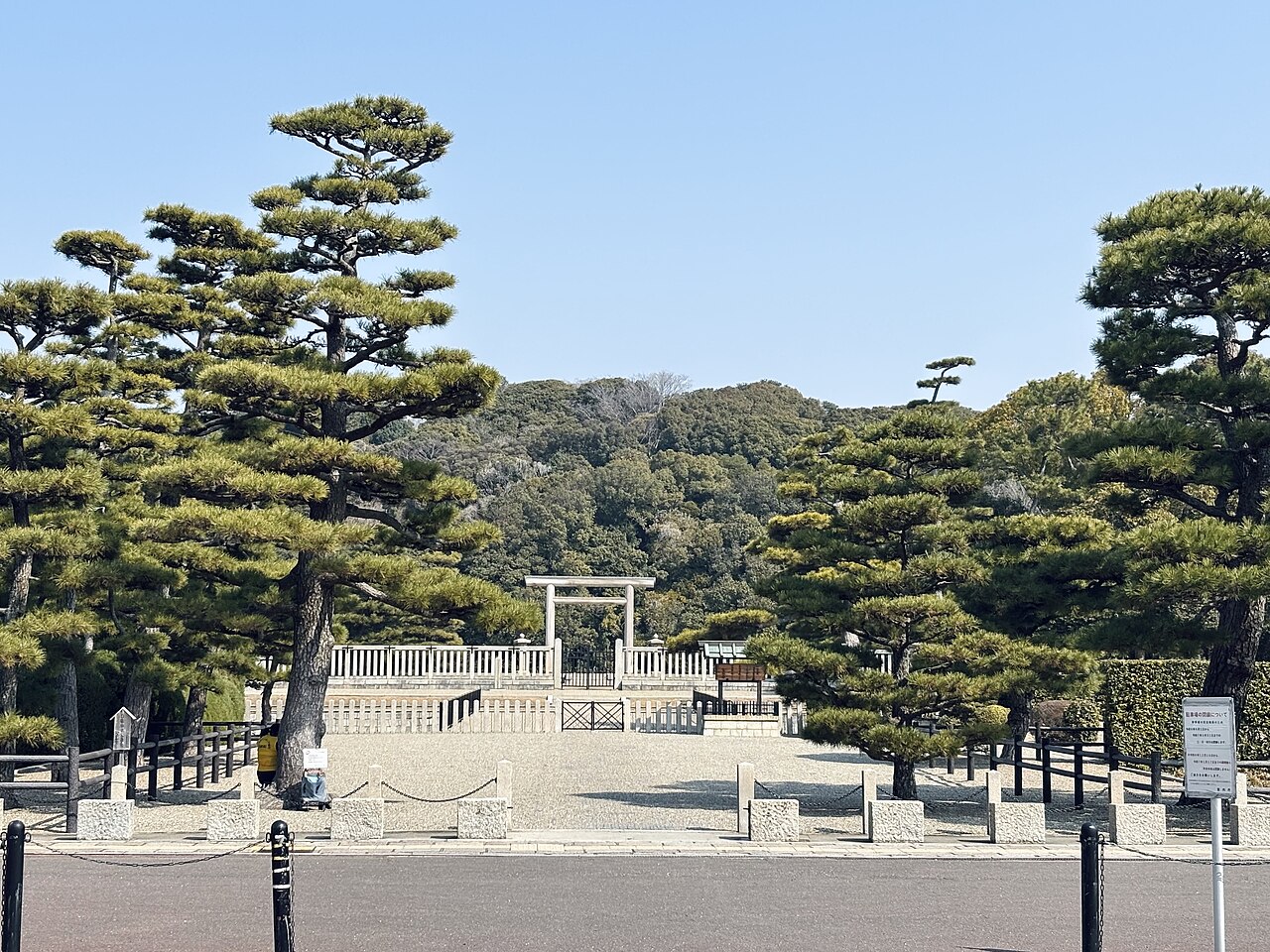
Sakai sits where the Osaka plain meets the sea, on the southern flank of present-day Osaka. Long before it was a blade town it was a burial ground for emperors: the colossal keyhole tombs of the Mozu cluster, including the tomb attributed to Emperor Nintoku, were raised here in the 5th century. Moving that much earth and stone took iron tools, and the region’s early ironworking culture is the deep root from which everything else grew.
By the 14th century, smiths in Sakai were forging blades in earnest. The turning point came in the 16th century, when Portuguese traders introduced tobacco. Sakai’s smiths began making knives fine enough to shred tobacco leaf, and the craft became so refined that the Tokugawa shogunate later granted the city’s smiths an exclusive seal and brand monopoly on tobacco knives.

- 5th century — Mozu tomb cluster (incl. the tomb of Emperor Nintoku) built in Sakai; large-scale ironworking takes root.
- 14th century — Sakai smiths begin forging blades.
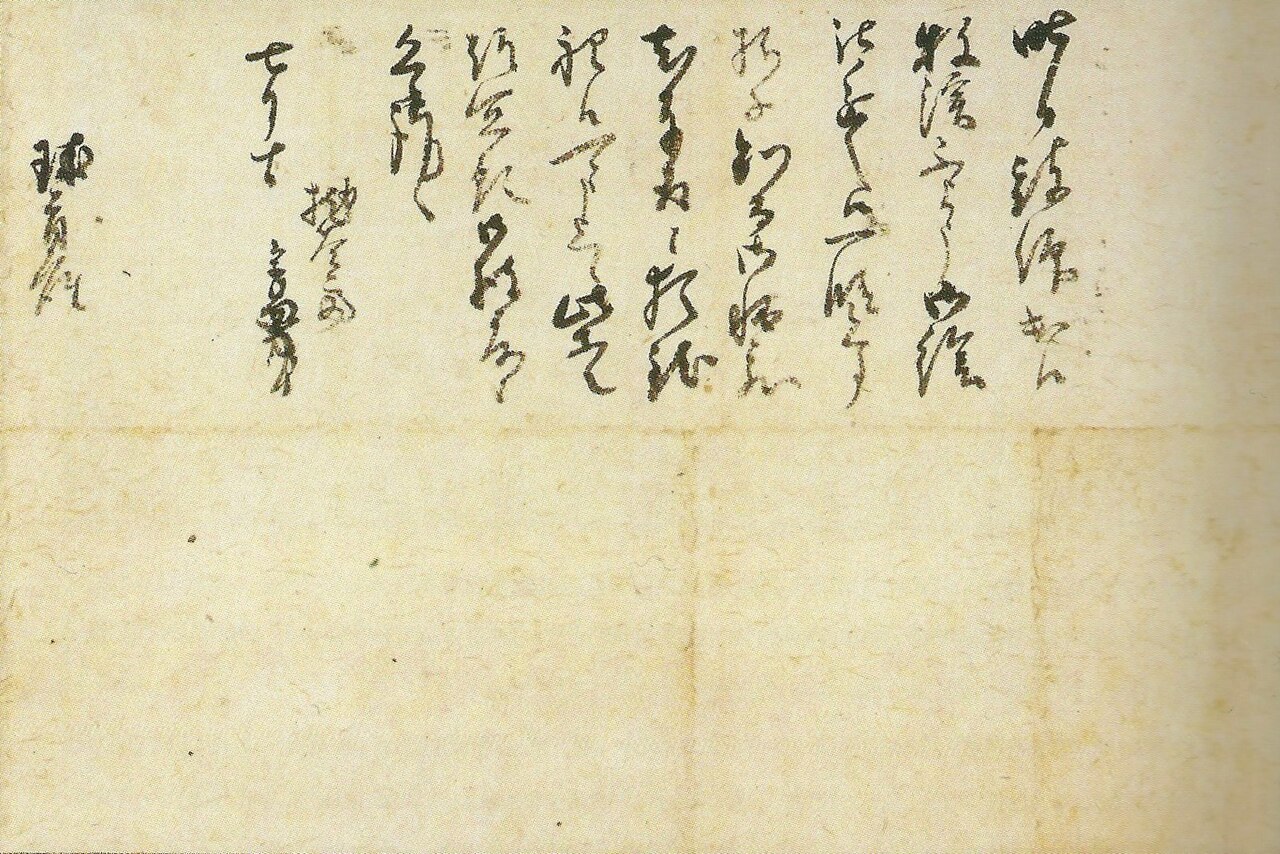
- 16th century — Portuguese tobacco arrives; Sakai specializes in fine tobacco-cutting knives. Sakai-born merchant Sen no Rikyū shapes the tea culture of the age.
- Edo period — The Tokugawa shogunate grants Sakai smiths an exclusive seal and brand monopoly on tobacco knives.
- Edo → modern — That edge migrates from tobacco knives into kitchen cutlery.
- Today — Sakai is said to supply roughly 90% of Japan’s professional chefs’ knives, made via a divided-labor system of specialist masters.
The continuity case is what separates Sakai from a brand story. The city’s cutlery is still made the divided-labor way: one master forges the blade, another grinds and sharpens it, a third fits the handle. A gyuto that leaves Sakai has usually passed through several pairs of specialist hands, each doing the one job they have done for decades. The double-bevel gyuto is the part of that tradition built for the wider world — symmetrical, familiar in the hand, and the most natural Sakai blade for a cook outside Japan to start with.
“A knife town grew from a tomb town: the iron that built emperors’ graves in the 5th century is the same craft lineage that, six centuries later, arms most of Japan’s professional kitchens.”
Which finish should you choose?
This piece is listed in 2 options. The photos below are the actual サイズ options on the listing right now — pick the one you want and confirm it on the product page before ordering, since hand-finished wares vary slightly piece to piece.
![Sakai Takayuki Gyuto Chef Knife: Where to Buy This Sakai Blade [2026] — 210 mm finish](https://m.media-amazon.com/images/I/21gfTJll5lL._SL500_.jpg)
Other Japanese blades and kitchen tools we have profiled — useful for placing this gyuto against single-bevel knives, other forging towns, and the boards and tools it works alongside.
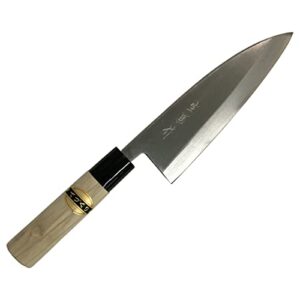
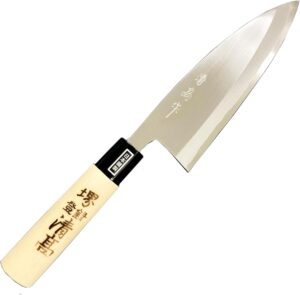 Sakai Deba KnifeSingle-bevel fish knife from the same Sakai tradition.
 Echizen SantokuDouble-bevel all-rounder from Fukui’s Echizen forging town.
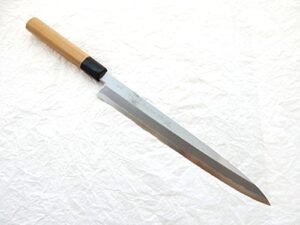 Tsukiji YanagibaSingle-bevel sashimi slicer for fish.
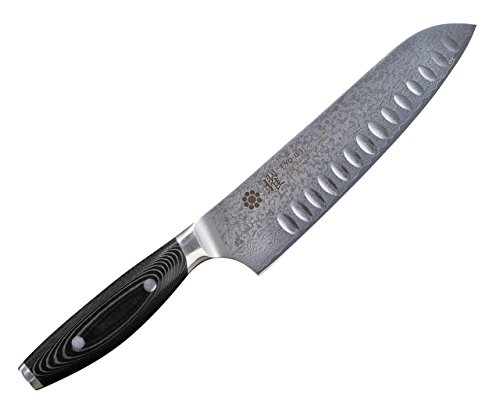 Seki Damascus SantokuDamascus-clad double-bevel from Seki, Gifu.
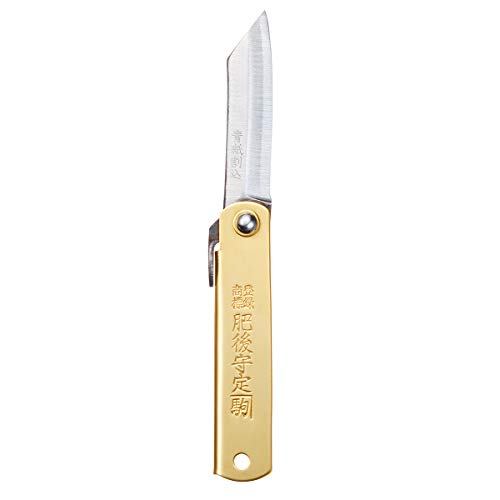 Higonokami Folding KnifeTraditional pocket folder for everyday cutting.
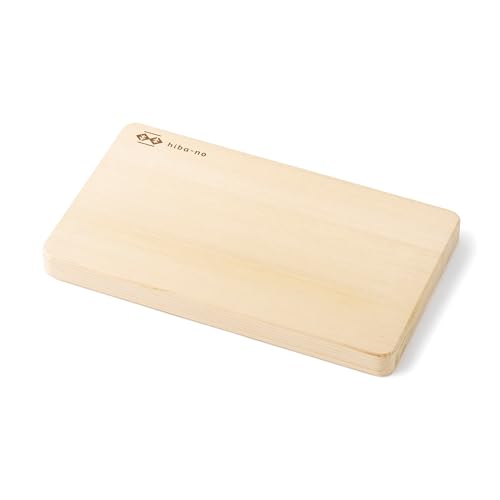 Aomori Hiba Cutting BoardA gentle wooden board to protect the edge.
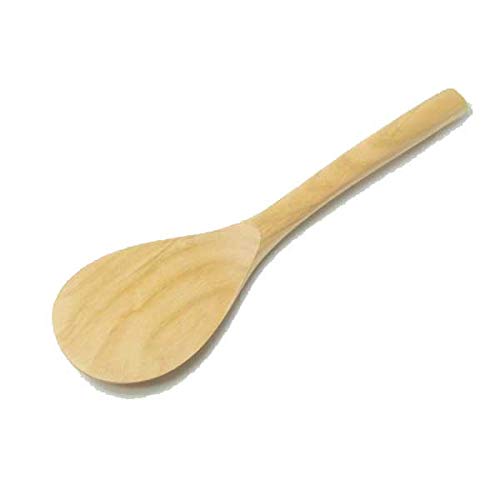 Miyajima ShamojiClassic wooden rice scoop for the same kitchen.
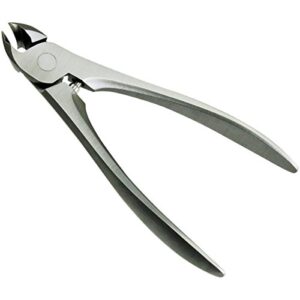 Suwada Nail NipperPrecision-forged Niigata tool — same hand-forging ethos.
Price snapshot across stores
JPY is the authoritative price for the specific listed item; USD figures elsewhere are approximate (¥150/USD baseline, mid-2026). The fetched dataset returned no live price for this listing, so amounts below are marked unavailable rather than estimated.
| Store | Item / Variant | Price | Notes |
|---|---|---|---|
| 🇺🇸 Amazon US (search) | Browse Japanese chef’s knives | varies (USD) | Best if you’re shopping from the US — Prime shipping, USD pricing, no international customs. Amazon US carries Japanese gyuto and santoku knives from several makers for comparing geometry and steel; the Sakai Takayuki piece is sourced from Japan (next row). |
| 🇯🇵 Amazon JP Global Store | Sakai Takayuki gyuto (ASIN B0013CZY8W) | Price unavailable — check listing | The sourced listing for the specific item. Ships internationally from Japan to most major destinations; customs/duty may apply. |
| Maker direct | Sakai Takayuki line | Unconfirmed | Some Sakai makers and specialist cutlery retailers ship abroad directly; availability of this exact item varies. |
| Proxy services (Buyee / Tenso) | Forwarding from JP retailers | Item price + forwarding fee | Useful if a JP-only seller does not ship to you directly; adds a forwarding fee and consolidates customs handling. |
What it does well
Weaknesses and things to verify before buying
- Thin published data. The fetched listing returned no live price and no confirmed steel alloy or hardness. Confirm these on the listing before you commit.
- Length is from the spec hint only. The 210 mm figure comes from the recommendation hint, not from confirmed fetched specs — verify the actual length on the listing, since the line is sold in several sizes.
- Not for hard tasks. A thin double-bevel gyuto is wrong for bone, frozen food, or hard squash; force on those can chip the edge. Use a deba or a heavier cleaver instead.
- Care discipline required. Hand-wash and dry promptly; dishwashers, prolonged soaking, and abrasive scrubbers shorten edge life regardless of stainless construction.
- Sharpening expectations. Japanese blades are kept sharp on whetstones; pull-through sharpeners can damage the edge geometry. Budget for a stone and a little practice.
- Price and stock unverified. Pricing and availability fluctuate and were unavailable at the time of writing — treat the listing as the source of truth at purchase time.
Conclusion — which buyer type are you?
Other ways to approach this purchase
🏆 Editor’s Pick
❓ Frequently Asked Questions
Is the Sakai Takayuki gyuto stainless or carbon steel?
Per the spec hint for this guide it is a stainless / INOX blade, which is more forgiving of moisture than carbon steel. The exact alloy and hardness were not confirmed in the fetched data, so verify them on the listing before buying.
What blade length should I choose?
The recommendation hint points to a 210 mm gyuto, a common all-round size for home kitchens. Cooks with larger boards sometimes prefer 240 mm. Confirm the length on the listing, since the line is sold in several sizes.
Can I use it on bone or frozen food?
No. A thin double-bevel gyuto is built for general cutting of vegetables, boneless meat, and fillets. For bone or fish breakdown use a deba; for frozen or very hard items use a tool designed for them.
Does Amazon JP Global Store ship internationally?
Yes, Amazon JP Global Store ships many household items to most major destinations. Customs duties or import taxes may apply depending on your country’s thresholds; check the estimated import fees shown at checkout.
Is the gyuto suitable for left-handed cooks?
Yes. A double-bevel (ryōba) edge is symmetrical and works for left- and right-handed users alike, unlike single-bevel deba and yanagiba, which are typically ground for one hand.
How should I care for it?
Hand-wash and dry it promptly; do not put it in a dishwasher or leave it soaking. Keep the edge on a whetstone rather than a pull-through sharpener, and store it so the edge does not knock against other utensils.
How does a gyuto differ from a santoku?
A gyuto is generally longer, with a more curved belly and a pointed tip suited to rock-cutting and detail work. A santoku is shorter and flatter, favoring an up-and-down chopping motion. Both are double-bevel all-rounders.
jpmono.com is curated by a Japan-based editorial team (working out of Toyama in the Hokuriku region and Nara in Kansai) and is independent. We do not take payment from the makers we feature; income comes from affiliate links. We do not physically test every product — we read maker specs and source listings.
Note: this article was prepared with AI assistance and reviewed against the available source data. Specifications and pricing were thin in the fetched dataset; unconfirmed fields are marked as such and should be verified on the retailer’s listing.
Affiliate disclosure: jpmono.com may earn a commission on qualifying purchases made through links on this page, at no additional cost to you.