![Nambu Tekki Cast Iron Teapot (Kyusu): Iwate’s Enamel-Lined Iron for Brewing Tea [2026]](https://jpmono.com/wp-content/uploads/2026/06/nambu-tekki-cast-iron-teapot-kyusu-where-to-buy-2026-featured.jpg)
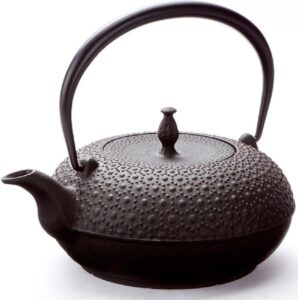
A Nambu Tekki (南部鉄器, “Nambu ironware”) cast iron teapot is the table-side cousin of the heavier iron kettle most people picture when they hear “Japanese iron.” It is a kyūsu (急須, “teapot”) — a pot for steeping and pouring brewed tea, lined on the inside with enamel so it resists rust and is easy to keep. It is not a stovetop kettle. The item covered here is an Iwachu (岩鋳) cast iron teapot of roughly 0.6–0.65 liters, with an enamel-glazed interior and a removable stainless-steel tea strainer, made in Iwate Prefecture in the Tōhoku region of northern Japan.
The reason this small object travels well is practical, not romantic. Cast iron holds heat, so a brewed pot stays warm through a second and third cup, and the enamel lining means an international owner does not have to learn the careful seasoning-and-drying ritual that a bare-iron tetsubin demands. That combination — heavy iron heat retention without bare-iron maintenance — is exactly why Iwachu and its Morioka and Mizusawa peers became fixtures on overseas tea shelves.
This guide is written for international readers comparing where and how to buy one. We cover what the enamel-lined kyūsu is (and is not), the two Iwate casting centers behind it, an honest list of weaknesses, and the buying paths — Amazon US for shopping convenience, Amazon JP Global Store for the specific sourced listing, maker-direct, and proxy services.
🔄 Updated:
⏱️ Read time: ~11 min

- Who this is for — and who should skip it
- Product overview (from published specs)
- Where this comes from — place, era, and the craft tradition
- 📦 Shipping & where to buy from outside Japan
- Price snapshot across stores
- What it does well
- Weaknesses and things to verify before buying
- Conclusion — which buyer type are you?
- Other ways to approach this purchase
- 🏆 Editor’s Pick
- ❓ Frequently Asked Questions
Who this is for — and who should skip it
- Want a teapot that keeps a brewed pot warm across several cups
- Prefer the low-maintenance enamel lining over bare-iron seasoning
- Like the weight and presence of cast iron on the table
- Brew leaf tea and want a built-in stainless strainer
- Value a craft object with a documented regional lineage
- Want to boil water on a stove — that is a bare-iron tetsubin, not this
- Expect the enamel lining to add iron to your water (it does not)
- Need something very light to lift one-handed when full
- Want microwave or dishwasher convenience (neither applies)
- Are price-sensitive and only need a basic ceramic teapot
Product overview (from published specs)
Based on the spec sheet and maker information for this guide, the figures below describe the Iwachu enamel-lined kyūsu. Note the data limitation: the live Amazon US search returned no individual listing snapshot, and a current price was unavailable at the time of writing — so the table reflects published specifications rather than a live price feed. Always verify the live figure at the retailer before buying.
Nambu Tekki Cast Iron Teapot (Kyusu)
岩鋳(Iwachu) 鉄瓶 黒焼付 0.65L 鉄瓶兼用急須 5型新アラレ IH対応 12822
残り3点(入荷予定あり) · Sold by Amazon.co.jp · ASIN B07XZ21JTF
Price and availability as of 2026-08-31 02:30 JST. The Amazon listing at the time of purchase is authoritative. jpmono.com earns a commission on qualifying purchases at no extra cost to you.
| Attribute | Detail (per published spec) |
|---|---|
| Item | Nambu Tekki cast iron teapot (kyūsu), Iwachu |
| Material | Cast iron body, enamel-glazed interior |
| Capacity | ~0.6–0.65 L |
| Strainer | Removable stainless-steel tea strainer included |
| Use | Brewing and serving tea at the table (not stovetop boiling) |
| Origin | Iwate Prefecture, Tōhoku, Japan |
| Designation | Nambu Tekki — National Traditional Craft (METI, 1975) |
| ASIN (sourced JP listing) | B07XZ21JTF |
Sources: Amazon US search (primary, moonill-20) returned no individual listing at the time of writing; Amazon JP Global Store (secondary, moonill-22, sourced listing); maker-direct (Iwachu) reference. Specs reflect published data, not a live price feed.
📖 Glossary — key terms
Nambu Tekki (南部鉄器) — “Nambu ironware.” Cast ironware from Iwate Prefecture, named after the Nambu clan that ruled the Morioka domain. Designated a National Traditional Craft in 1975.
Kyūsu (急須) — a teapot for steeping and pouring brewed tea. The subject of this guide is an iron kyūsu, distinct from a kettle.
Tetsubin (鉄瓶) — a bare cast-iron kettle made to boil water over a heat source. It has no enamel lining and requires drying and seasoning to prevent rust. Often confused with the iron teapot.
Chagama (茶釜) — the iron tea-ceremony kettle. Early Morioka ironcasting grew out of chagama work before shifting toward kettles and teapots.
Shokunin (職人) — a skilled craftsperson or artisan.
Related jpmono guides — same lineage, same region, or the same iron-and-tea world.
 🫖 Oigen Nambu tetsubin kettle (same lineage)
 🧣 Iwate homespun wool scarf
🥣 Gohara Iwate lacquer bowl
 🍳 Kuwana cast iron skillet
 🍵 Kaikado tin tea caddy
🍴 Tsubame stainless cutlery
🔥 Sendai hand-forged iron trivet
🔔 Takasaki cast brass bell
Where this comes from — place, era, and the craft tradition

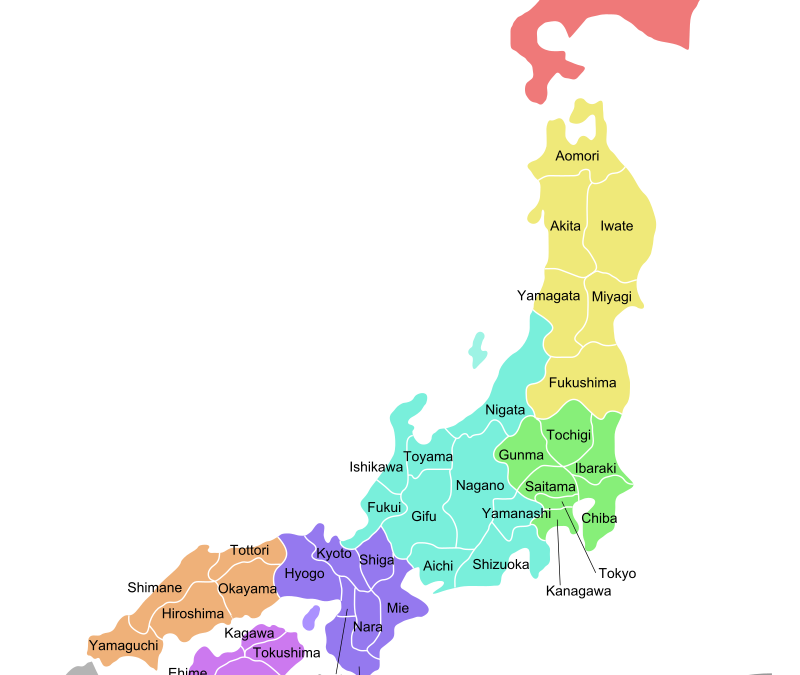
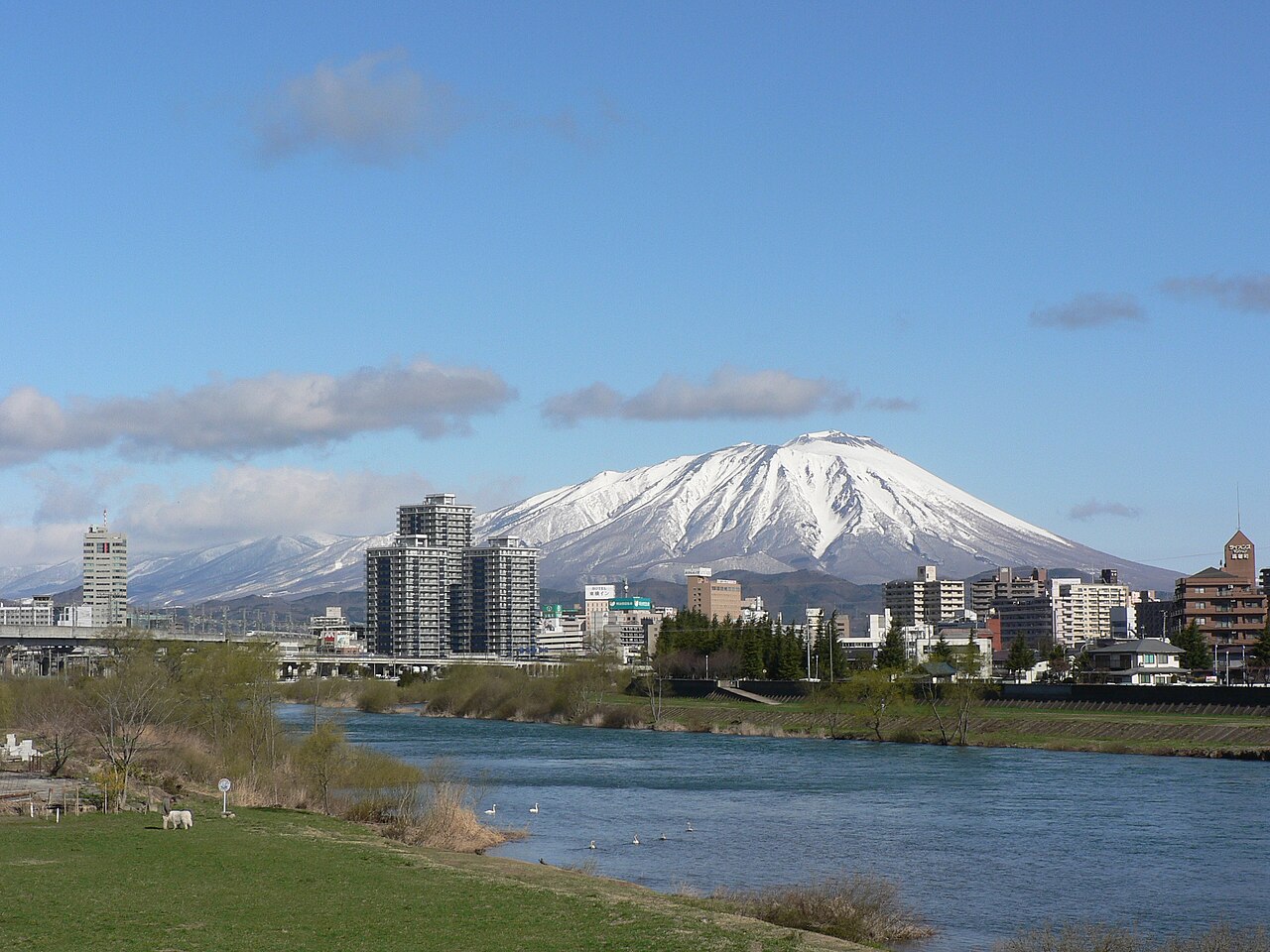
Iwate is the second-largest prefecture in Japan and sits in the northeast of the main island of Honshū, in the Tōhoku region. Nambu Tekki grew from two distinct centers inside it. The first is Morioka, the old castle town and seat of the Nambu clan. The second is Mizusawa, in the south of the prefecture (now part of the city of Ōshū), whose ironworking lineage runs back to the Heian era. Both centers drew on the same landscape: local iron sand, river clay suitable for casting molds, and the abundant charcoal of a heavily forested, mountainous province.
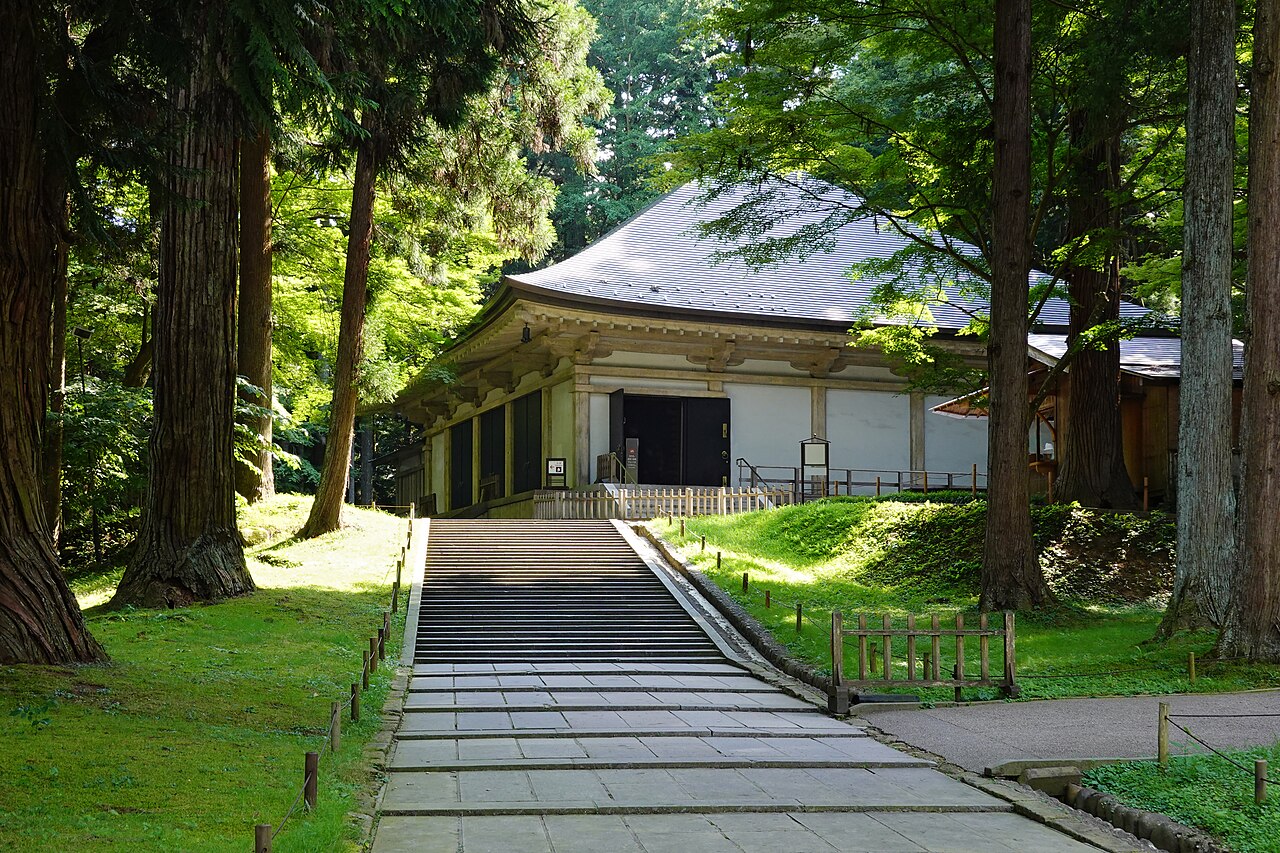
The deep history of metal in this region predates the ironcasting houses by centuries. Some 100 km south of Morioka lies Hiraizumi, the golden-age capital of the Northern Fujiwara family, whose Chūson-ji temple holds the gilded Konjiki-dō (Golden Hall). That gilding-and-bronze culture is a reminder that Iwate was a center of metalworking and precious-metal craft long before tea kettles became its signature product.
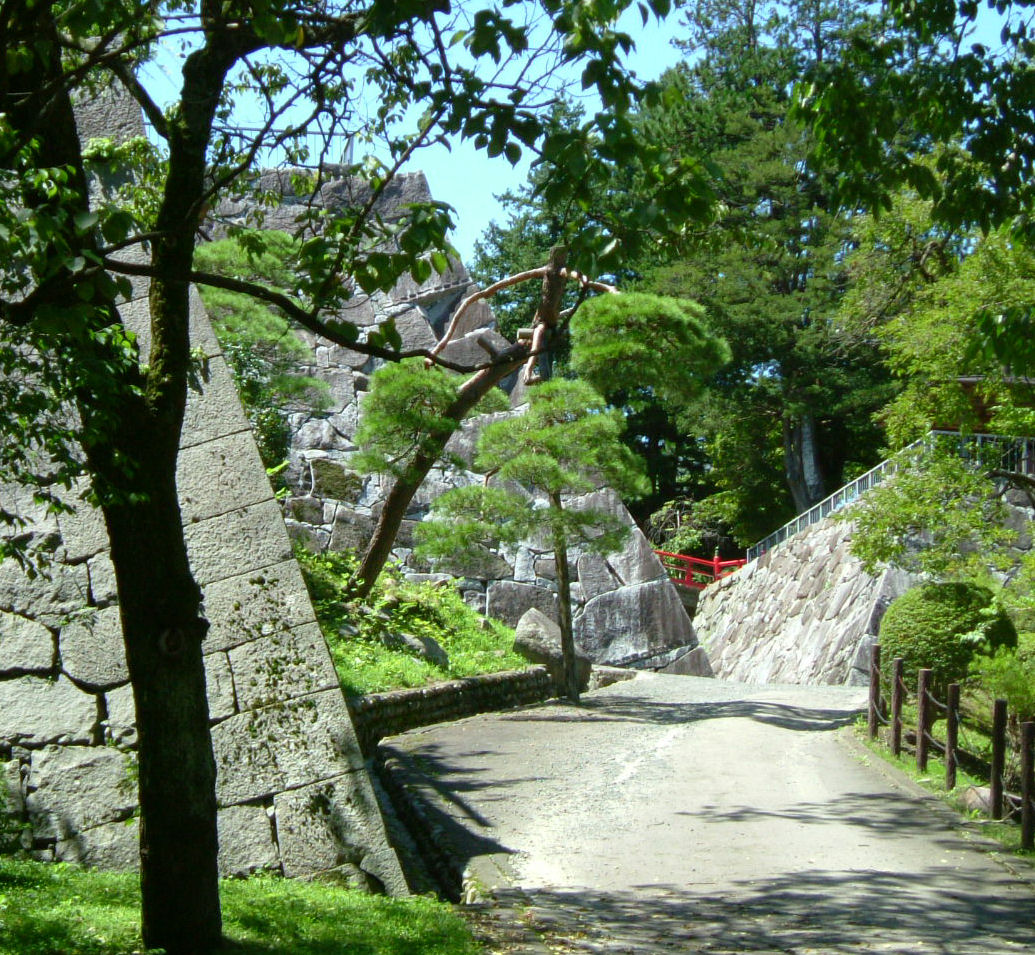
The Morioka center took its modern shape under feudal patronage. In the 17th century, the Nambu clan invited ironcasters from Kyoto and Kōshū to settle in the castle town. With the lord’s promotion of the tea ceremony, the work shifted away from large temple and ceremony kettles (chagama) toward the kettle and teapot forms recognized today. This is the lineage that the enamel-lined kyūsu belongs to.
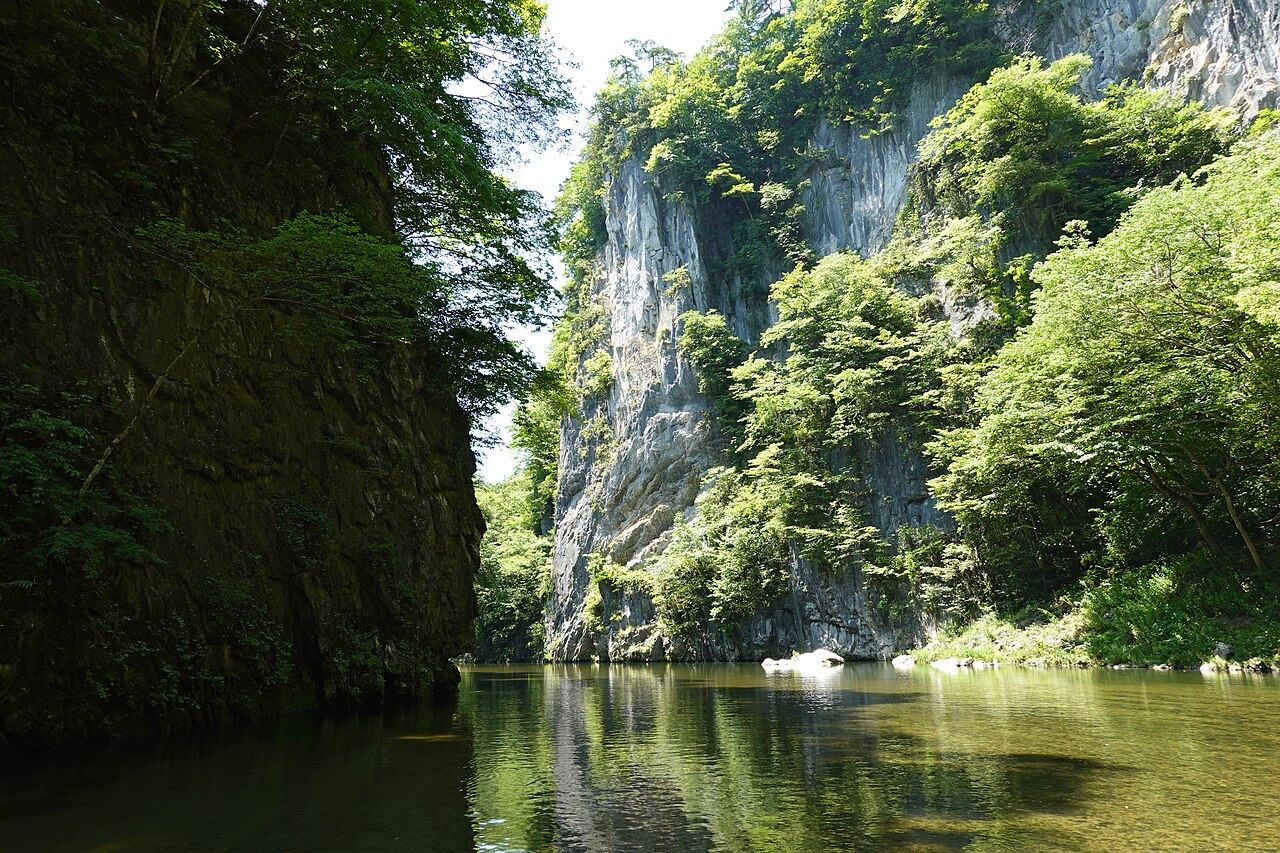
The second center, Mizusawa in southern Iwate, traces its casting back to Heian-era ironwork in the old Esashi district. It developed in parallel with Morioka rather than as a branch of it, which is why “Nambu Tekki” is best understood as a regional tradition with two roots rather than a single workshop’s brand.
- Heian era (794–1185) — Esashi ironwork established near Mizusawa, the older of the two casting centers.
- 1124 — Chūson-ji’s Konjiki-dō completed at nearby Hiraizumi, marking Iwate’s gilding-and-metal culture.
- 17th century — The Nambu clan invites Kyoto and Kōshū ironcasters to Morioka; tea-ceremony patronage shifts work toward kettles and teapots.
- 1975 — Nambu Tekki designated a National Traditional Craft by METI.
- Modern era — The enamel-lined cast iron kyūsu emerges as the export-facing teapot form, distinct from the bare-iron tetsubin.
- 2026 — Iwachu and peers continue casting in Morioka and Mizusawa (Ōshū), supplying tea shelves worldwide.
“A tetsubin is built to face the fire; this teapot is built to sit on the table. The enamel lining is the quiet engineering that let Iwate’s iron travel the world.”
The seasonal logic is straightforward. Iron holds heat, which suits the slow pace of brewing and the cold Tōhoku winters where a warm pot keeps its temperature between cups. The enamel-lined kyūsu took that heat-retention virtue and removed the maintenance penalty, which is the single most important fact for an overseas buyer to understand before purchasing.
📦 Shipping & where to buy from outside Japan
The specific item in this guide is sourced from an Amazon JP Global Store listing, which ships internationally to most major destinations. Based on listings of comparable iron teapots, international shipping for a single ~0.6 L cast iron piece typically runs in the $15–$40 range to the US and EU, and higher to other regions, because cast iron is dense and weight drives the rate. Amazon US (amazon.com) is the more convenient path for US and EU shoppers — it carries comparable Japanese iron and tea goods with Prime shipping and USD pricing — while the exact sourced listing remains the JP Global Store entry.
- Amazon JP Global Store — ships the sourced listing internationally; customs duties may apply on orders above your local threshold.
- Amazon US (search) — convenient for comparison shopping; the exact maker piece ships from Japan.
- Maker direct (Iwachu) — reference for authenticity and the current lineup.
- Proxy services (Buyee / Tenso) — a forwarding option when a listing does not ship to your country directly.
Prices in USD are approximate and depend on the current exchange rate (¥150/USD baseline as of mid-2026). Customs duties for orders over local thresholds are the buyer’s responsibility.
Price snapshot across stores
A current price was unavailable from the fetched data at the time of writing, so the table records the buying paths and what each is best for rather than a live figure. Verify the live price at the retailer before purchasing.
| Store | Item / Variant | Price (JPY + USD est.) | Notes |
|---|---|---|---|
| 🇺🇸 Amazon US (search) | Browse Japanese cast iron teapots | varies (USD) | Best if you’re shopping from the US — Prime shipping, USD pricing, no international customs. Amazon US carries Iwachu, Towa, and other Japanese iron teaware for comparison; this exact maker piece is sourced from Japan (next row). |
| 🇯🇵 Amazon JP Global Store | Iwachu enamel-lined kyūsu, ~0.6–0.65 L | Price unavailable at time of writing | Ships internationally from Japan. This is the sourced listing for the specific item covered here. |
| Maker direct (Iwachu) | Current Iwachu kyūsu lineup | varies (JPY) | Reference for authenticity, finishes, and capacities; domestic-focused, may need a proxy for shipping. |
| Proxy services (Buyee / Tenso) | Any JP-only listing | item + forwarding fee | Use when a listing does not ship to your country directly; adds a handling fee on top of item price. |
What it does well
Weaknesses and things to verify before buying
- It is not a kettle. The enamel-lined kyūsu is for steeping and pouring; do not place it on a stove or open flame to boil water. For that, you need a bare-iron tetsubin (see the Oigen kettle link above).
- No iron supplementation. Because the interior is enameled, it does not release dietary iron into the water the way a bare-iron kettle is traditionally believed to. If iron intake is your goal, this is the wrong product.
- Weight when full. Cast iron is dense; a filled ~0.6 L pot is heavier than a ceramic equivalent and may be awkward for some users to lift one-handed.
- Care still matters. Enamel resists rust but is not indestructible — avoid hard knocks, abrasive scouring, and dishwashers; hand-rinse and dry.
- Price and stock fluctuate, and data was thin here. A live price was unavailable from the fetched data at the time of writing; confirm the current figure, capacity, and exact finish on the listing before you buy.
- Shipping cost on dense iron. International freight is weight-driven, so factor $15–$40+ shipping (and possible customs) into the true landed cost.
Conclusion — which buyer type are you?
Other ways to approach this purchase
🏆 Editor’s Pick
❓ Frequently Asked Questions
Can I boil water in this iron teapot?
Does it add iron to my tea?
How do I care for it?
Will it ship to my country?
What is the difference between Nambu Tekki and a regular teapot?
Is it a good gift?
jpmono.com is curated by a Japan-based editorial team (working out of Toyama in the Hokuriku region and Nara in Kansai) and is independent. We don’t take payment from the makers we feature; income comes from affiliate links. We don’t physically test every product — we read maker’s specs and source listings — and we flag where data is thin.
🤖 This article was prepared with AI assistance and reviewed against the maker’s published specifications and the sourced Amazon listing. Where live data (such as current price) was unavailable, that limitation is stated in the text rather than filled with an estimate.
Affiliate disclosure: jpmono.com may earn a commission on qualifying purchases made through links on this page, at no additional cost to you.