![Ojiya Chijimi Ramie Crepe Stole: Snow-Bleached Echigo Cloth [2026]](https://jpmono.com/wp-content/uploads/2026/06/ojiya-chijimi-ramie-crepe-stole-where-to-buy-2026-featured.jpg)
Ojiya Chijimi (小千谷縮, “Ojiya crepe”) is the crepe branch of the Echigo ramie-weaving tradition that grew up in and around Ojiya, in the deep snow country of Niigata Prefecture along the Shinano River. It is woven from hand-spun choma (ramie), and its defining puckered surface comes from hard-twisting the weft yarn — a technique adapted from Akashi-chijimi in the early Edo period. A summer stole made from this cloth is light, dry to the touch, and built for humid heat rather than cold.
What makes the cloth notable internationally is not a single workshop but a chain of recognitions. Demand from samurai kamishimo formal wear during the Edo era spread Echigo ramie nationwide, and the tradition’s signature finishing — yukizarashi, laying woven cloth on the snow fields so released ozone whitens it — was documented in Suzuki Bokushi’s Hokuetsu Seppu (“Snow Country Tales”). The weaving was designated an Important Intangible Cultural Property in 1955 and inscribed on UNESCO’s Representative List of the Intangible Cultural Heritage of Humanity in 2009.
This guide is written for readers weighing a genuine hand-woven ramie stole against machine-made summer wraps. Authentic hand-woven pieces are rare and costly. We cover what the cloth actually is, who should and should not buy it, how to source it from outside Japan, and how it compares to other Japanese textile wraps.
🔄 Updated: June 15, 2026
⏱️ Read time: ~10 min
- Who this is for — and who should skip it
- Product overview (from published specs)
- 📍 Where this comes from — place, era, and the craft tradition
- 📌 How does it compare?
- 📦 Shipping & where to buy from outside Japan
- Where to buy Ojiya Chijimi stoles
- What it does well
- Weaknesses and things to verify before buying
- Conclusion — which buyer type are you?
- Other ways to approach this purchase
- ❓ Frequently Asked Questions
Who this is for — and who should skip it
- Want a breathable, quick-drying wrap for humid summer heat rather than winter warmth
- Value hand-spun ramie and a documented, UNESCO-listed weaving heritage
- Prefer a textured, crisp, non-clingy cloth over soft drape
- Are comfortable sourcing a niche item from Japan and verifying details before buying
- Appreciate a piece tied to a specific place and a named craft tradition
- Need a warm cold-weather scarf — ramie crepe is a summer textile
- Want a soft, fluid, silky drape; ramie is crisp and structured
- Expect machine-wash convenience and low price
- Are unwilling to hand-wash or follow careful care instructions
- Need guaranteed in-stock US delivery today — authentic stock is thin and irregular
Product overview (from published specs)
Ojiya Chijimi, also called Echigo ramie or chōma crepe, is a snow-bleached lightweight summer cloth from Niigata. A stole or shawl can vary in dimensions, texture, and color from one hand-woven piece to another.
| Attribute | Detail (per spec / data notes) |
|---|---|
| Item | Ojiya Chijimi ramie crepe stole / shawl (summer wrap) |
| Material | Choma (ramie); crepe texture from hard-twisted weft |
| Origin | Ojiya / Uonuma snow country, Niigata Prefecture, Japan |
| Finishing | Yukizarashi snow bleaching (traditional method) |
| Heritage | Important Intangible Cultural Property (1955); UNESCO ICH list (2009) |
| Dimensions / weight | — |
📖 Glossary — key terms
- Chijimi (縮) — “crepe”; cloth with a puckered, textured surface produced by hard-twisting the weft yarn.
- Choma (苧麻) — ramie, a bast fiber spun by hand for the finest Echigo cloth; crisp, cool, and strong.
- Echigo-jofu (越後上布) — the fine plain-woven ramie tradition of old Echigo Province (today’s Niigata); Ojiya Chijimi is its crepe sibling.
- Yukizarashi (雪晒し) — “snow bleaching”; laying woven cloth on snow so ozone released from melting snow whitens it.
- Kamishimo (裃) — the stiff formal dress of Edo-era samurai; demand for it spread Echigo ramie nationwide.
- Hokuetsu Seppu (北越雪譜) — Suzuki Bokushi’s 19th-century “Snow Country Tales,” which documented the snow-bleaching practice.
📍 Where this comes from — place, era, and the craft tradition

Ojiya sits in central Niigata Prefecture, on the Sea of Japan side of the Chūbu region, along the upper-middle reaches of the Shinano River — Japan’s longest river. The surrounding Uonuma snow country is one of the snowiest inhabited places on earth: winter buries the valleys for months, and that very confinement is what made the place a weaving district. When farm work stopped, households turned to spinning ramie and weaving cloth indoors, and the cold, humid winter air kept the fine ramie threads supple enough to handle.

The geography is not incidental to the cloth. Ramie processing — retting, washing, and the final whitening — depends on abundant clean water, and the snow-melt of the Shinano basin supplied it. The terraced paddies and water-rich slopes of the Uonuma valleys nurtured the same agricultural rhythm that left winters free for weaving.
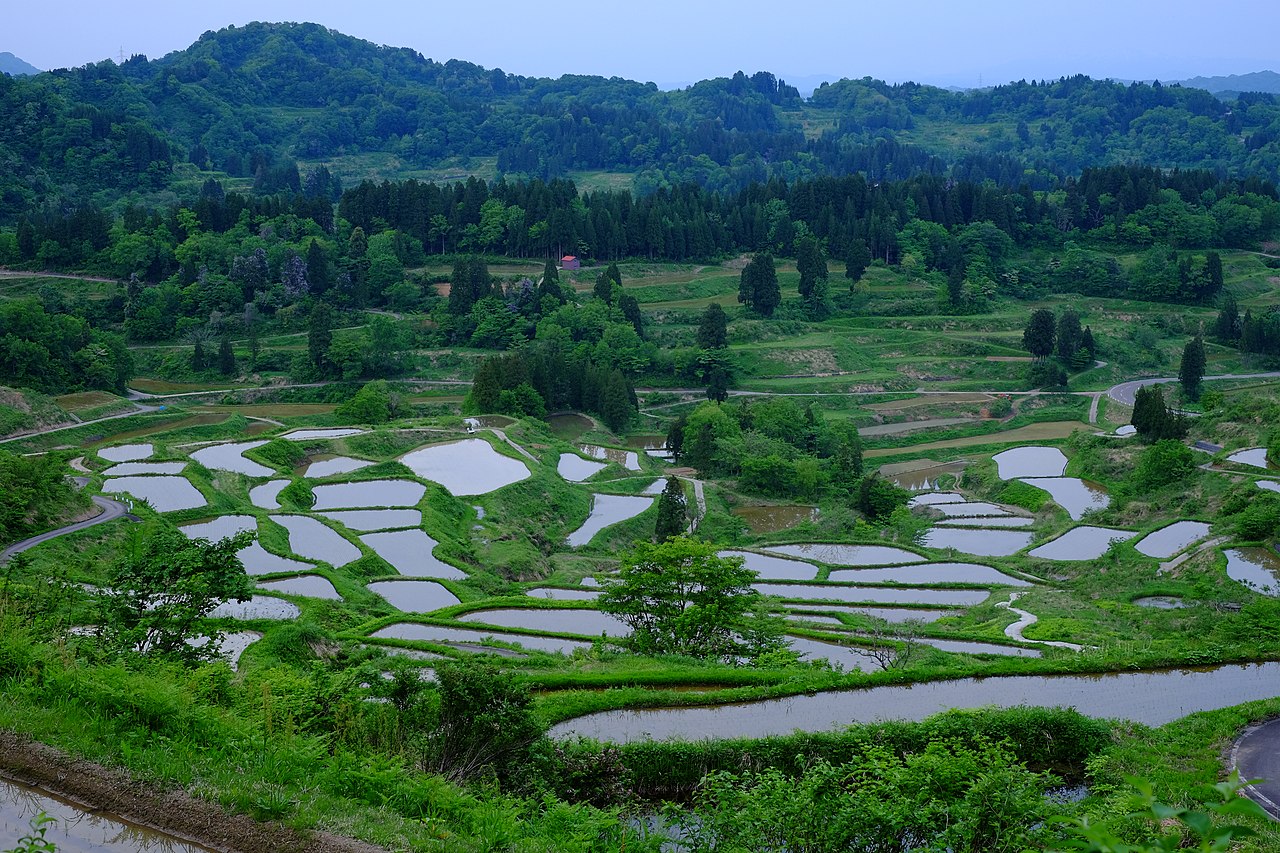
The historical anchor is the broader Echigo ramie tradition. Fine ramie cloth had been woven in old Echigo Province for centuries, but Ojiya Chijimi as a distinct crepe took shape in the early Edo period, when a hard-twisted-weft technique adapted from Akashi-chijimi gave the cloth its signature pucker. As samurai formal dress — the stiff kamishimo — created steady nationwide demand during the Edo era, Echigo ramie became a recognized brand far beyond the snow country.
- Centuries of Echigo ramie — fine plain-woven ramie (Echigo-jofu) established in old Echigo Province.
- Early Edo period — a hard-twisted-weft crepe technique, adapted from Akashi-chijimi, produces Ojiya Chijimi’s signature pucker.
- Edo era — demand from samurai kamishimo formal wear spreads Echigo ramie nationwide.
- 19th century — Suzuki Bokushi’s Hokuetsu Seppu documents the snow-bleaching (yukizarashi) practice.
- 1955 — designated an Important Intangible Cultural Property of Japan.
- 2009 — inscribed on UNESCO’s Representative List of the Intangible Cultural Heritage of Humanity.
- 2026 — still woven in the Ojiya / Uonuma snow country; authentic hand-woven pieces remain rare and costly.
“The finishing is not done in a factory but on the snow — woven cloth is spread across the white fields so that ozone released from the melting snow slowly whitens it.”
That final step, yukizarashi, is the part of the tradition most worth understanding. After weaving, the cloth is laid out on the snow over fine days; ozone released as the snow sublimates and melts under sunlight bleaches the ramie to a clean white and softens its tone. It is traditionally believed to be gentler on the fiber than chemical bleaching. The practice was striking enough that Suzuki Bokushi recorded it in Hokuetsu Seppu, the classic 19th-century account of snow-country life.
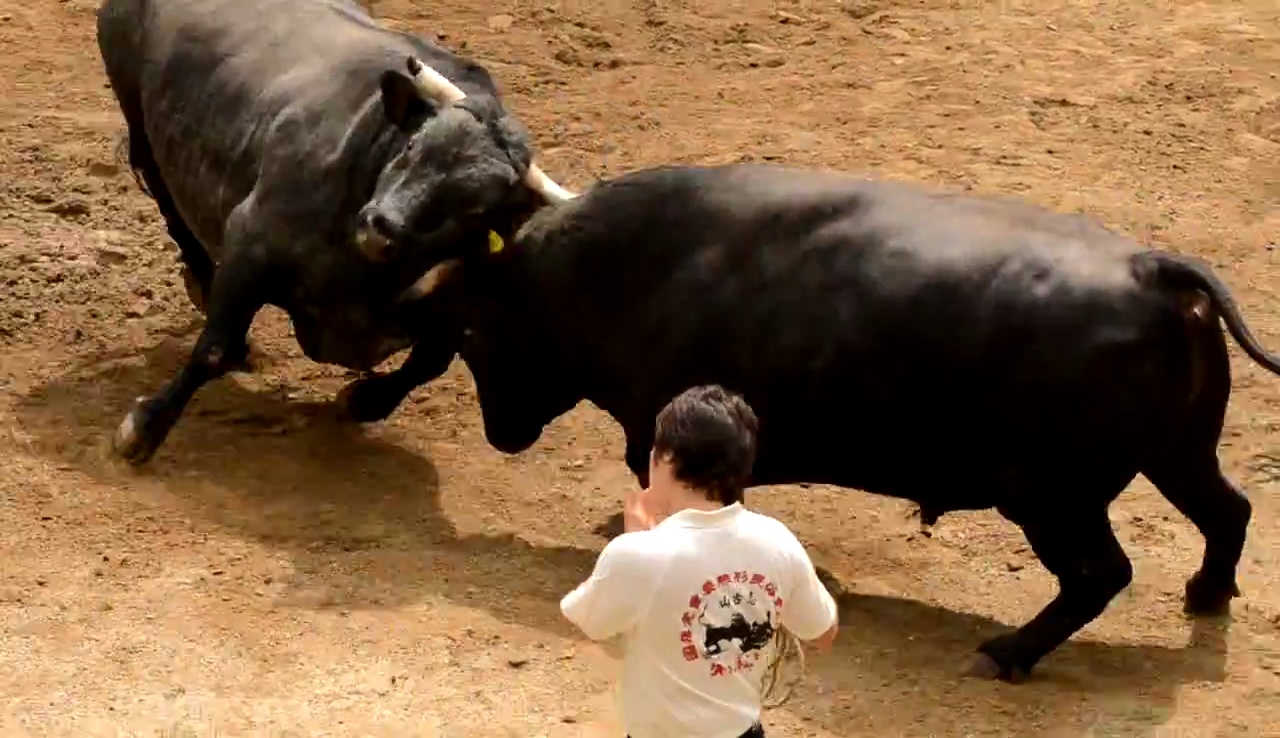
Ojiya is a place where intangible heritage runs deep beyond cloth alone — the town’s centuries-old Ushi no Tsunotsuki bull-fighting is itself an Important Intangible Folk Cultural Property. What “still being made here” means today is sobering: hand-spinning ramie and hand-weaving crepe is slow, exacting work, and the number of weavers capable of the fully traditional process is small. That scarcity is the reason an authentic piece carries the price it does, and the reason US marketplace stock is thin.
📌 How does it compare?
Other Japanese textile wraps and regional crafts we’ve covered — useful for comparing fiber, region, and price tier against Ojiya Chijimi ramie crepe.
 Chichibu meisen stoleSaitama silk — patterned, fluid drape vs. crisp ramie.
 Iwate homespun scarfWool — a warm winter counterpart to a summer ramie wrap.
Johana silk scarfToyama silk — another hand-woven regional wrap.
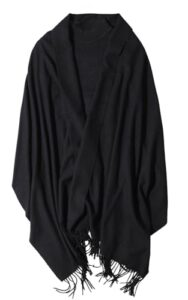 Kishu nel mufflerWakayama cotton flannel — soft warmth vs. cool crepe.
Yumihama-gasuri textileTottori indigo cotton ikat — another regional weaving tradition.
Niigata lacquer bowlGohara shikki — another Niigata craft for the same gift table.
Niigata Tsubame cutleryTsubame metalwork — Niigata’s other globally known craft.
📦 Shipping & where to buy from outside Japan
Authentic hand-woven Ojiya Chijimi is a niche textile. Maker channels and specialist textile sellers are practical places to look, while international shipping and customs depend on the destination.
Maker channels and forwarding services can help access Japan-only craft stock. Because textile stock is irregular, check the dimensions, weave, and care details before buying.
Where to buy Ojiya Chijimi stoles
| Store | Item / Variant | Price (JPY + USD est.) | Notes |
|---|---|---|---|
| 🇺🇸 Amazon.com (US) | Browse Japanese ramie & linen summer stoles | varies (USD) | Best if you’re shopping from the US — Prime shipping, USD pricing, no international customs. Amazon US carries Japanese ramie and linen summer wraps from various makers for comparing fiber and price; this exact Ojiya Chijimi piece is sourced from Japan (next row). |
| 🇯🇵 Amazon JP Global Store | Ojiya Chijimi ramie crepe stole | Price varies — unconfirmed at time of writing | Ships internationally from Japan. Confirm the fit and material before buying. |
| Maker direct | Ojiya / Echigo ramie weavers | Varies | Some workshops sell direct; international shipping not guaranteed. |
| Proxy services (Buyee / Tenso) | Japan-only shops forwarded abroad | Item price + forwarding fee | Useful when a piece is listed only on Japanese retailers; adds a service fee. |
Any USD conversion is approximate and depends on exchange rates. Prices for hand-woven ramie vary with the weave, finishing, and maker.
What it does well
Weaknesses and things to verify before buying
- Summer-only. Ramie crepe is a hot-weather textile; it provides little warmth and is the wrong choice for cold climates.
- Crisp, not soft. Ramie has a structured, slightly stiff hand and does not drape like silk or wool. Buyers expecting a fluid wrap may be disappointed.
- Care is demanding. Hand-woven ramie typically requires hand-washing and careful drying; treat machine-wash claims skeptically and confirm care instructions.
- Price and scarcity. Authentic hand-woven pieces are rare and costly, and stock is irregular — patience may be required to find the right piece.
- Check the specifications. Exact specifications are not established here; confirm them before purchasing.
- Authenticity verification. “Ojiya Chijimi”-style cloth can be machine-made or blended; confirm whether the cloth is genuine hand-woven choma or an industrial approximation.
- Wrinkling. Ramie creases readily; the crepe texture hides this somewhat, but the fiber is naturally prone to wrinkling.
Conclusion — which buyer type are you?
Other ways to approach this purchase
❓ Frequently Asked Questions
Is Ojiya Chijimi suitable for winter?
No. Ramie crepe is a summer textile — breathable and cool, with little insulating warmth. For cold weather, a wool or cotton-flannel wrap is a better choice.
How do I care for a ramie crepe stole?
Hand-woven ramie generally needs gentle hand-washing and careful flat or shade drying. Avoid hard wringing so the crinkle is not distorted; light steaming can relax folds.
What is yukizarashi snow bleaching?
It is the traditional finishing step in which woven cloth is spread on the snow fields; ozone released as the snow melts is traditionally believed to whiten the ramie gently. The practice was recorded in Suzuki Bokushi’s Hokuetsu Seppu.
Can it ship outside Japan?
As a lightweight textile, shipping cost depends on destination and carrier. A forwarding service may add a handling fee when domestic Japanese craft stock is not shipped directly.
How is it different from a silk or wool stole?
Ramie crepe is crisp and structured rather than soft and fluid, and it is built for cooling in heat rather than warmth. Silk drapes smoothly; wool insulates. Ojiya Chijimi sits firmly in the summer, breathable-textile category.
How do I know a piece is genuine hand-woven Ojiya Chijimi?
Look for explicit mention of hand-spun choma (ramie) and traditional weaving; some products labeled in this style are machine-made or blended. When in doubt, confirm details with the seller or buy through a maker or gallery channel.
Why is the price not shown here?
Authentic hand-woven ramie stock is irregular, and prices vary with weave and finishing. Compare the material, dimensions, and care information before buying.
jpmono.com is curated by a Japan-based editorial team (working out of Toyama in the Hokuriku region and Nara in Kansai) and is independent. We don’t take payment from the makers we feature; income comes from affiliate links. Read more about our editorial standards.
Affiliate disclosure: jpmono.com may earn a commission on qualifying purchases made through links on this page, at no additional cost to you.