![Kutani-yaki Gold Maneki-Neko Lucky Cat: Where to Buy Kaga’s Overglaze Porcelain Cat [2026]](https://jpmono.com/wp-content/uploads/2026/06/kutani-yaki-gold-maneki-neko-lucky-cat-where-to-buy-2026-featured.jpg)
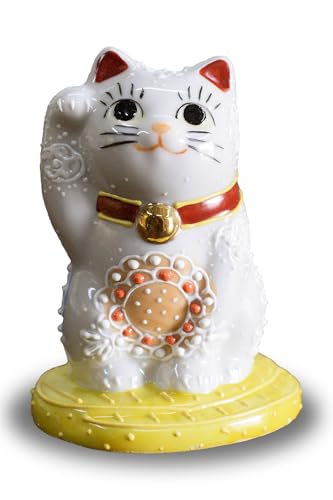
A Kutani-yaki (九谷焼, “Kutani ware”) maneki-neko is not the molded, battery-waving cat you find at a convenience-store register. It is hand-painted porcelain from the Kaga region of Ishikawa Prefecture, where a 360-year overglaze tradition has produced display-grade ceramics since the mid-17th century. The cat’s raised right paw, the five-color gosai (五彩, “five colors”) enamels, and the gold-leaf collar and trim all sit on top of a white porcelain body — a beckoning ornament made to be looked at, not handled.
What makes this object internationally notable is the tradition behind it rather than the cat motif itself. Kutani-yaki was bankrolled by the Maeda lords of the Kaga domain — the wealthiest house in Japan outside the ruling Tokugawa — and developed from the start as gift-grade and display-grade porcelain rather than everyday tableware. Alongside Seto and Tokoname, Kutani is one of Japan’s principal maneki-neko production centers, and it is the one most associated with ornate, gold-decorated cats.
This guide is written for readers shopping from outside Japan who want a genuine hand-painted Kutani cat and need to understand what they are buying, where it ships from, and how it differs from mass-produced lucky cats. We cover who it suits, the published specifications, the regional craft background, a price snapshot across stores, strengths and caveats, and a clear buyer-type recommendation — from a Japan-based editorial team working out of Toyama and Nara.
🔄 Last updated: June 16, 2026
⏱️ Read time: ~11 min
- Who this is for — and who should skip it
- Product overview (from published specs)
- 📍 Where this comes from — place, era, and the craft tradition
- 📦 Shipping & where to buy from outside Japan
- Price snapshot across stores
- What it does well
- Weaknesses and things to verify before buying
- Conclusion — which buyer type are you?
- Other ways to approach this purchase
- 🏆 Editor’s Pick
- ❓ Frequently Asked Questions
Who this is for — and who should skip it
- Want a genuine hand-painted Japanese craft piece, not a molded plastic or resin cat
- Are buying a housewarming, business-opening, or wedding gift with cultural meaning
- Appreciate the gosai five-color palette and gold-leaf (kinrande) decoration as decorative art
- Have a shelf, alcove, or display cabinet where it can sit undisturbed
- Are comfortable buying porcelain that ships from Japan and verifying details before checkout
- Want an animated, paw-waving, or solar-powered novelty cat
- Need something rugged for a high-traffic counter with kids or pets nearby
- Expect mass-market pricing — hand-painted porcelain costs more than molded figures
- Want guaranteed identical units; hand-painting means slight variation piece to piece
- Need food-safe or daily-use tableware (this is an ornament, not a vessel)
Product overview (from published specs)
The data available for this specific listing is thin. Only the Amazon product reference (ASIN B002JYHZ3U) and the main product image were retrievable at the time of writing; no live price, dimensions, or weight were present in the fetched dataset. The table below marks every value we could not confirm rather than guessing. Spec sheets indicate the general category attributes of hand-painted Kutani-yaki maneki-neko; always verify the exact figures on the live listing before purchase.
Kutani-yaki Gold Maneki-Neko Lucky Cat
九谷焼 右手 招き猫 金小判白盛 N-007F
残り4点 ご注文はお早めに · Sold by 和座の蔵 · ASIN B002JYHZ3U
Price and availability as of 2026-08-31 02:30 JST. The Amazon listing at the time of purchase is authoritative. jpmono.com earns a commission on qualifying purchases at no extra cost to you.
| Attribute | Detail (as published / general category) | Source |
|---|---|---|
| Craft / ware | Kutani-yaki overglaze porcelain | Maker direct / category |
| Form | Maneki-neko (beckoning cat), right paw raised | Listing (B002JYHZ3U) |
| Decoration | Hand-painted gosai five-color enamel + gold-leaf (kinrande) trim | Maker direct / category |
| Material | White porcelain with overglaze enamel | Maker direct / category |
| Dimensions / weight | Unconfirmed — check listing | — |
| Intended use | Display ornament (not tableware) | Category |
| Origin | Kaga region, Ishikawa Prefecture, Japan | Category |
| Designation | Kutani-yaki: Traditional Craft (1975) | METI |
Source order for store data throughout this article: Amazon US search (primary, moonill-20) → Amazon JP Global Store (secondary, moonill-22, sourced listing) → maker direct → proxy services where relevant.
📖 Glossary — key Kutani terms
- Kutani-yaki (九谷焼) — “Kutani ware,” overglaze-enamel porcelain originating in the Kaga region of present-day Ishikawa Prefecture.
- gosai (五彩, “five colors”) — the signature Kutani palette of green, yellow, red, purple, and navy, laid thickly over white porcelain.
- kinrande (金襴手, “gold brocade”) — lavish gold-leaf decoration applied over colored or red ground; a hallmark of later Kutani styles.
- maneki-neko (招き猫, “beckoning cat”) — a good-luck figurine with one paw raised; a raised right paw is traditionally said to invite money and good fortune.
- Ko-Kutani (古九谷, “Old Kutani”) — the first phase of Kutani production from the mid-17th century, known for bold enamels.
- Saiko-Kutani (再興九谷, “revived Kutani”) — the early-19th-century revival that produced the Yoshidaya, Eiraku, and Shoza styles.
- han (藩) — a feudal domain; the Kaga domain (Maeda house) and its Daishoji branch governed this region in the Edo period.
- overglaze enamel — colored decoration painted on top of a fired, glazed surface, then fixed in a lower-temperature second firing.
Other Japanese craft pieces and lucky-figurine traditions covered on jpmono — useful for comparing region, material, and meaning before you decide.
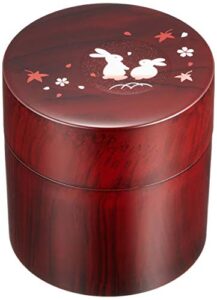 Yamanaka woodturned tea caddy (Ishikawa)
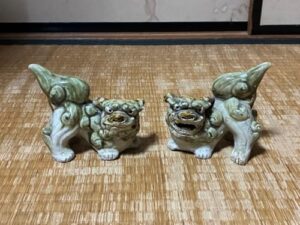 Tsuboya-yaki shisa pair (ceramic guardian)
 Hakata Ningyo clay figurine
 Aizu Akabeko lucky red cow
Takasaki Daruma good-luck bell
 Shigaraki-yaki mug (six-old-kiln pottery)
📍 Where this comes from — place, era, and the craft tradition

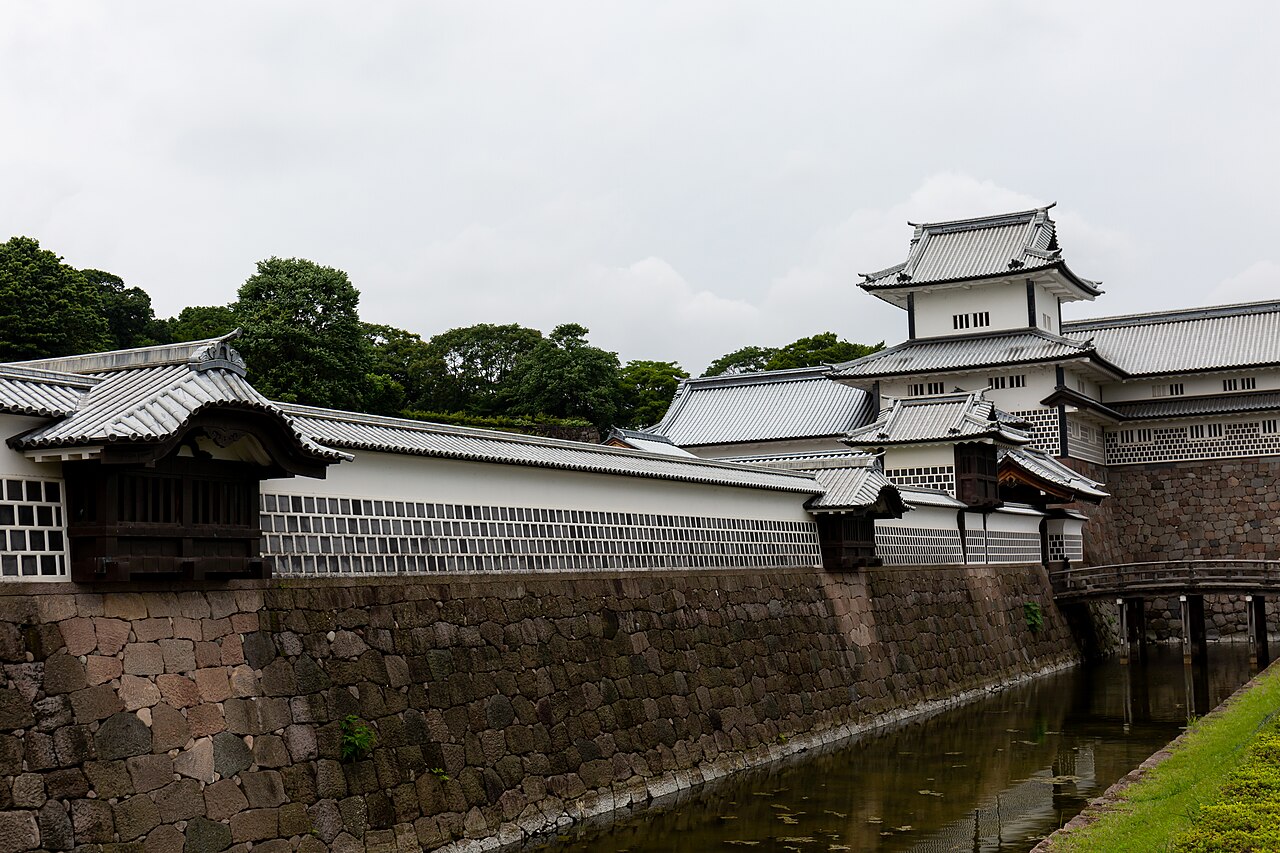
Kutani-yaki belongs to the Kaga region of Ishikawa Prefecture, on the Sea of Japan side of the Hokuriku region. This is porcelain country: the craft took root where kaolin porcelain stone was found near Kutani village, and it grew under the patronage of the most powerful provincial house of the Edo period. The Maeda lords of the Kaga domain were the wealthiest house in Japan outside the ruling Tokugawa, and that wealth flowed into tea culture, gardens, gold-leaf, and decorative ceramics centered on Kanazawa.
Kutani-yaki began around 1655, when the Daishoji domain — a Maeda branch han — opened a kiln at Kutani village after porcelain stone was discovered nearby. This first phase, now called Ko-Kutani (“Old Kutani”), produced bold overglaze enamels before the kilns fell quiet in the early 18th century. The craft was revived in the early 19th century, and that revival, Saiko-Kutani, produced the styles collectors still name today: Yoshidaya, with its green-and-yellow ground; Eiraku, heavy with gold; and Shoza, which blended the earlier modes.
- c. 1655 — The Daishoji domain opens a kiln at Kutani village after porcelain stone is found nearby; the Ko-Kutani (Old Kutani) phase begins.
- early 18th century — The original Ko-Kutani kilns fall silent.
- early 19th century — Revival (Saiko-Kutani) begins under renewed domain interest in decorative arts.
- 1820s — The Yoshidaya kiln revives the green-and-yellow Ko-Kutani palette.
- mid-19th century — The Eiraku (gold-ground kinrande) and Shoza styles flourish.
- 1975 — Kutani-yaki is designated a Traditional Craft (METI).
- 2026 — Kutani remains, with Seto and Tokoname, one of Japan’s principal maneki-neko production centers.
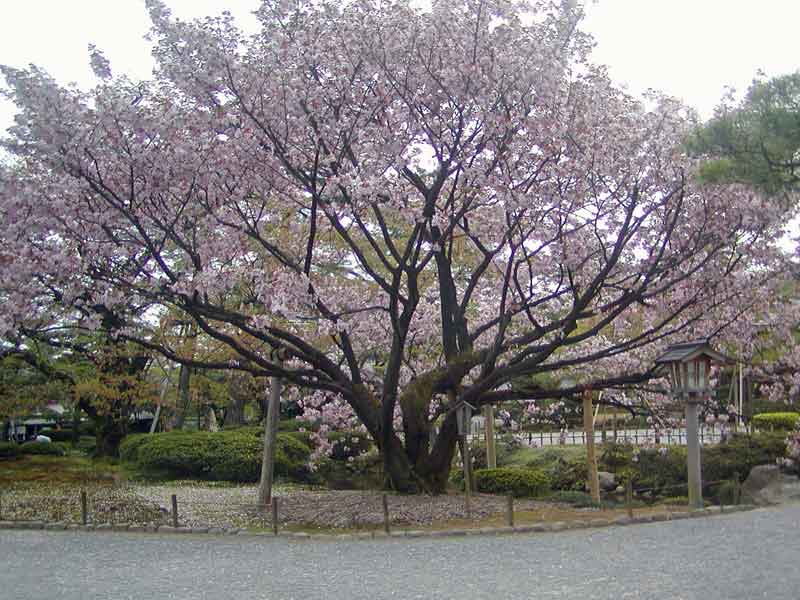
Because the Maeda house funded Kutani as a prestige craft, the ware developed as display-grade and gift-grade porcelain rather than everyday tableware. That orientation explains the maneki-neko’s character: it is ornate, gold-rich, and made to be presented and shown. The same regional culture that produced Kanazawa’s gold-leaf workshops and tea ceremony tradition shaped a cat covered in kinrande gold and gosai color.
“Kutani was never meant to be hidden in a cupboard — it was funded by Japan’s richest provincial house to be seen, given, and admired.”
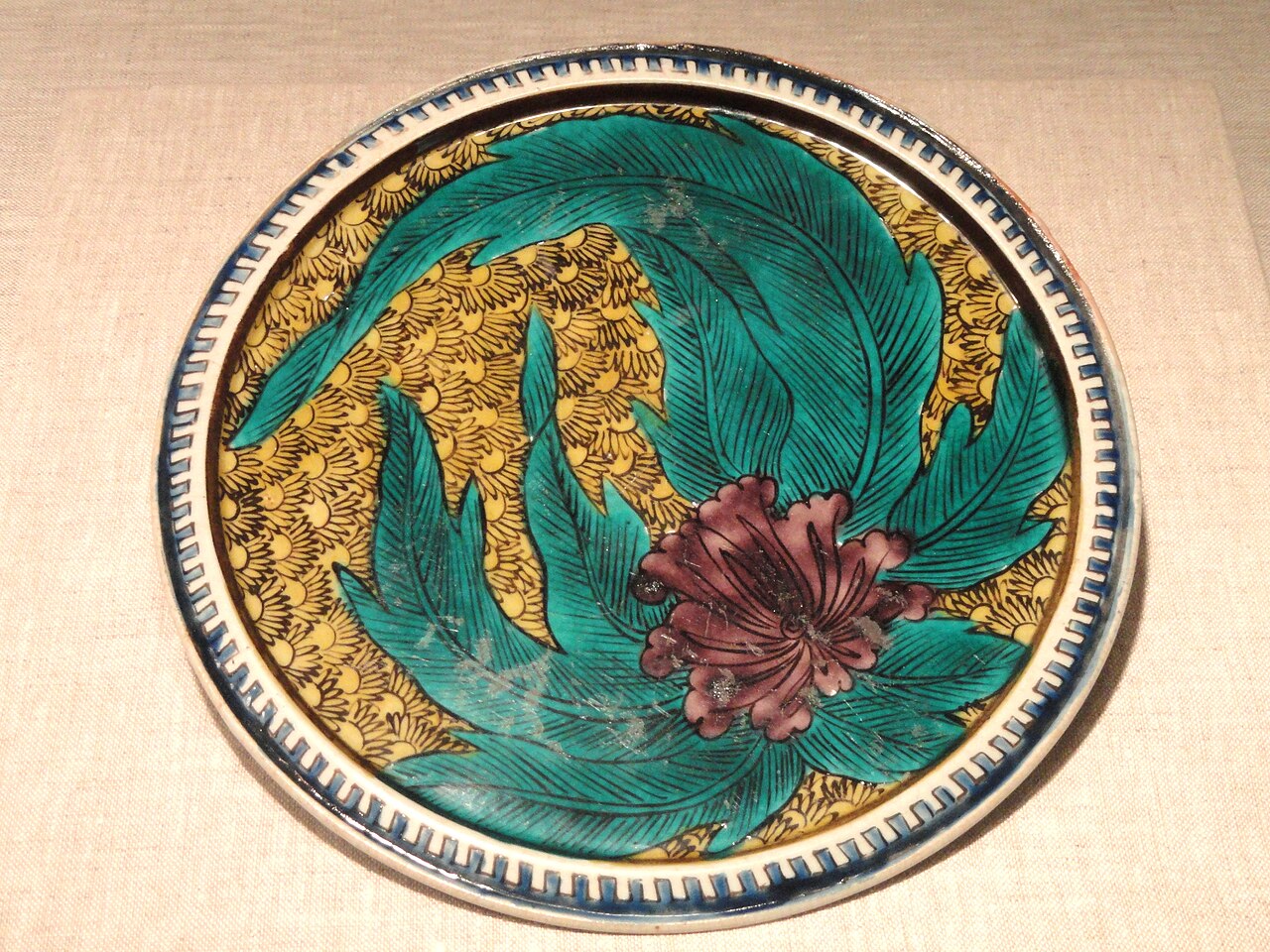
The signature of the ware is the kutani-gosai five-color palette — green, yellow, red, purple, and navy — applied thickly over the white porcelain, later joined by the lavish gold-leaf kinrande decoration seen on gold cats. On a maneki-neko, those colors and gold define the collar, bib, coin motifs, and floral patterns. Each piece is hand-painted, so no two are exactly alike.
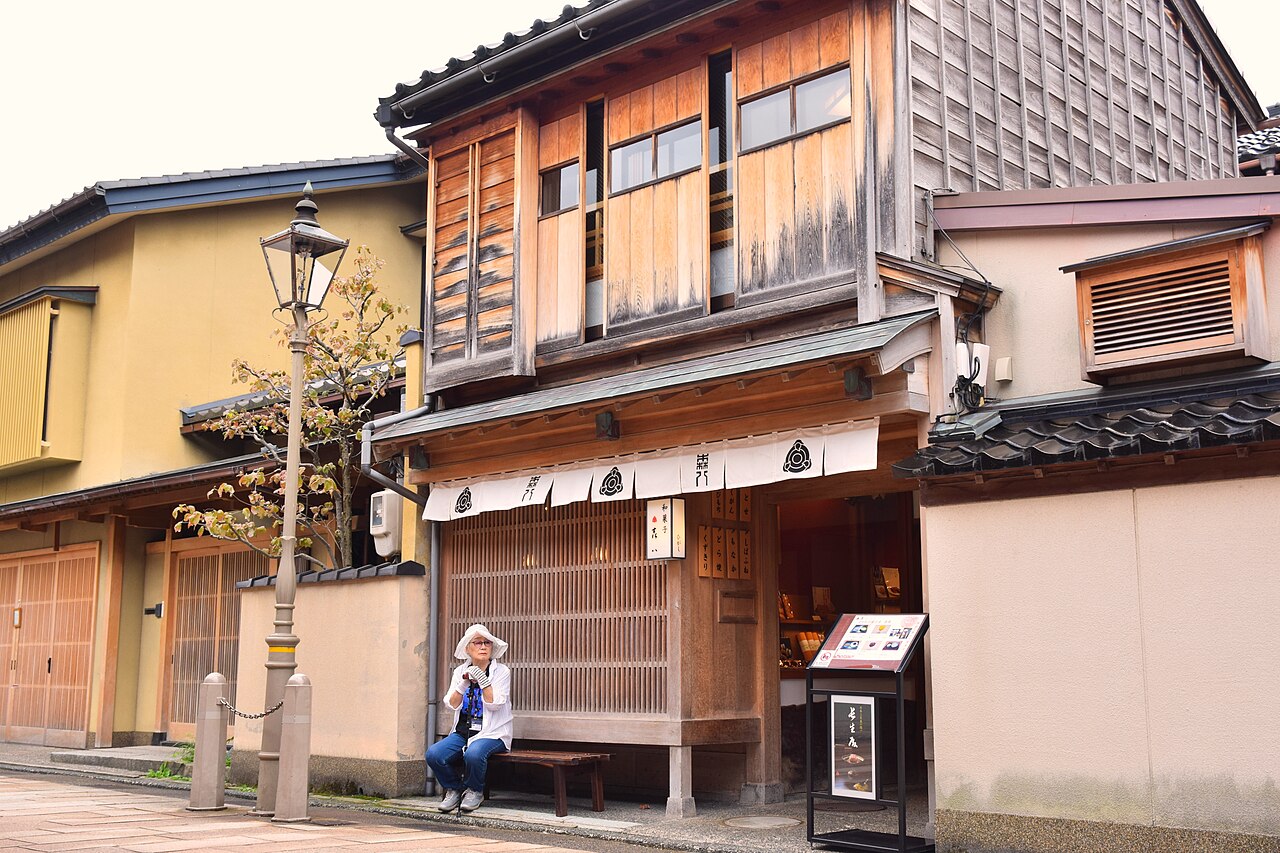
For a gift, the cultural reading is straightforward. A maneki-neko with the right paw raised is traditionally believed to beckon money and good fortune, which is why the figure is a fixture at shop openings, restaurants, and household entryways. A Kutani version layers that everyday symbolism with a recognized regional craft heritage — useful when the occasion calls for something more considered than a generic lucky cat.
📦 Shipping & where to buy from outside Japan
The specific item in this guide is sourced from the Amazon JP Global Store listing (ASIN B002JYHZ3U), which ships internationally to most major destinations. For readers in the US, EU, or Australia, the practical paths are the Amazon US search (to compare available Japanese figurines with Prime shipping) and the Amazon JP Global Store (for this exact sourced piece, shipped from Japan).
- International shipping: Amazon JP Global Store ships many household and decorative items worldwide; availability and fees are shown at checkout for your address.
- Estimated shipping cost: typically $15–$40 to the US and EU for a small porcelain item, and higher to other regions; confirm at checkout.
- Customs / duties: orders above your local de minimis threshold may incur import duty or tax; this is separate from the item price and shipping.
- Alternative paths: proxy services such as Buyee or Tenso can forward purchases from Japan-only listings if a global-store option is unavailable for your country.
- Fragility: as hand-painted porcelain, it benefits from careful packaging; choose a tracked, well-padded shipping option where offered.
Price snapshot across stores
No live price was available for this listing in our fetched dataset, so the JPY figure below is marked unavailable rather than estimated. JPY (¥) is the authoritative price for the specific item; any USD figures are approximate (¥150/USD baseline as of mid-2026). Prices and availability fluctuate — verify on the live listing before buying.
| Store | Item / Variant | Price (JPY + USD est.) | Notes |
|---|---|---|---|
| 🇺🇸 Amazon US (search) | Browse Japanese maneki-neko & Kutani figurines | varies (USD) | Best if you are shopping from the US — Prime shipping, USD pricing, no international customs. Amazon US carries Japanese lucky cats and ceramic figurines from various makers for comparison; this exact Kutani piece is sourced from Japan (next row). |
| 🇯🇵 Amazon JP Global Store | This exact Kutani-yaki gold maneki-neko (B002JYHZ3U) | Price unavailable at time of writing — check listing | The sourced listing for this guide. Ships internationally from Japan; this is the authoritative source for the specific item. |
| Maker direct | Kutani kiln / studio pieces | Varies | Kutani studios and Kanazawa craft galleries sell comparable hand-painted cats; international shipping varies by shop. |
| Proxy services (Buyee / Tenso) | Japan-only listings forwarded abroad | Item price + service & forwarding fees | Useful when a piece is not offered through the global store for your country; adds a handling fee. |
Prices in USD are approximate and depend on the current exchange rate. Only the Amazon listing reference was available; live pricing may have shifted since the writing date.
What it does well
Weaknesses and things to verify before buying
- Thin published data. No live price, dimensions, or weight were available in our dataset for this listing — confirm size and price on the live page before buying, especially if shelf space matters.
- It is an ornament, not tableware. Overglaze enamel and gold trim are for display; do not treat it as food-safe or dishwasher-safe.
- Hand-painting means variation. Color placement, expression, and gold detail differ slightly piece to piece; expect your unit to differ from the catalog photo.
- Fragility in transit. Porcelain can chip or crack; choose padded, tracked shipping and inspect on arrival.
- Price tier. Genuine hand-painted Kutani costs more than molded resin or plastic lucky cats; if budget is the priority, this is not the category to shop.
- Customs and final cost. International duty or tax may apply above your local threshold, adding to the landed price.
- Authenticity check. “Kutani-style” is sometimes used loosely; verify the seller’s description and any kiln or studio marks if provenance matters to you.
Conclusion — which buyer type are you?
Other ways to approach this purchase
🏆 Editor’s Pick
❓ Frequently Asked Questions
What does the raised right paw mean?
Is a Kutani maneki-neko safe to use as tableware?
Does it ship internationally?
Why is no price shown for this listing?
How is Kutani different from other lucky cats?
Will my cat look exactly like the photo?
Is it a good gift?
jpmono.com is curated by a Japan-based editorial team (working out of Toyama in the Hokuriku region and Nara in Kansai) and is independent. We don’t take payment from the makers we feature; income comes from affiliate links. We don’t physically test every product (we read maker’s specs and source listings).
🤖 This article was prepared with AI assistance and reviewed against the source listing data. Specifications and prices reflect the data available at the time of writing and should be verified on the live listing before purchase.
Affiliate disclosure: jpmono.com may earn a commission on qualifying purchases made through links on this page, at no additional cost to you.