![Nara Ittobori Carved Wood Deer Figurine: Where to Buy [2026]](https://jpmono.com/wp-content/uploads/2026/06/nara-ittobori-carved-deer-figurine-where-to-buy-2026-featured.jpg)
Nara Ittobori (奈良一刀彫, “Nara single-knife carving”) is a small wooden figure built from a handful of decisive chisel strokes. The carver does not sand the surface smooth. Instead the faceted planes left by the blade are kept, then sealed in gofun (胡粉, a white shell-derived ground) and painted in brilliant mineral pigments, often with gold leaf. The most beloved subject is the deer — the sacred messenger of the Kasuga deity, the same wild sika deer that still roam Nara Park by the thousand.
The craft is unusual in that it began not as tableware or tools but as festival decoration. Its “tsukuri-mono” decorative figures were made for the Kasuga Wakamiya On-matsuri at Kasuga Taisha, a rite whose roots reach back to the Heian–Kamakura period. Centuries later the Edo-to-Meiji master Morikawa Tōen elevated the form into a recognized art, and today it is a METI-designated traditional craft. A polychrome Ittobori deer is less a souvenir than a quiet collector’s keepsake.
This guide is written for international readers deciding whether — and where — to buy one. We cover what the piece is, how it is made, who it suits, the realistic purchase paths from outside Japan, and how it compares to other Japanese figurines and woodwork in our catalog. The data on the specific listing is thin (see the note below), so we are careful to separate verified craft facts from listing specifics we could not confirm.
📅 Published: June 17, 2026
🔄 Last updated: June 17, 2026
⏱️ Read time: ~10 min

- Who this is for — and who should skip it
- Product overview (from published specs)
- Price snapshot across stores
- Where this comes from
- What it does well
- Weaknesses and things to verify before buying
- Conclusion — which buyer type are you?
- Other ways to approach this purchase
- 🏆 Editor’s Pick
- ❓ Frequently Asked Questions
Who this is for — and who should skip it
- Want a small, display-only Japanese art object rather than a functional item
- Are drawn to the deer-as-sacred-messenger symbolism of Nara and Kasuga Taisha
- Appreciate hand-carving where the chisel facets are deliberately left visible
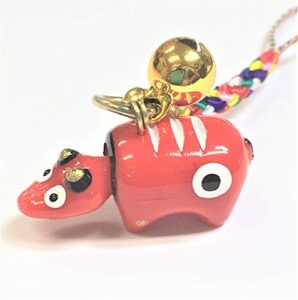
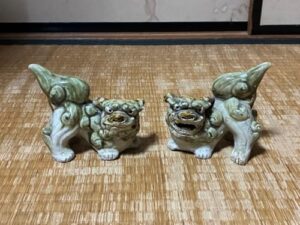
- Collect regional figurines (Hakata ningyo, shisa, akabeko) and want a Nara entry
- Are buying a meaningful gift and value provenance over price
- Need a durable, child-safe, or everyday-handled object — this is fragile decor
- Expect machine-perfect symmetry; faceted hand-work is the point, not a flaw
- Want a low-cost trinket — genuine Ittobori carries an artisan price
- Are unwilling to deal with international shipping or proxy purchase from Japan
- Prefer unpainted natural wood; this style is defined by polychrome and gold leaf
Product overview (from published specs)
Listing data for this specific item was sparse at the time of writing — only the Amazon JP Global Store snapshot was available, and live pricing could not be confirmed. The table below records what the listing and maker tradition indicate; where a value could not be verified, it is marked plainly.
Nara Ittobori Carved Wood Deer Figurine
一刀彫 鹿 奈良
通常7~8日以内に発送します。 · Sold by TR Happy Market · ASIN B0H4QMCKDY
Price and availability as of 2026-08-31 02:30 JST. The Amazon listing at the time of purchase is authoritative. jpmono.com earns a commission on qualifying purchases at no extra cost to you.
| Attribute | Detail | Source |
|---|---|---|
| Craft | Nara Ittobori / Nara Ningyo (single-knife carving) | Maker tradition |
| Subject | Deer (Kasuga sacred messenger) | Listing image |
| Material | Carved wood, gofun ground, mineral pigments, gold leaf (traditional) | Maker tradition |
| Finish | Faceted (un-sanded) planes, polychrome over white ground | Maker tradition |
| Dimensions / weight | Unconfirmed — check listing | — |
| Packaging | Boxed (gift presentation) | Listing |
| Origin | Nara, Nara Prefecture (Kansai) | Maker tradition |
| Designation | METI-designated traditional craft | data_notes |
| Store | What you’ll find | Tag |
|---|---|---|
| Amazon US (search) | Comparable Japanese carved figurines & woodwork; the exact piece is JP-sourced | moonill-20 |
| Amazon JP Global Store | The sourced listing (ASIN B0H4QMCKDY); ships internationally from Japan | moonill-22 |
| Maker direct | Nara Ittobori workshops; often Japanese-language only, limited overseas shipping | — |
| Proxy services (Buyee / Tenso) | Forwarding for JP-only shops; adds service fee + consolidated shipping | — |
📖 Glossary — key terms
- Ittobori (一刀彫) — literally “single-knife carving”; the form is built with a few bold strokes and the chisel facets are left, not smoothed.
- Nara Ningyo (奈良人形) — the older name for the same craft; “Nara doll/figure.”
- Gofun (胡粉) — a white ground made from calcined shell, laid down before painting.
- Tsukuri-mono (作り物) — decorative made-objects, originally festival ornaments rather than tools.
- On-matsuri (おん祭) — the Kasuga Wakamiya festival at Kasuga Taisha; the rite the craft was born to decorate.
- Mensori / mentori — the faceting (plane-cutting) technique that leaves angular surfaces.
Related guides on jpmono.com — other Nara crafts, Kansai woodwork, and regional figurines worth weighing against an Ittobori deer.
Price snapshot across stores
JPY is the authoritative price for the specific listed item; USD figures are estimates at a ¥150/USD baseline as of mid-2026. Live pricing for this listing could not be confirmed at time of writing — verify at the retailer before purchasing.
| Store | Item / Variant | Price (JPY / USD est.) | Notes |
|---|---|---|---|
| 🇺🇸 Amazon.com (US) | Browse Japanese carved figurines & woodwork | varies (USD) | Best if you’re shopping from the US — Prime shipping, USD pricing, no international customs. Amazon US carries comparable Japanese figurines and wood crafts; the exact Nara Ittobori deer is sourced from Japan (next row). |
| 🇯🇵 Amazon JP Global Store | Nara Ittobori carved deer (ASIN B0H4QMCKDY), boxed | Price unconfirmed — check listing | Ships internationally from Japan. This is the sourced listing for the exact piece in this guide. |
| Maker direct | Nara Ittobori workshop pieces | varies (JPY) | Workshop sites are often Japanese-language only; overseas shipping may be limited or unavailable. |
| Proxy services (Buyee / Tenso) | Forwarding from JP-only shops | item + fee + shipping | Useful when a maker won’t ship abroad; expect a service fee and consolidated forwarding cost. |
Where this comes from

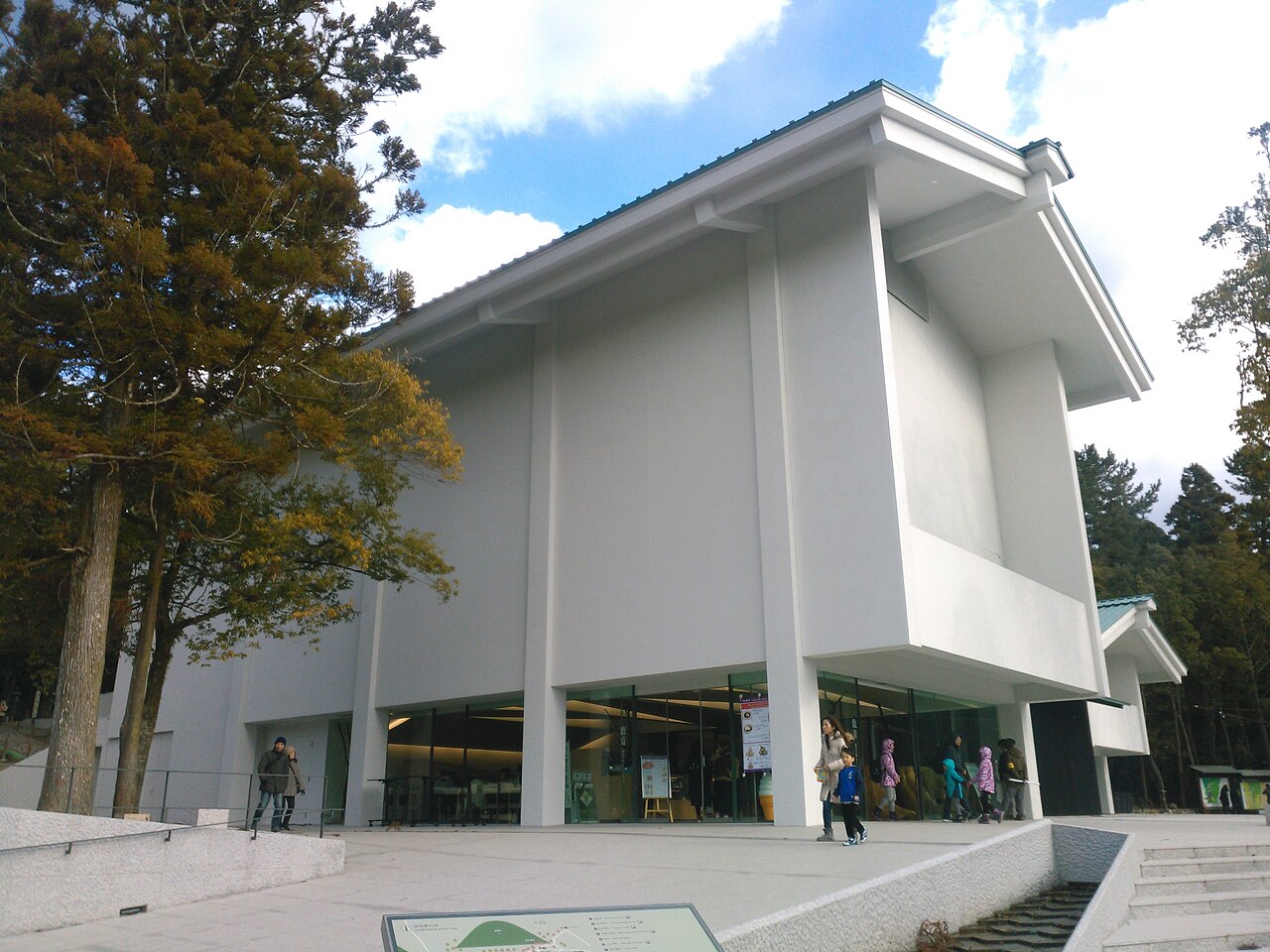
Nara sits in the inland Kansai basin, ringed by low wooded hills. It is a short train ride south of Kyoto and east of Osaka, yet it carries a deeper claim than either: Nara was Japan’s first permanent capital, the seat of the imperial court from 710 to 794 — the Nara period. That single fact shapes everything about the local craft economy. When the court settled here, it concentrated temple-builders, bronze-casters, painters, and carvers into a single religious and administrative center.
The craft did not begin in a furniture workshop. It began at a festival.
Kasuga Taisha, the great Fujiwara shrine at the foot of the wooded hills, has held its Wakamiya On-matsuri since the Heian–Kamakura period. The rite called for “tsukuri-mono” — decorative made-objects, carved and painted, used as ceremonial ornaments. Those festival figures are the direct ancestors of Nara Ittobori. The technique that defines the craft today — a few bold strokes of a single blade, the facets left sharp rather than sanded, then a white gofun ground and brilliant mineral pigments with gold leaf — grew out of that decorative, ritual lineage rather than out of everyday utility.
- 710 — Heijō-kyō (Nara) becomes Japan’s first permanent capital.
- 768 — Kasuga Taisha is established; the deer are revered as messengers of its deity.
- 1136 — The Kasuga Wakamiya On-matsuri begins; its tsukuri-mono decorations seed the carving tradition.
- Heian–Kamakura — Festival figures develop into a distinct single-knife carving style.
- Edo–Meiji — Master Morikawa Tōen refines and revives Ittobori as a recognized art form.
- Modern — Nara Ittobori is designated a traditional craft by METI.
- 2026 — Workshops in Nara continue carving deer, Noh figures, hina dolls, and zodiac pieces.
The deer is no arbitrary motif. In Nara the wild sika deer are protected as sacred — traditionally believed to be messengers of the Kasuga deity — and over a thousand of them still move freely through Nara Park and the shrine precincts. A carved Ittobori deer therefore reads, to a Nara eye, as a compact symbol of the city itself: its founding shrine, its protected animals, its festival craft, all in one small painted figure.
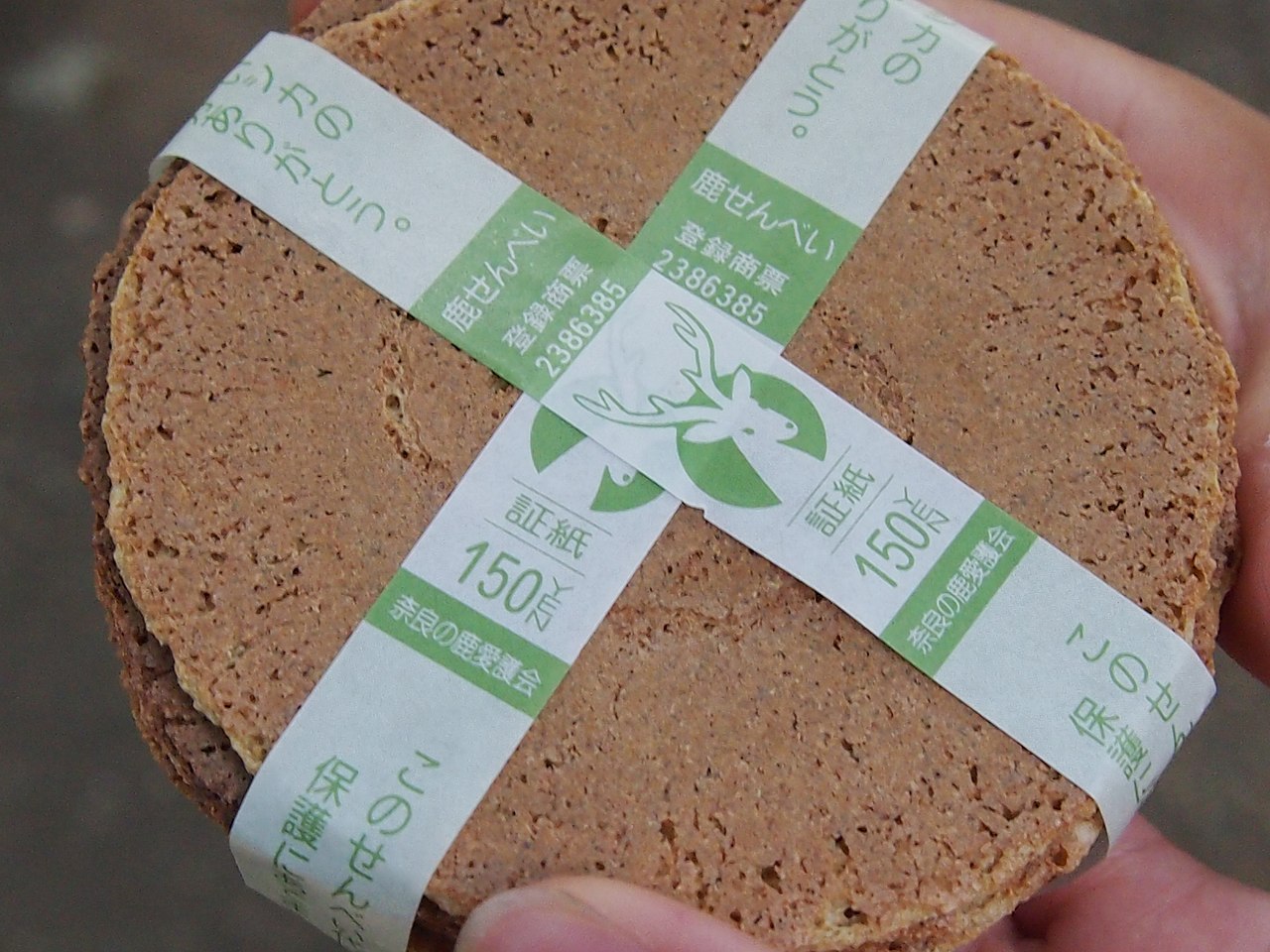
The continuity case rests on the technique itself. Ittobori is named for restraint: the carver commits to a few decisive strokes of a single blade and leaves the facets standing, where most carving traditions would smooth them away. That economy of cuts is what Morikawa Tōen elevated into an art in the Edo-to-Meiji transition, and it is what current Nara workshops still teach. The classic repertoire — Noh-play figures, hina dolls, the twelve zodiac animals, and the deer — has stayed remarkably stable.
“The blade is not asked to make the wood smooth. It is asked to decide — a few times, with conviction — and then stop.”
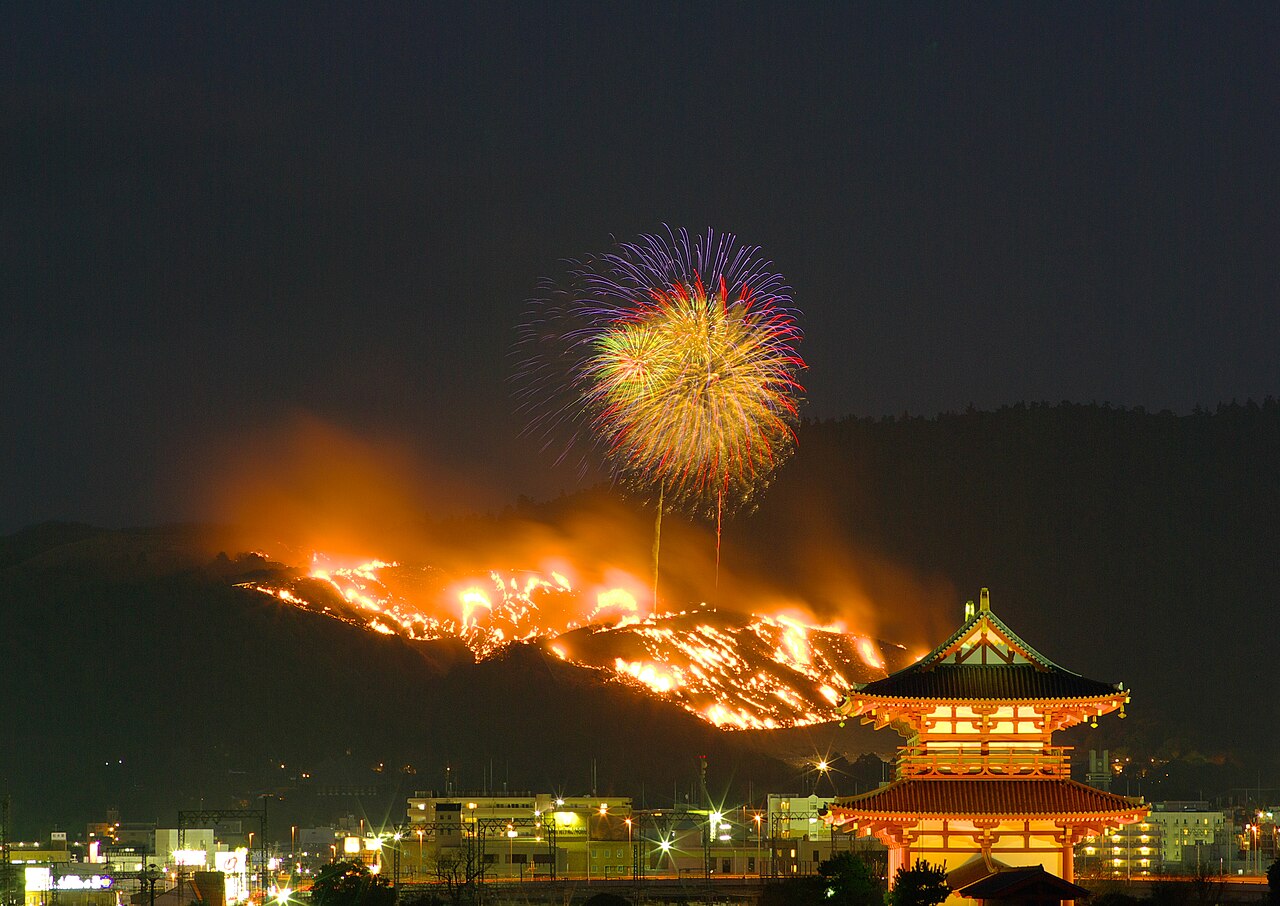
Seasonally, Ittobori tracks the ritual calendar. Zodiac pieces are carved as New Year ornaments, hina dolls for the March Doll Festival, and the deer year-round as the city’s emblem. The On-matsuri itself falls in December, the cold heart of the Nara year, when the wooded hills behind Kasuga Taisha and the slopes of Mount Wakakusa stand bare against the sky.
What it does well
Weaknesses and things to verify before buying
- Fragile, display-only. Painted wood with a gofun ground is not made for handling, outdoor use, or households with small children or pets.
- Pricing was unconfirmed at writing. Only the Amazon JP Global Store snapshot was available and live pricing could not be verified — check the listing before you commit.
- Dimensions unconfirmed. Size and weight were not in the available data; confirm them on the listing so the piece matches your display space.
- Authenticity varies. “Nara deer figurine” is also used for mass-produced souvenirs. Verify the listing actually describes single-knife Ittobori / Nara Ningyo work, not a printed resin copy.
- Hand-work is irregular by design. If you expect machine-perfect symmetry, the deliberate facets and slight asymmetry will read as defects to you.
- International logistics. Buying from Japan means shipping time, possible customs duty above local thresholds, and — for maker-direct purchases — possibly a proxy service.
Conclusion — which buyer type are you?
Other ways to approach this purchase
🏆 Editor’s Pick
❓ Frequently Asked Questions
What exactly is Nara Ittobori?
It is a Nara carving tradition (also called Nara Ningyo) in which a figure is shaped with a single blade in a few decisive strokes, the facets left sharp rather than smoothed, then finished with a white gofun ground and brilliant mineral pigments, often with gold leaf. It began as festival decoration for the Kasuga Wakamiya On-matsuri and is a METI-designated traditional craft.
Why is the deer the most common subject?
In Nara the wild sika deer are protected and traditionally believed to be messengers of the Kasuga deity. Over a thousand still roam Nara Park, so the deer functions as the city’s emblem — which is why it is the most beloved Ittobori subject alongside Noh figures, hina dolls, and the twelve zodiac animals.
Can I buy it from outside Japan?
Yes. The specific piece is sourced from the Amazon JP Global Store, which ships internationally to most major destinations. Amazon US carries comparable Japanese figurines if you prefer domestic US shipping, and proxy services such as Buyee or Tenso can forward purchases from Japanese-only maker shops.
How do I care for it?
Treat it as a display object. Keep it out of direct sunlight and away from humidity, dust it gently with a soft dry brush, and do not wash it — the gofun ground and pigments are not water-resistant. Avoid handling by children or pets.
How is it different from a Hakata ningyo or a shisa?
Hakata ningyo are unglazed bisque clay figures from Fukuoka, and Tsuboya shisa are glazed ceramic guardian lions from Okinawa. Nara Ittobori is carved wood with a painted gofun finish — a different material and technique, and tied specifically to Nara’s deer and festival tradition. Both alternatives are linked in the comparison box above.
How much does it cost?
Live pricing for this specific listing could not be confirmed at the time of writing — only the Amazon JP Global Store snapshot was available. JPY is the authoritative price; any USD figure is an estimate at roughly ¥150/USD. Check the current listing before purchasing.
Is it a good gift?
It can be. It arrives boxed, carries a documented craft lineage and a clear place-specific meaning, and is compact. Because it is fragile and display-only, it suits a recipient who will keep it on a shelf rather than handle it daily.
jpmono.com is curated by a Japan-based editorial team (working out of Toyama in the Hokuriku region and Nara in Kansai) and is independent. We don’t take payment from the makers we feature; income comes from affiliate links. Read more about our editorial standards.
This article was prepared with AI assistance and reviewed against the available source data. Specifications, prices, and availability should be verified at the retailer before purchase.
Affiliate disclosure: jpmono.com may earn a commission on qualifying purchases made through links on this page, at no additional cost to you.