![Isesaki Meisen Silk Haori Jacket: Gunma Ikat Kimono Coat [2026]](https://jpmono.com/wp-content/uploads/2026/05/japan-map-regions-and-prefectures-800x1050.png)
The Isesaki Meisen silk haori is the open-front, T-shaped jacket worn over a kimono — and it is one of the most graphic garments Japan ever put into everyday wardrobes. Meisen (銘仙, “everyday patterned silk”) is a flat, durable silk woven from pre-dyed yarns in the town of Isesaki, in Gunma Prefecture, the historic heart of Japan’s silk industry. The bold, slightly blurred patterns are not printed onto finished cloth; they are dyed into the threads before weaving, then aligned on the loom — which is why a meisen haori has that distinctive soft-edged, almost out-of-focus energy when you look closely.
What makes meisen internationally interesting is its moment in history. In the Taisho and early Showa eras (roughly the 1910s through the 1930s), Isesaki Meisen democratized silk: it gave ordinary women affordable, fashion-forward kimono and haori at a time when silk had been a luxury. The designs absorbed the Art Deco and modernist energy of the period — geometric arrows, oversized florals, stripes, and abstract bursts of color that still look startlingly contemporary. A vintage-style meisen haori is, in effect, wearable graphic design from interwar Japan.
This guide is for readers shopping from outside Japan who want an authentic meisen haori and want to understand what they are buying before they commit. It covers the garment, where the cloth comes from, how to verify authenticity, and practical purchase paths. Dimensions, lining, and pattern vary widely from one hand-woven ikat garment to another.
🔄 Updated:
⏱️ Read time: ~10 min
- Who this is for — and who should skip it
- Product overview (from published specs)
- Where this comes from — Gunma, silk country
- Where to buy Isesaki Meisen haori
- What it does well
- Weaknesses and things to verify before buying
- Conclusion — which buyer type are you?
- Other ways to approach this purchase
- ❓ Frequently Asked Questions
Who this is for — and who should skip it
- Want a genuine Japanese silk garment with real regional heritage, not a costume reproduction
- Are drawn to interwar Art Deco and modernist graphic patterns
- Like the idea of a light, throw-on jacket layer over Western or Japanese clothing
- Appreciate vintage and one-of-a-kind textiles where each piece differs
- Are comfortable buying from Japan and verifying details before ordering
- Need a precise, standardized Western size with guaranteed fit
- Want a machine-washable, low-maintenance everyday jacket
- Expect a brand-new mass-produced item with uniform color
- Are not comfortable with international shipping or possible customs handling
- Want a formal kimono ensemble — a haori alone is an outer layer, not a complete outfit
Product overview (from published specs)
Isesaki meisen silk haori vary widely in dimensions, lining, and pattern because each piece is cut from a hand-woven ikat panel. The table reflects the garment category and the general characteristics of meisen silk haori rather than a full specification for one piece; measurements and condition vary by garment.
| Attribute | Detail | Source |
|---|---|---|
| Item | Isesaki Meisen silk haori jacket (kimono coat) | Product details |
| Material | Silk (meisen — pre-dyed kasuri/ikat yarns) | Spec data_notes |
| Pattern technique | Kasuri (ikat) via hogushi-gasuri / heiyo-gasuri | Spec data_notes |
| Construction | Fully lined, open T-shaped front (haori) | Spec recommendation hint |
| Origin | Isesaki, Gunma Prefecture, Japan (Joshu silk country) | Spec data_notes |
| Tradition status | Isesaki-gasuri is a METI-designated traditional craft | Spec data_notes |
| Size | — | — |
| Price | Live pricing was unavailable from fetched data — verify at retailer | — |
📖 Glossary — key terms
Meisen (銘仙) — a flat, durable, pre-dyed silk woven for everyday wear. Its patterns come from dyeing the yarns before weaving, giving soft, slightly blurred edges.
Haori (羽織) — an open-front, T-shaped jacket worn over a kimono. It is an outer layer, not tied closed like a kimono; today it is often worn loose over Western clothes too.
Kasuri (絣) / ikat — the resist-dyeing-and-weaving method where pre-dyed yarns form the pattern as the cloth is woven. “Ikat” is the internationally used term for the same family of techniques.
Hogushi-gasuri (解し絣) — a meisen technique in which warp threads are temporarily woven, stencil-printed, then “loosened” and re-woven, producing bold painterly patterns efficiently.
Heiyo-gasuri (併用絣) — a method using both pre-dyed warp and weft yarns together for richer, more complex meisen patterning.
Joshu (上州) — the old provincial name for Gunma, long synonymous with sericulture and raw-silk production.
Where this comes from — Gunma, silk country

Gunma — the old province of Joshu — is the silk heart of Japan. The prefecture sits inland in northern Kantō, ringed by mountains and crossed by rivers, with foothills and plains well suited to mulberry cultivation. Mulberry feeds silkworms, and for generations Gunma’s farming households raised silkworms in the off-season, turning the region into one of the country’s great suppliers of raw silk.
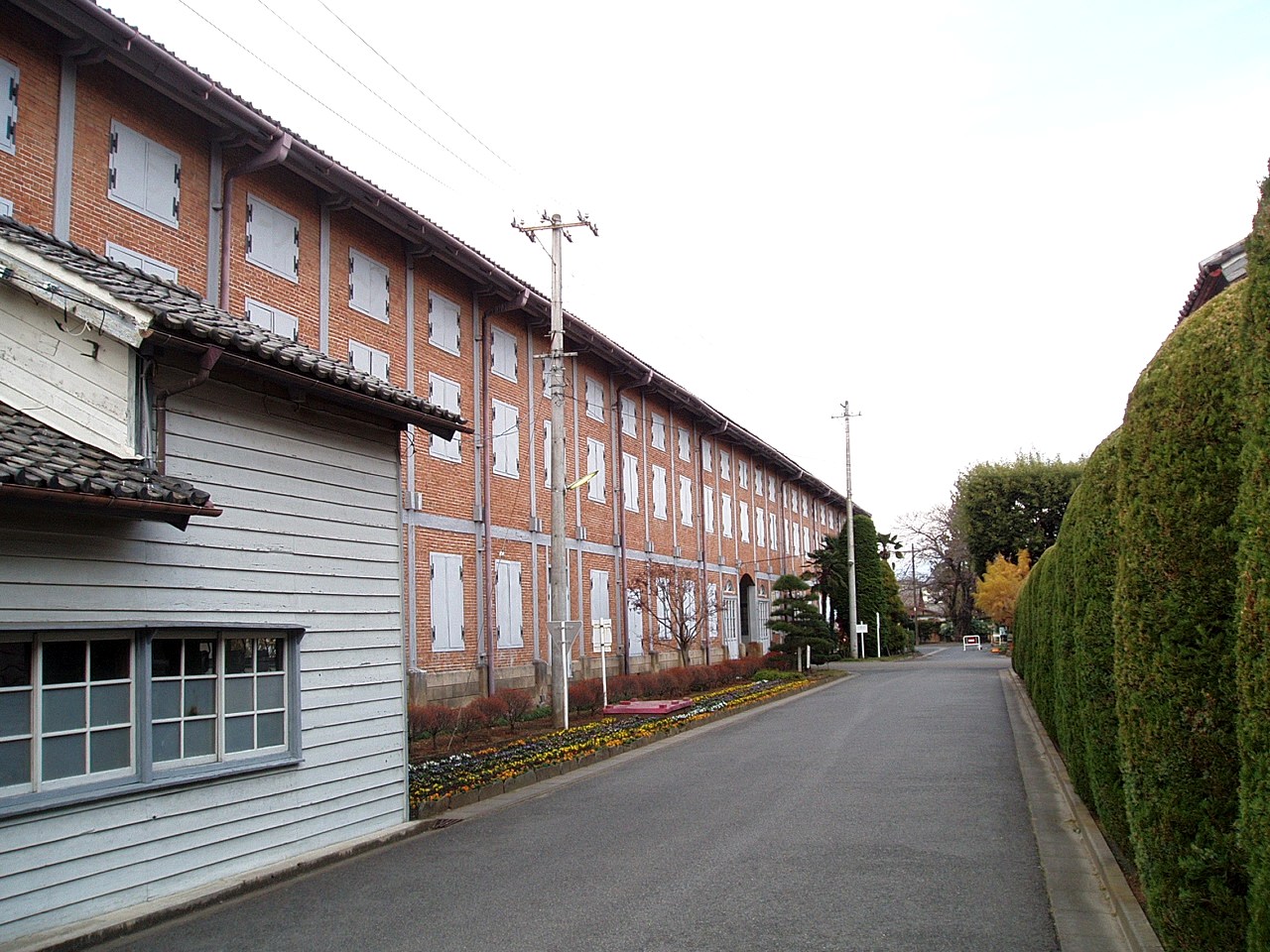
That story turned industrial in 1872, when the Meiji government opened the Tomioka Silk Mill — Japan’s first modern mechanized filature — to modernize silk reeling for export. Tomioka made Gunma the engine of Japan’s modern silk economy, and in 2014 the mill was inscribed as a UNESCO World Heritage Site. With abundant local raw silk on hand, weaving towns across the region specialized in turning that silk into cloth.
-
1872 — The Tomioka Silk Mill opens, Japan’s first modern mechanized filature. -
Early 1900s — Joshu (Gunma) supplies much of the nation’s raw silk; weaving towns specialize. -
1910s–1930s — Taisho and early Showa: Isesaki Meisen democratizes silk with bold Art Deco-influenced kimono and haori. -
Mid-Showa — Western dress spreads; everyday kimono demand declines and meisen output contracts. -
2014 — The Tomioka Silk Mill is inscribed as a UNESCO World Heritage Site. -
Today (2026) — Isesaki-gasuri is a METI-designated traditional craft, and meisen is collected and worn again for its graphic patterns.
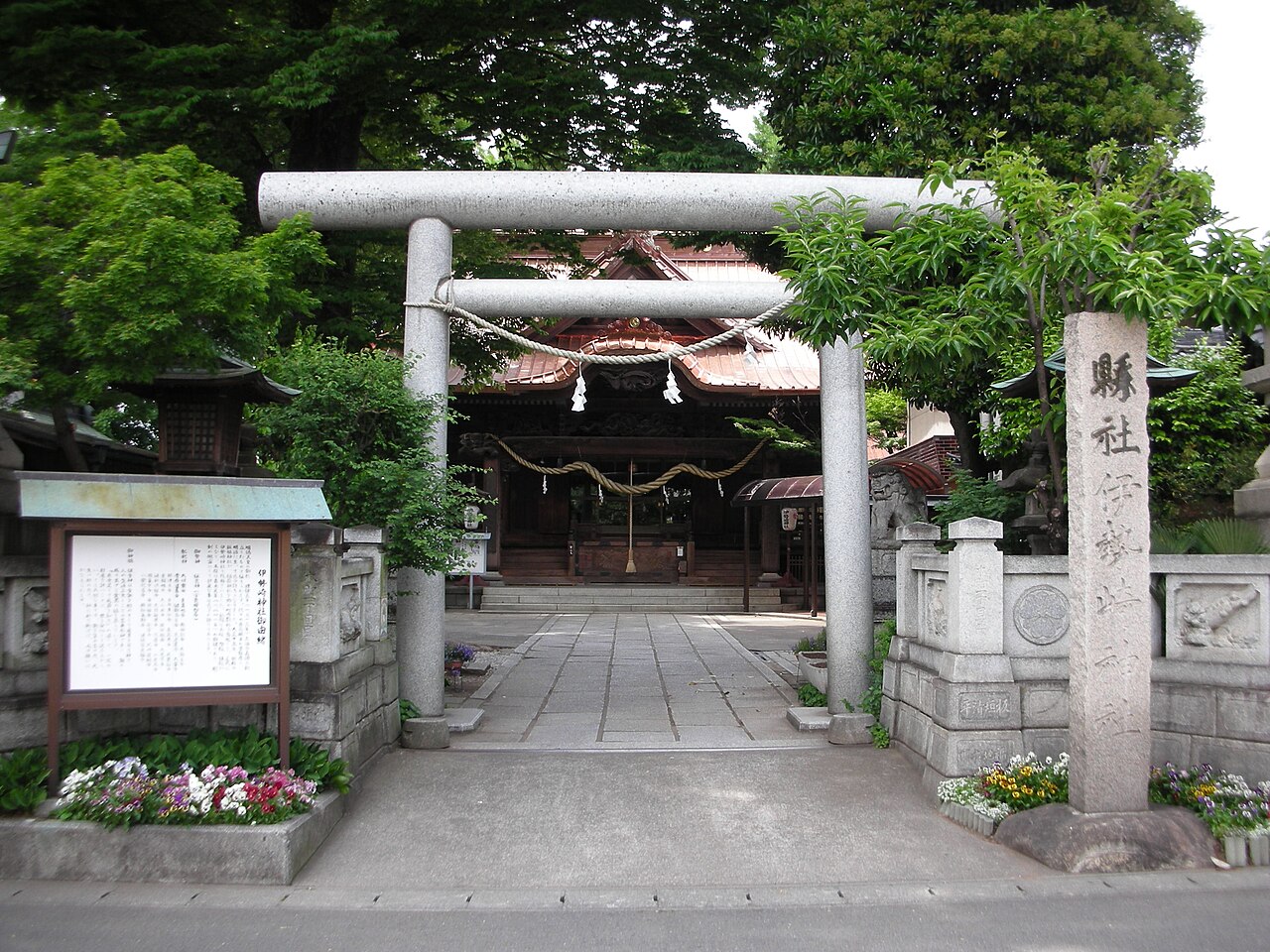
Isesaki itself became one of Japan’s great meisen towns, named alongside Chichibu, Ashikaga, and Hachioji. Isesaki-gasuri — the town’s kasuri tradition — is recognized as a METI-designated traditional craft. The cloth’s signature came from pre-dyeing the yarns and weaving the pattern in, using the hogushi-gasuri and heiyo-gasuri techniques that let weavers produce bold, painterly designs quickly and affordably.
“Meisen did something silk had never done before: it put fashion-forward, modern-patterned silk within reach of ordinary women — and in doing so, it dressed an entire era.”
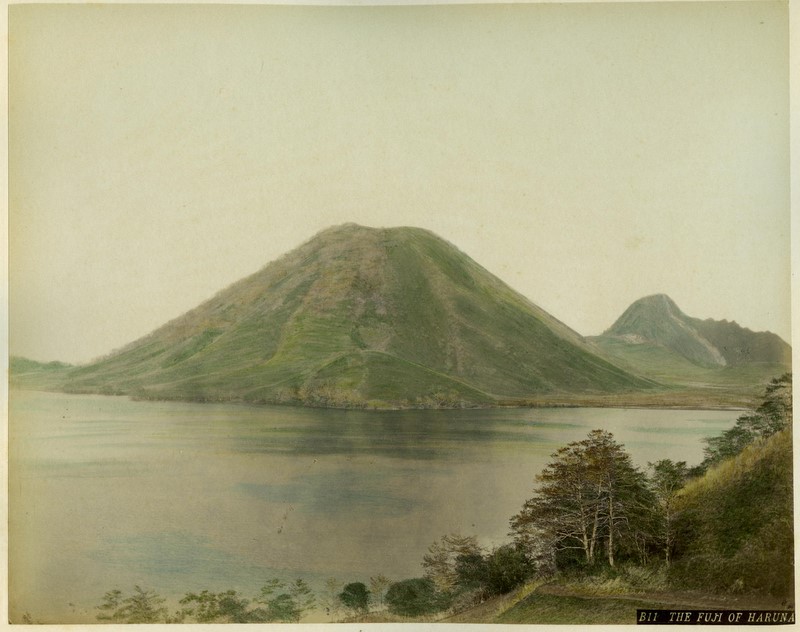
The reason meisen still looks modern is that its golden age coincided with global modernism. In the Taisho and early Showa years, designers drew on Art Deco geometry, oversized flowers, arrows, and abstract color fields — patterns that read today like interwar graphic design rendered in silk. Worn as a haori, that energy sits right at the surface, because the open jacket displays the full sweep of the pattern.
Related guides on jpmono.com — other Gunma crafts and Japanese silk textiles worth weighing alongside an Isesaki Meisen haori.
 Chichibu Meisen silk
A sister meisen town — see how the stole compares.
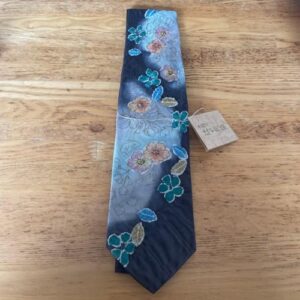 Kiryu-ori silk (Gunma)
Gunma’s other great weaving town, in necktie form.
Takasaki Daruma (Gunma)
A Gunma icon from the same craft district.
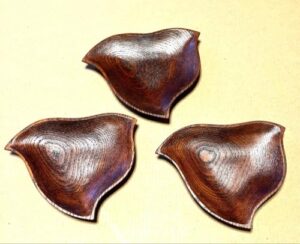 Joshu lacquer plate (Gunma)
Wiped-lacquer keyaki from the same province.
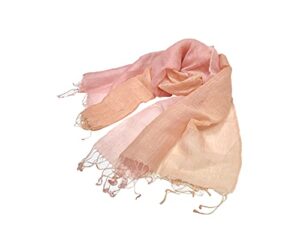 Yonezawa-ori silk
Safflower-dyed silk from Yamagata for comparison.
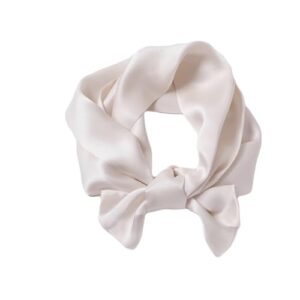 Yuki-tsumugi silk
Hand-spun tsumugi silk — a different silk tradition.
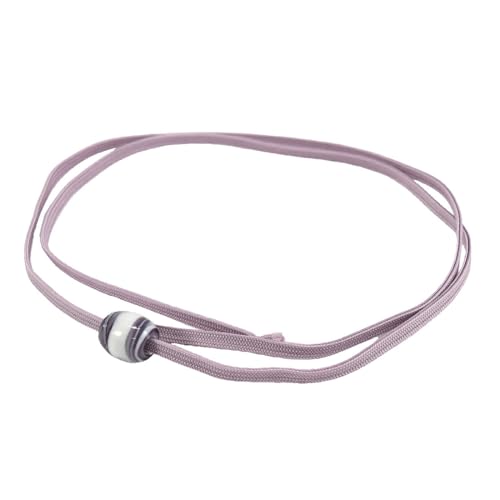 Iga Kumihimo obijime
A braided silk cord to finish a kimono look.
Where to buy Isesaki Meisen haori
Prices for vintage and hand-woven haori vary widely with pattern, condition, lining, and provenance. Currency conversions are approximate and change with exchange rates.
| Store | Item / Variant | Price | Notes |
|---|---|---|---|
| 🇺🇸 Amazon.com (US) | Browse Japanese silk haori & meisen kimono jackets | varies (USD) | Best if you are shopping from the US — Prime shipping, USD pricing, no international customs. Amazon US carries Japanese haori and kimono jackets from various sellers; the specific Isesaki Meisen piece is sourced from Japan (next row). |
| 🇯🇵 Amazon JP Global Store | Isesaki Meisen silk haori | Check live price (¥, JPY authoritative) | Ships internationally from Japan to most major destinations. |
| Maker direct / kimono dealers | Vintage and new Isesaki Meisen haori | Varies widely | Specialist kimono shops and regional craft sellers may carry meisen; condition, age, and authenticity vary — confirm details directly. |
| Proxy services (Buyee / Tenso) | JP-only shops forwarded abroad | Item price + service fee + forwarding | Useful for Japan-only shops that do not ship internationally; expect added fees and possible customs duties over local thresholds. |
What it does well
Meisen’s bold, Art Deco-influenced kasuri patterns make a haori read as wearable graphic design, not a quiet neutral layer.
Isesaki-gasuri is a METI-designated traditional craft from Japan’s documented silk heartland — verifiable provenance, not costume styling.
The open T-shaped front layers over both Japanese and Western clothing, so you do not need a full kimono ensemble to use it.
A fully lined silk garment drapes and hangs better than unlined alternatives, and the lining protects the patterned outer cloth.
Weaknesses and things to verify before buying
- Sizing runs small and is non-standard. Meisen and vintage-style haori are cut to Japanese proportions and rarely map onto Western sizes. Confirm shoulder, sleeve, and body length against your own measurements before ordering.
- Pattern and color vary by piece. Each piece differs, and screen color rarely matches reality exactly. The exact pattern depends on the piece — treat photos as a guide, not a generic description.
- Silk care is demanding. Silk is generally not machine-washable; meisen and vintage garments usually call for specialist dry cleaning or careful hand handling. Verify care guidance before buying if low maintenance matters to you.
- Condition varies, especially for vintage. Older meisen can show fading, small holes, or weakened seams. If buying vintage, check condition notes closely and ask the seller if anything is unclear.
- Price and stock were unconfirmed at writing. The fetched data was thin, so live pricing was unavailable; always confirm the current price and availability at the retailer before committing.
- International shipping and customs add cost. Buying from the Amazon JP Global Store or via a proxy can add shipping fees and possible import duties over your country’s threshold. Budget for these on top of the item price.
Conclusion — which buyer type are you?
You want documented Isesaki-gasuri heritage and the best pattern you can find. Favor a specialist dealer that explains provenance and condition.
You want an authentic, good-looking meisen haori with a straightforward purchase. Choose a seller that provides clear photos, measurements, and condition notes.
You are price-sensitive and flexible on pattern. Compare Japanese haori from multiple sellers; vintage prices vary widely.
You need guaranteed Western fit, machine-washable care, or a uniform new product. A vintage-leaning silk haori will frustrate you — look at modern outerwear instead.
Other ways to approach this purchase
Prices and exchange rates shift. If price is your main concern, compare sellers and buy when the total cost suits you.
Much authentic meisen is vintage. Pre-owned pieces offer genuine period patterns at varied prices — just scrutinize condition notes before buying.
If you already shop Amazon, applying accumulated points or rewards can offset the cost on either the US or JP path.
If sizing or care concerns outweigh the appeal, it is reasonable to wait, research more, or choose a different Japanese silk item from the comparison box above.
❓ Frequently Asked Questions
What exactly is a haori, and how is it different from a kimono?
What makes Isesaki Meisen special?
Can this be shipped outside Japan?
How do I know it will fit?
How do I care for a silk meisen haori?
Is it new or vintage, and does that matter?
Why does the article show an Amazon US search link first?
Affiliate disclosure: jpmono.com may earn a commission on qualifying purchases made through links on this page, at no additional cost to you.