![Banshu-ori Yarn-Dyed Cotton Gauze Blanket: Hyogo’s Sakizome Weave [2026]](https://jpmono.com/wp-content/uploads/2026/05/japan-map-regions-and-prefectures-800x1050.png)
A Banshu-ori (播州織, “Banshu weave”) gauze blanket is a multi-layer cotton cloth woven in and around Nishiwaki, in central Hyogo Prefecture, where yarn-dyeing and weaving have been a local livelihood since 1792. What sets it apart from an ordinary cotton throw is the order of operations: the cotton thread is dyed before it is woven — a method called sakizome (先染め, “pre-dyeing”) — so the color sits inside each fiber rather than being printed on the surface. Stacked into several thin gauze layers, the result is a blanket that is light, breathable, and quietly colored, with checks and stripes that read as soft rather than sharp.
For an international reader, the appeal is partly material and partly geographic. Nishiwaki and the Kako River basin produce well over 70% of all yarn-dyed cotton fabric made in Japan, and from the Meiji era onward this same cloth was a major export — shipped as far as Africa and the Middle East. A gauze blanket is the most everyday expression of that trade: an all-season layer that gets softer and gentler in tone with each wash, the opposite of a synthetic throw that pills and fades flat.
This guide is written for buyers comparing a genuine regional Japanese cotton blanket with a generic big-box throw. It explains what sakizome changes, how gauze construction behaves, where the craft comes from, and which buyer each style suits.
🔄 Updated:
⏱️ Read time: ~10 min
- Who this is for — and who should skip it
- Product overview (from published specs)
- Where to buy
- Where this comes from — place, era, and the craft tradition
- What it does well
- Weaknesses and things to verify before buying
- Conclusion — which buyer type are you?
- Other ways to approach this purchase
- ❓ Frequently Asked Questions
Who this is for — and who should skip it
- Want a lightweight, breathable blanket you can use across all four seasons rather than one heavy winter throw.
- Prefer color that is dyed into the thread (sakizome) — deeper, softer, and slower to fade than printed cloth.
- Value a verifiable regional craft origin over an anonymous big-box label.
- Like fabrics that grow softer with washing and machine-wash easily at home.
- Are buying a considered gift — a baby, wedding, or new-home present that is practical and regional.
- Need maximum warmth for a cold, unheated room — gauze is airy, not a thick duvet substitute.
- Want a precise, fixed color match — sakizome tones are gentle and shift slightly with washing.
- Expect the lowest possible price; a generic fleece throw will undercut it.
- Dislike the lightly crinkled, lived-in texture that washed gauze develops.
- Cannot wait for international shipping or are unwilling to verify live price and stock first.
Product overview (from published specs)
Banshu-ori gauze blankets combine cotton with yarn-dyed color and gauze construction. Characteristics may vary by maker, so dimensions and other item details are piece-specific.
| Attribute | Detail (per published data) |
|---|---|
| Craft / textile | Banshu-ori (播州織) — yarn-dyed cotton of Nishiwaki, Hyogo |
| Item type | Multi-layer cotton gauze blanket / throw |
| Signature method | Sakizome (先染め) — thread dyed before weaving |
| Material | Cotton (gauze construction; layer count varies by product) |
| Origin | Nishiwaki / Kako River basin, Hyogo Prefecture, Kansai, Japan |
| Size / weight | Varies by maker |
| Care | Generally home machine-washable; follow the maker’s care guidance |
| Price | Live price not captured at time of writing — verify at retailer |
📖 Glossary — key terms
- Banshu-ori (播州織) — the yarn-dyed cotton textile of the Banshu region (central Hyogo), centered on Nishiwaki.
- Sakizome (先染め, “pre-dyeing”) — dyeing the thread first, then weaving the colored threads into a pattern. The opposite of atozome.
- Atozome (後染め, “post-dyeing”) — weaving plain cloth first, then printing or dyeing color onto the surface.
- Gauze (ガーゼ) — a loose, open-weave cotton; stacking several thin gauze layers makes a blanket light yet insulating.
- Nishiwaki (西脇) — the weaving town at the heart of Banshu-ori, branded the “Navel of Japan.”
- Kako River (加古川) — the river whose soft water made the area ideal for thread dyeing.
Other Japanese cotton and indigo textiles we have covered — useful for comparing yarn-dyeing, indigo, and weave traditions across regions.
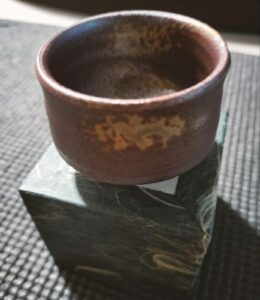 Tamba guinomi (same Hyogo)
Tachikui-yaki sake cup — another Hyogo craft
Yumihama-gasuri cotton runner
Indigo yarn-dyed kasuri, Tottori
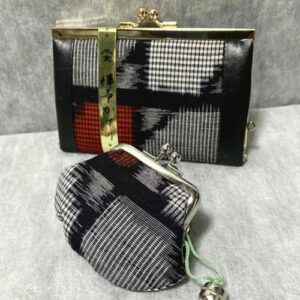 Iyo-gasuri cotton purse
Indigo kasuri, Ehime
 Kishu Nel cotton muffler
Brushed cotton flannel, Wakayama
 Nara sarashi cotton cloth
Bleached cotton fukin, Nara
Awa aizome tenugui
Natural indigo tie-dye, Tokushima
 Hamamatsu chusen tenugui
Pour-dyed Enshu cotton, Shizuoka
Where to buy
Currency note: JPY (¥) is the authoritative price for individual Banshu-ori gauze blankets. USD figures are approximate estimates at a ¥150/USD baseline (mid-2026) and depend on the live exchange rate. A live JP price was not captured for the category at the time of writing — the cells below reflect that.
| Store | Item / variant | Price (JPY + USD est.) | Notes |
|---|---|---|---|
| 🇺🇸 Amazon US (search) | Browse Japanese cotton gauze blankets & throws | varies (USD) | Best if you are shopping from the US — Prime shipping, USD pricing, no international customs. Amazon US carries Japanese gauze blankets and cotton throws from various makers; the specific Banshu-ori piece is sourced from Japan (next row). |
| 🇯🇵 Amazon JP Global Store | Banshu-ori sakizome cotton gauze blanket | Varies by seller | Ships internationally from Japan to most major destinations via Amazon JP Global Store. |
| Maker direct | Banshu-ori mills / Nishiwaki brands | Varies — unconfirmed | Some Nishiwaki weavers sell direct; international shipping is not always offered. Verify before ordering. |
| Proxy services (Buyee / Tenso) | Forwarding from JP-only shops | Item price + forwarding fee | Useful when a Nishiwaki mill ships only within Japan. Adds a handling fee and consolidated forwarding. |
Prices and stock fluctuate; USD figures are approximate and depend on the current exchange rate. Always confirm the live price at the retailer before purchasing.
Where this comes from — place, era, and the craft tradition

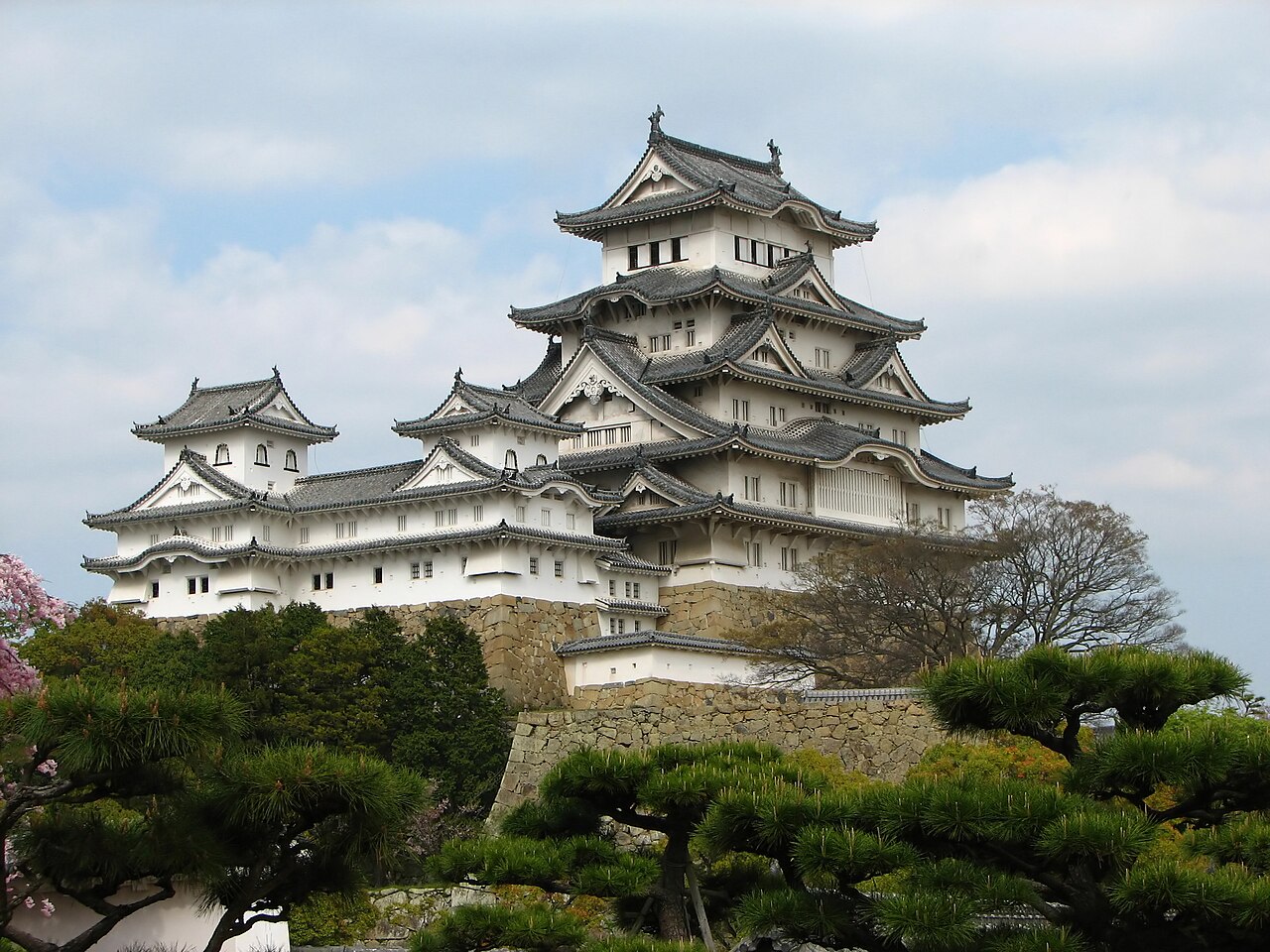
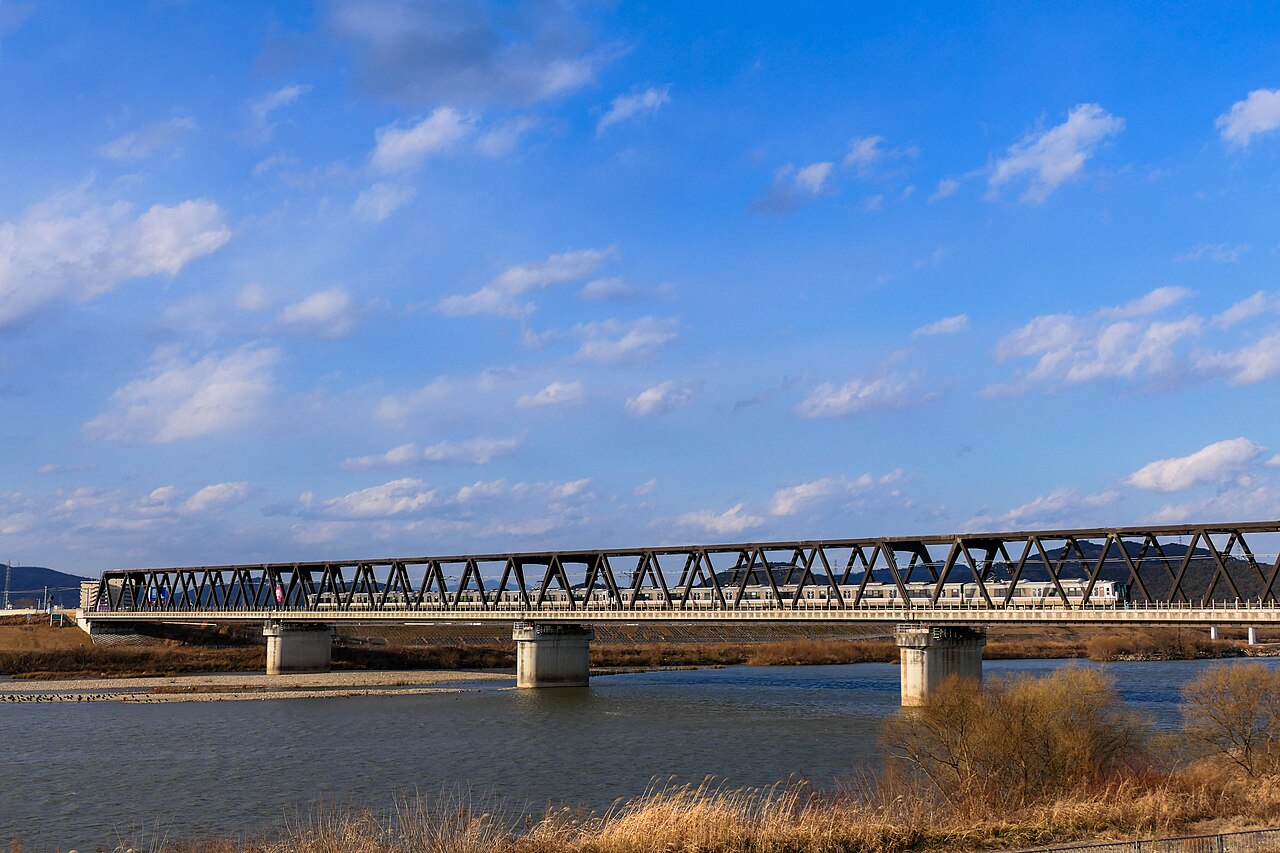
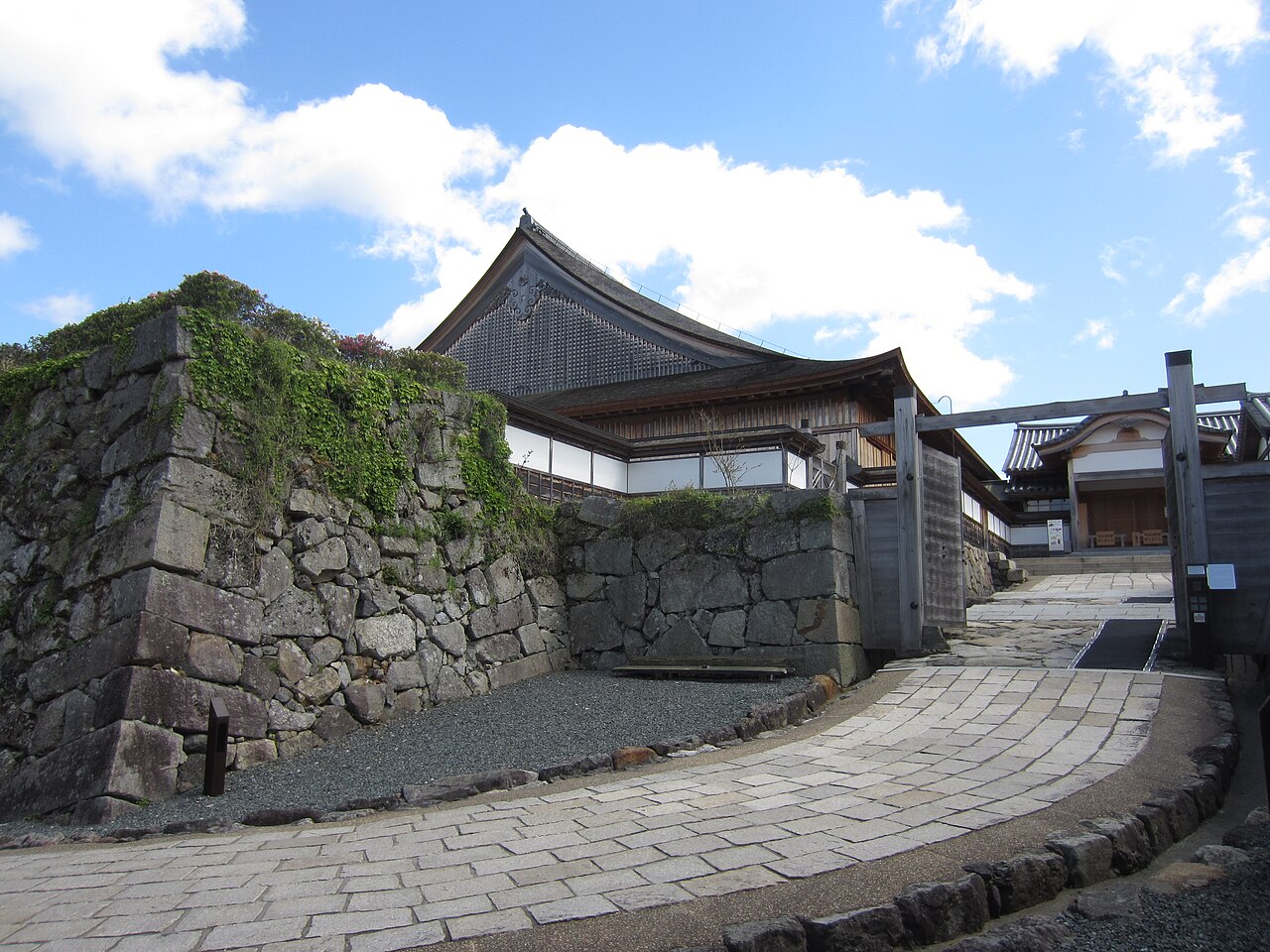
Banshu is the old name for the central and western part of present-day Hyogo Prefecture, on the Seto Inland Sea side of the Kansai region. The weaving district sits inland, in the Kako River basin around the city of Nishiwaki — roughly an hour north of the prefecture’s famous landmark, the white keep of Himeji Castle. This is farm country threaded by rivers, and the rivers are the reason the craft took root: the soft water of the Kako and Sugihara rivers proved ideal for dyeing thread cleanly and evenly, which is the first and most demanding step in any yarn-dyed cloth.
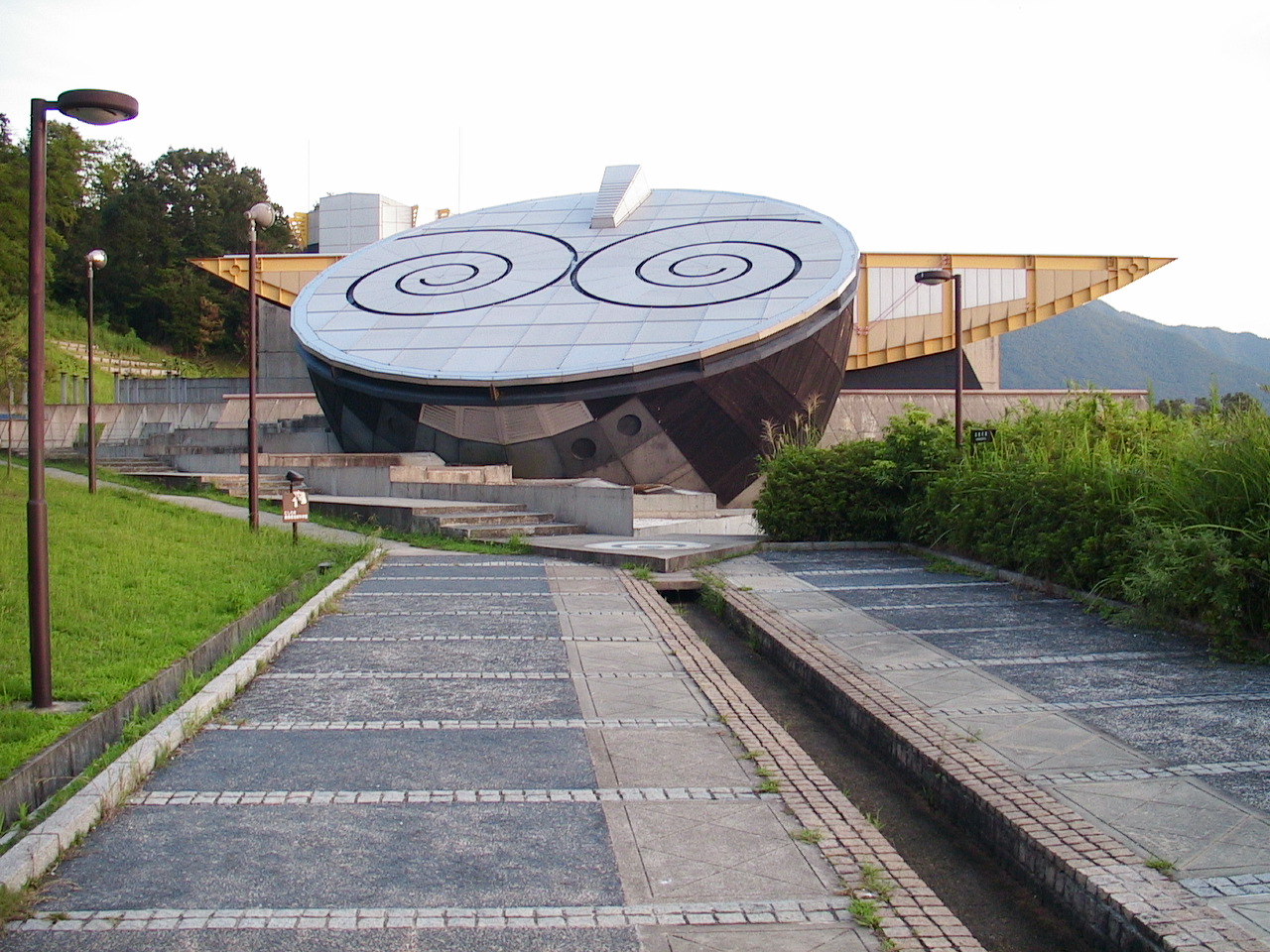
The documented beginning is precise. In 1792, during the Kansei era, a man named Nagai Choemon brought back the yarn-dyeing and weaving techniques he had learned in Kyoto and introduced them to his home area in the Banshu region. From that seed, weaving spread household by household as a farmers’ off-season livelihood — work for the months when the fields rested. Over the following century it grew from cottage labor into one of Japan’s defining cotton industries.
- 1792 — Nagai Choemon brings Kyoto yarn-dyeing and weaving to the Banshu region (Kansei era).
- Edo period — Weaving spreads through inland Hyogo farm villages as an off-season livelihood.
- Meiji–Showa — Banshu-ori becomes a major export cotton, shipped to Africa and the Middle East.
- 20th century — Nishiwaki branded the “Navel of Japan” at the crossing of 135°E and 35°N.
- Today — The Kako River basin produces over 70% of Japan’s yarn-dyed cotton fabric.
- 2026 — Nishiwaki mills still weave sakizome cotton, now reaching home goods like gauze blankets.
To understand why a Banshu-ori blanket looks the way it does, it helps to know what sakizome (先染め, “pre-dyeing”) actually changes. In ordinary printed cloth — atozome (後染め, “post-dyeing”) — plain white fabric is woven first, then color is applied to the surface, so the pattern sits on top and can crack or fade unevenly. In sakizome, each thread is dyed before a single pick is woven; the colored warp and weft are then interlaced to build the check or stripe directly. Because the color is in the fiber rather than on it, the pattern emerges from within the cloth, the tone is softer and deeper, and washing tends to mellow it rather than strip it.
“The color is woven in, not printed on — so a Banshu-ori blanket does not fade flat. It grows gentler.”
The continuity case is a matter of scale as much as age. Banshu-ori did not survive as a museum craft; it survived as an industry. Today the Nishiwaki and Kako River region produces well over 70% of all yarn-dyed cotton fabric made in Japan — a working concentration of dyers, warpers, and weavers rather than a handful of preserved looms. A gauze blanket is one of the trade’s everyday outputs: the same sakizome thread that once filled export bolts for distant markets, now stacked into soft domestic home goods.
There is a seasonal logic to a gauze blanket that suits the cloth’s history. Layered gauze traps a thin cushion of air between its open weaves, which is why it can feel cool against the skin on a humid Kansai summer night yet add a useful layer of warmth in spring and autumn. It is a four-season object rather than a deep-winter one — closer in spirit to the everyday cotton that built Banshu-ori than to a heavy wool throw.
What it does well
Weaknesses and things to verify before buying
- Not a deep-winter blanket. Gauze is airy by design; for an unheated cold room it is a layer, not a duvet replacement.
- Color is gentle, not exact. Sakizome tones are soft and shift slightly with washing — fine if you want a lived-in look, frustrating if you need a precise match.
- Construction varies. Banshu-ori blankets come in different layer counts and sizes; choose one that suits your use.
- Seller terms vary. Compare the current options and shipping terms at the retailer.
- “Banshu-ori” is a regional label, not a single maker. Quality and finishing vary by mill; read the maker’s description and seller details.
- International shipping and customs. If you order via Amazon JP Global Store or a proxy, factor in shipping time and possible import duties for your country.
- Gauze texture is a preference. The lightly crinkled hand of washed gauze is intentional; if you prefer crisp, smooth fabric this will not suit you.
Conclusion — which buyer type are you?
Other ways to approach this purchase
❓ Frequently Asked Questions
What is sakizome, and why does it matter for a blanket?
Sakizome (先染め) means the cotton thread is dyed before it is woven, so the color sits inside the fiber. The pattern emerges from within the cloth rather than being printed on the surface, which gives softer, deeper tones that mellow with washing instead of cracking or fading flat.
Is a gauze blanket warm enough for winter?
It is designed as an all-season layer rather than a deep-winter duvet. Layered gauze traps a thin cushion of air, so it is cool in summer and lightly warm in spring and autumn. For an unheated cold room, use it as a layer or choose a heavier wool or down blanket.
Can I machine wash it at home?
Cotton gauze blankets are generally home machine-washable and tend to soften with each wash, developing a gentle crinkle. Care details vary by maker, so follow the maker’s instructions.
Where is Banshu-ori made?
Banshu-ori is woven in and around Nishiwaki, in the Kako River basin of central Hyogo Prefecture in the Kansai region. The area produces well over 70% of Japan’s yarn-dyed cotton fabric and dates its weaving tradition to 1792.
Does it ship internationally?
International buyers should compare shipping options for Banshu-ori gauze blankets and allow for shipping time and import duties.
How much does it cost?
Prices for Banshu-ori gauze blankets vary by maker and size. Any USD conversion is approximate and depends on the exchange rate.
Is it a good gift?
Yes — a breathable, all-season cotton gauze blanket with a documented regional origin suits baby, wedding, and new-home gifts. It is practical, machine-washable, and carries a verifiable craft story, which reads as more considered than an anonymous throw.
jpmono.com is curated by a Japan-based editorial team working out of Toyama in the Hokuriku region and Nara in Kansai, and is independent. We do not take payment from the makers we feature; income comes from affiliate links. We do not physically test every product.
Affiliate disclosure: jpmono.com may earn a commission on qualifying purchases made through links on this page, at no additional cost to you.