![Hamamatsu Chusen Tenugui: Enshu Cotton Hand-Dyed Cloth Guide [2026]](https://jpmono.com/wp-content/uploads/2026/06/hamamatsu-chusen-tenugui-enshu-cotton-where-to-buy-2026-featured.jpg)
A tenugui (手ぬぐい, “hand-wiping cloth”) is one of the most useful flat objects in a Japanese household — a thin, selvage-free cotton panel cut open at both ends, used to dry hands, wrap a bottle, cover the head while cooking, or hang on a wall as a seasonal panel. The version covered in this guide is a Hamamatsu chusen tenugui: cotton woven in the Enshu (遠州) region of western Shizuoka and colored by chusen (注染, “poured dyeing”), a late-Meiji method in which dye is poured down through stacked layers of stencil-resisted cloth so the pattern penetrates both faces rather than printing on one side.
Hamamatsu matters here because it is not a generic textile town. The Enshu plain along the Tenryu River was one of Japan’s three great cotton-weaving districts, and that loom culture made the city the cradle of Japan’s modern textile-machine industry. Chusen dyeing settled here for the same reason the looms did: cotton, water, and a dense cluster of people who understood cloth. The result is a fabric that is soft, breathable, and genuinely reversible — qualities a printed novelty towel cannot match.
This guide is written for an international reader who wants to buy an authentic, pour-dyed Enshu cotton tenugui rather than a screen-printed souvenir. We cover what chusen actually is, how to tell it apart from print, who the cloth suits and who should skip it, where the craft comes from, and the realistic paths to buy one from outside Japan — leading with Amazon US for convenience and Amazon JP Global Store for the specific sourced listing.
🔄 Updated: June 2, 2026
⏱ Read time: ~11 min
- Who this is for — and who should skip it
- Product overview (from published specs)
- Where this comes from — place, era, and the craft tradition
- Price snapshot across stores
- What it does well
- Weaknesses and things to verify before buying
- Conclusion — which buyer type are you?
- Other ways to approach this purchase
- 🏆 Editor’s Pick
- ❓ Frequently Asked Questions
Who this is for — and who should skip it
- Want a genuinely reversible cloth — pattern and color the same on both faces
- Prefer a thin, fast-drying, packable cotton over a thick terry towel
- Value a traditional pour-dyeing method over screen-printed novelty fabric
- Like multi-use objects: drying, wrapping, framing, gift-wrapping, head covering
- Appreciate a soft hand that improves with washing rather than a crisp printed finish
- Expect a plush, absorbent bath towel — this is a thin flat weave
- Dislike the unfinished cut ends, which fray a little until they self-stabilize
- Need guaranteed zero color transfer on the first few washes (dyed cloth can bleed early)
- Want a precise, high-resolution photographic print (chusen edges are soft, not sharp)
- Are shopping for the lowest possible price rather than the craft method
Product overview (from published specs)
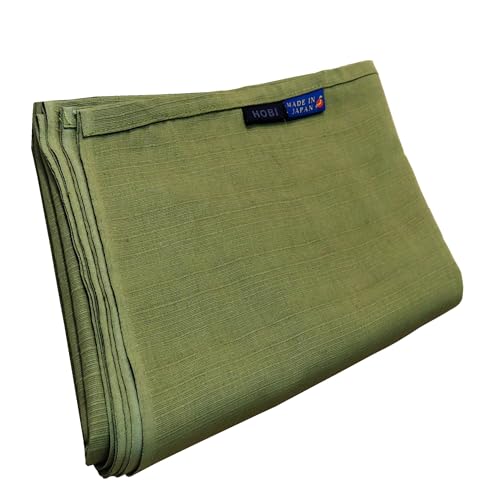
Based on the listing snapshot, the item is a single-panel Hamamatsu chusen tenugui in Enshu cotton, dyed through both faces, with cut (selvage-free) ends. The data available for this guide is thin: the fetched search returned no live Amazon US or marketplace pricing records, so the figures below are drawn from the listing identifier and the published product description rather than a live price pull. Treat dimensions as approximate and verify the current listing before purchase.
Hamamatsu Chusen Tenugui
HOBI【日本製】野営タオルtenugui (70×45cm M) 遠州染め [職人による注染] シャンタン生地/綿100% 吸水速乾 軽量 薄手 スポーツ キャンプ ソロ ブッシュクラフト レジャー オリーブドラブ【MADE IN JAPAN】
残り8点 ご注文はお早めに · Sold by ホビ(HOBI) OFFICIAL STORE【公式】 · ASIN B0DWZC5YXK
Price and availability as of 2026-09-01 05:22 JST. The Amazon listing at the time of purchase is authoritative. jpmono.com earns a commission on qualifying purchases at no extra cost to you.
| Attribute | Published value | Source |
|---|---|---|
| Material | 100% cotton (Enshu cotton) | Amazon JP Global Store listing |
| Dyeing method | Chusen (注染) pour-dyeing — color reaches both faces | Maker direct / listing |
| Approx. size | ~90 × 34 cm (standard tenugui) | Listing description |
| Edges | Selvage-free, cut at both ends (intentional) | Maker direct |
| Origin | Hamamatsu, Shizuoka (Enshu region) | Maker direct |
| Item ID (ASIN) | B08V36R7TL | Amazon JP Global Store |
| Price (US) | Varies — no live USD record at time of writing | Amazon US (search) |
| Price (JP) | Check live listing — pricing not captured in fetched data | Amazon JP Global Store |
Data note: the price fetch for this guide returned no live records. Both USD and JPY figures should be confirmed on the listing before buying; the JPY price on the Amazon JP Global Store page is the authoritative one for this specific item.
📖 Glossary — key terms in this guide
Tenugui (手ぬぐい) — a thin, flat cotton cloth roughly 90 × 34 cm, cut open at both ends with no hemmed selvage. Used for drying, wrapping, head covering, and display.
Chusen (注染, “poured dyeing”) — a late-Meiji dyeing method in which stacked layers of cotton are stencil-resisted with paste, then dye is poured down through the stack so color penetrates every layer on both faces. Distinct from one-sided screen printing.
Enshu (遠州) — the historical name for the western part of present-day Shizuoka Prefecture, including Hamamatsu and the Tenryu River delta.
Shokunin (職人) — a skilled craftsperson; in chusen, the dyer who judges paste, water, and pour by hand.
Aizome (藍染め) — vat indigo dyeing (e.g., Tokushima’s Awa aizome), a different tradition from chusen; aizome dips cloth in a living indigo vat, whereas chusen pours pigment through a stencil.
Where this comes from — place, era, and the craft tradition

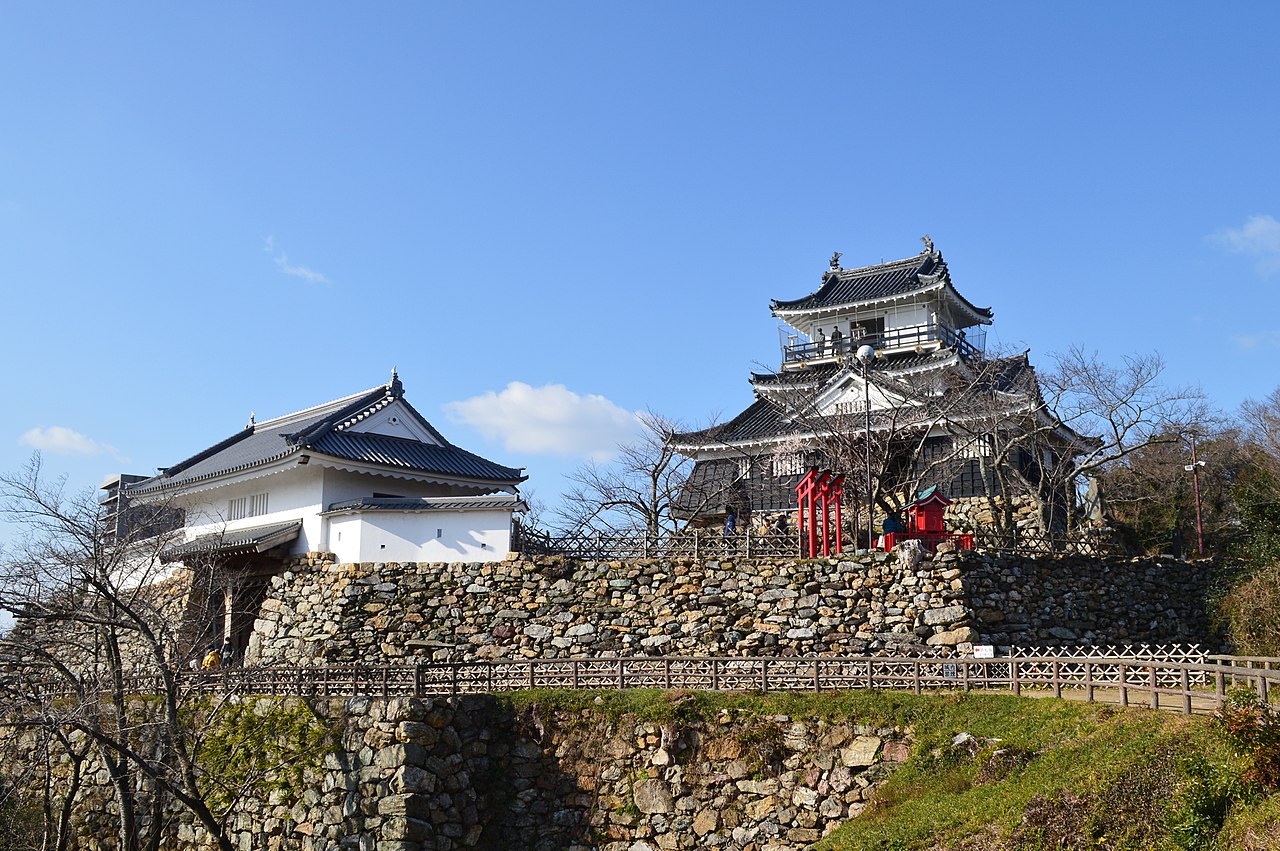
Hamamatsu is the largest city of western Shizuoka, the region historically called Enshu (遠州). It occupies the flat alluvial plain where the Tenryu River reaches the Pacific, between the river delta and the dune-lined Enshunada coast. Tokugawa Ieyasu — the warlord who would unify Japan and found the Edo shogunate — held Hamamatsu Castle as an early stronghold, and the castle town’s merchant economy grew, over the following centuries, around one crop above all others: cotton.
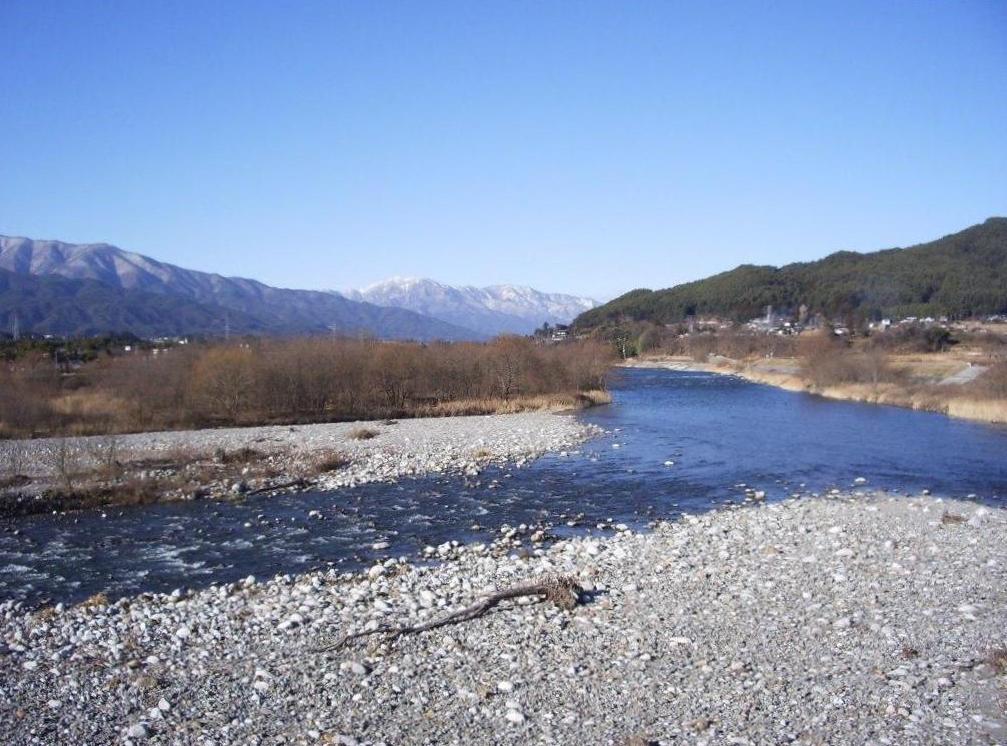
Three conditions made Enshu a cotton country. The climate is warm. The Tenryu delta laid down sandy, well-drained alluvial soil that cotton prefers. And the river supplied the steady water that weaving and dyeing both demand. Together these made the Enshu plain one of Japan’s three great cotton-weaving districts, alongside neighboring Mikawa and Chita on the same stretch of the Tōkai coast.
That weaving economy did something larger than fill local looms.
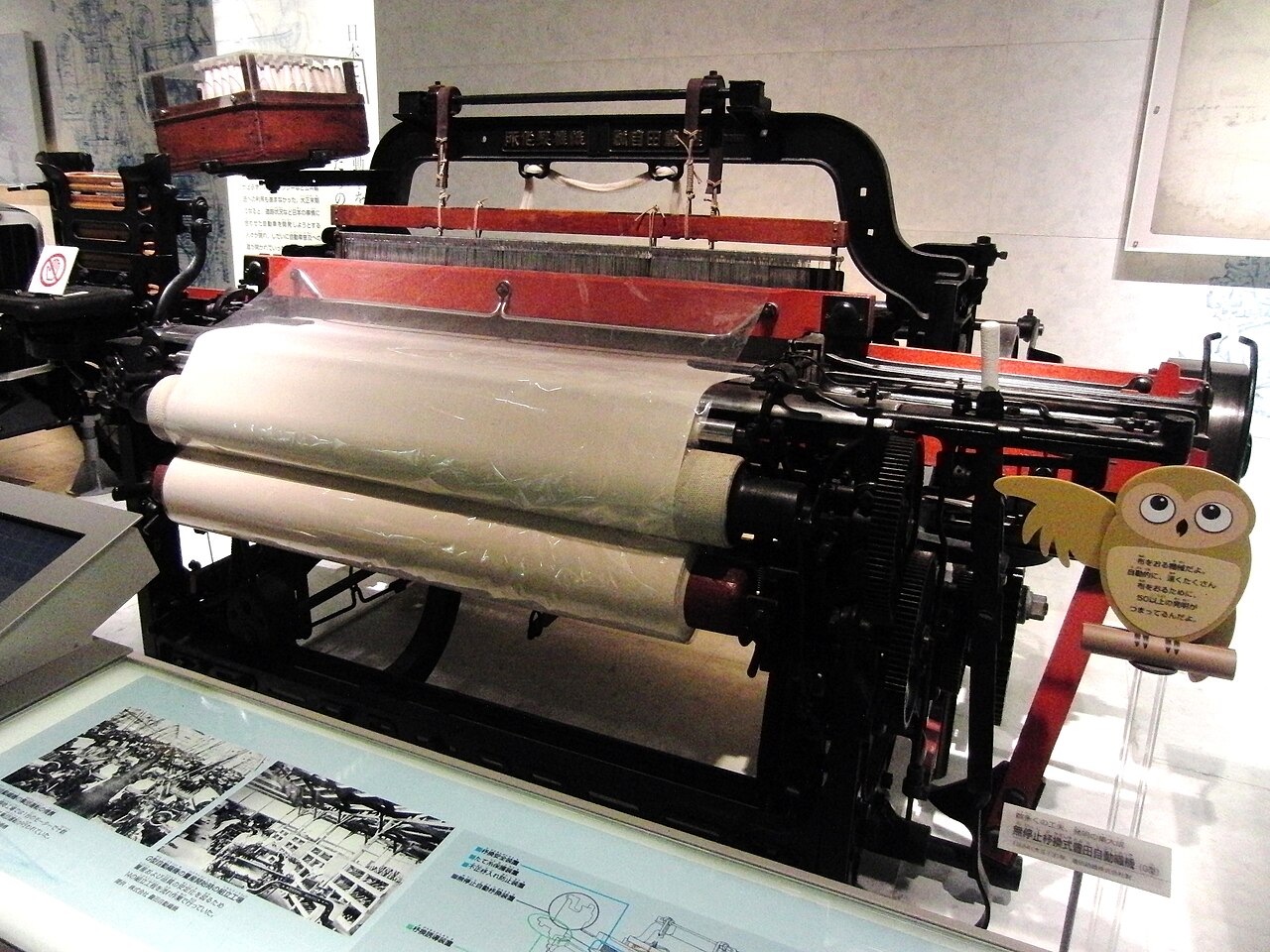
Hamamatsu’s loom culture made it the cradle of Japan’s modern textile-machine industry. Sakichi Toyoda — whose work became the root of the Toyota group — invented his automatic power loom in this Enshu heartland. Suzuki and Kawai, both later famous for other products, likewise began life as Enshu loom and reed makers. The same density of cloth knowledge that produced power looms also welcomed a new dyeing method when it arrived.
That method was chusen (注染, “poured dyeing”), a late-Meiji technique. Stacked layers of cotton are stencil-resisted with paste, and dye is then poured down through the stack so color soaks into every layer and reaches both faces of the cloth. The product is soft, breathable, and reversible — fundamentally different from one-sided printed fabric. Hamamatsu became one of the three centers of chusen in Japan, and the tenugui — the selvage-free hand towel cut at both ends — is its signature product.
“Chusen does not print a picture onto cloth; it pours color through it — which is why a true Hamamatsu tenugui has no front and no back, only two faces of the same pattern.”
-
c. 1570 — Tokugawa Ieyasu makes Hamamatsu Castle an early stronghold, anchoring the castle town. -
Edo period (1603–1868) — The Enshu plain becomes one of Japan’s three great cotton districts, with Mikawa and Chita. -
c. 1896 — Sakichi Toyoda develops a power loom in the Enshu textile heartland (the root of the Toyota group). -
Late Meiji (c. 1900) — Chusen (注染) pour-dyeing takes hold; Hamamatsu becomes one of Japan’s three chusen centers. -
1924 — The Toyoda automatic loom is completed, cementing Hamamatsu’s textile-machine industry. -
20th century — Suzuki and Kawai begin as Enshu loom and reed makers before diversifying. -
2026 — Chusen tenugui are still hand-dyed in Hamamatsu workshops, on Enshu cotton.
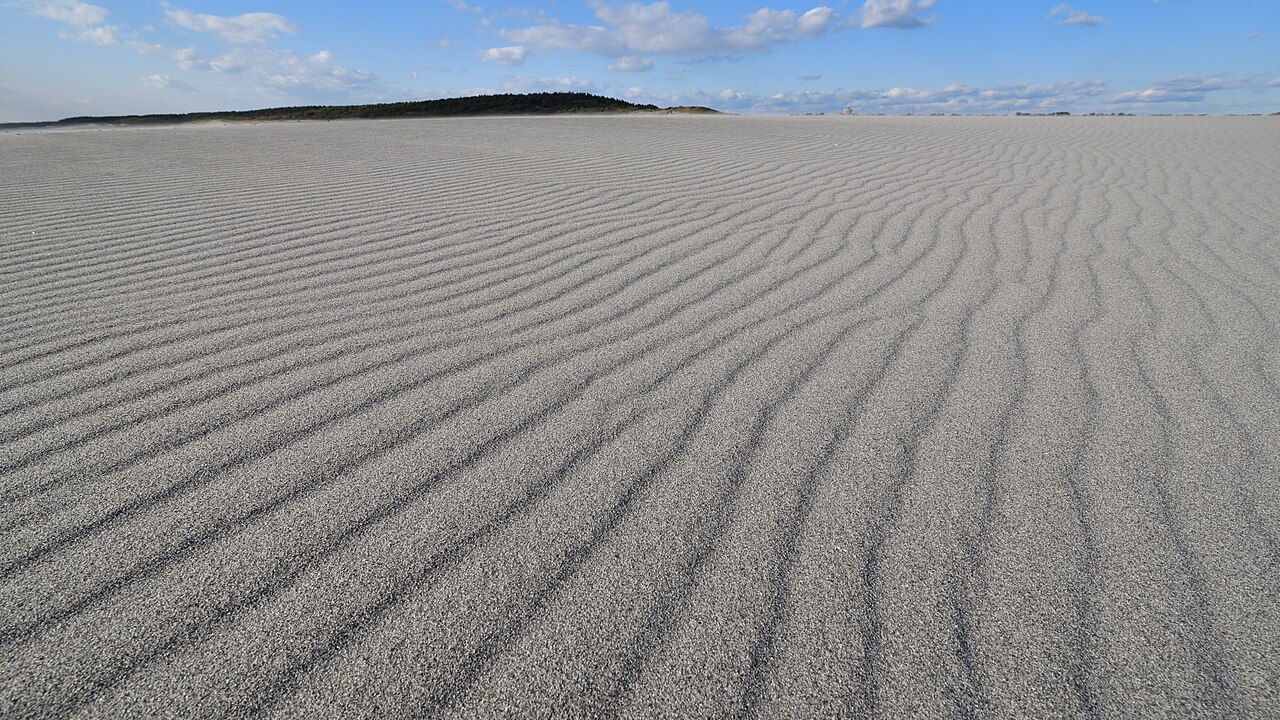
Stand on the Nakatajima dunes today and the geography reads at a glance: river behind, sea ahead, a warm flat plain in between. That is the cotton country that fed the looms, the looms that grew the machines, and the dye-houses that still pour color through cloth in the same city. A Hamamatsu chusen tenugui is a small, inexpensive object that carries all of that lineage in a single panel of cotton.
Vat-indigo tenugui from Tokushima — the dip-dye contrast to chusen.
 🌀 Arimatsu Shibori
Resist-shaped Tōkai cloth — another regional dyeing method.
 🧵 Banshu-ori Handkerchief
Yarn-dyed cotton — color woven in, not poured on.
 🎁 Kyo Yuzen Furoshiki
Kyoto wrapping cloth — the larger cousin for gift-wrapping.
 🎐 Suruga Bamboo Wind Chime
Another Shizuoka craft — pairs as a same-prefecture gift.
 🍵 Shitoro-yaki Yunomi
Shizuoka pottery — the tea cup beside the cloth.
 🪡 Chichibu Meisen Stole
Silk meisen — a different reversible-cloth tradition.
Price snapshot across stores
The price fetch for this guide returned no live records, so the snapshot below describes the realistic purchase paths rather than current figures. Confirm pricing on each store page before buying.
| Store | Item / variant | Price (JPY + USD est.) | Notes |
|---|---|---|---|
| 🇺🇸 Amazon US (search) | Browse Japanese tenugui & chusen cotton cloth | Varies (USD) | Best if you are shopping from the US — Prime shipping, USD pricing, no customs to clear. Amazon US carries Japanese tenugui and cotton cloth from several makers, useful for comparing patterns and price tiers. This specific Hamamatsu listing is sourced from Japan (next row). |
| 🇯🇵 Amazon JP Global Store | This exact Hamamatsu chusen tenugui (ASIN B0DWZC5YXK) | Check live listing (price not in fetched data) | Ships internationally from Japan to most major destinations. The JPY price here is authoritative for this item. |
| Maker direct | Hamamatsu chusen workshop catalog | Varies | Some chusen dye-houses sell direct but may not ship abroad; often Japanese-language only. |
| Proxy services (Buyee / Tenso) | Forwarding for JP-only listings | Item + forwarding fee | Useful when a workshop or store ships only within Japan; adds a forwarding fee and a second leg of postage. |
USD figures are approximate and depend on the exchange rate (≈ ¥150/USD baseline as of mid-2026); the JPY price is the authoritative one for the specific listed item. International shipping via Amazon JP Global Store typically runs about $15–$40 to the US and EU, higher elsewhere; orders above local thresholds may incur customs duties.
What it does well
Weaknesses and things to verify before buying
- Not an absorbent bath towel. This is a thin flat weave; it dries hands and dishes well but will not replace plush terry.
- The cut ends fray at first. Selvage-free edges shed a few threads for the first several washes before they self-stabilize — intentional, but surprising if unexpected.
- Early color bleed is possible. As with most pour-dyed cloth, wash separately the first few times; verify care instructions on the listing.
- Soft-edged pattern, not sharp print. Chusen gives gentle, slightly bleeding outlines — beautiful, but not the crisp resolution of a photographic print.
- Pricing and stock were not captured. The fetched data returned no live price; confirm the current figure and availability on the listing before ordering.
- Pattern/colorway specifics are listing-dependent. Do not assume a particular motif; check the live listing’s own images and options.
- International shipping and duties vary. Confirm that the Amazon JP Global Store ships to your country and budget for possible customs on larger orders.
Conclusion — which buyer type are you?
Other ways to approach this purchase
🏆 Editor’s Pick
❓ Frequently Asked Questions
What is chusen, and how is it different from a printed tenugui?
Why are the ends of a tenugui left unfinished?
How should I wash a chusen tenugui?
Can I buy this from outside Japan?
Where does the cotton actually come from?
How does Hamamatsu chusen compare to Awa aizome indigo?
What can I use a tenugui for besides drying hands?
jpmono.com is curated by a Japan-based editorial team (working out of Toyama in the Hokuriku region and Nara in Kansai) and is independent. We do not take payment from the makers we feature; income comes from affiliate links. We do not physically test every product — we read maker specs and source listings. Read more about our editorial standards.
🤖 This article was drafted with AI assistance and reviewed against the source listing data before publication. Facts about the craft and region are drawn from the provided source notes; where live pricing or stock data was unavailable, the article says so rather than estimating.
Affiliate disclosure: jpmono.com may earn a commission on qualifying purchases made through links on this page, at no additional cost to you.