![Miki Uchihamono Ryoba: Japan’s Double-Edged Pull Saw Guide [2026]](https://jpmono.com/wp-content/uploads/2026/05/japan-map-regions-and-prefectures-800x1050.png)
The Miki Uchihamono (三木打刃物, “Miki forged edge-tools”) ryoba is a double-edged Japanese pull saw, made in the city of Miki in Hyogo Prefecture — a town that has identified itself for centuries as Japan’s kanamono no machi (金物の町, “city of hardware”). A ryoba (両刃, “double-blade”) carries two different sets of teeth: rip teeth along one edge for cutting with the grain, and crosscut teeth along the other for cutting across it. One tool, two jobs.
What makes it notable outside Japan is the mechanics of the cut. A Japanese saw cuts on the pull stroke rather than the push, which keeps the thin blade in tension instead of buckling. That lets the steel be ground far thinner than a Western push saw, producing a narrow kerf, less wasted wood, and a cleaner line. Over the past two decades this has earned Japanese pull saws — and Miki’s in particular — a large following among Western furniture makers, joiners, and hobby woodworkers.
This guide is written for the international reader deciding whether a Miki ryoba belongs in their tool roll, and how to buy one from outside Japan. It covers what the tool is, where it comes from, how it compares to other Japanese blade traditions, the international shipping picture, and the honest caveats — including who should skip it. Pricing changes across retailers and importers, so no stale figure is quoted.
📅 Published: June 21, 2026
🔄 Last updated: June 21, 2026
⏱️ Read time: ~10 min
Who this is for — and who should skip it
- Want one saw that handles both rip and crosscut work
- Value a thin kerf and a clean, splinter-free cut
- Already cut on the pull stroke, or want to learn the technique
- Do fine joinery, dovetails, or finish carpentry
- Prefer a tool tied to a documented regional craft tradition
- Only ever make rough cuts in construction lumber
- Instinctively bear down on a push stroke and won’t adapt
- Need to cut metal, masonry, or pressure-treated timber
- Want a saw you can sharpen yourself with Western files
- Are unwilling to source replacement blades from Japan
Product overview (from published specs)
A Miki Uchihamono ryoba is described here through its general characteristics. Details not established in this guide are marked rather than guessed.
| Attribute | Detail (per recommendation profile) |
|---|---|
| Type | Ryoba (double-edged) Japanese pull saw — rip teeth on one edge, crosscut on the other |
| Maker / origin | Miki Uchihamono — Miki, Hyogo Prefecture, Japan (a METI-designated traditional craft) |
| Representative brands | Gyokucho, SUIZAN and similar Miki/Hyogo makers |
| Blade length | Approximately 240 mm (a common general-purpose size) |
| Steel | Carbon steel (typical for this category) |
| Blade | Replaceable blade design (typical for this category) |
| Cutting action | Cuts on the pull stroke |
| Weight | Confirm with the seller |
| Price | Check current availability |
The craft background draws on maker references and the documented Miki Uchihamono tradition. Details not established in this guide are marked “Unconfirmed.”
📖 Glossary — key terms
Ryoba (両刃, “double-blade”) — a saw with two cutting edges: rip teeth on one side, crosscut teeth on the other.
Uchihamono (打刃物, “forged edge-tools”) — blades and edge-tools made by forging, the category Miki is designated for.
Kanamono no machi (金物の町, “city of hardware”) — Miki’s long-standing nickname for its concentration of metal- and tool-makers.
Daiku (大工, “carpenter”) — the carpentry trade whose demand seeded Miki’s edge-tool industry.
Nokogiri (鋸, “saw”), nomi (鑿, “chisel”), kanna (鉋, “plane”), sashigane (差し金, “carpenter’s square”) — the core carpentry edge-tools Miki is known for.
Kerf — the width of the slot a saw removes as it cuts; a thinner kerf wastes less wood.
METI — Japan’s Ministry of Economy, Trade and Industry, which designates protected traditional crafts.
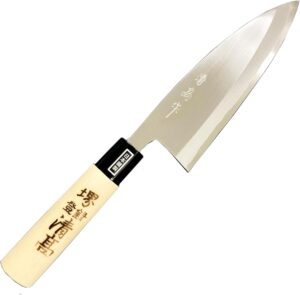
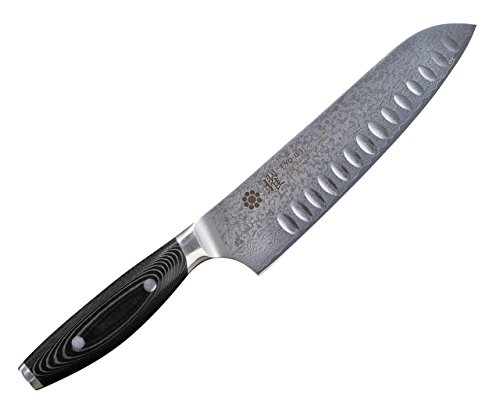
Other Japanese blade and craft traditions we have covered — useful for placing the Miki ryoba in context:
Where this comes from

Miki sits in the interior of Hyogo Prefecture, in the part of the region historically known as Banshu (播州), west of the prefecture’s two great coastal cities, Kobe and Osaka’s neighbor Akashi. Hyogo is a place defined by metal and water: it stretches from the Sea of Japan in the north to the Seto Inland Sea in the south, and its craft identity runs from temple smiths through edge-tool towns to the engineering of the modern era.
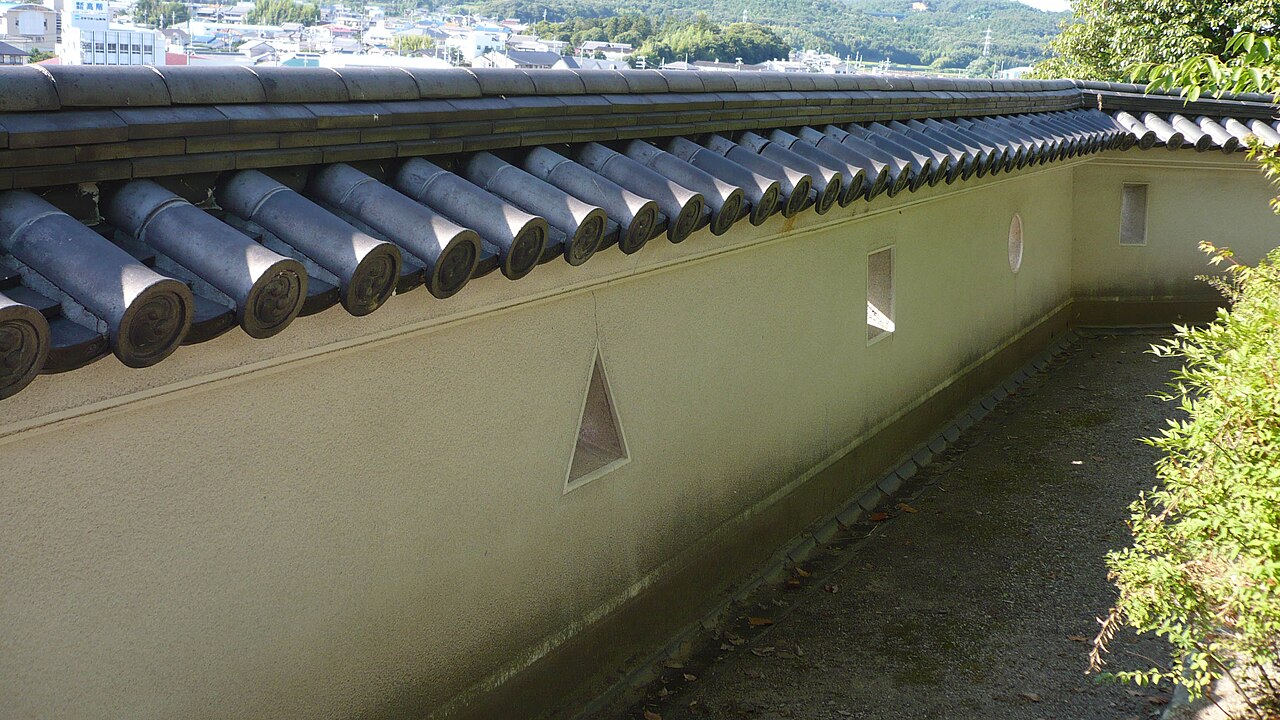
The town’s identity as Japan’s kanamono no machi (“city of hardware”) has a sharp historical origin. Between 1578 and 1580, during Japan’s age of warring states, the warlord Hashiba Hideyoshi — later known as Toyotomi Hideyoshi — laid a two-year blockade against the castle of Bessho Nagaharu. The siege starved the defenders out and razed the castle town to the ground.
What happened next is the reason the saws exist. Carpenters (daiku) gathered from across the region to rebuild the destroyed town, and where carpenters concentrate, blacksmiths follow to forge and repair their tools. That sustained demand for carpentry edge-tools turned Miki into a center for nokogiri (saws), nomi (chisels), kanna (planes), and sashigane (carpenter’s squares). The craft that grew out of the ashes of one siege became, over the following centuries, Miki Uchihamono — today a craft designated and protected by Japan’s Ministry of Economy, Trade and Industry (METI).
- 1578 — Hashiba (Toyotomi) Hideyoshi begins his two-year blockade of Miki Castle.
- 1580 — Bessho Nagaharu’s castle falls and the castle town is razed.
- Late 16th century — Carpenters gather to rebuild the town; blacksmiths follow to forge their tools.
- Edo period (1603–1868) — Miki becomes a recognized center for carpentry edge-tools: saws, chisels, planes, and squares.
- Modern era — Miki Uchihamono is designated a protected traditional craft by METI.
- Today — Miki’s streets remain lined with edge-tool and hardware makers, and the city still hosts its annual Miki Kanamono (hardware) Festival.
“The craft that grew out of the ashes of one siege became, over the following centuries, the toolmaking identity of an entire city.”
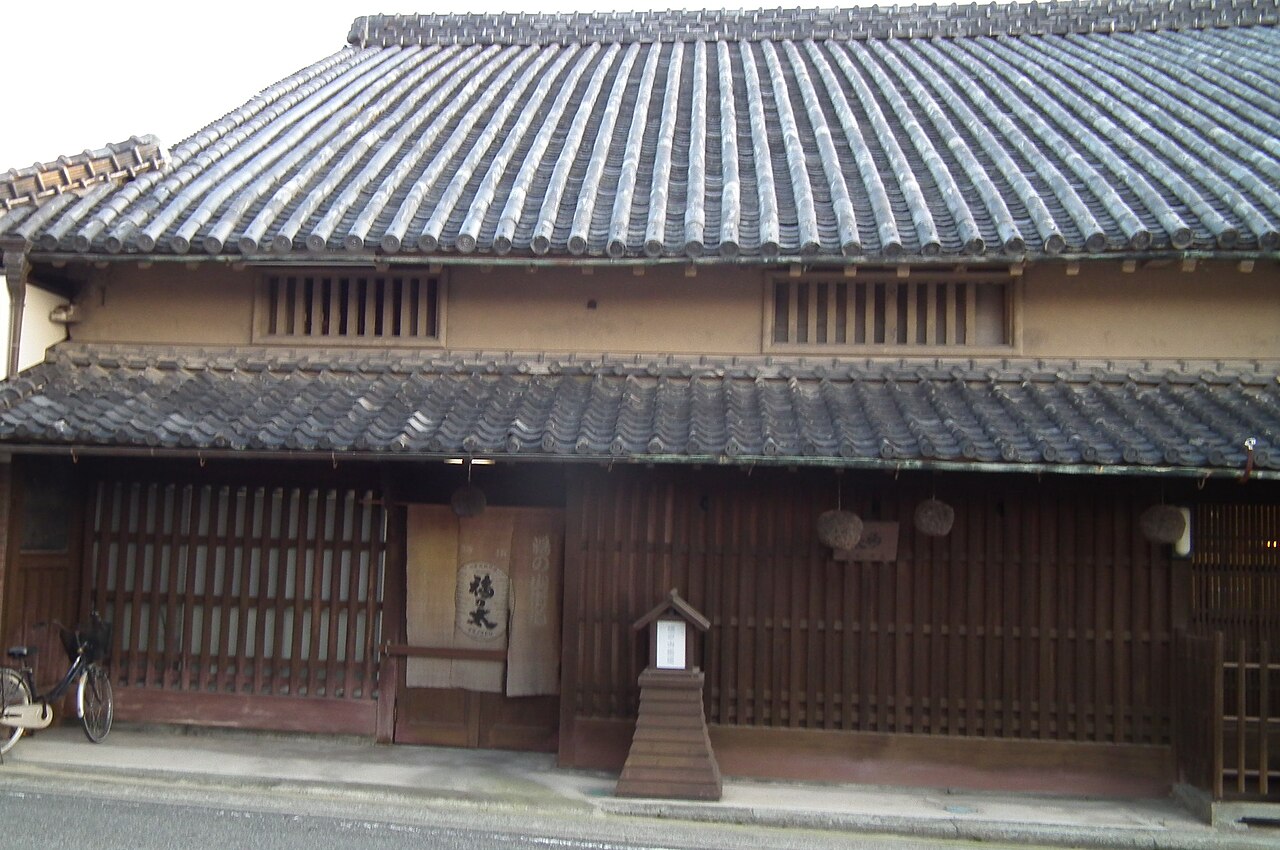
That identity is not a museum piece. Walk Miki’s older districts and you still find edge-tool workshops and hardware makers operating side by side, the same trade that the rebuilding carpenters set in motion. The continuity is visible once a year at the Miki Kanamono Festival, when the town’s tool- and hardware-makers put their work on display — a living version of the same craft economy that the 1580 reconstruction created.
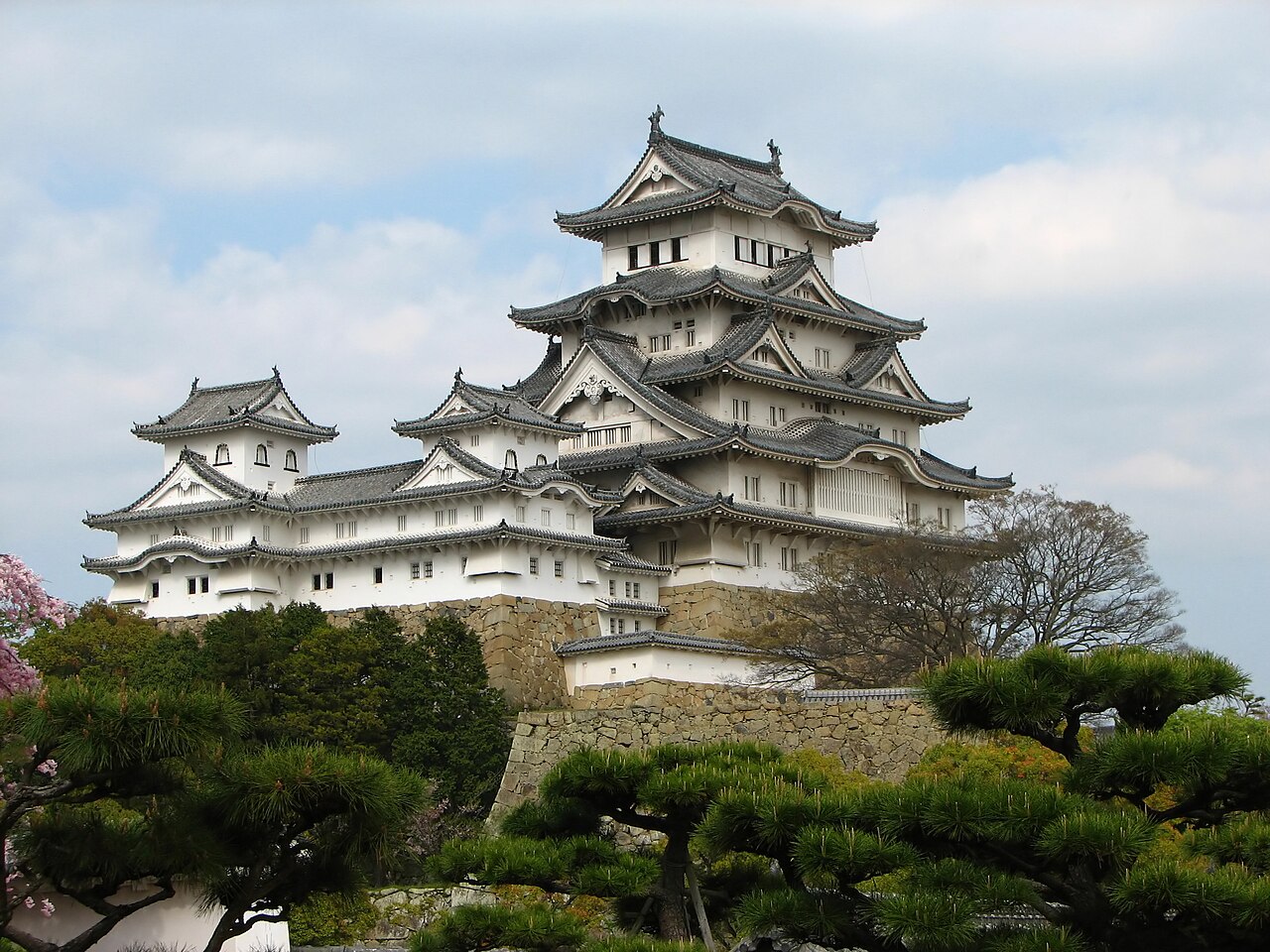
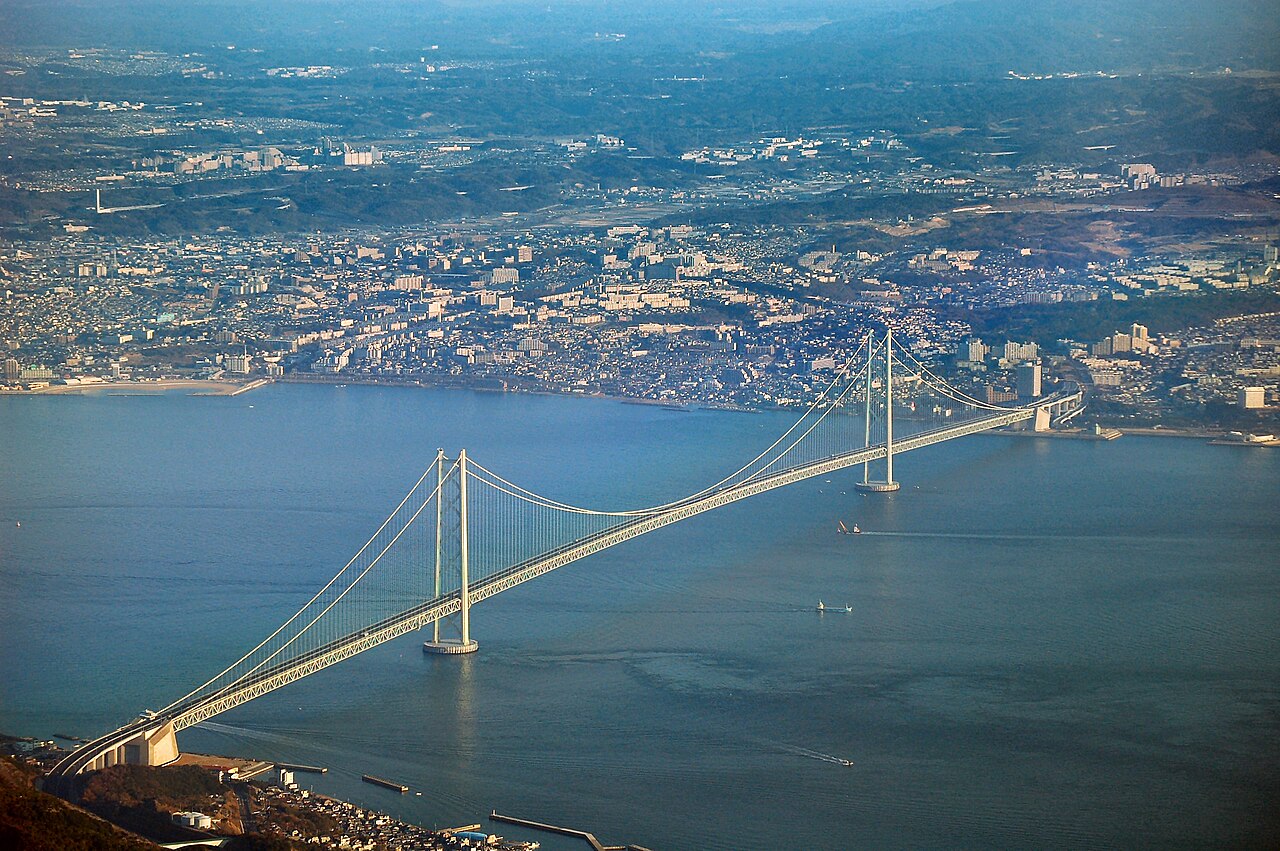
Hyogo’s metalworking story runs well beyond hand tools. The same prefecture that produced Miki’s carpenters’ saws and the UNESCO-listed Himeji Castle also built the Akashi Kaikyo Bridge, for years the longest suspension bridge in the world. Temple smith, edge-tool forge, and bridge engineer belong to one continuous regional culture of working metal — and a Miki ryoba is a small, affordable entry point into it.
Buying options compared
This guide does not quote a current price for a particular saw. USD amounts, if shown elsewhere, are approximate and depend on the exchange rate (¥150/USD baseline as of mid-2026).
| Store | Item / Variant | Price | Notes |
|---|---|---|---|
| 🇺🇸 Amazon US (search) | Browse Japanese pull saws (ryoba, dozuki, kataba) | varies (USD) | For shoppers in the US, Amazon US offers Japanese pull saws from Gyokucho, SUIZAN, and others; Japan-based sellers may require international shipping or customs. |
| 🇯🇵 Amazon JP Global Store | Miki Uchihamono ryoba | Check current availability | Ships internationally from Japan to most major destinations. |
| Maker direct | Miki edge-tool makers / hardware co-ops | Varies | Some Miki makers sell direct, often Japanese-language only and without international shipping; a proxy may be required. |
| Proxy services (Buyee / Tenso) | Forwarding from JP-only shops | Item price + fees + shipping | Useful when a maker or shop does not ship abroad; adds a service fee and consolidated forwarding cost. |
What it does well
Weaknesses and things to verify before buying
- Technique change. If you are used to Western push saws, the pull stroke takes adjustment; bearing down out of habit can kink or snap the thin blade.
- Carbon steel care. Carbon-steel blades can rust if stored damp; they need wiping and dry storage, and are not meant for wet or outdoor abuse.
- Wrong material is a deal-breaker. These are wood saws. Cutting metal, masonry, nails, or pressure-treated lumber will ruin the teeth.
- Sharpening is not DIY-friendly. The hardened, fine impulse-hardened teeth on many of these saws are not practically resharpened with Western files — the replaceable-blade route is the intended fix.
- Replacement-blade sourcing. Confirm that replacement blades for your specific model are available internationally before you commit, or budget for proxy shipping from Japan.
Conclusion — which buyer type are you?
Other ways to approach this purchase
❓ Frequently Asked Questions
What is a ryoba saw, and how is it different from other Japanese saws?
Why does a Japanese saw cut on the pull stroke?
Can I ship a Miki ryoba outside Japan?
How do I care for the blade?
Can I sharpen the teeth myself?
What size should I get?
Is a Miki saw worth it over a generic Japanese pull saw?
jpmono.com is curated by a Japan-based editorial team (working out of Toyama in the Hokuriku region and Nara in Kansai) and is independent. We do not take payment from the makers we feature; income comes from affiliate links.
Affiliate disclosure: jpmono.com may earn a commission on qualifying purchases made through links on this page, at no additional cost to you.