![Iwayado Tansu Keyaki Wood Chest with Nanbu Iron Hardware: Where to Buy [2026]](https://jpmono.com/wp-content/uploads/2026/06/iwayado-tansu-keyaki-iron-chest-where-to-buy-2026-featured.jpg)
Iwayado Tansu (岩谷堂箪笥, “Iwayado chest”) is a heavy, formal Japanese cabinet built around three materials that rarely appear together in a single piece of Western furniture: keyaki (欅, Japanese zelkova) for the visible faces, kiri (桐, paulownia) for the drawer interiors, and elaborate hand-forged iron hardware. It has been made in Iwayado — today the Esashi ward of Oshu City, in southern Iwate Prefecture — since roughly the Tenmei era of the 1780s, when the local branch lords of the Date clan encouraged cabinetmaking and ironwork as a domain industry.
What sets the chest apart internationally is not the wood, handsome as zelkova is, but the metalwork bolted across it. The face plates, corner guards, and lock escutcheons are hand-forged iron decorated with cranes, peonies, and karajishi (唐獅子, “Tang lions”), often paired with warabite-style (蕨手, “fern-frond”) lock plates. That ironwork is a direct cousin of the Nambu casting tradition that gave the same prefecture its famous tetsubin kettles. The Ministry of Economy, Trade and Industry (METI) designated Iwayado Tansu a traditional craft in 1982.
This guide is written for international buyers weighing one of these chests as furniture, heirloom, or statement storage piece. It covers what the published listings actually show, where the craft comes from, how it compares to lighter paulownia chests and to other Tohoku woodwork, and — because supply is thin and prices move — exactly where to buy and what to verify first. Note up front: only the Amazon JP listing snapshot is available for the specific item below, and live pricing may have shifted since the writing date.
🗓️ Published: · Last updated: · ⏱️ Read time: ~11 min

- Who this is for — and who should skip it
- Product overview (from published specs)
- Where this comes from
- Price snapshot across stores
- What it does well
- Weaknesses and things to verify before buying
- Conclusion — which buyer type are you?
- Other ways to approach this purchase
- 🏆 Editor’s Pick
- ❓ Frequently Asked Questions
Who this is for — and who should skip it
- Want a heirloom-grade Japanese cabinet with visible, hand-forged metalwork rather than minimalist plywood storage.
- Value zelkova grain and traditional kijiro lacquer that deepens with age.
- Are furnishing a tokonoma alcove, entryway, or display corner where the chest is meant to be seen.
- Appreciate METI-designated traditional crafts and want regional provenance you can trace.
- Can accommodate a dense, solid-wood piece and are comfortable buying furniture that ships from Japan.
- Need lightweight, flat-pack, or easily relocated storage — these chests are heavy.
- Are price-sensitive; authentic Iwayado work sits well above mass-market furniture.
- Want a guaranteed exact color or finish — finishes vary by maker and batch.
- Cannot absorb international furniture shipping cost and possible customs duty.
- Prefer modern matte hardware; the ornate iron face plates are the whole point here.
Product overview (from published specs)
Published data on this specific listing is limited. The table below reflects what the Amazon US search path and the Amazon JP Global Store listing show, supplemented by maker-direct and METI descriptions of the craft category. Where a value is not confirmed in the fetched data, it is marked rather than guessed.
Iwayado Tansu Keyaki Wood Chest with Nanbu Iron Hardware
岩谷堂箪笥 美郷6号 巾90cm 奥行45cm 高さ85cm 忍び(隠し箱)3箇所付 G999
通常1~2週間以内に発送します。 · Sold by Amazon.co.jp · ASIN B01M63H2KR
Price and availability as of 2026-08-31 02:30 JST. The Amazon listing at the time of purchase is authoritative. jpmono.com earns a commission on qualifying purchases at no extra cost to you.
| Attribute | Detail (per listings + maker / METI sources) |
|---|---|
| Craft | Iwayado Tansu (岩谷堂箪笥) — METI-designated traditional woodwork (1982) |
| Type | Small keyaki drawer chest (kobako / accessory-scale) |
| Primary wood | Keyaki (zelkova) visible faces over kiri (paulownia) drawers |
| Finish | Kijiro-nuri (木地呂塗) — translucent lacquer showing the grain |
| Hardware | Hand-forged iron (tetsu-kazari): cranes, peonies, karajishi lions, warabite lock plates |
| Origin | Iwayado / Esashi ward, Oshu City, Iwate Prefecture, Tohoku |
| Item ID (Amazon JP) | B01M63H2KR |
| Dimensions / weight | Unconfirmed — check the live listing before buying |
| Price | Not captured in the fetched snapshot — verify on the listing (JPY is authoritative) |
Sources: Amazon US search (primary, moonill-20) + Amazon JP Global Store (secondary, moonill-22, sourced listing) + maker-direct and METI craft descriptions. Specs not present in the fetched JSON are marked “Unconfirmed.”
📖 Glossary — key terms
- Tansu (箪笥) — a traditional Japanese chest of drawers or cabinet, historically used for clothing, documents, or merchant goods.
- Keyaki (欅) — Japanese zelkova, a hard, ring-porous hardwood prized for its bold grain and durability.
- Kiri (桐) — paulownia, a very light, moisture-regulating wood used for drawer interiors and storage boxes.
- Kijiro-nuri (木地呂塗) — a translucent lacquer finish that lets the wood grain show through while protecting it.
- Tetsu-kazari (鉄飾) — decorative hand-forged iron hardware applied to the chest’s faces and corners.
- Warabite (蕨手) — a “fern-frond” curl motif, an old northern Japanese metalworking form, used here on lock plates.
- Nambu (南部) — the historical name of the domain covering much of present-day Iwate, also attached to its ironwork (Nambu tekki).
- METI designation — recognition by Japan’s Ministry of Economy, Trade and Industry as a traditional craft (dentō kōgeihin).
Related jpmono guides — other Iwate crafts, paulownia and joinery chests, Tohoku woodwork and lacquer, and tansu iron hardware.
 Iwate’s Nambu iron craft
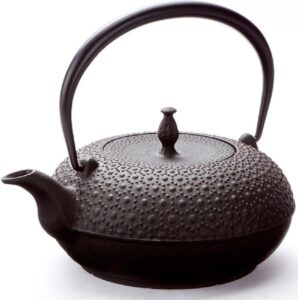
Oigen Nambu tetsubin iron kettle
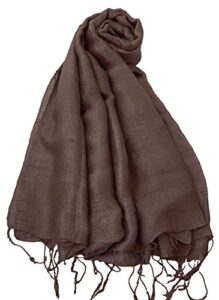 Another Iwate craft
Iwate Homespun wool scarf
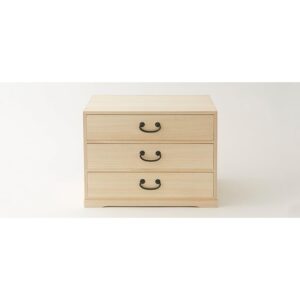 Paulownia chest
Kasukabe Kiri accessory chest
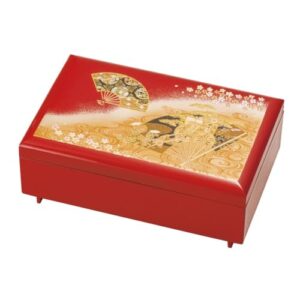 Joinery wood box
Kyo Sashimono paulownia box
 Carved woodwork
Hida Ichii ittobori yew netsuke
 Tohoku woodcraft
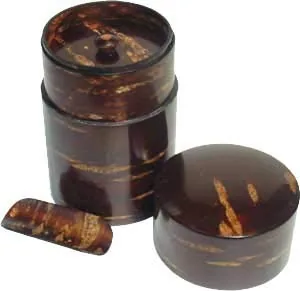
Kabazaiku cherry-bark tea caddy
 Tohoku kijiro lacquer
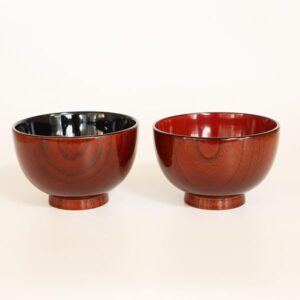
Naruko Shikki kijiro soup bowl
Tansu iron hardware
Sendai Tansu hand-forged iron trivet
Where this comes from

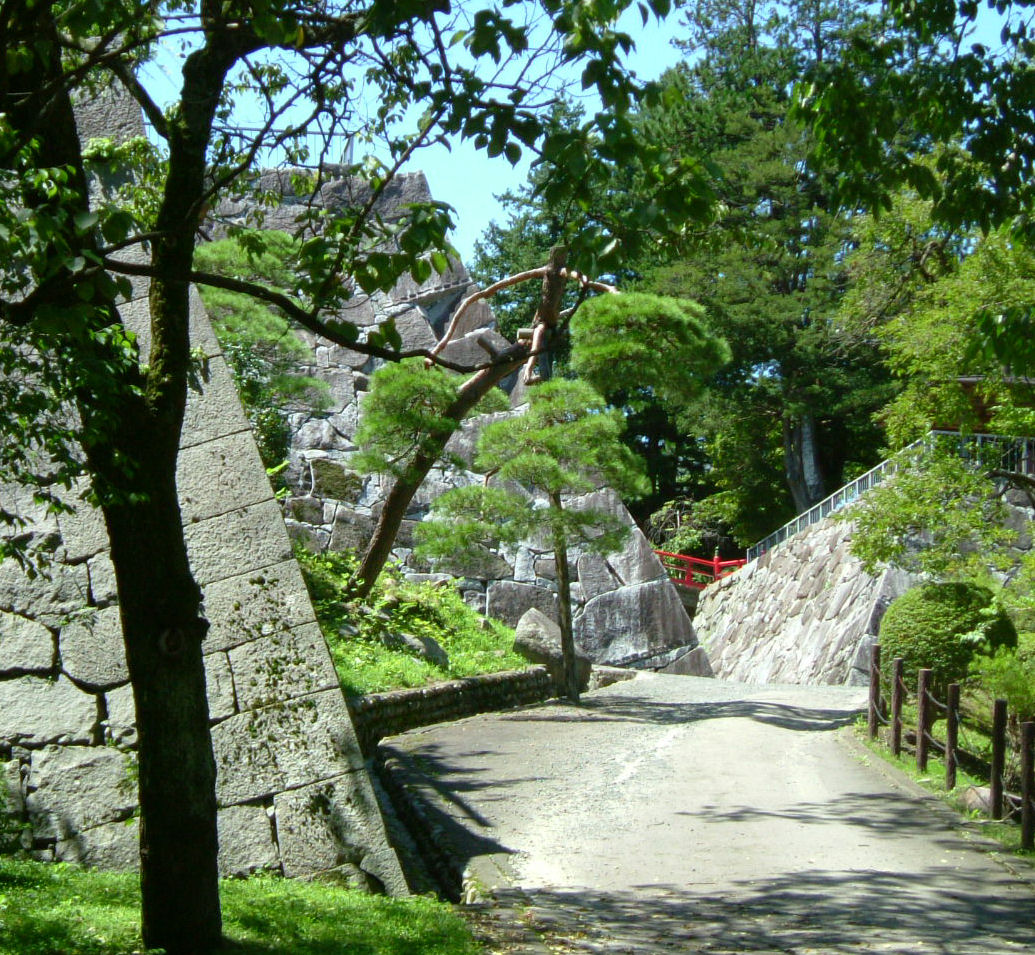
Iwate is Japan’s second-largest prefecture by area and one of its least densely populated, occupying the northeastern Pacific side of the main island of Honshu. Oshu City sits inland on the Kitakami river plain, ringed by timbered hills that historically supplied the zelkova and paulownia the cabinetmakers depend on. The Esashi ward — the old Iwayado — was a castle-and-market town under a branch of the Date clan, far enough from the great central workshops of Kyoto and Edo that local craft traditions developed their own distinct, heavier character.
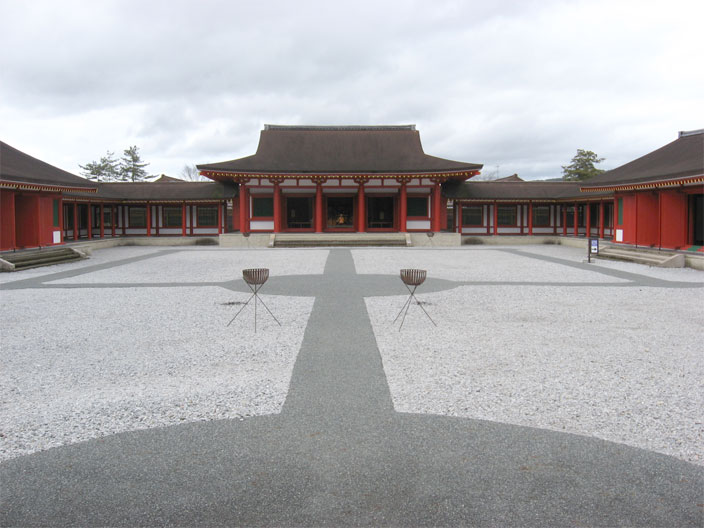
The deeper history of this corner of Iwate is unusually rich. Just to the north, in Hiraizumi, the Oshu Fujiwara family built a golden Buddhist capital in the 12th century. Their crowning monument, the gold-leafed Konjikido (金色堂, “Golden Hall”) at Chuson-ji, was completed in 1124 and survives today as a UNESCO World Heritage site. That a lacquer-and-gold, metal-rich aesthetic should take root in the same river valley is no coincidence — the region had centuries of practice marrying wood, lacquer, and precious metalwork before Iwayado Tansu emerged.

- 1124 — Konjikido completed at Chuson-ji in Hiraizumi, peak of the Oshu Fujiwara golden culture.
- 17th c. — Iwayado / Esashi develops as a Date-clan branch castle and market town.
- c. 1780s — Tenmei era: branch lords foster cabinetmaking and ironwork as a domain industry; Iwayado Tansu takes shape.
- 19th c. — Hand-forged iron face plates and warabite lock plates become the chest’s signature.
- 1982 — METI designates Iwayado Tansu a traditional craft (dentō kōgeihin).
- 2011 — Hiraizumi’s temples and gardens, including Chuson-ji, inscribed as a UNESCO World Heritage site.
- 2026 — A small number of Esashi workshops continue to build keyaki chests with hand-forged hardware.
The ironwork has its own genealogy. The historical Nambu domain that covered much of present-day Iwate is also the namesake of Nambu ironware — the cast tetsubin kettles for which the prefecture is internationally known. The hand-forged tetsu-kazari on an Iwayado chest belongs to that same northern metalworking world: cranes and peonies hammered flat, karajishi lions in relief, and the curling warabite lock plates whose form descends from old Tohoku iron design. Morioka, the former seat of the Nambu lords, remains a center of that tradition.
“The chest is built where gold-leafed temples and iron kettles already coexisted — so the marriage of zelkova, lacquer, and hammered iron was not an invention, but an inheritance.”
“Still being made here” is, today, a modest claim honestly stated. A small number of workshops in the Esashi area continue to produce Iwayado Tansu, joining cabinetmakers and metalworkers on each piece — the wood and the iron are separate trades that meet on the finished chest. Supply is limited and large pieces are made to order, which is part of why individual international listings appear and disappear. The continuity is real, but it is not industrial scale.
Price snapshot across stores
JPY is the authoritative price; USD figures are approximate estimates at a ¥150/USD baseline as of mid-2026. The fetched snapshot did not capture a confirmed price for this specific item — verify on the live listing before purchasing.
| Store | Item / variant | Price (JPY / USD est.) | Notes |
|---|---|---|---|
| 🇺🇸 Amazon US (search) | Browse Japanese tansu & wood chests | varies (USD) | Best if you’re shopping from the US — Prime shipping, USD pricing, no international customs. Amazon US carries Japanese-style chests and storage from various makers; the exact Iwayado piece ships from Japan (next row). |
| 🇯🇵 Amazon JP Global Store | Iwayado Tansu small keyaki chest (B01M63H2KR) | Check live listing (JPY authoritative) | The sourced listing for the specific item. Ships internationally from Japan to most major destinations. Price not captured in snapshot. |
| Maker direct | Esashi workshop / cooperative pieces | Varies; large pieces made to order | Widest size and hardware range, but most maker sites are Japanese-language and may not ship abroad directly. |
| Proxy services (Buyee / Tenso) | Forwarding for JP-only listings | Item price + forwarding fee + freight | Useful when a piece is listed only on Japanese marketplaces; expect higher freight for heavy furniture and possible customs duty. |
Prices and availability fluctuate; always confirm at the retailer before purchasing. USD figures are approximate and depend on the current exchange rate.
What it does well
Weaknesses and things to verify before buying
- Price not confirmed in the data. Only the Amazon JP listing snapshot is available, and it did not capture a price; live pricing may have shifted. Confirm the figure on the listing before committing.
- Dimensions and weight unconfirmed. The fetched data does not state size or mass. Solid keyaki chests are heavy — verify the exact measurements fit your space and that you can move it.
- Shipping cost and customs. Furniture is bulky; international freight from Japan can be substantial, and orders may incur customs duty above local thresholds. Budget for this separately from the item price.
- Finish and hardware vary. Lacquer tone and the specific iron motifs differ by maker and batch. Do not expect an exact match to any single photo; ask the seller about the actual piece.
- Limited, intermittent supply. Production is small-scale and large pieces are made to order, so individual listings appear and disappear. The exact item may sell out or be relisted under different terms.
- Care requirements. Lacquered hardwood and iron hardware dislike prolonged direct sun, dry heat, and damp. Confirm the seller’s care guidance, especially for placement near heating or humidity.
Conclusion — which buyer type are you?
Other ways to approach this purchase
🏆 Editor’s Pick
❓ Frequently Asked Questions
Does the Amazon JP Global Store ship Iwayado Tansu internationally?
The Amazon JP Global Store ships many household goods to most major destinations, and the listing for this item (B01M63H2KR) is the sourced path for international buyers. Because it is furniture, confirm the specific shipping options and cost shown at checkout for your country before ordering.
Why is the iron hardware such a big deal?
The hand-forged iron face plates and lock escutcheons — cranes, peonies, karajishi lions, and warabite lock plates — are what distinguish Iwayado Tansu from plainer chests. They share a lineage with the Nambu ironworking tradition that also produced Iwate’s famous tetsubin kettles.
What is the difference between keyaki and kiri in this chest?
Keyaki (zelkova) is a hard, boldly grained hardwood used for the visible faces, while kiri (paulownia) is a light, moisture-regulating wood used for the drawer interiors where contents are stored. The combination pairs a durable show surface with a protective interior.
How do I care for a lacquered keyaki chest with iron hardware?
Keep it out of prolonged direct sunlight and away from dry heat sources and damp. Wipe with a soft dry cloth rather than harsh cleaners. Confirm the seller’s specific care guidance, particularly for placement near heating or in humid rooms.
Is this a good gift?
A small Iwayado chest makes a substantial heirloom-style gift for someone furnishing a home or who values Japanese craft. Because supply is intermittent and shipping takes time, order well ahead of any occasion and confirm availability first.
How does it compare to a paulownia accessory chest?
A paulownia (kiri) chest is much lighter and usually less expensive, prized for moisture regulation rather than ornate metalwork. An Iwayado chest is heavier and more decorative, built around hardwood faces and hand-forged iron. See the paulownia and joinery chest guides in the comparison box above.
jpmono.com is curated by a Japan-based editorial team (working out of Toyama in the Hokuriku region and Nara in Kansai) and is independent. We do not take payment from the makers we feature; income comes from affiliate links. We do not physically test every product — we read maker’s specs and source listings.
This article was prepared with AI assistance and reviewed against the source listing data. Specs and prices reflect data available at the time of writing and may have changed.
Affiliate disclosure: jpmono.com may earn a commission on qualifying purchases made through links on this page, at no additional cost to you.