![Kiso Menpa Bentwood Bento Box: Where to Buy This Nagano Craft [2026]](https://jpmono.com/wp-content/uploads/2026/07/kiso-menpa-bentwood-bento-box-where-to-buy-2026-featured.jpg)
Kiso Menpa (木曽めんぱ, “Kiso bentwood”) is a lunch box made the slow way: a thin, quarter-sawn board of Kiso cypress or sawara is softened in hot water, bent into an oval hoop, and stitched shut with strips of wild cherry bark. It comes from the Kiso Valley in southern Nagano Prefecture — a narrow, forested corridor along the old Nakasendo highway, and one of Japan’s great timber lands. The object in this guide is the oval, single-tier bentwood box that generations of travelers, woodsmen, and farmers carried their midday rice in.
What makes it notable to an international buyer is not decoration — it is barely decorated at all — but physics. Untreated or lightly lacquered cypress breathes. It wicks moisture away from packed rice, so a portion cooked in the morning stays fluffy at noon instead of turning to a cold, sweaty clump. That single property is why the magewappa-style bentwood box has become a quiet export success, sold to home cooks abroad who want a lunch container that improves their food rather than just holding it.
This article is written from a Japan-based editor’s desk (we work out of Toyama in Hokuriku and Nara in Kansai) for readers buying from outside Japan. We cover what the box is, who it suits and who should skip it, how to read the specs, how the buying paths compare across Amazon US and the Amazon JP Global Store, and the maintenance realities that trip up first-time owners of raw-wood tableware.
🔄 Updated: July 1, 2026
⏱️ Read time: ~11 min

- Who this is for — and who should skip it
- Product overview (from published specs)
- Where this comes from — place, era, and the craft tradition
- Which finish should you choose?
- Price snapshot across stores
- What it does well
- Weaknesses and things to verify before buying
- Conclusion — which buyer type are you?
- Other ways to approach this purchase
- 🏆 Editor’s Pick
- ❓ Frequently Asked Questions
Who this is for — and who should skip it
- Pack rice-based lunches and want them to stay fluffy, not soggy, by noon
- Appreciate raw or lightly finished wood and its natural grain over printed plastic
- Are willing to hand-wash and air-dry, and to treat the box as a living material
- Want a single, durable object with a clear regional provenance
- Like the light weight of bentwood for a bag-carried daily lunch
- Want a dishwasher- and microwave-safe container you never think about
- Pack wet, oily, or heavily sauced foods that stain and soak into wood
- Need a leak-proof, gasket-sealed box for a bag laid flat
- Prefer to buy and forget — raw wood needs drying and occasional care
- Are shopping strictly on price against mass-produced plastic bento
Product overview (from published specs)
The specifics below are drawn from the referenced Amazon JP listing and the maker-category description for Kiso Menpa bentwood boxes. Because the live feed returned no fresh snapshot, treat variable fields (exact dimensions, capacity, finish) as “confirm on the listing.” We have not filled gaps with guessed numbers.
Kiso Menpa Bentwood Bento Box
酒井産業 木曽ひのき小判 めんぱ 一段 曲げわっぱ 日本製 弁当箱 漆 わっぱ弁当 木曽漆器
残り8点 ご注文はお早めに · Sold by 酒井産業 くらしと木のおもちゃ · ASIN B07XDTCQW4
Price and availability as of 2026-08-31 02:30 JST. The Amazon listing at the time of purchase is authoritative. jpmono.com earns a commission on qualifying purchases at no extra cost to you.
| Attribute | Detail | Source |
|---|---|---|
| Craft | Kiso Menpa — bentwood (magemono) lunch box | Maker category |
| Material | Kiso hinoki cypress and/or sawara, wild cherry-bark stitching | Maker category |
| Form | Oval, single-tier, lidded | Spec (this guide) |
| Finish | Raw / lightly wiped or lacquered (varies by piece) — confirm on listing | Unconfirmed — check listing |
| Dimensions / capacity | Unconfirmed — check manufacturer / listing | Not in fetched data |
| Origin | Kiso Valley, Nagano Prefecture, Chūbu region, Japan | data_notes |
| Listing reference | ASIN B07XDTCQW4 (Amazon JP Global Store) | Spec |
Source paths: Amazon US search (primary, moonill-20) + Amazon JP Global Store (secondary, moonill-22, sourced listing) + maker direct. Prices in USD, where shown elsewhere, are approximate at a ¥150/USD baseline.
📖 Glossary — key terms
Kiso Menpa (木曽めんぱ) — the bentwood lunch box of the Kiso Valley; “menpa” is the local word for this type of container.
Magemono / magewappa (曲物・曲げわっぱ) — bentwood-ware: thin boards softened and bent into curved vessels, a technique used across several Japanese regions.
Hinoki (檜) — Japanese cypress, prized for its straight grain, aroma, and moisture-regulating qualities.
Sawara (椹) — a related cypress (Chamaecyparis pisifera), softer and lighter, also used for bentwood and rice tubs.
Kiso Goboku (木曽五木) — the “five sacred trees of Kiso”: hinoki, sawara, asunaro, koyamaki, and nezuko.
Nakasendo (中山道) — the Edo-period inland highway between Kyoto and Edo (Tokyo), running through the Kiso Valley post towns.
Yamazakura (山桜) — wild mountain cherry, whose bark is cut into strips (kaba) to stitch the bentwood seam.
Where this comes from — place, era, and the craft tradition

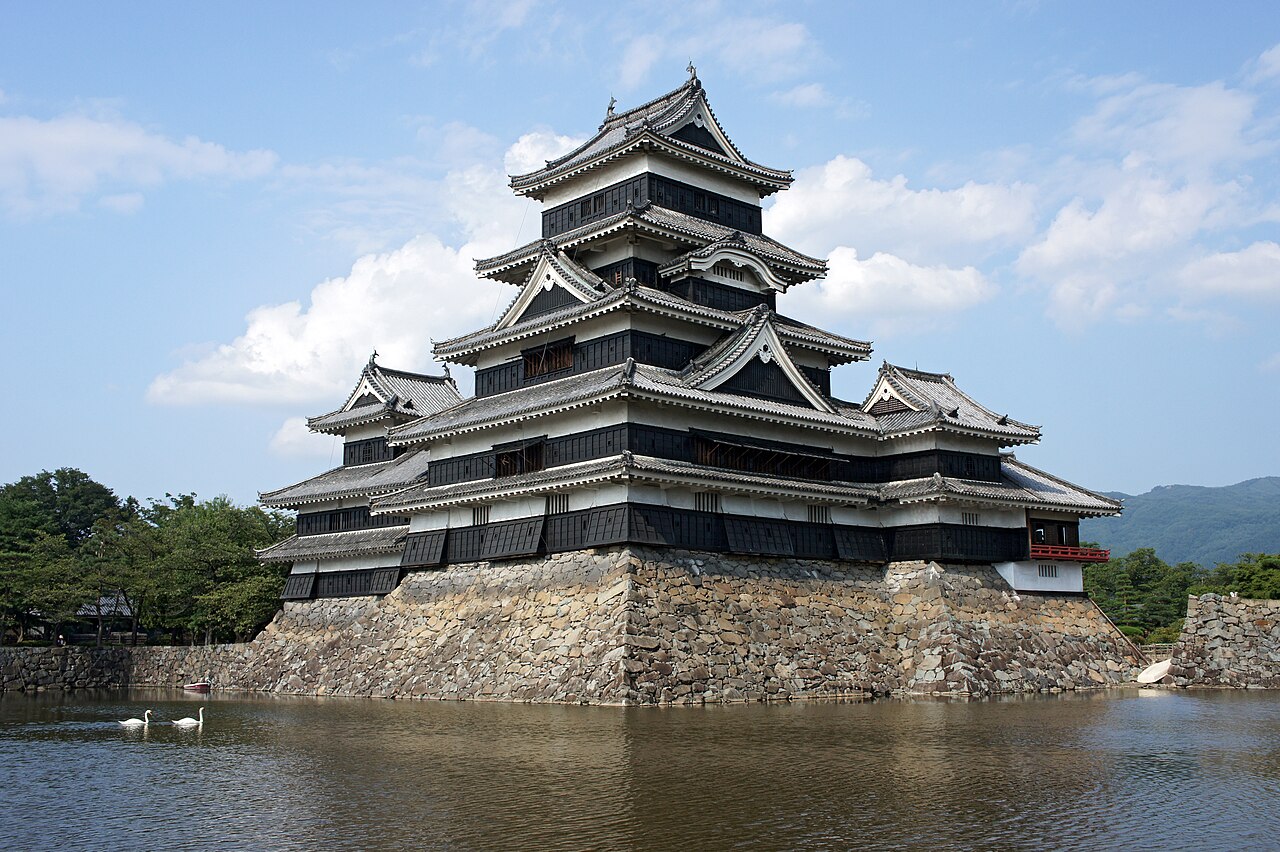
Nagano is Japan’s landlocked, mountainous heart — the old province of Shinano, ringed by the Japanese Alps. The Kiso Valley sits in its southwest, a long, steep-sided corridor where the Kiso River cuts south toward the plains of Gifu and Aichi. There is little flat farmland here. What the valley has instead is timber: some of the finest slow-grown conifer in Japan, and a woodworking culture built entirely around it.
That woodworking culture was not left to chance. In the Edo period the Kiso forests fell under the control of the Owari domain, which protected them as a strategic timber reserve. The five sacred conifers — the Kiso Goboku — were guarded so severely that unauthorized felling was punishable under the notorious rule ki ippon, kubi hitotsu (“one tree, one head”). Harsh as it was, the policy is the reason the cypress prized today is so fine-grained: the trees were allowed to grow slowly for centuries instead of being cut for quick profit.
“One tree, one head — the felling rule that sounds like folklore is the reason a Kiso lunch box still smells of cypress four hundred years later.”
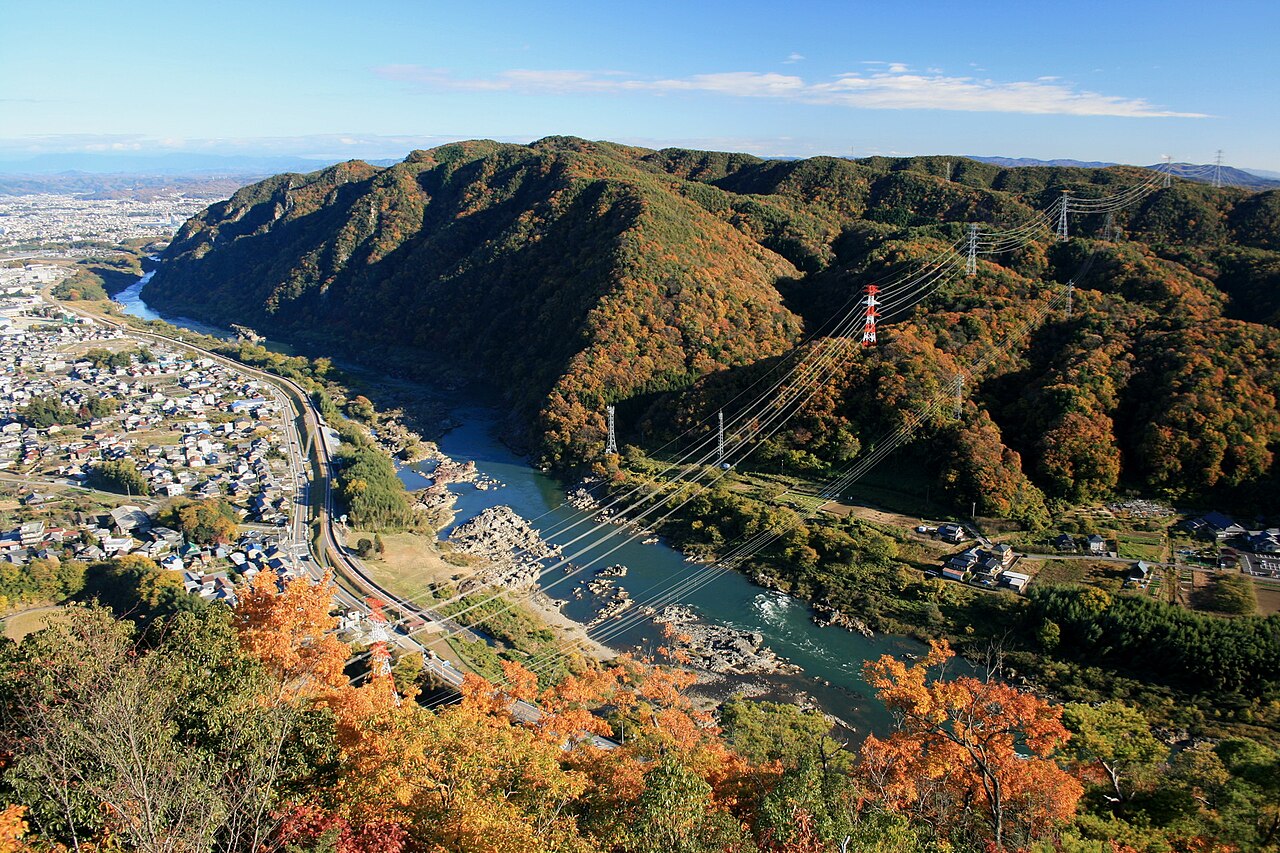
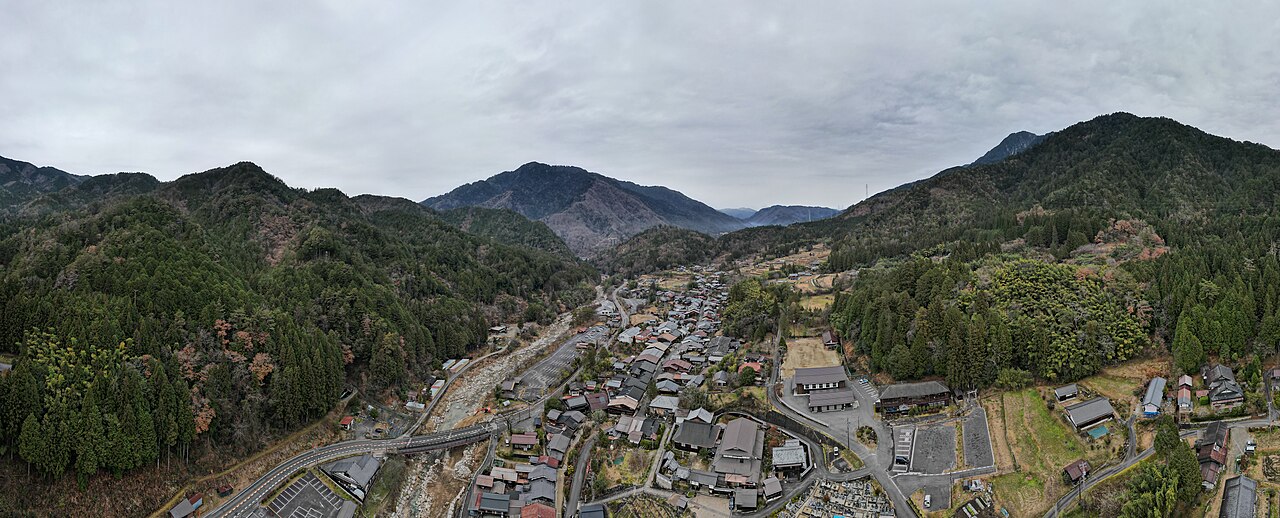
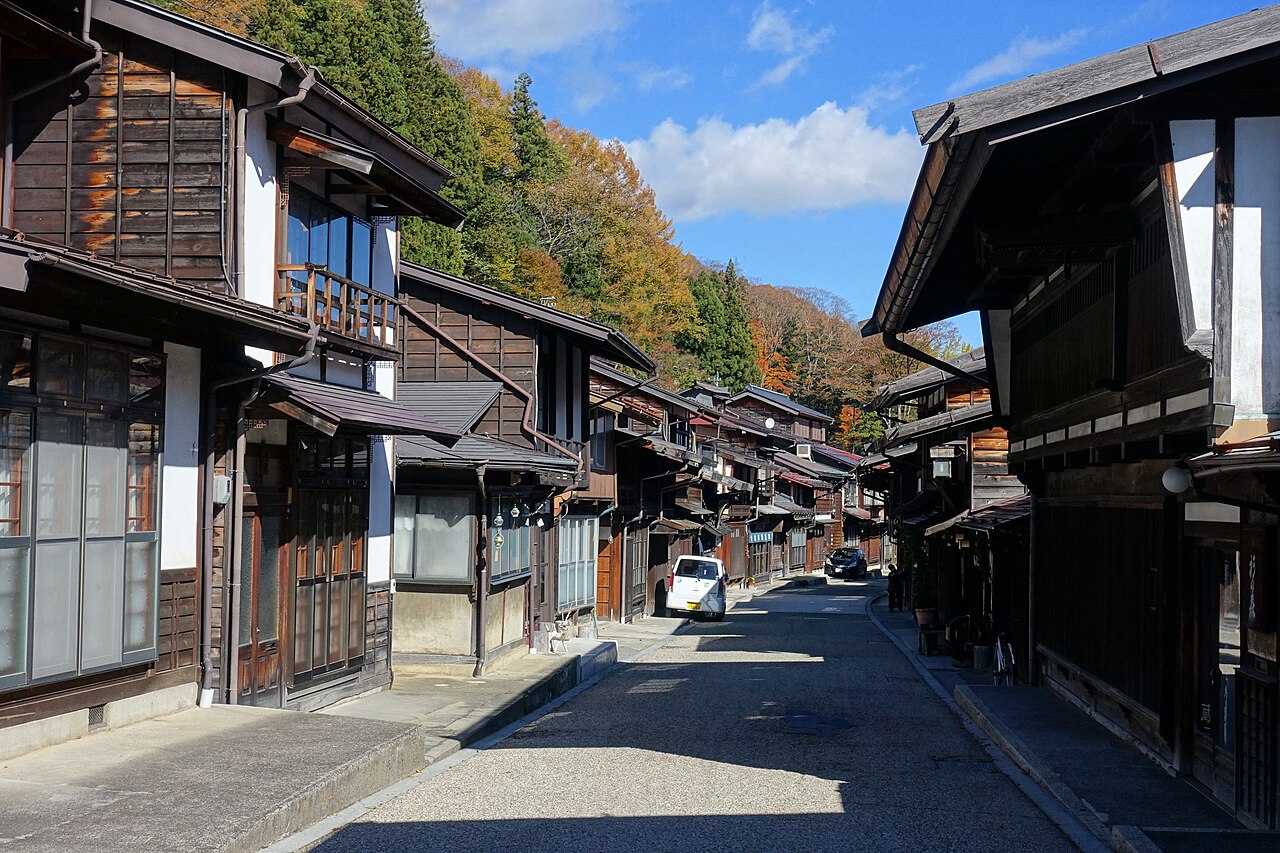
The valley’s other spine is the Nakasendo, one of the two great highways linking Kyoto and Edo. Where the coastal Tōkaidō ran fast along the sea, the Nakasendo climbed inland through the mountains, and its Kiso post towns — Narai, Tsumago, Magome — grew wealthy servicing a constant flow of travelers, porters, and pack trains. Those travelers needed light, durable vessels to carry cooked rice over long walking days. A bentwood box that kept rice edible from morning departure to a midday rest stop was not a luxury; it was equipment.
- early 1600s — The Nakasendo is formalized as a Tokugawa post road; Narai, Tsumago, and Magome become established Kiso post towns.
- 17th century — The Owari domain places the Kiso forests under strict protection; the “one tree, one head” felling rule preserves the slow-grown cypress.
- Edo period — Bentwood menpa, lacquerware, and combs develop as household woodcraft trades supplying Nakasendo travelers.
- 1868 onward — After the Meiji Restoration the Kiso forests pass to imperial and later national stewardship, but the woodworking towns continue.
- 1968–1976 — Tsumago-juku is preserved as a protected historic district, one of Japan’s first, sustaining the valley’s craft economy.
- Today — A handful of Kiso workshops still hand-bend cypress and stitch it with cherry bark for menpa boxes sold worldwide.
Continuity here is a matter of a few remaining hands rather than a large industry. Menpa is made in small family workshops, and the sequence is essentially unchanged: quarter-saw the board so the grain runs straight, soak it, bend it around a form while it is hot and pliable, hold the overlap, and lock the seam with strips of wild mountain-cherry bark rather than glue or nails. The cherry-bark stitch is both structural and the craft’s signature — a dark seam against pale cypress. The same valley still produces the Kiso Oroku-gushi comb and Kiso lacquerware, so the menpa box arrives as one member of a tight regional cluster of woodcraft, not an isolated souvenir.
Culturally, the box belongs to the everyday rather than the ceremonial. It is a working object — the container a woodsman filled with rice and pickles, the box a schoolchild or office worker still fills today. Its appeal to a modern buyer folds back onto that plainness: cypress that regulates moisture, a seam sewn from bark, and a form refined over centuries of people who simply needed lunch to survive the walk.
Which finish should you choose?
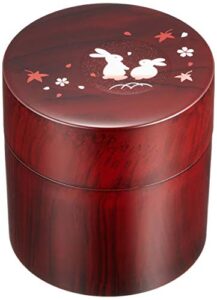
This piece is listed in 2 options. The photos below are the actual サイズ options on the listing right now — pick the one you want and confirm it on the product page before ordering, since hand-finished wares vary slightly piece to piece.
![Kiso Menpa Bentwood Bento Box: Where to Buy This Nagano Craft [2026] — 2段 finish](https://m.media-amazon.com/images/I/31KIPeM21XL._SL500_.jpg)
Other Japanese woodcraft and lacquer pieces we have covered — several from the same Kiso Valley cluster — worth weighing against a bentwood bento box.
Price snapshot across stores
The live feed returned no price for this item, so JPY/USD figures below are marked as “check listing” rather than guessed. JPY is the authoritative currency; USD is an approximate estimate at a ¥150/USD baseline once a price is confirmed.
| Store | Item / Variant | Price | Notes |
|---|---|---|---|
| 🇺🇸 Amazon.com (US) | Browse Japanese bentwood (magewappa) bento boxes | varies (USD) | Best if you are shopping from the US — Prime shipping, USD pricing, no international customs. Amazon US carries magewappa and cedar/cypress bento boxes from several Japanese makers, useful for comparing size and finish. The specific Kiso Menpa piece is sourced from Japan (next row). |
| 🇯🇵 Amazon JP Global Store | Kiso Menpa oval single-tier box (ASIN B07XDTCQW4) | Check listing (¥ / ≈ USD) | The sourced listing for the exact item in this guide. Ships internationally from Japan to most major destinations. Confirm current price and stock before ordering. |
| Maker direct | Kiso workshop / regional craft shops | Varies | Best selection of sizes and finishes, but many small workshops ship within Japan only. Verify overseas shipping before ordering. |
| Proxy services (Buyee / Tenso) | Any Japan-only listing forwarded abroad | Item + forwarding fee | Useful when a maker or marketplace listing does not ship overseas directly. Adds a service fee and a second shipping leg; factor customs at your destination. |
Prices and stock fluctuate; USD figures are approximate and depend on the current exchange rate. Always confirm the live figure at the retailer.
What it does well
Weaknesses and things to verify before buying
- Not dishwasher- or microwave-safe. Raw and lacquered wood must be hand-washed and air-dried; heat and prolonged soaking damage both the wood and the cherry-bark seam.
- Care is ongoing. Wooden bento needs thorough drying after each use and, for raw-finish pieces, occasional attention to avoid mold, staining, or splitting. This is a “buy and maintain” object, not “buy and forget.”
- Staining from wet or oily food. Curry, tomato sauce, and heavily seasoned dishes can discolor or soak into the wood. Menpa suits rice, pickles, grilled items, and drier fare.
- Not leak-proof. There is no gasket seal. Carry it upright; do not lay it flat in a bag with soupy contents.
- Finish and dimensions are unconfirmed here. The fetched data lacked exact size, capacity, and finish (raw vs. lacquered). Confirm these on the listing so the box matches your portion size and washing preference.
- Price was not in the feed. We could not verify a current price; check the live listing before assuming a budget.
Conclusion — which buyer type are you?
Other ways to approach this purchase
🏆 Editor’s Pick
❓ Frequently Asked Questions
Does the Amazon JP Global Store ship a Kiso Menpa box internationally?
Can I put a Kiso Menpa box in the dishwasher or microwave?
Why does a wooden box keep rice fluffy?
What foods should I avoid packing in it?
What is the difference between a raw and a lacquered finish?
How is Kiso Menpa different from Akita magewappa?
Is this a good gift?
jpmono.com is curated by a Japan-based editorial team (working out of Toyama in the Hokuriku region and Nara in Kansai) and is independent. We do not take payment from the makers we feature; income comes from affiliate links. We do not physically test every product — we read maker specs and source listings.
This article was drafted with AI assistance and reviewed against the referenced product listing and source notes by the jpmono editorial team.
Affiliate disclosure: jpmono.com may earn a commission on qualifying purchases made through links on this page, at no additional cost to you.