![Wajima-nuri Lacquer Chopsticks: Where to Buy Noto Urushi Ohashi [2026]](https://jpmono.com/wp-content/uploads/2026/07/wajima-nuri-lacquer-chopsticks-ohashi-where-to-buy-2026-featured.jpg)
Wajima-nuri (輪島塗, “Wajima lacquerware”) chopsticks are urushi ohashi (お箸, “chopsticks”) made in the town of Wajima on the Noto Peninsula, in Ishikawa Prefecture. What separates them from ordinary lacquered chopsticks is not the color of the finish but what sits underneath it: a ground coat built up with jinoko (地の粉), a fired, powdered diatomaceous earth mined near Wajima and mixed into the urushi undercoat. That undercoat is why a finished Wajima piece can survive decades of daily use rather than a few seasons.
Wajima-nuri was designated an Important Intangible Cultural Property in 1977, and the reason is process rather than decoration. A single piece can pass through more than 100 discrete steps and roughly 20 pairs of specialist hands under a strict division of labor — one artisan does nothing but the ground coats, another only the middle coats, another only the finishing. That system is unusually intact in Wajima, and it is what buyers are actually paying for.
This guide is written for readers outside Japan who want to buy a genuine pair rather than a lacquer-look imitation. It covers what jinoko does, how to read a listing, where the craft comes from, how to buy it internationally, and — honestly — who should not buy it. The 2024 Noto Peninsula earthquake devastated Wajima’s workshops, so a purchase today is also, plainly, support for a region rebuilding its craft.
🔄 Updated:
⏱️ Read time: ~9 min

- Who this is for — and who should skip it
- Product overview (from published specs)
- 📦 Shipping & where to buy from outside Japan
- Price snapshot across stores
- Where this comes from
- What it does well
- Weaknesses and things to verify before buying
- Conclusion — which buyer type are you?
- Other ways to approach this purchase
- 🏆 Editor’s Pick
- ❓ Frequently Asked Questions
Who this is for — and who should skip it
- Want tableware built to last years, not a novelty souvenir
- Value the jinoko undercoat and true urushi over printed “lacquer look” finishes
- Appreciate a documented craft lineage (Important Intangible Cultural Property, 1977)
- Are shopping for a meaningful gift — a wedding, anniversary, or milestone
- Want a purchase that directly supports Noto’s post-earthquake recovery
- Need dishwasher- and microwave-safe utensils above all else
- Have a known urushi (lacquer sap) sensitivity or allergy
- Want the lowest possible price per pair
- Are unlikely to hand-wash and dry chopsticks after each use
- Prefer a fully machine-made, perfectly uniform finish over hand-work variation
Product overview (from published specs)
The fetched dataset for this item is thin: only the keyword and the Amazon item identifier (B07CCJ9TR3) were captured, and no live price or full spec sheet was returned at the time of writing. The table below therefore reports what can be stated from the listing category and the verified craft-tradition facts, and marks anything unconfirmed rather than guessing. Verify the specifics on the live listing before purchase.
Wajima-nuri Lacquer Chopsticks
輪島塗 一双 宵待月・夫婦箸と箸置き-華桜セット 桐箱入り
残り11点 ご注文はお早めに · Sold by M'S shop · ASIN B07CCJ9TR3
Price and availability as of 2026-09-01 05:22 JST. The Amazon listing at the time of purchase is authoritative. jpmono.com earns a commission on qualifying purchases at no extra cost to you.
| Attribute | Detail | Source |
|---|---|---|
| Craft | Wajima-nuri urushi lacquerware | Maker direct / tradition |
| Item type | Chopsticks (ohashi), pair | Amazon JP Global Store listing |
| Key material | Wood core, jinoko-reinforced urushi ground coat, urushi finish | Tradition (Important Intangible Cultural Property) |
| Origin | Wajima, Noto Peninsula, Ishikawa Prefecture | Maker direct |
| Length / weight | Unconfirmed — check manufacturer / listing | — |
| Finish / color options | Unconfirmed — see the listing’s own options below | — |
| Price | Not captured in fetched data — verify on the live listing | — |
Sources: Amazon US search (primary, moonill-20) + Amazon JP Global Store (secondary, moonill-22, sourced listing) + maker direct. Only the Amazon JP listing reference is available for this item; live pricing may have shifted since the writing date.
📖 Glossary — key terms
- Wajima-nuri (輪島塗) — the lacquerware tradition of Wajima on the Noto Peninsula, designated an Important Intangible Cultural Property in 1977.
- Urushi (漆) — natural lacquer refined from the sap of the lacquer tree; it cures into a hard, water-resistant, food-safe film.
- Jinoko (地の粉) — fired, powdered diatomaceous earth mined near Wajima, blended into the ground coat to give the ware its exceptional strength.
- Ohashi (お箸) — chopsticks.
- Kitamae-bune (北前船) — the coastal cargo ships that linked the Sea of Japan ports during the Edo period and carried Wajima-nuri across the country.
- Sōtō Zen (曹洞宗) — a major school of Japanese Zen Buddhism; its head temple Sōji-ji originally stood at Monzen, near Wajima.
Related lacquer, woodturning, and regional craft guides on jpmono.com — useful for weighing technique, region, and price tier.
 Ishikawa woodturning (Yamanaka) →
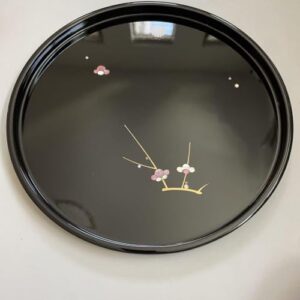 Toyama raden lacquer box →
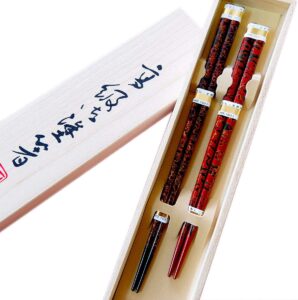 Tsugaru-nuri chopsticks →
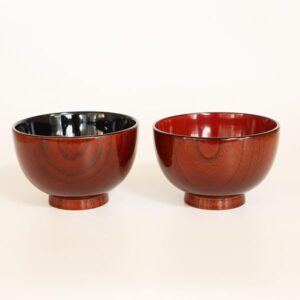 Naruko lacquer soup bowl →
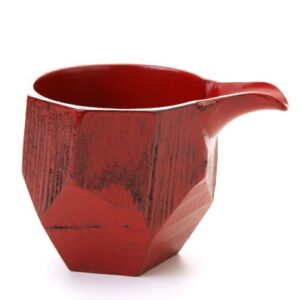 Tosa lacquer katakuchi →
Murakami carved lacquer coasters →
Gohara kijiro bowl →
 Echizen keyaki chest (Fukui) →
📦 Shipping & where to buy from outside Japan
The specific pair covered here is sourced from the Amazon JP Global Store, which ships many household items internationally to most major destinations. International shipping on small, light items like chopsticks is typically modest — expect roughly $15–$40 to the US or EU, higher to other regions — and customs duty is unlikely on a low-value order, though thresholds vary by country. If the JP listing is not shipping to your address, proxy services such as Buyee or Tenso can forward a domestic Japanese order abroad.
Amazon US does not typically carry this exact maker’s pieces, but it does stock comparable Japanese lacquer and kitchen goods, so the price snapshot below leads with a US search path for convenience and lists the JP Global Store as the sourced-listing route.
Price snapshot across stores
| Store | Item / Variant | Price | Notes |
|---|---|---|---|
| 🇺🇸 Amazon.com (US) | Browse Japanese urushi chopsticks | varies (USD) | Best if you’re shopping from the US — Prime shipping, USD pricing, no international customs. Amazon US carries Japanese lacquer chopsticks and tableware from various makers; the exact Wajima-nuri pair here ships from Japan (next row). |
| 🇯🇵 Amazon JP Global Store | Wajima-nuri urushi chopsticks (B07CCJ9TR3) | ¥— (not captured; verify on listing) | Ships internationally from Japan. This is the sourced listing for the specific pair in this guide. |
| Maker direct | Wajima workshop / lacquer galleries | varies (JPY) | Often the widest finish selection; most workshop sites ship domestically only. |
| Proxy services (Buyee / Tenso) | Forwarding of a domestic JP order | item + forwarding fee | Use when a maker or listing ships only within Japan; adds a handling fee and a second shipping leg. |
Prices in USD are approximate and depend on the current exchange rate (¥150/USD baseline as of mid-2026). The JPY price is the authoritative one. Pricing was not captured in the fetched data at the time of writing — always verify at the retailer before purchasing.
Where this comes from

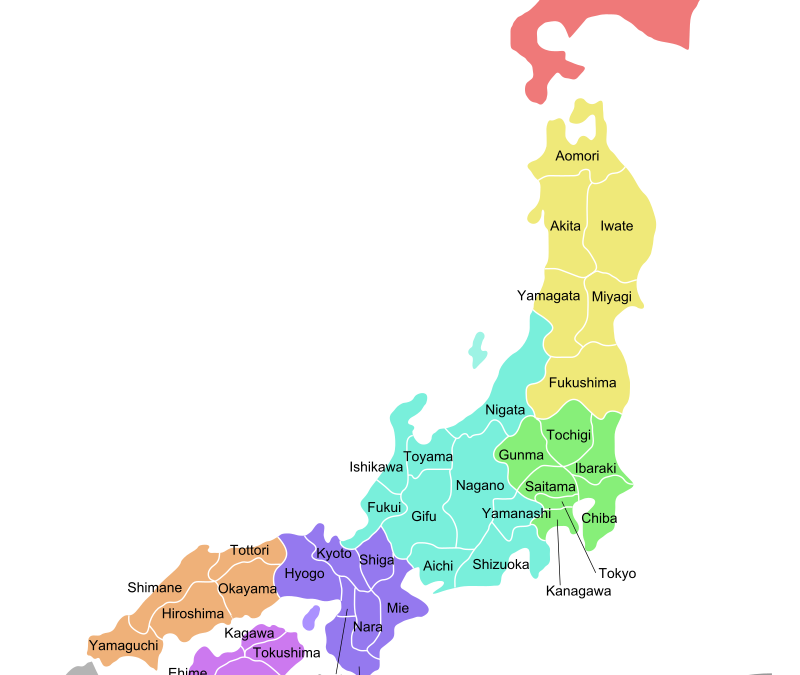
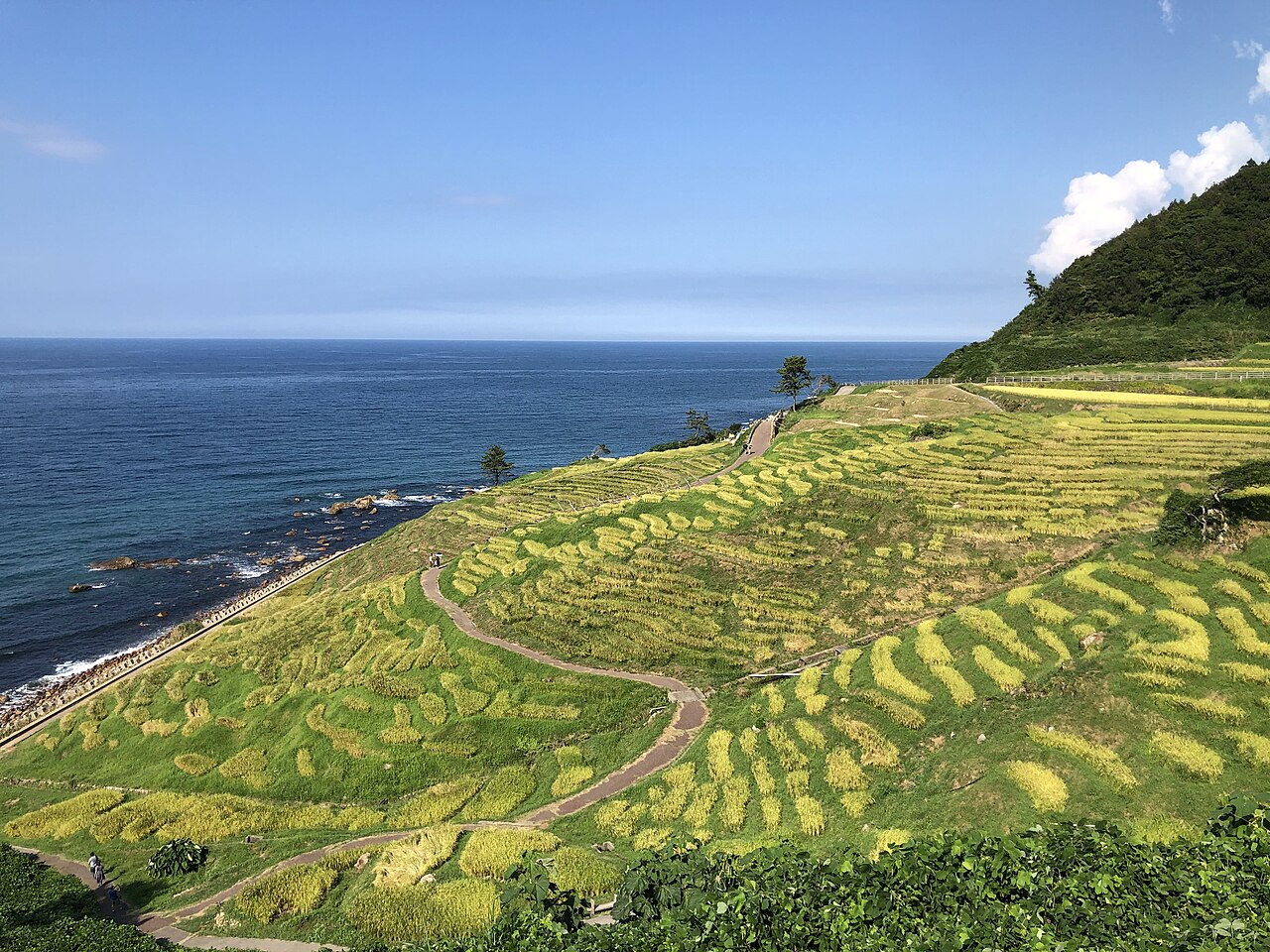
Wajima sits at the far north of the Noto Peninsula, which juts into the Sea of Japan from Ishikawa Prefecture in the Chūbu region. It is a place defined by distance: cut off from the old capital corridors of Kyoto and Nara by mountains and water, its towns historically looked outward by sea rather than inland by road. That isolation matters to the craft. A community that could not easily import finished goods learned to make durable ones itself, and a lacquer tradition that had to withstand hard daily use — not just decorate a nobleman’s shelf — evolved toward strength.
The single most important technical fact about Wajima-nuri is jinoko — a fired, powdered diatomaceous earth mined near the town and blended into the urushi ground coat. This undercoat is what gives the ware its unusual toughness. Where a decorative lacquer might chip at the first hard knock, a Wajima ground coat resists it, which is why the tradition became known for objects meant to be used every day for a lifetime. On chopsticks, that undercoat is the difference between a finish that wears through in a season and one that deepens over years.
“A finished piece can pass through more than a hundred steps and roughly twenty pairs of hands — the value is in the process, not the picture on top.”
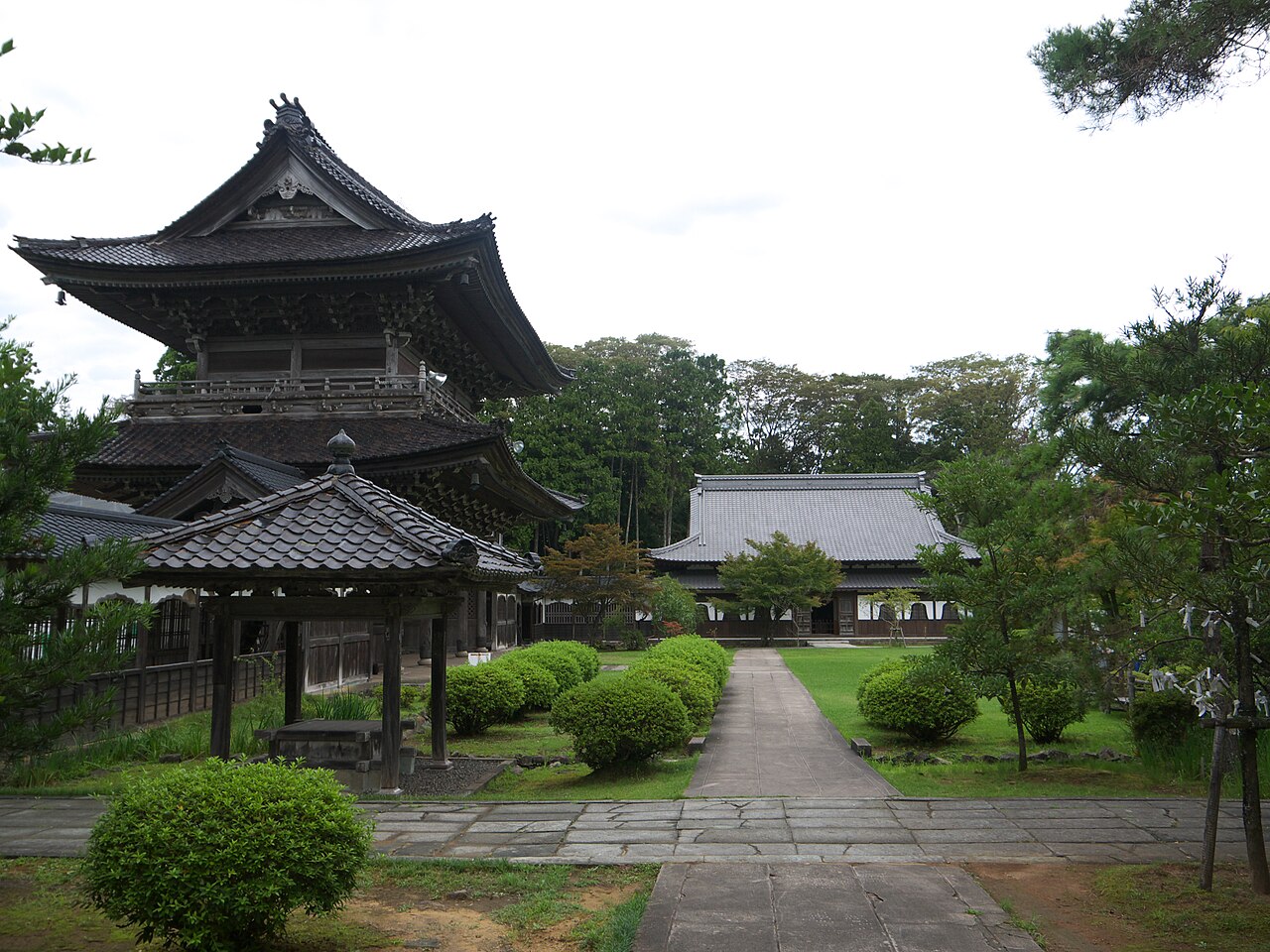
Wajima-nuri grew into a mature industry during the Edo period, and three forces drove it. First, the peninsula’s isolation kept the local craft economy intact and inward-facing. Second, the patronage of Sōji-ji — a head temple of Sōtō Zen, originally located at Monzen near Wajima — created steady local demand and a temple economy that supported artisans. Third, the Kitamae-bune coastal trade ships that plied the Sea of Japan carried Wajima’s lacquerware to ports up and down the country, turning a remote town’s craft into a nationally known name. In 1977, the tradition was designated an Important Intangible Cultural Property.
- 1321 — Sōji-ji founded at Monzen, near Wajima, becoming a head temple of Sōtō Zen and a center of local patronage.
- 17th century — The jinoko-reinforced ground coat and strict division of labor take shape; Wajima-nuri matures into a durable, everyday lacquerware.
- 18th–19th century — Kitamae-bune coastal trade ships carry Wajima-nuri to ports across Japan, spreading its reputation nationwide.
- 1977 — Wajima-nuri designated an Important Intangible Cultural Property.
- 2024 — The Noto Peninsula earthquake devastates Wajima’s workshops and the town’s morning market.
- 2026 — Recovery underway; buying genuine Wajima-nuri directly supports the region’s rebuilding.
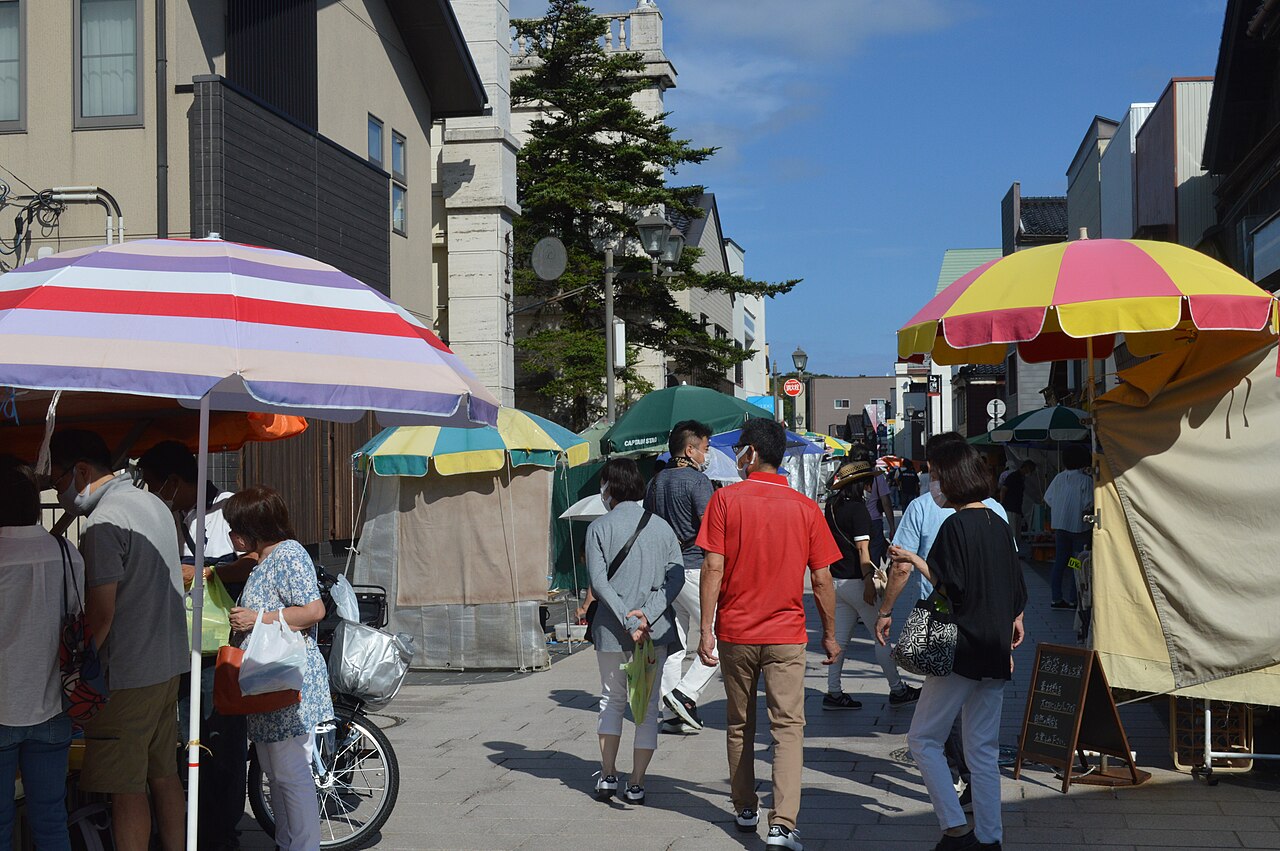
The continuity case is real but, as of 2026, fragile. Wajima-nuri survives on its division of labor — the specialists who do only ground coats, only middle coats, only finishing — and that human system is exactly what the 2024 Noto Peninsula earthquake disrupted, damaging workshops and tools across the district. Pieces continue to be made and sold, and the town’s craft identity is central to its recovery. That is the honest context for a purchase today: it is a genuine object with deep lineage, and it is also a small vote for the survival of the system that produces it.
What it does well
Weaknesses and things to verify before buying
- No price or full spec in the fetched data. Length, weight, and finish were not captured — confirm every detail on the live listing before you commit.
- Care is hand-work. Urushi tableware is generally not dishwasher- or microwave-safe; hand-wash with mild soap, avoid prolonged soaking, and dry promptly.
- Lacquer sensitivity. A small number of people react to urushi. Cured lacquer is inert for most users, but anyone with a known sensitivity should be cautious.
- Price tier. Genuine Wajima-nuri costs far more than mass-produced “lacquer look” chopsticks; if lowest price is the goal, this is not the right pick.
- “Wajima-nuri” naming. Verify the listing states genuine Wajima-nuri with a true urushi finish, not a printed or synthetic imitation.
- Availability and lead times. Post-earthquake production disruption can affect stock and shipping timelines — check current availability before expecting a fast delivery.
Conclusion — which buyer type are you?
Other ways to approach this purchase
🏆 Editor’s Pick
❓ Frequently Asked Questions
Are Wajima-nuri chopsticks dishwasher- and microwave-safe?
Generally no. Urushi lacquerware is best hand-washed with mild soap and dried promptly; dishwashers, microwaves, and prolonged soaking can damage the finish over time. If dishwasher safety is essential, this is not the right pick.
Why is Wajima-nuri more expensive than ordinary lacquer chopsticks?
A genuine piece can pass through more than 100 steps and roughly 20 pairs of specialist hands, built on the labor-intensive jinoko undercoat. That process — not decoration alone — is what you pay for, and it is why the ware lasts.
Does the Amazon JP Global Store ship internationally?
The Amazon JP Global Store ships many household items to most major destinations. On small, light items like chopsticks, shipping is typically modest (roughly $15–$40 to the US or EU). If a given listing does not ship to your country, a proxy service such as Buyee or Tenso can forward a domestic order.
How do I care for urushi chopsticks?
Hand-wash with mild soap and a soft sponge, rinse, and dry with a cloth. Avoid abrasive scrubbers, long soaking, direct heat, and prolonged sunlight. With gentle care, a good urushi finish deepens rather than degrades over years.
Can people with a lacquer allergy use them?
Fully cured urushi is inert for most users. However, a small number of people are sensitive to lacquer, so anyone with a known urushi allergy should be cautious and consult the maker or a physician if unsure.
Does buying Wajima-nuri help the earthquake recovery?
The 2024 Noto Peninsula earthquake devastated Wajima’s workshops. Continued demand for genuine Wajima-nuri supports the artisans and the division-of-labor system rebuilding in the town, so a purchase is a small, direct contribution to that recovery.
What is jinoko, and why does it matter?
Jinoko is a fired, powdered diatomaceous earth mined near Wajima and mixed into the urushi ground coat. It gives the lacquer its exceptional strength, which is the core reason Wajima-nuri is prized for everyday durability rather than display alone.
jpmono.com is curated by a Japan-based editorial team (working out of Toyama in the Hokuriku region and Nara in Kansai) and is independent. We do not take payment from the makers we feature; income comes from affiliate links. We do not physically test every product — we read maker’s specs and source listings.
This article was drafted with AI assistance and reviewed against the source listing and verified craft-tradition facts before publication.
Affiliate disclosure: jpmono.com may earn a commission on qualifying purchases made through links on this page, at no additional cost to you.