![Echizen Tansu Iron-Fitted Keyaki Chest: Where to Buy Fukui Woodwork [2026]](https://jpmono.com/wp-content/uploads/2026/05/japan-map-regions-and-prefectures-800x1050.png)
Echizen Tansu (越前箪笥, “Echizen chest”) is a class of solid-wood cabinetry made around Echizen City and Sabae in Fukui Prefecture, on the Sea of Japan side of central Japan. The form pairs a keyaki (欅, “zelkova”) body and drawer faces with a black-wiped urushi (漆, “lacquer”) finish, but its unmistakable signature is the thick, hand-forged iron hardware bolted across the face — corner plates, hinges, and locks that a first-time viewer reads as somewhere between armor and ornament.
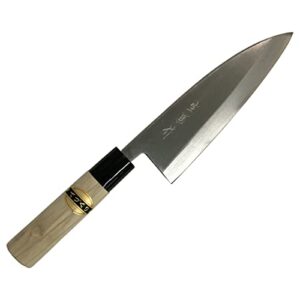
That ironwork is not decorative borrowing. It grew from the same blacksmithing tradition that made this district a blade center, the lineage behind Echizen uchihamono (打刃物, “forged edged tools”) — the kitchen knives now known to cooks worldwide. A chest built here, in other words, carries the cabinetmaker’s joinery and the smith’s iron in a single object, which is precisely the combination Japan recognized when it designated Echizen Tansu a National Traditional Craft in 2013.
This guide is written for readers outside Japan weighing a small, lacquered, iron-fitted keyaki chest as an heirloom-grade accessory cabinet rather than as flat-pack furniture. It covers what the form is, what to verify before buying, how the international purchase path works, and where the genre sits relative to other Japanese woodwork we have reviewed. The fetched data for the specific item was thin at the time of writing, so figures that could not be confirmed are marked plainly rather than guessed.
🗓 Published:
🔄 Updated:
⏱ Read time: ~11 min
- Who this is for — and who should skip it
- Product overview (from published specs)
- Where this comes from
- 📦 Shipping & where to buy from outside Japan
- Buying options across stores
- What it does well
- Weaknesses and things to verify before buying
- Conclusion — which buyer type are you?
- Other ways to approach this purchase
- ❓ Frequently Asked Questions
Who this is for — and who should skip it
- Want a small, lacquered keyaki cabinet you can hand down rather than replace
- Value visible craft — exposed hand-forged iron hardware and figured zelkova grain
- Like the austere, robust look over ornate carving or bright color
- Are furnishing a tea room, entryway, or desk with one deliberate object
- Are comfortable buying a sourced item from Japan and waiting for it to ship
- Need large-volume storage — these accessory chests are small by design
- Want a low price; hand-forged iron and urushi lacquer command a premium
- Expect same-week delivery — international shipping from Japan takes time
- Plan to keep it in a damp or full-sun spot that stresses lacquered solid wood
- Prefer a uniform, machine-perfect finish over visible hand-work variation
Product overview (from published specs)
The table combines the designated-craft profile of Echizen Tansu with general guidance on wood, lacquer, and iron fittings. Where a value is not confirmed, it is marked rather than estimated.
| Attribute | Detail | Source |
|---|---|---|
| Craft / form | Echizen Tansu — iron-fitted keyaki chest | Designated craft profile |
| Origin | Echizen City & Sabae, Fukui Prefecture | Designated craft profile |
| Body wood | Solid keyaki (zelkova); paulownia also used in the tradition | Designated craft profile |
| Finish | Black-wiped urushi (natural lacquer) | Designated craft profile |
| Signature hardware | Thick hand-forged iron corner plates, hinges & locks (tetsu-kanagu) | Designated craft profile |
| Designation | National Traditional Craft (METI), designated 2013 | Designated craft profile |
| Dimensions / weight | Unconfirmed — check product details | — |
| Price | Unconfirmed at time of writing — check current product details | — |
Prices, dimensions, and availability can change over time, so treat any current figure as provisional.
📖 Glossary — key terms
- tansu (箪笥) — a traditional Japanese chest of drawers or storage cabinet.
- keyaki (欅, “zelkova”) — a hard, strongly figured hardwood prized for cabinet bodies and faces.
- urushi (漆, “lacquer”) — natural lacquer from the urushi tree, applied in coats and rubbed back; a black-wiped finish leaves the grain visible.
- tetsu-kanagu (鉄金具, “iron fittings”) — the hand-forged iron corner plates, hinges, pulls, and locks fixed to the cabinet.
- uchihamono (打刃物, “forged edged tools”) — Echizen’s forged knives, from the same blacksmith lineage as the chest hardware.
- kiri (桐, “paulownia”) — an extremely light, moisture-buffering wood also used in the tansu tradition, especially for drawer interiors.
- shokunin (職人, “artisan”) — a skilled craftsperson working within a named trade tradition.
Related jpmono guides on Fukui craft, paulownia joinery, and the wider woodwork family — useful for placing this iron-fitted keyaki chest in context.
Where this comes from

Fukui faces the Sea of Japan on the inner, weather-side coast of central Honshu. Winters here are long and snowbound — the Hokuriku region records some of the heaviest seasonal snowfall in the country — and that climate shaped the working culture. It pushed rural households indoors for months at a time, and indoor months favored indoor crafts: weaving, paper-making, lacquering, and cabinetmaking. The valleys around Echizen had the timber, the water for finishing work, and the long quiet season that fine joinery rewards.

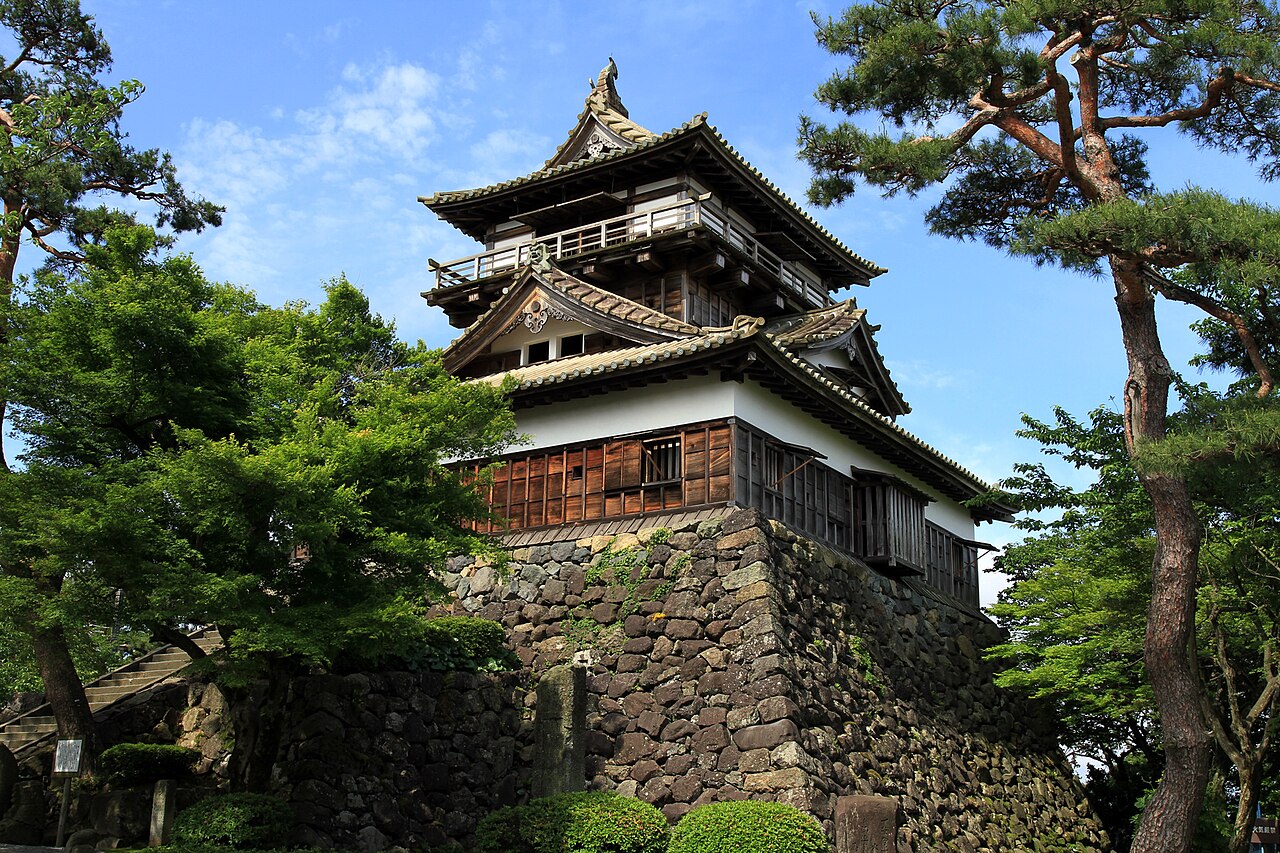
The region’s making culture has deep roots. Two anchors matter most. The first is timber discipline: at Maruoka stands a castle keep often described as the oldest surviving keep form in Japan, its heavy timber-and-iron construction a standing argument for how seriously this corner of the country took wood joinery. The second is iron: the same district became a blade town, and the locks, hinges, and corner plates that a tansu carries on its face come from that forge lineage rather than from an outside supplier.
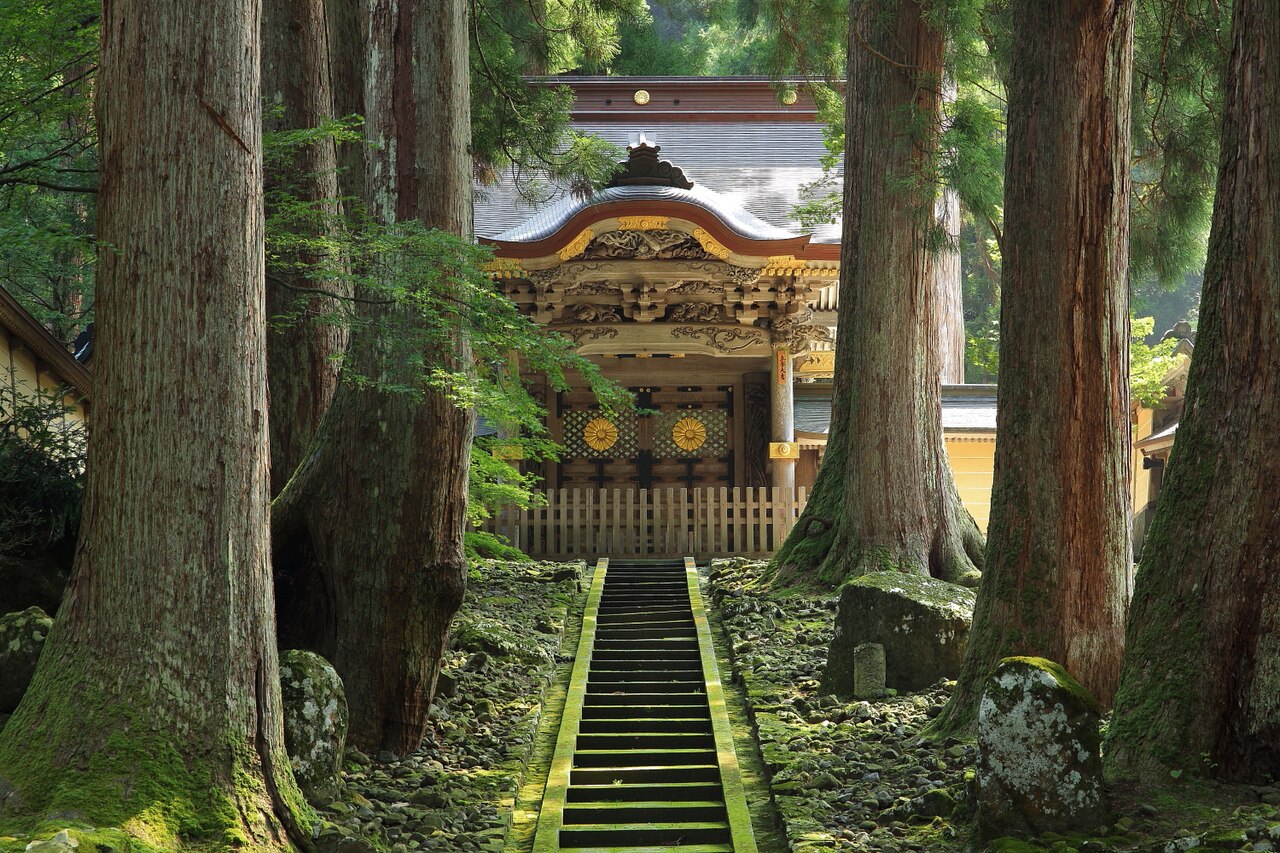
- 1244 — Eiheiji, the Sōtō Zen head temple, is founded by Dōgen in the Fukui mountains.
- c. 1337 — Swordsmith Chiyozuru Kuniyasu is said to settle in Echizen, seeding the local blacksmith tradition.
- 15th–16th c. — Castle towns concentrate smiths, carpenters, and craftspeople across the Echizen valleys.
- 16th c. — Maruoka Castle’s wooden keep is built, now regarded as one of Japan’s oldest surviving keep forms.
- Edo period — Cabinetmakers fuse keyaki joinery with local hand-forged ironwork into warehouse-strong tansu for merchant households.
- 2013 — Echizen Tansu is designated a National Traditional Craft by METI.
- 2026 — Chests are still built around Echizen City and Sabae, alongside the town’s knife forges.
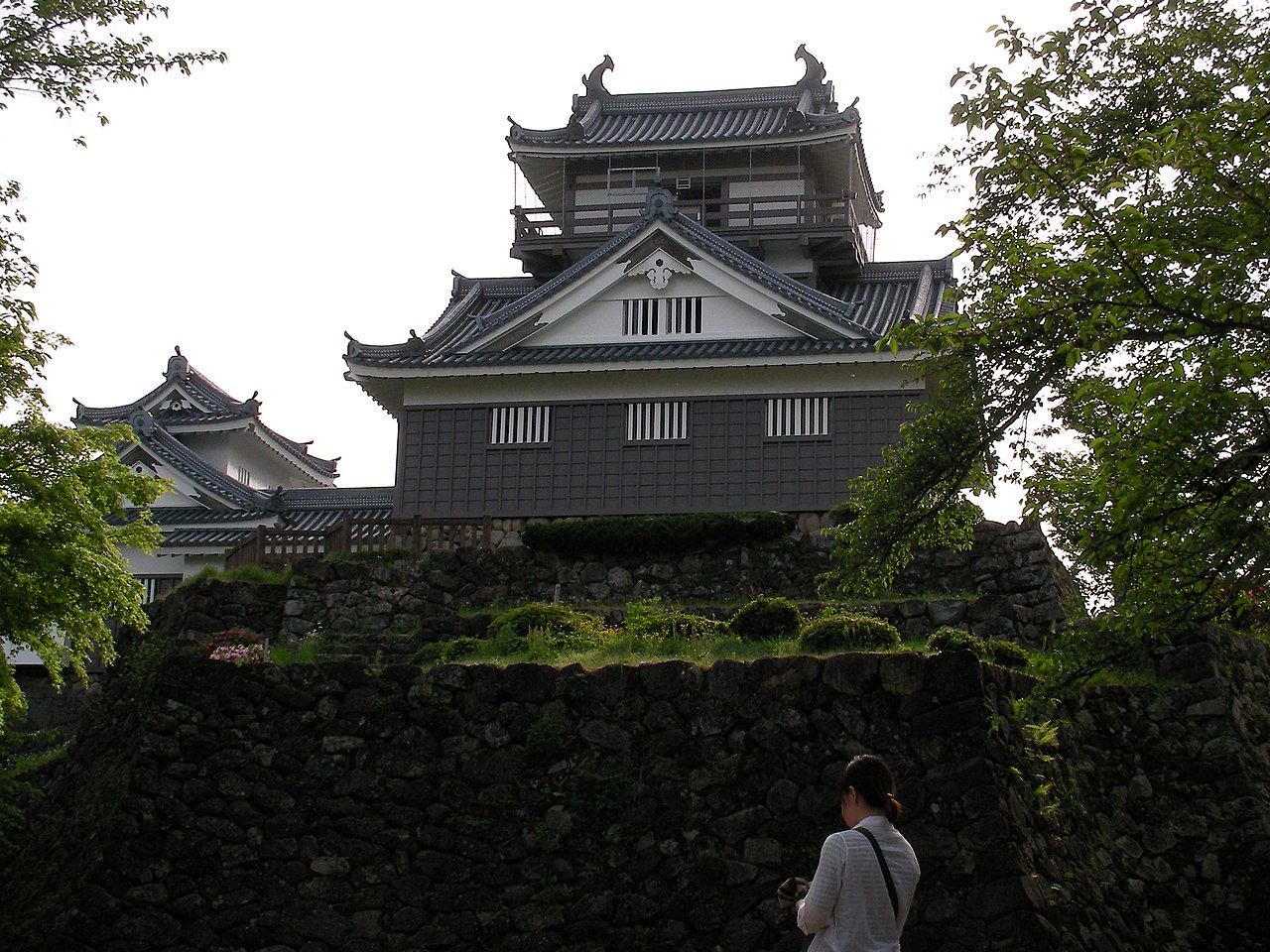
Historically these chests were warehouse-strong storage for merchant households — furniture built to survive fire moves, generations of use, and the damp of a snow-country climate. The domain economy that supported that trade is still legible in the castle towns of the interior, where cabinetmakers and blacksmiths worked within reach of the same patrons.
The aesthetic follows from that history. Echizen Tansu is plain and robust rather than ornate: a black-wiped urushi finish that brings up the keyaki grain instead of hiding it, and iron that is left frankly visible. That restraint echoes the austere Zen spirit of nearby Eiheiji, the head temple of the Sōtō school founded by Dōgen — unadorned, functional, made to last. The look is closer to a monastery’s woodwork than to a palace’s.
“A chest built where the knives are forged carries both trades in one object — the joiner’s keyaki and the smith’s iron, made to outlast the buyer.”
What “still made here” means in practice is that the chest, the lacquering, and the iron all stay within the same Fukui district that has supported these trades for centuries. The 2013 designation is recent on paper, but it formalizes a continuity the timeline above makes plain — and it is why a small Echizen keyaki chest is priced and built as a multi-generation object rather than a seasonal furniture purchase.
📦 Shipping & where to buy from outside Japan
For a solid-wood, lacquered, iron-fitted cabinet, international shipping can add meaningfully to the total. Larger or heavier chests may cost more to ship, and customs charges can vary by destination.
If a Japanese retailer does not ship internationally, a Japan-based proxy service can forward the purchase for a service fee and a second shipping leg.
One customs note: orders above your country’s de minimis threshold may attract import duty or VAT on arrival. For a single mid-value chest this is usually modest, but it is the buyer’s responsibility, not the seller’s. There is no electrical or voltage concern here — this is a solid-wood cabinet, not an appliance.
Buying options across stores
JPY is the currency used for figures in this article; USD estimates use a ¥150/USD baseline, and exchange rates change. Any current price should be treated as provisional.
| Store | Item / Variant | Price | Notes |
|---|---|---|---|
| 🇺🇸 Amazon US (search) | Browse Japanese wood chests & cabinets | varies (USD) | Best if you’re shopping from the US — Prime shipping, USD pricing, no international customs. Amazon US carries Japanese paulownia boxes and small cabinets from various makers; the exact Echizen chest is sourced from Japan (next row). |
| 🇯🇵 Amazon JP Global Store | Echizen Tansu keyaki accessory chest | Purchase terms are not confirmed — check current product details | Ships internationally from Japan. This is the product page for the exact item covered here. |
| Maker direct | Echizen-area cabinetmakers | varies (¥) | Some workshops sell direct or accept commissions; international shipping varies by workshop. |
| Proxy services (Buyee / Tenso) | Forward a Japan-only purchase | item price + fees | Use when the Global Store will not ship to your country; adds a service fee and a second shipping leg. |
What it does well
Weaknesses and things to verify before buying
- Purchase terms and size were not confirmed. Confirm both with the seller before ordering; do not assume size from photos alone.
- Small by design. Accessory chests of this type hold jewelry, stationery, or small textiles — not bulk storage. Check internal drawer dimensions against what you intend to store.
- International shipping adds cost and time. A solid-wood cabinet is heavier and bulkier than typical small parcels; factor the quote and lead time into your decision.
- Lacquer and solid keyaki need a stable environment. Avoid prolonged direct sun, radiators, or damp; sudden humidity swings can stress lacquered solid-wood furniture over time.
- Hand-work means variation. Grain, lacquer sheen, and the finish on the forged iron will differ piece to piece. If you expect machine-uniform consistency, this is the wrong category.
- Customs and duties may apply above your country’s threshold — budget for the possibility.
- Returns on cross-border craft items can be slow or limited. Read the seller’s return policy before purchase.
Conclusion — which buyer type are you?
Other ways to approach this purchase
❓ Frequently Asked Questions
Does the Amazon JP Global Store ship Echizen Tansu internationally?
Echizen Tansu chests are typically sold through Japanese retailers or specialized woodcraft exporters. Because a solid-wood cabinet is bulkier than a small parcel, confirm shipping terms and delivery estimates; a proxy service may help when a retailer does not ship to your country.
What makes the iron hardware special?
The corner plates, hinges, and locks (tetsu-kanagu) are thick and hand-forged in the same Fukui district that made the region a blade center. That is the lineage behind Echizen uchihamono kitchen knives, so the hardware on the chest and the town’s knives share a craft origin — which is why the iron reads as both armor and ornament rather than as a bought-in fitting.
Why keyaki rather than paulownia for this chest?
Keyaki (zelkova) is hard, dense, and strongly figured, so it makes a robust body that takes the black-wiped lacquer well and shows off grain. The Echizen tradition also uses paulownia, especially for drawer interiors where its light weight and humidity buffering protect textiles and paper. A keyaki chest emphasizes the structural, handled surfaces.
How do I care for a lacquered, iron-fitted keyaki chest?
Keep it out of prolonged direct sun and away from radiators or damp, and wipe it with a soft dry cloth. Avoid harsh solvents on the lacquer. Stable indoor humidity is the main thing — sudden swings stress lacquered solid wood over time.
Is this large enough to use as a main dresser?
No. Accessory chests of this type are small by design and suit jewelry, stationery, documents, or small textiles rather than bulk clothing storage. Compare the internal drawer dimensions with what you plan to keep in it.
Will I pay customs duties when it arrives?
Possibly. Orders above your country’s de minimis threshold may attract import duty or VAT on arrival, which is the buyer’s responsibility. For a single mid-value chest this is usually modest, but budget for the possibility.
Why is no price shown for the specific item?
Prices, dimensions, and availability can change, so the article avoids guessing where details are not confirmed.
jpmono.com is curated by a Japan-based editorial team (working out of Toyama in the Hokuriku region and Nara in Kansai) and is independent. We do not take payment from the makers we feature; income comes from affiliate links. We do not physically test every product — we review maker specifications and craft references.
This article was prepared with AI assistance and reviewed against the available information about the craft and region. Figures not present in the source material are marked as unconfirmed.
Affiliate disclosure: jpmono.com may earn a commission on qualifying purchases made through links on this page, at no additional cost to you.