- What it is: an unglazed stoneware side-handle kyusu (急須) teapot in Tamba Tachikui-yaki, with a natural wood-ash glaze and a built-in ceramic strainer.
- Made in: the Tachikui district of Tamba-Sasayama, Hyogo — one of Japan’s Nihon Rokkoyo (Six Ancient Kilns), fired for roughly 800 years and recognized as a National Traditional Craft.
- Price band: mid-range for a named-kiln Japanese teapot (see the live listing — no live figure was in our snapshot).
- Best for: daily green-tea drinkers who want a working teapot with genuine kiln heritage rather than a display piece.
- Skip if: you want a dishwasher-safe, glossy, fully glazed pot or a cast-iron tetsubin.
- Shipping: ships internationally from Amazon Japan — jump to our pick ↓
The clay for this teapot comes out of the Sasayama hills already iron-red, and the greenish-brown streaks running down its shoulder were never painted on — they are ash. During a long firing in a wood-fed tunnel kiln, pine ash settles on the bare clay, melts in the heat, and runs. That accident, repeated for eight centuries, is the entire aesthetic of Tamba Tachikui-yaki (丹波立杭焼, “Tamba Tachikui ware”).
Tamba is one of the Nihon Rokkoyo — the Six Ancient Kilns of Japan, the short list of kiln sites that have fired continuously since medieval times, alongside Bizen, Seto, Tokoname, Echizen, and Shigaraki. The kyusu covered here is the everyday form of that tradition: a stoneware side-handle teapot, unglazed on the body, with a built-in ceramic strainer instead of a metal mesh. It is a tool, not an ornament, and it is meant to be used every morning.
This guide is written from a Japan-based editor’s desk (Toyama and Nara) for readers buying from outside Japan. We cover what the ware actually is, who should buy it and who should not, how it compares with other Japanese kiln teapots we have reviewed, the realities of international shipping, and where to buy it. Because our data snapshot for this specific listing was thin, unverified figures are flagged plainly rather than guessed.
🗓️ Published:
🔄 Updated:
⏱️ Read time: about 9 minutes
ℹ️ Live pricing and some listing specs were not in our snapshot — the linked Amazon listing is authoritative, and unconfirmed attributes are marked as such below.
- Who this is for — and who should skip it
- Product overview (from published specs)
- 📍 Where this comes from — place, era, and the craft tradition
- 📦 Shipping & where to buy from outside Japan
- Price snapshot across stores
- What it does well
- Weaknesses and things to verify before buying
- Conclusion — which buyer type are you?
- Other ways to approach this purchase
- ❓ Frequently Asked Questions
Who this is for — and who should skip it
- Brew Japanese green tea (sencha, hojicha, genmaicha) and want a working daily kyusu.
- Prefer earthy, matte, unglazed stoneware over glossy or painted porcelain.
- Value provenance — a pot from one of the Six Ancient Kilns, not a generic import.
- Like a side-handle (yokode) grip and a built-in ceramic strainer.
- Are comfortable hand-washing and letting a pot develop character with use.
- Want something dishwasher- and microwave-safe with zero care routine.
- Expect a mirror-glossy, fully glazed, perfectly uniform surface.
- Need heat retention for a whole afternoon — that is a cast-iron tetsubin’s job.
- Brew large volumes for a group; kyusu are single-to-few-cup vessels.
- Dislike hairline variation, tonal drift, or the porosity of unglazed clay.
Product overview (from published specs)
Based on the listing and the ware’s documented characteristics, here is the snapshot. Where a value was not confirmed in our data, it is marked rather than guessed.
| Attribute | Detail |
|---|---|
| Ware | Tamba Tachikui-yaki (Tamba ware), one of the Six Ancient Kilns |
| Type | Kyusu — side-handle (yokode) teapot |
| Material | High-fired stoneware; iron-rich local clay with akadobe slip ground |
| Surface | Unglazed body with natural wood-ash glaze (shizen-yu, 自然釉) |
| Strainer | Built-in ceramic strainer (not a metal mesh) |
| Origin | Tachikui district, Tamba-Sasayama, Hyogo, Kansai |
| Capacity / dimensions | Unconfirmed — check the live listing |
| Designation | Recognized as a National Traditional Craft (designation year unconfirmed) |
| Where to buy | What you get | Notes |
|---|---|---|
| 🇺🇸 Amazon.com (US) | Browse Japanese kyusu teapots | Best if you shop from the US — Prime shipping, USD pricing, no import step. Amazon US carries kyusu from various makers for comparison; this exact Tamba piece is sourced from Japan (next row). |
| Amazon JP Global Store | The exact Tamba Tachikui-yaki kyusu | Sourced listing. Ships internationally from Japan to 65+ countries — including Canada, the UK and Australia — with import fees estimated at checkout. |
| Maker direct | Individual Tachikui kiln shops | Tachikui has many small independent kilns; direct online purchase and English support vary by kiln. |
| Proxy services (Buyee / Tenso) | Japan-only listings forwarded abroad | Useful when a specific kiln’s pot is only sold domestically; adds a forwarding fee. |
📖 Glossary — key terms
- Kyusu (急須) — a Japanese teapot, classically with the handle set at a right angle to the spout (a “side handle,” yokode).
- Shizen-yu (自然釉, “natural glaze”) — the glassy coating formed when wood ash lands on bare clay and melts during a long firing, rather than a glaze applied by hand.
- Anagama (穴窯) — an ancient single-chamber tunnel kiln dug into a slope and fired with wood over many days.
- Noborigama (登窯, “climbing kiln”) — a multi-chamber kiln stepped up a hillside, allowing larger, more even firings.
- Nihon Rokkoyo (日本六古窯) — the “Six Ancient Kilns,” the six kiln sites (Tamba, Bizen, Seto, Tokoname, Echizen, Shigaraki) with continuous medieval-to-modern production.
- Akadobe (赤土部) — an iron-bearing reddish slip used on the Tamba clay body, giving its warm brown ground.
- Tenka-bushin (天下普請) — a nationwide construction levy under the Tokugawa shogunate, used here to build Sasayama Castle in 1609.
📍 Where this comes from — place, era, and the craft tradition

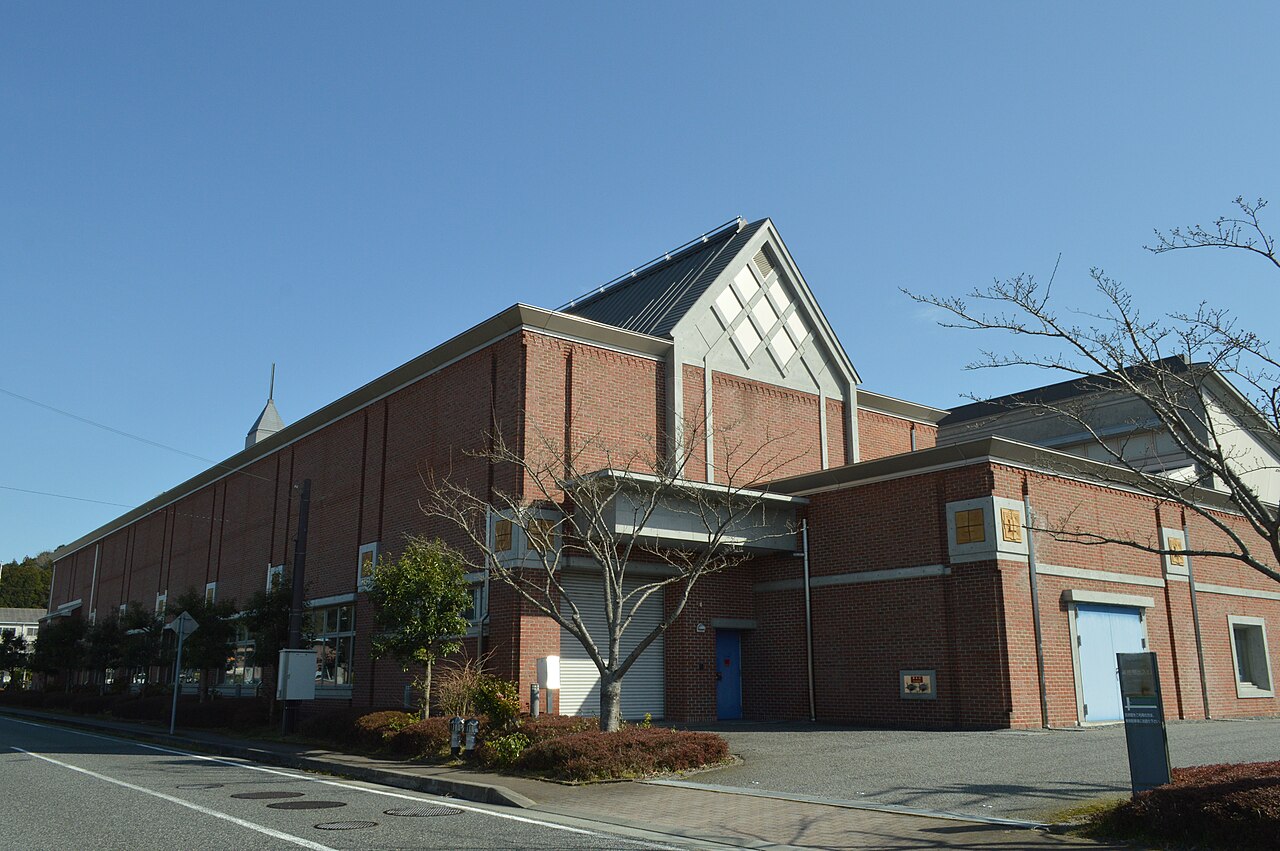
Tamba-Sasayama sits in a basin in central Hyogo Prefecture, ringed by low mountains north of Kobe and Osaka, in the Kansai region. The Tachikui district — the pottery village — lies just south of the old castle town, where hillside slopes gave potters the gradient they needed to dig tunnel kilns and the surrounding forests gave them fuel. The local clay is iron-rich and plastic, and it is that iron, not a pigment, that carries the ware’s reddish-brown ground.
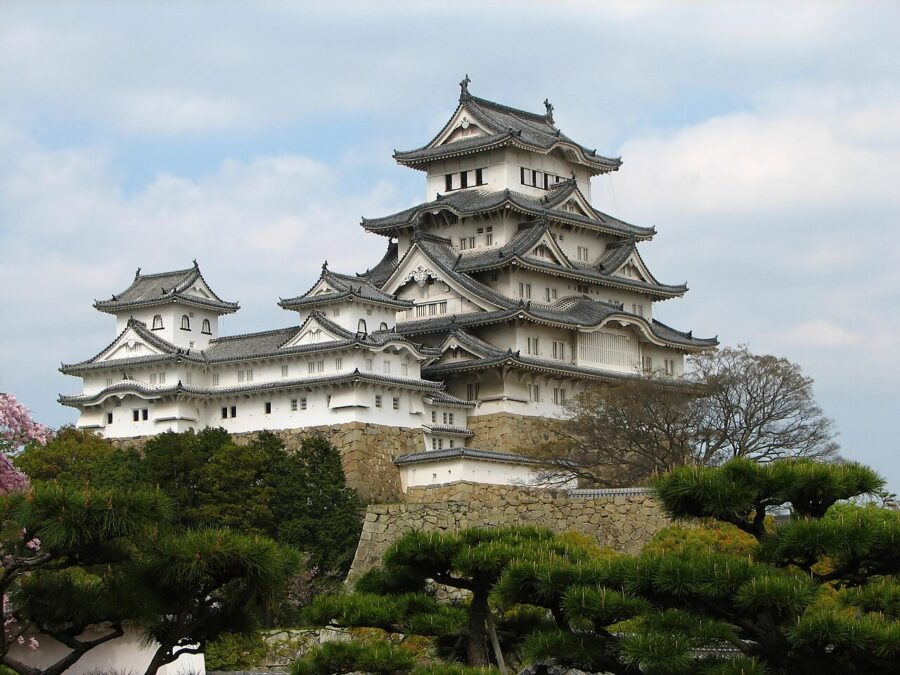
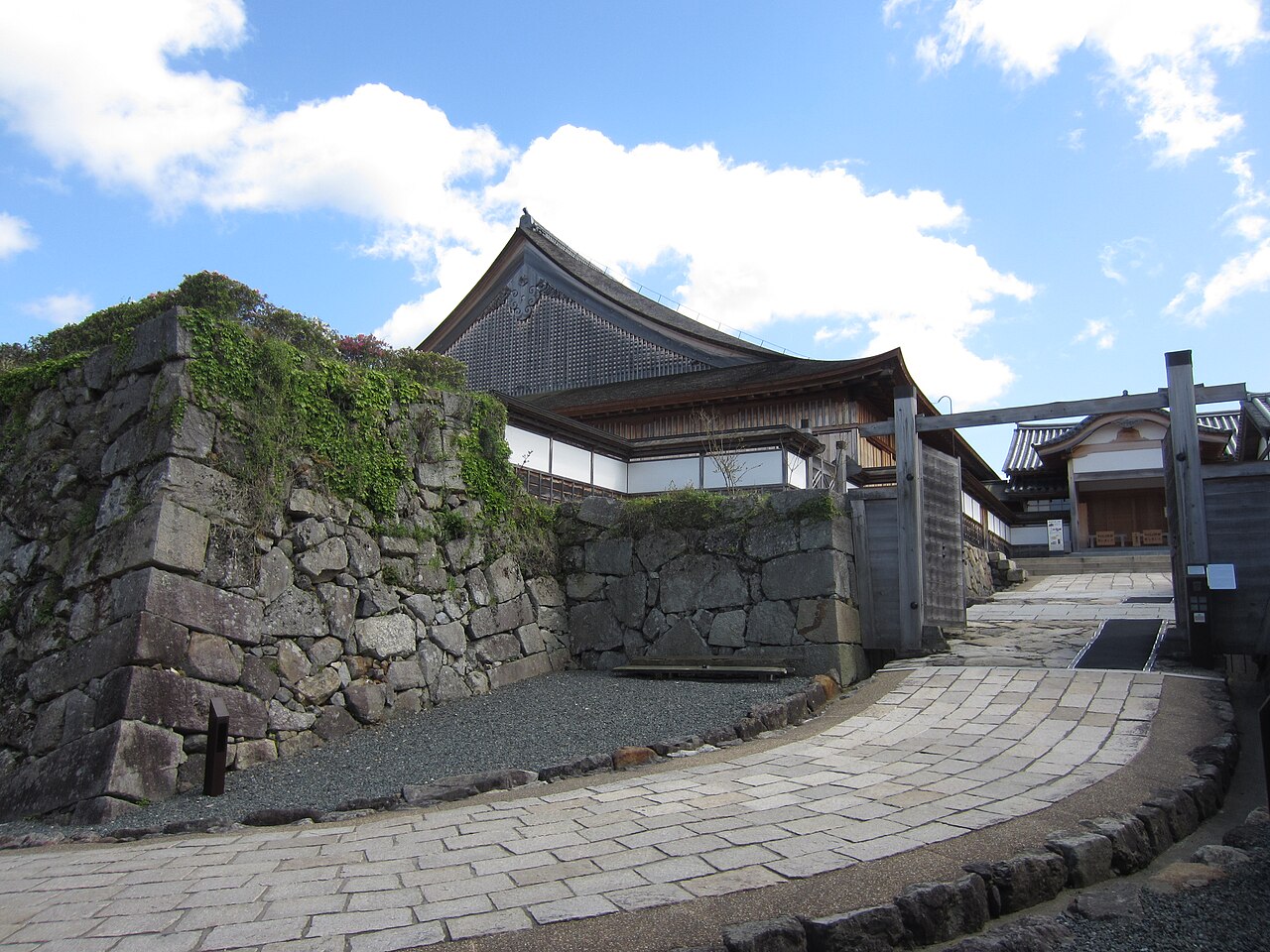
The historical anchor is the castle town itself. Sasayama Castle was raised in 1609 as part of Tokugawa Ieyasu’s tenka-bushin — a nationwide construction levy — to guard the approaches to Kyoto and Osaka. The Aoyama clan later governed the Sasayama Domain from that castle, and the domain’s merchant economy is how Tamba pots traveled: down from the kilns, into the Sasayama market, and outward across Kansai.
- Late Heian / Kamakura (c. 1200s) — Kilns begin firing near Tachikui using anagama tunnel kilns; the roughly 800-year record starts here.
- Medieval era — Tamba is counted among the Nihon Rokkoyo, the Six Ancient Kilns of Japan.
- 1609 — Sasayama Castle built under Tokugawa Ieyasu’s tenka-bushin construction levy.
- c. 1611 — The noborigama (climbing kiln) arrives with Korean-influenced potter technology, allowing larger firings.
- Edo period — The Aoyama clan govern Sasayama Domain; Tamba ware moves through the Sasayama merchant town across Kansai.
- Modern era — Tamba ware is recognized as a National Traditional Craft (METI); designation year unconfirmed in our sources.
- 2026 — Kilns still fire daily in the Tachikui district; the ware remains a working tradition.
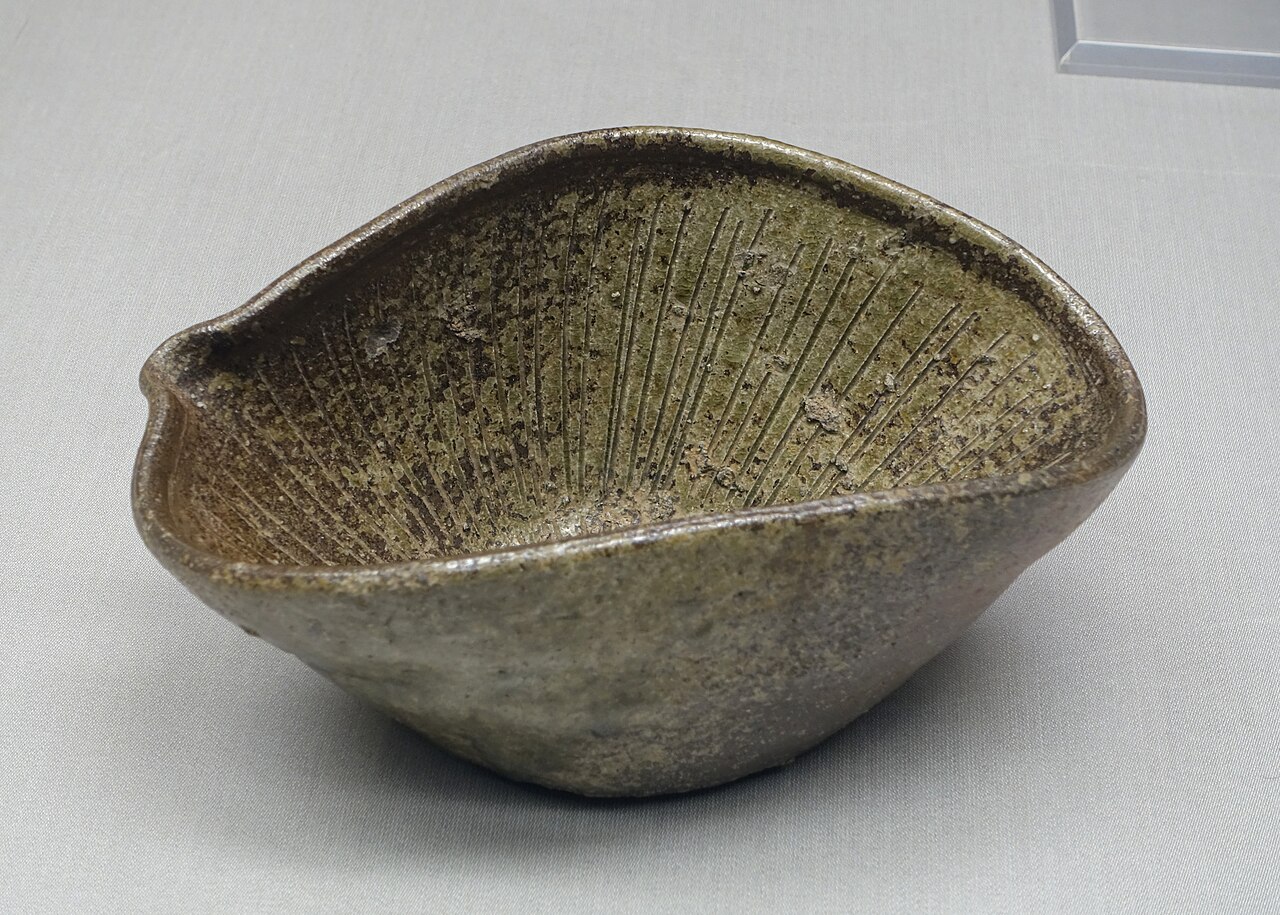
What makes Tamba worth attention is the surface, and the surface is a record of the kiln. Classic Tamba is high-fired, unglazed stoneware colored by shizen-yu — natural wood-ash glaze. During a long anagama firing, ash from the burning pine drifts through the chamber, lands on the bare pots, and melts into a thin glass, running down in greenish-brown drips. No two pots receive the same ash, so no two pots are identical.
“Fired for more than eight centuries in the hills near Sasayama, Tamba is one of only six kilns in Japan whose flame has, in effect, never gone out.”
The kiln technology itself tells a smaller story of continuity and change. The oldest Tamba pots came from anagama tunnel kilns — a single sloped chamber fired for days. Around 1611, the noborigama, or climbing kiln, arrived through Korean-influenced potter technology, letting the potters fire larger batches with more control while keeping the ash-glaze character that buyers had come to know. Both approaches survive in the district’s practice today.
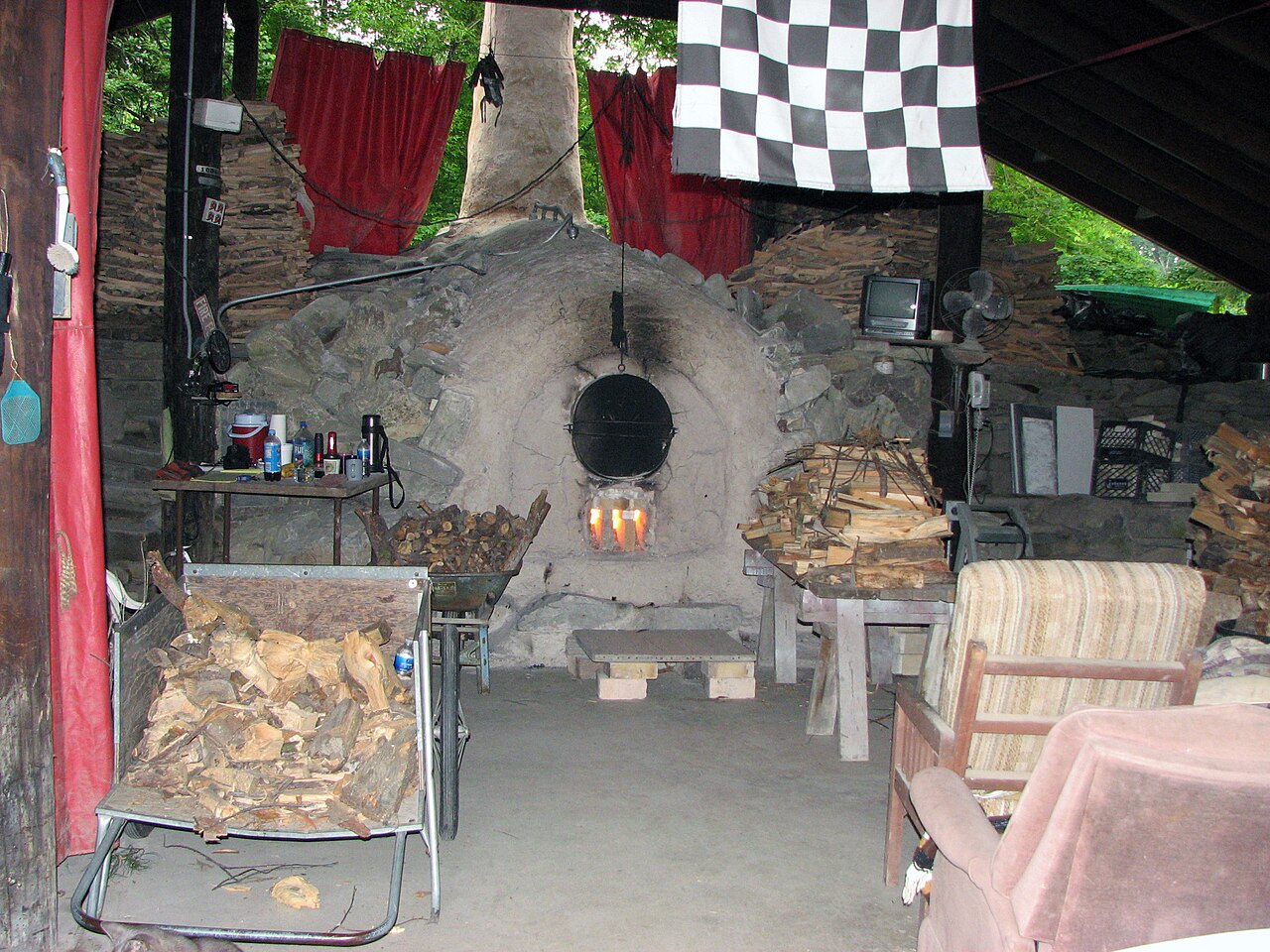
“Still being made here” is not marketing in Tachikui — it is the current state of the village. Many small independent kilns operate along the district’s slopes, and the ware is a National Traditional Craft precisely because the practice is unbroken. A kyusu bought today is made by hands whose method descends directly from the medieval potters who first dug these kilns into the hills.
- 🍽️ Dishwasher: not recommended — hand-wash. Unglazed stoneware is porous, so a dishwasher is a poor fit for a kyusu.
- ♨️ Microwave: avoid — a teapot with a ceramic strainer and unglazed body is not intended for microwaving.
- 🧴 Daily care: rinse with hot water and let it air-dry fully; go easy on strong detergents, which the porous clay can absorb. Light seasoning from tea over time is normal for unglazed pots.
General guidance for unglazed stoneware kyusu; confirm any specific instructions on the listing.
Other Japanese kiln teapots and cups we have reviewed — useful for placing Tamba against neighboring Kansai kilns and the wider Six Ancient Kilns family.
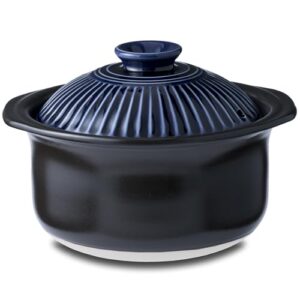 Banko-yaki Donabe →
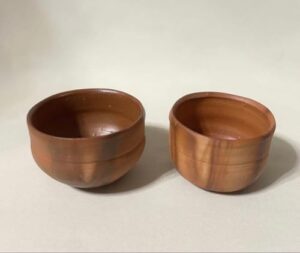 Bizen-yaki Guinomi (Six Ancient Kilns) →
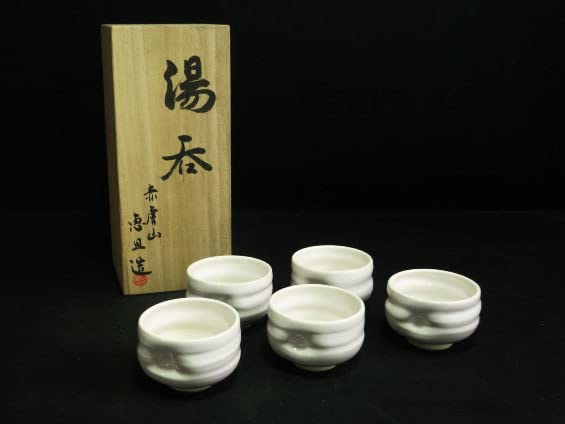 Akahada-yaki Nara-e Yunomi →
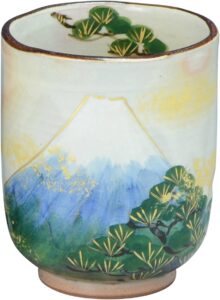 Kyo-yaki Shunzan Yunomi →
Kobushi-yaki Teapot →
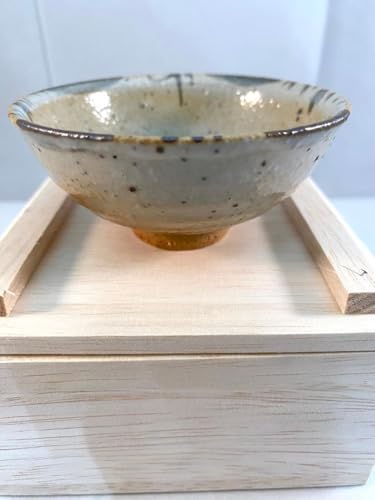 Karatsu Ware E-Garatsu →
📦 Shipping & where to buy from outside Japan
The specific pot in this guide is sourced from the Amazon JP Global Store, which ships internationally from Japan to 65+ countries — including Canada, the UK, and Australia. Amazon estimates and collects any import fees at checkout for most destinations, so there are usually no surprise charges on delivery.
Expect shipping in the region of $15–$40 to the US, EU, Canada, the UK, or Australia, depending on weight and speed. Ceramics are fragile, so favor the tracked, insured option. If a particular Tachikui kiln’s pot is sold only within Japan, a proxy service such as Buyee or Tenso can forward it abroad for an added fee. Duties may apply above your country’s de minimis threshold; the checkout estimate is the number to trust.
Price snapshot across stores
JPY is the authoritative price for the sourced item; USD figures elsewhere are approximate at a ¥150/USD baseline. No live price was in our snapshot, so verify at the listing before buying.
| Store | Item / Variant | Price (JPY + USD est.) | Notes |
|---|---|---|---|
| 🇺🇸 Amazon.com (US) | Browse Japanese kyusu teapots | varies (USD) | Best if you are shopping from the US — Prime shipping, USD pricing, no international customs. Amazon US carries kyusu teapots from a range of makers, useful for comparing shapes and price tiers; this exact Tamba piece is sourced from Japan (next row). |
| Amazon JP Global Store | Tamba Tachikui-yaki kyusu | See live listing (not in snapshot) | Ships internationally from Japan to 65+ countries — including Canada, the UK and Australia — with import fees estimated at checkout. |
| Maker direct | Individual Tachikui kilns | Varies by kiln | Many small kilns operate in the district; online sales and English support differ by workshop. |
| Proxy services (Buyee / Tenso) | Japan-only listings | Item price + forwarding fee | For pots sold only within Japan; adds a consolidation and forwarding charge. |
What it does well
Weaknesses and things to verify before buying
- No live price in our data. The snapshot did not include a current figure — confirm the price on the listing before ordering.
- Capacity and dimensions unconfirmed. Kyusu vary from single-cup to a few cups; check the volume in milliliters on the listing to be sure it matches your routine.
- Unglazed and porous. The clay body can absorb odors and stain over time; it needs hand-washing and thorough drying, and it is not dishwasher-safe.
- Every pot differs. Ash-glaze drips, tone, and minor surface variation are inherent to the ware — if you want perfect uniformity, this is the wrong category.
- Fragile in transit. Ceramics chip; favor tracked, insured shipping and inspect on arrival.
- Not a heat-retention vessel. A stoneware kyusu cools faster than a cast-iron tetsubin; it is for brewing and pouring, not keeping tea hot for hours.
- Maker/kiln attribution can be broad. “Tamba Tachikui-yaki” covers many kilns; if you want a specific potter, verify the maker in the listing.
Conclusion — which buyer type are you?
Other ways to approach this purchase
❓ Frequently Asked Questions
What is Tamba Tachikui-yaki?
Tamba Tachikui-yaki (Tamba ware) is a high-fired stoneware made in the Tachikui district of Tamba-Sasayama, Hyogo. It is one of the Nihon Rokkoyo, the Six Ancient Kilns of Japan, with a making tradition running roughly 800 years, and is recognized as a National Traditional Craft.
Is this teapot glazed?
Classic Tamba is unglazed stoneware. Its coloring comes from shizen-yu — a natural wood-ash glaze that forms when pine ash melts onto the bare clay during a long firing — plus an iron-rich clay body, so the greenish-brown surface is a product of the kiln rather than an applied glaze.
Can I use it for daily green tea?
Yes. It is a kyusu — a Japanese teapot with a side handle and a built-in ceramic strainer — designed for brewing and pouring sencha, hojicha, and similar Japanese green teas. It is a working tool meant for everyday use, not just display.
Does Amazon Japan ship this teapot internationally?
The specific listing is sold through the Amazon JP Global Store, which ships to 65+ countries including Canada, the UK, and Australia. Amazon estimates and collects any import fees at checkout for most destinations, so there are usually no surprise charges on delivery.
How do I care for an unglazed Tamba teapot?
Hand-wash it and let it air-dry fully; avoid the dishwasher and microwave, and go easy on strong detergents, which the porous clay can absorb. Light seasoning from tea over time is normal for unglazed pots. Confirm any maker-specific instructions on the listing.
How is Tamba ware different from Bizen or Shigaraki?
All three are among the Six Ancient Kilns and share unglazed, wood-fired stoneware roots, but each has a distinct local clay and firing character. Tamba is known for its iron-red ground and greenish-brown ash-glaze drips; Bizen and Shigaraki, from different clays and kilns, produce their own surfaces. See our Bizen guinomi guide for a side-by-side sense of the family.
jpmono.com is curated by a Japan-based editorial team (working out of Toyama in the Hokuriku region and Nara in Kansai) and is independent. We do not take payment from the makers we feature; income comes from affiliate links. Read more about our editorial standards.
This article was produced with AI assistance and reviewed against the maker’s published information and listing snapshots. Where our data was incomplete (for example, live pricing), that is stated plainly rather than filled in with guesses.
Affiliate disclosure: jpmono.com may earn a commission on qualifying purchases made through links on this page, at no additional cost to you.