![Aizu-nuri Makie Lacquer Tray: Fukushima’s 430-Year Urushi Craft, Where to Buy [2026]](https://jpmono.com/wp-content/uploads/2026/07/aizu-nuri-makie-lacquer-tray-where-to-buy-2026-featured.jpg)
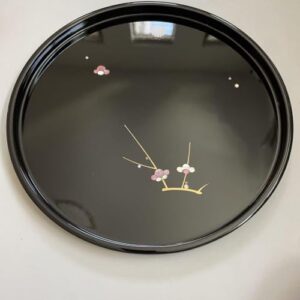
- What it is: a hand-lacquered wooden serving tray (obon) finished in deep urushi and decorated with sprinkled gold makie.
- Made in: Aizuwakamatsu, Fukushima (Tōhoku) — one of Japan’s oldest and largest lacquer regions, its industry organized since 1590.
- Price band: mid-range for hand-decorated Japanese lacquer trays (see the live listing — pricing was not in our data snapshot).
- Best for: buyers who want everyday-usable heritage lacquer, not a museum piece kept in a box.
- Skip if: you need something dishwasher-, microwave-, or oven-safe, or you want a bargain resin lookalike.
- Shipping: ships internationally from Amazon Japan — jump to our pick ↓
Sprinkle powdered gold onto a still-wet coat of lacquer, let it set, then polish the surface back until the metal rises through the black like light through dark water. That technique is called makie (蒔絵, “sprinkled picture”), and in the Aizu basin of western Fukushima it has been done on everyday trays, bowls, and tiered boxes for more than four hundred years.
An Aizu-nuri (会津塗, “Aizu lacquerware”) obon — a flat serving tray — is one of the most approachable ways to own that tradition. Unlike single-artisan studio lacquer, Aizu was built from the 1590s as a large division-of-labor production region, which kept practical tableware affordable and export-minded. The result is a piece that reads as ceremonial but is meant to carry teacups across a room.
This guide is written for international readers who cannot simply walk into an Aizuwakamatsu workshop. We cover what the object is, how urushi and makie actually behave in daily use, how it compares to other Japanese lacquer traditions, and — the part that matters most from abroad — how to buy one and get it shipped to you.
🔄 Updated: July 16, 2026
⏱️ ~9 min read

ℹ️ Live pricing and some specs weren’t in our snapshot — the linked listing is authoritative; unconfirmed attributes are marked below.
- Who this is for — and who should skip it
- Product overview (from published specs)
- Price snapshot across stores
- 📍 Where this comes from — place, era, and the craft tradition
- What it does well
- Weaknesses and things to verify before buying
- Conclusion — which buyer type are you?
- Other ways to approach this purchase
- 🏆 Editor’s Pick
- ❓ Frequently Asked Questions
Who this is for — and who should skip it
- Want real urushi lacquer with genuine makie, not printed resin.
- Will actually use a tray for tea, sake, or serving — not just display it.
- Appreciate a regional craft with a documented four-century history.
- Prefer affordable, practical heritage over one-off studio pieces.
- Are comfortable hand-washing and wiping dry after each use.
- Need it dishwasher-, microwave-, or oven-safe.
- Want the cheapest tray possible regardless of material.
- Expect a signed, one-of-a-kind artist piece at this price.
- Cannot avoid prolonged soaking or direct sunlight storage.
- Have a lacquer (urushiol) sensitivity — rare once cured, but worth noting.
Product overview (from published specs)
Aizu-nuri covers a whole family of forms; the item in this guide is a serving tray (obon). Because our data snapshot did not include a live listing feed, the table below marks unconfirmed fields plainly rather than guessing. Verify current details at the linked listing before buying.
Aizu-nuri Makie Lacquer Tray
会津塗 蒔絵 菓子盆 明峰
通常6~7日以内に発送します。 · Sold by MoTTo · ASIN B0FHLGJTNM
Price and availability as of 2026-08-31 02:30 JST. The Amazon listing at the time of purchase is authoritative. jpmono.com earns a commission on qualifying purchases at no extra cost to you.
| Attribute | Detail (per listing / craft tradition) |
|---|---|
| Object | Serving tray (obon, 御盆) |
| Craft | Aizu-nuri (Aizu lacquerware), makie gold decoration over urushi |
| Origin | Aizuwakamatsu, Fukushima Prefecture (Tōhoku) |
| Substrate | Turned / joined wood base (traditional Aizu construction) |
| Finish | Black or vermilion urushi ground with sprinkled gold makie |
| Dimensions / weight | Unconfirmed — check listing |
| Price | Unconfirmed — check manufacturer/listing |
| Source | What it offers | Note |
|---|---|---|
| 🇺🇸 Amazon US (search) | Browse Japanese lacquer trays & makie ware | USD pricing, Prime; the exact Aizu piece ships from Japan |
| 🇯🇵 Amazon JP Global Store | The specific sourced Aizu-nuri tray (ASIN B0FHLGJTNM) | Ships worldwide; import fees estimated at checkout |
| Maker direct | Aizuwakamatsu lacquer studios & co-op shops | Often Japanese-language only; may not ship abroad |
| Proxy services (Buyee / Tenso) | Forwarding from JP-only shops | Adds a service fee; useful for listings that block overseas buyers |
📖 Glossary — Japanese lacquer terms
- urushi (漆) — natural lacquer sap from the Toxicodendron vernicifluum tree; cured in layers, it becomes a hard, food-safe, water-resistant coat.
- makie (蒔絵) — “sprinkled picture”; gold or silver powder dusted onto wet lacquer to form a design, then set and polished.
- chinkin (沈金) — “sunken gold”; lines incised into cured lacquer and filled with gold, an Aizu specialty alongside makie.
- obon (御盆) — a flat serving tray for carrying tea, sake, or small dishes.
- sanchi (産地) — a “production region”; a district where a craft is organized as a whole supply chain, not a single studio.
- kijishi (木地師) — the woodturner who shapes the raw wooden base before it is lacquered.
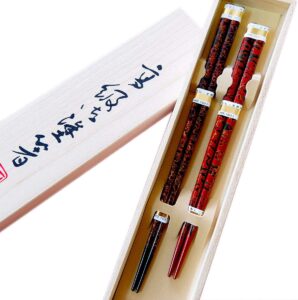
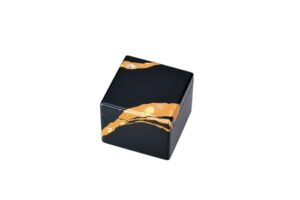
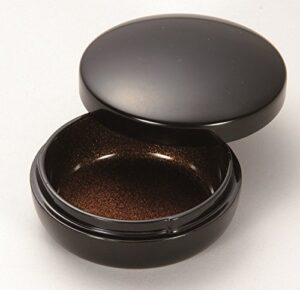
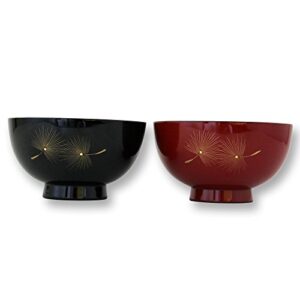
Other Japanese lacquer and Fukushima/Tōhoku crafts we’ve covered — useful for comparing traditions, techniques, and price tiers:
Price snapshot across stores
Pricing was not in our data snapshot, so the JPY figure below is marked as “check listing” rather than invented. JPY is the authoritative currency for the specific sourced item; USD figures elsewhere are approximate at a ¥150/USD baseline (mid-2026).
| Store | Item / variant | Price (JPY + USD est.) | Notes |
|---|---|---|---|
| 🇺🇸 Amazon.com (US) | Browse Japanese lacquer trays & makie ware | varies (USD) | Best if you’re shopping from the US — Prime shipping, USD pricing, no international customs. Amazon US carries lacquer serving ware from several Japanese makers, useful for comparing styles and price tiers. The exact Aizu-nuri piece is sourced from Japan (next row). |
| 🇯🇵 Amazon JP Global Store | The sourced Aizu-nuri makie tray (ASIN B0FHLGJTNM) | Check listing — price not in snapshot | Ships internationally from Japan to 65+ countries — including Canada, the UK and Australia — with import fees estimated at checkout. |
| Maker direct | Aizuwakamatsu studios / lacquer co-op | Varies | Widest selection and finish choices, but often Japanese-language only and may not ship overseas. |
| Proxy services (Buyee / Tenso) | Forwarding from JP-only shops | Item price + service fee | Use when a maker or shop won’t ship abroad directly; adds handling and consolidation fees. |
📍 Where this comes from — place, era, and the craft tradition

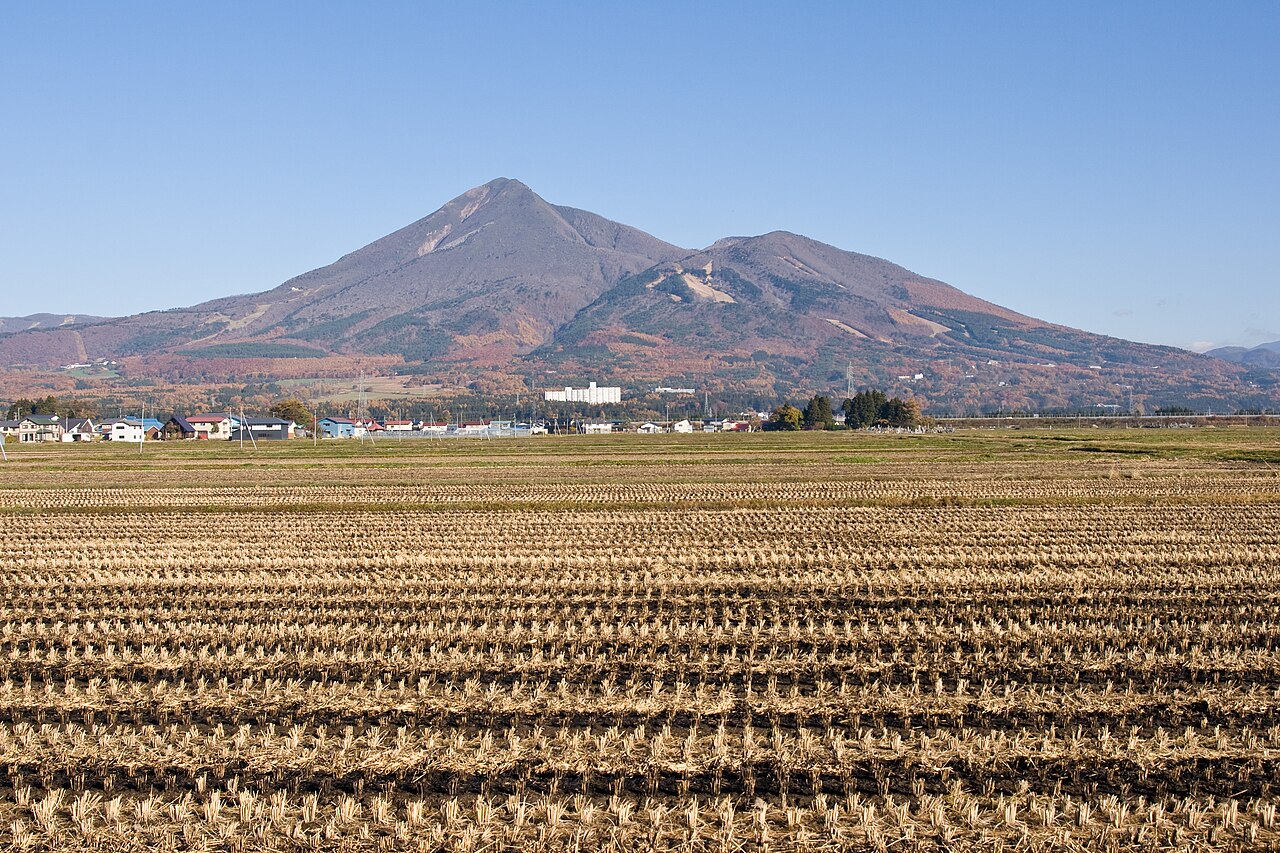
Aizu is the western, mountain-ringed corner of Fukushima Prefecture, in the Tōhoku region of northern Honshū. It is inland — a wide basin drained by the Aga River and sheltered by peaks such as Mount Bandai — rather than a coastal port city. That geography matters for lacquer: the basin’s cold, humid winters give urushi the slow, controlled drying that fine coats require, and the surrounding hills historically supplied both timber for the wooden bases and the urushi trees themselves.
The industry has a clear starting date. In 1590 the daimyo Gamō Ujisato was transferred from Ōmi-Hino, in what is now Shiga Prefecture, to Aizu, and he deliberately relocated lacquer artisans along with mulberry and urushi cultivation to build the domain economy. Lacquer was not a hobby for the court here; it was infrastructure. Under the later Matsudaira and Hoshina lords the craft matured into a full production chain — woodturning, undercoating, top-coating, and decoration — each handled by specialists.
- 1590 — Gamō Ujisato transferred from Ōmi-Hino to Aizu; relocates lacquer artisans and mulberry/urushi cultivation to seed the domain economy.
- 17th c. — Under the Matsudaira/Hoshina lords the craft becomes a full production chain: woodturning, undercoat, topcoat, decoration.
- Edo period — Makie (sprinkled gold) and chinkin (incised gold) become Aizu specialties, with auspicious motifs like pine-bamboo-plum and folding fans.
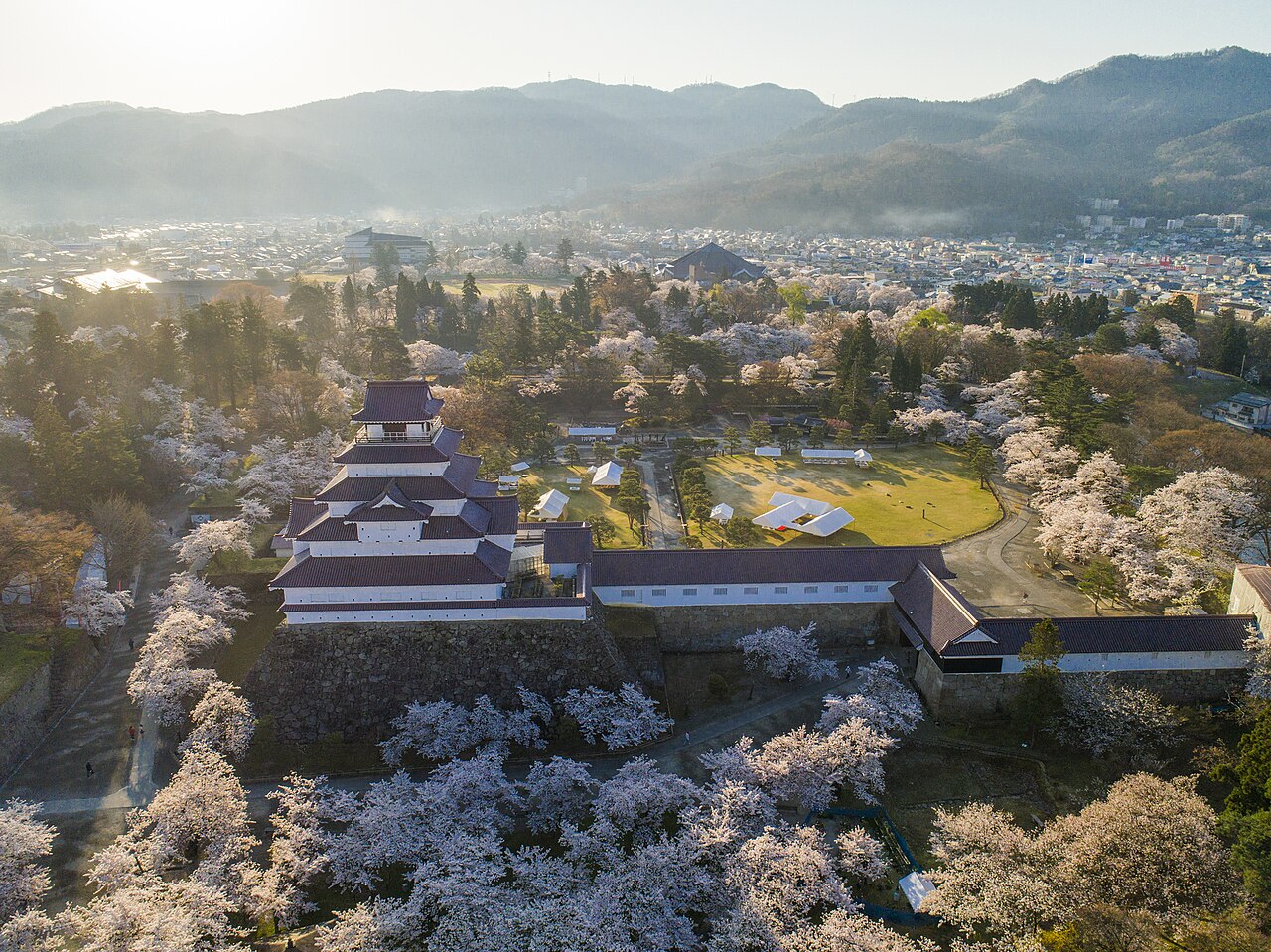
- 1868 — The Boshin War; the Aizu domain and Tsuruga Castle fall, a defining moment in the region’s identity.
- Meiji onward — Aizu reorganizes as an export-oriented lacquer sanchi, keeping practical tableware affordable.
- Today — Aizuwakamatsu remains one of Japan’s oldest and largest lacquer-producing regions.
What set Aizu apart from single-artisan traditions was organization. Unlike Wajima work, where one master often carried a piece through many stages, Aizu historically ran as a large division-of-labor sanchi. Woodturners, undercoat specialists, top-coaters, and makie decorators each did one job well, and the district’s craft-town culture supported that specialization. That is precisely why Aizu tableware — trays, bowls, tiered boxes — stayed affordable and export-friendly rather than becoming rarefied.
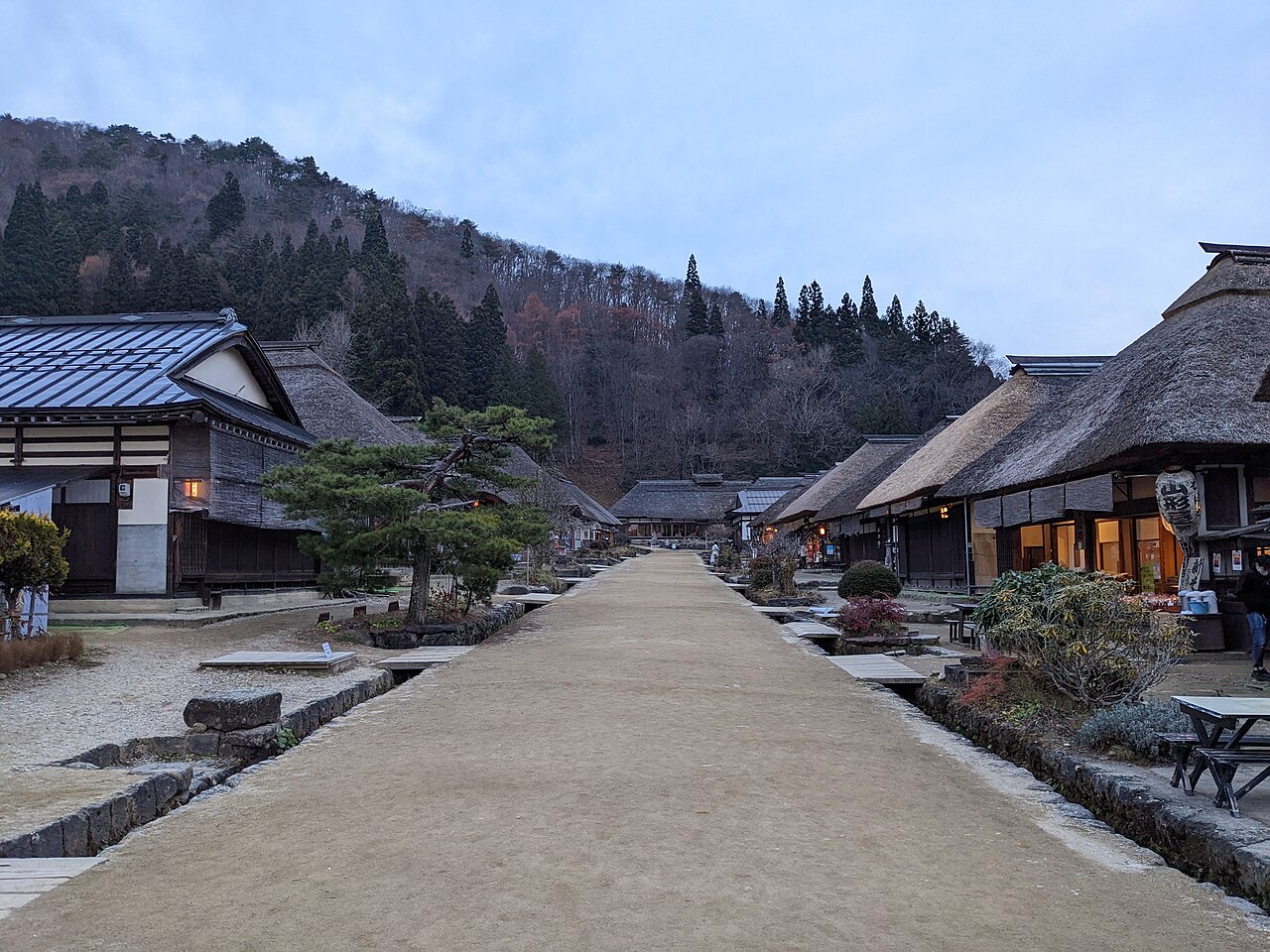
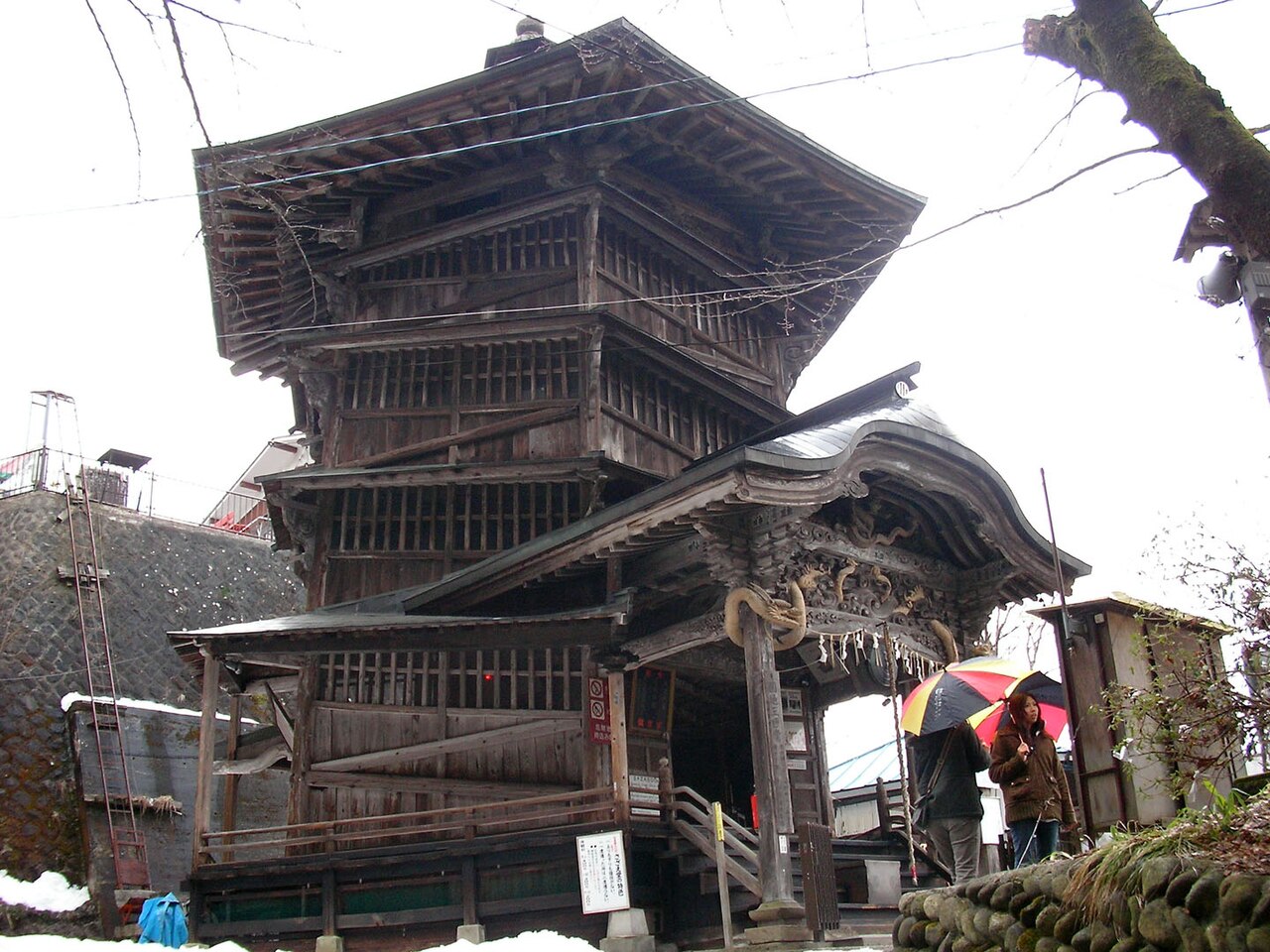
The wood underneath is easy to forget once the lacquer goes on, but it is the reason the object lasts. Aizu sits within a broader regional woodworking tradition — visible in landmarks like the Sazaedo, an 18th-century double-helix wooden hall on Mount Iimori in Aizuwakamatsu. A well-turned, well-seasoned base is what lets a lacquer coat cure evenly and survive daily use without warping or cracking.
“Aizu built its lacquer as infrastructure, not ornament — which is exactly why a four-century-old technique still ends up on an everyday serving tray.”
What it does well
- 🍽️ Dishwasher: no — hand-wash in lukewarm water with a soft sponge.
- ♨️ Microwave / oven: no — heat and direct flame damage urushi.
- 🧴 Daily care: wipe dry soon after washing; avoid prolonged soaking and long direct sunlight, which can dull the surface.
- 🔧 Repairs: quality lacquer can often be re-coated by a lacquer specialist rather than discarded — one reason these pieces last generations.
Weaknesses and things to verify before buying
- No dishwasher, microwave, or oven. Urushi is durable in normal use but intolerant of machine heat and harsh detergents. If you want fully hands-off cleaning, this is not for you.
- Pricing and dimensions unconfirmed here. Our snapshot lacked a live listing, so confirm the exact size, finish, and current price at the linked page before ordering.
- “Makie” and “lacquer” are used loosely online. Some inexpensive trays use printed gold or synthetic coatings. Verify that the listing states real urushi and genuine makie, not “lacquer-style.”
- Hand-finished pieces vary. As with any hand-decorated craft, small differences in the gold pattern or sheen are normal, not defects.
- International shipping adds cost and time. Import fees are typically estimated at checkout via Amazon JP Global Store, but customs handling can still add days.
- Not a certified artist piece. If you specifically want a signed, single-maker studio work, an affordable sanchi tray is the wrong category.
Conclusion — which buyer type are you?
Other ways to approach this purchase
🏆 Editor’s Pick
❓ Frequently Asked Questions
Is real urushi lacquer safe for food and hot dishes?
Can I put an Aizu-nuri tray in the dishwasher or microwave?
Does Amazon Japan ship an Aizu-nuri tray to my country?
How is Aizu-nuri different from Wajima-nuri?
Is the gold on the tray real makie, or just paint?
Why are some Aizu trays black and others vermilion?
jpmono.com is curated by a Japan-based editorial team (working out of Toyama in the Hokuriku region and Nara in Kansai) and is independent. We don’t take payment from the makers we feature; income comes from affiliate links. Read more about our editorial standards.
This article was researched and drafted with AI assistance and reviewed against the source listing and craft-history notes before publication. Facts not present in our data were marked as unconfirmed rather than invented.
Affiliate disclosure: jpmono.com may earn a commission on qualifying purchases made through links on this page, at no additional cost to you.