![Miki Uchihamono Oire Nomi: Japanese Bench Chisel Where to Buy [2026]](https://jpmono.com/wp-content/uploads/2026/07/miki-uchihamono-oire-nomi-bench-chisel-where-to-buy-2026-featured.jpg)
- What it is: A hand-forged Japanese bench chisel (oire-nomi) with a laminated blue/white-steel edge on a soft-iron body, red-oak handle, and steel hoop.
- Made in: Miki, Hyogo — the Banshu Miki hardware district, a METI-designated traditional craft (Banshū Miki Uchihamono).
- Price band: mid-range for hand-forged joinery chisels; sold as a single chisel or a graduated set (see the live listing for the current figure).
- Best for: woodworkers doing mortise-and-tenon joinery, cabinetry, and fine paring who want a real forged laminated edge.
- Skip if: you want a machine-ground stainless chisel that never needs sharpening or hoop setting.
- Shipping: ships internationally from Amazon Japan — jump to our pick ↓
Cut a mortise by hand and the tool tells you, within the first few taps, whether its edge was forged or merely ground. A Banshu Miki oire-nomi (追入鑿, “bench chisel”) is built for that moment: a thin lamina of hard high-carbon steel is fire-welded onto a soft-iron body, so the cutting edge can be taken to glass-hardness while the back stays tough enough to survive mallet blows. The steel edge does the cutting; the iron body absorbs the shock.
The town it comes from earned its trade the hard way. Miki, in the Harima plain of western Hyogo, was leveled after Toyotomi Hideyoshi’s miki no hoshigoroshi — the “starvation siege” of Miki Castle that ended in 1580. Rebuilding a razed castle town drew carpenters and edge-tool smiths in numbers, and through the Edo period Miki became Japan’s premier general-hardware town, the kanamono no machi that forged the five carpenter’s tools: the saw, the chisel, the plane, the marking square, and the small knife. “Banshū Miki Uchihamono” is now a nationally designated traditional craft.
This guide is for a woodworker deciding where to buy a genuine Japanese bench chisel from outside Japan. It covers what an oire-nomi actually is, how the laminated construction and hoop-set handle work, where Miki sits in Japan’s map of blade towns, and the honest trade-offs — sharpening, hoop setting, rust care — before you commit. The specific piece is sourced from Amazon Japan’s Global Store; the comparison and buying paths follow.
📅 Published: · ✏️ Updated: · ⏱️ Read time: ~10 min
ℹ️ Live pricing and some specs weren’t in our snapshot — the linked Amazon Japan listing is authoritative; unconfirmed attributes are marked below.

- Who this is for — and who should skip it
- Product overview (from published specs)
- Price snapshot across stores
- 📦 Shipping & where to buy from outside Japan
- What it does well
- Weaknesses and things to verify before buying
- Conclusion — which buyer type are you?
- Other ways to approach this purchase
- Where this comes from
- 🏆 Editor’s Pick
- ❓ Frequently Asked Questions
Who this is for — and who should skip it
- Cut mortise-and-tenon joints, dadoes, or fine paring by hand and want a forged laminated edge.
- Already own or plan to own Japanese waterstones and are comfortable sharpening.
- Value tool steel you can take to a very fine, durable edge over “maintenance-free” convenience.
- Want a single chisel to start, with the option to build a graduated set later.
- Appreciate a tool tied to a documented craft town rather than an anonymous factory.
- Want a stainless, dishwasher-tolerant chisel that never rusts and never needs honing.
- Refuse to set the steel hoop or flatten the back before first use.
- Need a wide selection of purchasable widths confirmed in one click today.
- Only do rough demolition work where a hardware-store chisel is genuinely fine.
- Are unwilling to keep a carbon-steel edge lightly oiled against rust.
Product overview (from published specs)
Miki Uchihamono Oire Nomi
播州三木打刃物 伝統工芸士 岩崎永祐作 「左のぶ弘」追入鑿30㎜ (一枚裏・赤樫柄付・本刃付)「三木金物商工協同組合連合会認定書付」 (岩崎鑿製作所)
通常6~7日以内に発送します。 · Sold by 三木金物展示即売館通販事業部 · ASIN B00JWCCC58
Price and availability as of 2026-08-31 02:30 JST. The Amazon listing at the time of purchase is authoritative. jpmono.com earns a commission on qualifying purchases at no extra cost to you.
| Attribute | Detail (per listing / maker tradition) |
|---|---|
| Tool type | Oire-nomi — Japanese bench / mortise chisel for joinery |
| Origin | Banshu Miki (Miki, Hyogo) — Banshū Miki Uchihamono, a designated traditional craft |
| Edge construction | Awase (laminated) — hard high-carbon steel (blue/white) forge-welded to a soft-iron body |
| Handle | Red oak (akagashi) with a steel hoop (katsura) at the neck |
| Configuration | Single chisel or graduated set (verify the exact option on the listing) |
| Blade width | Unconfirmed in our snapshot — check the listing’s size options |
| Item ID (Amazon JP) | B00JWCCC58 |
Sources: Amazon US search (primary, moonill-20) + Amazon JP Global Store (secondary, moonill-22, sourced listing) + maker tradition. Attributes marked “unconfirmed” were not present in our data snapshot; the live listing is authoritative.
📖 Glossary — key Japanese terms
- oire-nomi (追入鑿) — the standard Japanese bench chisel, sized for mortise-and-tenon joinery and general cabinet work.
- uchihamono (打刃物) — “struck / forged blades”; edge tools made by hammer-forging rather than stamping.
- awase (合わせ) — the laminated construction: hard steel (hagane) welded onto soft iron (jigane).
- hagane / jigane (鋼 / 地金) — the hard cutting steel, and the soft iron body it is laminated to.
- katsura (冠 / かつら) — the steel hoop set over the handle’s struck end to keep it from splitting under the mallet.
- kanamono no machi (金物の町) — “hardware town,” the epithet Miki earned as Japan’s general edge-tool center.
Other forged Japanese tools and joinery objects we’ve covered — useful for placing a Miki bench chisel among knives, hatchets, and the woodwork it serves.
Price snapshot across stores
| Store | Item / Variant | Price (JPY + USD est.) | Notes |
|---|---|---|---|
| 🇺🇸 Amazon.com (US) | Browse Japanese bench chisels | varies (USD) | Best if you’re shopping from the US — Prime shipping, USD pricing, no international customs. Amazon US carries Japanese oire-nomi and chisel sets from makers such as Narex-style imports, Iyoroi, and others — useful for comparing widths and steel types. The exact Banshu Miki piece is sourced from Japan (next row). |
| 🇯🇵 Amazon JP Global Store | Banshu Miki oire-nomi (single / set) — item B00JWCCC58 | See live listing (JPY authoritative) | Ships internationally from Japan to 65+ countries — including Canada, the UK and Australia — with import fees estimated at checkout. This is the sourced listing for the specific chisel. |
| Maker direct | Banshu Miki smith / tool retailer | Varies — often domestic-only | Individual Miki smiths and Japanese tool shops list widths not always on Amazon; many ship within Japan only, so pair with a proxy. |
| Proxy services (Buyee / Tenso) | Any Japan-only listing | Item price + forwarding fee | Use when a specific width or smith is sold only on a Japan-domestic site; adds a forwarding fee and consolidated international shipping. |
Prices in USD are approximate and depend on the current exchange rate (¥150/USD baseline, mid-2026). The JPY price on the listing is the authoritative figure. Prices and stock fluctuate — verify at the retailer before buying.
📦 Shipping & where to buy from outside Japan
The specific Banshu Miki chisel here is sourced from the Amazon Japan Global Store, which ships to 65+ countries — including Canada, the UK, and Australia. For most destinations Amazon estimates and collects import fees at checkout, so there is rarely a surprise bill on delivery.
Expect international shipping in the rough range of $15–$40 to the US and EU, with similar bands to Canada, the UK, and Australia depending on weight and speed. A single chisel is light; a graduated set weighs more. If you are shopping from the US, the Amazon.com search link in the price table is often the simpler path for Prime shipping and USD pricing — Amazon US carries comparable Japanese chisels, though not always this exact Banshu Miki piece. When a specific width or a particular smith appears only on a Japan-domestic site, a proxy service such as Buyee or Tenso can forward it internationally.
Note: carbon-steel edge tools are generally unrestricted for international post, but confirm your country’s rules on blades and duty thresholds before ordering.
What it does well
- 🛡️ Rust: carbon steel — wipe the blade clean and lightly oil it (camellia or light machine oil) after use; do not leave it damp.
- 🪒 Sharpening: hone on Japanese waterstones; flatten the hollow-ground back (ura) before first use and maintain the bevel.
- 🔨 Hoop setting: seat the steel katsura hoop and mushroom the handle end over it before heavy mallet work so the wood cannot split.
- 🗄️ Storage: keep in a dry roll or box; avoid humidity swings that raise surface rust on the bare steel.
Weaknesses and things to verify before buying
- It rusts. A laminated carbon-steel edge needs oiling and dry storage; if you want zero maintenance, buy stainless instead.
- Setup is required. A traditional oire-nomi typically needs the back flattened and the hoop set before first use — it is not a grab-and-chop tool out of the box.
- Width and configuration are unconfirmed in our snapshot. Whether the listing is a single chisel or a set, and which widths, must be verified on the live page before ordering.
- No live price captured. Our data snapshot had no current price; treat the listing’s JPY figure as authoritative and expect it to shift.
- Sharpening skill assumed. The tool rewards good stone technique; a beginner without waterstones will not see its advantage over a cheaper Western chisel.
- Handle and hoop fit varies. Hand-forged tools differ slightly piece to piece; the hoop may need reseating as the wood settles.
Conclusion — which buyer type are you?
Other ways to approach this purchase
Where this comes from

Miki sits on the Harima plain of western Hyogo, in the Kansai region, on the Seto Inland Sea side of the prefecture — roughly 30 km west of Kobe and a short reach from Himeji. The Harima district had charcoal, iron, and, crucially, the Seto Inland Sea shipping route on its doorstep, so raw material could come in and finished tools could go out to market. That combination — fuel, ore, and water logistics — is why an edge-tool industry could take root and hold here for centuries.
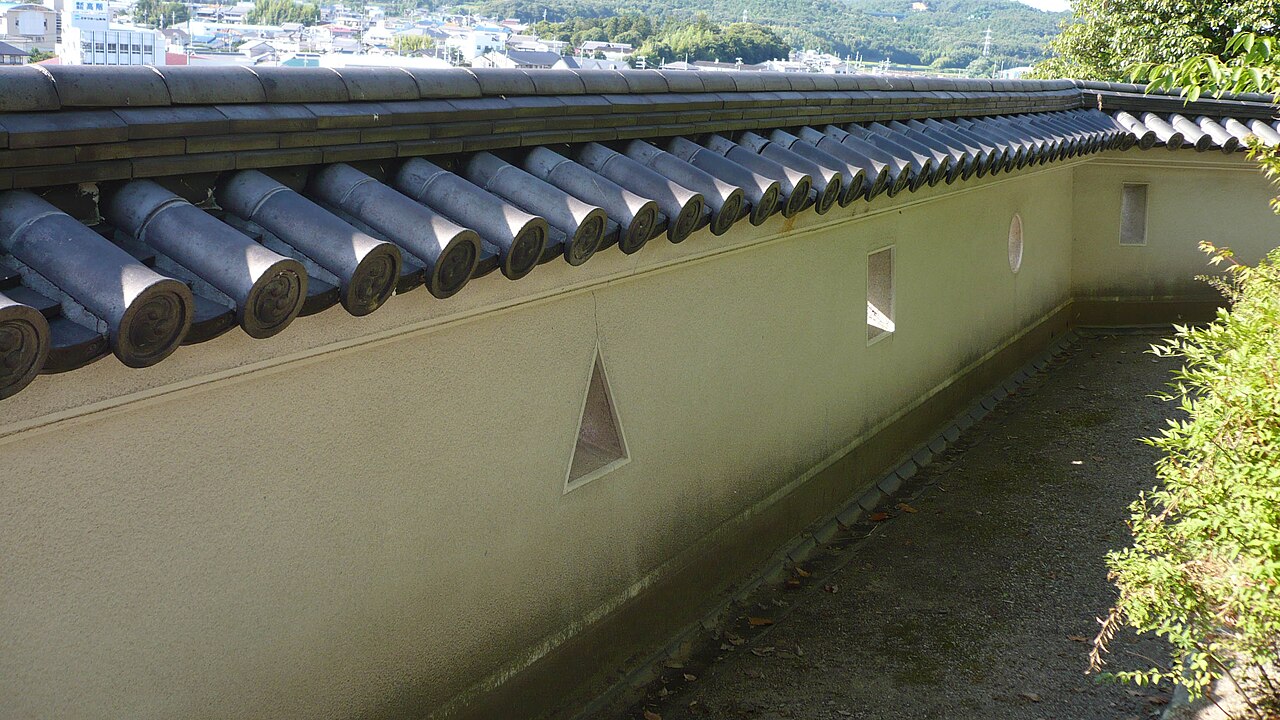
The town’s trade was born of catastrophe. In the campaign that ended in 1580, Toyotomi Hideyoshi took Miki Castle by encirclement and starvation — the miki no hoshigoroshi. The castle fell and the town was razed. Rebuilding it drew carpenters and blacksmiths in numbers, and among the trades that settled in the recovering town, edge-tool forging took the deepest root.
-
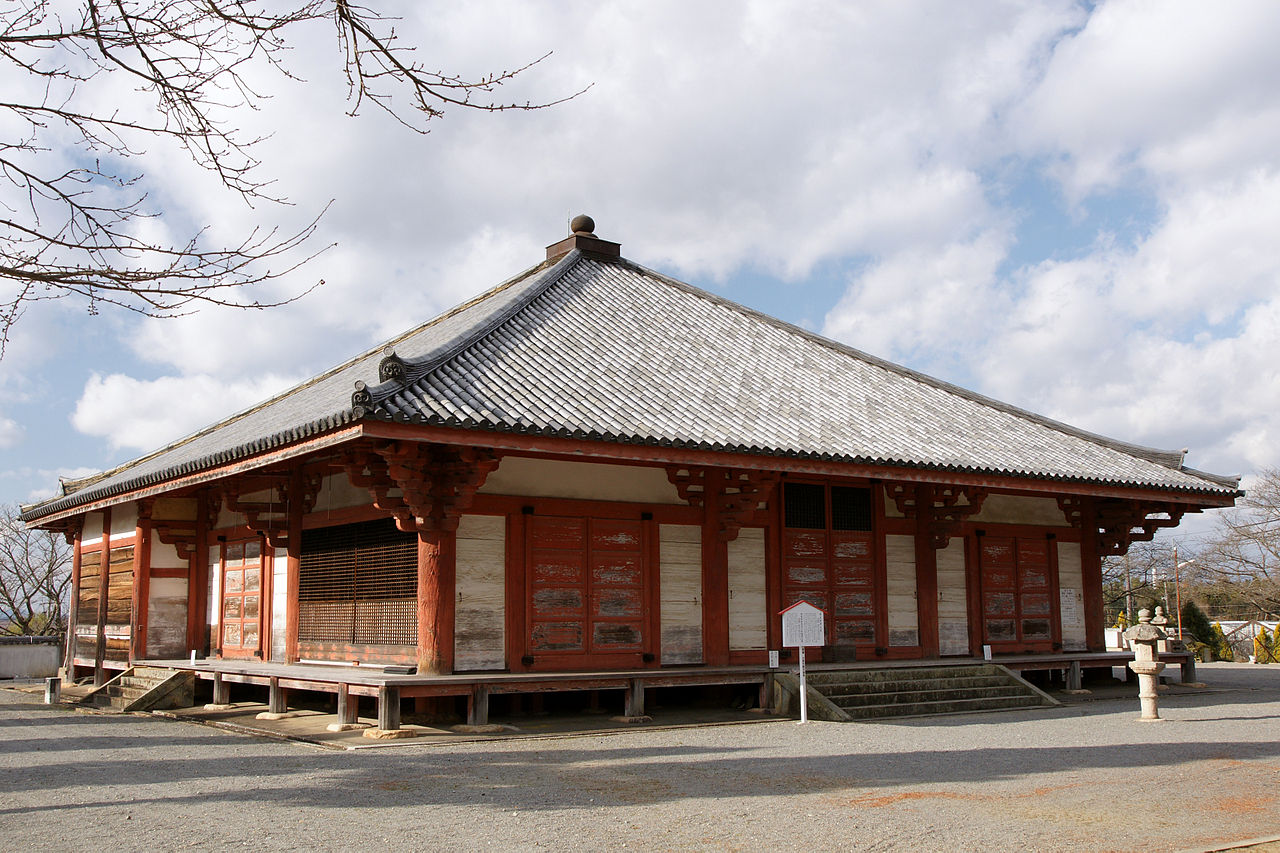
1194 — Jōdo-ji Jōdo-dō completed in nearby Ono, a Daibutsu-yō National Treasure showcasing exposed timber joinery. -
1578–1580 — Hideyoshi’s “starvation siege” (miki no hoshigoroshi) of Miki Castle. -
1580 — The castle falls; the razed town is rebuilt as carpenters and smiths pour in, and edge-tool forging takes root. -
1609 — Himeji Castle rebuilt in its present form nearby, anchoring Harima’s carpentry tradition. -
Edo period — Miki becomes Japan’s premier general-hardware town, forging the five carpenter’s tools: saw, chisel, plane, square, and knife. -
1996 — Banshū Miki Uchihamono designated a national traditional craft by Japan’s METI. -
1998 — The Akashi Kaikyō Bridge opens over the Seto Inland Sea, the corridor that long carried Miki iron and tools.
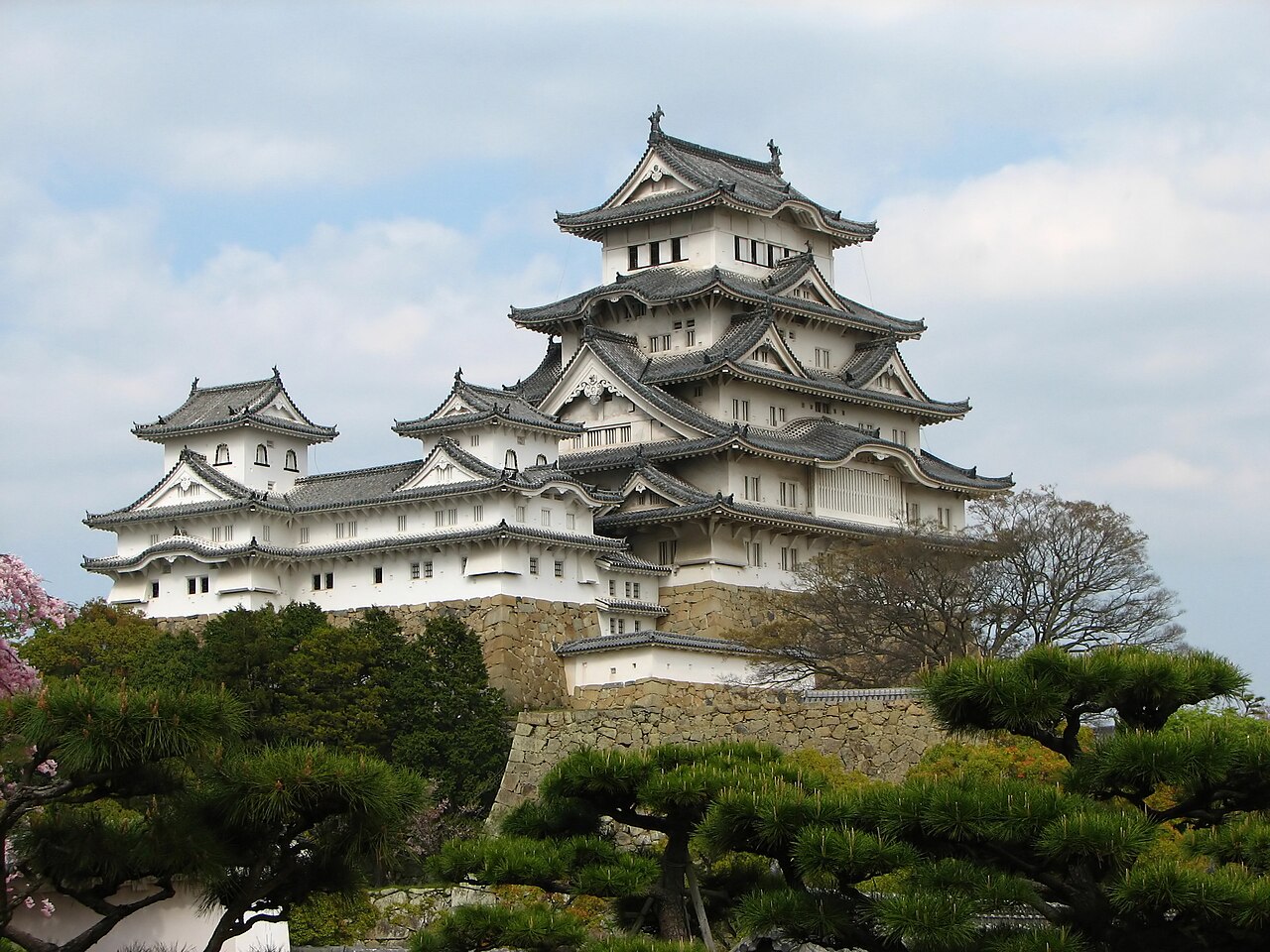
Through the Edo period, Miki grew into the kanamono no machi — the hardware town — forging the five essential carpenter’s tools together in one place: saw (nokogiri), chisel (nomi), plane (kanna), marking square (sashigane), and small knife (kogatana). That completeness is the point. A carpenter could equip an entire kit from Miki smiths, and the town’s reputation rode on all five trades at once.
“A town razed by a siege rebuilt itself into the place that forged the tools other towns were built with.”
What an oire-nomi actually does is visible in the region’s own architecture. The Daibutsu-yō joinery of Jōdo-ji Jōdo-dō — exposed brackets and interlocking timber, no hidden fasteners — is precisely the kind of mortise, tenon, and paring work a bench chisel performs. The joint is cut, not glued; the chisel is what makes the fit.
Geography kept the trade alive as much as history seeded it. The Seto Inland Sea, spanned today by the Akashi Kaikyō Bridge, was the shipping corridor that moved Harima iron in and finished tools out to markets across the country. Miki did not have to be near the capital to matter; it had to be near the water. That it remains a designated traditional-craft town today is the continuity case — the same five tools, the same laminated logic, still forged where the siege once burned everything down.

🏆 Editor’s Pick
❓ Frequently Asked Questions
What is an oire-nomi?
An oire-nomi (追入鑿) is the standard Japanese bench chisel, sized for mortise-and-tenon joinery and general cabinet work. It is the everyday chisel of a Japanese carpenter’s kit, struck with a mallet and used for cutting and paring joints.
Is this a single chisel or a set?
Banshu Miki oire-nomi are sold both as single chisels and as graduated sets. Our data snapshot did not confirm which option applies to item B00JWCCC58, so check the live listing’s configuration and widths before ordering.
Does it ship outside Japan?
Yes. It is sourced from the Amazon Japan Global Store, which ships to 65+ countries including Canada, the UK, and Australia, with import fees estimated at checkout for most destinations. Shoppers in the US can also browse comparable Japanese chisels on Amazon.com.
What steel is the blade?
It is a laminated (awase) construction: a hard high-carbon steel edge — blue or white steel — is forge-welded onto a soft-iron body. This lets the edge be hardened for keenness while the body stays tough under mallet blows. Confirm the exact steel grade on the listing.
How do I care for it, and does it need sharpening?
Yes — it is carbon steel, so wipe it dry and lightly oil it after use, and store it dry to prevent rust. You will hone it on Japanese waterstones and should flatten the hollow-ground back before first use. It also needs the steel hoop set before heavy mallet work.
How does Miki differ from other Japanese blade towns?
Miki is Japan’s general-hardware town — the kanamono no machi — known for forging all five carpenter’s tools (saw, chisel, plane, square, knife). Towns like Sakai and Echizen are best known for kitchen knives; Miki’s identity is built around woodworking and carpentry edge tools.
Is the handle ready to use out of the box?
Not fully. A traditional oire-nomi typically needs the steel hoop (katsura) seated and the handle end mushroomed over it before heavy mallet use, so the wood cannot split. Plan on a short setup step before the first serious cut.
jpmono.com is curated by a Japan-based editorial team (working out of Toyama in the Hokuriku region and Nara in Kansai) and is independent. We don’t take payment from the makers we feature; income comes from affiliate links. Read more about our editorial standards.
🤖 This article was drafted with AI assistance and reviewed against the maker’s tradition and the source listing before publication. Specs marked “unconfirmed” were not present in our data snapshot; verify them at the retailer.
Affiliate disclosure: jpmono.com may earn a commission on qualifying purchases made through links on this page, at no additional cost to you.