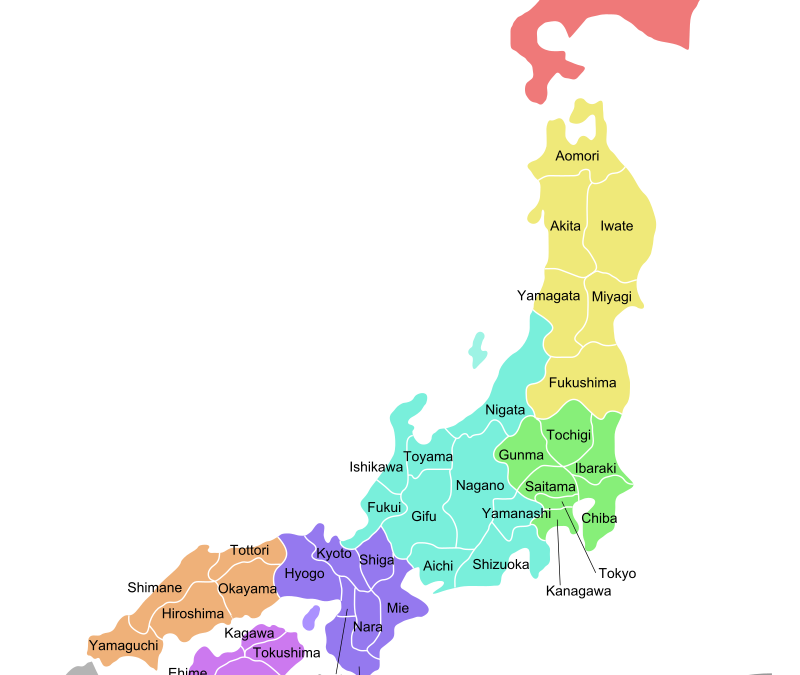
![Ryukyu Silver Jiifaa Hairpin: Okinawa Kanzeku Royal Metalwork [2026]](https://jpmono.com/wp-content/uploads/2026/05/japan-map-regions-and-prefectures-800x1050.png)
The jiifaa (ジーファー) is a single silver hairpin — not a set, not a comb, one pin — and for centuries it carried more meaning than any other object a Ryukyu woman owned. It was given at coming-of-age, it signaled rank, and it was understood to protect the wearer. The piece covered here is a hand-forged sterling silver jiifaa from Matsuda Kogei, a Naha workshop that revived the royal metalwork tradition known as kanzeku (琉球金細工), the silver- and gold-smithing that once served the Shuri court.
For international readers, this is an unusually direct line into Ryukyu court culture. Most Okinawan crafts that travel abroad are pottery (Yachimun) or glass; metalwork is rarer, and the jiifaa in particular is tied to a kingdom that traded with Ming China and Southeast Asia, was subjugated by Satsuma in 1609, and was abolished as a kingdom in 1879. The craft nearly disappeared with it. What you are looking at is a deliberate continuation, forged by hand rather than cast in volume.
This guide introduces the silver jiifaa as a meaningful, wearable piece of Ryukyu metalwork for a gift, a collection, or daily ornament. It explains the jiifaa tradition, the difference between silver and brass versions, and practical considerations for international buyers.
🔄 Updated: June 8, 2026
⏱️ Read time: ~12 min
- Who this is for — and who should skip it
- Product overview (from published specs)
- Where this comes from — Okinawa, the Ryukyu court, and the kanzeku silversmiths
- Buying considerations
- What it does well
- Weaknesses and things to verify before buying
- Conclusion — which buyer type are you?
- Other ways to approach this purchase
- ❓ Frequently Asked Questions
Who this is for — and who should skip it
- Want a wearable object with a documented court-craft lineage, not generic souvenir jewelry
- Appreciate hand-forging marks and small irregularities as evidence of handwork
- Are buying a milestone or coming-of-age gift and like that the jiifaa was historically exactly that
- Collect Okinawan or Ryukyu material culture and want a metalwork piece to sit beside pottery or glass
- Are comfortable buying from Amazon JP Global Store and waiting for international shipping
- Need a matched set or an everyday clip — this is one decorative pin, not a styling kit
- Want guaranteed next-day delivery and fixed USD pricing (this is sourced from Japan)
- Have very fine or very short hair that a long single pin will not hold
- Expect mass-production consistency; hand-forged pieces vary slightly unit to unit
- Are price-sensitive and would rather have a brass or plated lookalike
Product overview (from published specs)
The table summarizes the material and cultural background of Ryukyu kanzeku jiifaa. Exact dimensions and current availability vary by maker, so unconfirmed details are left open rather than guessed.
| Attribute | Details | Source |
|---|---|---|
| Item | Ryukyu kanzeku jiifaa (ジーファー) hairpin | Maker description |
| Maker | Matsuda Kogei (松田工芸), Naha, Okinawa | Maker description |
| Material | Sterling silver, hand-forged | Amazon JP Global Store |
| Method | Traditional kanzeku hand-forging (not cast/mass-produced) | Maker description |
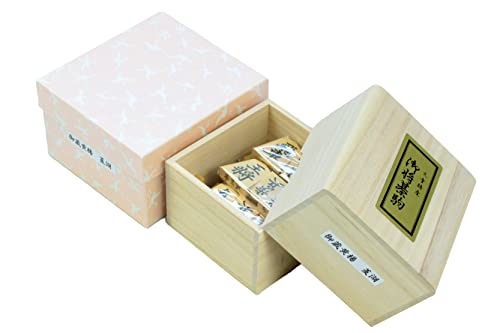
| Packaging | Paulownia (kiri) gift box | Maker description |
| Dimensions / weight | Varies by piece | — |
| Price | — | — |
International buyers may compare direct maker sales, established retailers, and proxy services where Japan-only availability is an issue. Shipping options and fees vary by destination and over time.
📖 Glossary — key Ryukyu craft terms
- jiifaa (ジーファー) — a single Ryukyu hairpin worn by women; historically given at coming-of-age and read as both rank insignia and protective amulet.
- kanzeku (琉球金細工, “Ryukyu metalwork”) — the silver- and gold-smithing tradition of the Ryukyu Kingdom, whose royal goldsmiths served the Shuri court from the 15th century.
- fuufudama (房々玉) — openwork spherical silver ornaments, another signature kanzeku form revived alongside the jiifaa.
- Shuri (首里) — the royal seat of the Ryukyu Kingdom, on the heights above present-day Naha; site of Shuri Castle.
- Ryukyu Kingdom (琉球王国) — the independent kingdom that governed Okinawa and surrounding islands before annexation as Okinawa Prefecture in 1879.
- Naha (那覇) — Okinawa’s principal port city and prefectural capital, where the surviving silversmith workshops continued the craft.
Where this comes from — Okinawa, the Ryukyu court, and the kanzeku silversmiths

Okinawa is not a peripheral version of mainland Japan; for most of its documented history it was a separate state. The Ryukyu Kingdom governed the island chain from a court at Shuri, on the heights above the port of Naha, and it grew wealthy as a maritime crossroads — a tribute partner of Ming China and an active trader with Southeast Asia. That trade is the soil the kanzeku tradition grew in. Royal goldsmiths attached to the Shuri court worked silver and gold for the aristocracy, absorbing Chinese and Southeast Asian metalworking influences along the way.
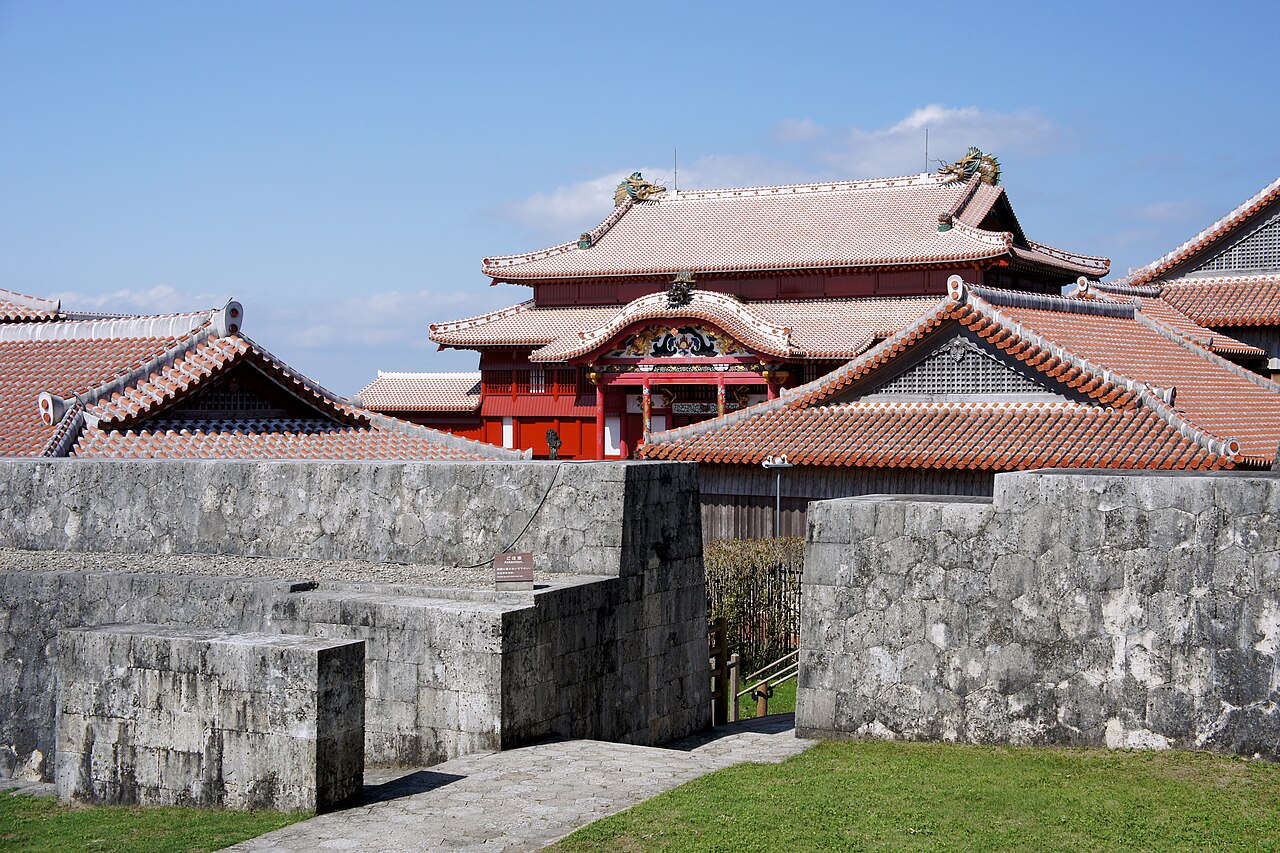
- 1429 — The three principalities are unified; the Ryukyu Kingdom is established with its royal seat at Shuri.
- 15th century — Kanzeku (琉球金細工) royal goldsmiths serve the Shuri court, drawing on tribute trade with Ming China and Southeast Asia.
- 1609 — The Satsuma domain subjugates Ryukyu; the kingdom continues but under Satsuma’s control.
- Edo period — The jiifaa is worn as a coming-of-age gift and rank marker: silver for aristocrats, brass for commoners.
- 1879 — The kingdom is abolished and annexed as Okinawa Prefecture; court patronage ends and the craft nearly vanishes.
- 1945 — The Battle of Okinawa destroys Shuri Castle and much of Naha, scattering what remained of the workshops.
- Postwar–present — The Matsuda family workshop (Matsuda Kogei) in Naha revives hand-forged jiifaa and openwork fuufudama by traditional methods.
The kingdom’s autonomy ended in stages. Satsuma’s invasion in 1609 left the court intact but dependent; the Meiji government’s abolition of the kingdom in 1879 ended royal patronage outright. Without a court to commission ceremonial silver, the kanzeku craft nearly disappeared — and the Battle of Okinawa in 1945, which leveled Shuri Castle and much of Naha, came close to finishing the job. That the tradition exists today is the result of deliberate revival rather than unbroken continuity.
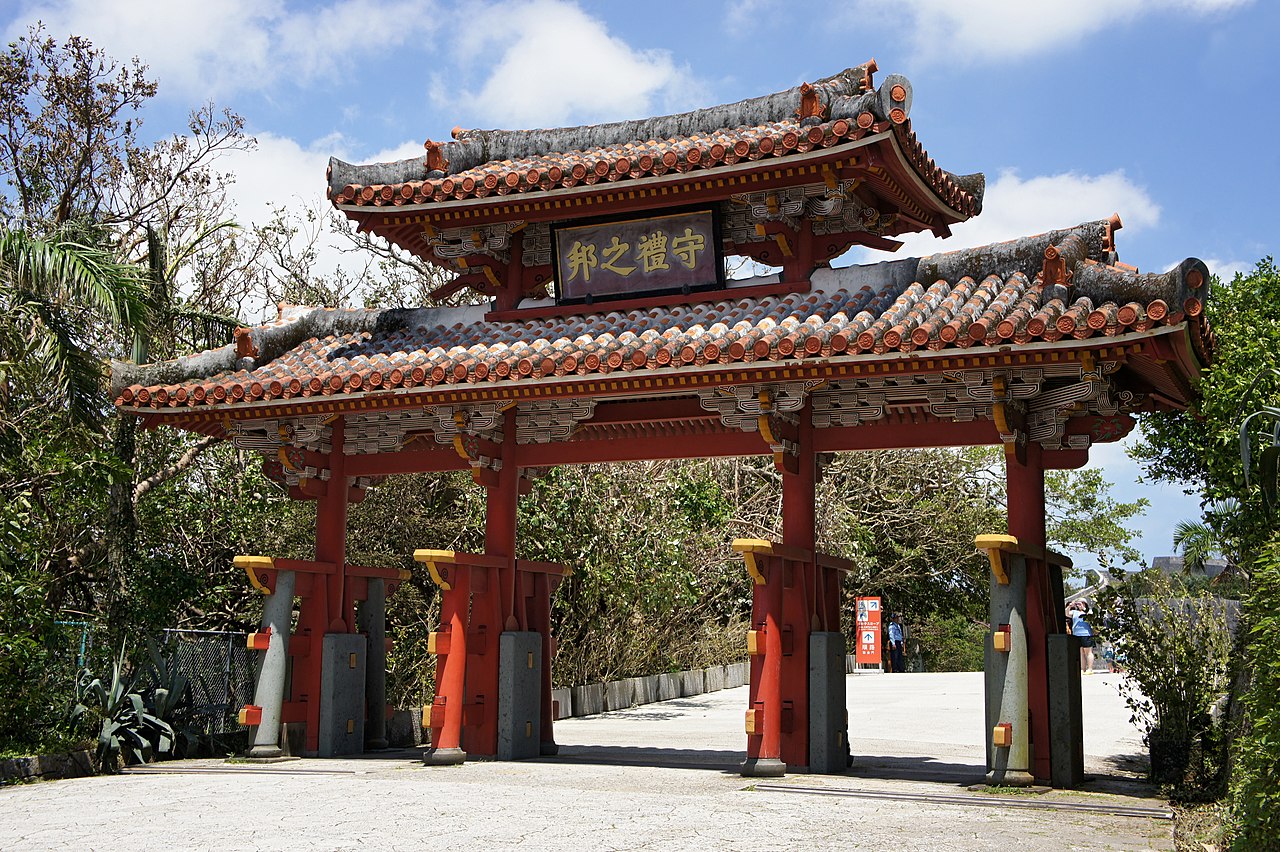
Within that court culture, the jiifaa was never only an ornament. A woman received a single silver pin at coming-of-age, and its form communicated her standing: aristocrats wore silver, commoners wore brass. The pin was also read as a protective amulet — a personal object meant to guard the wearer, not merely decorate her. This double role, insignia and amulet at once, is what separates the jiifaa from ordinary hair jewelry.
“One silver pin, given once, that marked who a woman was and was believed to keep her safe — the jiifaa was identity and amulet in a single forged line of metal.”

The motifs in kanzeku silver are often read against this island setting — wave forms, rounded bubble shapes, the openwork spheres of the fuufudama. These are traditionally interpreted as protective and auspicious rather than literal depictions; treat the symbolism as folk-traditional meaning, not documented fact. The point is that the design vocabulary is local — it belongs to a subtropical maritime kingdom, not to mainland metalwork conventions.
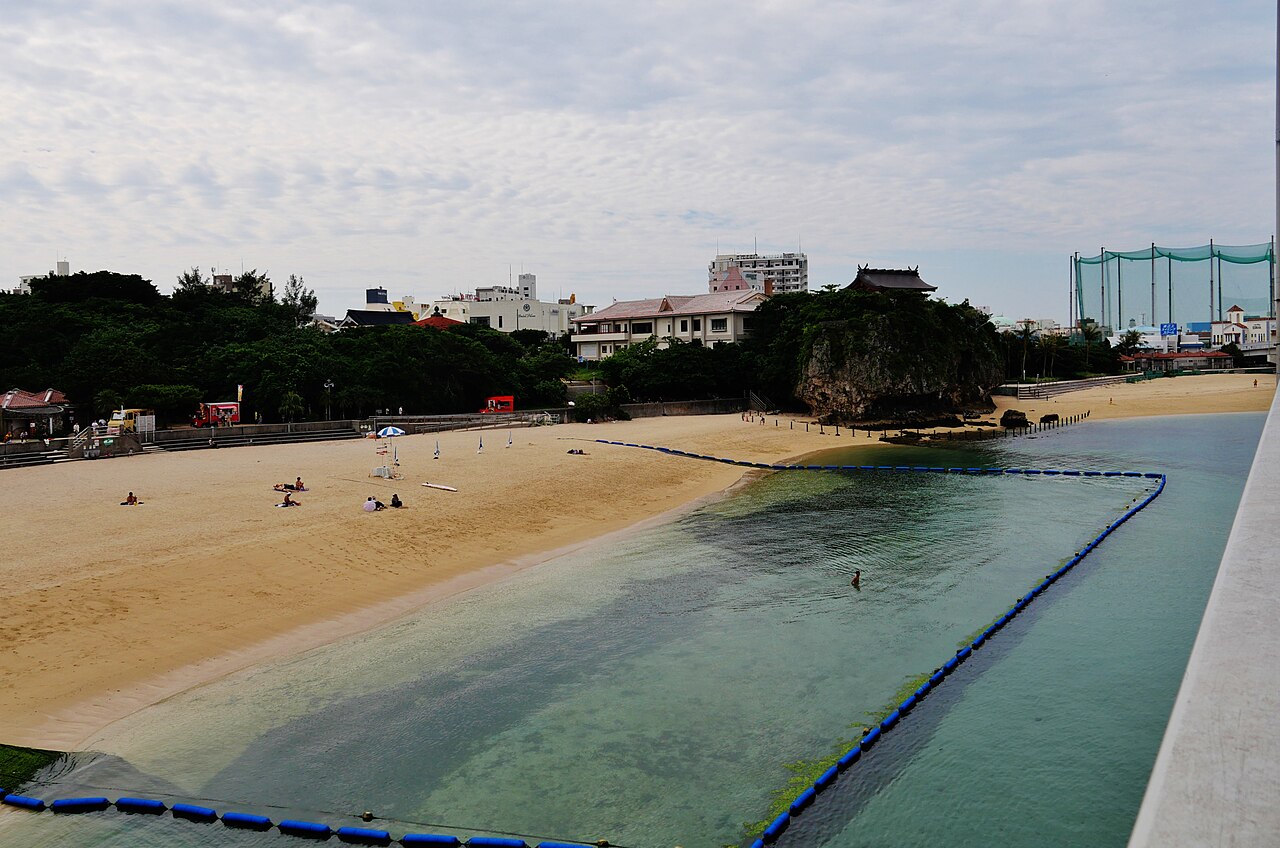
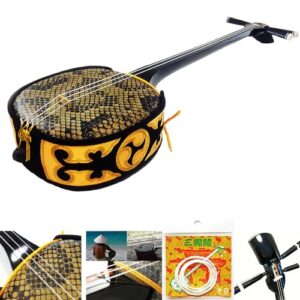
Today the revival is concentrated in Naha, the kingdom’s old port city. The Matsuda family workshop, Matsuda Kogei, is the best-known name carrying the tradition forward, hand-forging jiifaa and fuufudama by traditional methods rather than casting them in volume. This is also, notably, the first metalwork entry on this site from Okinawa — distinct from the Yachimun pottery, Ryukyu glass, and sanshin we have covered before, all of which sit in different material traditions entirely.
Buying considerations
JPY (¥) is the authoritative currency for Ryukyu kanzeku silver pieces sourced from Japanese retailers; USD figures elsewhere in this guide are approximate estimates at a ¥150/USD baseline and depend on the current exchange rate.
| Store | Item / variant | Price (JPY + USD est.) | Notes |
|---|---|---|---|
| 🇺🇸 Amazon US (search) | Browse Japanese silver hairpins & Ryukyu jewelry | varies (USD) | Best if you are shopping from the US — Prime shipping, USD pricing, no international customs. Amazon US carries Japanese silver jewelry from various makers for comparison; this exact Matsuda Kogei piece is sourced from Japan (next row). |
| 🇯🇵 Amazon JP Global Store | Matsuda Kogei sterling silver jiifaa | International shipping option | International shipping is available through some Japan-based retailers; confirm destination coverage and fees before ordering. |
| Maker direct | Matsuda Kogei, Naha | Unconfirmed — check maker site | May offer additional jiifaa and fuufudama forms; international shipping policy varies. |
| Proxy services (Buyee / Tenso) | Forwarding for Japan-only shops | Item price + forwarding fee | Useful when a Japan-only shop does not ship directly; adds a service fee and consolidation step. |
What it does well
Weaknesses and things to verify before buying
- Single decorative pin, not a styling system. A jiifaa is one long pin meant for upswept hair; it will not behave like a clip, comb, or set, and very fine or short hair may not hold it.
- Hand-forged variation is expected. Small differences in finish and form between units are inherent to handwork, not defects — but buyers wanting identical mass-production consistency should be aware.
- Sterling silver tarnishes. Silver will dull over time and needs occasional polishing; humid or coastal climates accelerate this.
- International shipping time and customs. Shipping from Japan takes longer than domestic Prime, and orders above your country’s de minimis threshold may attract import duty or tax.
- Symbolism is folk-traditional. The amulet and auspicious-motif readings are cultural tradition, not documented or “proven” properties; buy it for the craft and meaning, not a guarantee.
Conclusion — which buyer type are you?
Other ways to approach this purchase
❓ Frequently Asked Questions
Is this jiifaa solid sterling silver?
The jiifaa tradition includes hand-forged sterling silver as a historic aristocratic material, while brass was common among commoners. Silver content and surface finish can vary by maker, so choose according to the intended use and care expectations.
Does it ship internationally from Japan?
Ryukyu kanzeku silver hairpins are typically distributed through Japanese craft retailers. International shipping is most commonly arranged through forwarding services from Japan, with the Amazon JP Global Store and specialist exporters serving most major overseas destinations; delivery times vary, and orders above the destination country’s de minimis threshold may attract import duty or tax.
How is a jiifaa actually worn?
It is a single long pin worn through gathered, upswept hair, traditionally as the one ornament rather than part of a set. Very fine or short hair may not hold a long single pin well, so consider hair type before buying.
What is the difference between a silver and a brass jiifaa?
Historically the material signaled rank: aristocrats wore silver, commoners wore brass. The form is the same; silver is the premium, court-associated option, while brass is the more affordable traditional alternative.
Is this hand-forged or mass-produced?
It is hand-forged by the Matsuda Kogei workshop in the kanzeku tradition rather than cast in volume. Small variations in finish between individual pins are expected and reflect the handwork.
Does it come with a box, and does it work as a gift?
Yes — it comes in a paulownia (kiri) gift box. Because the jiifaa was historically given at coming-of-age, it suits milestone and coming-of-age gifting particularly well.
How do I care for the silver?
Sterling silver tarnishes over time and will need occasional gentle polishing, especially in humid or coastal climates. Store it in the box when not worn and keep it away from prolonged moisture.
jpmono.com is curated by a Japan-based editorial team (working out of Toyama in the Hokuriku region and Nara in Kansai) and is independent. We do not take payment from the makers we feature; income comes from editorial work. We do not physically test every product — we read maker specifications and craft sources.
This article was prepared with AI assistance and reviewed against maker descriptions and craft references. Details such as dimensions and material composition can vary among makers.
Affiliate disclosure: jpmono.com may earn a commission on qualifying purchases made through links on this page, at no additional cost to you.