![Takaoka Orin Rin Gong: Where to Buy This Bronze Meditation Bell [2026]](https://jpmono.com/wp-content/uploads/2026/07/takaoka-orin-rin-gong-meditation-bell-where-to-buy-2026-featured.jpg)
- What it is: A cast-bronze orin (rin gong) — a bowl-shaped Japanese meditation bell struck for a long, clean sustain, typically sold with a cushion and striker.
- Made in: Takaoka, Toyama Prefecture — the center of Takaoka doki (Takaoka copperware), a national Traditional Craft with a four-century foundry heritage.
- Price band: mid-range for hand-finished cast-bronze orin — check the live listing for the current figure.
- Best for: zazen, yoga, and mindfulness practitioners who want a tuned bell with genuine craft provenance rather than a mass import.
- Skip if: you want a Tibetan-style rubbed singing bowl, or you need a specific guaranteed musical pitch not confirmed on the listing.
- Shipping: ships internationally from Amazon Japan — jump to our pick ↓
In 1609, a feudal lord built a castle in a town that did not yet exist, and two years later he invited seven bronze casters to settle beside it and start pouring metal. That town is Takaoka, and four centuries later its foundries still cast the bowl-shaped bells — orin (おりん, “rin gong”) — that ring at the front of Japanese household altars and, increasingly, in meditation rooms around the world.
An orin is not a Tibetan singing bowl. It is a Japanese ritual bell, struck once with a small padded striker to release a pure tone that hangs in the air for many seconds before fading. That long, clean sustain is exactly why the object has crossed over from Buddhist practice into zazen, yoga, and secular mindfulness — a single strike marks the start and end of a sitting far more gracefully than a phone timer.
This guide is written for international readers deciding whether a Takaoka-made bronze orin is worth buying, and how to actually get one shipped outside Japan. We cover what the object is, how it is made and where, how to care for it, honest weaknesses to check before you pay, and the buying paths — Amazon US, Amazon Japan Global Store, the maker, and proxy services — that reach most destinations.
🗓️ Published: · ♻️ Last updated: · ⏱️ Read time: about 9 minutes

ℹ️ Live pricing and some listing-specific specs were not in our data snapshot — the linked listing is authoritative; unconfirmed attributes are marked below and no fixed price is quoted here.
- Who this is for — and who should skip it
- Product overview (from published specs)
- Where this comes from — place, era, and the craft tradition
- Which finish should you choose?
- 📌 How does it compare?
- 📦 Shipping & where to buy from outside Japan
- Price snapshot across stores
- What it does well
- Weaknesses and things to verify before buying
- Conclusion — which buyer type are you?
- Other ways to approach this purchase
- 🏆 Editor’s Pick
- ❓ Frequently Asked Questions
Who this is for — and who should skip it
- Practice zazen, yoga, or mindfulness and want a single clean tone to open and close a sitting.
- Prefer a hand-finished cast-bronze bell with documented regional provenance over an anonymous import.
- Value a long, pure sustain and are willing to pay a craft premium for it.
- Want a compact altar or desk object that doubles as a meditation timer replacement.
- Are comfortable buying from Japan and having import fees estimated at checkout.
- Want a Tibetan-style bowl you rub around the rim — an orin is struck, not rubbed.
- Need a guaranteed, named musical pitch that the listing does not explicitly confirm.
- Are shopping purely on price and would be happier with a generic metal bell.
- Expect same-week delivery to a destination Amazon Japan does not serve.
- Dislike the idea of bronze darkening (developing a patina) over years of use.
Product overview (from published specs)
Based on the listing and the recommendation data, this is a Takaoka cast-bronze orin sold as a set: the bowl-shaped bell, a seating cushion (zabuton), and a padded striker (rin-bou). Spec sheets indicate a tuned, long-sustain “singing” bell intended for zazen and mindfulness use. Where a value could not be confirmed from our snapshot, it is marked rather than guessed.
Takaoka Orin Rin Gong
おりん 国産 おリン 高岡仏具 浄栄 りん 特選 (3寸 (口経9㎝), 金メッキ)
通常2~3日以内に発送します。 · Sold by 四季彩の店 一新堂 · ASIN B07ZR3QZG1
Price and availability as of 2026-08-31 02:30 JST. The Amazon listing at the time of purchase is authoritative. jpmono.com earns a commission on qualifying purchases at no extra cost to you.
| Attribute | Value | Source |
|---|---|---|
| Object type | Orin (rin gong) meditation / altar bell | Listing + spec |
| Material | Cast bronze (karakane-type alloy); tone depends on alloy composition and hand-tuning of the rim | Maker tradition / data notes |
| Origin | Takaoka, Toyama Prefecture (Takaoka doki tradition) | Data notes |
| Included | Bell, cushion (zabuton), padded striker | Recommendation data |
| Sound profile | Tuned, long clean sustain (exact pitch varies by size — verify on listing) | Listing |
| Dimensions / weight | Unconfirmed — check the live listing | — |
| Designation | Part of a national Traditional Craft (Takaoka copperware) | Data notes |
- 🧽 Cleaning: wipe the bronze with a soft, dry cloth; avoid dishwashers and harsh abrasives, which can scuff the finish and dull the tone.
- 🛏️ Cushion & striker: spot-clean the fabric cushion, and rest the padded striker separately so the rim is not chipped.
- 🎐 Sound care: strike the rim, not the flat top; the rim’s hand-tuning is what produces the long sustain, so treat it gently.
- 🌘 Patina: cast bronze naturally darkens over years of use — this is expected for the material, not a defect.
📖 Glossary — key Japanese terms
- Orin (おりん, “rin gong”) — a bowl-shaped bell struck to produce a sustained tone, used in Buddhist ritual and, increasingly, meditation.
- Rin-bou / rin-bang (りん棒) — the small padded striker used to sound the bell.
- Zabuton (座布団) — the seating cushion the bell rests on, which also protects the tone from being deadened by a hard surface.
- Takaoka doki (高岡銅器, “Takaoka copperware”) — the bronze-casting tradition of Takaoka, a national Traditional Craft.
- Karakane (唐金) — a traditional bronze alloy used for bells and altar fittings; its composition shapes the tone.
- Zazen (座禅) — seated Zen meditation; a struck bell traditionally opens and closes a sitting.
Where this comes from — place, era, and the craft tradition

Takaoka is a port-and-river city in Toyama Prefecture, on the Hokuriku coast facing the Sea of Japan. The city sits on a plain fed by rivers running down from the Tateyama mountains, a setting that gave early foundries both water and transport. Metalcasting took root here for a concrete reason: domain patronage. When the local lord decided to build an economy, he seeded it deliberately with skilled casters rather than waiting for one to emerge.
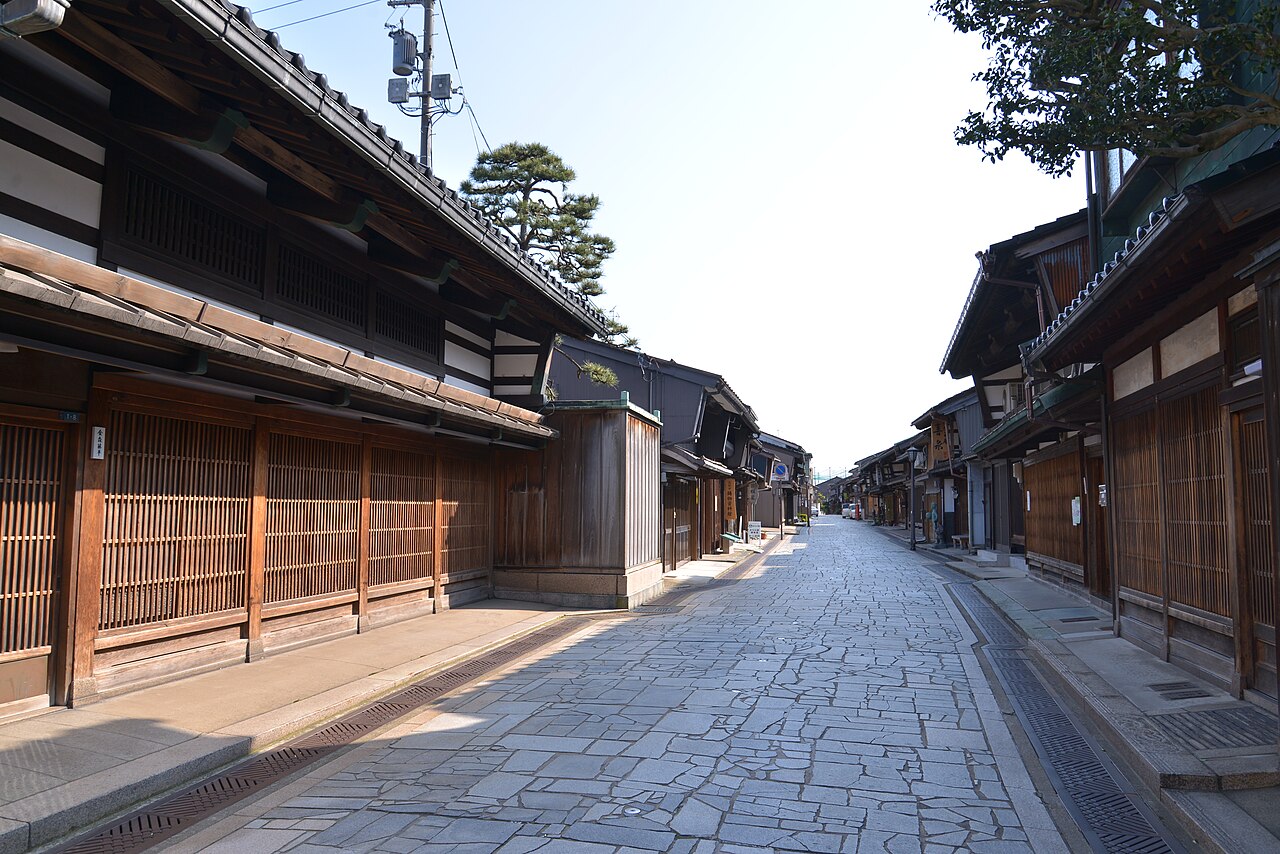
The founding is well documented. Takaoka copperware began between 1609 and 1611, when Maeda Toshinaga — the second lord of the powerful Kaga domain — built Takaoka Castle and invited seven casters to settle in the Kanayamachi district to seed a foundry industry. What started as a small cluster of workshops grew, over four centuries, into Japan’s dominant bronze-casting center.
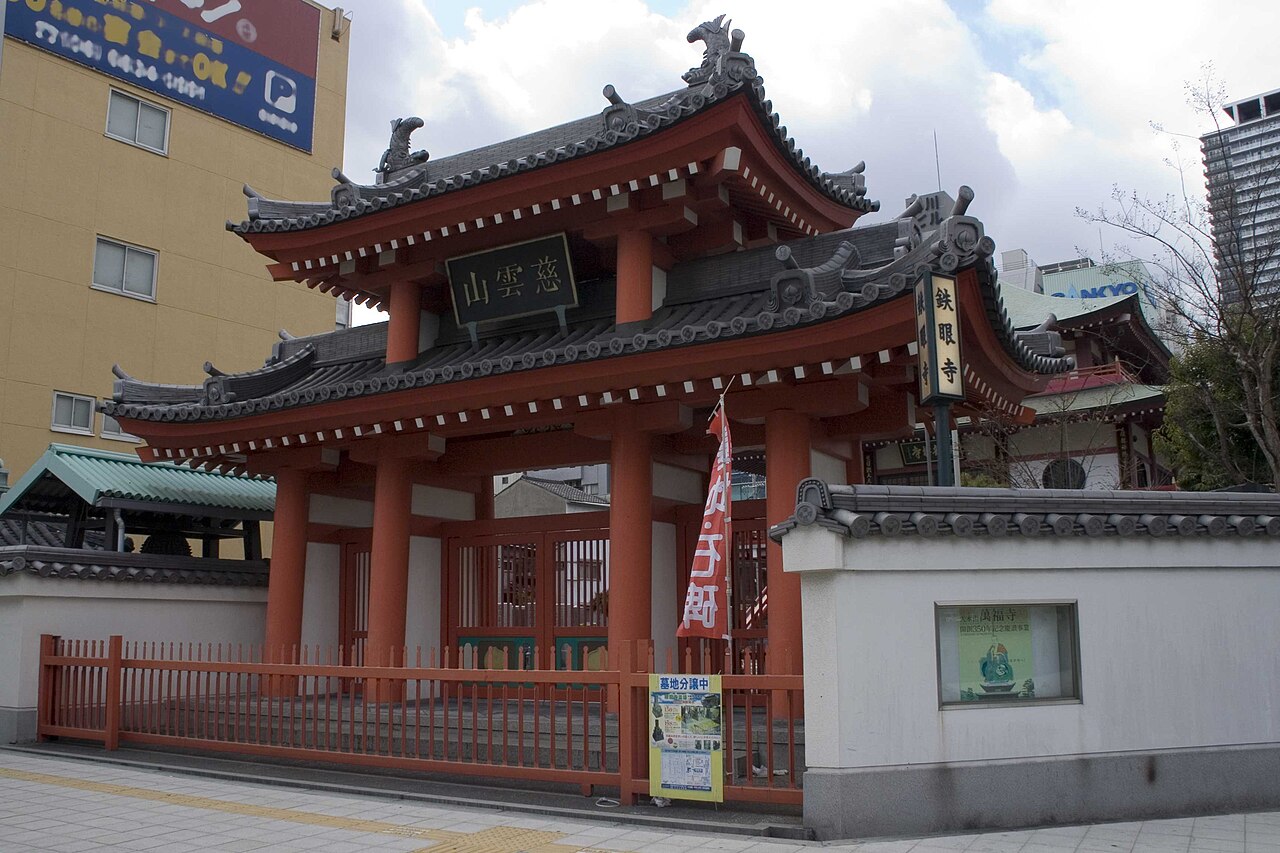
- 1609 — Maeda Toshinaga, second lord of the Kaga domain, builds Takaoka Castle.
- 1611 — Seven casters are invited to settle in the Kanayamachi district, seeding a foundry industry.
- Edo period (1603–1868) — Takaoka foundries expand into temple bells, Buddhist altar fittings, and orin.
- 1975 — Takaoka copperware is designated a national Traditional Craft (METI).
- 21st century — Takaoka produces an estimated ~90% of Japan’s cast bronzeware.
- 2026 — The district’s foundries still cast and hand-tune orin bells.
Today Takaoka produces an estimated 90% of the nation’s cast bronzeware — temple bells, Buddhist altar fittings, sculpture, and orin. The scale is visible in the city’s most photographed object.
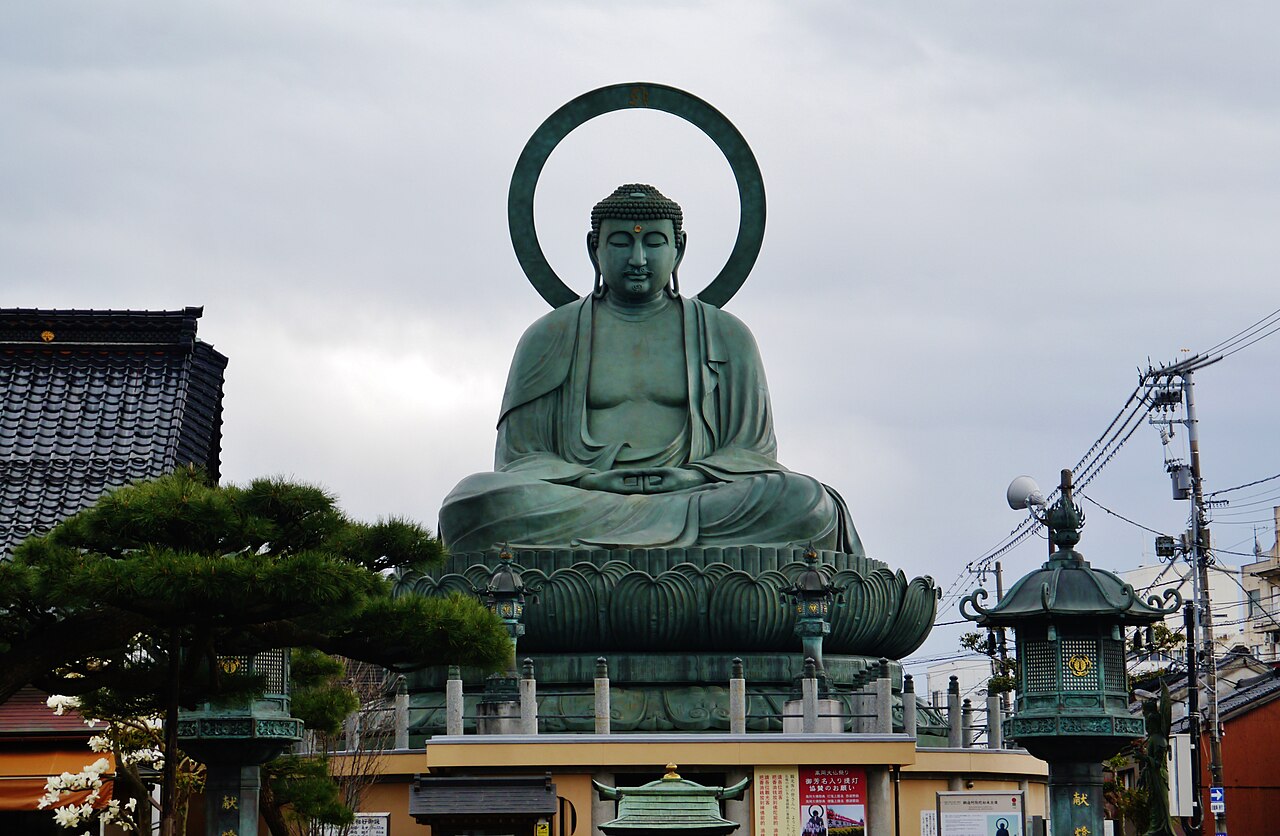
The orin sits at the heart of this tradition. It is a bowl-shaped bell, struck to release a long, pure sustain that has anchored Buddhist ritual for centuries and now travels into meditation and mindfulness practice abroad. Its sound quality is not incidental — it depends on the alloy composition and, above all, on the hand-tuning of the rim, which is why a Takaoka-made bell is a different object from a stamped novelty bell.
“One strike, and the tone hangs in the room long after your hand has left the striker — the sustain is the whole point of the object.”

Which finish should you choose?
This piece is listed in 10 sizes. The photos below are the actual size options on the listing right now — pick the one you want and confirm it on the product page before ordering, since hand-finished wares vary slightly piece to piece.
![Takaoka Orin Rin Gong: Where to Buy This Bronze Meditation Bell [2026] — 3寸 (口経9㎝) finish](https://m.media-amazon.com/images/I/31CqA006+aL._SL500_.jpg)
![Takaoka Orin Rin Gong: Where to Buy This Bronze Meditation Bell [2026] — 3.5寸 (口経10.6㎝) finish](https://m.media-amazon.com/images/I/317LY95Y4wL._SL500_.jpg)
![Takaoka Orin Rin Gong: Where to Buy This Bronze Meditation Bell [2026] — 4.5寸 (口経13.6㎝) finish](https://m.media-amazon.com/images/I/41sIUqqkE9L._SL500_.jpg)
![Takaoka Orin Rin Gong: Where to Buy This Bronze Meditation Bell [2026] — 3.5寸 (口経10.6㎝) finish](https://m.media-amazon.com/images/I/41ZruVMKV+L._SL500_.jpg)
📌 How does it compare?
If you are weighing this orin against other Japanese metal and craft objects we cover, these related guides are worth a look:
 🏺 Takaoka Bronze Vase
 🐚 Takaoka Raden Box
 🎐 Sahari Bronze Furin
 🎨 Owari Cloisonné Set
 🥃 Tokyo Silver Tumbler
🍴 Tsubame Flatware
🔥 Sendai Iron Trivet
📦 Shipping & where to buy from outside Japan
The specific orin covered here is sourced from an Amazon Japan Global Store listing, which ships internationally to 65+ countries — including Canada, the UK and Australia — with import fees estimated and often collected at checkout, so there are usually no surprise charges on delivery. Our readership is not only American: if you are ordering from one of those markets, our country guides walk through the details for Canada, the UK, and Australia.
Expect international shipping in roughly the $15–$40 range to the US and EU, with comparable costs to Canada, the UK, and Australia depending on weight and speed. If a listing ever shows as unavailable to your country, proxy services such as Buyee or Tenso can forward domestic-only items, and the maker’s own retail channel is a further option. Prices in USD are approximate and depend on the current exchange rate; the JPY price shown on the live listing is the authoritative one.
Price snapshot across stores
| Store | Item / Variant | Price (JPY + USD est.) | Notes |
|---|---|---|---|
| 🇺🇸 Amazon.com (US) | Browse Japanese meditation bells & rin gongs | varies (USD) | Best if you are shopping from the US — Prime shipping, USD pricing, no international customs. Amazon US carries Japanese-style meditation bells and singing bowls from various makers; the exact Takaoka piece ships from Japan (next row). |
| 🇯🇵 Amazon JP Global Store | Takaoka cast-bronze orin set (bell + cushion + striker) | See live listing (¥ authoritative) | Ships internationally from Japan to 65+ countries — including Canada, the UK and Australia — with import fees estimated at checkout. This is the sourced listing for the exact item. |
| Maker direct | Takaoka foundry retail / gallery channels | Unconfirmed — check maker site | Some Takaoka makers sell direct; availability and international shipping vary by workshop. |
| Proxy services (Buyee / Tenso) | Forwarding of domestic-only listings | Item price + forwarding fee | Useful if a listing is restricted to Japan; adds a handling fee and a second shipping leg. |
What it does well
Weaknesses and things to verify before buying
- No confirmed price in our snapshot. The listing price fluctuates and was not captured here; treat the live listing as authoritative and do not assume a figure.
- Pitch is not guaranteed. Listings describe a “tuned” bell, but a specific named musical note is generally not confirmed. If you need an exact pitch, ask or check the listing before buying.
- It is struck, not rubbed. Buyers expecting a Tibetan-style singing bowl you circle with a mallet will be surprised — an orin is sounded with a single strike.
- Dimensions and weight unconfirmed. Size directly affects tone and desk footprint; verify the measurements on the listing rather than guessing from photos.
- Bronze develops a patina. The metal darkens over years of use. This is normal for cast bronze, but buyers wanting a permanently bright finish should know it in advance.
- International shipping and customs add cost and time. Budget for shipping and possible import fees, and confirm the listing ships to your country before ordering.
Conclusion — which buyer type are you?
Other ways to approach this purchase
🏆 Editor’s Pick
❓ Frequently Asked Questions
Is a Takaoka orin the same as a Tibetan singing bowl?
No. An orin is a Japanese ritual bell that is struck once with a padded striker for a long sustain. A Tibetan singing bowl is typically rubbed around the rim with a mallet to build a continuous tone. They come from different traditions and are used differently.
Does it ship internationally?
Yes. The Amazon Japan Global Store listing ships to 65+ countries, including Canada, the UK, and Australia, with import fees generally estimated at checkout so there are no surprise charges on delivery.
How do I care for a bronze orin?
Wipe it with a soft, dry cloth and avoid dishwashers and abrasives. Strike the rim rather than the flat top, and rest the striker separately. The bronze will naturally darken (develop a patina) over years of use, which is normal for the material.
What comes in the set?
Per the recommendation data, the set includes the bell, a seating cushion (zabuton), and a padded striker (rin-bou). Confirm the exact contents on the live listing before purchasing.
Is it tuned to a specific musical note?
Listings describe a tuned, long-sustain bell, but a specific named pitch is generally not confirmed and varies by size. If an exact note matters to you, check the listing details before buying.
Why buy a Takaoka orin specifically?
Takaoka produces an estimated 90% of Japan’s cast bronzeware and has a documented four-century foundry heritage. An orin’s tone depends on alloy composition and hand-tuning of the rim, so a Takaoka-made bell is a meaningfully different object from a stamped novelty bell.
jpmono.com is curated by a Japan-based editorial team (working out of Toyama in the Hokuriku region and Nara in Kansai) and is independent. We don’t take payment from the makers we feature; income comes from affiliate links. Read more about our editorial standards.
Note: this article was drafted with AI assistance and reviewed against the source listing and maker/heritage facts by the jpmono editorial team. Specs and prices reflect data available at the time of writing and may change.
Affiliate disclosure: jpmono.com may earn a commission on qualifying purchases made through links on this page, at no additional cost to you.