![Tokyo Ginki Hand-Engraved Silver Tumbler: Edo Silverware Where to Buy [2026]](https://jpmono.com/wp-content/uploads/2026/05/japan-map-regions-and-prefectures-800x1050.png)
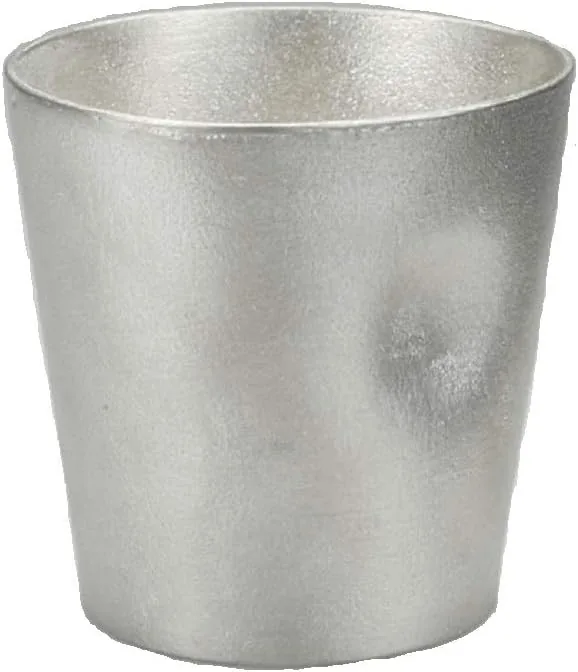
Tokyo Ginki (東京銀器, “Tokyo silverware”) is the silversmithing tradition of old Edo — the craft of the shirogane-shi (白銀師, silversmiths) who, from the seventeenth century onward, worked sword fittings, kiseru pipe mouthpieces, and hair ornaments for the Tokugawa shogunate, daimyo households, and the merchant class of the city. This guide looks at a hand-engraved, mirror-polished silver tumbler made in that lineage by Morigin (森銀器製作所), a workshop in Taito Ward, the district that has held Tokyo’s silver and jewelry trade for generations.
A metal drinking vessel is an unusual object on an international shopping list. Silver conducts heat readily, so a chilled tumbler pulls cold into the rim quickly; the same metal carries a mild antibacterial property and, used daily, settles into a soft gray patina rather than staying showroom-bright. Hand-hammering, kisage flat-finishing, and tagane chisel engraving give each piece tool marks that a stamped factory cup does not have. Tokyo Ginki was designated a national traditional craft by Japan’s Ministry of Economy, Trade and Industry (METI) in 1979.
This article is written for readers weighing a genuine Edo-lineage silver vessel against ordinary glass or stainless cups, and for gift buyers who want provenance they can actually verify. We cover what the craft tradition confirms, where it comes from, how to buy it from outside Japan, and which kind of buyer it suits. Note up front: live pricing and exact dimensions vary from piece to piece, since Tokyo Ginki tumblers are finished individually, so figures should be confirmed with the maker or retailer before purchase.
🔄 Updated:
⏱️ Read time: about 10 minutes
- Who this is for — and who should skip it
- Product overview (from published specs)
- Where this comes from — place, era, and the craft tradition
- Where to buy
- 📦 Shipping & where to buy from outside Japan
- What it does well
- Weaknesses and things to verify before buying
- Conclusion — which buyer type are you?
- Other ways to approach this purchase
- ❓ Frequently Asked Questions
Who this is for — and who should skip it
- Want a genuine Edo-lineage silver vessel with a documented craft designation, not a silver-plated lookalike.
- Appreciate hand tool marks — hammering, chisel engraving — and a patina that develops with use.
- Drink beer, whisky, or chilled sake and value how fast silver pulls a drink cold at the rim.
- Are buying a milestone or retirement gift where provenance and a maker’s name matter.
- Are comfortable hand-washing and occasionally polishing a precious-metal object.
- Want a dishwasher-safe, knock-around everyday cup — silver is not that object.
- Are price-sensitive; a hand-made pure-silver vessel sits far above glass or stainless.
- Dislike maintenance — silver tarnishes and benefits from periodic polishing.
- Need confirmed capacity, weight, and fineness before buying.
- Expect fast, low-cost domestic returns — this ships internationally from Japan.
Product overview (from published specs)
The table below summarizes established characteristics of Tokyo ginki and the maker tradition. Values not discussed in the craft description are left unconfirmed rather than guessed.
| Attribute | Detail |
|---|---|
| Craft tradition | Tokyo Ginki (東京銀器) — Edo / Tokyo silverware; METI-designated traditional craft (1979) |
| Maker | Morigin (森銀器製作所), Taito Ward, Tokyo |
| Item | Hand-engraved, mirror-polished silver tumbler / beer & whisky cup |
| Material | Silver (pure / fine silver tradition); fineness varies by piece |
| Capacity | — |
| Techniques | Hand-hammering, kisage flat-finishing, tagane chisel engraving, mirror polish |
| Weight | Varies by maker |
| Sourcing | Amazon JP search; Amazon US search for comparable Japanese metalware; maker-direct options where available |
For any silver tumbler, confirm capacity, weight, and silver fineness with the maker’s current specifications before purchase.
📖 Glossary — key terms
Tokyo Ginki (東京銀器) — “Tokyo silverware.” The Edo-rooted tradition of hand-raised and engraved silver objects, recognized as a national traditional craft by METI in 1979.
Shirogane-shi (白銀師) — the Edo-period silversmiths who produced sword fittings, pipe parts, and ornaments; the professional ancestors of today’s Tokyo Ginki makers.
Tagane (鏨) — hardened steel chisels used to cut decorative lines and patterns into the metal by hand; the source of the engraving on this tumbler.
Kisage (キサゲ) — a flat-scraping / finishing technique that trues and smooths the raised surface before polishing.
Uchidashi / hammering — raising and shaping the vessel by hand with hammers, leaving subtle facets rather than a machine-perfect wall.
Shitamachi (下町) — the old “low city” downtown of Edo/Tokyo (Asakusa, Ueno, Okachimachi), the home of its merchant and artisan trades.
METI designation — recognition under Japan’s traditional crafts law, marking a craft with verified regional history, technique, and continuity.
Where this comes from — place, era, and the craft tradition

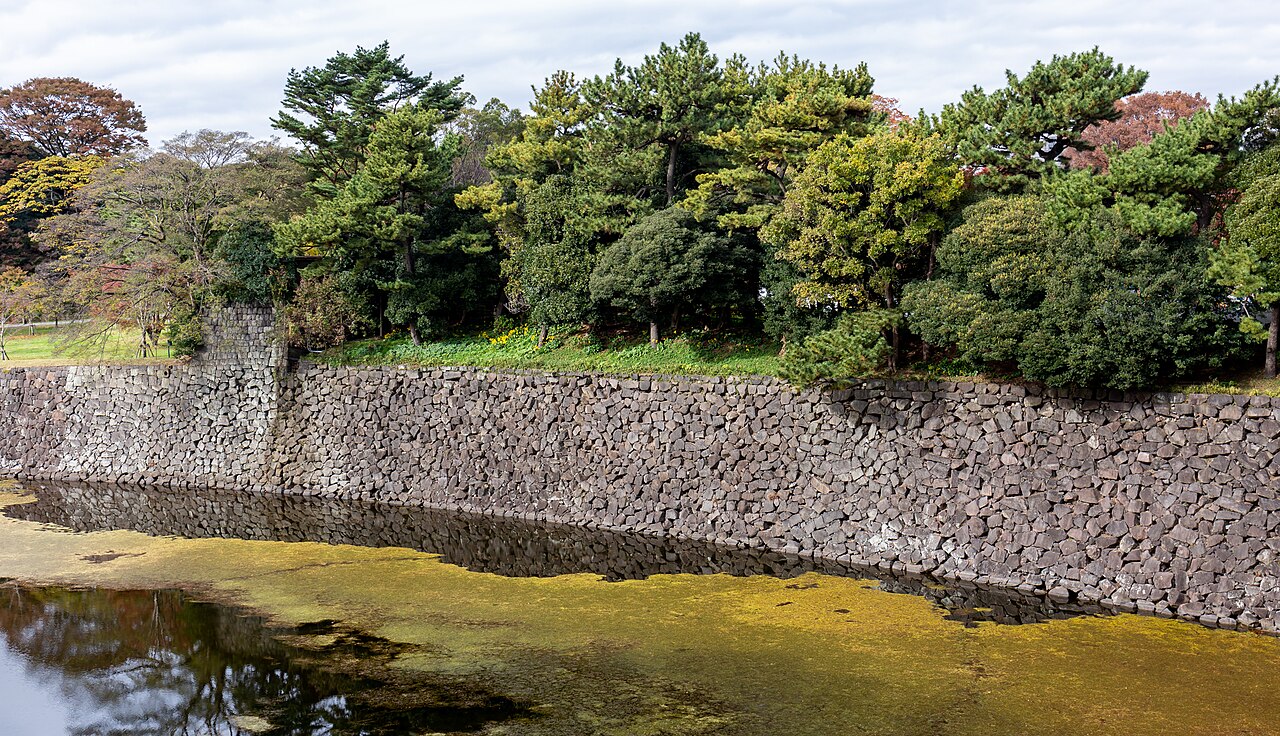
Tokyo Ginki is a craft of the city itself rather than of a remote castle town. Its center of gravity is the eastern lowland of central Tokyo — the wards of Taito and the neighboring downtown, including Okachimachi and Ueno, the quarter that has concentrated the city’s silver, gold, and jewelry trades for generations. This is the heart of the shitamachi (下町), Edo’s “low city,” where merchants and artisans lived and worked at close quarters and where decorative metalwork found both its raw demand and its customers.
The historical anchor is the founding of Edo as the seat of national power. In 1603, Tokugawa Ieyasu established his shogunate at Edo, and over the following century the city grew into one of the largest in the world. The shogunate, the daimyo houses kept in Edo under the alternate-attendance system, and a wealthy merchant class all generated steady demand for fine metalwork — and the silversmiths who answered it formed the professional line that Tokyo Ginki traces today. When the Meiji Restoration moved the imperial court here in 1868 and the city was renamed from Edo to Tokyo, those same workshops carried on.
- 1603 — Tokugawa Ieyasu establishes the shogunate at Edo; the city becomes the seat of national power.
- 17th century — Edo shirogane-shi (silversmiths) work sword fittings, kiseru pipe parts, and hair ornaments for the shogunate, daimyo, and merchants.
- Edo period — The Okachimachi–Ueno district becomes Edo’s silver and jewelry quarter.
- 1868 — The Meiji Restoration relocates the court to the city; Edo is renamed Tokyo.
- 1870s — As samurai sword-wearing is abolished, demand for decorative sword fittings ends and silversmiths turn to tableware, ornaments, and Western-style goods.
- 1979 — METI designates Tokyo Ginki a national traditional craft.
- Today — A small living industry continues, centered on Taito Ward makers such as Morigin (森銀器製作所).
What “still being made here” means for Tokyo Ginki is honest in scale: this is a small, living industry, not a tourist-volume one. The trade is now carried by a modest number of workshops concentrated in Taito Ward, Morigin among them, where the hand techniques — raising the wall by hammer, truing it with kisage, cutting the pattern with tagane — remain essentially the silversmiths’ methods rather than a stamping line. That continuity, from sword-fitting workshops of the seventeenth century to a silver beer cup today, is the substance behind the designation.
“Silver does not pretend to be permanent and unchanging — used daily, it softens into a patina that records the hand that holds it.”
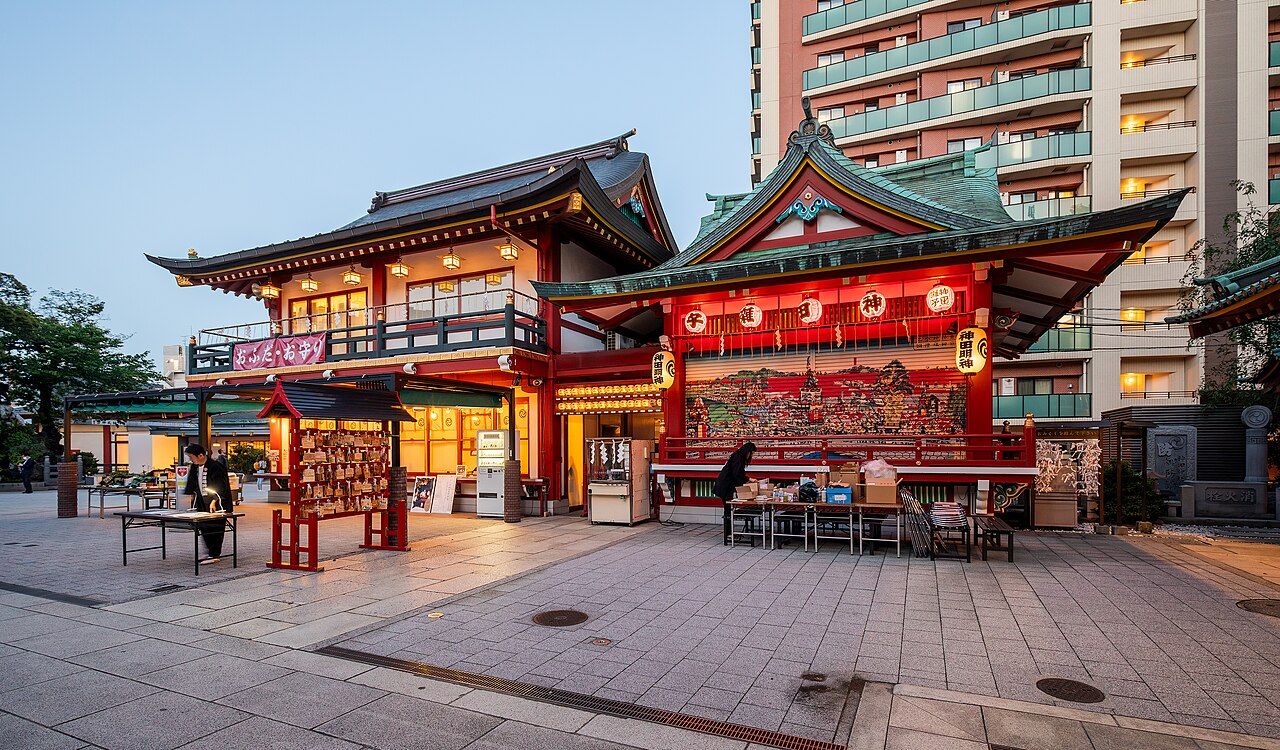
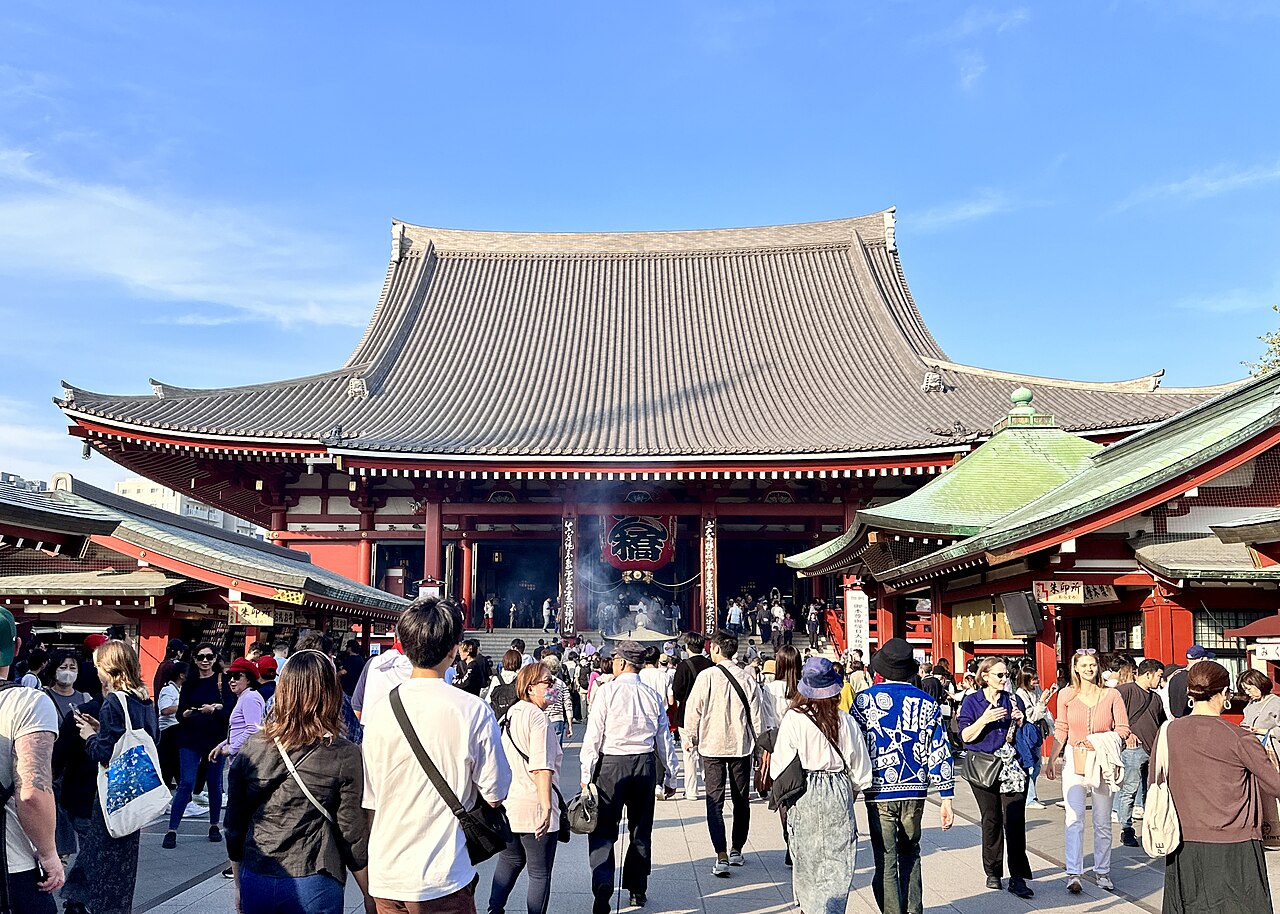
Culturally, a silver cup sits comfortably in this downtown world of beer halls, izakaya, and the gift-giving that marks retirements, weddings, and milestone birthdays. Asakusa’s Sensoji and the Ueno temple district anchor the same shitamachi culture in which Edo’s decorative metal trades grew, and a Tokyo Ginki tumbler is, in a small way, a piece of that city’s everyday luxury rather than its ceremonial one.
Other jpmono guides to Japanese metalware, tableware, and Tokyo crafts worth weighing alongside this silver tumbler.
 🔪 Tokyo Tsukiji Yanagiba Knife
 🧣 Edo Komon Pocket Square
🍴 Tsubame Stainless Cutlery Set
 🍵 Kaikado Tin Tea Caddy
 🥢 Owari Shippo Chopstick Rests
🔔 Takasaki Daruma Brass Bell
♨️ Sendai Hand-Forged Iron Trivet
Where to buy
Tokyo ginki tumblers are valued for their silver surface and hand-engraved finish. Prices vary by maker, size, and workmanship; JPY is the usual reference currency, while USD conversions change with exchange rates.
| Store | Item / variant | Price (JPY + USD est.) | Notes |
|---|---|---|---|
| 🇺🇸 Amazon US (search) | Browse Japanese silver & metal drinkware | varies (USD) | Best if you’re shopping from the US — Prime shipping, USD pricing, no international customs. Amazon US carries Japanese metal tumblers and tableware from various makers; Morigin’s exact Tokyo Ginki piece is sourced from Japan (next row). |
| 🇯🇵 Amazon JP Global Store | Morigin hand-engraved silver tumbler | — | Product availability and shipping vary by seller. |
| Maker direct | Morigin (森銀器製作所) catalog pieces | Varies — check maker site | May offer engraving options and the full range; Japanese-language ordering and separate international shipping may apply. |
| Proxy services (Buyee / Tenso) | Forwarding for Japan-only stores | Item price + forwarding fee | Useful if a piece is listed only on a Japan-domestic store; adds a service fee plus international shipping. |
📦 Shipping & where to buy from outside Japan
Silver tumblers are compact but high-value metal craft objects. When buying from abroad, allow for carrier charges and any customs duties or import taxes, which can depend on the destination and declared value.
If a particular variant appears only on a Japan-domestic store, a proxy/forwarding service such as Buyee or Tenso can receive and re-ship it, at the cost of a service fee. Silver is not an electrical product, so there are no voltage concerns; the only care note is the usual one for precious metal — hand-wash and store dry.
What it does well
Weaknesses and things to verify before buying
- Price not confirmed. Check the current offer before buying; handmade pure-silver vessels sit above glass or stainless.
- Specs vary by piece. Confirm capacity, weight, and silver standard before buying.
- Maintenance is real. Silver tarnishes and benefits from periodic polishing; it is not a dishwasher item. Buyers who want zero upkeep should look elsewhere.
- Softness and care. Silver is a soft metal and can dent or scratch with rough handling — fine for a display-and-special-use cup, less so for a daily knock-around tumbler.
- International returns are slow. The piece ships from Japan; returns and exchanges are not the fast, free domestic process US/EU buyers may expect.
- Customs on precious metal. Import duty or tax may apply above your country’s threshold, and silver content can influence the assessment — factor it into the total cost.
- Availability can change. Confirm current details before buying.
Conclusion — which buyer type are you?
Other ways to approach this purchase
❓ Frequently Asked Questions
Is this real silver, and what fineness?
How big is the tumbler?
Can I buy it from outside Japan?
How do I care for a silver tumbler?
What is Tokyo Ginki, exactly?
Is it a good gift?
jpmono.com is curated by a Japan-based editorial team (working out of Toyama in the Hokuriku region and Nara in Kansai) and is independent. We do not take payment from the makers we feature; income comes from affiliate links. We do not physically test every product—we work from maker specifications and craft references.
This article was drafted with AI assistance and reviewed against craft references before publication. Characteristics and price ranges can vary by maker and may change over time.
Affiliate disclosure: jpmono.com may earn a commission on qualifying purchases made through links on this page, at no additional cost to you.