![Kaga Zogan Inlaid Pendant: Kanazawa Damascene Metalwork, Where to Buy [2026]](https://jpmono.com/wp-content/uploads/2026/07/kaga-zogan-damascene-inlay-pendant-where-to-buy-2026-featured.jpg)
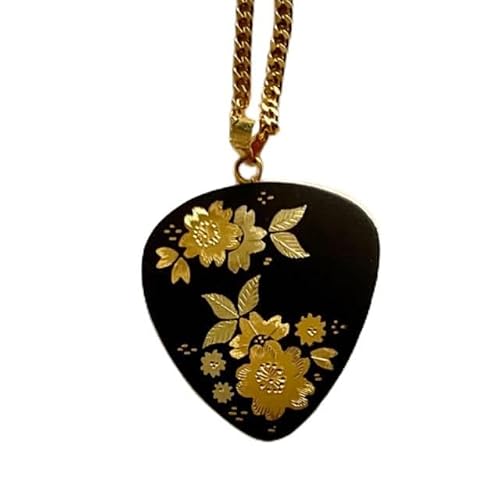
- What it is: a hand-inlaid pendant — gold and silver set flush into a blackened iron or brass ground using the hira-zogan (flat inlay) technique.
- Made in: Kanazawa, Ishikawa — home of Kaga Zogan (加賀象嵌), a nationally designated Traditional Craft rooted in Maeda-clan armor and stirrup fittings.
- Price band: upper-mid to premium for metal-inlay jewelry, because the inlay is hand-cut rather than machine-stamped — see the live listing for the current figure.
- Best for: buyers who want a small, wearable piece of samurai-era metalworking heritage rather than a mass-produced fashion pendant.
- Skip if: you want bright, all-gold jewelry — the signature look here is dark iron with restrained gold and silver line-work.
- Shipping: ships internationally from Amazon Japan — jump to our pick ↓
In peacetime, the workshops that had decorated Kaga samurai armor and horse stirrups had to find something new to inlay. The chisels, the gold wire, and the blackened iron did not change — only the object did. A pendant like this one is a direct descendant of that pivot: the same flush gold-and-silver line-work that once ran across a warlord’s stirrup, now sized to hang on a chain.
Kaga Zogan (加賀象嵌, “Kaga inlay”) is the damascene metal-inlay craft of Kanazawa, in Ishikawa Prefecture. It grew under the Maeda clan, whose Kaga Domain was the wealthiest fief in Edo-period Japan — the famous “Hyakumangoku,” or million-koku, domain — and it survives today as a nationally designated Traditional Craft, sitting alongside Kanazawa’s better-known gold leaf and Kutani porcelain.
This guide is written for international readers weighing a hand-inlaid Kaga Zogan pendant: what the craft actually is, how the blackened-iron-and-gold look is made, who it suits and who should pass, and — the practical part — how to source one from outside Japan. We compare buying paths, flag the caveats, and point to related Kanazawa and Hokuriku crafts along the way.
🔄 Updated:
⏱️ Read time: ~9 min
ℹ️ Live pricing and some listing specs weren’t in our snapshot — the linked Amazon listing is authoritative; unconfirmed attributes are marked below. Everything about the craft itself is verified.
- Who this is for — and who should skip it
- Product overview (from published specs)
- 📍 Where this comes from — place, era, and the craft tradition
- 📦 Shipping & where to buy from outside Japan
- Price snapshot across stores
- What it does well
- Weaknesses and things to verify before buying
- Conclusion — which buyer type are you?
- Other ways to approach this purchase
- 🏆 Editor’s Pick
- ❓ Frequently Asked Questions
Who this is for — and who should skip it
- Want a small, wearable object with a documented craft lineage, not a generic fashion pendant.
- Are drawn to the dark-metal-plus-restrained-gold aesthetic rather than bright, all-gold jewelry.
- Appreciate hand-cut inlay work and accept slight piece-to-piece variation as part of the value.
- Are shopping for a meaningful gift tied to Kanazawa or to Japanese metalworking history.
- Are comfortable buying internationally from Amazon Japan’s Global Store.
- Want a solid precious-metal piece — the ground here is iron or brass, not gold.
- Need a guaranteed hypoallergenic metal; the alloy and backing are not certified nickel-free in our data.
- Expect a low-cost costume-jewelry price; hand-inlay work sits above that tier.
- Dislike patina and the maintenance a blackened-iron surface can involve.
- Need it delivered in a day — international shipping from Japan takes time.
Product overview (from published specs)
The table below summarizes what the listing and the craft tradition tell us. Where a value was not in our snapshot, it is marked rather than guessed. Sourcing paths run from an Amazon US search (primary, easiest for many readers) to the Amazon JP Global Store listing this specific pendant is drawn from.
Kaga Zogan Inlaid Pendant
加賀布目 象嵌 ペンダント ペンダントトップ 縦 約2.7cm x 横 約2.5cm チェーンの長さ 50cm、
通常6~7日以内に発送します。 · Sold by ぽぽななショップ · ASIN B0G2RNPZWM
Price and availability as of 2026-08-31 02:30 JST. The Amazon listing at the time of purchase is authoritative. jpmono.com earns a commission on qualifying purchases at no extra cost to you.
| Attribute | Detail |
|---|---|
| Craft | Kaga Zogan (加賀象嵌) — Kanazawa damascene metal inlay |
| Technique | Hira-zogan (平象嵌, flat inlay) — gold/silver hammered flush into cut grooves, then polished level |
| Ground material | Blackened iron or brass (per listing description) |
| Inlay metals | Gold and silver, floral or geometric motif |
| Form | Pendant on an adjustable chain |
| Origin | Kanazawa, Ishikawa Prefecture, Japan |
| Dimensions / weight | Unconfirmed — check the live listing |
| Reference ID | Amazon JP ASIN B0G2RNPZWM |
📖 Glossary — key terms
- Zogan (象嵌) — metal inlay; setting one metal into another so the surface reads as a single decorated plane. The Western term is damascene.
- Hira-zogan (平象嵌, “flat inlay”) — the signature Kaga method: grooves are cut into the base metal, gold or silver is hammered in, and the surface is polished flush so the inlay sits level, not raised.
- Kaga (加賀) — the old province, now the southern half of Ishikawa Prefecture; the Maeda clan’s domain was called the Kaga Domain.
- Hyakumangoku (百万石, “million koku”) — the Kaga Domain’s rice-yield rating, the largest of any Edo-period fief; a shorthand for its exceptional wealth.
- Abumi (鐙) — samurai horse stirrups; inlaid Kaga stirrups were nationally prized.
- Kinpaku (金箔) — gold leaf; Kanazawa’s other famous metal craft, produced in the same city.
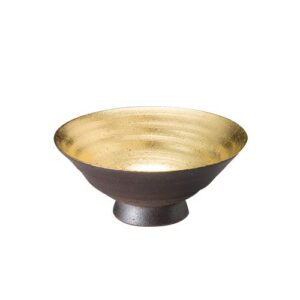
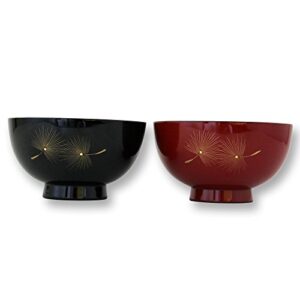
Other Hokuriku and Japanese metal, lacquer, and gold-leaf crafts we’ve covered — useful for weighing material, price tier, and gifting fit:
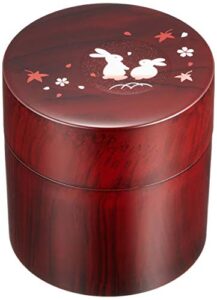
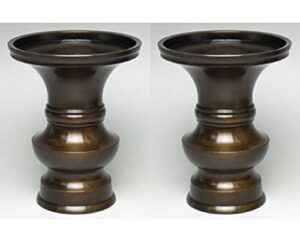
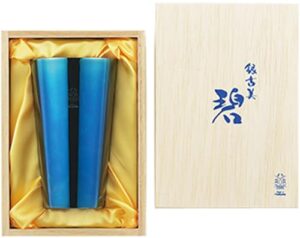
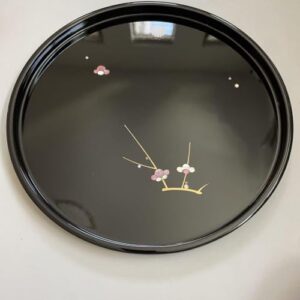
📍 Where this comes from — place, era, and the craft tradition

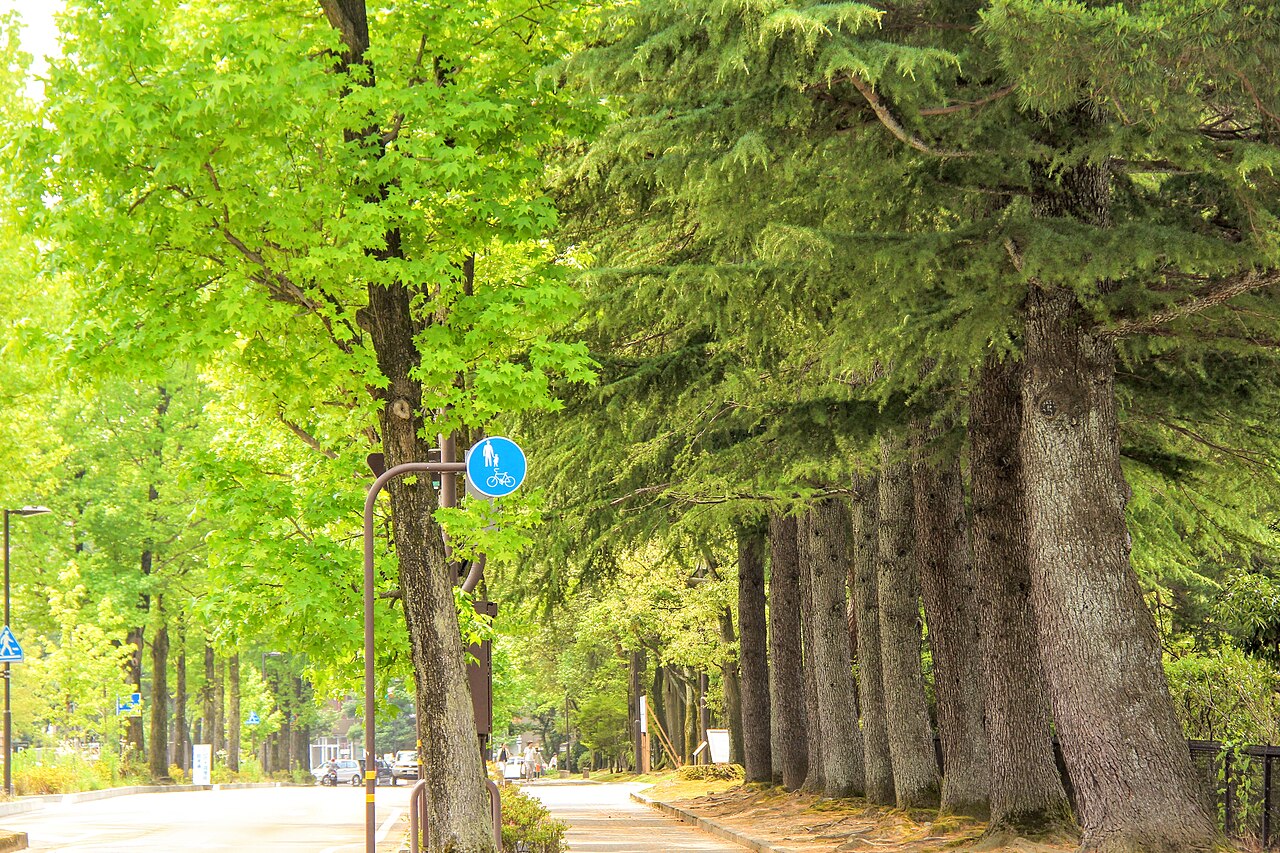
Kanazawa sits on the Sea of Japan coast, in Ishikawa Prefecture, in the Hokuriku part of central Japan (Chūbu). It is a river-and-castle city, sheltered inland from the coast, and it came through the modern era without the wartime bombing that flattened many Japanese cities — which is part of why its Edo-period townscape and craft trades survive so intact.
The reason the metalwork took root here is not geology but patronage. Kanazawa was the seat of the Maeda clan, whose Kaga Domain was rated at over a million koku of rice — the wealthiest fief in the country. That wealth was deliberately steered toward craft.
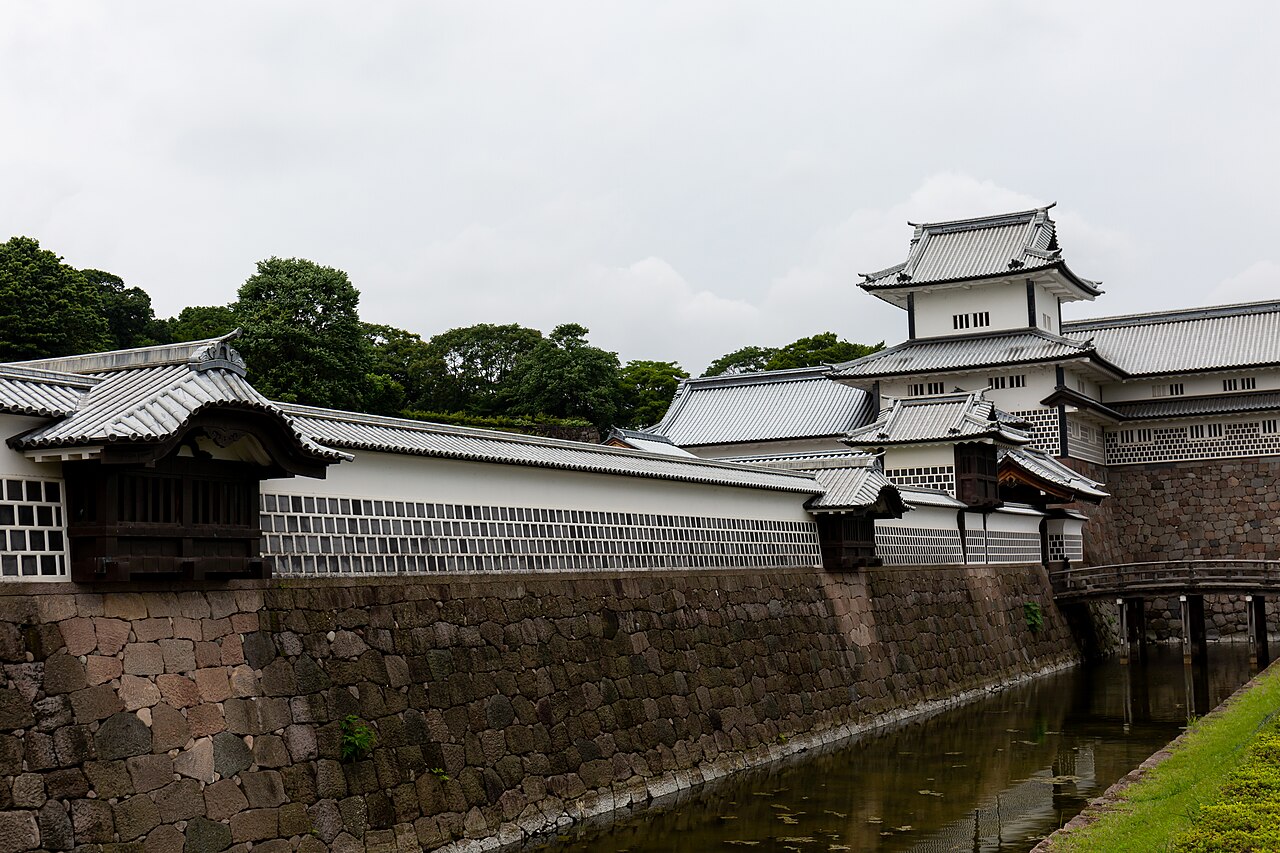
In the early Edo period, inlay served a martial purpose. Kaga craftsmen decorated samurai armor, sword fittings such as tsuba (guards) and menuki (grip ornaments), and — most famously of all — horse stirrups (abumi). Inlaid Kaga stirrups became known across Japan, a portable display of a warrior house’s standing.
- 1583 — Maeda Toshiie enters Kanazawa Castle; the Kaga Domain takes shape.
- Early 1600s — Kaga becomes the “Hyakumangoku” domain — the largest rice yield, and the richest fief, in Japan.
- Mid-1600s — The 3rd lord, Maeda Toshitsune, imports and subsidizes artisans to build a peacetime craft economy.
- 17th century — Kaga inlay on armor, sword fittings, and horse stirrups (abumi) earns a national reputation.
- 1868–1876 — The Meiji reforms abolish the samurai class; armor demand collapses and artisans redirect the craft to accessories, incense burners, and ornaments.
- 20th century — Kaga Zogan is recognized as a nationally designated Traditional Craft.
- 2026 — Still practiced in Kanazawa alongside gold leaf (kinpaku) and Kutani porcelain.
When the samurai class was abolished in the Meiji era, the demand for inlaid armor and stirrups disappeared almost overnight. Rather than let the skill die, Kaga’s metalworkers turned it to peacetime objects — accessories, incense burners, and interior ornaments. A pendant like this one belongs to that lineage: the same chisels and flush-inlay method, applied to something you can wear.
“The gold on a Kaga Zogan pendant is not plated over the surface — it is set into it, hammered flush, and polished level, so the decoration is part of the metal rather than a coating on top of it.”
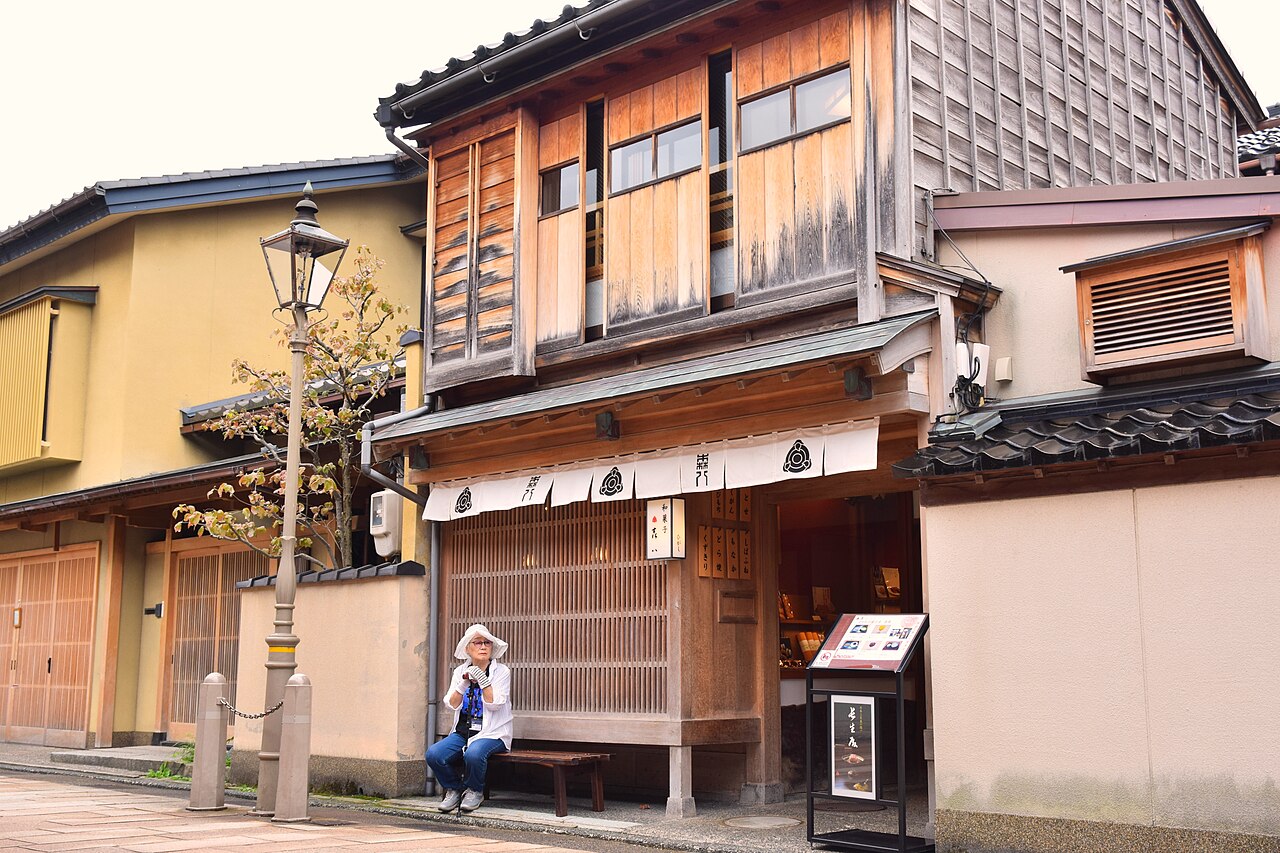
That same wealth-into-craft logic is why Kanazawa is dense with makers to this day. Gold leaf, Kutani porcelain, lacquer, and metal inlay all cluster in one mid-sized city — and the districts where those trades gathered are still walkable.
📦 Shipping & where to buy from outside Japan
The specific pendant covered here is sourced from an Amazon Japan Global Store listing (ASIN B0G2RNPZWM). Amazon Japan ships many household and jewelry items internationally to 65+ countries — including Canada, the UK, and Australia — with import fees estimated and collected at checkout for most destinations.
Expect international shipping in the rough range of $15–$40 to the US, EU, Canada, the UK, and Australia, depending on speed and destination; the figure is shown at checkout, not here. Small jewelry ships easily, but confirm the item’s international-eligibility flag on the listing before ordering, since Global Store eligibility can change.
If a maker-direct piece or a JP-only listing is not internationally eligible, a proxy service such as Buyee or Tenso can forward it — you buy to a Japanese warehouse address, and they re-ship abroad. Customs duties may apply on orders above your country’s de-minimis threshold; Amazon estimates these upfront for most destinations, while proxy routes usually do not.
- 💧 Water & sweat: wipe dry after wear; a blackened iron ground does not like prolonged moisture.
- 🧴 Daily care: buff gently with a soft dry cloth; avoid abrasive polishes that could cut the thin inlay lines.
- 📦 Storage: keep it dry, ideally with an anti-tarnish strip, since silver inlay can dull over time.
- 🔧 Repairs: hand-inlaid pieces can usually be re-polished by a metal-craft workshop rather than replaced.
Price snapshot across stores
| Store | Item / variant | Price | Notes |
|---|---|---|---|
| 🇺🇸 Amazon US (search) | Browse Japanese damascene & metal-inlay jewelry | varies (USD) | Best if you’re shopping from the US — Prime shipping, USD pricing, no international customs. Amazon US carries Japanese and damascene-style jewelry from various makers; this exact Kaga Zogan piece is sourced from Japan (next row). |
| 🇯🇵 Amazon JP Global Store | This exact Kaga Zogan pendant (ASIN B0G2RNPZWM) | See listing (JPY authoritative) | Ships internationally from Japan to 65+ countries — including Canada, the UK, and Australia — with import fees estimated at checkout. |
| Maker direct | Kanazawa Kaga Zogan workshops / craft associations | varies | Widest selection and provenance, but many workshop sites are Japan-only checkout — pair with a proxy for overseas delivery. |
| Proxy services (Buyee / Tenso) | Forwarding for JP-only listings | item + forwarding fee | Use when a piece is not internationally eligible; duties usually calculated on arrival, not upfront. |
Prices in USD are approximate and depend on the current exchange rate (¥150/USD baseline as of mid-2026). The JPY price on the listing is the authoritative one for this specific item, and prices and stock fluctuate — check the affiliate link for current figures.
What it does well
Weaknesses and things to verify before buying
- No confirmed dimensions or weight in our snapshot. Pendant size, chain length, and weight were not in the fetched data — check the live listing before ordering, especially if you want a specific scale.
- Live price was not captured. We did not have a verified JPY figure at the time of writing; treat the listing as authoritative and expect an upper-mid-to-premium tier for hand inlay.
- Metal sensitivity is not certified. The ground and any chain findings are not confirmed nickel-free or hypoallergenic in our data — verify if you have a metal allergy.
- Blackened iron needs care. An iron ground can develop rust or lose its finish if kept damp; this is a piece to wipe dry and store carefully.
- Motif and finish vary piece to piece. The listing describes floral or geometric inlay; because the work is by hand, exact pattern and placement can differ from the photo.
- International delivery takes time and may add duties. Shipping from Japan is not next-day, and orders above your country’s threshold can attract import fees.
Conclusion — which buyer type are you?
Other ways to approach this purchase
🏆 Editor’s Pick
❓ Frequently Asked Questions
What exactly is Kaga Zogan?
Kaga Zogan is the damascene metal-inlay craft of Kanazawa, in Ishikawa Prefecture. Craftspeople cut fine grooves into a metal ground and hammer gold and silver into them flush with the surface. It developed under the Maeda clan’s wealthy Kaga Domain and is a nationally designated Traditional Craft.
Is the pendant solid gold?
No. The body is a blackened iron or brass ground, and the gold and silver are inlaid into it as a decorative motif. The value lies in the hand-inlay work and the craft lineage rather than in precious-metal weight.
Will the blackened iron ground rust?
Iron can rust if kept damp, so wipe the pendant dry after wear and store it in a dry place. Treated gently, the dark finish is durable; the inlaid gold and silver themselves do not rust.
Does Amazon Japan ship this pendant internationally?
This item is sold through Amazon Japan’s Global Store, which ships to 65+ countries including Canada, the UK, and Australia, with import fees estimated at checkout. Confirm the international-eligibility flag on the listing before ordering, since eligibility can change.
How is Kaga Zogan different from Kanazawa gold leaf?
Both are Kanazawa crafts, but gold leaf (kinpaku) is gold beaten into paper-thin sheets and applied to a surface, while Kaga Zogan sets solid gold and silver into cut grooves in a metal ground. One is a coating; the other is inlay worked into the metal itself.
Is each pendant one of a kind?
Because the inlay is cut and set by hand, the exact pattern and placement can vary slightly from piece to piece, so the item you receive may differ subtly from the listing photo. That variation is a normal feature of hand-inlaid work rather than a defect.
jpmono.com is curated by a Japan-based editorial team (working out of Toyama in the Hokuriku region and Nara in Kansai) and is independent. We don’t take payment from the makers we feature; income comes from affiliate links. We read maker specs and source listings rather than physically testing every product. Read more about our editorial standards.
🤖 This article was drafted with AI assistance and reviewed by a human editor for accuracy against the source listing and craft references. Facts about the craft draw on the verified data notes; product specifics defer to the live Amazon listing.
{
“@context”: “https://schema.org”,
“@graph”: [
{
“@type”: “Article”,
“headline”: “Kaga Zogan Inlaid Pendant: Kanazawa Damascene Metalwork, Where to Buy [2026]”,
“description”: “Kaga Zogan is Kanazawa’s damascene inlay craft, born from Maeda-clan armor and stirrup fittings. This guide covers a hand-inlaid gold-and-silver pendant on a blackened iron ground, and where to source one abroad.”,
“inLanguage”: “en-US”,
“datePublished”: “2026-07-23”,
“dateModified”: “2026-07-23”,
“author”: { “@type”: “Organization”, “name”: “jpmono.com” },
“publisher”: { “@type”: “Organization”, “name”: “jpmono.com” },
“mainEntityOfPage”: “https://jpmono.com/kaga-zogan-damascene-inlay-pendant-where-to-buy-2026/”,
“image”: “https://m.media-amazon.com/images/I/410OHctrJQL._SL500_.jpg”
},
{
“@type”: “FAQPage”,
“mainEntity”: [
{
“@type”: “Question”,
“name”: “What exactly is Kaga Zogan?”,
“acceptedAnswer”: { “@type”: “Answer”, “text”: “Kaga Zogan is the damascene metal-inlay craft of Kanazawa, in Ishikawa Prefecture. Craftspeople cut fine grooves into a metal ground and hammer gold and silver into them flush with the surface. It developed under the Maeda clan’s wealthy Kaga Domain and is a nationally designated Traditional Craft.” }
},
{
“@type”: “Question”,
“name”: “Is the pendant solid gold?”,
“acceptedAnswer”: { “@type”: “Answer”, “text”: “No. The body is a blackened iron or brass ground, and the gold and silver are inlaid into it as a decorative motif. The value lies in the hand-inlay work and the craft lineage rather than in precious-metal weight.” }
},
{
“@type”: “Question”,
“name”: “Will the blackened iron ground rust?”,
“acceptedAnswer”: { “@type”: “Answer”, “text”: “Iron can rust if kept damp, so wipe the pendant dry after wear and store it in a dry place. Treated gently, the dark finish is durable; the inlaid gold and silver themselves do not rust.” }
},
{
“@type”: “Question”,
“name”: “Does Amazon Japan ship this pendant internationally?”,
“acceptedAnswer”: { “@type”: “Answer”, “text”: “This item is sold through Amazon Japan’s Global Store, which ships to 65+ countries including Canada, the UK, and Australia, with import fees estimated at checkout. Confirm the international-eligibility flag on the listing before ordering, since eligibility can change.” }
},
{
“@type”: “Question”,
“name”: “How is Kaga Zogan different from Kanazawa gold leaf?”,
“acceptedAnswer”: { “@type”: “Answer”, “text”: “Both are Kanazawa crafts, but gold leaf (kinpaku) is gold beaten into paper-thin sheets and applied to a surface, while Kaga Zogan sets solid gold and silver into cut grooves in a metal ground. One is a coating; the other is inlay worked into the metal itself.” }
},
{
“@type”: “Question”,
“name”: “Is each pendant one of a kind?”,
“acceptedAnswer”: { “@type”: “Answer”, “text”: “Because the inlay is cut and set by hand, the exact pattern and placement can vary slightly from piece to piece, so the item you receive may differ subtly from the listing photo. That variation is a normal feature of hand-inlaid work rather than a defect.” }
}
]
},
{
“@type”: “BreadcrumbList”,
“itemListElement”: [
{ “@type”: “ListItem”, “position”: 1, “name”: “Home”, “item”: “https://jpmono.com/” },
{ “@type”: “ListItem”, “position”: 2, “name”: “Japanese Craft”, “item”: “https://jpmono.com/category/japanese-craft/” },
{ “@type”: “ListItem”, “position”: 3, “name”: “Kaga Zogan Inlaid Pendant: Kanazawa Damascene Metalwork, Where to Buy [2026]”, “item”: “https://jpmono.com/kaga-zogan-damascene-inlay-pendant-where-to-buy-2026/” }
]
}
]
}
Affiliate disclosure: jpmono.com may earn a commission on qualifying purchases made through links on this page, at no additional cost to you.