![Kanazawa Haku Gold-Leaf Sakazuki Sake Cup: Where to Buy [2026]](https://jpmono.com/wp-content/uploads/2026/07/kanazawa-haku-gold-leaf-sakazuki-sake-cup-where-to-buy-2026-featured.jpg)
- What it is: A flat celebratory sake cup (sakazuki) built on a turned-wood lacquer core and surfaced in genuine Kanazawa gold leaf.
- Made in: Kanazawa, Ishikawa Prefecture — the city that produces roughly 99% of Japan’s gold leaf (kinpaku).
- Price band: Gilded-lacquer territory, above plain lacquer or ceramic cups (see live listing — our snapshot had no confirmed price).
- Best for: Buyers who want a formal toasting or wedding cup with verifiable Kaga craft heritage.
- Skip if: You want an everyday, dishwasher-safe drinking cup you can toss around.
- Shipping: ships internationally from Amazon Japan — jump to our pick ↓
Kanazawa’s air is the whole secret. Gold can be beaten to one ten-thousandth of a millimeter — thin enough that a stray current of dry, dusty air will tear it — and the humid, still climate of this Sea-of-Japan city is the reason the leaf holds together long enough to lay it down. Nearly all of Japan’s gold leaf comes from one place, and this sakazuki wears it.
A sakazuki (盃, “celebratory sake cup”) is not a shot glass. It is flat and wide, held with two hands, and it appears at weddings, New Year toasts, and the san-san-kudo (“three-three-nine-times”) ritual — a shallow vessel meant to be seen, not just drained. Built on a turned-wood lacquer core and finished in Kanazawa gold leaf, this cup sits at the crossroads of two Ishikawa traditions: lacquer woodwork underneath, beaten gold on top. The craft was fostered for centuries by the Maeda clan, whose Kaga domain was the wealthiest in feudal Japan.
This guide is written for international buyers weighing a gilded Japanese sake cup as a gift or a keepsake. We cover what the listing actually confirms, where the craft comes from, how it compares to plain-lacquer and ceramic sake vessels, how to buy it from outside Japan, and — honestly — who should pass on it.
🔄 Updated:
⏱️ Read time: ~9 min

ℹ️ Live pricing and some specs weren’t in our snapshot — the linked listing is authoritative; unconfirmed attributes are marked below.
- Who this is for — and who should skip it
- Product overview (from published specs)
- Price snapshot across stores
- What it does well
- Weaknesses and things to verify before buying
- 📍 Where this comes from — place, era, and the craft tradition
- Conclusion — which buyer type are you?
- Other ways to approach this purchase
- 🏆 Editor’s Pick
- ❓ Frequently Asked Questions
Who this is for — and who should skip it
- Want a formal toasting cup for a wedding, anniversary, or New Year.
- Value a documented regional craft over a generic “gold-colored” cup.
- Appreciate the layered making — lacquered wood beneath, real gold leaf on top.
- Are buying a gift that reads as ceremonial rather than everyday.
- Are comfortable hand-washing and storing a delicate object.
- Want a deep cup you can fill and drink from casually — that is a guinomi or ochoko.
- Need something dishwasher- and microwave-safe.
- Want a large-capacity vessel; a sakazuki is shallow by design.
- Are looking for the lowest price in the sake-cup category.
- Prefer a rugged everyday object over a display-and-ceremony piece.
Product overview (from published specs)
The table below reflects what the listing and maker material confirm. Where our snapshot did not carry a value, we mark it plainly rather than guess. Prices and stock fluctuate; the affiliate link carries the current figure.
Kanazawa Haku Gold-Leaf Sakazuki Sake Cup
【金沢金箔の箔一】本金箔 水月 (小盃)
通常6~7日以内に発送します。 · Sold by 箔一 · ASIN B07KG1PRPP
Price and availability as of 2026-08-31 02:30 JST. The Amazon listing at the time of purchase is authoritative. jpmono.com earns a commission on qualifying purchases at no extra cost to you.
| Attribute | Amazon US (search) | Amazon JP Global Store (sourced listing) | Maker direct |
|---|---|---|---|
| Item type | Japanese gold-leaf sakazuki | Flat celebratory sake cup (sakazuki) | Kanazawa Haku gilded sakazuki |
| Core material | Varies by seller | Turned-wood lacquer core | Lacquered wood (urushi) |
| Surface | Varies by seller | Genuine Kanazawa gold leaf (kinpaku) | Kanazawa Haku gold leaf |
| Origin | Multiple makers | Kanazawa, Ishikawa Prefecture | Kanazawa, Ishikawa |
| Diameter / capacity | Varies | Unconfirmed — check listing | Unconfirmed — check maker site |
| Price | Varies (USD) | See live listing (no confirmed price in snapshot) | — |
📖 Glossary — key terms
- Kanazawa Haku (金沢箔, “Kanazawa leaf”) — gold leaf produced in Kanazawa, where roughly 99% of Japan’s kinpaku is made.
- Kinpaku (金箔, “gold leaf”) — gold beaten to about one ten-thousandth of a millimeter thick.
- Enguke-haku (縁付箔) — the traditional beating method in which the leaf is worked between sheets of specially treated washi paper.
- Sakazuki (盃) — a flat, wide celebratory sake cup, distinct from a deep guinomi or ochoko.
- San-san-kudo (三々九度) — the “three-three-nine-times” wedding ritual in which the couple share sake from stacked cups.
- Urushi (漆) — natural Japanese lacquer, the coating over the turned-wood core.
- Kaga Hyakumangoku (加賀百万石) — the “million-koku” wealth of the Maeda-ruled Kaga domain that funded its craft patronage.
Related Japanese tableware and craft guides on jpmono.com — for readers weighing materials, makers, and price tiers.
 Yamanaka Woodturned Caddy →
Gohara Kijiro Bowl →
 Takaoka Raden Box →
 Tokyo Silver Tumbler →
 Owari Shippo Rests →
Tsubame Flatware Set →
 Kyo Maki-e Kogo →
Price snapshot across stores
| Store | Item / Variant | Price (JPY + USD est.) | Notes |
|---|---|---|---|
| 🇺🇸 Amazon.com (US) | Browse Japanese gold-leaf sake cups | varies (USD) | Best if you’re shopping from the US — Prime shipping, USD pricing, no international customs. Amazon US carries gilded and lacquered Japanese sake vessels from several makers; this Kanazawa Haku piece is sourced from Japan (next row). |
| 🇯🇵 Amazon JP Global Store | Kanazawa Haku gold-leaf sakazuki | See live listing (no confirmed price in snapshot) | Ships internationally from Japan. This is the sourced listing for the specific cup covered here. |
| Maker direct | Kanazawa gold-leaf workshops | Varies | Kanazawa has many kinpaku workshops with direct or gallery sales; international shipping varies by shop. |
| Proxy services (Buyee / Tenso) | Any JP listing | Item price + forwarding fee | Useful when a Japan-only shop does not ship abroad; adds a consolidation and forwarding fee. |
Prices in USD are approximate and depend on the current exchange rate (¥150/USD baseline as of mid-2026). The JPY price on the listing is authoritative.
What it does well
- 🍽️ Dishwasher: no — lacquer-and-leaf surfaces are hand-wash only (confirm on the listing).
- ♨️ Microwave: no — the gold-leaf metal surface and lacquer are not microwave-safe.
- 🧴 Daily care: rinse gently, wipe dry with a soft cloth, and avoid abrasive sponges that can scuff the leaf.
Care above reflects general practice for gilded-lacquer pieces; the maker’s listing is authoritative for this item.
Weaknesses and things to verify before buying
- No confirmed price in our snapshot. Gilded-lacquer cups sit above plain lacquer or ceramic; check the live listing before committing.
- Delicate surface. Gold leaf is extraordinarily thin and can scuff or lift with rough handling; this is a keepsake, not a knockabout cup.
- Shallow by design. A sakazuki holds little; if you want a cup to actually drink volume from, choose a guinomi or ochoko instead.
- Hand-wash only. No dishwasher, no microwave — verify care instructions on the listing.
- Dimensions unconfirmed. Diameter and capacity were not in our snapshot; confirm on the listing if size matters for your use.
- Gift-context matters. The ceremonial associations (weddings, toasts) are a feature for some buyers and a limitation for those wanting an everyday object.
“Gold can be beaten to one ten-thousandth of a millimeter — and it is Kanazawa’s still, humid air, more than any single artisan, that lets the leaf survive the beating.”
📍 Where this comes from — place, era, and the craft tradition

Kanazawa sits on the Sea of Japan coast, in Ishikawa Prefecture, in the Hokuriku part of the wider Chūbu region — the same coastline as Toyama, one prefecture to the east. It is a wet city. Snow in winter, humidity through much of the year, and crucially, still air. That last quality is the reason the gold-leaf trade took root here rather than somewhere drier: leaf this thin is destroyed by dust and moving air, and Kanazawa’s climate is unusually forgiving of it.
But climate alone does not build an industry. Money does — and Kanazawa had a great deal of it.
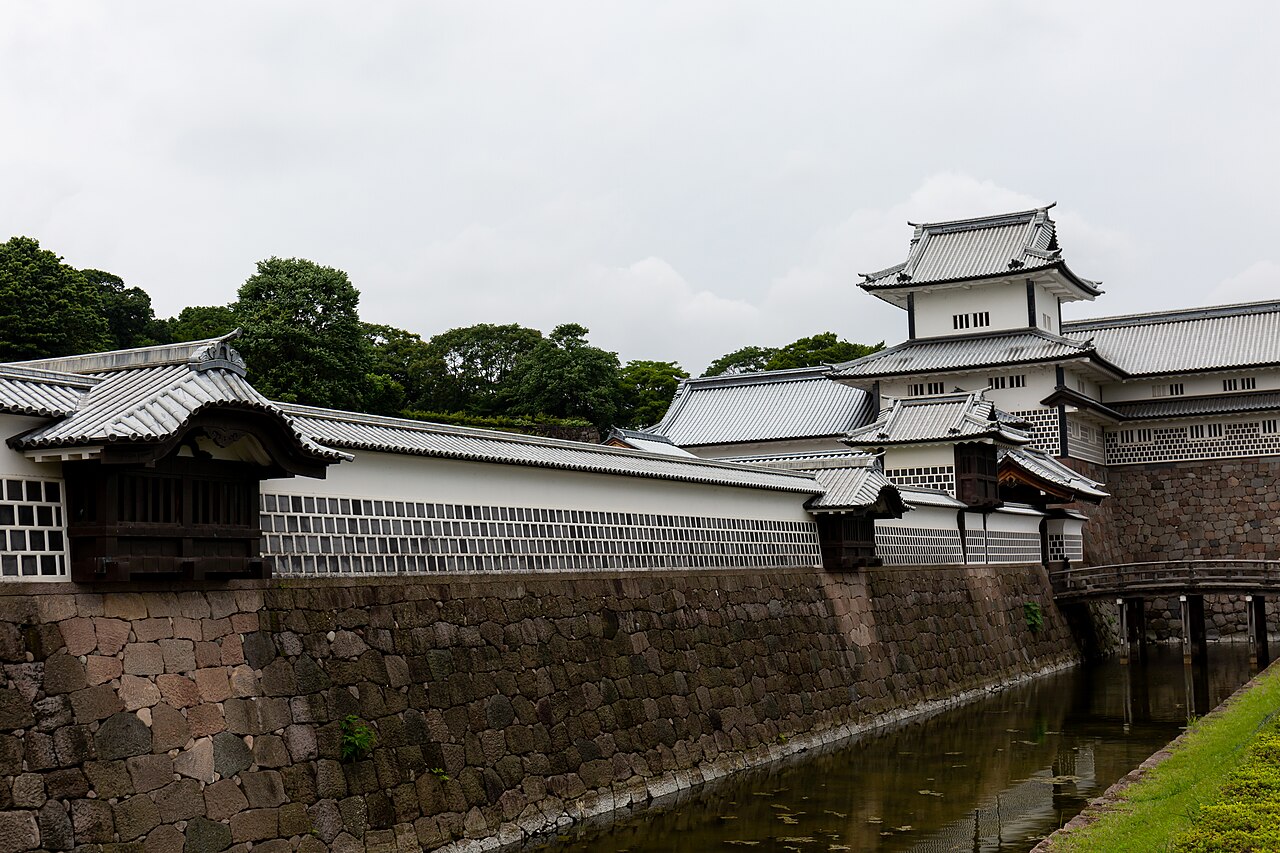
The city was the seat of the Kaga domain, ruled by the Maeda clan and long the richest domain in feudal Japan — its wealth measured in over a million koku of rice, the phrase preserved as Kaga Hyakumangoku (加賀百万石, “Kaga’s million koku”). The Maeda lords poured that wealth into the arts. Rather than spend it on military display, which might have alarmed the shogunate, they cultivated craft: gold leaf, Kutani porcelain, Kaga yūzen dyeing, and gilded lacquer for temples and altars. Demand for kinpaku followed directly from that patronage.
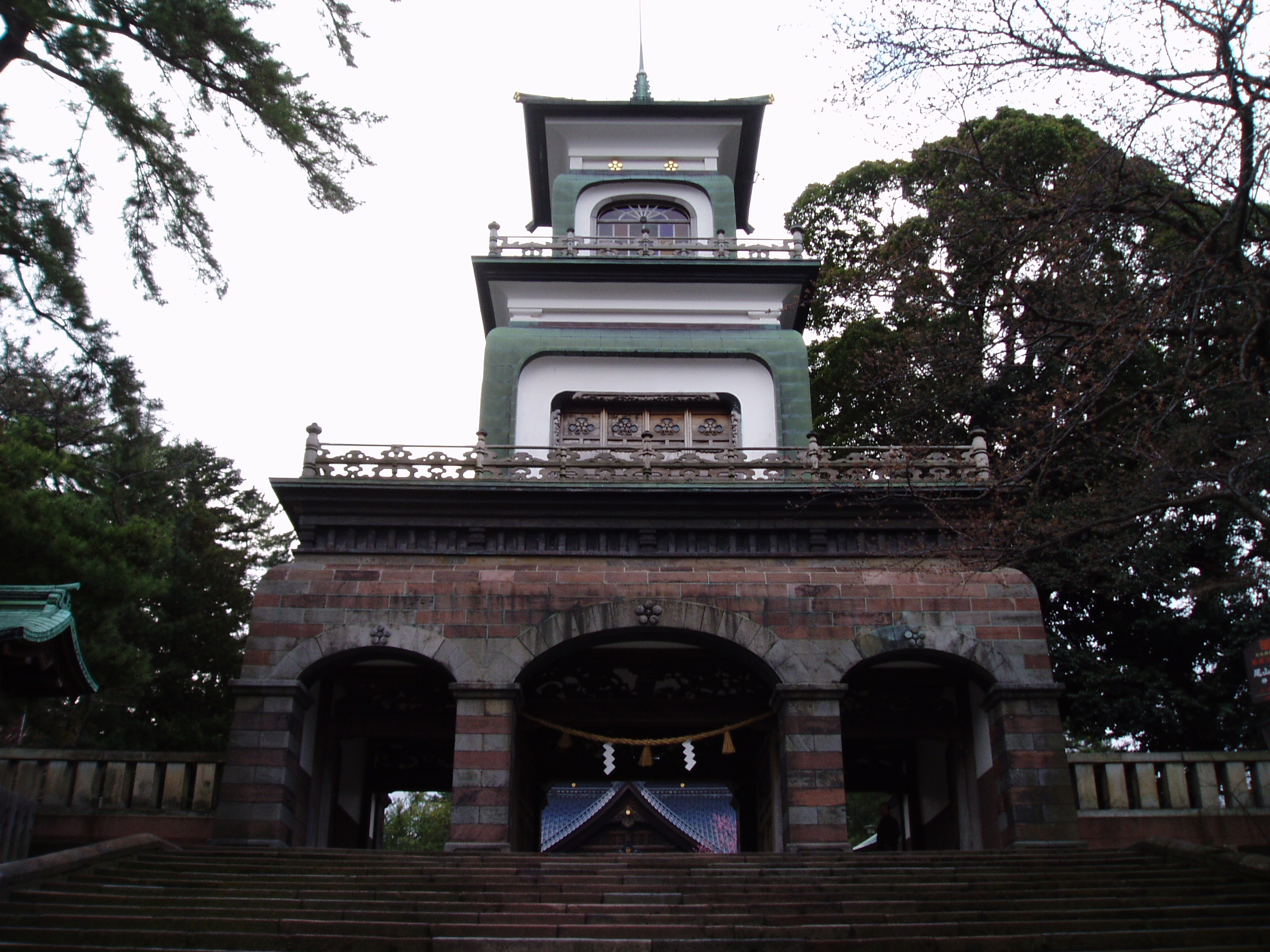
The clan’s founder in Kanazawa was Maeda Toshiie, honored today at Oyama Shrine in the city center. Under his line, the Kaga domain became a magnet for artisans, and the beating of gold into leaf — worked between sheets of specially treated washi paper in the enguke-haku method — matured into a signature local craft. Over the centuries that followed, Kanazawa consolidated its position until nearly all of Japan’s gold leaf came from this one city.
- 1583 — Maeda Toshiie enters Kanazawa Castle; the Kaga domain’s castle town takes shape.
- Edo period (1603–1868) — The domain’s “Hyakumangoku” wealth funds craft workshops: gold leaf, Kutani ware, Kaga yūzen, and gilded lacquer.
- Edo period — The enguke-haku beating method — leaf worked between treated washi — matures in Kanazawa’s still, humid air.
- Meiji period (from 1868) — Kanazawa consolidates as Japan’s dominant gold-leaf center.
- Today — The city produces roughly 99% of all gold leaf made in Japan.
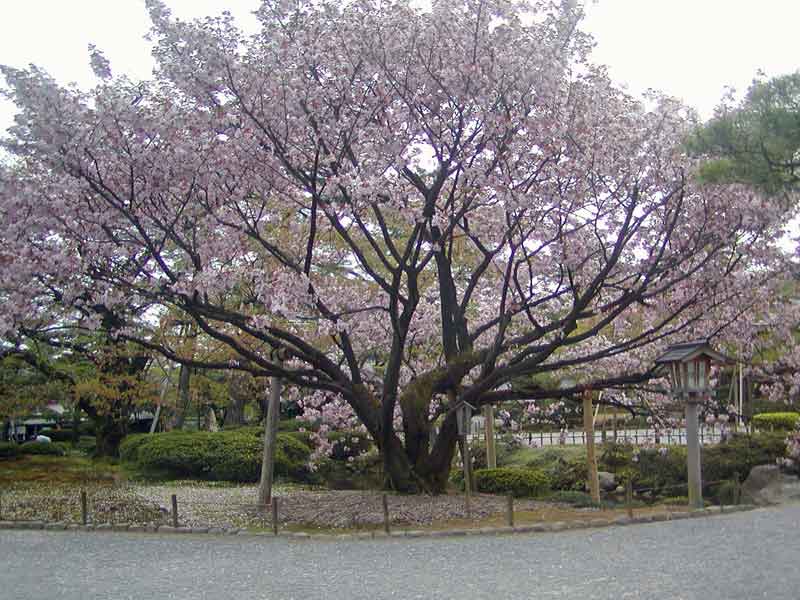
That heritage is still visible in the city. Kenroku-en, the Maeda garden, remains one of Japan’s most famous landscapes, and the teahouse districts preserve interiors where gold leaf was — and is — put to daily use. The craft did not become a museum piece; it stayed a working trade.
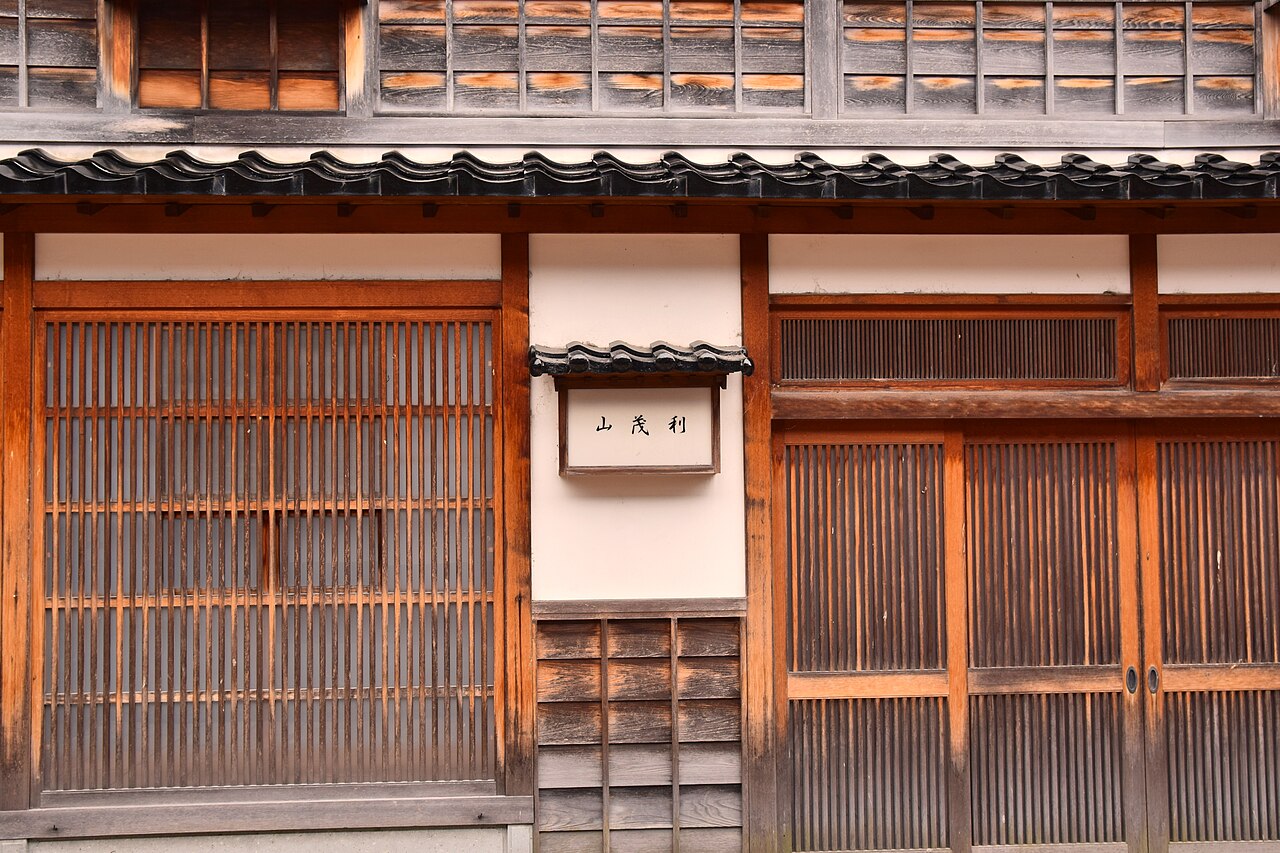
A sakazuki finished in Kanazawa gold leaf carries this whole arc: a lacquered-wood cup made in the coastal domain that decided, centuries ago, to spend its fortune on beauty. Traditionally, the flat cup is reserved for celebration — weddings, the New Year, formal toasts — rather than casual drinking. That association is exactly why it makes sense as a gift.
Conclusion — which buyer type are you?
Other ways to approach this purchase
🏆 Editor’s Pick
❓ Frequently Asked Questions
What is the difference between a sakazuki and a guinomi or ochoko?
A sakazuki is a flat, wide, shallow cup traditionally used for celebrations and formal toasts. A guinomi and an ochoko are deeper, smaller cups meant for casual everyday drinking. If you want capacity, choose the latter.
Is the gold on this cup real?
The surface uses genuine Kanazawa gold leaf (kinpaku), the same craft that supplies roughly 99% of Japan’s gold leaf. Confirm the exact specification on the listing before purchase.
Can I put it in the dishwasher or microwave?
No. Gilded-lacquer pieces are hand-wash only, and the gold-leaf metal surface is not microwave-safe. Rinse gently and wipe dry with a soft cloth.
Does it ship internationally?
Yes — the sourced listing is on Amazon JP Global Store, which ships to most major international destinations. Buyee or Tenso can forward it from Japan-only shops as an alternative.
How much does it cost?
Our snapshot did not carry a confirmed price. Gilded-lacquer cups generally sit above plain lacquer or ceramic; the live listing is authoritative for the current figure.
Is it a good gift?
Yes, for celebratory occasions. The sakazuki is traditionally used at weddings, the New Year, and formal toasts, which makes a gold-leaf version a fitting keepsake gift rather than an everyday cup.
jpmono.com is curated by a Japan-based editorial team (working out of Toyama in the Hokuriku region and Nara in Kansai) and is independent. We do not take payment from the makers we feature; income comes from affiliate links. We do not physically test every product — we read maker specs and source listings.
🤖 This article was drafted with AI assistance and edited against the source listing and maker material. Facts are drawn from the available product snapshot; unconfirmed attributes are marked as such.
Affiliate disclosure: jpmono.com may earn a commission on qualifying purchases made through links on this page, at no additional cost to you.