![Oyaya Takaoka Ramune (大野屋 高岡ラムネ, boxed assortment of hand-molded pressed-sugar candies) — Takaoka’s 1838 confectioner shapes sugar in carved wooden molds borrowed from the castle town’s metal-casting trade [2026 Guide for International Readers]](https://jpmono.com/wp-content/uploads/2026/09/oyaya-takaoka-ramune-where-to-buy-2026-featured.jpg)
- What it is: dry pressed-sugar candy (ramune, ラムネ) shaped in hand-carved wooden molds, sold as a boxed assortment of small figurative pieces.
- Made in: Takaoka, Toyama Prefecture — by Oyaya (大野屋), a confectioner founded in the town in 1838.
- Price band: regional confection gift-box territory rather than luxury wagashi; the live listing is the authority, as assortments and box sizes rotate.
- Best for: gift shoppers who want something visually Japanese, shelf-stable, and not chocolate.
- Skip if: you want a chewy, juicy, or soft candy — this crumbles like a chalky sugar tablet.
- Shipping: shelf-stable and ships internationally from Amazon Japan — jump to our pick ↓
Takaoka has been carving molds since 1611, when the Kaga domain invited bronze founders to settle beside a castle that was barely finished. Casting is a mold trade before it is a metal trade: every bronze bell, every temple lantern, every incense burner begins as a carved pattern in wood. Four centuries of that work left the city with an unusual surplus of skilled woodcarvers — and one of the trades that quietly borrowed them was confectionery.
Oyaya (大野屋), founded in Takaoka in 1838, still presses its ramune candy into small hand-carved wooden molds called kashigata (菓子型). Fine sugar and starch go in as loose powder and come out as palm-sized shapes drawn from local motifs: seasonal flowers, the towering floats of the Takaoka Mikurumayama festival, cranes and tortoises, the fish of Toyama Bay. The candy is dry — no cream, no chocolate, nothing that softens in a warm mailbag — and it crumbles on the tongue rather than dissolving slowly, closer to a European sugar tablet than to a chewy sweet.
That combination matters more than it sounds. A room-temperature, low-moisture, sealed confection in a rigid box is one of the few Japanese regional sweets that survives a two-week international transit intact, which is why it turns up in the luggage of people who cannot bring back fresh wagashi. This guide, written from a Japan-based editorial desk in Toyama, covers what Takaoka ramune actually is, how Oyaya’s molds connect to the city’s casting history, what the boxed assortments typically contain, and how to order from Amazon Japan’s Global Store as an international reader.
🔄 Last updated: September 4, 2026
⏱️ Read time: about 11 minutes
✍️ Japan-based editorial desk (Toyama / Nara)

ℹ️ Live pricing and the current assortment contents were not in our data snapshot — the linked listing is authoritative, and unconfirmed attributes are marked as such below. No curated heritage photography was cleared for this article, so the historical sections use data cards rather than images.
- Who this is for — and who should skip it
- Product overview (from published specs)
- Which finish should you choose?
- 📍 Where this comes from — place, era, and the craft tradition
- 📌 How does it compare?
- 📦 Shipping & where to buy from outside Japan
- Price snapshot across stores
- What it does well
- Weaknesses and things to verify before buying
- Conclusion — which buyer type are you?
- Other ways to approach this purchase
- 🏆 Editor’s Pick
- ❓ Frequently Asked Questions
Who this is for — and who should skip it
- Want a Japanese gift that looks handmade and survives a long shipping route without refrigeration.
- Are buying for someone who avoids dairy and chocolate — this is a plant-based sugar-and-starch confection.
- Enjoy dry, crumbling sweets: sugar tablets, dragées, rakugan, communion-wafer textures.
- Collect regional Japanese craft objects and appreciate that the shapes come from carved wooden molds, not steel dies.
- Want an edible souvenir of Toyama that connects to Takaoka’s casting district rather than a generic “Japan” tin.
- Expect the fizzy ramune soda — this is a candy that shares the name, not a drink.
- Prefer soft, chewy, or fruit-juicy candy; pressed sugar is dry and friable by design.
- Need a guaranteed flavor lineup — assortments rotate seasonally and the box you receive may differ from the photo.
- Live somewhere humid and cannot keep the box sealed; moisture, not heat, is what ruins pressed sugar.
- Require a fully translated allergen statement before purchase — the printed label is Japanese, and contents vary by assortment.
Product overview (from published specs)
| Attribute | Detail | Source |
|---|---|---|
| Product | Takaoka Ramune (高岡ラムネ) — boxed assortment of mold-pressed sugar candies | Amazon JP Global Store listing |
| Maker | Oyaya (大野屋), confectioner in Takaoka City, Toyama Prefecture, founded 1838 | Maker direct |
| Item ID (ASIN) | B071WTQ6N4 | Amazon JP Global Store |
| Category | Higashi (干菓子) — dry confection; pressed sugar, not a baked or fresh sweet | Maker direct |
| Typical ingredients | Fine granulated and/or wasanbon-type sugar, starch (potato or corn), citric acid, natural flavorings such as yuzu, ginger, ume, or mint. Plant-based; no dairy, chocolate, or cream. | Maker direct — exact list varies by assortment |
| Forming method | Pressed into hand-carved wooden molds (kashigata, 菓子型) in the local mold-carving tradition | Maker direct |
| Motifs | Seasonal flowers, Takaoka Mikurumayama festival floats, cranes and tortoises, fish of Toyama Bay | Maker direct |
| Piece size / texture | Roughly bite-sized; dry and friable, crumbles rather than dissolving slowly | Maker direct |
| Storage | Room temperature, sealed and dry; no refrigeration | Maker direct |
| Shelf life | Typically several months from production (best-by date printed on the box) | Maker direct |
| Box contents / net weight | Unconfirmed — check the live listing; assortments rotate seasonally | — |
| Price | Not in our snapshot — see the live listing | — |
📖 Glossary — the Japanese terms in this guide
- ramune (ラムネ) — in confectionery, a dry pressed-sugar candy with a sour edge. The word derives from “lemonade” and is also used for the marble-stoppered soda; context decides which is meant.
- kashigata (菓子型) — a carved wooden mold used to shape confections. Cherry or magnolia wood, cut in intaglio so the finished sweet stands in relief.
- higashi (干菓子) — “dry sweets.” The category of low-moisture Japanese confections that keep at room temperature, as opposed to namagashi (fresh sweets).
- rakugan (落雁) — pressed sugar-and-grain-flour confection, the classic mold-formed higashi served at tea. Oyaya also produces nama-rakugan (生落雁) in the same molds.
- wasanbon (和三盆) — a fine-grained traditional Japanese sugar refined by hand-kneading, prized in higashi for its melt and mild flavor.
- Mikurumayama (御車山) — Takaoka’s festival floats, whose forms appear among the candy motifs.
- Kanaya-machi (金屋町) — Takaoka’s foundry district, now a preserved historic streetscape, where the town’s casting industry was seeded.
- Tenpo (天保) — the Japanese era name spanning the late 1830s and early 1840s, during which Oyaya was founded in 1838.
Which finish should you choose?
This piece is listed in 8 flavours. The photos below are the actual flavour options on the listing right now — pick the one you want and confirm it on the product page before ordering, since hand-finished wares vary slightly piece to piece.
![Oyaya Takaoka Ramune (大野屋 高岡ラムネ, boxed assortment of hand-molded pressed-sugar candies) — Takaoka's 1838 confectioner shapes sugar in carved wooden molds borrowed from the castle town's metal-casting trade [2026 Guide for International Readers] — 貝尽くし finish](https://m.media-amazon.com/images/I/51QszTnuemL._SL500_.jpg)
![Oyaya Takaoka Ramune (大野屋 高岡ラムネ, boxed assortment of hand-molded pressed-sugar candies) — Takaoka's 1838 confectioner shapes sugar in carved wooden molds borrowed from the castle town's metal-casting trade [2026 Guide for International Readers] — 冬けしき finish](https://m.media-amazon.com/images/I/41b9cQ8J4lL._SL500_.jpg)
![Oyaya Takaoka Ramune (大野屋 高岡ラムネ, boxed assortment of hand-molded pressed-sugar candies) — Takaoka's 1838 confectioner shapes sugar in carved wooden molds borrowed from the castle town's metal-casting trade [2026 Guide for International Readers] — 春けしき finish](https://m.media-amazon.com/images/I/51x-DlZsVsL._SL500_.jpg)
![Oyaya Takaoka Ramune (大野屋 高岡ラムネ, boxed assortment of hand-molded pressed-sugar candies) — Takaoka's 1838 confectioner shapes sugar in carved wooden molds borrowed from the castle town's metal-casting trade [2026 Guide for International Readers] — 秋けしき finish](https://m.media-amazon.com/images/I/51H0k2XuEKL._SL500_.jpg)
![Oyaya Takaoka Ramune (大野屋 高岡ラムネ, boxed assortment of hand-molded pressed-sugar candies) — Takaoka's 1838 confectioner shapes sugar in carved wooden molds borrowed from the castle town's metal-casting trade [2026 Guide for International Readers] — 花尽くし finish](https://m.media-amazon.com/images/I/41wFZrX94kL._SL500_.jpg)
![Oyaya Takaoka Ramune (大野屋 高岡ラムネ, boxed assortment of hand-molded pressed-sugar candies) — Takaoka's 1838 confectioner shapes sugar in carved wooden molds borrowed from the castle town's metal-casting trade [2026 Guide for International Readers] — 御車山 finish](https://m.media-amazon.com/images/I/510beo2sK7L._SL500_.jpg)
![Oyaya Takaoka Ramune (大野屋 高岡ラムネ, boxed assortment of hand-molded pressed-sugar candies) — Takaoka's 1838 confectioner shapes sugar in carved wooden molds borrowed from the castle town's metal-casting trade [2026 Guide for International Readers] — 宝尽くし finish](https://m.media-amazon.com/images/I/41S7vmTpV6L._SL500_.jpg)
📍 Where this comes from — place, era, and the craft tradition

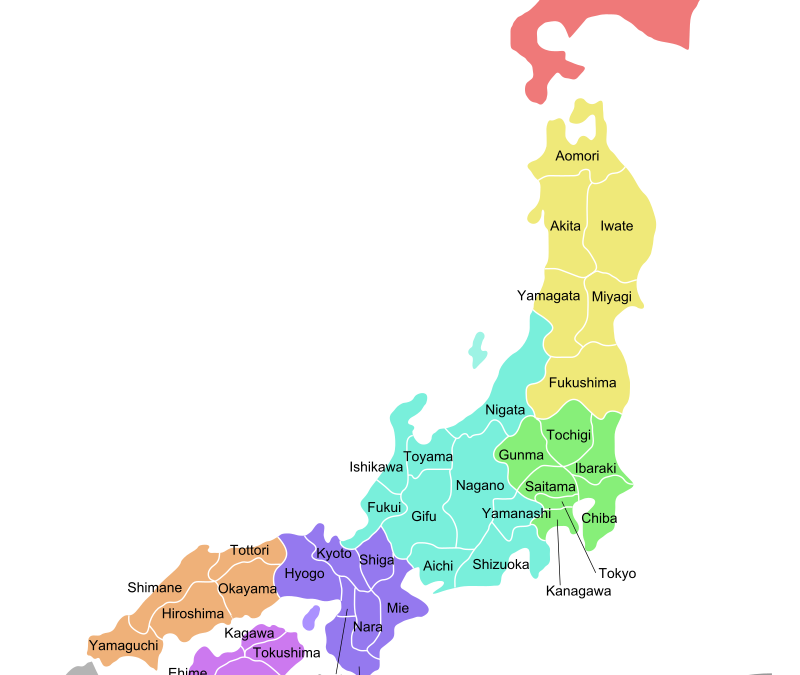
Takaoka sits on flat coastal ground in western Toyama Prefecture, on the Sea of Japan side of Honshu, where rivers coming down off the mountains meet the bay. That geography is the whole reason the city exists as a craft town: water for power and transport, a port for moving heavy goods, and a domain government willing to pay for skilled hands. Toyama Bay, which supplies the fish motifs pressed into some of Oyaya’s molds, is close enough to be part of daily life rather than scenery.
The founding date is precise. In 1609, Maeda Toshinaga of the Kaga domain built a castle here and laid out a town around it; in 1611 the domain invited bronze founders to settle in what became the Kanaya-machi foundry district.
Then, in 1615, the castle was abolished — and the town did not die. It reinvented itself as a merchant and craft city, and the foundry district it had been given six years earlier turned out to be the more durable asset than the castle. Kanaya-machi survives today as a preserved historic streetscape, and Takaoka accounts for the large majority of Japan’s copper-alloy craft production.
-
1609 — Maeda Toshinaga of the Kaga domain establishes Takaoka as a castle town on the Toyama coastal plain. -
1611 — The domain invites bronze founders to settle beside the new castle, seeding the Kanaya-machi foundry district. -
1615 — The castle is abolished. Takaoka continues as a merchant and craft city rather than a garrison town. -
17th–19th c. — Casting makes pattern-carving and mold-making a standing local trade; confectioners commission kashigata from the same carvers. -
1838 — Oyaya (大野屋) is founded in Takaoka, in the Tenpo era, roughly three decades before the end of the shogunate. -
2026 — Kanaya-machi is a preserved streetscape, Takaoka still dominates Japanese copperware, and Oyaya still presses ramune into carved wooden molds.
What connects a bronze foundry to a candy shop is not metaphor; it is labor supply. A caster cannot work without a pattern, and a pattern is carved wood. A town that keeps several dozen foundries busy for four centuries necessarily keeps carvers busy too, and those carvers take other commissions: temple fittings, printing blocks, and kashigata for the confectioners two streets over. Oyaya’s ramune molds come out of that ecosystem, which is why the motifs are so specifically local — the Mikurumayama floats that come out for the town’s festival, the cranes and tortoises of formal congratulation, the fish that come off the boats in Toyama Bay.
“Casting is a mold trade before it is a metal trade. Takaoka spent four hundred years learning to carve negative space in wood — and some of that skill ended up shaping sugar.”
The continuity case here is modest and worth stating honestly: Oyaya is a confectioner that has operated in one town since 1838 and still forms this product by pressing it into hand-carved molds rather than stamping it on a modern die line. That is a specific, checkable claim about method. It is not a claim that every piece is individually hand-carved, and we make no assertion about how many generations of one family are currently involved, because our source material does not establish it.
Culturally, dry pressed sugar occupies a particular slot in the Japanese year. Higashi are what you serve with thin matcha, what you set out for guests who arrive without warning, and what you give as a small formal gift — because they keep, because they photograph well in a box, and because the mold motifs can be matched to the season. A box of Takaoka ramune sent in spring will lean floral; the same maker’s autumn assortment leans elsewhere. That seasonal rotation is a feature of the tradition, and it is also the practical reason no one can promise you a specific flavor lineup in advance.
📌 How does it compare?
Pressed-sugar candy is a tea-table object as much as a candy. These guides cover what usually sits next to it — Japanese teas, the bowl they are drunk from, and the other great shelf-stable Japanese gift category, savory rice crackers.
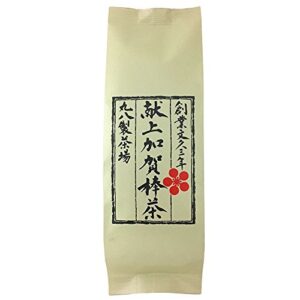
 Maruhachi Seichajo Kenjo Kaga Bocha (献上加賀棒茶, sealed bag/tin)
 Hoshino Seichaen Yame Matcha (星野製茶園 八女抹茶, sealed 30–40g tin)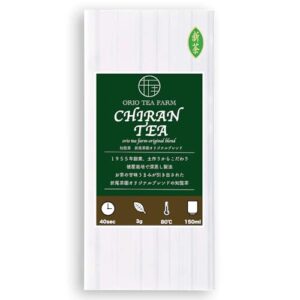
 Chiran-cha Deep-Steamed Sencha (知覧茶 深蒸し煎茶, sealed 100g bag)
 Ooigawa Chaen Fukamushi Sencha (大井川茶園 深蒸し煎茶, sealed foil bag)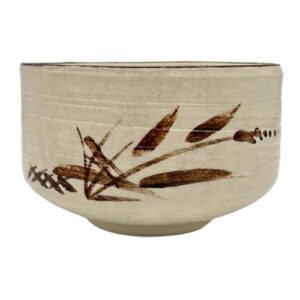
 Etchu Seto-yaki Matcha Chawan Tea Bowl: Toyama Pottery Guide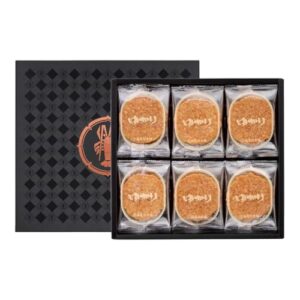
 Bankaku Sohonpo Yukari Ebi Senbei (坂角総本舗 ゆかり, individually-sealed)
📦 Shipping & where to buy from outside Japan
Takaoka ramune is one of the easier Japanese food items to import, for the same reasons it keeps well on a shelf: it is dry, sealed, non-perishable, and needs no cold chain. It is sold through the Amazon Japan Global Store, which ships to 65+ countries — including Canada, the UK, and Australia, alongside the US and most of the EU.
Food is the one category where eligibility genuinely varies by destination, so confirm it at checkout rather than assuming. Amazon’s AmazonGlobal flow will tell you before you pay whether the item can ship to your address, and it estimates import fees at the same step for most destinations.
Price snapshot across stores
ℹ️ No live price was captured in our data snapshot for this item, so the table below carries no invented figures. JPY is the authoritative currency for the sourced listing; any USD figure you see at checkout is a conversion.
| Store | Item / variant | Price | Notes |
|---|---|---|---|
| 🇺🇸 Amazon US (search) | Browse Japanese candy & sweets | varies (USD) | Best if you are shopping from the US — Prime shipping, USD pricing, no international customs. Amazon US carries a wide range of Japanese candy, higashi, and gift assortments. Oyaya’s Takaoka ramune itself ships from Japan (next row). |
| 🇯🇵 Amazon JP Global Store | Oyaya Takaoka Ramune, boxed assortment (ASIN B071WTQ6N4) | See live listing (¥, authoritative) | Ships internationally from Japan to 65+ countries — including Canada, the UK, and Australia — with import fees estimated at checkout. This is where the specific item in this guide is sourced. |
| Maker direct | Full Oyaya line, including seasonal assortments and nama-rakugan | Unconfirmed — check maker site | The widest selection and the freshest best-by dates, but Japanese-language ordering and, in most cases, domestic-only delivery. |
| Proxy services (Buyee / Tenso) | Any Japanese-domestic listing, forwarded | Item price + service fee + forwarding | Useful for seasonal boxes that never reach the Global Store. Adds cost and transit time, and does not exempt you from your country’s food-import rules. |
What it does well
- 🌡️ Storage: room temperature — no refrigeration, and refrigeration is not an improvement.
- 💧 The real enemy: humidity, not heat. Keep the box sealed and dry; absorbed moisture turns crisp pressed sugar tacky and dulls the mold relief.
- 📅 Shelf life: typically several months from production; the best-by date is printed on the box, so check it on arrival.
- 🥢 Serving: sits naturally alongside matcha or roasted tea; pieces are bite-sized and crumble on the tongue rather than dissolving slowly.
- 🏷️ Labels: the ingredient and allergen statement is printed in Japanese and varies by assortment — read the live listing and the box before serving to anyone with allergies.
Weaknesses and things to verify before buying
- The contents rotate. Flavor assortments change seasonally. The shapes and flavors in the listing photo are illustrative, not a guarantee — read the current listing text, and expect some variance.
- Texture is polarizing. Pressed sugar is dry and friable. Buyers expecting the chew of a gummy or the juice of a fruit candy consistently find this austere; it is much closer to a European sugar tablet.
- Fragility in transit. Mold-pressed sugar is brittle by nature. The rigid box helps considerably more than a pouch would, but pieces can arrive with chipped edges after a long international route.
- Humidity ruins it. In a humid climate, an opened box left unsealed will go tacky within days. This is a storage requirement, not a defect, but it catches people out.
- Allergen information is Japanese-only and assortment-dependent. Our data does not fix the exact ingredient list for any given box. If someone in your household has allergies, verify against the printed label rather than this article.
- No live price in our snapshot. We captured no price data for this ASIN, so we quote none. Check the listing before ordering, and note that Global Store pricing differs from Japanese-domestic pricing.
- Food import eligibility varies by country. Some destinations restrict food parcels regardless of how shelf-stable the item is. Confirm at checkout before you commit.
Conclusion — which buyer type are you?
Other ways to approach this purchase
🏆 Editor’s Pick
❓ Frequently Asked Questions
Is this the fizzy ramune soda in candy form?
No. It shares the name and the sour-citrus flavor register, but this is a dry pressed-sugar confection made from fine sugar and starch with citric acid and natural flavorings. There is no carbonation and no liquid. The word “ramune” derives from “lemonade” and in Japanese confectionery it denotes this class of tart pressed candy.
Does it need refrigeration, and how long does it keep?
No refrigeration. It is a low-moisture dry confection stored at room temperature, with a typical best-by of several months from production printed on the box. The thing to protect it from is humidity rather than heat — keep the box sealed and dry, since absorbed moisture makes pressed sugar tacky and blurs the mold relief.
Can it be shipped to Canada, the UK, or Australia?
The Amazon Japan Global Store ships to 65+ countries including Canada, the UK, and Australia. Food is the category where destination rules vary most, so confirm eligibility for your specific address during the AmazonGlobal checkout flow — it is checked before payment, and import fees are estimated at the same step. Expect roughly $15–$40 in shipping for a small parcel.
What flavors are in the box?
Assortments typically draw on flavorings such as yuzu, ginger, ume, and mint, but the lineup rotates seasonally and we can’t fix the contents of any particular box in advance. Read the live listing for the current assortment. The same applies to the shapes, which follow local motifs including seasonal flowers, Mikurumayama festival floats, cranes and tortoises, and fish of Toyama Bay.
Is it suitable for vegans or people avoiding dairy?
The product type is plant-based — sugar, starch, citric acid, and natural flavorings, with no dairy, chocolate, or cream. That said, exact ingredient lists and allergen statements vary by assortment and are printed in Japanese, so anyone with a dietary restriction or allergy should verify against the live listing and the label on the box rather than relying on a general description.
What does the candy have to do with Takaoka’s metal casting?
Casting requires carved wooden patterns, so the foundry district that the Kaga domain seeded in Takaoka from 1611 also sustained a standing trade of skilled woodcarvers. Confectioners commissioned kashigata (菓子型) — carved wooden candy molds — from that same pool of carvers. Oyaya, founded in the town in 1838, still presses its ramune into molds of that type, which is why the shapes are drawn from Takaoka’s own festival, wildlife, and seasonal imagery.
Will the pieces arrive broken?
Mold-pressed sugar is brittle, so some chipping along piece edges is possible after a long international route. The boxed format is the main defense, which is one reason we recommend the box over a soft pouch for shipping abroad. Chipped edges affect appearance rather than flavor, but if the box is a formal gift, it is worth unpacking and inspecting it before you hand it over.
jpmono.com is curated by a Japan-based editorial team working out of Toyama in the Hokuriku region and Nara in Kansai, and is independent. We focus on Japanese household objects and regional goods with verifiable craft heritage and a clear international shipping path. We do not physically test every product — we read maker specifications and source listings, and we say so when the data is thin. We take no payment from the makers we feature; income comes from affiliate links.
🤖 This article was drafted with AI assistance from maker information, published specifications, and marketplace listing data, then reviewed by a human editor. Product details, availability, and pricing change frequently — verify at the retailer before purchasing.
Affiliate disclosure: jpmono.com may earn a commission on qualifying purchases made through links on this page, at no additional cost to you.