![Etchu Seto-yaki Matcha Chawan Tea Bowl: Toyama Pottery Guide [2026]](https://jpmono.com/wp-content/uploads/2026/06/etchu-seto-yaki-matcha-chawan-tea-bowl-where-to-buy-2026-featured.jpg)
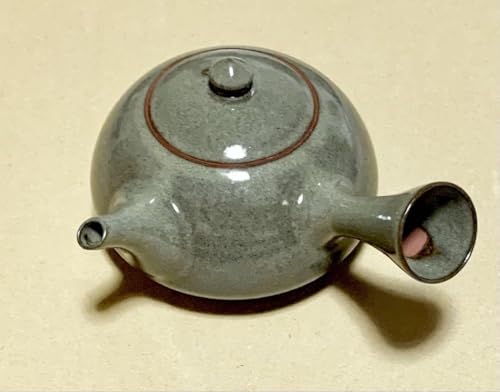
Etchu Seto-yaki (越中瀬戸焼, “Etchū Seto ware”) is the oldest pottery tradition in Toyama Prefecture, fired in the Seto district of Tateyama Town at the foot of the Tateyama mountain range. Tradition holds it began in 1594, during the Bunroku era, when Maeda Toshinaga — lord of Toyama and a central figure of the Kaga domain — invited a potter named Hikoemon from Seto in Owari province (present-day Aichi) to settle in the snow country and fire ware there, transplanting Seto’s glaze technology to the Hokuriku coast. The matcha chawan (抹茶茶碗, “tea bowl for whisked green tea”) covered in this guide is finished in wood-ash glaze (haiyū, 灰釉), the cool, mountain-grey surface for which the kiln is best known.
What makes the ware notable to an international reader is less any single dramatic feature than its quiet pedigree. It carries Kaga-domain patronage, a founding date older than the Edo period itself, and a setting on one of Japan’s three sacred mountains. It also carries scarcity: Etchu Seto-yaki declined in the modern era and survives today through only a handful of kilns in Tateyama, which gives each tea bowl a genuinely regional character rather than a mass-market one.
This article is written for readers weighing a first daily-practice matcha chawan with real provenance — not a souvenir, and not a museum piece. We cover what the ware is, who made it and when, how to read its glaze and form, the realities of buying it from outside Japan, and how it compares to other Japanese stoneware and to neighboring Toyama crafts. Where the source data is thin, we say so plainly rather than guess.
🔄 Updated:
⏱️ Read time: ~11 min

- Who this is for — and who should skip it
- Product overview (from published specs)
- Price snapshot across stores
- Where this comes from
- What it does well
- Weaknesses and things to verify before buying
- Conclusion — which buyer type are you?
- Other ways to approach this purchase
- 🏆 Editor’s Pick
- ❓ Frequently Asked Questions
Who this is for — and who should skip it
- Want a daily-practice matcha chawan with verifiable regional provenance, not a generic gift-shop bowl
- Prefer restrained, mountain-grey ash-glaze surfaces over bright decorative ware
- Value a small-kiln, low-volume tradition and accept the natural variation that comes with it
- Are comfortable buying stoneware that ships from Japan and reading specs from a listing rather than holding it first
- Like the idea of pairing the bowl with a matcha whisk and a tea practice you build over time
- Need a guaranteed exact color, weight, or dimension — handmade ware varies piece to piece
- Want a dishwasher-and-microwave “set it and forget it” mug for office tea
- Are shopping on a tight budget where a machine-made bowl would do
- Expect bright glaze, gold leaf, or painted decoration; this ware is deliberately quiet
- Cannot accommodate international shipping times, customs handling, or occasional stock gaps from a small kiln
Product overview (from published specs)
The fetched dataset for this item returned no live listing snapshot, so the table below is built from the spec sheet and the ware’s documented tradition rather than a current price feed. Treat dimensions and finish as typical-for-the-ware values, and verify the exact piece on the retailer page before purchase.
Etchu Seto-yaki Matcha Chawan Tea Bowl
越中瀬戸焼 抹茶椀
通常5~6日以内に発送します。 · Sold by しーえんすF商店 · ASIN B0H425M2KD
Price and availability as of 2026-09-01 05:22 JST. The Amazon listing at the time of purchase is authoritative. jpmono.com earns a commission on qualifying purchases at no extra cost to you.
| Attribute | Etchu Seto-yaki matcha chawan (this guide) | Source |
|---|---|---|
| Ware / tradition | Etchu Seto-yaki (越中瀬戸焼), Toyama’s oldest pottery | Maker tradition |
| Form | Matcha chawan (whisked-tea bowl), hand-thrown on the wheel | Spec hint |
| Glaze | Wood-ash glaze (haiyū, 灰釉); persimmon-iron glaze (kaki-yū) also traditional to the kiln | Maker tradition |
| Material | Stoneware (high-fired ceramic) | Ware category |
| Origin | Seto district, Tateyama Town, Toyama Prefecture | Maker location |
| Founded | Tradition dates the kiln to 1594 (Bunroku era) | Historical record |
| Dimensions / weight | Unconfirmed — varies by piece; check the listing | Not in fetched data |
| Price | Unconfirmed — no live snapshot at time of writing; verify on listing | Not in fetched data |
Note on data: the fetched feed for this item returned an empty source set. No live price or measured dimensions were available at the time of writing. The descriptive facts above are drawn from the documented Etchu Seto-yaki tradition, not from a current Amazon snapshot; always confirm the specific piece on the retailer page.
📖 Glossary — key terms in this article
- Matcha chawan (抹茶茶碗) — a wide, open bowl made for whisking powdered green tea (matcha); deeper and broader than a teacup.
- Haiyū (灰釉) — wood-ash glaze. Plant ash is the flux; it produces soft, muted greys, greens, and browns rather than bright color.
- Kaki-yū (柿釉) — persimmon-iron glaze, a warm reddish-brown surface traditional to Seto-derived kilns.
- Etchū (越中) — the old province name for what is now Toyama Prefecture.
- Kaga domain (加賀藩) — the powerful Maeda-led domain that governed much of Hokuriku in the Edo period and patronized local crafts.
- Shugendō (修験道) — a syncretic mountain-worship tradition; Mt. Tateyama is one of its historic centers.
- Chasen (茶筅) — the split-bamboo whisk used to froth matcha in the chawan.
Related jpmono guides — neighboring Toyama crafts, the tea-practice pairing, and other Japanese stoneware traditions worth weighing against this bowl.
 🪞 Takaoka Shikki lacquer box (Toyama)
🧣 Johana Shike-Ginu silk scarf (Toyama)
🧵 Tateyama Tozan cotton (same Tateyama town)
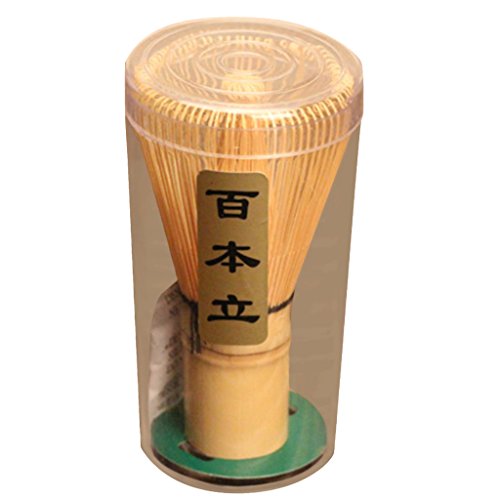 🍵 Takayama Chasen matcha whisk (tea pairing)
 🏺 Bizen-yaki wood-fired ware
 ☕ Shigaraki Hechimon stoneware
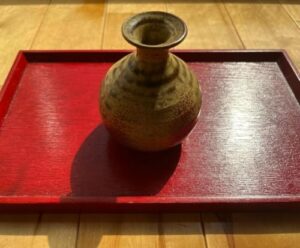 🌿 Echizen-yaki ash glaze (Hokuriku)
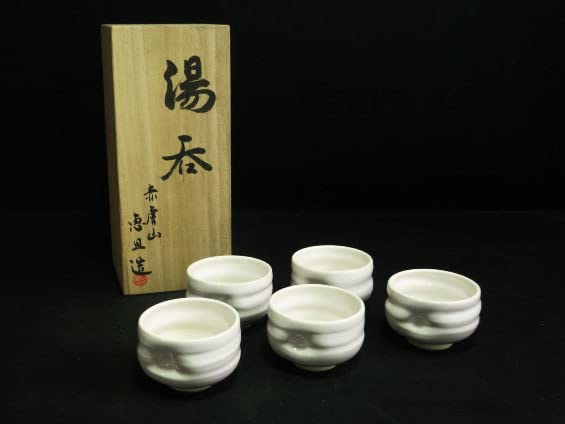 🦌 Akahada-yaki tea ware (Nara)
Price snapshot across stores
USD figures are approximate estimates at a ¥150/USD baseline as of mid-2026; the JPY price is the authoritative one for the specific listed item. No live price was available in the fetched data for this piece, so the figures below are marked unconfirmed — verify on the retailer page before buying.
| Store | Item / variant | Price (JPY + USD est.) | Notes |
|---|---|---|---|
| 🇺🇸 Amazon.com (US) | Browse Japanese matcha chawan tea bowls | varies (USD) | Best if you’re shopping from the US — Prime shipping, USD pricing, no international customs. Amazon US carries Japanese stoneware and matcha bowls from a range of makers, useful for comparing form, glaze, and price tiers; the specific Etchu Seto-yaki piece is sourced from Japan (next row). |
| 🇯🇵 Amazon JP Global Store | Etchu Seto-yaki ash-glaze matcha chawan (this guide) | Unconfirmed — verify on listing | Where the specific item is sourced. Ships internationally from Japan to most major destinations. No live price snapshot at time of writing. |
| Maker direct | Tateyama Seto-district kilns | Varies / inquire | A small number of kilns remain. Direct purchase usually requires Japanese-language contact and may not ship abroad without a forwarder. |
| Proxy services (Buyee / Tenso) | Any JP listing or kiln shop | Item price + proxy fee + forwarding | Useful when a kiln or marketplace does not ship internationally; adds a service fee and a second leg of shipping. Watch customs thresholds. |
Where this comes from

Etchu Seto-yaki is fired in the Seto district of Tateyama Town, in the eastern part of Toyama Prefecture. Toyama sits on the Hokuriku coast facing the Sea of Japan, hemmed on its southern and eastern flanks by the Tateyama mountain range — a wall of peaks rising above 3,000 meters. The district takes its clay and once took its kiln fuel from this terrain: mountain woodland for firewood, and the mineral-rich runoff of one of Japan’s snowiest highlands. It is a landscape of long winters and abundant water, and that cool palette reads directly in the ware’s grey ash glaze.
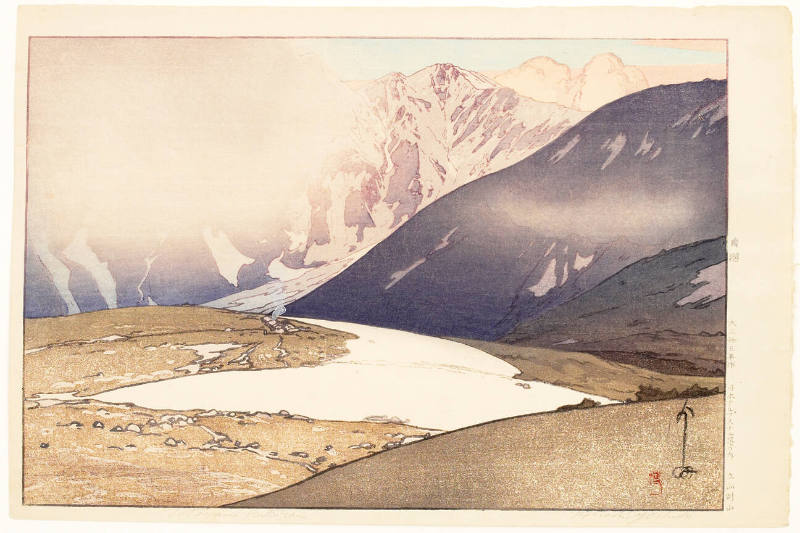
The kiln’s founding belongs to the consolidation of the Maeda house in Hokuriku. Tradition dates Etchu Seto-yaki to 1594, in the Bunroku era, when Maeda Toshinaga — lord of Toyama and a leading figure of the Kaga domain — invited a potter named Hikoemon from Seto in Owari province (today’s Aichi) to settle in Tateyama and fire ware there. Seto in Owari was then the most established glazed-ceramic center in the country; bringing one of its potters north transplanted that glaze technology into the snow country. Under Kaga-domain protection the kiln went on to make both everyday vessels and tea wares, finished in wood-ash glaze (haiyū) and persimmon-iron glaze (kaki-yū).
- 1583 — The Maeda house consolidates control of Hokuriku; the Kaga domain takes shape.
- 1594 — By tradition, Maeda Toshinaga invites the potter Hikoemon from Seto (Owari) to Tateyama; the Etchu Seto kilns are founded (Bunroku era).
- 1600s — Under Kaga-domain patronage the kiln produces everyday and tea wares in wood-ash and persimmon-iron glazes.
- 1639 — The Toyama branch domain is established under the Maeda line, sustaining local craft patronage.
- Edo period — Daily and tea ware is fired continuously for the domain and surrounding region.
- Meiji era onward — Domain patronage ends and industrial ceramics rise; Etchu Seto-yaki declines.
- 20th century — The tradition survives through only a handful of kilns in the Seto district of Tateyama.
- 2026 — A small number of Tateyama kilns still throw and fire Etchu Seto tea bowls today.
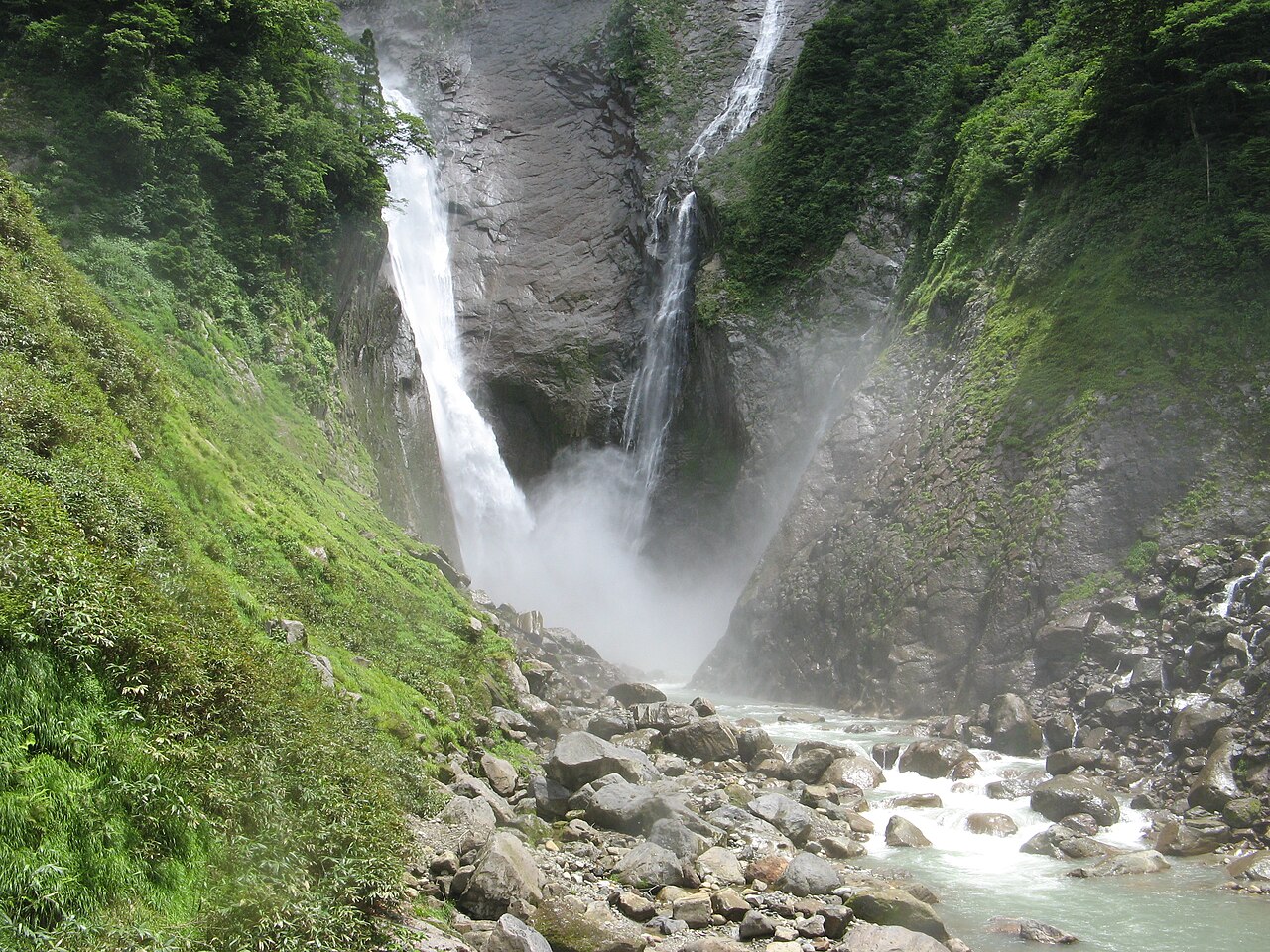
Tateyama is not only a clay source; it is a sacred mountain. Mt. Tateyama is one of Japan’s three holy peaks (with Mt. Fuji and Mt. Haku), and a historic center of Shugendō, the mountain-worship tradition. Oyama Shrine stands on the summit, and pilgrim routes have crossed these slopes for centuries. The craft villages at the foot of the range — the Seto pottery district among them — drew their identity from that sacred geography. It is worth noting plainly: the prestige here is the mountain’s as much as the kiln’s.
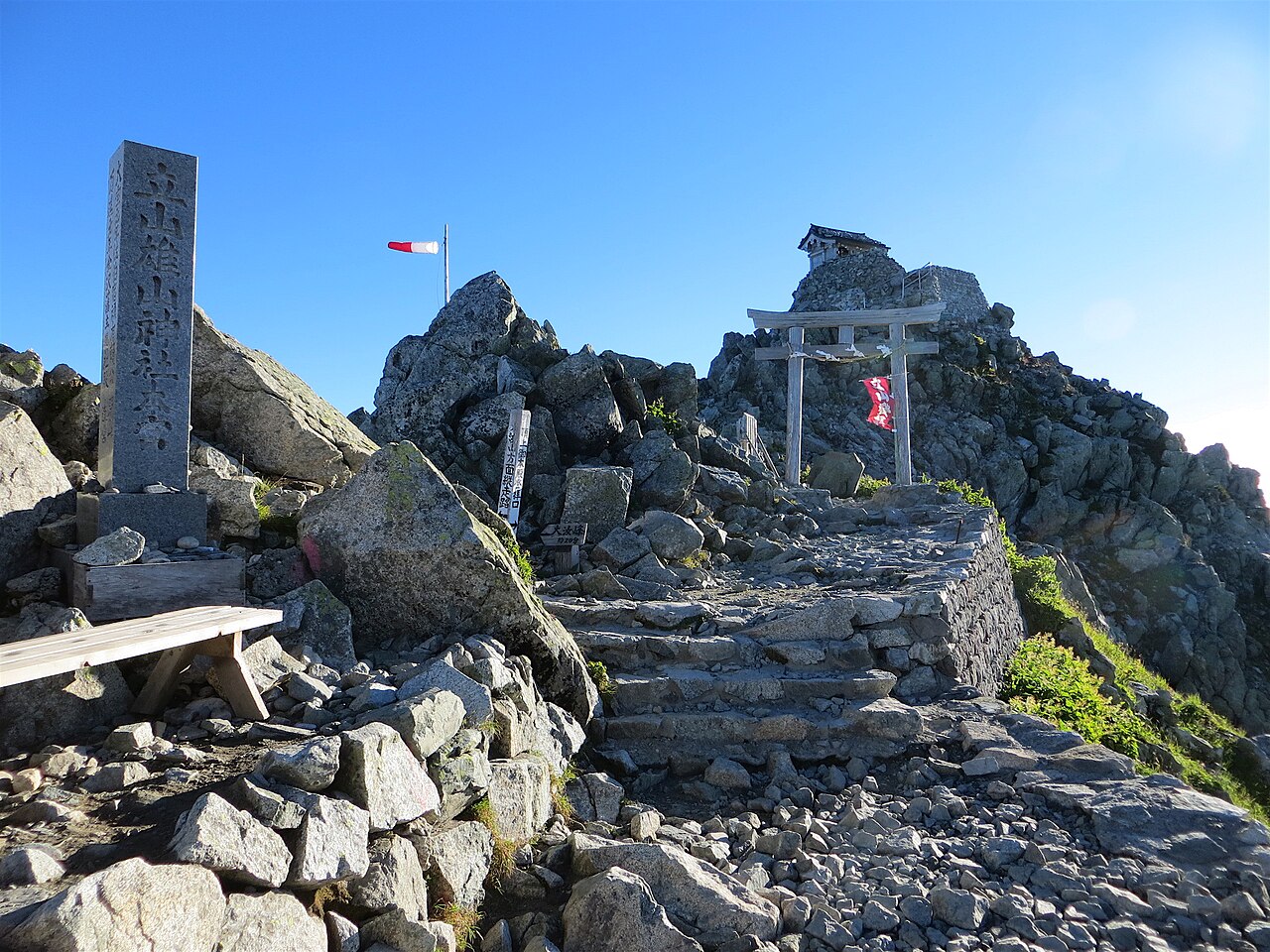
What “still being made here” means, in 2026, is modest and worth stating honestly. Etchu Seto-yaki is not a large industry. It declined sharply after the Edo-period patronage system ended, and it survives today through only a handful of kilns clustered in the Seto district of Tateyama. That scarcity is the source of both the appeal and the caveats: a tea bowl from this kiln carries genuine local provenance, but supply is small, variation is real, and a given piece may not always be in stock.
“A tea bowl fired at the foot of a sacred mountain in 1594 was never meant to shout. Etchu Seto-yaki’s grey ash glaze is the color of the Tateyama snowmelt — restraint inherited from the landscape itself.”
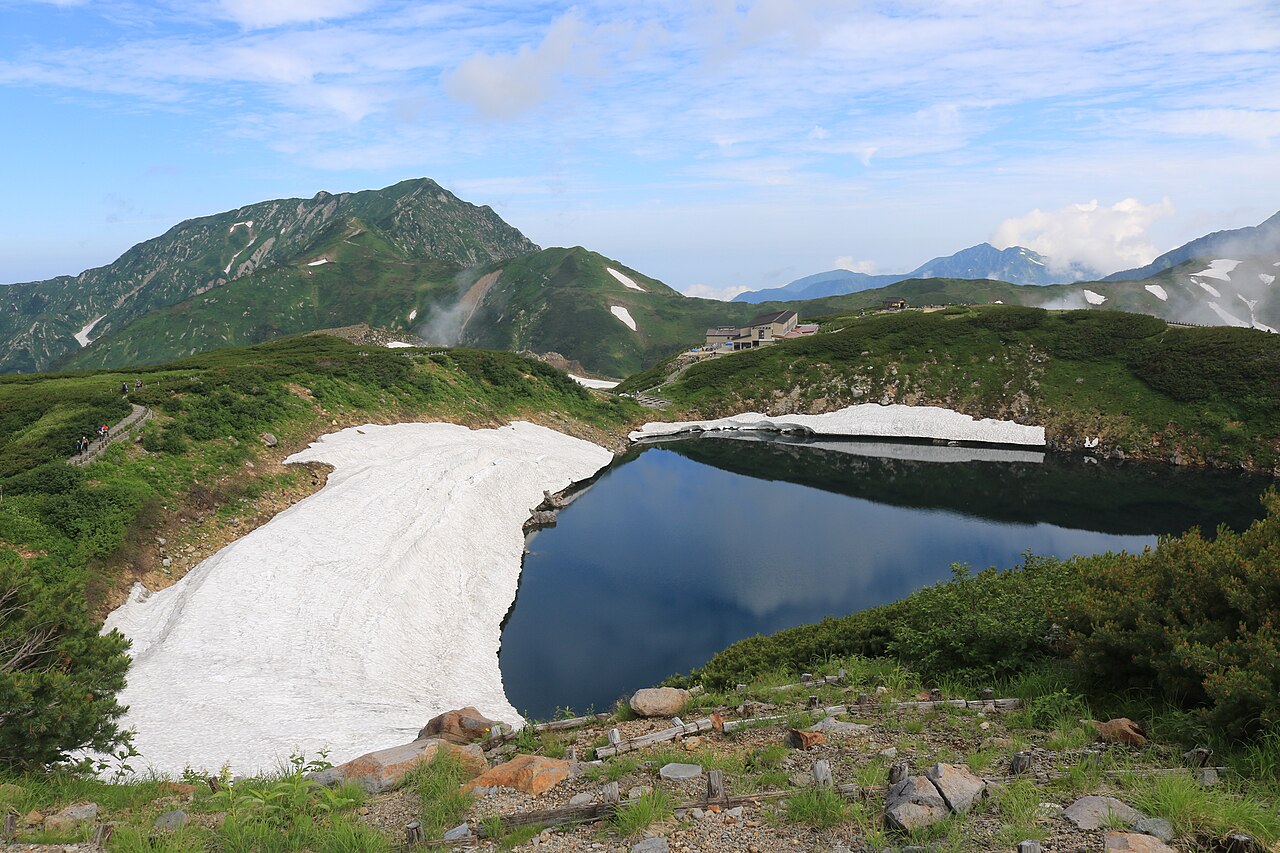
For seasonal context, a matcha chawan from this kiln suits the way tea is taken through the year in snow country: a warm bowl cupped in both hands in winter, the grey glaze reading like the overcast Hokuriku sky. Toyama is also a region of clean water and quiet flavors — its sake and its mountain produce share the same restraint as the ware. None of that is required to enjoy the bowl, but it is the world the object comes from.
What it does well
Fired by one of the few surviving kilns in Toyama’s oldest ceramic tradition, with a founding date traced to 1594 — not a generic import.
A proper chawan form — wide and open enough to whisk in — rather than a teacup repurposed as one.
The muted, mountain-grey haiyū glaze flatters the bright green of whisked matcha and pairs with almost any table setting.
Each bowl is wheel-thrown, so weight, glaze pooling, and form carry small individual differences that machine ware cannot reproduce.
Weaknesses and things to verify before buying
- No confirmed price or dimensions in the fetched data. At the time of writing the source feed returned no live snapshot. Confirm the exact size, weight, and price on the listing page before ordering.
- Handmade variation. Glaze tone, weight, and minor form differ piece to piece. If you need an exact match to a photo, ask the seller whether the listing image is the actual item or a representative one.
- Small-kiln supply. Only a handful of kilns still make this ware, so stock can be intermittent and a specific piece may sell out without a quick restock.
- International shipping and customs. Buying from Japan means longer transit and possible import duties above your country’s threshold. Budget for both time and a customs handling fee.
- Care requirements. Stoneware tea bowls are generally hand-wash items; thermal shock and abrasive cleaning can damage glaze. Treat dishwasher/microwave suitability as unconfirmed unless the listing states it explicitly.
- Not a budget purchase. Provenance ware costs more than a machine-made bowl. If the heritage and small-kiln character do not matter to you, a mass-produced chawan will serve the same functional purpose for less.
Conclusion — which buyer type are you?
You want provenance and small-kiln character above all. Buy the Etchu Seto-yaki piece and accept the natural variation as part of the value.
You want a good, real chawan for regular use. This works well — just confirm size and price on the listing, and consider pairing it with a proper whisk.
If price is the deciding factor, a machine-made matcha bowl will whisk tea just as well. Browse comparable stoneware on Amazon US first.
If you wanted a dishwasher-safe everyday mug or a guaranteed exact color, this hand-thrown ware is not the right tool. Pass.
Other ways to approach this purchase
Small-kiln ware rarely discounts, but the Amazon JP Global Store listing can move on price and exchange rate. Watch it before committing.
Older Etchu Seto pieces surface in Japanese ceramics galleries and antique channels; a proxy service can help you reach them.
If you buy via Amazon, applying store points or a rewards card offsets part of the cost; this ware is a fitting gift purchase.
If none of the provenance matters to you and you just want to whisk matcha, a generic bowl is the honest, cheaper choice.
🏆 Editor’s Pick
❓ Frequently Asked Questions
What is Etchu Seto-yaki, and how old is it?
Etchu Seto-yaki is the oldest pottery tradition in Toyama Prefecture, centered in the Seto district of Tateyama Town. Tradition dates its founding to 1594, when Maeda Toshinaga invited a potter from Seto in Owari province to settle there and fire ware under Kaga-domain patronage.
Does this ship internationally?
The specific piece is sourced from the Amazon JP Global Store, which ships to most major destinations from Japan. Expect longer transit than domestic orders and possible import duties above your country’s customs threshold. If a kiln or marketplace does not ship abroad directly, a proxy service such as Buyee or Tenso can forward it.
How much does it cost?
No live price was available in the fetched data at the time of writing, so we have not quoted a figure. The JPY price shown on the Amazon JP Global Store listing is the authoritative one; any USD figure is an approximate estimate at a ¥150/USD baseline. Always confirm the current price on the listing before buying.
How do I care for an ash-glaze tea bowl?
Treat it as a hand-wash item: avoid abrasive scrubbing and sudden temperature changes that can shock the glaze. Unless the listing states dishwasher or microwave suitability explicitly, assume it is not guaranteed. Dry it fully before storing.
Will my bowl look exactly like the photo?
Not necessarily. Each bowl is hand-thrown, so glaze tone, weight, and form vary from piece to piece. If an exact match matters, ask the seller whether the listing image shows the actual item or a representative example.
Do I need a special whisk to use it?
To whisk matcha properly you will want a chasen (split-bamboo whisk). Our guide to the Takayama Chasen matcha whisk, linked in the comparison box above, covers a natural pairing for this bowl.
How does it compare to Bizen-yaki or Shigaraki ware?
Bizen and Shigaraki are wood-fired, often unglazed stoneware with rugged, earthy surfaces. Etchu Seto-yaki, by contrast, is defined by its smooth wood-ash and persimmon-iron glazes and a cooler, mountain-grey palette. The comparison box above links our guides to both for a side-by-side read.
jpmono.com is curated by a Japan-based editorial team (working out of Toyama in the Hokuriku region and Nara in Kansai) and is independent. We do not take payment from the makers we feature; income comes from affiliate links. We do not physically test every product — we read maker specs and source listings.
🤖 This article was prepared with AI assistance and reviewed against the source listing data. Facts about the craft tradition are drawn from documented history; specifications and pricing should be verified on the retailer page before purchase.
Affiliate disclosure: jpmono.com may earn a commission on qualifying purchases made through links on this page, at no additional cost to you.