![Hoshino Seichaen Yame Matcha (星野製茶園 八女抹茶, sealed 30–40g tin) — Stone-Milled Tea from the Mist-Shrouded Hills of Yame, Fukuoka [2026 Guide for International Readers]](https://jpmono.com/wp-content/uploads/2026/05/japan-map-regions-and-prefectures-800x1050.png)
Tucked into the misty river valleys of Yame (八女) in southern Fukuoka, on the island of Kyūshū, is a small mountain settlement called Hoshino-mura — the kind of place where fog sits in the folds of the hills until late morning and the tea bushes ripen slowly under it. This guide is about a single, very specific thing made there: a sealed tin of stone-milled matcha (抹茶) from Hoshino Seichaen (星野製茶園), a long-established family tea garden. The powder inside is the fine, vivid-green kind that fine Japanese tea has always travelled in — packed into an airtight, light-proof tin rather than a bag.
What makes Yame matcha worth a guide of its own is the region behind it. Yame is one of Japan’s most decorated areas for shaded teas — its gyokuro (玉露) has repeatedly placed at the top of Japan’s national tea competition — and the cool, fog-laden conditions of the Hoshino valleys are exactly the slow-ripening environment that concentrates sweetness and umami in the leaf. Hoshino Seichaen sits inside that tradition rather than borrowing its name.
This article is written for international readers ordering from outside Japan. A sealed tin of matcha is, practically speaking, one of the safest Japanese foods to ship abroad: it is shelf-stable at room temperature, light and compact, contains only green tea, and has nothing in it that melts, spoils, or counts as dairy or meat. We cover why Yame matcha is distinctive, where Hoshino-mura sits in the region’s tea history, how to read what you are actually buying, and how to order a tin through Amazon Japan’s Global Store rather than guessing at a grade you cannot taste through a screen.
🔄 Updated: June 30, 2026
⏱️ Read time: ~11 min
- Who this is for — and who should skip it
- Product overview (from published specs)
- Buying options across stores
- 📍 Where this comes from — place, era, and the craft tradition
- 📦 Shipping & where to buy from outside Japan
- What it does well
- Weaknesses and things to verify before buying
- Conclusion — which buyer type are you?
- Other ways to approach this purchase
- ❓ Frequently Asked Questions
Who this is for — and who should skip it
- Want a named, decorated tea garden rather than an anonymous “ceremonial grade” pouch
- Drink matcha whisked (usucha) and care about the sweetness-and-umami profile that shaded Yame leaf is known for
- Are shipping internationally and want a food that is shelf-stable, light, and low-risk at customs
- Prefer to buy a sealed tin you store unopened until you are ready to use it
- Like the idea of a regional specialty with a verifiable production history
- Mostly make lattes or bake, and would rather buy a large, lower-cost culinary-grade bag
- Need a precise grade or harvest specification confirmed before paying; product details can be limited
- Will not use an opened tin within a few weeks (matcha fades fast once air reaches it)
- Want guaranteed same-week delivery — cross-border shipping from Japan takes longer
- Are buying in bulk for a café; personal-quantity food imports are the intended use here
Product overview (from published specs)
Yame matcha is stone-milled green tea powder, often sold in small tins for freshness. Packaging and grade details vary by producer, so the table below states what is documented and marks the rest as unconfirmed rather than guessing.
| Attribute | Detail | Source |
|---|---|---|
| Product | Yame matcha, stone-milled green tea powder | Amazon JP Global Store |
| Maker | Hoshino Seichaen (星野製茶園), Hoshino-mura, Yame, Fukuoka | Maker / product page |
| Ingredients | Green tea only (plant-based; no dairy, no meat) | Category / product page |
| Packaging | Airtight, light-proof sealed tin (foil/nitrogen-flushed type) | Product page |
| Net weight | Typically a small tin; confirm the net amount before buying | Unconfirmed — check the product page |
| Storage | Room temperature, sealed, until best-by; refrigerate after opening | Category guidance |
| Price (JPY) | Not confirmed at time of writing — check the current product details | Unconfirmed — check the product page |
Spec sheets and category norms indicate the tin form is the meaningful detail here. Matcha is fragile in storage — it loses color and aroma quickly once exposed to oxygen, light, heat, and moisture — so a sealed tin is not packaging flourish; it is how the powder reaches a buyer abroad in good condition.
📖 Glossary — key terms used in this guide
Matcha (抹茶) — finely powdered green tea, whisked into water rather than steeped and strained, so you drink the whole leaf.
Tencha (碾茶) — the leaf that becomes matcha: shaded, steamed, and dried without rolling, then deveined. Stone-milling tencha produces matcha.
Gyokuro (玉露) — a premium shaded green tea (steeped, not powdered). Yame’s reputation rests heavily on its gyokuro.
Shading (覆下栽培, ōishita saibai) — covering the bushes for weeks before harvest to slow growth, which raises amino acids (umami, sweetness) and lowers bitterness.
Usucha / koicha — “thin” and “thick” preparations of whisked matcha; usucha is the everyday whisked bowl, koicha a denser ceremonial style.
Ishi-usu (石臼) — the granite stone mill that grinds tencha into matcha, slowly, to avoid heat that would dull the flavor.
Best-by date — the quality date stamped on the tin; sealed and unopened, the powder stays stable at room temperature until then.
Other jpmono guides to Japanese sweets, tea companions, and Fukuoka craft worth reading alongside this one:
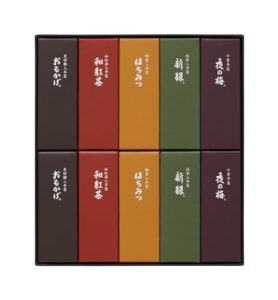
Toraya Small Yokan (Ko-gata Yōkan, 10-Bar Assorted Box) — Ja
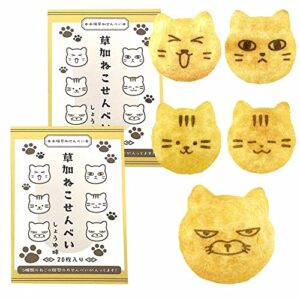
Soka Senbei (草加煎餅, individually-wrapped assortment box) — Sa
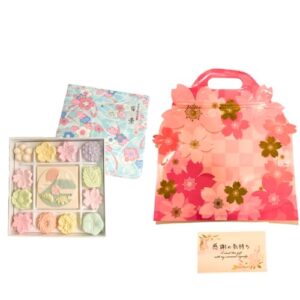
Baikodo Wasanbon Higashi Pressed-Sugar Sweets (和三盆 干菓子, asso
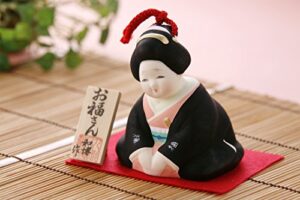
Hakata Ningyo Clay Figurine: Where to Buy Fukuoka Bisque Dol
Hakata-ori Silk Kaku-Obi: Where to Buy Fukuoka’s Kenjo Sash
Koishiwara-yaki Tobikanna Plate: Fukuoka Folk Pottery Guide
Buying options across stores
Prices and stock fluctuate; the figures below reflect what was available at the time of writing, and live pricing for the specific tin was not captured. Always confirm the current price at the retailer before purchasing. USD figures are approximate estimates at a ¥150/USD baseline as of mid-2026; the JPY price is the authoritative one for the listed item.
| Store | Item / Variant | Price | Notes |
|---|---|---|---|
| 🇺🇸 Amazon US (search) | Browse Japanese matcha & green tea | varies (USD) | Best if you’re shopping from the US — Prime shipping, USD pricing, no international customs. Amazon US carries matcha from many Japanese makers, useful for comparing grades and tin sizes. Hoshino Seichaen’s exact Yame tin is sourced from Japan (next row). |
| 🇯🇵 Amazon JP Global Store | Hoshino Seichaen Yame matcha, sealed tin | Check live price (JPY) | The product page for this specific tin. It ships internationally to many destinations; confirm eligibility for your country at checkout. |
| Maker direct | Hoshino Seichaen full matcha & gyokuro range | Varies (JPY) | The garden’s own catalog is broadest, but a domestic Japanese site may not ship to your country directly. Verify before relying on it. |
| Proxy services (Buyee / Tenso) | Forwarding for any JP purchase | Item + forwarding fee | A fallback when a seller won’t ship abroad directly. Adds a handling fee; confirm that the forwarder accepts food before ordering. |
📍 Where this comes from — place, era, and the craft tradition

Yame sits in the southern part of Fukuoka Prefecture, in the Kyūshū region at the southwestern end of the Japanese archipelago. It is inland tea country: the Yabe and Hoshino river valleys cut up into the hills away from the flat Chikugo plain, and Hoshino-mura — now administratively part of Yame City — is one of the higher, mistier of these mountain settlements. The combination that matters for tea is specific: well-drained slopes, frequent river-valley fog, and a wide gap between day and night temperatures during the growing season.
That microclimate is the whole story. Tea bushes grown under cool, foggy, slow-ripening conditions accumulate more of the amino acids that read on the palate as sweetness and umami, and less of the harsher notes. Yame leans into that natural advantage with shade cultivation — covering the bushes before harvest — which is why the region is known above all for its premium shaded teas rather than for ordinary everyday sencha.
“Yame does not chase volume. It chases the cup — and its gyokuro has carried Yame’s name to the top of Japan’s national tea table more than once.”
The historical arc here is a tea-cultivation tradition, not a single workshop. Tea-growing in the Yame area is traditionally traced back to the early 1400s, and over the centuries the river valleys built up the knowledge, the bushes, and the shading techniques that turn into gyokuro and tencha. By the modern era, Yame had become one of Japan’s most decorated origins for shaded tea, and Hoshino-mura in particular earned a national reputation for gyokuro. Hoshino Seichaen, a long-established family garden in the village, is one of the names that carries that reputation forward.
-
Early 1400s — Tea cultivation is traditionally credited to a monk who is said to have brought continental tea-growing methods to the Yame area. -
Edo period (1603–1868) — Tea spreads through the Yame and Hoshino river valleys as a settled local industry. -
Meiji era (late 1800s) — Shaded-tea production develops and Yame tea begins to be marketed well beyond the region. -
20th century — Yame gyokuro repeatedly places at the top of Japan’s national tea competition; Hoshino-mura becomes synonymous with high-grade shaded tea. -
Today (2026) — Family gardens such as Hoshino Seichaen continue to grow, shade, and stone-mill tea in the Hoshino valleys.
The continuity case is the point. This is not a brand that licensed a regional name; it is a working family tea garden inside one of Japan’s most celebrated gyokuro villages, processing leaf grown under the same fog that built the region’s reputation. When the matcha is stone-milled, it is tencha from this tradition being ground slowly into powder — the same basic sequence that has defined fine Japanese matcha for centuries.
Yame matcha grade language varies among sellers — terms such as culinary, premium, and ceremonial are used inconsistently, so do not assume grade from the term alone.
Seasonally, matcha is a year-round drink in Japan but most associated with the tea ceremony and with spring, when the year’s first shaded leaf is picked. A bowl of whisked usucha is the everyday form; the denser koicha is the ceremonial one. The same powder also pairs naturally with the wagashi traditions covered elsewhere on this site — a small piece of yōkan or a pressed wasanbon sweet is the classic counterpoint to matcha’s bracing green edge.
📦 Shipping & where to buy from outside Japan
This is one of the easier Japanese foods to import. A sealed tin of matcha is shelf-stable at room temperature, light, compact, and entirely plant-based — there is nothing in it that melts, spoils in transit, or falls into the dairy and meat categories that complicate food shipping. It is intended for small personal quantities, and customs and eligibility are confirmed at checkout.
- Path: The specific tin is offered through the Amazon JP Global Store and ships internationally to many destinations.
- Check eligibility yourself: International shipping availability depends on your country and the item; confirm the purchase can be sent to your address at checkout.
- Estimated shipping: Roughly $15–$40 to the US and EU for a small item like this; higher to other regions. Amazon shows the exact figure at checkout.
- Customs / duties: Personal-quantity food imports usually clear easily, but rules differ by country. Large or commercial quantities can trigger duties or food-import restrictions — keep it to personal use.
- Best-by date: This is a food item with a quality date. Buy what you will drink within a reasonable window rather than stockpiling.
- If a seller won’t ship to you: A proxy/forwarding service (Buyee, Tenso) can receive a Japanese order and re-ship it, for an added fee — confirm the forwarder accepts food first.
What it does well
Weaknesses and things to verify before buying
- Product details are limited. Net amount, harvest, and grade need confirmation. Read the product information carefully; treat the tin size as unconfirmed.
- Purchase terms can change. Matcha terms vary with harvest and grade. Check the current terms before ordering.
- Short open-life. Sealed, the tin is stable to its best-by date; opened, matcha fades within a few weeks. If you drink it rarely, a small tin is right, not a large one.
- Grade ambiguity. Ceremonial and culinary are not standardized terms. If you specifically want a whisking-grade bowl, confirm the product wording rather than the photo.
- Cross-border timing and fees. Shipping from Japan takes longer than domestic Prime and adds a shipping charge; possible customs handling depending on your country.
- You cannot taste before buying. No screen conveys flavor. Origin and maker reputation are the proxies you are buying on here — which is exactly why a named Yame garden matters.
Conclusion — which buyer type are you?
Other ways to approach this purchase
❓ Frequently Asked Questions
Does Hoshino Seichaen matcha ship internationally?
Is a sealed matcha tin safe to import as food?
How long does the tin last?
Why is Yame matcha considered special?
Is this whisking (ceremonial) grade or culinary grade?
What should I pair it with?
How much does it cost?
jpmono.com is curated by a Japan-based editorial team (working out of Toyama in the Hokuriku region and Nara in Kansai) and is independent. We don’t take payment from the makers we feature; income comes from affiliate links. We don’t physically test every product — we review maker specifications and craft references.
Note: This article was prepared with AI assistance and reviewed against the available craft and product information. Specifications, pricing, and shipping eligibility can change; the article notes where details are uncertain.
Affiliate disclosure: jpmono.com may earn a commission on qualifying purchases made through links on this page, at no additional cost to you.