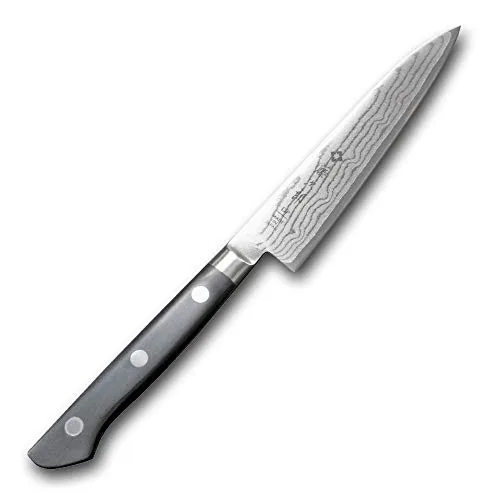
- What it is: a single Iga-yaki guinomi (ぐい呑み) — a small sake cup — in a dark 黒柚 glaze, listed at about 10 cm across.
- Made in: Iga, Mie Prefecture — the old Iga Province, whose unglazed yakishime stoneware is the region’s signature ceramic.
- Price band: ¥1,213 (≈ $8 USD as of October 21, 2026) — entry-level for a single Iga-yaki cup; verify on the listing.
- Best for: someone who wants to try Iga-yaki at low cost and prefers a wide, stable cup that sits well on a table.
- Skip if: you specifically want bare, ash-glazed yakishime — the listing describes a black glaze, not exposed clay.
- Shipping: ships internationally from Amazon Japan — jump to our pick ↓
The clay for an Iga guinomi comes out of the ground where a lake used to be. Iga City sits on the bed of an ancient lake, and the coarse, highly refractory clay left behind there can take long, hot firings without collapsing — which is why potters in this part of western Mie Prefecture have been firing it for centuries.
Iga-yaki (伊賀焼) is unglazed yakishime stoneware at its most traditional: the potter shapes the piece, packs it into a wood-fired kiln, and lets ash and flame do the decorating. Iga ware is generally explained to have come into its own as tea-ceremony ware in the Azuchi-Momoyama period of the 16th century, when tea masters began to prize rough, unglazed surfaces over the smooth and the polished. The kilns are traditionally clustered around the Marubashira district, and long firings leave natural ash glaze and fire-color on each piece, so no two guinomi come out alike.
This guide looks at one specific cup — a black-glazed Iga-yaki guinomi from the maker Marui Seito, listed on Amazon Japan at ¥1,213 — and then sets it against the wider question of what an Iga sake cup is, how it differs from Bizen, Hagi and other stoneware traditions, and what an overseas buyer should check before ordering.
Updated
Read time: about 9 minutes

- Who this is for — and who should skip it
- Product overview (from published specs)
- Which finish should you choose?
- Where this comes from — place, era, and the craft tradition
- Price snapshot across stores
- 📦 Shipping & where to buy from outside Japan
- What it does well
- 🧼 Care and everyday use
- Weaknesses and things to verify before buying
- Conclusion — which buyer type are you?
- Other ways to approach this purchase
- 🏆 Editor’s Pick
- ❓ Frequently Asked Questions
Who this is for — and who should skip it
- want to try Iga-yaki without committing to a full sake set.
- like a wide, low-center-of-gravity cup that will not tip on a table.
- prefer a dark, quiet glaze that works with both sake and cold water.
- are buying one cup as a small gift or a first piece of Japanese stoneware.
- are comfortable ordering from Amazon Japan and paying import fees at checkout.
- came for bare yakishime with visible ash — this one is glazed black.
- need a matched set of two or more cups.
- require published capacity, weight or box contents before buying.
- want an exact color match to a photo; glazes vary from piece to piece.
- will only buy something that is dishwasher-rated by the maker.
Product overview (from published specs)
Per the Amazon JP listing as of October 21, 2026, the cup is sold as a single guinomi rather than a set. The listing gives the finish as 黒柚 — kuro-yuzu, which the title also renders in English as Black — and the size as roughly 10 cm across. Capacity, weight and whether a box is included are not stated on the listing.
Iga-yaki Guinomi Sake Cup
丸伊製陶 伊賀焼 ぐい呑み おちょこ 直径約10cm 黒柚 ブラック MR-3-4297
残り2点 ご注文はお早めに · Sold by Amazon.co.jp · ASIN B0D5QL7SV3
Price and availability as of 2026-10-21 09:20 JST. The Amazon listing at the time of purchase is authoritative. jpmono.com earns a commission on qualifying purchases at no extra cost to you.
| Attribute | Value as listed |
|---|---|
| Item | Guinomi ぐい呑み / ochoko おちょこ — a sake cup |
| Maker | Marui Seito 丸伊製陶 |
| Craft | Iga-yaki 伊賀焼, from Iga, Mie Prefecture |
| Finish | 黒柚 glaze, listed in English as Black |
| Diameter | Approx. 10 cm (about 3.9 in) |
| Set contents | One cup |
| Model number | MR-3-4297 |
| Condition | New |
| Price | ¥1,213 (≈ $8 USD as of October 21, 2026; verify on the listing) |
| Availability | 残り2点 — two units left at the time of writing |
| Capacity / weight | Not published |
| Box | Not stated on the listing |
ℹ️ Only the Amazon JP listing snapshot is available; live pricing may have shifted since the writing date. The linked listing is authoritative, and unconfirmed attributes are marked above.
One point deserves care. Iga-yaki is best known for yakishime — clay fired bare, with ash and flame as the only surface. This particular cup is not that. The listing names a black glaze, and Iga kilns do make glazed ware alongside the unglazed tradition, so a buyer who wants the ash-flecked, sand-colored surface shown in craft essays should read the listing title carefully rather than assuming the photograph will match the tradition. The two styles come out of the same clay and the same town; they are simply different finishes.
📖 Glossary — the words used on Japanese pottery listings
Iga-yaki (伊賀焼) — pottery from Iga, Mie Prefecture. The name covers both the unglazed yakishime tradition and the glazed wares made in the same kilns.
Yakishime (焼き締め) — firing clay without glaze. The surface is the clay itself, colored by ash and by the way the flame moved through the kiln.
Guinomi (ぐい呑み) — a small cup for sake, generally wider and lower than a thimble-shaped ochoko, meant to be drunk from in a few sips.
Ochoko (おちょこ) — the general word for a sake cup; listings often use both terms for the same object.
Kuro-yuzu (黒柚) — the glaze name given in this listing, rendered in English as Black. Glaze names on Japanese listings are trade terms and do not always describe the color literally.
Hi-iro (火色) — “fire color,” the flush and shading that kiln atmosphere leaves on bare clay. It is why two cups from the same batch differ.
Marubashira — the district of Iga where the town’s kilns are traditionally clustered.
Danjiri (だんじり) — the carved festival floats pulled through the castle town during the Ueno Tenjin Festival.
Which finish should you choose?
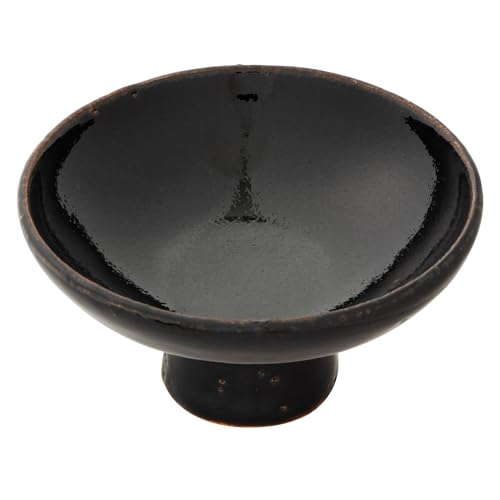
This piece is listed in 2 styles. The photos below are the actual style options on the listing right now — pick the one you want and confirm it on the product page before ordering, since hand-finished wares vary slightly piece to piece.

Iga sits in a long line of Japanese stoneware cups. These guides look at the neighbors — same category, different clay and firing traditions.
 Banko-yaki Yunomi
 Shigaraki Chawan
 Bizen-yaki Hidasuki Guinomi: Okayama Sake Cup, Where to Buy [2026]
 Etchu Seto-yaki Guinomi: Toyama’s Oldest Pottery Sake Cup [2026]
 Hagi-Yaki Guinomi Sake Cup: Authentic Yamaguchi Pottery Guide [2026]
 Kosobe-yaki Guinomi: Osaka’s Takatsuki Sake Cup — Where to Buy [2026]
Where this comes from — place, era, and the craft tradition
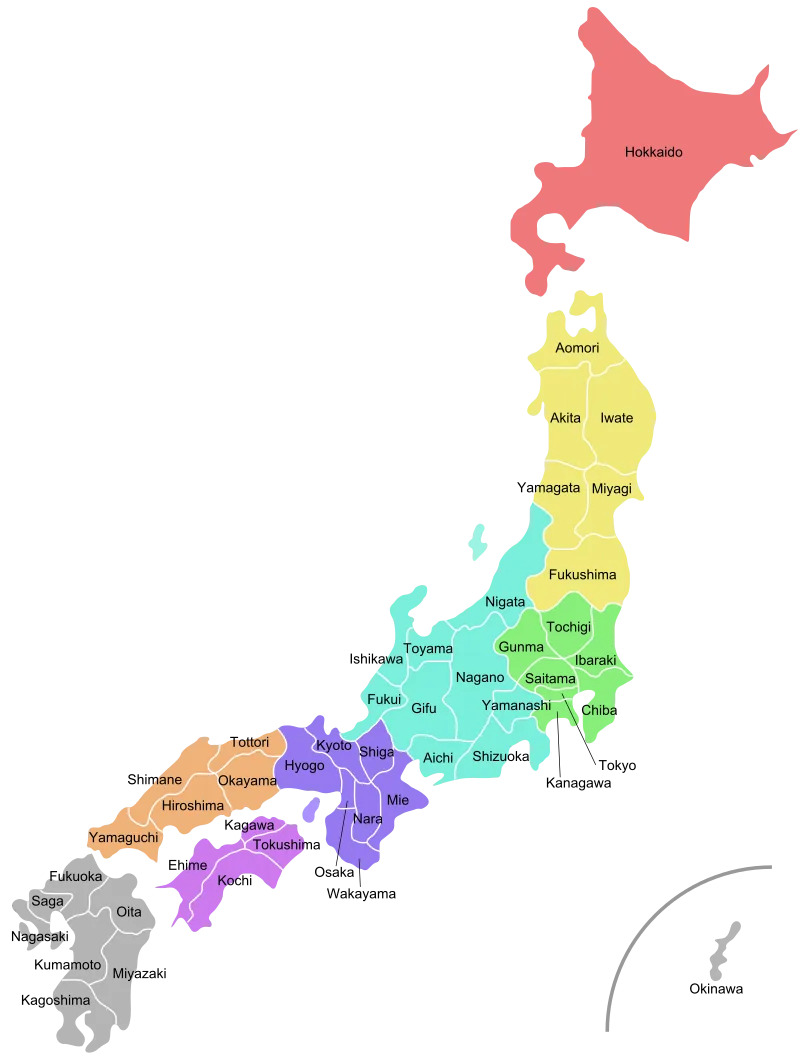
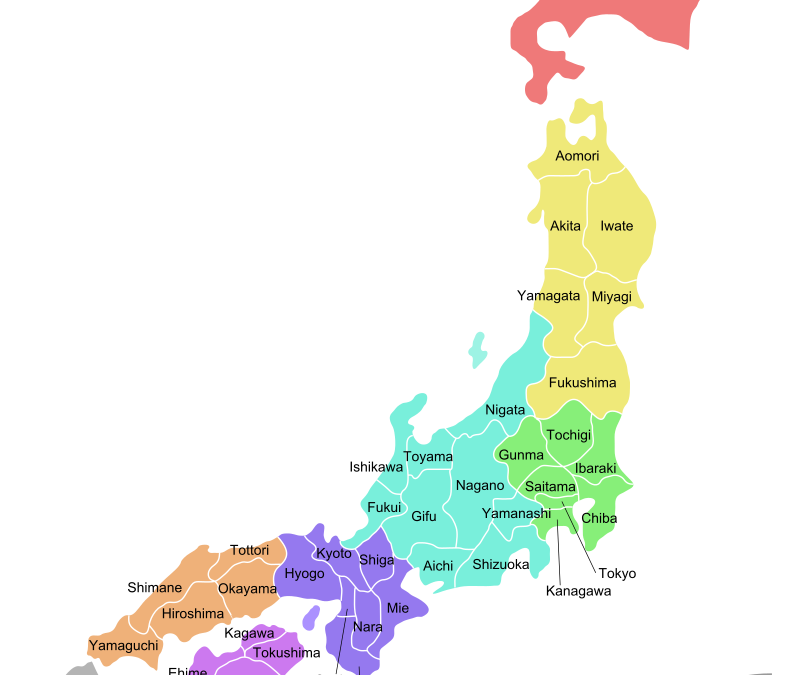
Iga City sits in western Mie Prefecture, in the Kansai region, well inland from the coast and close to the borders with Nara and Shiga. The city is the heart of the old Iga Province, and its center is still called Iga Ueno after the castle town that grew up there. The geography matters to the pottery: the clay the kilns use is dug from the bed of the ancient lake that once filled this basin, and that same lake-bed sediment is why the local clay is coarse and highly refractory — able to survive long, hot firings that would slump a finer body.
Iga ware is, in its classic form, unglazed yakishime stoneware. The potter does not paint the surface; the kiln supplies it. Ash from the fire settles where it settles, the flame moves unevenly through the stack, and each piece comes out with its own distribution of gloss and blush.

The historical anchor for the craft is the tea ceremony. Iga ware is generally explained to have come into its own as tea-ceremony utensils in the Azuchi-Momoyama period of the 16th century, when tea masters began to favor rustic, unglazed surfaces over the smooth and the brightly decorated. That taste made a virtue of local material: rough clay, heavy firing, and a finish that could not be repeated exactly. The kilns are traditionally clustered around the Marubashira district, and that is still where the town’s pottery identity sits.
-
16th century — In the Azuchi-Momoyama period, tea masters take up Iga’s unglazed stoneware for tea utensils. -
1603–1868 — The Edo period: Iga Ueno develops as a castle town, and its festival and kiln culture grow side by side. -
1644 — Matsuo Basho is born in Iga Ueno, the castle town that shares its name with the region’s wares. -
1868 — The Edo period ends and Japan’s modern era begins; the kilns continue as working potteries. -
2026 — Kilns in and around the Marubashira district are still firing Iga-yaki, glazed and unglazed.
The castle town’s cultural life grew alongside the kilns. The Ueno Tenjin Festival, with its carved danjiri floats, is still part of Iga’s identity today, and the town’s association with the haiku poet Matsuo Basho gives it a second kind of fame that has nothing to do with clay. For a visitor, the two histories sit within walking distance of each other: castle, shrine, pottery workshops, all in the same small basin.

What “still made here” means in practice is a small-industry story rather than a museum one. Iga-yaki is produced by workshops in and around the Marubashira district, in batches fired in kilns where ash and flame still decide the surface of unglazed pieces. The result is a craft with a wide price range: a single glazed cup can cost less than a lunch, while a large unglazed tea bowl by a recognized potter can cost many times more. The cup in this guide sits at the affordable end of that range, and the listing’s low stock — two units at the time of writing — is a reminder that these are production pieces rather than an endless catalog.
“Long firing does the decorating: ash settles where it settles, the flame decides the color, and the kiln keeps the final say.”
Price snapshot across stores
The table below compares the paths an overseas buyer can actually use. JPY is the authoritative figure for the listed cup; USD amounts are approximate, at a baseline of about ¥150 to the dollar, and move with the exchange rate.
| Store | Item / variant | Price | Notes |
|---|---|---|---|
| 🇺🇸 Amazon.com (US) | Browse Japanese sake cups and guinomi | varies (USD) | Easiest if you are shopping from the US — USD pricing, Prime shipping where available, no international customs. Amazon US carries Japanese ceramics from several makers; this exact Marui Seito cup ships from Japan (next row). |
| 🇯🇵 Amazon JP Global Store | Marui Seito Iga-yaki guinomi, black 黒柚, approx. 10 cm — MR-3-4297 | ¥1,213 (≈ $8 USD as of 2026-10-21) |
Ships internationally from Japan to 65+ countries — including Canada, the UK and Australia — with import fees estimated at checkout. Two units left at the time of writing. |
| Maker direct | Same cup, if the workshop sells direct | Unconfirmed — check maker site | No direct international storefront was confirmed at the time of writing; Japanese-language enquiries only. |
| Proxy services (Buyee / Tenso) | Any Iga-yaki cup from a Japanese retailer | varies + proxy fees | Useful when a listing will not ship to your country, or when you want to combine several small items into one parcel. Expect a service fee and a second shipping charge. |
Prices in USD are approximate and depend on the current exchange rate. Stock and price can change without notice; check the listing before ordering.
📦 Shipping & where to buy from outside Japan
The editor’s pick is sold through Amazon JP Global Store, which ships internationally from Japan to more than 65 countries. That includes Canada, the UK and Australia as well as the United States and most of the EU.
- Shipping cost: roughly $15–$40 for a single small parcel to the US, Canada, the UK, Australia or the EU, depending on the service chosen. A cup this size is light, so the parcel usually falls at the low end.
- Import fees: Amazon estimates and collects import fees at checkout for most destinations. Orders above your country’s low-value threshold can still attract duty or tax on arrival; the checkout estimate is the figure to compare.
- Packaging: ceramics are shipped in protective packaging, but a single cup in a light parcel is worth inspecting on arrival before you discard the carton.
- Alternatives: a proxy service such as Buyee or Tenso can forward from Japanese retailers that do not ship abroad, at the cost of a service fee and domestic shipping inside Japan.
For readers in other markets, the practical check is simple: open the listing, set the delivery country, and read the landed price that Amazon quotes before checkout. That figure — not the ¥1,213 shelf price — is what the cup will cost at your door.
What it does well
🧼 Care and everyday use
- 🍽️ Dishwasher: not stated on the listing — hand-wash is the safer habit for glazed stoneware.
- ♨️ Microwave: not stated — avoid sudden temperature shocks, which stress any ceramic.
- 🧴 Daily care: rinse with warm water and a soft cloth, then dry fully before putting it away.
- 🔧 Repairs: no maker repair or re-glazing service is listed; chips on a glazed rim are generally permanent.
These are general habits for glazed stoneware rather than instructions published by the maker. The listing does not include a care sheet, which is itself a small point to weigh if the cup will be used every day by several people.
Weaknesses and things to verify before buying
- The glaze is black, not bare yakishime. If you want the ash-flecked, unglazed surface that Iga is famous for, this listing is the wrong finish. The craft is right; the surface is not the classic one.
- The listing is Japanese-language only. Title, care information and seller notes are in Japanese, and the English on the page is generated by the marketplace rather than the maker.
- Capacity, weight and box contents are not published. A 10 cm diameter tells you the footprint, not how much the cup holds, and there is no confirmation that a gift box is included.
- Stock is thin. Two units remained at the time of writing. If the listing sells out, the same cup may not be restocked quickly.
- Color will vary from the photo. Glazes behave differently at different points in a kiln, and product photography uses controlled light. Expect a cup in the same family, not an identical match.
- The landed price is higher than ¥1,213. International shipping and import fees are added at checkout, and the total can be several times the shelf price for a single small cup.
- No published maker care guidance. Dishwasher and microwave suitability are unconfirmed, so the cup should be treated as hand-wash-only until the seller says otherwise.
- Delivery country and the landed total, including import fees.
- That the finish shown is the black 黒柚 glaze, not an unglazed cup.
- Remaining stock — the listing showed two units.
- Whether the seller is Amazon.co.jp itself or a marketplace seller, and what the returns terms are.
Conclusion — which buyer type are you?

The cup and the festival belong to the same town, and that is the reason to buy Iga pottery rather than a generic stoneware cup. The object carries a place with a specific clay, a specific kiln district and a specific history; the price tag on this listing happens to be low enough to try it.
Other ways to approach this purchase
🏆 Editor’s Pick
A single Iga-yaki sake cup from a maker in the Iga tradition, sold at ¥1,213 (≈ $8 USD as of October 21, 2026; verify on the listing). The finish is a black glaze rather than bare yakishime, so treat it as an everyday cup from Iga rather than a collector’s unglazed piece.
- Lowest-risk way to try Iga clay and firing at a single-cup price.
- Wide 10 cm footprint that sits stable on a table and suits casual pouring.
- Sold through Amazon JP Global Store, which ships to Canada, the UK, Australia and 60-plus other destinations.
Price and stock as of 2026-10-21; verify on the listing before ordering.
❓ Frequently Asked Questions
Is this cup really unglazed Iga-yaki?
No. The listing describes a black 黒柚 glaze, not bare yakishime. Iga kilns make both glazed and unglazed ware, so the craft is Iga-yaki but the surface is the glazed type. If you want exposed clay with ash deposits, look for a listing that says 焼き締め or yakishime.
What size is it, and how much does it hold?
The listing gives a diameter of approximately 10 cm (about 3.9 in). Capacity and weight are not published, so the volume can only be judged from the photo and the diameter.
Will the cup I receive look exactly like the photo?
Expect variation. Glazes respond to kiln position and atmosphere, and product photos use controlled lighting. The cup should be the same model and color family, not an identical twin.
Can it go in the dishwasher or microwave?
The listing does not state either. Until the seller confirms, hand-wash with warm water and a soft cloth, and avoid moving the cup between hot and cold environments.
Does Amazon Japan ship this cup to Canada, the UK and Australia?
Yes. Amazon JP Global Store ships internationally to more than 65 countries, including Canada, the UK and Australia, with import fees estimated at checkout. Set your delivery country on the listing to see the landed price.
Does it arrive in a gift box?
The listing does not state that a box is included, so boxed presentation is unconfirmed. If the cup is a gift, ask the seller before ordering or plan your own wrapping.
Why does an Iga-yaki cup cost only ¥1,213?
Iga-yaki spans a wide range, from production cups like this one to large unglazed tea bowls by individual potters. A single glazed cup in a standard size sits at the affordable end; the price reflects scale and simplicity, not a lesser clay.
jpmono.com is curated by a Japan-based editorial team (working out of Toyama in the Hokuriku region and Nara in Kansai) and is independent. We don’t take payment from the makers we feature; income comes from affiliate links. Read more about our editorial standards.
Note: this article was prepared with the assistance of AI tools and reviewed by our editorial team. Product details, prices and availability were taken from the linked marketplace listing at the time of writing; confirm them on the listing before purchase.
Affiliate disclosure: jpmono.com may earn a commission on qualifying purchases made through links on this page, at no additional cost to you.