![Etchu Seto-yaki Guinomi: Toyama’s Oldest Pottery Sake Cup [2026]](https://jpmono.com/wp-content/uploads/2026/06/etchu-seto-yaki-guinomi-sake-cup-where-to-buy-2026-featured.jpg)
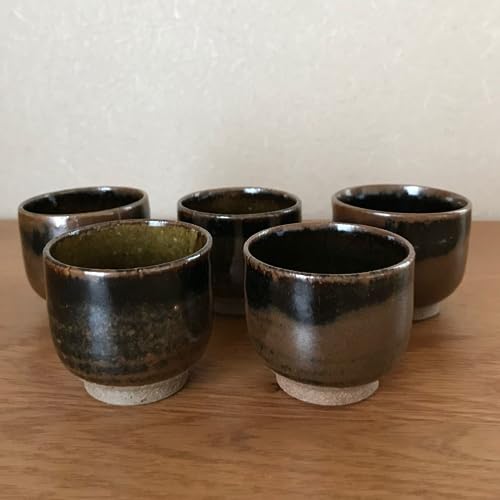
An Etchū Seto-yaki (越中瀬戸焼, “Etchū Seto ware”) guinomi is a small sake cup thrown from iron-bearing stoneware and finished in the warm ash and dark iron glazes that have defined Toyama’s oldest pottery tradition for more than four centuries. The ware takes its name from the Seto-no-sato hamlet at the foot of the sacred Tateyama mountains, where, around the Tenshō era (1573–1592), a potter trained in Seto in Owari province settled and lit the first kilns. It is rustic, modest in scale, and made to hold one or two mouthfuls of sake.
For an international reader, the interest here is less about a single object than about a living lineage. Etchū Seto-yaki grew up under the patronage of the Maeda clan of the Kaga and Etchū domains — the same lords whose support seeded the metalcasting and lacquer industries of nearby Takaoka. The kilns declined after the Edo period and were revived in the twentieth century, and today only a small cluster of workshops around Tateyama Town keeps the tradition alive. A guinomi from one of those kilns is a direct, affordable point of contact with that history.
This guide is written for readers comparing small Japanese sake cups across regions and price tiers. We cover what the form is and is not, the historical and geographic context that distinguishes Etchū Seto-yaki from better-known wares, how to read the variation inherent in hand-thrown stoneware, the realistic purchase paths from outside Japan, and the honest caveats — including where the available data is thin.
🔄 Last updated: June 2, 2026
⏱️ Read time: about 9 minutes
- Who this is for — and who should skip it
- Product overview (from published specs)
- Where this comes from — place, era, and the craft tradition
- Price snapshot across stores
- What it does well
- Weaknesses and things to verify before buying
- Conclusion — which buyer type are you?
- Other ways to approach this purchase
- 🏆 Editor’s Pick
- ❓ Frequently Asked Questions
Who this is for — and who should skip it
- Want a sake cup with a documented regional tradition rather than a generic “Japanese” mass-market piece
- Appreciate rustic stoneware — visible throwing marks, glaze pooling, and tonal variation cup to cup
- Are assembling a small collection of regional guinomi and want Toyama / Hokuriku represented
- Drink local jizake (regional sake) and want a vessel matched to the region that produces it
- Are comfortable buying a one-of-a-kind, made-by-hand object rather than a uniform factory product
- Need a matched set with identical color and size — hand-thrown stoneware will not deliver that
- Want a large cup; a guinomi typically holds only one or two mouthfuls
- Prefer crisp white porcelain or fine, translucent walls — this is heavy, earthy stoneware
- Require precise, listing-confirmed dimensions and weight before buying (data here is thin — see caveats)
- Want guaranteed dishwasher and freezer compatibility without checking the specific maker’s care notes
Product overview (from published specs)
Based on the available listing data and the spec brief, the table below summarizes what can and cannot be confirmed. Etchū Seto-yaki is hand-made stoneware, so several attributes are inherently variable; where the fetched data did not include a value, the cell says so rather than guessing.
Etchu Seto-yaki Guinomi
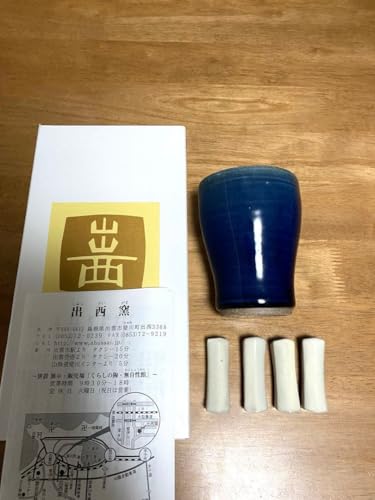
越中瀬戸焼 四郎八窯 ぐい呑み 5個組み 直径5.5×高さ5センチ
通常6~7日以内に発送します。 · Sold by ぽぽななショップ · ASIN B0GR6LSSSK
Price and availability as of 2026-08-31 02:30 JST. The Amazon listing at the time of purchase is authoritative. jpmono.com earns a commission on qualifying purchases at no extra cost to you.
| Attribute | Detail | Source |
|---|---|---|
| Object | Guinomi (sake cup) | Spec brief |
| Tradition | Etchū Seto-yaki (越中瀬戸焼) — Toyama’s oldest ceramic tradition | Spec brief |
| Material | Iron-bearing local stoneware (sekki) | Spec brief |
| Glaze | Wood-ash glaze (haiyū) and/or dark iron glaze (tetsuyū) | Spec brief |
| Forming | Hand-thrown at a Seto-no-sato kiln | Spec brief |
| Origin | Tateyama Town, Toyama Prefecture (Chūbu / Hokuriku) | Spec brief |
| Dimensions / weight | Unconfirmed — not present in fetched data; check the listing | — |
| Care (dishwasher / microwave) | Unconfirmed — check the maker’s care notes | — |
| Item ID (ASIN) | B0GR6LSSSK | Spec brief |
| Price | Not captured in fetched data — verify on the live listing before purchase | — |
⚠️ Data note: the automated fetch for this article returned an empty product record (no price, dimensions, or weight). The facts above come from the spec brief and the Amazon item ID; live pricing and stock may differ. Treat every number as “verify at the listing.”
📖 Glossary — key terms in this article
- Guinomi (ぐい呑み) — a small sake cup, slightly larger than an ochoko, meant to be tossed back (“gui”) in a mouthful or two; usually held in the hand.
- Etchū (越中) — the old province name for present-day Toyama Prefecture, on the Sea of Japan coast.
- Seto-yaki (瀬戸焼) — ware in the Seto idiom; the original Seto is in Owari (Aichi). “Etchū Seto” means the Seto tradition transplanted to Etchū.
- Sekki (炻器) — stoneware: high-fired, dense, non-translucent clay body, between earthenware and porcelain.
- Haiyū (灰釉) — wood-ash glaze, made from the ash of burned plant matter; yields warm, soft tones.
- Tetsuyū (鉄釉) — iron glaze, producing dark brown-to-black surfaces from iron oxide.
- Seto-no-sato (瀬戸の里) — the “Seto hamlet” in Tateyama Town where the Etchū Seto kilns sit.
- Tateyama shinkō (立山信仰) — the mountain-faith tradition centered on the sacred Tateyama range that frames the region’s culture.
Where this comes from — place, era, and the craft tradition

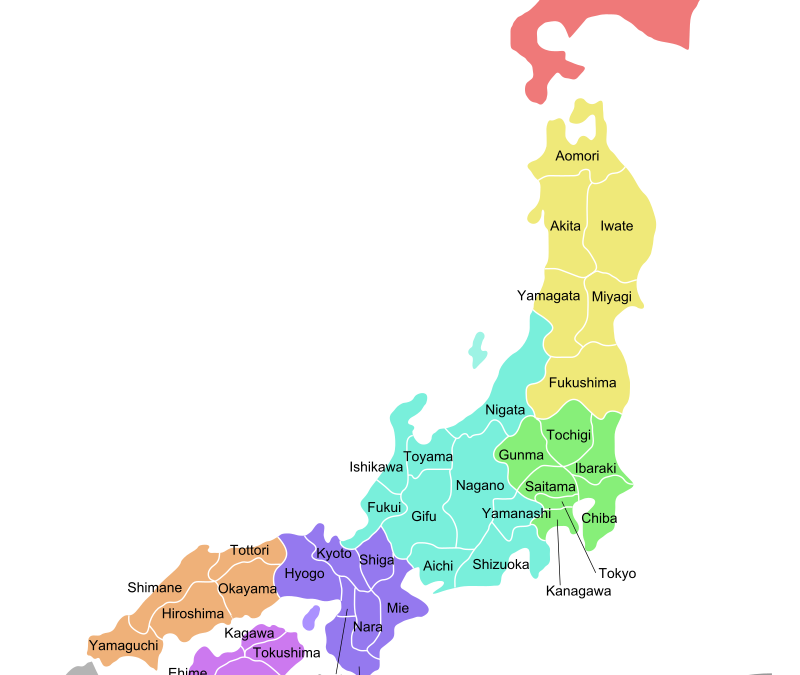
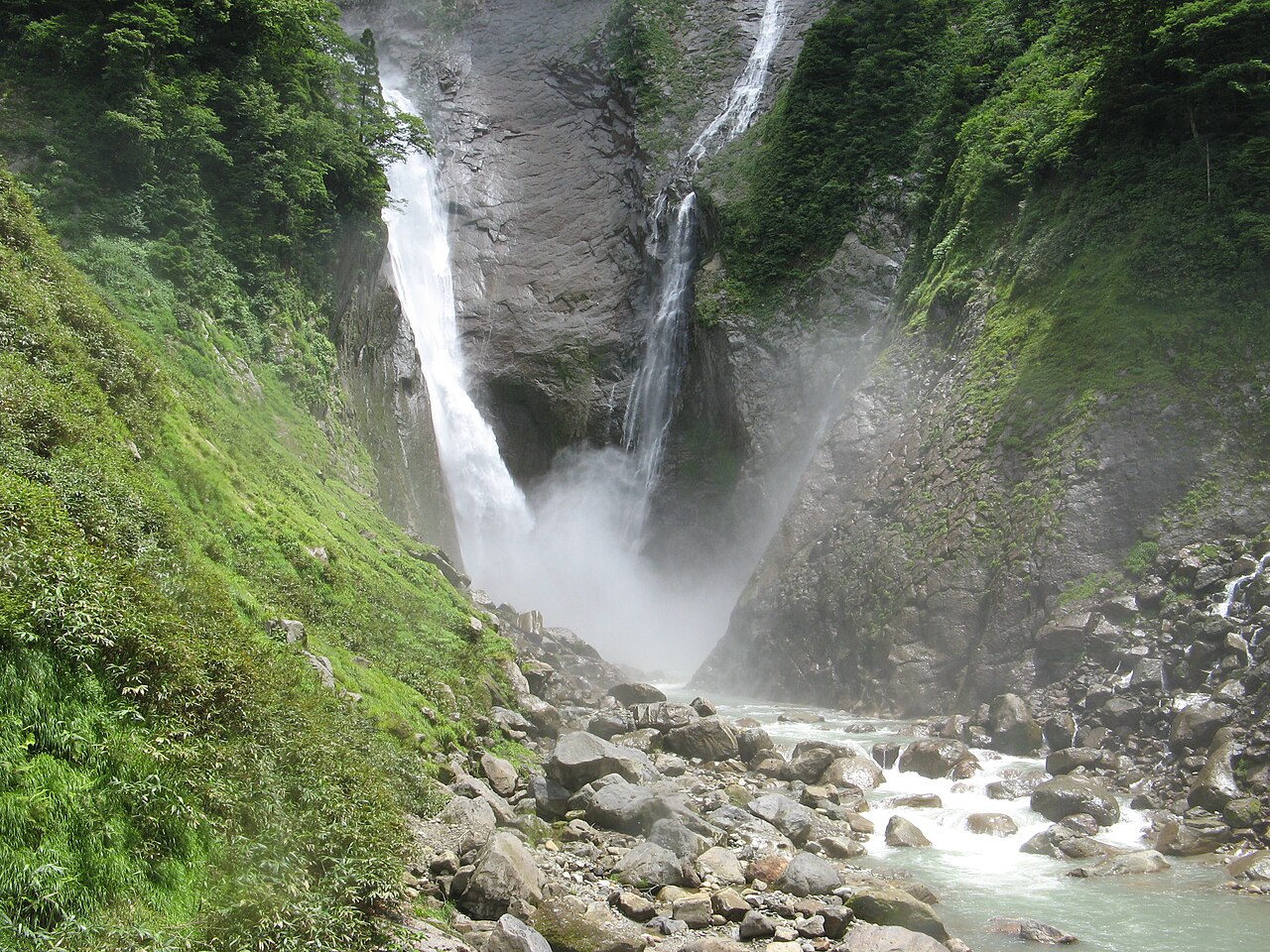
Toyama Prefecture occupies the Sea of Japan side of central Honshu, in a region called Hokuriku. The old provincial name was Etchū, and it is from this that “Etchū Seto” takes its first half. To the south rises the Tateyama range — a snow-heavy massif long held sacred in Japanese mountain faith — and it is in the foothills below it, in a hamlet called Seto-no-sato in present-day Tateyama Town, that the kilns sit. The mountains matter to the pottery in a concrete way: their forests supplied the wood ash that goes into the ash glazes, and the local geology supplied the iron-bearing clay that gives the body its warmth and the iron glazes their depth.
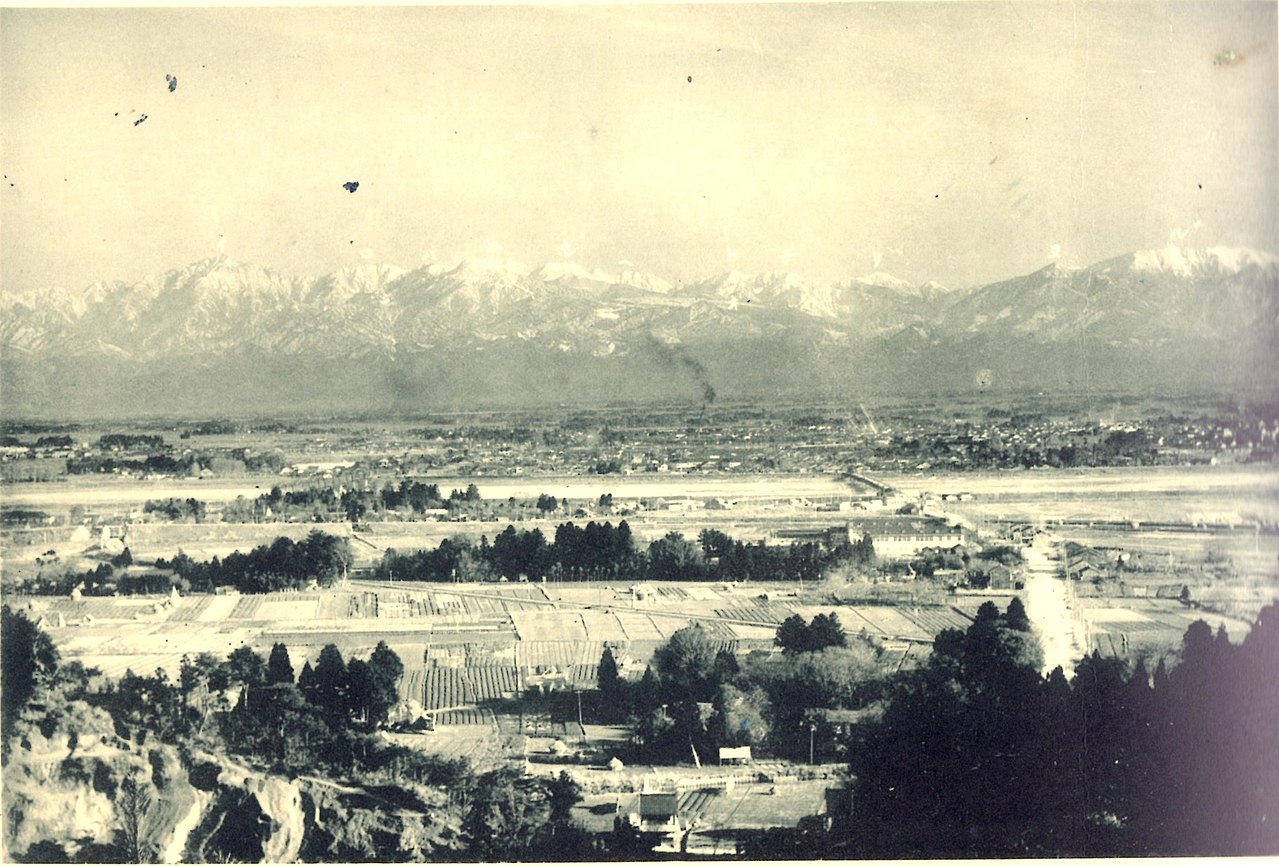
The tradition’s beginning is dated to the Tenshō era, the years 1573 to 1592, when a potter trained in Seto — the great ceramic center in Owari province, today’s Aichi — settled at the foot of the Tateyama mountains and began firing. That makes Etchū Seto-yaki the oldest pottery tradition in Toyama. It predates, by a generation, the founding of the castle town that would later make the region famous for metal and lacquer.
“Toyama’s oldest kiln tradition was already firing when the Maeda lords arrived — the clay of Seto-no-sato was being turned before Takaoka’s castle town existed.”
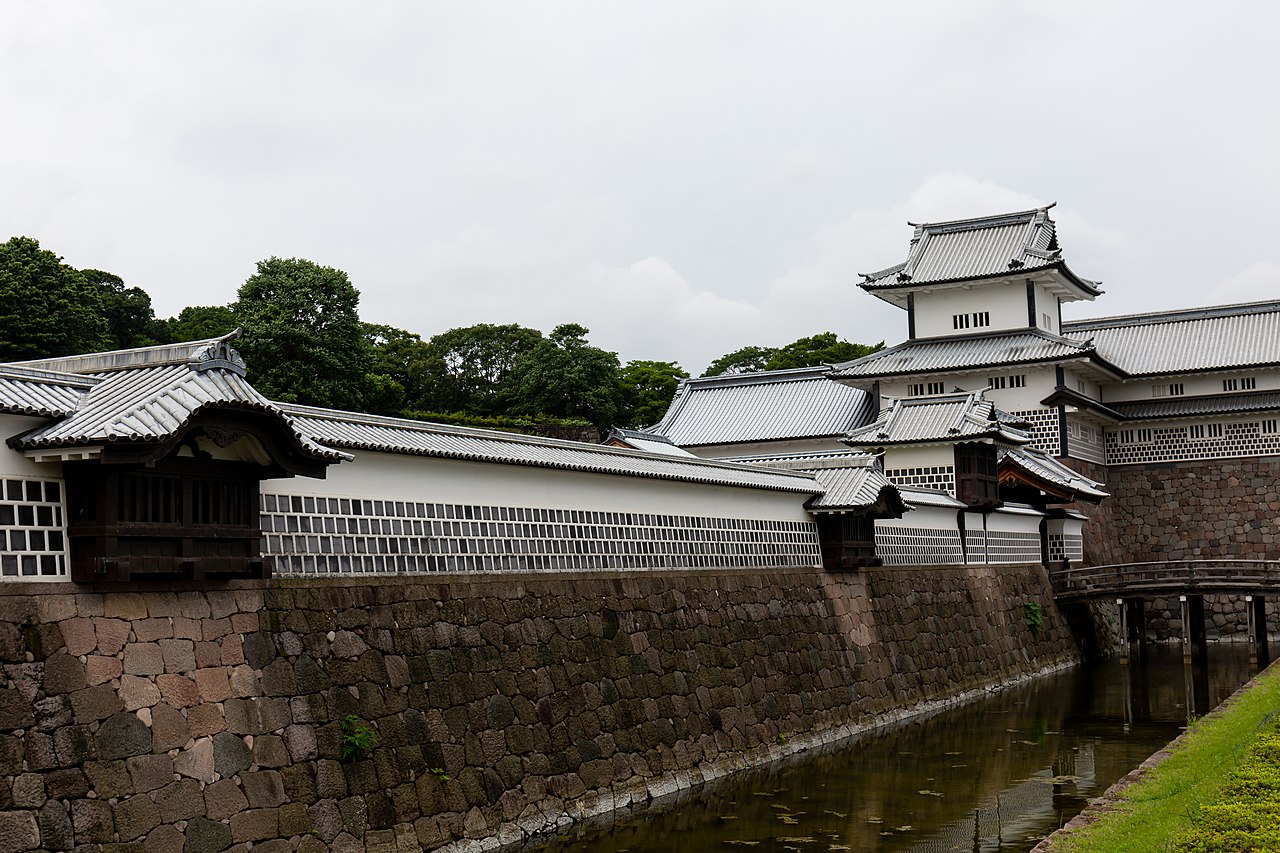
That castle town was Takaoka, founded in 1609 by Maeda Toshinaga of the powerful Kaga domain, which ruled both Kaga and Etchū from its seat at Kanazawa Castle. The Maeda were among the wealthiest daimyō in Japan, and their patronage built a craft economy across Hokuriku: foundry artisans for Takaoka’s copper and bronze, lacquerers for its raden work, and support for the potters of Etchū Seto. The same hand that drew metal casters to Takaoka helped sustain the kilns in the Tateyama foothills.
- 1573–1592 (Tenshō era) — A Seto-trained potter settles at Seto-no-sato in the Tateyama foothills; Etchū Seto-yaki begins.
- 1609 — Maeda Toshinaga founds the castle town of Takaoka nearby; Maeda patronage shapes Etchū crafts.
- 1611 — The Maeda invite foundry and lacquer artisans to Takaoka, seeding the region’s metal and lacquer lineages.
- Edo period (1603–1868) — Etchū Seto kilns supply everyday stoneware under domain patronage.
- Late Edo → Meiji — The kilns decline as mass-produced ceramics spread across Japan.
- 20th century (Shōwa) — The tradition is revived around Tateyama Town.
- 2026 — A small cluster of Seto-no-sato kilns continues to hand-throw Etchū Seto-yaki.
After the Edo period the kilns fell quiet, pushed aside by industrial ceramics, and the tradition might have vanished entirely. It was revived in the twentieth century by potters who returned to the Seto-no-sato site, and today a small cluster of workshops around Tateyama Town keeps it going. This is not a large industry — it is a handful of kilns, which is part of why listing data for individual pieces is often thin. What survives draws directly on the mountain-faith culture of the Tateyama range that surrounds it.
There is a culinary logic to a guinomi from here, too. Toyama is a noted sake region — names like Tateyama and Masuizumi are brewed in the prefecture — and a stoneware cup made in the same foothills is a natural local pairing for that sake. The ware’s earthy body and warm ash glaze suit the clean, cold-climate sake of the Sea of Japan coast. To drink a Toyama jizake from a Toyama guinomi is to close a small regional loop, which is much of the appeal for collectors who buy by place.
Related guides on jpmono.com — other regional sake cups and yunomi, plus the Hokuriku crafts that share Etchū Seto-yaki’s Maeda-era lineage.
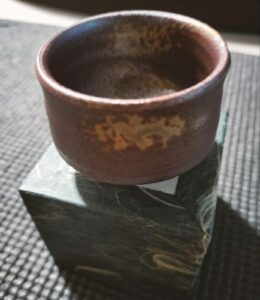 Tamba Guinomi
Another six-old-kilns stoneware sake cup for comparison.
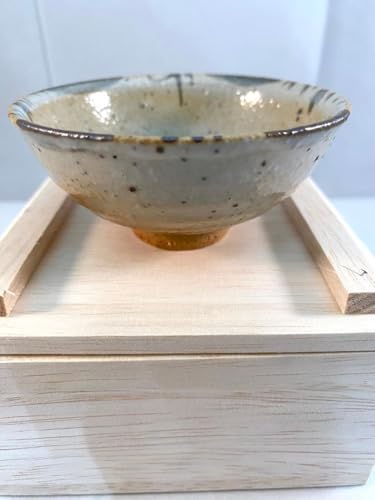 Karatsu E-Garatsu Guinomi
Kyushu’s painted-stoneware sake cup tradition.
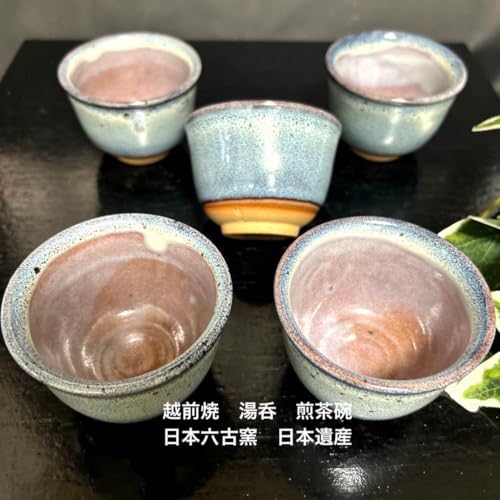 Echizen Yaki Yunomi (Hokuriku)
A neighboring Hokuriku stoneware tradition, in teacup form.
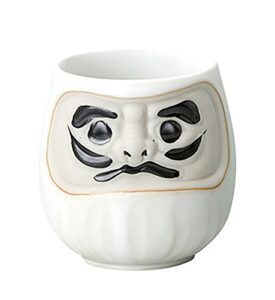 Shiraiwa-yaki Yunomi
Tōhoku stoneware with a blue namako glaze.
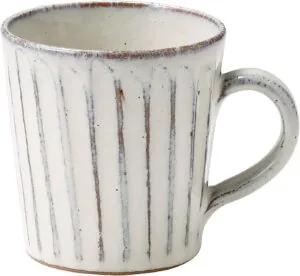 Shigaraki Mug
Rustic six-old-kilns stoneware in an everyday mug.
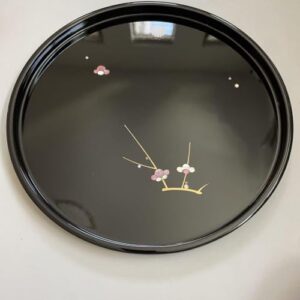 Takaoka Raden Box (Toyama)
Same-prefecture Maeda-era craft, in lacquer and shell.
 Kanazawa Gold Leaf (Hokuriku)
Neighboring Maeda-domain craft from Kanazawa.
Price snapshot across stores
Pricing for this specific guinomi was not captured in the fetched data, so the table below leads with the realistic purchase paths rather than firm figures. JPY is the authoritative currency for the sourced item; any USD figure is an approximate estimate at a ¥150/USD baseline.
| Store | Item / variant | Price (JPY + USD est.) | Notes |
|---|---|---|---|
| 🇺🇸 Amazon US (search) | Browse Japanese guinomi & sake cups | varies (USD) | Best if you are shopping from the US — Prime shipping, USD pricing, no international customs. Amazon US carries Japanese stoneware and porcelain sake cups from a range of makers, useful for comparing form and price tiers. This exact Etchū Seto piece is sourced from Japan (next row). |
| 🇯🇵 Amazon JP Global Store | The featured Etchū Seto-yaki guinomi (ASIN B0GR6LSSSK) | Check live price — not in fetched data | The sourced listing for the exact item. Ships internationally from Japan to most major destinations; verify shipping and duties at checkout. |
| Maker direct | Seto-no-sato kilns (Tateyama) | — | No central online storefront confirmed; the Etchū Seto kilns are a small cluster. Pieces appear at regional galleries and pottery fairs rather than a single shop. |
| Proxy services (Buyee / Tenso) | Japan-only listings forwarded abroad | item price + forwarding fee | Useful if a Japan-only domestic listing is cheaper or in stock; adds a forwarding fee and a consolidation step. Best when buying several pieces at once. |
Prices and stock fluctuate; figures are estimates at the time of writing. USD is approximate at ¥150/USD. Always confirm at the retailer before purchasing.
What it does well
Weaknesses and things to verify before buying
- Thin listing data. The automated fetch returned no price, dimensions, or weight for this item. Confirm capacity, height, and price on the live listing before committing.
- Variation is the point — and the risk. Because each cup is hand-thrown and glaze-fired, the piece you receive will differ in tone and detail from any photo. If you want uniformity, this is the wrong category.
- Small capacity. A guinomi holds only one or two mouthfuls; it is not a general-purpose cup for tea, water, or large pours.
- Care is unconfirmed. Dishwasher, microwave, and freezer suitability were not in the data. Glazed stoneware is often hand-wash-preferred; check the maker’s care notes, and avoid thermal shock.
- Unglazed or porous footrings can mark surfaces. Rustic stoneware sometimes has a rough foot; verify whether the base is finished, and use a coaster on fine furniture.
- Limited supply. Etchū Seto-yaki comes from a small cluster of kilns, so stock and specific designs can be intermittent. A given listing may sell out and not return in the same form.
- International shipping and duties. Buying via Amazon JP Global Store or a proxy adds shipping cost (commonly in the $15–$40 range to the US or EU) and possible customs duty above local thresholds.
Conclusion — which buyer type are you?
Other ways to approach this purchase
🏆 Editor’s Pick
❓ Frequently Asked Questions
What is the difference between a guinomi and an ochoko?
Both are small sake cups. An ochoko is the smaller, often tapered cup used for formal pours; a guinomi is slightly larger and meant to be drunk in a mouthful or two (“gui” suggests tossing it back). A guinomi is usually held in the hand and is the more casual, everyday vessel.
Does Amazon JP ship this Etchū Seto-yaki guinomi internationally?
The item is listed via Amazon JP Global Store, which ships many household goods internationally to most major destinations. Shipping cost is commonly in the $15–$40 range to the US or EU, with possible customs duty above local thresholds. Always confirm shipping availability and fees at checkout, since they vary by destination.
Why is no price shown in this article?
The automated data fetch for this guide returned an empty product record, with no price, dimensions, or weight. Rather than guess, we direct you to the live listing for the current figure. JPY is the authoritative price; any USD estimate elsewhere assumes roughly ¥150 per USD.
How should I care for ash-glazed stoneware?
Specific care for this piece was not in the data, so confirm the maker’s notes. As a general rule for glazed stoneware, hand-washing is the safe default, avoid sudden temperature changes that can cause thermal shock, and check whether the footring is unglazed and rough before setting the cup on fine surfaces.
Will the cup look exactly like the photo?
No. Etchū Seto-yaki is hand-thrown and glaze-fired in small batches, so tone, glaze pooling, and small details vary from piece to piece. That individuality is part of the appeal; if you need an exact match to a photo or a uniform set, this category is not the right fit.
Is Etchū Seto-yaki related to the famous Seto ware in Aichi?
Yes, by lineage. The tradition began in the Tenshō era (1573–1592) when a potter trained in Seto in Owari province — present-day Aichi — settled in the Tateyama foothills of Etchū (Toyama) and started firing. “Etchū Seto” means the Seto idiom transplanted to Etchū, where it developed its own local character under Maeda patronage.
What sake suits a Toyama guinomi?
Toyama is a noted sake region, with breweries producing labels such as Tateyama and Masuizumi. The clean, cold-climate sake of the Sea of Japan coast pairs naturally with the warm, earthy body of a local stoneware cup, closing a small regional loop between vessel and drink.
jpmono.com is curated by a Japan-based editorial team, working out of Toyama in the Hokuriku region and Nara in Kansai, and is independent. We do not take payment from the makers we feature; income comes from affiliate links. We do not physically test every product — we read maker specs and source listings — and we say so when the available data is thin.
🤖 This article was assembled with AI assistance from a Japan-based editor’s spec brief and the available product listing data, then reviewed before publication. Where source data was incomplete, the gaps are noted in the text rather than filled by guesswork.
Affiliate disclosure: jpmono.com may earn a commission on qualifying purchases made through links on this page, at no additional cost to you.