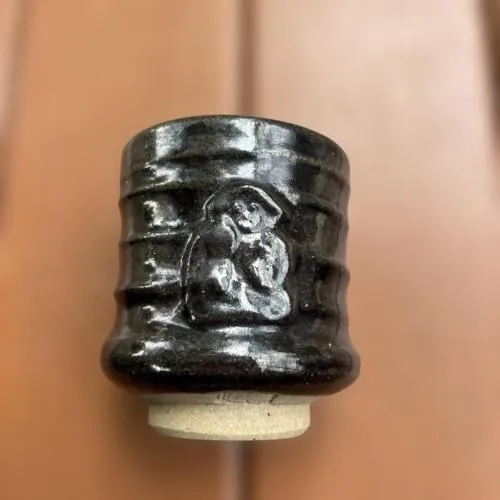
- What it is: A Kuro-Satsuma Daikokuten yunomi listed with a ceramic mark.
- Made in: The listing identifies Naeshirogawa and Satsuma ware in Kagoshima; it does not name the individual maker.
- Price: ¥4,499 (approximately $30 USD), as of 2026-11-01; verify on the listing.
- Best for: A buyer interested in a dark Satsuma cup who can check the individual listing.
- Skip if: A specified capacity, named maker, or guaranteed dishwasher compatibility is essential.
- Shipping: International eligibility depends on the item and destination — jump to our pick ↓.
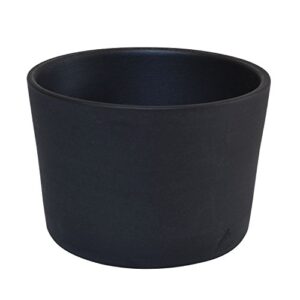
Dark clay and glaze give kuro-Satsuma (黒薩摩, black Satsuma ware) a different visual language from the pale ceramics often associated with Satsuma. The Amazon Japan listing featured here calls this a Naeshirogawa-yaki Kuro-Satsuma Daikokuten yunomi (湯呑み, a Japanese teacup), also describing it as a guinomi, or sake cup, and an auspicious object.
The listing is a starting point for looking at an everyday side of Kagoshima pottery. Its title notes a ceramic mark but does not identify the potter or specify the cup’s dimensions, capacity, or exact glaze. Those details matter when buying a piece to use rather than display.
From the perspective of jpmono’s Japan-based editors in Toyama and Nara, this guide compares the listing with broader ways to shop, explains its regional context, and sets out what an international buyer should check before paying.

- Who this is for — and who should skip it
- Product overview (from published specs)
- 📍 Where this comes from — place, era, and the craft tradition
- 📦 Shipping & where to buy from outside Japan
- Price snapshot across stores
- What it does well
- Weaknesses and things to verify before buying
- Conclusion — which buyer type are you?
- Other ways to approach this purchase
- 🏆 Editor’s Pick
- ❓ Frequently Asked Questions
Who this is for — and who should skip it
- Want a dark Satsuma cup with a named regional association.
- Enjoy pottery for tea or sake.
- Are comfortable checking photos and details for one particular listing.
- Can compare the total landed price before ordering.
- Need exact dimensions before choosing.
- Require a documented individual maker or kiln.
- Want a matching set with a stated piece count.
- Need confirmed microwave or dishwasher instructions.
Product overview (from published specs)
The listing title identifies the object and its ceramic mark; it does not supply a full specification sheet. Treat the seller’s current item page and photographs as the place to resolve practical questions before ordering.
Kuro-Satsuma Yunomi Teacup
薩摩焼苗代川焼 黒薩摩 大黒天 湯呑み 陶印あり ぐい呑み 酒器 縁起物
通常6~7日以内に発送します。 · Sold by プティシャンス · ASIN B0HN84Y4T5
Price and availability as of 2026-11-01 00:10 JST. The Amazon listing at the time of purchase is authoritative. jpmono.com earns a commission on qualifying purchases at no extra cost to you.
| Attribute | Listing information |
|---|---|
| Listing name | 薩摩焼苗代川焼 黒薩摩 大黒天 湯呑み 陶印あり ぐい呑み 酒器 縁起物 |
| Object | Daikokuten yunomi; also described as a guinomi and sake vessel |
| Mark | A ceramic mark is stated; its maker is not identified in the title |
| Dimensions, capacity, and contents | Not specified in the listing title; check the seller’s description |
| Condition and seller | New; プティシャンス |
ℹ️ Only the Amazon Japan listing snapshot is available for this item; live pricing and availability may have shifted.
Glossary: words used in this guide
- Yunomi: a Japanese teacup.
- Guinomi: a cup used for sake.
- Kuro-Satsuma: dark Satsuma ware associated with everyday vessels.
- Shiro-Satsuma: pale Satsuma ware associated with the Shimazu clan’s official kilns.
- Naeshirogawa-yaki: the pottery designation used in the listing.
📍 Where this comes from — place, era, and the craft tradition
Kagoshima, Kyūshū
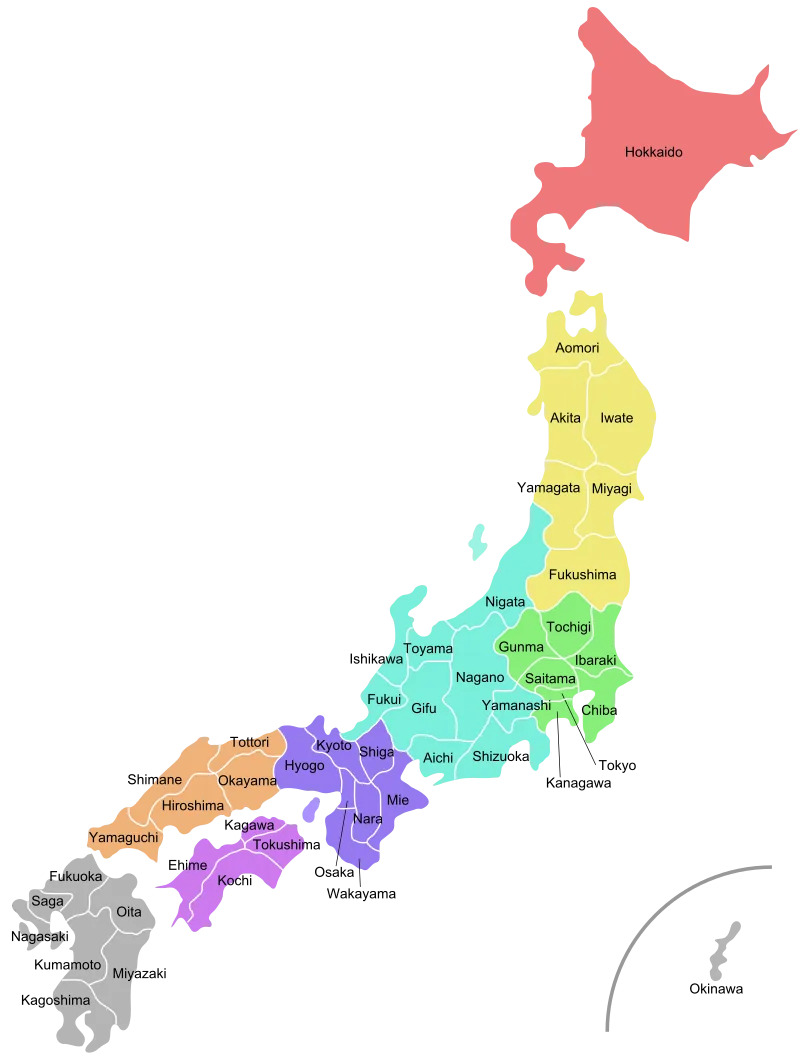
Kagoshima sits at the southern tip of Kyushu. Across Kinko Bay from the prefectural capital stands Sakurajima, a landmark of the region’s volcanic landscape. Naeshirogawa is associated with the dark pottery named in this listing.

The commonly told story traces Satsuma ware to the late sixteenth century, when the Shimazu clan brought Korean potters back from the Korean campaigns. Within Satsuma ware, pale shiro-Satsuma became associated with official kilns, while dark kuro-Satsuma was made for everyday vessels, including jars, sake bottles, and cups.

- Late 16th century: the commonly told account places Satsuma pottery’s beginnings in this period.
- November 1, 2026, 00:05 JST: the listing snapshot records the item as new.
- November 1, 2026, 00:05 JST: the same snapshot records seller プティシャンス.
- November 1, 2026, 00:05 JST: the asking price is recorded at ¥4,499.
- November 1, 2026: this guide is published and updated.
Naeshirogawa remained a center of kuro-Satsuma production. The distinction between the two broad traditions is useful when looking at a listing, but it does not establish the identity of the person who made an individual cup. A mark can be a starting point for a question to the seller, not a substitute for a named maker.
A regional name helps place a cup; the listing must still answer how that particular cup can be used.

Explore related objects and other approaches to the Japanese cup, plate, or glass. Check each article for its own current listing and specifications.
📦 Shipping & where to buy from outside Japan
Amazon Japan ships many household goods internationally, but eligibility for this particular listing depends on the destination and seller. Delivery to Canada, the UK, or Australia should be checked on the item page after selecting the destination; see the guides to importing from Japan to Canada, the UK, and Australia.
Shipping estimates vary with destination, packing, and carrier. Import taxes or duties may apply under local rules, and Amazon may estimate import fees at checkout. A proxy such as Buyee or Tenso is another route when direct delivery is unavailable; check its handling fees, consolidation rules, insurance, and restrictions before committing.
Price snapshot across stores
As of 2026-11-01, the listed Amazon Japan price is ¥4,499 (approximately $30 USD); verify on the listing. The dollar estimate uses ¥150 per US dollar and will vary with the exchange rate and payment provider.
| Store | Item | Price | What to check |
|---|---|---|---|
| Amazon US (search) | Browse Japanese teacups | Varies | Search results vary; check whether a result is the featured item and whether it ships to your address. |
| Amazon JP Global Store | Kuro-Satsuma Daikokuten yunomi, ceramic mark | ¥4,499 (≈ $30 USD), as of 2026-11-01; verify on the listing | New; seller プティシャンス. Snapshot says usually dispatched in 6–7 days. Check international eligibility and import fees for your destination. |
| Maker direct | No named maker for this listing | — | Ask the seller about the mark if maker identification matters. |
| Proxy services (Buyee / Tenso) | Purchase or forwarding route | Fees vary | Check whether the service accepts this listing and calculate all charges. |
What it does well
The title names both Kuro-Satsuma and Naeshirogawa-yaki, giving buyers terms to check against the object and seller’s description.
The seller describes the vessel as both a yunomi and a guinomi. Verify its size to decide which use suits your table.
The title states that there is a ceramic mark. Request a clear image and its identification if attribution is important to you.
The recorded yen price gives a starting point for calculating a total with delivery and any import charges.
Weaknesses and things to verify before buying
- Capacity: Ask for usable volume and dimensions; a cup described for both tea and sake may be smaller than you expect.
- Maker: A ceramic mark is mentioned, but the title does not name the maker. Ask for a photograph and attribution if that is central to your decision.
- Contents: Confirm the number of pieces and whether any box or accessories are included.
- Surface and condition: Review the photos and ask about the glaze, rim, base, and any marks before ordering.
- Care: Obtain the seller’s instructions for dishwasher and microwave use; do not assume either is suitable.
- Delivery: Verify shipping eligibility, protective packing, returns, and the complete cost for your address.
A useful message to the seller is: “Could you confirm the cup’s height, rim diameter, capacity, number of pieces, and whether it is suitable for a dishwasher or microwave? Please also identify the ceramic mark if possible.” Save the reply alongside the order details.
Conclusion — which buyer type are you?
If documented authorship matters, ask for identification of the mark and compare the answer with the documentation you require before buying.
Consider the featured cup if the seller confirms a size and delivery cost that fit your daily routine.
Compare the full delivered cost, not just the yen price, with the results available in your own market.
Choose another listing if a guaranteed capacity, named potter, or confirmed appliance compatibility is essential and cannot be obtained.
Other ways to approach this purchase
Revisit the listing and compare its current item price and delivery charge together. Neither a discount nor continued availability is guaranteed.
If considering another listing, inspect the condition and return terms carefully; the featured listing is described as new.
Check whether your payment method or retailer offers benefits in your country, and whether exchange or card fees change the value.
If the practical details remain unclear, a cup with stated capacity and care instructions may be easier to choose.

🏆 Editor’s Pick
❓ Frequently Asked Questions
What is the featured Kuro-Satsuma cup?
It is a Daikokuten yunomi listed as Naeshirogawa-yaki Kuro-Satsuma, with a ceramic mark; the title also describes it as a guinomi and sake vessel.
How much does it cost?
The Amazon Japan listing was ¥4,499 (approximately $30 USD) as of 2026-11-01; verify on the listing. Shipping, taxes, and exchange fees can add to the total.
Will it ship to my country?
Amazon Japan ships many items internationally, but this listing’s eligibility depends on the seller and destination. Enter your address to see delivery options and charges.
Can I put it in a dishwasher or microwave?
The listing title does not establish either use. Ask the seller for care instructions before using an appliance.
Is the potter named?
The title states that the cup has a ceramic mark, but does not name the potter. Ask the seller to identify the mark if attribution matters to you.
Is it suitable as a gift?
It may suit someone interested in Satsuma pottery, but confirm the cup’s size, piece count, packaging, and delivery date with the seller before ordering.
jpmono.com is curated by a Japan-based editorial team working out of Toyama in Hokuriku and Nara in Kansai. The team reviews published information and does not physically test every product. Read more about our editorial standards.
This article was prepared with AI assistance and editorial review.
Affiliate disclosure: jpmono.com may earn a commission on qualifying purchases made through links on this page, at no additional cost to you.