![Aizu Hongo-yaki Nishin-bachi: Fukushima Herring Simmer Pot [2026]](https://jpmono.com/wp-content/uploads/2026/06/aizu-hongo-yaki-nishin-bachi-herring-pot-where-to-buy-2026-featured.jpg)
The nishin-bachi (鰊鉢, “herring pot”) is one of the most quietly revealing objects in Japanese pottery: a thick, lidded, square stoneware pot, glazed in a warm amber tone called ame-yu, made for a single domestic task — rehydrating dried Pacific herring and simmering it slowly until it turns tender. It comes from Aizu Hongo-yaki (会津本郷焼), the oldest ceramic town in the Tohoku region, in the mountain basin of Aizu in Fukushima Prefecture. The piece featured here is from Munakata-gama, one of the surviving Aizu Hongo kilns.
What makes this object worth a foreigner’s attention is not novelty but logic. Aizu is landlocked and ringed by volcanoes, with no access to fresh sea fish for most of its history. Dried herring shipped inland was the protein that survived the journey, and the nishin-bachi is the vessel a whole region built around that constraint. The square form stacks dried fish efficiently; the heavy walls and lid hold a gentle, even simmer; the amber glaze hides staining from years of oil and soy. It is a piece of regional food culture turned into clay, and it was designated a traditional craft in 1993.
This guide is written for international readers deciding whether a piece like this belongs in their kitchen. We cover what the form is for, how to read the amber ame-yu glaze, the deep history of Tohoku’s oldest kiln town, how it compares with other Tohoku ceramics and ironware, where to buy it from outside Japan, and the honest caveats — because handmade stoneware is not for every household. Note up front: only the Amazon JP listing snapshot is available for this item, and live pricing was unavailable at the time of writing, so we direct you to the listing for current numbers rather than quote a figure we cannot verify.
🔄 Updated:
⏱️ Read time: ~13 min

- Who this is for — and who should skip it
- Product overview (from published specs)
- Where this comes from — place, era, and the craft tradition
- 📦 Shipping & where to buy from outside Japan
- Price snapshot across stores
- What it does well
- Weaknesses and things to verify before buying
- Conclusion — which buyer type are you?
- Other ways to approach this purchase
- 🏆 Editor’s Pick
- ❓ Frequently Asked Questions
Who this is for — and who should skip it
- Slow-cook, braise, or simmer and want a dedicated lidded vessel with character
- Appreciate earthy, functional folk stoneware (mingei) over polished tableware
- Want an object with a documented regional story, not generic homeware
- Are comfortable hand-washing and caring for unglazed-footed pottery
- Like amber ame-yu glaze tones and a square, stackable form
- Want a dishwasher- and microwave-proof, set-and-forget kitchen workhorse
- Need confirmed induction (IH), oven, or direct-flame ratings before buying
- Prefer light, uniform, machine-made pieces with predictable color
- Expect identical units — handmade glaze and form vary piece to piece
- Are unwilling to deal with international shipping and possible customs duty
Product overview (from published specs)
The data available for this specific listing is limited. Based on the Amazon JP Global Store listing and the maker context, the table below summarizes what can be stated; where a value is not confirmed in the source data, it is marked rather than guessed.
Aizu Hongo-yaki Nishin-bachi
940 ︎ 會津本郷焼 宗像窯 ニシン鉢 アンティーク鉢
通常7~8日以内に発送します。 · Sold by 玩具jamp · ASIN B0F7G7GFXC
Price and availability as of 2026-08-31 02:30 JST. The Amazon listing at the time of purchase is authoritative. jpmono.com earns a commission on qualifying purchases at no extra cost to you.
| Attribute | Detail (per available data) |
|---|---|
| Object | Nishin-bachi — lidded square simmering / baking dish |
| Craft | Aizu Hongo-yaki (会津本郷焼) stoneware |
| Kiln / maker | Munakata-gama (宗像窯) |
| Glaze | Ame-yu (飴釉, “amber/toffee glaze”) |
| Material | Earthy stoneware (toki, 陶器) |
| Origin | Aizu-Wakamatsu / Aizumisato, Fukushima Prefecture, Tohoku |
| Dimensions / weight | Unconfirmed — check the listing |
| Induction / oven / flame rating | Unconfirmed — verify with maker / listing before use |
| Designation | Traditional craft (designated 1993) |
| Listed at (sourced) | Amazon JP Global Store (ASIN B0F7G7GFXC) |
Sources: Amazon US search (primary, moonill-20) for comparable Japanese ceramics; Amazon JP Global Store (secondary, moonill-22) for the sourced listing; maker context per data_notes; proxy services where relevant. Only the Amazon JP listing snapshot is available for this exact item; live pricing was unavailable at the time of writing.
📖 Glossary — key terms
- Nishin-bachi (鰊鉢) — “herring pot”; a lidded square stoneware pot for simmering rehydrated dried herring.
- Ame-yu (飴釉) — “amber/toffee glaze”; an iron-bearing glaze giving warm brown-amber tones, traditional to Aizu Hongo-yaki.
- Toki (陶器) — earthenware/stoneware fired from clay, as opposed to jiki (porcelain). Aizu Hongo is rare for producing both.
- Nishin (鰊 / 鯡) — Pacific herring; historically dried (mi-gaki nishin) for inland transport.
- Sansho (山椒) — Japanese pepper; its leaves were simmered with herring in these pots.
- Mingei (民芸) — the Japanese folk-craft movement valuing everyday handmade objects.
- -gama / -yaki (窯 / 焼) — “kiln” and “ware”; e.g., Munakata-gama (the kiln), Hongo-yaki (the ware).
Related Tohoku and regional ceramics, ironware, and folk pieces covered on jpmono — useful for placing this nishin-bachi in context.
 Tsutsumi-yaki tumbler (Miyagi) →
 Shiraiwa-yaki yunomi (Akita) →
 Akita clay doll (Tohoku) →
 Oigen Nambu tetsubin (Iwate) →
Kobushi-yaki teapot →
 Otani-yaki tumbler →
Sendai iron trivet (Miyagi) →
Where this comes from — place, era, and the craft tradition

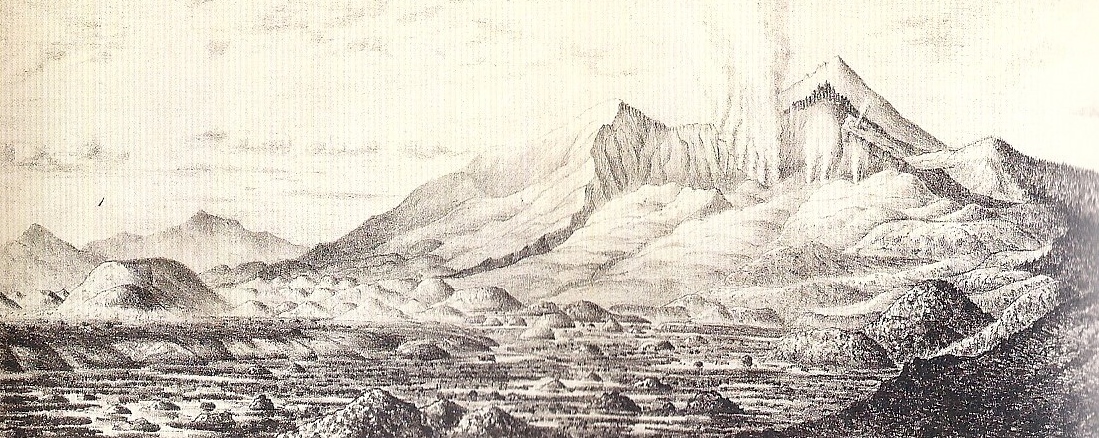
Para A — the region on the map. Aizu is the western part of Fukushima Prefecture, a high inland basin walled off from the Pacific coast by mountains and dominated to the north by the volcano Mount Bandai. This geography is the whole reason the nishin-bachi exists. Cut off from fresh sea fish, Aizu households relied on preserved foods, while the volcanic foothills supplied the clay that made the area Tohoku’s first true ceramic district. Mountain water, abundant fuel wood, and domain patronage did the rest.
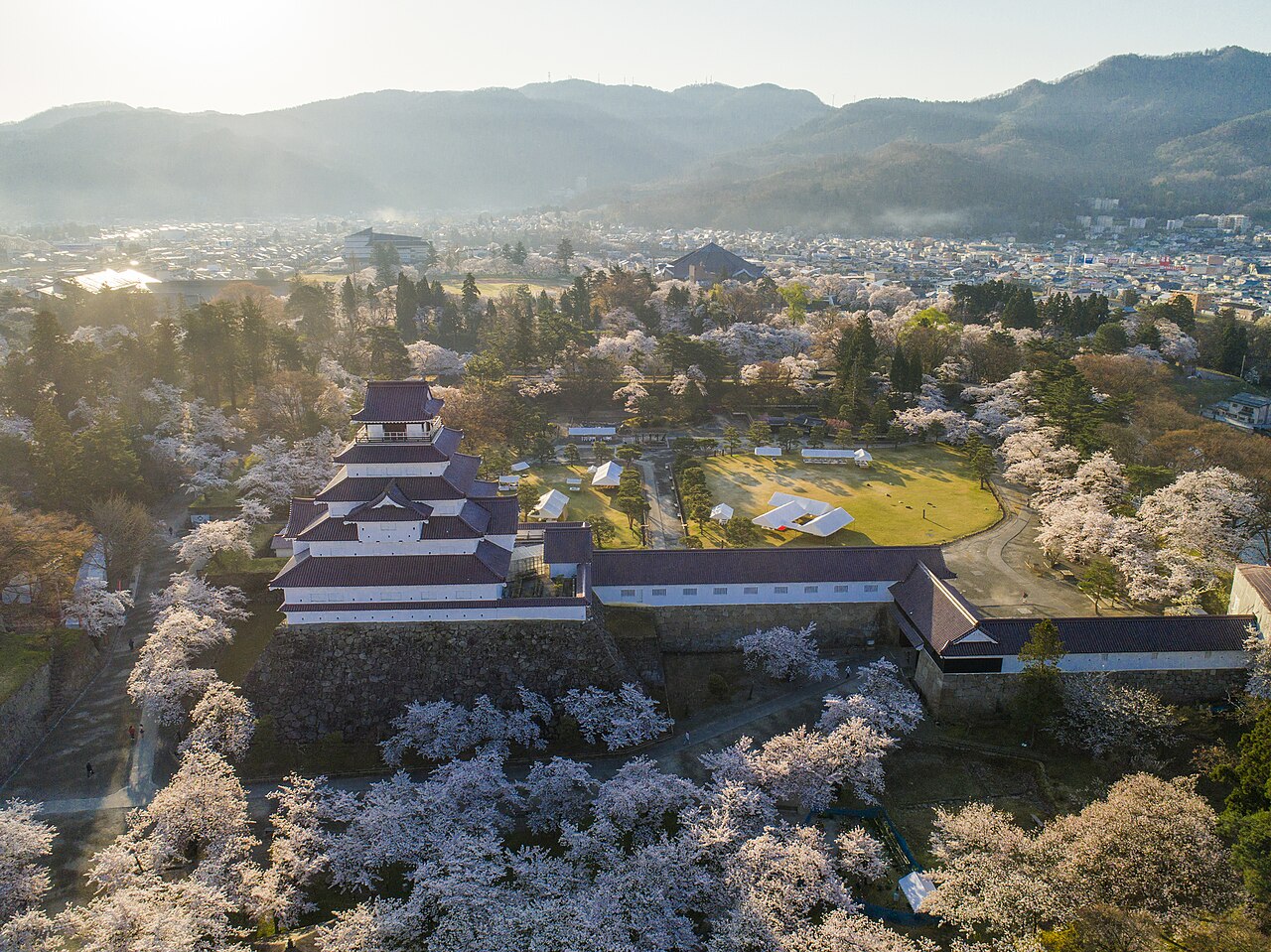
Para B — the historical anchor. Aizu Hongo-yaki traces its origin to the early 1600s, when roof tiles were needed for Tsuruga Castle (Tsurugajo), the seat of the Aizu domain in Aizu-Wakamatsu. That tile-making demand seeded local kilns. The craft was then formalized as a domain industry around 1645 under the Aizu lord Hoshina Masayuki, who invited potters to develop everyday stoneware for the population.
The district later went further than most: it became one of the first places in Tohoku to produce porcelain as well, leaving Aizu Hongo with a rare side-by-side tradition of earthy stoneware (toki) and white porcelain (jiki). The amber-glazed nishin-bachi belongs to the stoneware lineage. The whole tradition was recognized as a designated traditional craft in 1993.
- Early 1600s — Roof-tile making for Tsuruga Castle seeds local kilns in Hongo.
- c. 1645 — Aizu lord Hoshina Masayuki invites potters; stoneware becomes a formal domain industry.
- Edo period — Aizu becomes one of the first districts in Tohoku to also fire porcelain.
- 1868 — The Boshin War and the Byakkotai episode mark Aizu’s turbulent end of the samurai era.
- 20th century — Aizu Hongo kilns become associated with the folk-craft (mingei) appreciation of everyday stoneware.
- 1993 — Aizu Hongo-yaki is designated a traditional craft.
- 2026 — Surviving Aizu Hongo kilns, including Munakata-gama, still fire amber-glazed nishin-bachi.
Para C — what “still being made here” means. Aizu Hongo is not a museum reconstruction. It remains a working pottery district with multiple active kilns clustered in the same Aizumisato area, and Munakata-gama — the kiln behind this piece — is among the names that continue to produce the traditional amber stoneware. The nishin-bachi is still thrown, glazed in ame-yu, and fired in the form Aizu households have used for generations, even though far fewer homes today simmer their own herring.
“A landlocked region with no sea fish invented a pot for the fish it could get dried — and four centuries later that pot is still being fired in the same valley.”
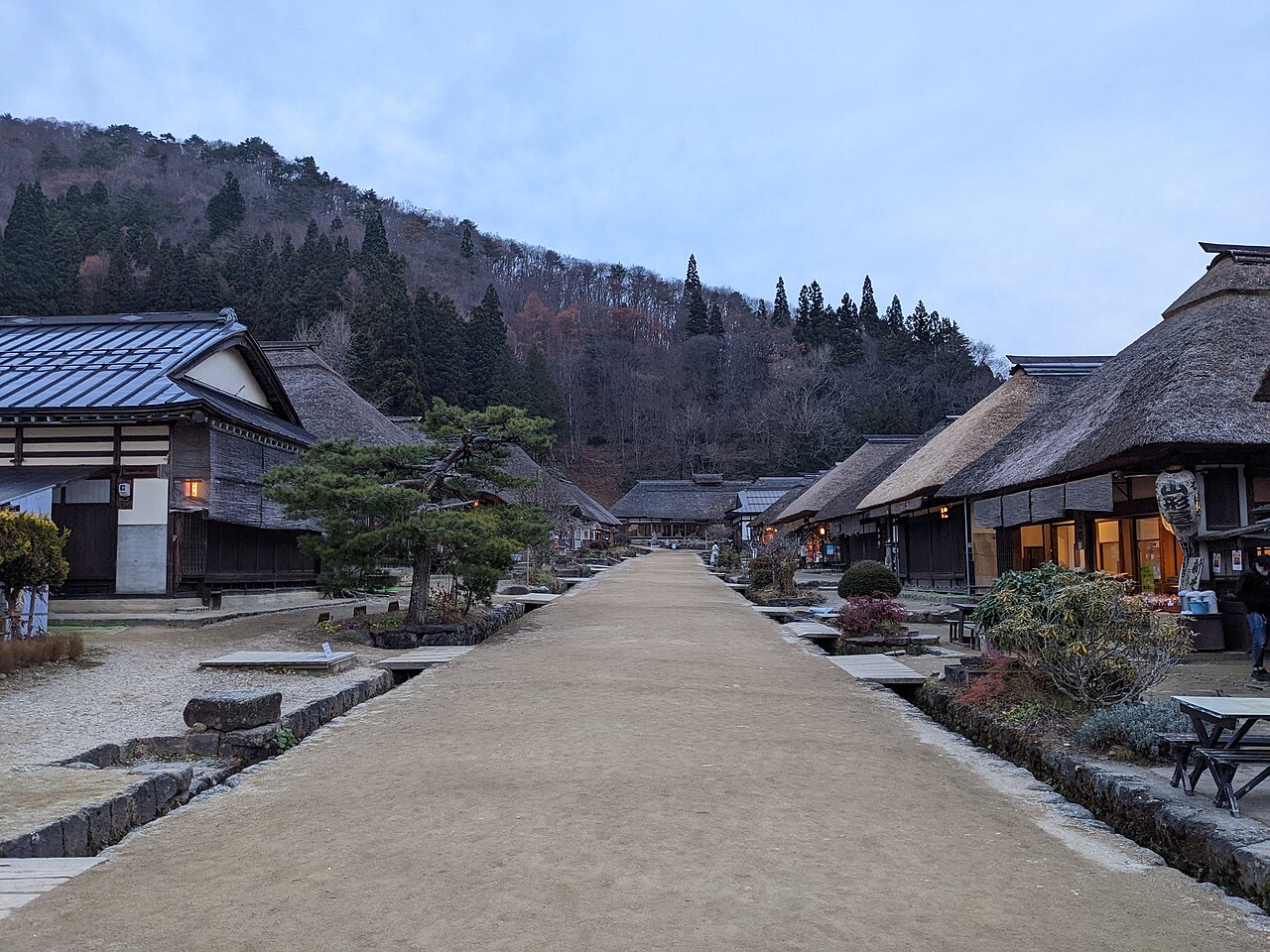
Para D — the food culture around it. The nishin-bachi is inseparable from nishin no sansho-zuke, dried Pacific herring layered with the leaves of sansho (Japanese pepper) and simmered slowly. In a basin with long, snowbound winters and no coastline, preserved herring was a dependable source of protein, and the square pot’s heavy walls and tight lid made it ideal for the patient, low simmering the dish requires. The same rural food culture is visible in the surviving Edo post towns of the Aizu region.
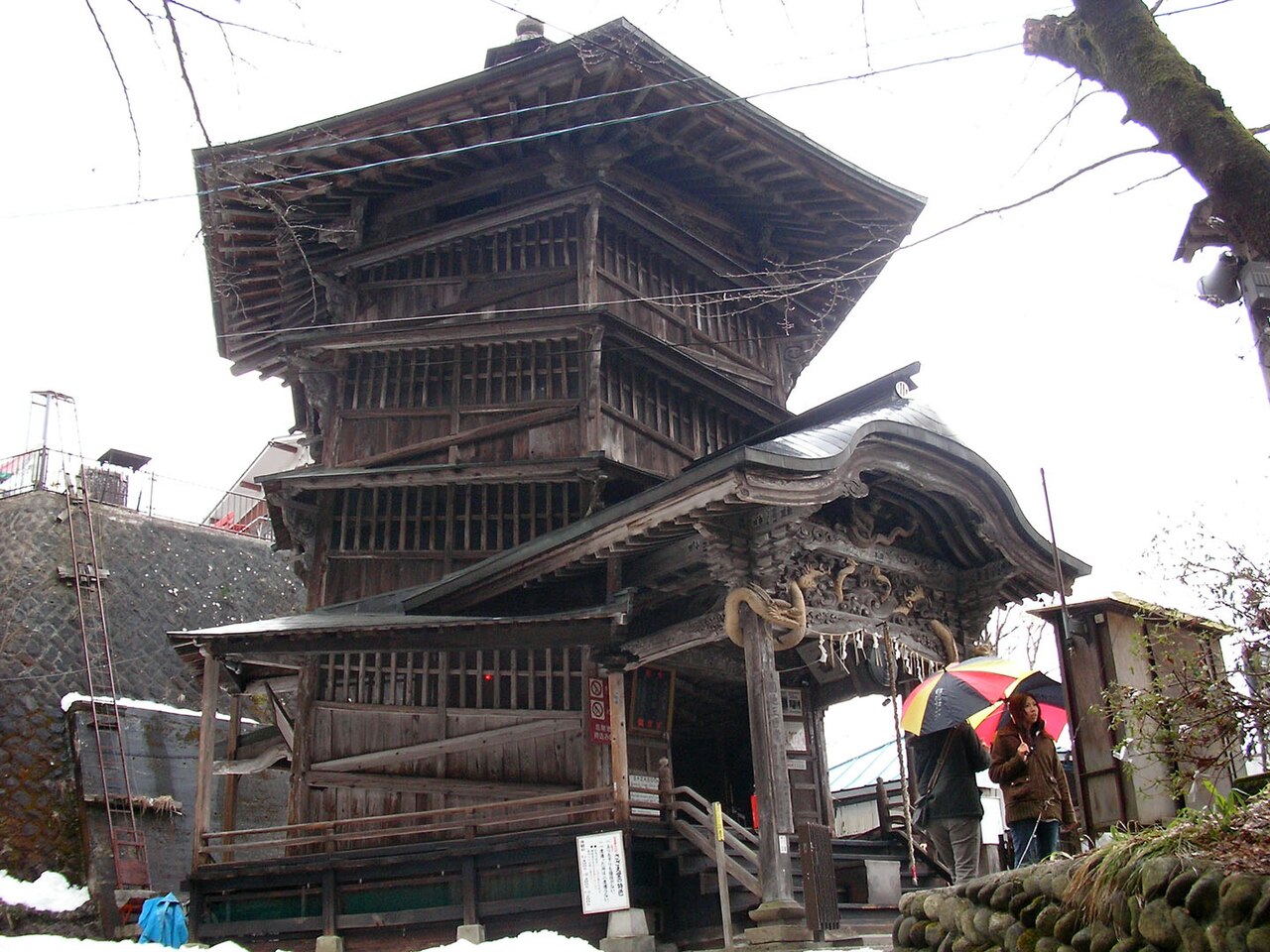
The cultural backdrop runs deeper still. Aizu is the home of the Aizu-Matsudaira domain, of the Byakkotai youth corps and the hill of Iimoriyama, and of architectural landmarks like the double-helix Sazaedo hall. To buy an Aizu Hongo nishin-bachi is to bring home an object from this specific, historically dense corner of Tohoku.
📦 Shipping & where to buy from outside Japan
This exact piece is sourced from the Amazon JP Global Store listing (ASIN B0F7G7GFXC), which ships internationally to most major destinations. International readers cannot simply walk into a Japanese shop, so the realistic paths are these:
Prices in USD are approximate and depend on the current exchange rate (¥150/USD baseline as of mid-2026). Stock and pricing fluctuate; verify at the listing before purchasing.
Price snapshot across stores
| Store | Item / variant | Price (JPY + USD est.) | Notes |
|---|---|---|---|
| 🇺🇸 Amazon.com (US) | Browse Japanese stoneware & donabe simmer pots | varies (USD) | Best if you are shopping from the US — Prime shipping, USD pricing, no international customs. Amazon US carries Japanese stoneware and lidded simmer pots from various makers, useful for comparing form and price tiers; this exact Aizu Hongo piece is sourced from Japan (next row). |
| 🇯🇵 Amazon JP Global Store | Munakata-gama ame-yu nishin-bachi (ASIN B0F7G7GFXC) | See listing — live price unavailable at writing | Ships internationally from Japan. The sourced listing for this specific piece. |
| Maker direct | Munakata-gama / Aizu Hongo kilns | Varies | Kiln and regional craft shops may carry pieces; international shipping not guaranteed. |
| Proxy services (Buyee / Tenso) | Japan-domestic listings | Item + service fee + forwarding | Use when a piece is listed only on a Japan-domestic shop. Adds fees and a forwarding step. |
What it does well
Weaknesses and things to verify before buying
- Heat ratings unconfirmed. Induction (IH), oven, and direct-flame compatibility are not stated in the available data. Do not assume it is flameware — verify with the maker or listing before cooking over heat.
- No confirmed dimensions or weight. The listing snapshot does not give size or weight; if you need a specific capacity, confirm before ordering.
- Live price unavailable at writing. Only the Amazon JP listing snapshot is available; pricing may have shifted since this article was written. Check the listing for the current figure.
- Handmade variation. Glaze tone, surface, and exact form vary from piece to piece. If you expect machine-made uniformity, this will disappoint.
- Care requirements. Stoneware with an unglazed foot generally wants hand-washing and gentle handling; it is not a dishwasher-and-forget item. Microwave use is unconfirmed.
- Shipping cost, fragility, and customs. Stoneware is heavy and breakable; international shipping is weight-based and orders over your country’s threshold may attract duty or VAT/GST.
Conclusion — which buyer type are you?
Other ways to approach this purchase
🏆 Editor’s Pick
❓ Frequently Asked Questions
What is a nishin-bachi actually used for?
It is a lidded square stoneware pot traditionally used to rehydrate and slowly simmer dried Pacific herring, often with sansho (Japanese pepper) leaves. Today it also works as a general lidded simmering or baking dish, but you should confirm the heat ratings for your intended use.
Can it go on an induction (IH) hob, in the oven, or over a flame?
The available data does not confirm induction, oven, or direct-flame ratings for this specific piece. Do not assume it is flameware. Verify with the maker or the listing before applying any heat.
Does Amazon ship this outside Japan?
Yes — this piece is sourced from the Amazon JP Global Store, which ships internationally to most major destinations. International shipping typically runs roughly $15–$40 to the US and EU, with higher rates elsewhere, and orders above your country’s threshold may incur customs duty.
How much does it cost?
Only the Amazon JP listing snapshot is available for this item, and live pricing was unavailable at the time of writing. Check the linked Amazon JP Global Store listing for the current price. USD figures elsewhere on the site are approximate estimates at a ¥150/USD baseline.
How do I care for it?
As a general rule for stoneware with an unglazed foot, hand-wash and handle gently; avoid thermal shock. Dishwasher and microwave suitability are not confirmed for this piece, so treat it as hand-wash unless the listing states otherwise.
How is Aizu Hongo-yaki different from other Tohoku ceramics?
Aizu Hongo-yaki is the oldest ceramic town in Tohoku, with origins in early-1600s roof-tile making for Tsuruga Castle and a rare side-by-side tradition of earthy stoneware and white porcelain. Its signature amber-glazed nishin-bachi reflects landlocked Aizu’s preserved-fish food culture, distinct from neighbors such as Tsutsumi-yaki (Miyagi) or Shiraiwa-yaki (Akita).
Is each piece identical?
No. This is handmade stoneware, so glaze tone, surface texture, and exact form vary from one piece to the next. That variation is part of its character; buyers wanting machine-made uniformity should look elsewhere.
jpmono.com is curated by a Japan-based editorial team (working out of Toyama in the Hokuriku region and Nara in Kansai) and is independent. We do not take payment from the makers we feature; income comes from affiliate links. We do not physically test every product — we read maker’s specs and source listings.
🤖 This article was prepared with AI assistance and reviewed against the source listing data. Specifications and prices reflect data available at the time of writing and may have changed; always confirm at the retailer before purchasing.
Affiliate disclosure: jpmono.com may earn a commission on qualifying purchases made through links on this page, at no additional cost to you.