![Aizu Momen Striped Cotton Tote Bag: Fukushima Hand-Woven Cotton Guide [2026]](https://jpmono.com/wp-content/uploads/2026/06/aizu-momen-striped-cotton-tote-bag-where-to-buy-2026-featured.jpg)
Aizu Momen (会津木綿, “Aizu cotton”) is the everyday striped cloth of Aizuwakamatsu, the old castle town set in the Aizu basin of western Fukushima. It is plain-weave cotton — thick, tightly packed, usually run through with vertical tate-jima stripes and frequently dyed in indigo. For most of its history it was not a luxury fabric at all. It was workwear, the cloth a farming or merchant household reached for because it lasted, kept the cold out, and softened rather than frayed as the years passed.
That last quality is exactly why the same cloth turns up today as a tote bag. A dense, hardwearing plain weave that gets more comfortable with use is, almost by accident, an ideal material for an everyday carry-all. The item at the center of this guide is a striped Aizu Momen tote from Yamada Momen — one of the small number of weaving houses still working in the tradition. This article walks through what the cloth is, where it comes from, who it suits, and how an international reader can actually buy one.
A note on data before we start: the live marketplace snapshot fetched for this guide returned only the listing identifier, not a confirmed price or stock figure. Where a number is unverified, this article says so plainly rather than guessing — always confirm the current price at the retailer before buying.
🔄 Last updated: June 13, 2026
⏱️ Read time: ~11 min

- Who this is for — and who should skip it
- Product overview (from published specs)
- Where this comes from
- Price snapshot across stores
- What it does well
- Weaknesses and things to verify before buying
- Conclusion — which buyer type are you?
- Other ways to approach this purchase
- 🏆 Editor’s Pick
- ❓ Frequently Asked Questions
Who this is for — and who should skip it
- Want an everyday cotton tote that softens and improves with years of use
- Appreciate a regional textile with a documented domain-industry lineage
- Prefer a quiet vertical stripe over logos or printed graphics
- Are comfortable buying from a Japan-based listing and waiting for international shipping
- Value a dense, hardwearing plain weave over lightweight nylon convenience
- Need a waterproof or structured bag — this is soft, woven cotton
- Want a guaranteed fixed price right now (the listing snapshot lacked confirmed pricing)
- Expect zip closures, padded laptop sleeves, or hardware
- Dislike the slight color bleed that indigo-dyed cotton can show when new
- Are unwilling to hand-wash or wash gently to protect the weave and dye
Product overview (from published specs)
The table below summarizes what is known about the featured item across sources. Where a value could not be confirmed from the fetched data or the maker’s published description, it is marked Unconfirmed — check listing rather than estimated.
Aizu Momen Striped Cotton Tote Bag
会津木綿小さなトートバッグ
通常6~7日以内に発送します。 · Sold by あおぞらshop · ASIN B0FTXRDW49
Price and availability as of 2026-09-01 05:22 JST. The Amazon listing at the time of purchase is authoritative. jpmono.com earns a commission on qualifying purchases at no extra cost to you.
| Attribute | Detail |
|---|---|
| Item | Aizu Momen striped cotton tote bag |
| Maker | Yamada Momen (Aizu Momen weaving house) |
| Material | Thick plain-weave cotton (momen) |
| Pattern | Traditional tate-jima vertical stripe |
| Origin | Aizuwakamatsu, Fukushima Prefecture (Tōhoku) |
| Item ID (Amazon JP) | B0DT5DVRLF |
| Dimensions / capacity | Unconfirmed — check listing |
| Price | Unconfirmed — check listing (snapshot lacked confirmed pricing) |
Sources: Amazon US search (primary, moonill-20) + Amazon JP Global Store (secondary, moonill-22, sourced listing) + maker description. Only the Amazon JP listing identifier was available in the fetched snapshot; live pricing and exact dimensions may have shifted since the writing date.
📖 Glossary — key terms in this article
Aizu Momen (会津木綿) — “Aizu cotton,” the thick striped plain-weave cloth woven in the Aizu region of western Fukushima.
momen (木綿) — cotton cloth; specifically the plain-weave cotton used for everyday clothing in Japan.
tate-jima (縦縞) — vertical stripes, the signature pattern of Aizu Momen.
noragi (野良着) — traditional Japanese farm and workwear; the original use of Aizu Momen.
Gamo Ujisato (蒲生氏郷) — the daimyo (feudal lord) who entered Aizu in 1590 and seeded several of its lasting craft industries.
Aizu-nuri (会津塗) — Aizu lacquerware, a sister craft seeded by the same lord-led industrial push that supported cotton weaving.
Aizu Momen sits within a wider family of Tōhoku and regional Japanese textiles. If you are weighing fabrics, dye methods, and use cases, these related jpmono guides are useful comparisons.
 🧶 Iwate homespun textile
🟦 Yumihama indigo cotton
🪶 Awa indigo cotton tenugui
 🎐 Chichibu woven stole
 🌸 Akita Tōhoku craft
⚒️ Miyagi castle-town craft
Where this comes from

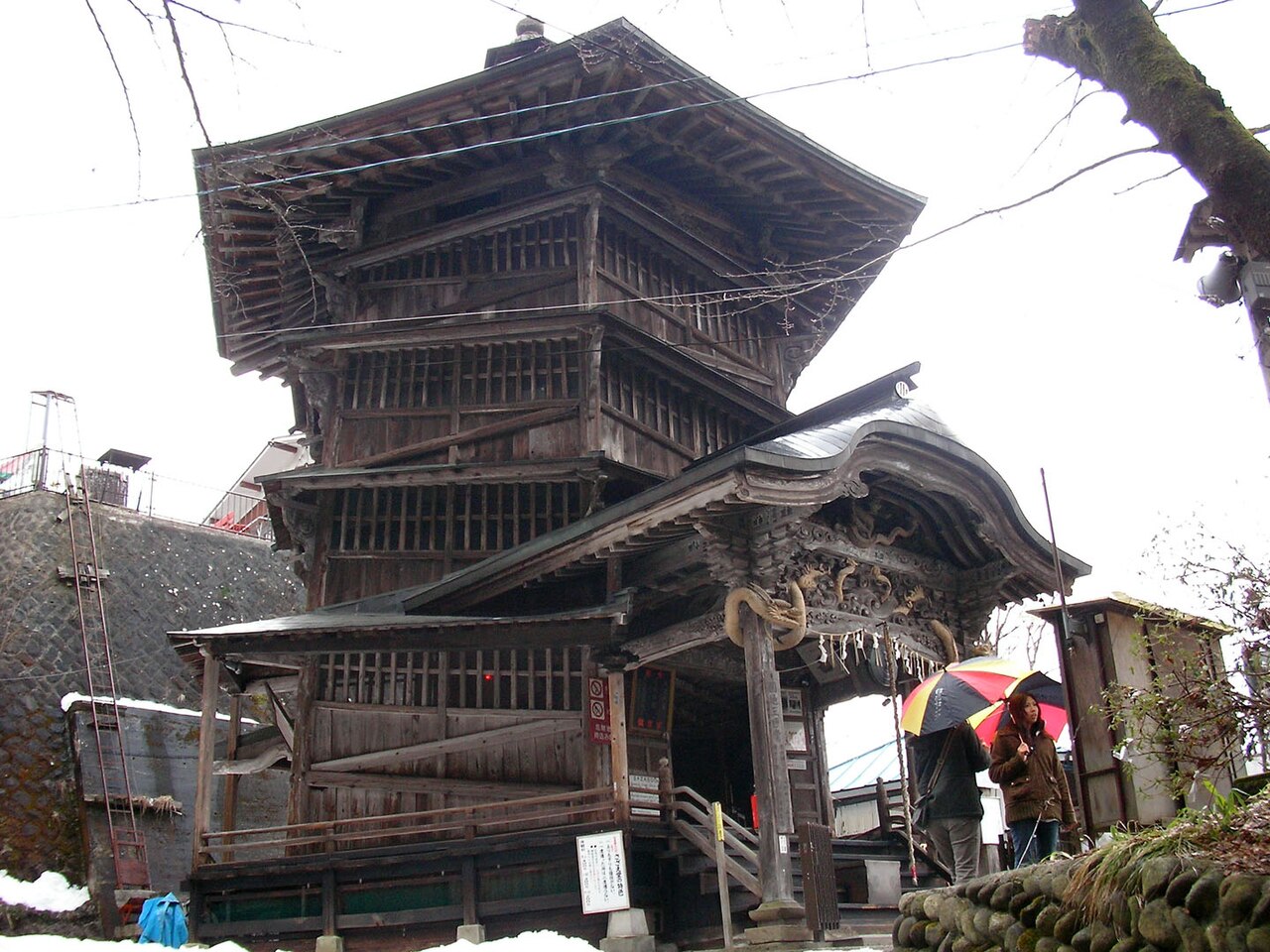
Aizuwakamatsu sits in the Aizu basin, a bowl of flatland ringed by mountains in the western part of Fukushima Prefecture, in the Tōhoku (northeastern) region of Japan’s main island. It is an inland place, not a coastal one — winters are long, snow is heavy, and that climate is not incidental to the textile. Dense, warm cotton was valued here precisely because the cold demanded it.
The town’s craft identity does not begin with cotton in isolation. It begins with a deliberate, lord-led industrial program.
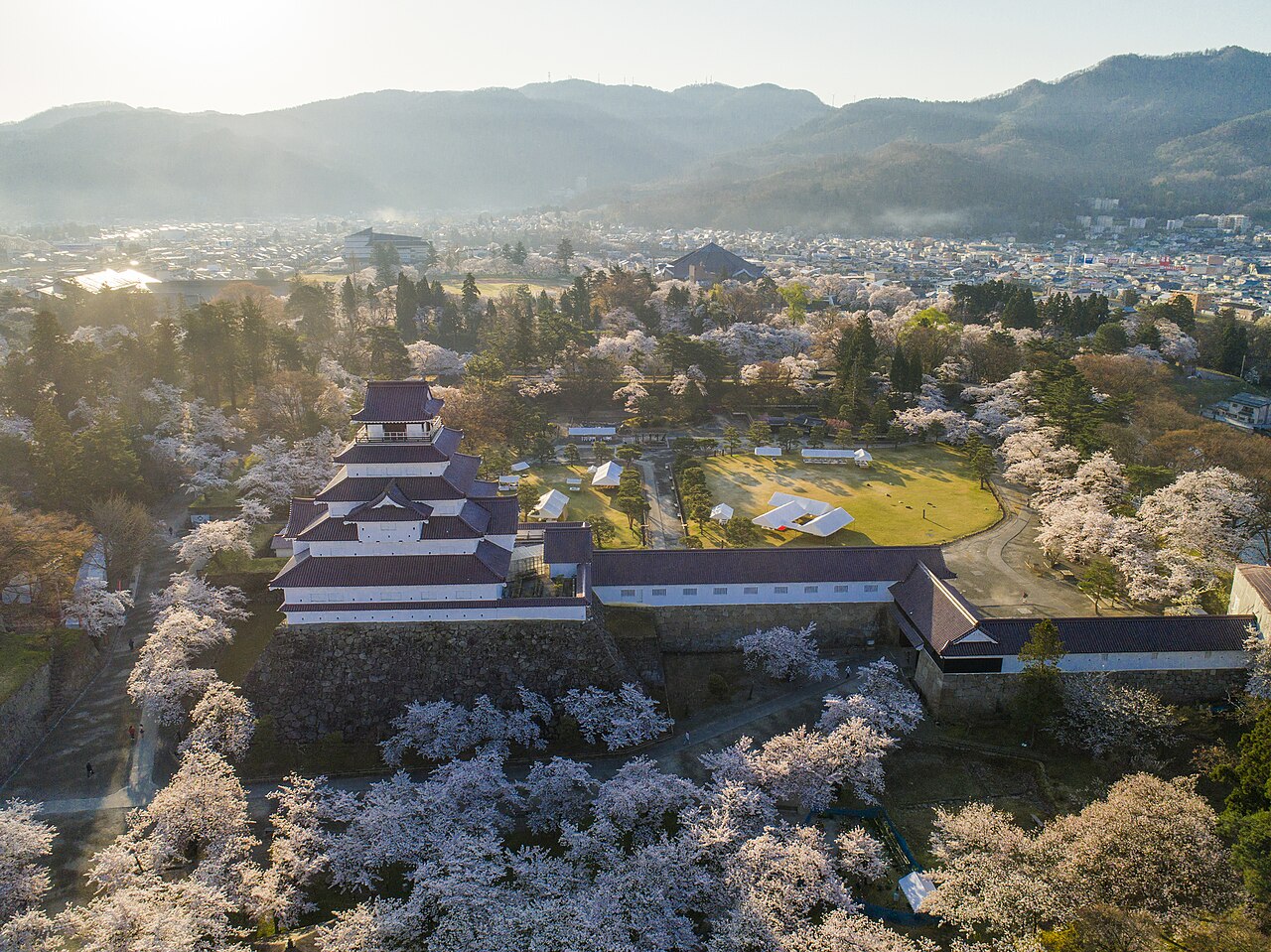
When the daimyo Gamo Ujisato (蒲生氏郷) entered Aizu in 1590, he brought with him a strategy for building a domain economy. He imported lacquer artisans from Ōmi-Hino — his home region — and seeded what became Aizu-nuri (会津塗), the local lacquerware tradition. He encouraged sake brewing. And cotton cultivation and weaving were part of that same push. This matters because it means Aizu Momen is not a craft that arrived by accident; it shares a single, continuous lineage with the region’s lacquer and sake industries, all traceable to one period of deliberate domain-building.
-
1590 — Gamo Ujisato enters Aizu as lord and begins building the domain economy. -
1590s — Lacquer artisans imported from Ōmi-Hino; cotton cultivation, weaving, and sake brewing seeded as domain industries. -
Edo period (1603–1868) — Thick, tightly woven striped cotton becomes prized everyday workwear (noragi) across the Aizu region. -
1700s–1800s — Vertical tate-jima stripes, often indigo-dyed, settle in as the region’s recognizable cloth. -
20th century — Demand collapses as cheap industrial textiles spread; most weaving houses close. -
2026 — A handful of houses, including Yamada Momen Ori Moto, still carry the tradition.
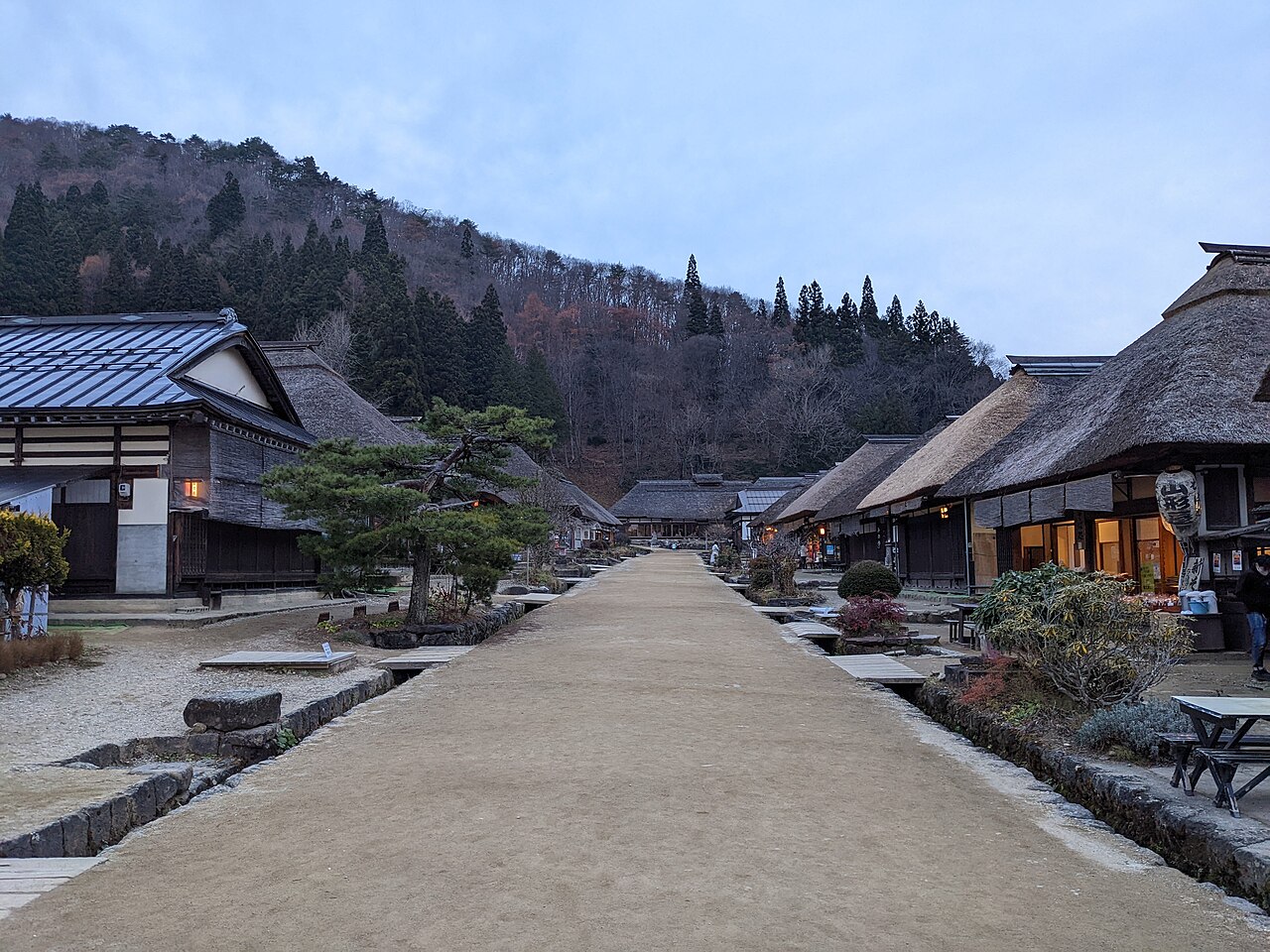
Through the Edo period (1603–1868), this thick, tightly woven plain-weave cloth was prized for what it could endure. Worn as noragi — farm and work clothing — it stood up to physical labor, and the dense weave held warmth through the Aizu winter. The vertical tate-jima stripe, frequently set against indigo, became the cloth’s signature look. It was useful before it was decorative, and the look followed from the use.
“Aizu Momen was never a luxury cloth. It earned its place by lasting — and the same density that protected a farmer from the cold is what makes it a good bag today.”
The twentieth century nearly ended the story. As cheap industrial textiles spread, demand for hand-woven regional cotton collapsed, and most of the weaving houses that had supplied the area shut down. What survives today is a small number of workshops — Yamada Momen Ori Moto among them — still weaving the cloth in the old striped style. The continuity is real but thin, which is part of why the cloth is worth paying attention to: every tote sold helps keep a four-century lineage running.
Price snapshot across stores
JPY (¥) is the authoritative price for the specific listed item. USD figures are approximate estimates at a ¥150/USD baseline (mid-2026). The fetched snapshot did not include a confirmed price, so the JPY value below is marked unconfirmed — verify at the retailer before buying.
| Store | Item / Variant | Price (JPY + USD est.) | Notes |
|---|---|---|---|
| 🇺🇸 Amazon US (search) | Browse Japanese cotton tote bags | varies (USD) | Best if you are shopping from the US — Prime shipping, USD pricing, no international customs. Amazon US carries a range of Japanese cotton totes and indigo textiles for comparison; the exact Yamada Momen piece is sourced from Japan (next row). |
| 🇯🇵 Amazon JP Global Store | Yamada Momen Aizu Momen striped tote (B0DT5DVRLF) | Unconfirmed — check listing | The sourced listing for the specific item. Ships internationally from Japan to most major destinations via the Global Store. |
| Maker direct | Yamada Momen workshop goods | Unconfirmed — check site | Weaving houses such as Yamada Momen Ori Moto sometimes sell directly; international shipping is not guaranteed. |
| Proxy services (Buyee / Tenso) | Forwarding for JP-only listings | Item price + service fee + forwarding | Useful when a listing does not ship to your country directly; adds a handling fee and an extra leg of shipping. |
What it does well
Weaknesses and things to verify before buying
- Price not confirmed in the snapshot. The fetched data returned only the listing identifier, not a price. Check the current figure on the listing before ordering.
- Dimensions and capacity unlisted here. Exact size and how much it holds were not in the fetched data — verify on the listing if you need it for a laptop or groceries.
- Indigo can bleed when new. Naturally dyed cotton may release some color in early washes; wash separately at first.
- It is soft woven cotton, not a structured bag. There is no rigid shape, padding, or waterproofing — not a fit for electronics protection or rain without a liner.
- No hardware or closures to assume. Do not expect zips, snaps, or interior pockets unless the listing states them.
- Gentle washing recommended. To protect the weave and dye, hand-wash or wash gently; aggressive machine cycles can stress the cloth.
- Limited supply. Only a handful of weaving houses remain, so specific stripes or stock may sell out and not be reordered immediately.
Conclusion — which buyer type are you?
Other ways to approach this purchase
🏆 Editor’s Pick
❓ Frequently Asked Questions
Does Amazon JP Global Store ship this tote internationally?
What is the price of the Yamada Momen tote?
How should I wash Aizu Momen cotton?
What makes Aizu Momen different from other Japanese cotton?
Is this a good gift?
Why does the Editor’s Pick show an Amazon US search button first?
jpmono.com is curated by a Japan-based editorial team (working out of Toyama in the Hokuriku region and Nara in Kansai) and is independent. We do not take payment from the makers we feature; income comes from affiliate links. We do not physically test every product — we read makers’ specs and source listings.
🤖 This article was prepared with AI assistance and reviewed against the source listing data. Facts are drawn from the maker’s description and available marketplace data; where data was incomplete (such as confirmed price and dimensions), this is stated explicitly rather than estimated.
Affiliate disclosure: jpmono.com may earn a commission on qualifying purchases made through links on this page, at no additional cost to you.