![Iwatsuki Edo Kimekomi Doll: Saitama’s Doll-Town Ningyo, Where to Buy [2026]](https://jpmono.com/wp-content/uploads/2026/06/iwatsuki-edo-kimekomi-doll-where-to-buy-2026-featured.jpg)
An Iwatsuki Edo Kimekomi doll (江戸木目込人形, Edo kimekomi ningyō) is a compact display figure whose silk and washi “clothing” is not sewn or draped at all. Instead, the pattern is tucked — kime-komi, “pressed into the seam” — along narrow grooves carved into a solid body of paulownia paste. The result is a small, sculptural ornament that holds its shape for generations, made in Iwatsuki, a district of Saitama City that has been Japan’s foremost doll-making town since the Edo period.
For an international reader, the appeal is twofold. The object is genuinely heirloom-grade craft — both Iwatsuki Ningyō and Edo Kimekomi Ningyō are nationally designated traditional crafts — yet it is also one of the more apartment-friendly pieces of Japanese folk art you can own: boxed, compact, and built to survive decades of seasonal display without the fragility of clothed dolls. The piece featured here is a Kakinuma Ningyō compact doll, with a paulownia-paste (tōso) body and textile pressed into hand-carved grooves.
This guide is for readers deciding whether a kimekomi doll fits their home and gift-giving needs, and where an overseas buyer can actually purchase one. We cover what the craft is, where it comes from, how it differs from the dressed dolls most people picture, the realistic shipping and pricing situation, and the specific caveats worth checking before you commit.
🔄 Updated:
⏱️ Read time: ~12 min

- Who this is for — and who should skip it
- Product overview (from published specs)
- Where this comes from — place, era, and the craft tradition
- Which finish should you choose?
- Price snapshot across stores
- What it does well
- Weaknesses and things to verify before buying
- Conclusion — which buyer type are you?
- Other ways to approach this purchase
- 🏆 Editor’s Pick
- ❓ Frequently Asked Questions
Who this is for — and who should skip it
- Want an authentic, nationally designated Japanese traditional craft that still fits a small shelf or genkan.
- Prefer a sculptural, low-maintenance ornament over a fragile clothed doll with loose fabric.
- Are buying a milestone or seasonal gift (birth, wedding, New Year, Hina-matsuri) and want something that lasts decades.
- Value the documented heritage of a specific maker and craft district, not generic “Japan souvenir” goods.
- Are comfortable buying from Amazon JP Global Store and verifying price and dimensions on the live listing.
- Want a poseable or playable doll — kimekomi dolls are fixed display ornaments, not toys.
- Need confirmed exact dimensions or a guaranteed price before ordering (the fetched data was thin; see below).
- Expect cheap mass-market pricing — designated-craft dolls are priced as heirloom objects.
- Live somewhere Amazon JP Global Store does not ship, and you are not willing to use a proxy forwarder.
- Dislike humid-climate care routines (washi and silk dislike direct sun and damp).
Product overview (from published specs)
Note on data: the fetched Amazon dataset for this specific item returned empty at the time of writing, so the table below is drawn from the craft’s published tradition and the spec brief rather than a live listing snapshot. Treat dimensions and price as unconfirmed and verify them on the listing before purchase.
Iwatsuki Edo Kimekomi Doll
新井人形店 だるま 江戸木目込人形 人形の街 岩槻からお届け 間口7.5cm×奥行7.5cm×高さ8cm コットンレッド DA-11
通常4~6週間以内に発送します。 · Sold by Amazon.co.jp · ASIN B0G4Q2HGK3
Price and availability as of 2026-08-31 02:30 JST. The Amazon listing at the time of purchase is authoritative. jpmono.com earns a commission on qualifying purchases at no extra cost to you.
| Attribute | Detail | Source |
|---|---|---|
| Item | Iwatsuki Edo Kimekomi compact doll (Kakinuma Ningyō) | Amazon JP Global Store listing (sourced) |
| Craft type | Edo Kimekomi Ningyō — nationally designated traditional craft | Maker / craft tradition |
| Body material | Tōso — paulownia (kiri) sawdust bound into a moldable paste | Craft tradition |
| Surface / “clothing” | Silk and washi textile tucked into hand-carved grooves (kimekomi) | Craft tradition |
| Origin | Iwatsuki, Saitama City, Saitama Prefecture (Kantō) | Craft district |
| Format | Compact boxed ornament (display, not poseable) | Spec brief |
| Dimensions / weight | Unconfirmed — check the live listing | Not in fetched data |
| ASIN (JP Global Store) | B0G4Q2HGK3 | Spec brief |
📖 Glossary — key terms in this article
- kimekomi (木目込み, “tucking into the grain”) — the technique of pressing fabric edges into grooves carved in a solid doll body, so no sewing is needed.
- tōso (桐塑) — a paste of paulownia (kiri) sawdust and binder, molded into the doll’s body.
- kiri (桐, paulownia) — a very light, dimensionally stable wood; its sawdust is the raw material for tōso.
- gofun (胡粉) — a white pigment ground from seashell, traditionally used for the doll’s complexion; clean water improves its finish.
- washi (和紙) — Japanese handmade paper, used here alongside silk for the tucked surfaces.
- ningyō (人形, “human form”) — the general Japanese word for doll or figure.
- Nikkō Kaidō (日光街道) — the Edo-era highway linking Edo (Tokyo) to Nikkō; Iwatsuki sat on this route.
- ishō ningyō (衣裳人形) — “costume dolls,” the alternative tradition where dolls wear actual sewn garments (contrast with kimekomi).
Where this comes from — place, era, and the craft tradition

Iwatsuki lies on the broad Kantō plain in southeastern Saitama Prefecture, a short ride north of central Tokyo. In the Edo period it grew as a castle town and a posting station on the Nikkō Kaidō, the highway that carried officials, pilgrims, and craftsmen between Edo (today’s Tokyo) and the great shrine complex at Nikkō. That position on the road is the reason a doll industry took root here rather than somewhere else.
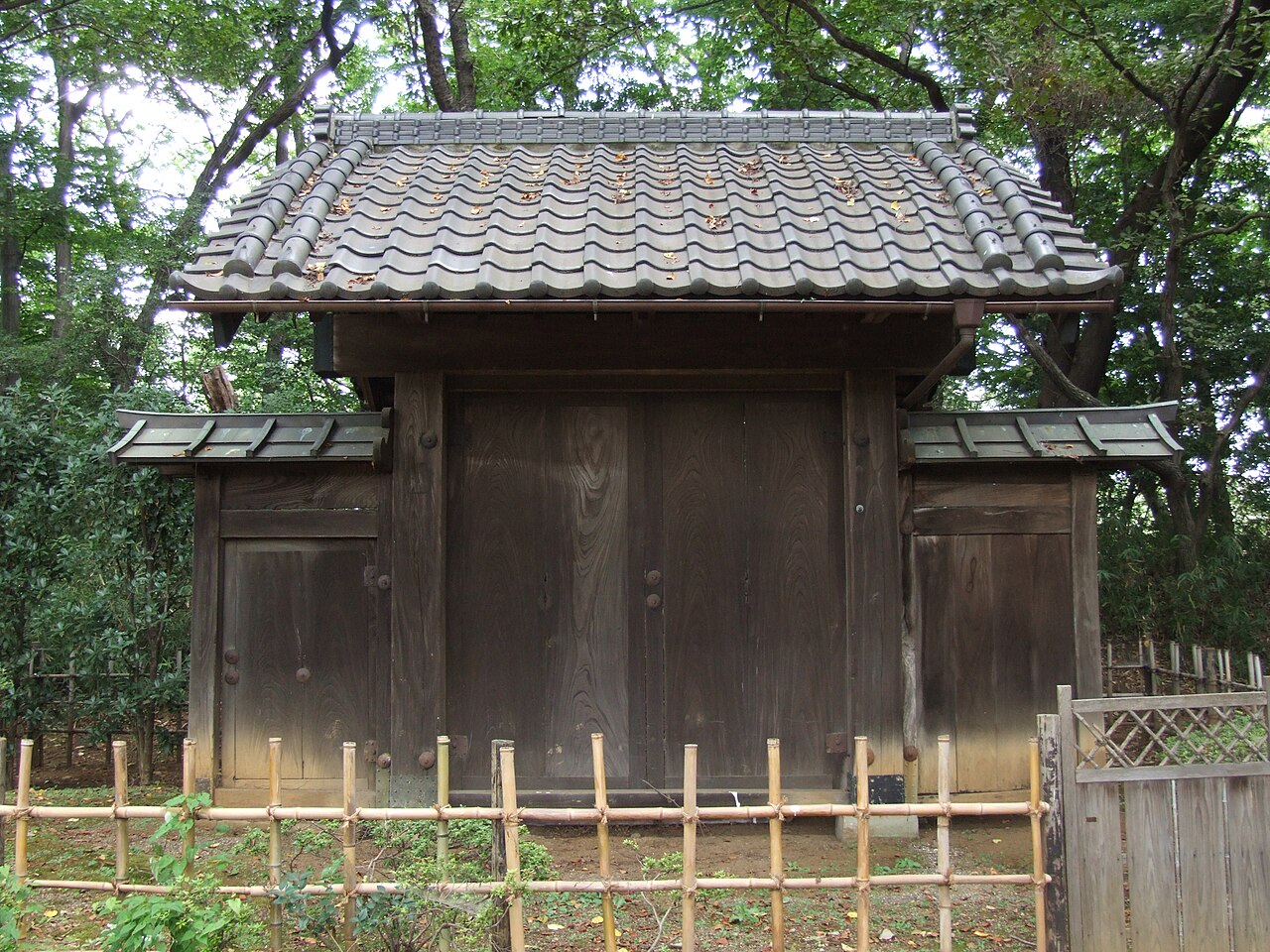
Tradition holds that the shrine-carpenters and lacquerers who worked on the construction of Nikkō Tōshōgū settled along the Nikkō Kaidō once the great works were done, and that some put down roots in Iwatsuki. Two local resources made the place ideal for doll bodies. The clean water of the Motoarakawa river suited the preparation of gofun, the shell-white pigment used for a doll’s complexion. And the nearby town of Kasukabe — long a center of paulownia woodworking — supplied abundant kiri (paulownia) sawdust, the raw material for tōso paste bodies.
“The doll’s garment is never sewn. It is carved away — and the silk is pressed into the absence.”
The kimekomi technique itself did not begin in Iwatsuki. It is traced to the Kamigamo Shrine in Kyoto around the 1740s, where a craftsman is said to have made small figures by tucking fabric scraps into slits cut in willow wood. The method then developed in Edo and in Iwatsuki, evolving into the refined Edo Kimekomi Ningyō recognized today: the pattern of the “clothing” is tucked (kime-komi) into fine grooves carved into the body before the silk or washi is pressed home, leaving crisp, permanent lines with no loose fabric.
- 1617 — Nikkō Tōshōgū is enshrined; shrine-carpenters and lacquerers travel the Nikkō Kaidō.
- c. 1740s — The kimekomi technique originates at Kamigamo Shrine, Kyoto.
- 18th century — Artisans settle Iwatsuki along the Nikkō Kaidō; doll-making takes root, fed by clean river water and Kasukabe paulownia.
- 19th century — Iwatsuki grows into Japan’s foremost doll-producing town.
- 20th century — Iwatsuki Ningyō and Edo Kimekomi Ningyō are recognized as nationally designated traditional crafts.
- 2005 — Iwatsuki becomes part of Saitama City; the district later opens a dedicated doll museum.
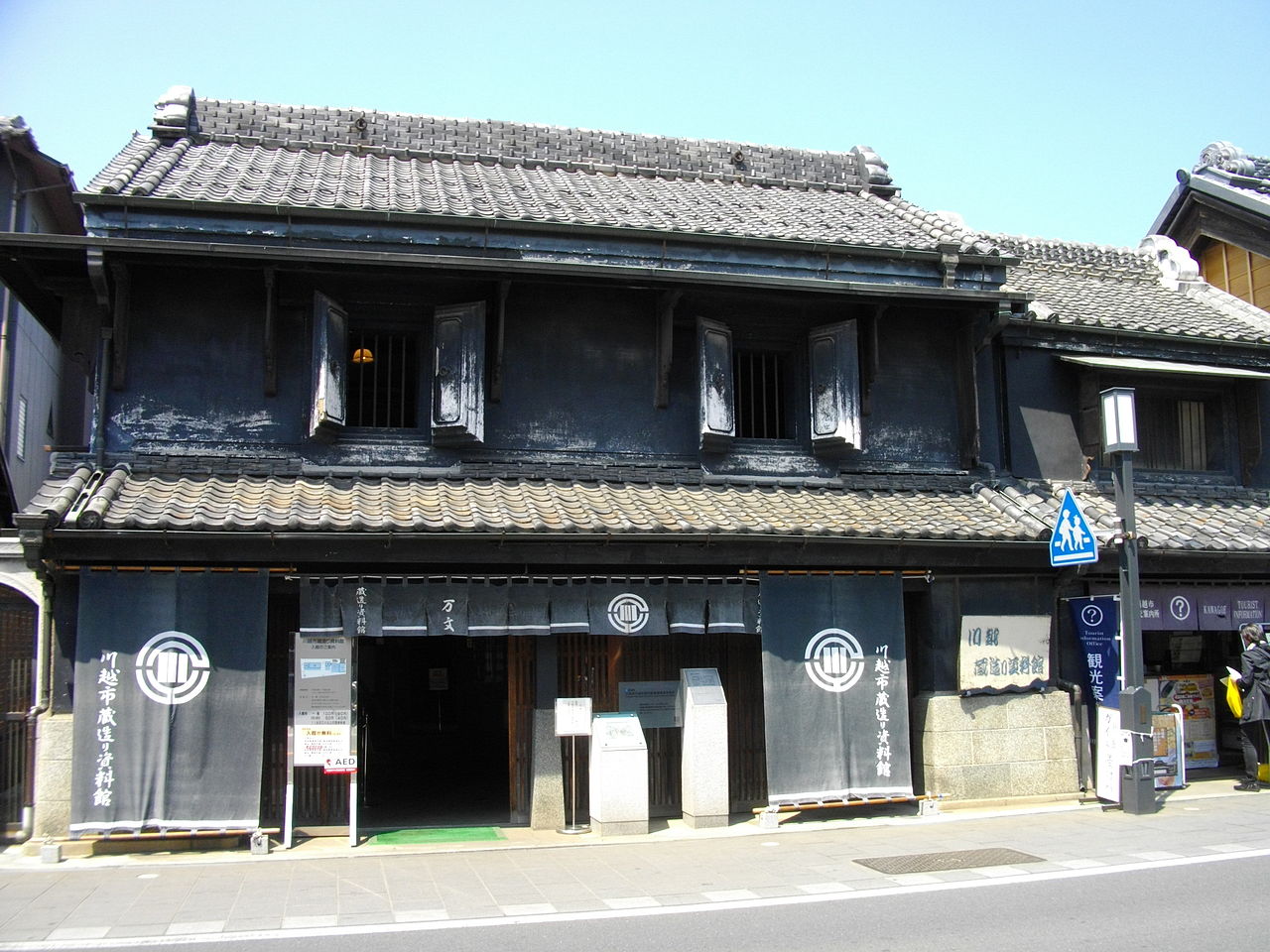
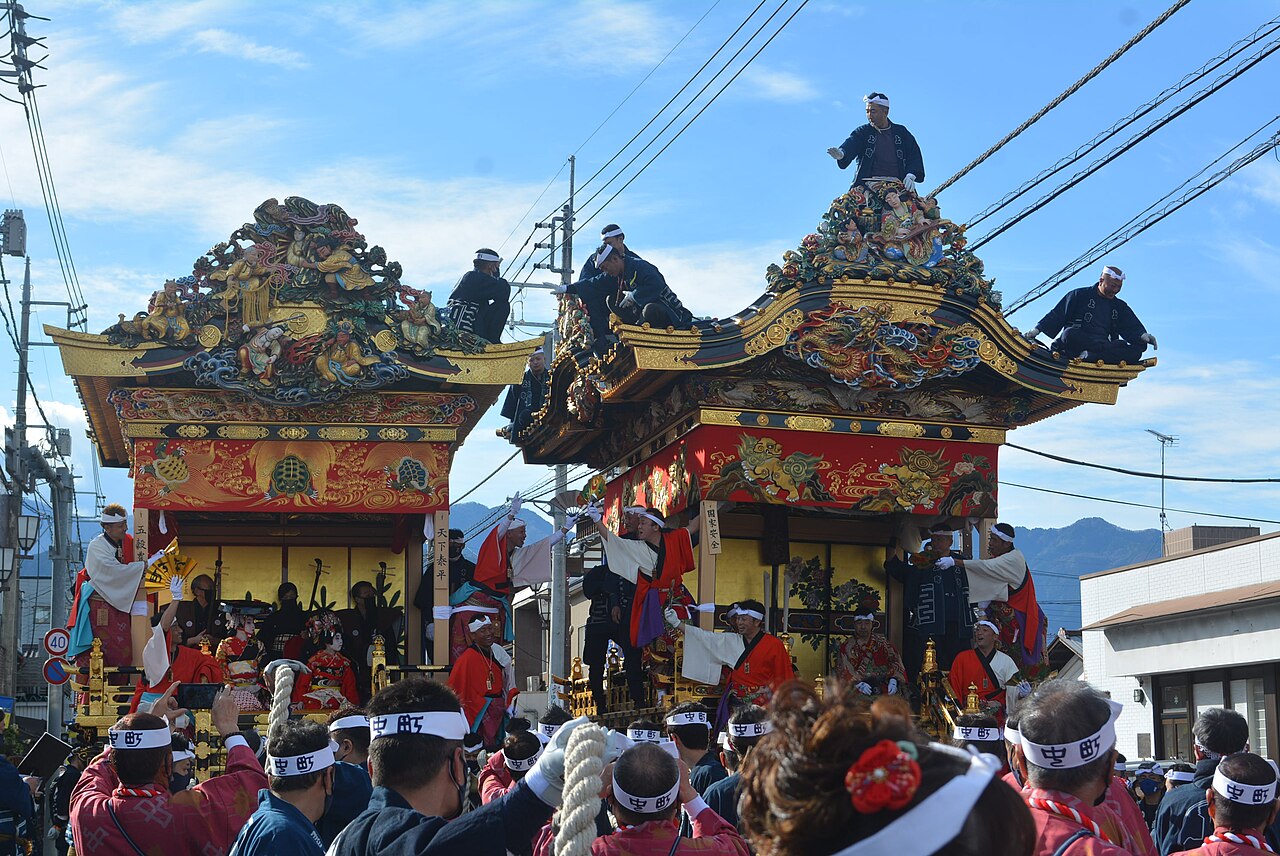
Dolls in this tradition were never only decorative. Festive ningyō are bound up with seasonal and ceremonial life — Hina-matsuri (the Doll’s Festival) in early spring, gifts marking a birth, displays set out for the New Year — and with the shrine culture of the wider region. They are objects made to be brought out, looked at, and put away again, year after year.
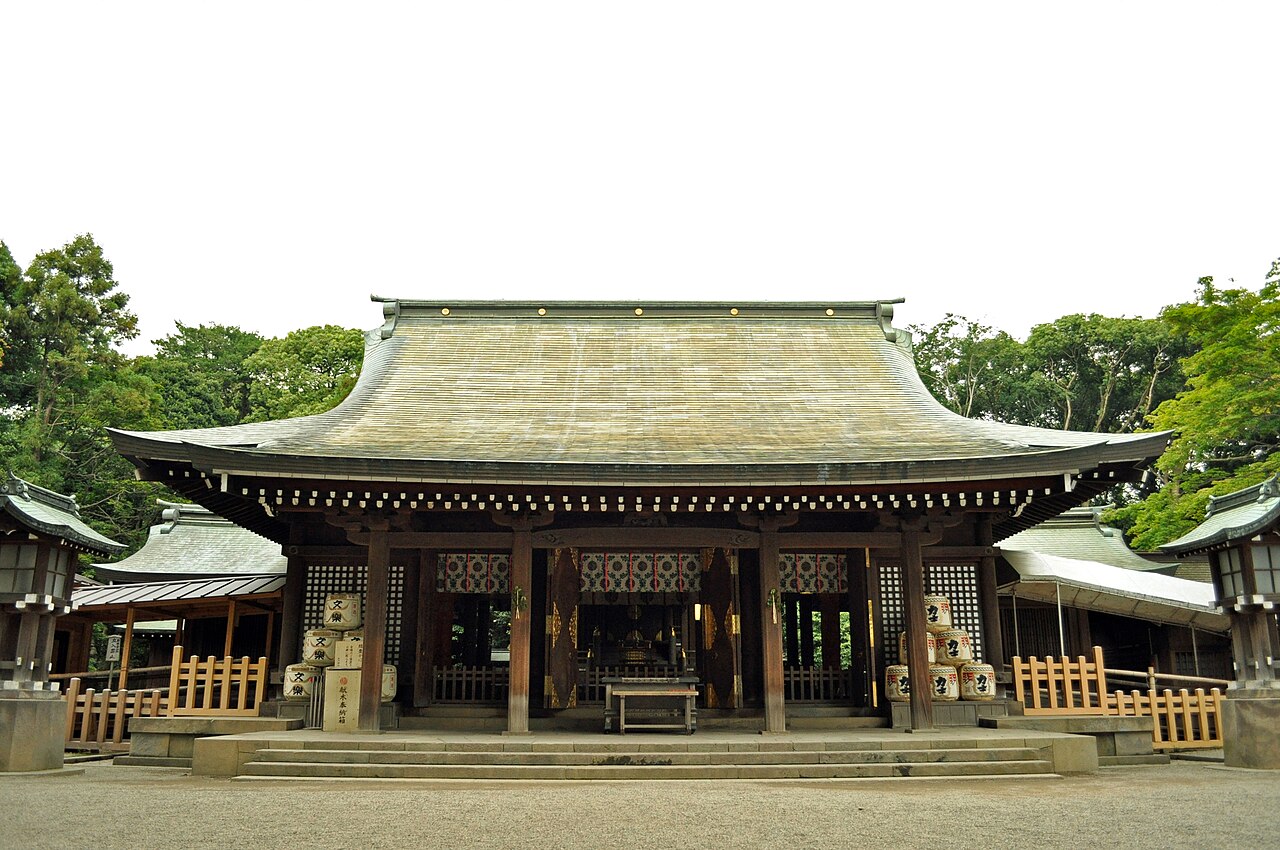
What “still made here” means is concrete: Iwatsuki remains an active doll district with working ateliers, a designation-protected craft, and its own museum devoted to the tradition. The piece in this guide comes from Kakinuma Ningyō, one of the Iwatsuki makers working in the Edo Kimekomi line. The technique you are buying is, in its essentials, the one documented since the Edo period.
Which finish should you choose?
This piece is listed in 6 finishes. The photos below are the actual 色 options on the listing right now — pick the one you want and confirm it on the product page before ordering, since hand-finished wares vary slightly piece to piece.
![Iwatsuki Edo Kimekomi Doll: Saitama's Doll-Town Ningyo, Where to Buy [2026] — チリメンブルー finish](https://m.media-amazon.com/images/I/51RkER4uWqL._SL500_.jpg)
![Iwatsuki Edo Kimekomi Doll: Saitama's Doll-Town Ningyo, Where to Buy [2026] — コットンブラック finish](https://m.media-amazon.com/images/I/41IRE0VItnL._SL500_.jpg)
![Iwatsuki Edo Kimekomi Doll: Saitama's Doll-Town Ningyo, Where to Buy [2026] — チリメンパープル finish](https://m.media-amazon.com/images/I/41y-0nSNoYL._SL500_.jpg)
![Iwatsuki Edo Kimekomi Doll: Saitama's Doll-Town Ningyo, Where to Buy [2026] — チリメンピンク finish](https://m.media-amazon.com/images/I/51PO2hoYNNL._SL500_.jpg)
![Iwatsuki Edo Kimekomi Doll: Saitama's Doll-Town Ningyo, Where to Buy [2026] — チリメンレッド finish](https://m.media-amazon.com/images/I/51FqI9fsNhL._SL500_.jpg)
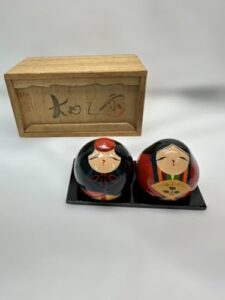 Ouchi-nuri lacquer dollsAnother Japanese figurative craft — compare lacquered folk dolls with kimekomi.
 Chichibu Meisen (Saitama)A fellow Saitama craft — silk weaving from the same prefecture.
Kiryu-ori silk (Kantō)Kantō-region silk weaving — the textile world behind doll garments.
 Aizu painted candlesAnother seasonal, ceremonial Japanese craft for display occasions.
 Gifu Chochin washi lanternA washi-based display craft — paper handling and seasonal use overlap.
 Boshu uchiwa fan (Kantō)A neighboring Kantō folk craft pairing bamboo and washi.
 Edo Kiriko glass (Tokyo)An Edo-lineage designated craft from the neighboring Tokyo tradition.
Tendo shogi piecesAnother compact, heirloom-grade Japanese craft object for gifting.
Price snapshot across stores
Pricing note: no live price was captured in the fetched data for this item. The JPY price is the authoritative figure for the specific listed doll; verify it on the JP Global Store listing before ordering. USD figures elsewhere on jpmono are approximate estimates at a ¥150/USD baseline.
| Store | Item / variant | Price (JPY + USD est.) | Notes |
|---|---|---|---|
| 🇺🇸 Amazon US (search) | Browse Japanese kimekomi & display dolls | varies (USD) | Best if you are shopping from the US — Prime shipping, USD pricing, no international customs. Amazon US carries Japanese display dolls and kokeshi from various makers; this specific Iwatsuki piece is sourced from Japan (next row). |
| 🇯🇵 Amazon JP Global Store | Kakinuma Ningyō Iwatsuki Edo Kimekomi compact doll (ASIN B0G4Q2HGK3) | Price unavailable at time of writing — verify on listing | The sourced listing for the exact item. Ships internationally from Japan to most major destinations. |
| Maker direct | Kakinuma Ningyō / Iwatsuki ateliers | Unconfirmed | Some Iwatsuki makers sell direct but may not ship overseas; check site for English support. |
| Proxy services (Buyee / Tenso) | Forwarding from any JP retailer | Item price + forwarding fee | Useful if a listing does not ship to your country directly; adds a service fee and a consolidation step. |
What it does well
Weaknesses and things to verify before buying
- Dimensions are unconfirmed. The fetched data did not include exact size or weight. A “compact” doll can still be larger or smaller than you expect — check the listing photos and measurements.
- Price was not captured. No live price was available at the time of writing. Designated-craft dolls are priced as heirloom objects, so confirm the figure before ordering.
- It is a display piece, not a toy. The fabric is fixed and the body is rigid; it is not poseable and not suitable for young children to handle.
- Humidity and light sensitivity. Silk and washi fade in direct sun and dislike damp. Keep it out of strong light and humid spots, and store it dry.
- International shipping varies. Amazon JP Global Store ships many items abroad, but coverage and cost differ by country; some destinations may need a proxy forwarder.
- Customs and duties. Orders above your local de minimis threshold may incur import duty or tax on arrival — budget for this beyond the item price.
- Maker/variant confirmation. “Kimekomi doll” covers many figures (Hina, warrior, zodiac, folk motifs). Confirm the exact figure on the listing matches what you want.
Conclusion — which buyer type are you?
Other ways to approach this purchase
🏆 Editor’s Pick
❓ Frequently Asked Questions
What exactly is an Iwatsuki Edo Kimekomi doll?
It is a display doll whose silk or washi “clothing” is tucked into grooves carved in a solid paulownia-paste body, rather than sewn. The technique is called kimekomi, and Iwatsuki, in Saitama City, is Japan’s foremost doll-making district.
Does Amazon JP ship this doll internationally?
Amazon JP Global Store ships many items to most major destinations, but coverage and cost vary by country. If a listing does not ship to yours, a proxy forwarder such as Buyee or Tenso can forward it. Customs duty may apply above your local threshold.
How do I care for and display it?
Keep it out of direct sunlight and away from humidity, since silk and washi fade and dislike damp. Dust gently and store it dry between display seasons. It is a fixed ornament, so it does not need handling beyond placement.
Is it a good gift?
Yes — it is light, compact, and durable, with documented craft heritage, which makes it well suited to milestone and seasonal gifting such as a birth, the New Year, or Hina-matsuri. Confirm the specific figure and price on the listing first.
How is kimekomi different from a clothed (ishō) doll?
A clothed (ishō) doll wears actual sewn garments, while a kimekomi doll has its fabric pattern pressed into carved grooves on a rigid body. Kimekomi pieces hold crisp, permanent lines and tend to be more compact and durable.
Why is the price not shown, and how do I check it?
The fetched dataset for this item returned empty, so no live price or exact dimensions were available at the time of writing. Open the Amazon JP Global Store listing linked above to see the current JPY price, which is the authoritative figure for this specific doll.
jpmono.com is curated by a Japan-based editorial team working out of Toyama, in the Hokuriku region, and Nara, in Kansai, and is independent. We do not take payment from the makers we feature; income comes from affiliate links. We read maker specs and source listings rather than physically testing every product.
Editorial note: this article was prepared with AI assistance and reviewed against the source listing data. Specifications, pricing, and availability should be verified on the retailer’s page before purchase.
Affiliate disclosure: jpmono.com may earn a commission on qualifying purchases made through links on this page, at no additional cost to you.