![Murakami Kibori Tsuishu Carved Vermilion Lacquer Plate Guide [2026]](https://jpmono.com/wp-content/uploads/2026/06/murakami-kibori-tsuishu-carved-lacquer-plate-where-to-buy-2026-featured.jpg)
Murakami Kibori Tsuishu (村上木彫堆朱, “Murakami carved heaped-vermilion lacquer”) is a carved-lacquer ware from Murakami, a small castle town on the northern coast of Niigata Prefecture. A piece like this one starts not with lacquer but with a knife: zelkova or ginkgo wood is cut in deep relief — peonies, chrysanthemums, scrolling Chinese arabesque — and only then are many coats of vermilion urushi built up over the carving and polished back. The carving is the point, and the lacquer follows it.
That order of operations is what sets Murakami apart from better-known carved lacquers. Kamakura-bori, the craft most international buyers reach for first, finishes thin so the carved wood reads through a shallow coat. Murakami goes the other way — it heaps vermilion into and over the relief, so the surface is glossy, deep, and unmistakably red. The result is a confectionery plate (kashizara, 菓子皿) that works as a tea-ceremony sweets dish, a small serving tray, or simply an object that sits on a shelf and catches light.
This guide is a level-headed look at one specific listing — a deep peony/chrysanthemum kashizara — and at where an international buyer can actually obtain it. We cover what the craft is, who in Murakami still makes it, how it compares to other Japanese lacquers we have written about, and the honest caveats: thin published data, real-lacquer care requirements, and pricing that we could not confirm at the time of writing.
🔄 Updated:
⏱️ Read time: ~10 min

- Who this is for — and who should skip it
- Product overview (from published specs)
- Where this comes from
- Price snapshot across stores
- What it does well
- Weaknesses and things to verify before buying
- Conclusion — which buyer type are you?
- Other ways to approach this purchase
- 🏆 Editor’s Pick
- ❓ Frequently Asked Questions
Who this is for — and who should skip it
- Want a genuine designated traditional craft, not a printed or molded imitation
- Appreciate carving as the main event and lacquer as the finish
- Are buying a tea-ceremony sweets dish or a small accent serving piece
- Are comfortable hand-washing real urushi and keeping it out of dishwashers
- Like vermilion red as a deliberate, high-contrast color choice
- Want a thin, wood-toned carved-lacquer look — that is Kamakura-bori, not this
- Need dishwasher- and microwave-safe everyday tableware
- Are price-sensitive and want a confirmed figure before committing
- Prefer subdued or neutral palettes over bright vermilion
- Need fast, low-cost domestic-US shipping with no import wait
Product overview (from published specs)
Published data for this exact listing is thin. Only an Amazon JP Global Store snapshot was available at the time of writing, and it did not include a confirmed live price, weight, or precise dimensions. The table below records what the listing and the craft definition support; unconfirmed fields are marked rather than guessed.
Murakami Kibori Tsuishu Carved Vermilion Lacquer Plate Guide
村上木彫堆朱 菓子皿
通常6~7日以内に発送します。 · Sold by ハッピードア · ASIN B0GQMXN61M
Price and availability as of 2026-08-31 02:30 JST. The Amazon listing at the time of purchase is authoritative. jpmono.com earns a commission on qualifying purchases at no extra cost to you.
| Attribute | Detail (per listing / craft definition) |
|---|---|
| Craft | Murakami Kibori Tsuishu (carved heaped-vermilion lacquer) |
| Item type | Kashizara — confectionery / sweets plate |
| Base wood | Zelkova (keyaki) or ginkgo (ichō), carved in deep relief |
| Finish | Vermilion urushi, multiple coats heaped over the carving, then polished |
| Motif | Peony, chrysanthemum, and Chinese arabesque relief |
| Origin | Murakami, Iwafune district, northern Niigata Prefecture |
| Designation | METI-designated traditional craft (1955 / 1976) |
| Dimensions / weight | Unconfirmed — check the live listing before buying |
| Reference ID | ASIN B0GQMXN61M (Amazon JP Global Store) |
Source basis: Amazon US search (primary, moonill-20) + Amazon JP Global Store (secondary, moonill-22, sourced listing) + maker-tradition definition. Only the Amazon JP listing snapshot was available; live pricing may have shifted since the writing date.
📖 Glossary — key terms
Tsuishu (堆朱, “heaped vermilion”) — a carved-lacquer technique in which many coats of vermilion (red) urushi are built up, traditionally so the lacquer itself could be carved; in Murakami the wood is carved first and the vermilion is heaped over it.
Kibori (木彫り, “wood carving”) — the relief carving of the wooden base that defines this craft. Here it precedes the lacquer rather than following it.
Urushi (漆) — the sap of the lacquer tree, refined into a natural finish that hardens through humidity. It is the same material across all Japanese lacquerware.
Kashizara (菓子皿) — a plate for confectionery, especially the small sweets (wagashi) served alongside matcha in the tea ceremony.
Keyaki (欅) / ichō (銀杏) — zelkova and ginkgo, the close-grained woods favored for the carved base.
Kamakura-bori (鎌倉彫) — a related carved lacquer from Kamakura, finished thin so the carved wood shows through. Often confused with Murakami’s heaped, glossy vermilion.
Related guides on jpmono.com — other Niigata makers, other lacquer regions, and other carved- or decorated-lacquer techniques worth weighing against Murakami tsuishu.
Niigata metal: Tsubame flatware
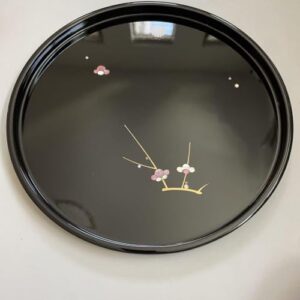 Hokuriku lacquer: Takaoka raden box
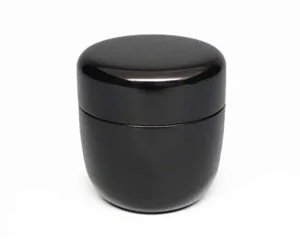 Carved-decor lacquer: Sanuki kinma
 Decorative lacquer: Nagasaki maki-e
Lacquer compare: Wajima nuri
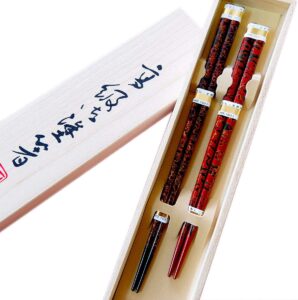 Tohoku lacquer: Tsugaru-nuri chopsticks
Where this comes from

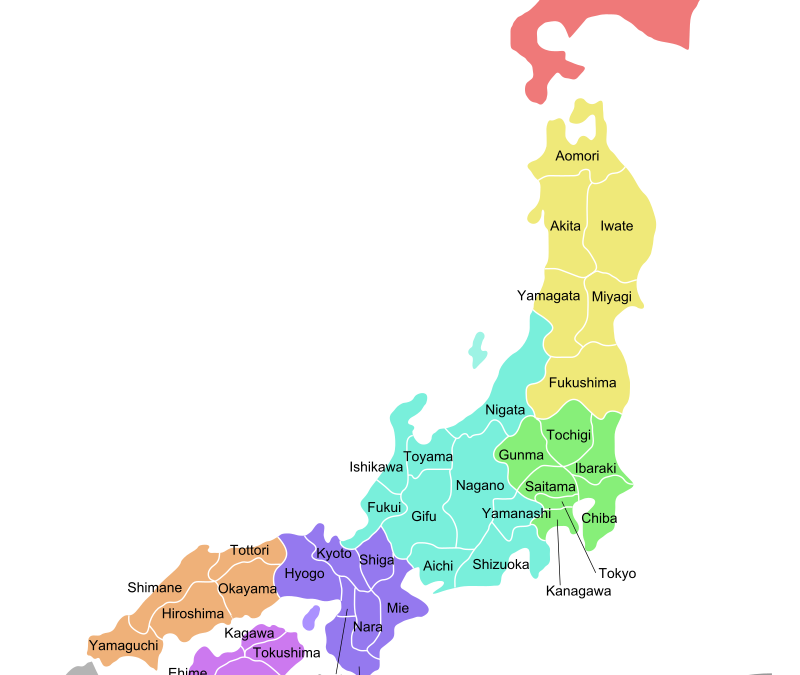
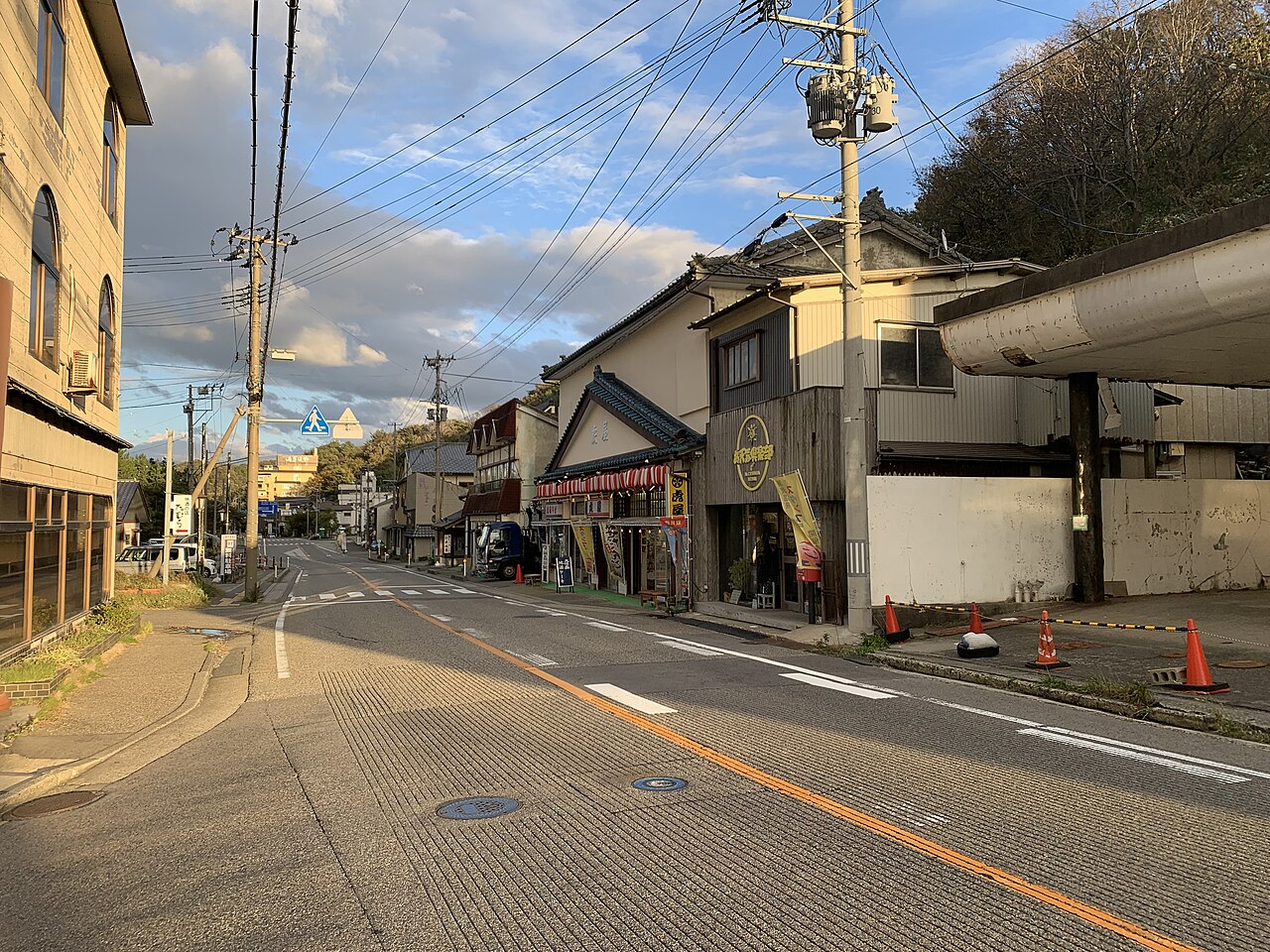
Murakami sits at the northern edge of Niigata Prefecture, on the Sea of Japan coast of the Chūbu region. It is a small, compact city: a castle hill, a grid of old merchant and samurai streets below it, the Miomote River running through, and a rugged shoreline stretching north toward the Yamagata border. The climate is the snow-country climate of the Japan-Sea coast — long, wet winters that historically pushed households toward indoor, off-season handwork. Murakami is also one of Japan’s notable urushi (lacquer-tree) producing areas, which means the raw finish for this craft was, for centuries, a local resource rather than an import.
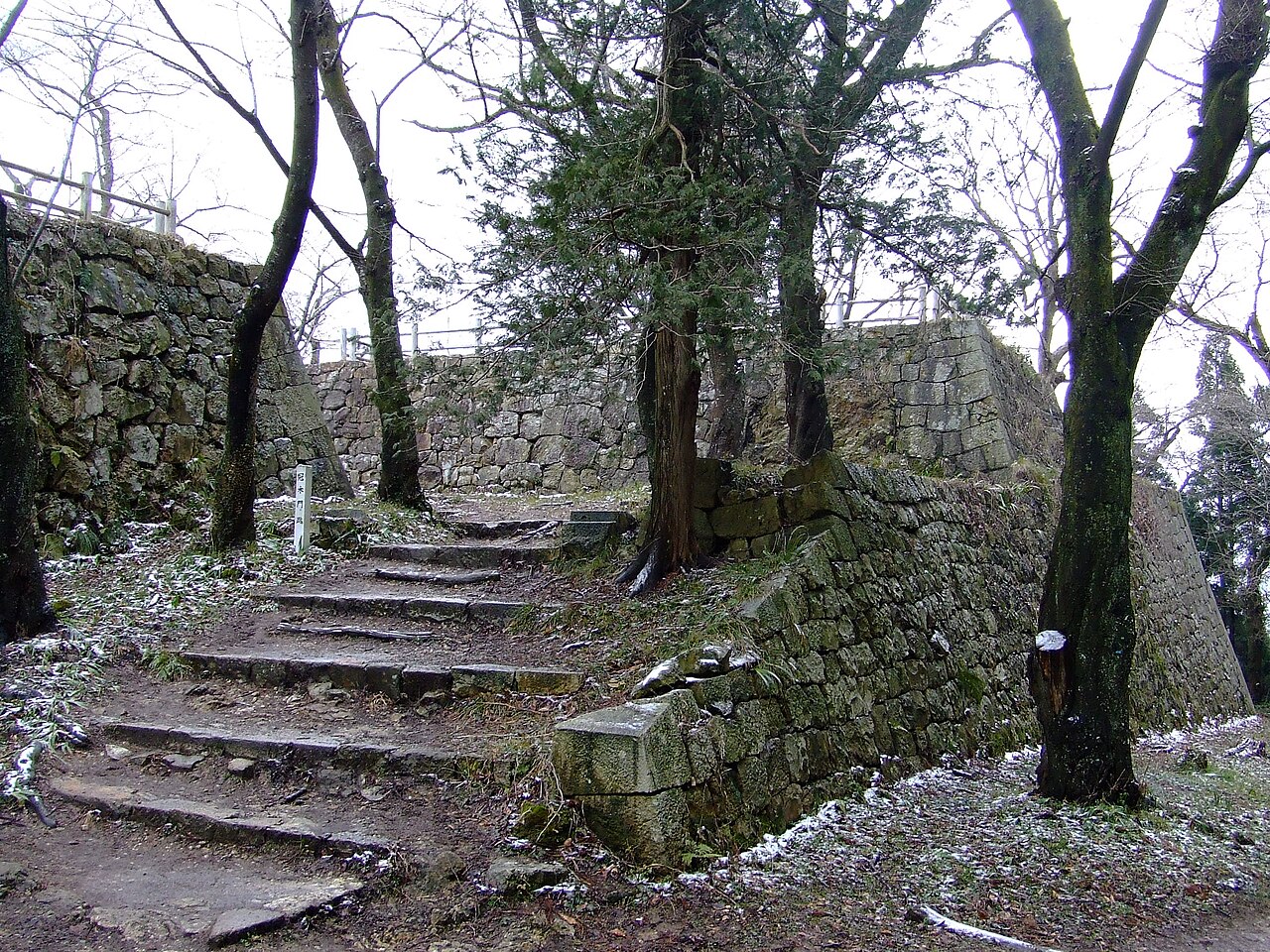
The historical anchor is the castle town. Murakami was the seat of the Murakami domain, governed in the Edo period by the Naitō clan, and the carved-lacquer trade grew up partly as a samurai-class side occupation — a respectable way for low-stipend warrior households to earn income through the long winters. The carving skill itself had arrived earlier: relief-carving and temple-decoration techniques reached the region with Heian- and Kamakura-period Buddhist architecture, and over the Edo period they matured into the heaped-vermilion tsuishu finish that defines Murakami today. The craft was recognized nationally in the mid-20th century and formally designated a traditional craft by Japan’s Ministry of Economy, Trade and Industry (METI).
- 794–1333 — Heian–Kamakura periods: relief-carving and temple-decoration skills reach the region with Buddhist architecture.
- Edo period — Murakami develops as the castle town of the Naitō clan; carved lacquer takes hold as a samurai-class off-season trade.
- Edo period — The technique matures into tsuishu (heaped vermilion), aided by Murakami’s local urushi production.
- 1955 — Early national recognition of the Murakami carved-lacquer craft.
- 1976 — Designated a Traditional Craft by METI.
- 2026 — Still carved and lacquered in Murakami workshops, sold through specialist shops and online listings.
“Where Kamakura-bori lets a thin coat reveal the wood, Murakami heaps the vermilion over the carving — the relief is felt under a deep, glossy red rather than seen through it.”
The continuity case is the snow-country case. The same conditions that once made winter handwork attractive — a coastal town with limited farmland, a local supply of lacquer, and a samurai class with time and discipline — kept the craft alive in a way that purely commercial centers did not. Murakami remains a working district for carved lacquer, with the deep-relief carving and the heaped-vermilion finish still done largely by hand.
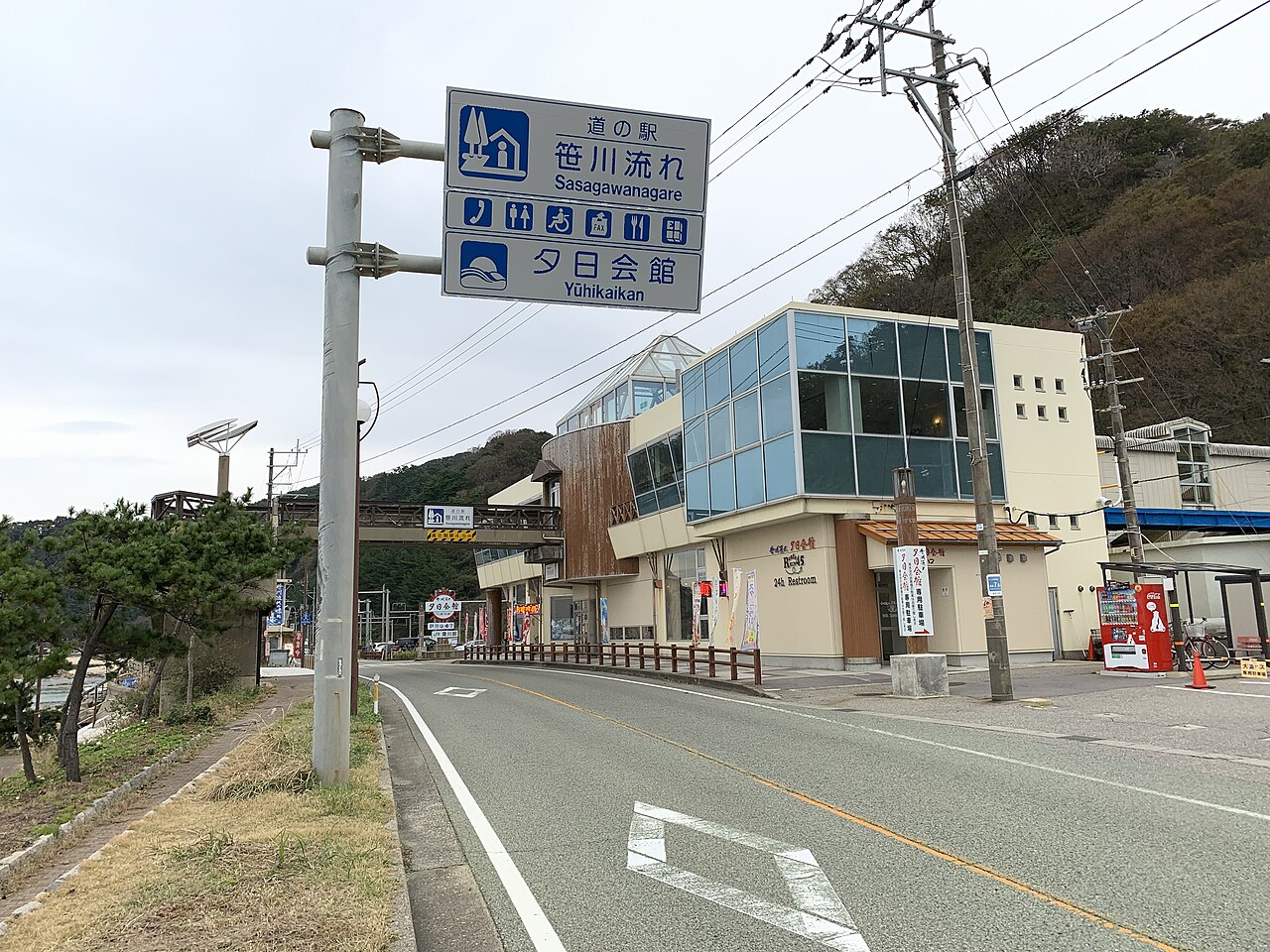
The culinary and cultural surroundings explain why a kashizara is a natural product here. Murakami is salmon country — the Miomote River salmon and the town’s salt-cured, air-dried preparations are a regional identity, and the town also sits near the northern limit of Japanese tea cultivation, producing its own Murakami-cha. A confectionery plate that holds wagashi beside a cup of local tea is not a tourist conceit; it is the everyday context the object was shaped for.
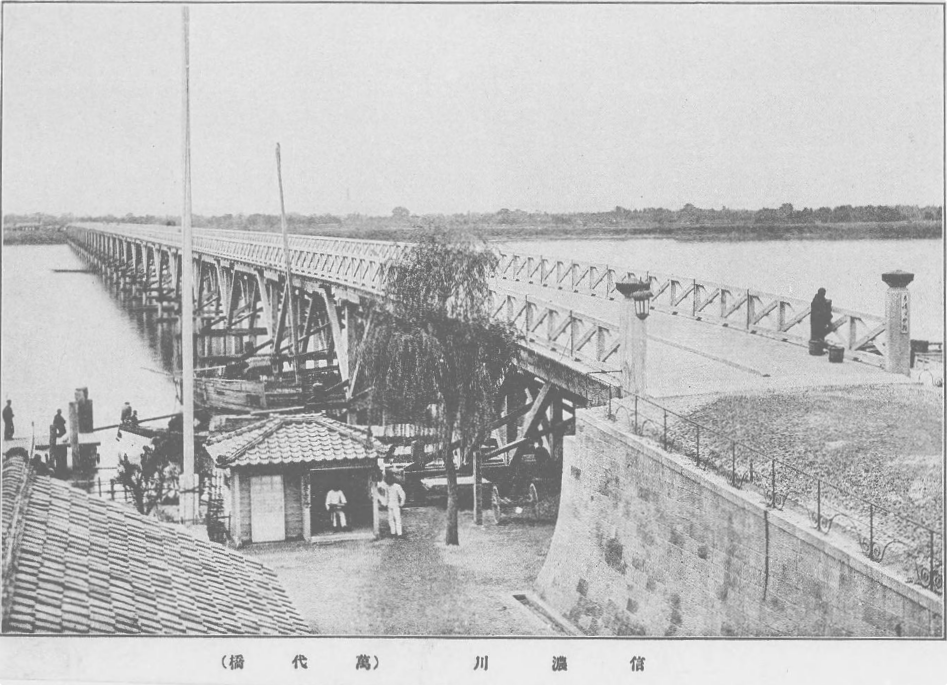
Murakami’s crafts do not exist in isolation. The town is the northern gateway of Echigo — the old name for Niigata — and its carved lacquer belongs to a wider prefectural craft economy that runs south through the metalworking towns of Tsubame-Sanjō and the rice plains of the Shinano basin to Niigata City on the coast.
Price snapshot across stores
Live pricing was unavailable for this listing at the time of writing, so the figures below are intentionally left open. The JPY price on the Amazon JP Global Store listing is the authoritative figure for the specific item; USD figures elsewhere on the site are approximate estimates at a ¥150/USD baseline.
| Store | Item / Variant | Price | Notes |
|---|---|---|---|
| 🇺🇸 Amazon.com (US) | Browse Japanese lacquerware & carved plates | varies (USD) | Best if you are shopping from the US — Prime shipping, USD pricing, no international customs. Amazon US carries Japanese lacquer and carved-wood tableware from various makers, useful for comparing style and price tiers. This exact Murakami kashizara is sourced from Japan (next row). |
| 🇯🇵 Amazon JP Global Store | This Murakami Kibori Tsuishu kashizara (B0GQMXN61M) | Price varies — check listing (JPY authoritative) | Ships internationally from Japan. This is the sourced listing for the specific item; confirm the live JPY price before ordering. |
| Maker direct | Murakami carved-lacquer workshops | — | Murakami’s specialist shops and the local craft association sell carved lacquer directly; most do not ship internationally, but it is the route for bespoke or larger pieces. |
| Proxy services (Buyee / Tenso) | Japan-only listings forwarded abroad | item price + fee + forwarding | Use when a piece appears only on a Japan-domestic marketplace. Adds a service fee and a second shipping leg, but opens access to listings the Global Store does not carry. |
Prices in USD are approximate and depend on the current exchange rate. Only the Amazon JP listing snapshot was available; live pricing may have shifted since the writing date.
What it does well
The relief is cut into solid wood, not pressed or printed, so the peony and chrysanthemum motifs have real depth under the hand.
Many coats of heaped urushi give a glossy, saturated red that reads as a deliberate design statement rather than a stain.
A METI-designated craft with a documented lineage in Murakami — a verifiable heritage rather than a marketing claim.
As a kashizara it suits tea-ceremony sweets, a small accent serving piece, or a display object that works equally well empty.
Weaknesses and things to verify before buying
- No confirmed price. The available listing snapshot did not include a verified live price. Treat any figure you see as provisional and confirm at the retailer before ordering.
- Dimensions and weight unconfirmed. Plate diameter, depth, and weight were not in the published data. If size matters for your use (tea service vs. display), verify on the live listing.
- Real urushi requires care. Natural lacquer is not dishwasher-, microwave-, or oven-safe, and prolonged soaking or direct sunlight can damage it. Hand-wash and dry promptly.
- It is vermilion, and it is glossy. This is not the muted, wood-toned look of thin Kamakura-bori. If you wanted that, this is the wrong craft.
- International shipping adds time and cost. The specific item is sourced from the Amazon JP Global Store; expect longer transit and possible customs duties depending on your destination.
- Lacquer sensitivity. A small number of people react to urushi; new pieces should be aired and wiped before food use, and anyone with a known lacquer sensitivity should be cautious.
Conclusion — which buyer type are you?
You want a designated traditional craft as a statement gift or heirloom object. The hand-carving and heaped vermilion are exactly the value you are paying for.
You like the look and will use it for sweets or as an accent piece. Confirm size and price on the live listing, then buy with realistic care expectations.
A genuine carved-lacquer piece is not a budget item. Consider a simpler lacquer plate, or watch listings for a smaller size, rather than expecting a low price here.
You need dishwasher-safe everyday tableware, a neutral palette, or fast domestic shipping. This piece will frustrate you on all three counts.
Other ways to approach this purchase
Craft listings move slowly, but seasonal gift periods sometimes bring small discounts or bundled offers. Watching the listing costs nothing.
Vintage Murakami pieces appear on Japanese secondhand markets. Lacquer ages well, but inspect for cracks and check the relief is intact.
If you buy through Amazon regularly, card or platform points can offset the international-shipping premium on a single higher-value craft purchase.
If the care requirements or the vermilion look do not suit you, a stoneware or porcelain sweets plate will serve the same function with less fuss.
🏆 Editor’s Pick
❓ Frequently Asked Questions
What is the difference between Murakami Kibori Tsuishu and Kamakura-bori?
Can I put this plate in the dishwasher or microwave?
Does it ship internationally?
What wood is the plate carved from?
Why could you not confirm the price?
Is it a good gift?
jpmono.com is curated by a Japan-based editorial team (working out of Toyama in the Hokuriku region and Nara in Kansai) and is independent. We do not take payment from the makers we feature; income comes from affiliate links. Read more about our editorial standards.
This article was prepared with AI assistance and reviewed against the available product listing and craft-tradition data. Specifications and pricing were limited at the time of writing; verify details at the retailer before purchasing.
Affiliate disclosure: jpmono.com may earn a commission on qualifying purchases made through links on this page, at no additional cost to you.