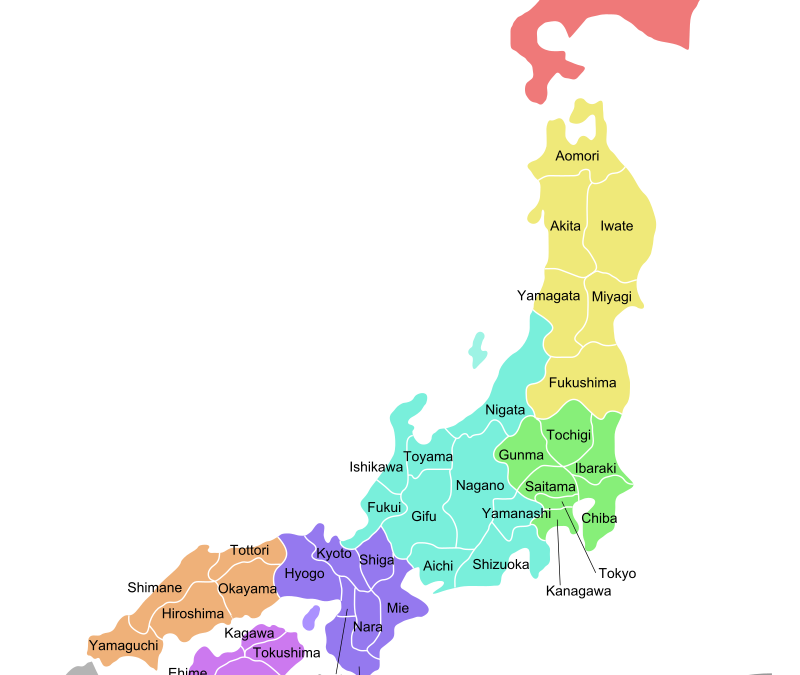
![Awano Shunkei Lacquer Jubako: Ibaraki’s 500-Year Amber Tiered Box [2026]](https://jpmono.com/wp-content/uploads/2026/05/japan-map-regions-and-prefectures-800x1050.png)
In the hills of Shirosato, a small town in Ibaraki Prefecture northwest of Mito, one family workshop continues a lacquer tradition that local records date to 1489. It is called Awano Shunkei (粟野春慶, “Awano Shunkei lacquerware”), also known as Mito Shunkei, and it is counted — alongside Hida Shunkei of Takayama and Noshiro Shunkei of Akita — as one of the Three Shunkei of Japan. The object covered in this guide is a jubako (重箱, “tiered stacking box”) in that tradition: a hinoki cypress box finished in transparent amber lacquer that lets the wood grain show through rather than covering it.
What makes shunkei work distinctive among Japanese lacquer styles is restraint. Instead of building up opaque layers of black or vermilion urushi, the maker applies a thin undercoat and then a clear, amber-toned suki-urushi over bare hinoki, so the finished surface reads as wood first and lacquer second. The Awano line of this technique has been carried by the Inagawa family of Shirosato for roughly eighteen generations, in what is essentially a one-child line of transmission, and the craft holds a designation as an Ibaraki Prefecture intangible cultural property.
This article is for readers outside Japan who are considering a shunkei jubako — for New Year osechi, for everyday tiered serving, or as a collected object — and want to understand the tradition and which purchase path makes sense. Since current availability and prices vary, the guide leans on documented craft history and recommends checking current details with the seller.
- Who this is for — and who should skip it
- Product overview (from published specs)
- 📍 Where this comes from — place, era, and the craft tradition
- Buying options
- What it does well
- Weaknesses and things to verify before buying
- Conclusion — which buyer type are you?
- Other ways to approach this purchase
- ❓ Frequently Asked Questions
Who this is for — and who should skip it
- Want lacquerware where the wood grain itself is the decoration, not painted motifs or gold maki-e
- Serve osechi, sushi, or seasonal food in tiered courses and want a presentation box that improves with use
- Value documented lineage: a craft dated to 1489, carried by one family for ~18 generations
- Prefer a piece from a prefecture-designated intangible cultural property tradition over factory-finished “urushi-style” coating
- Are comfortable hand-washing and air-drying wooden lacquerware
- Need dishwasher- or microwave-safe serveware — urushi over hinoki tolerates neither
- Want a confirmed price before reading further — no live price was captured at the time of writing
- Expect glossy jet-black or vermilion lacquer; shunkei is deliberately amber and translucent
- Need guaranteed restock — output from a single family workshop is small and intermittent
- Are shopping for airtight or leak-proof food storage rather than presentation serving
Product overview (from published specs)
The table summarizes the documented craft characteristics. Where a measurement or price is not confirmed, the cell says so rather than estimating.
| Attribute | Detail | Source |
|---|---|---|
| Item type | Jubako (tiered stacking box) | International retailer |
| Craft tradition | Awano Shunkei (Mito Shunkei), dated to 1489; one of Japan’s Three Shunkei | Documented craft record |
| Body material | Hinoki cypress | Craft record |
| Finish | Thin undercoat + transparent amber suki-urushi revealing the grain; gloss and translucency deepen with use | Craft record |
| Maker | Inagawa family workshop, Awa, Shirosato, Higashiibaraki District, Ibaraki — ~18 generations, near one-child transmission | Craft record |
| Designation | Ibaraki Prefecture intangible cultural property | Craft record |
| Dimensions / weight | — | Not captured in fetched data |
| Price at writing | Not captured — verify at the retailer | Fetch returned no price data |
📖 Glossary — terms used in this article
- Shunkei-nuri (春慶塗) — a lacquer style that finishes wood with clear amber urushi so the grain stays visible, rather than covering it with opaque color.
- Suki-urushi (透き漆) — “transparent lacquer”: refined urushi sap with an amber, see-through tone, the defining coat of shunkei work.
- Jubako (重箱) — a tiered stacking box used for serving food in courses, most famously osechi dishes at New Year.
- Hinoki (檜) — Japanese cypress, a light, fragrant, rot-resistant timber long used for shrine architecture and fine woodware.
- Urushi (漆) — lacquer made from the sap of the urushi tree; Okukuji in northern Ibaraki remains one of Japan’s main sources of the raw sap.
- Isshi sōden (一子相伝) — transmission of a craft to a single heir per generation; the Awano Shunkei line has been carried this way by the Inagawa family.
- Mito Shunkei (水戸春慶) — the alternative name for Awano Shunkei, after the Mito domain whose Tokugawa household favored it.
📍 Where this comes from — place, era, and the craft tradition

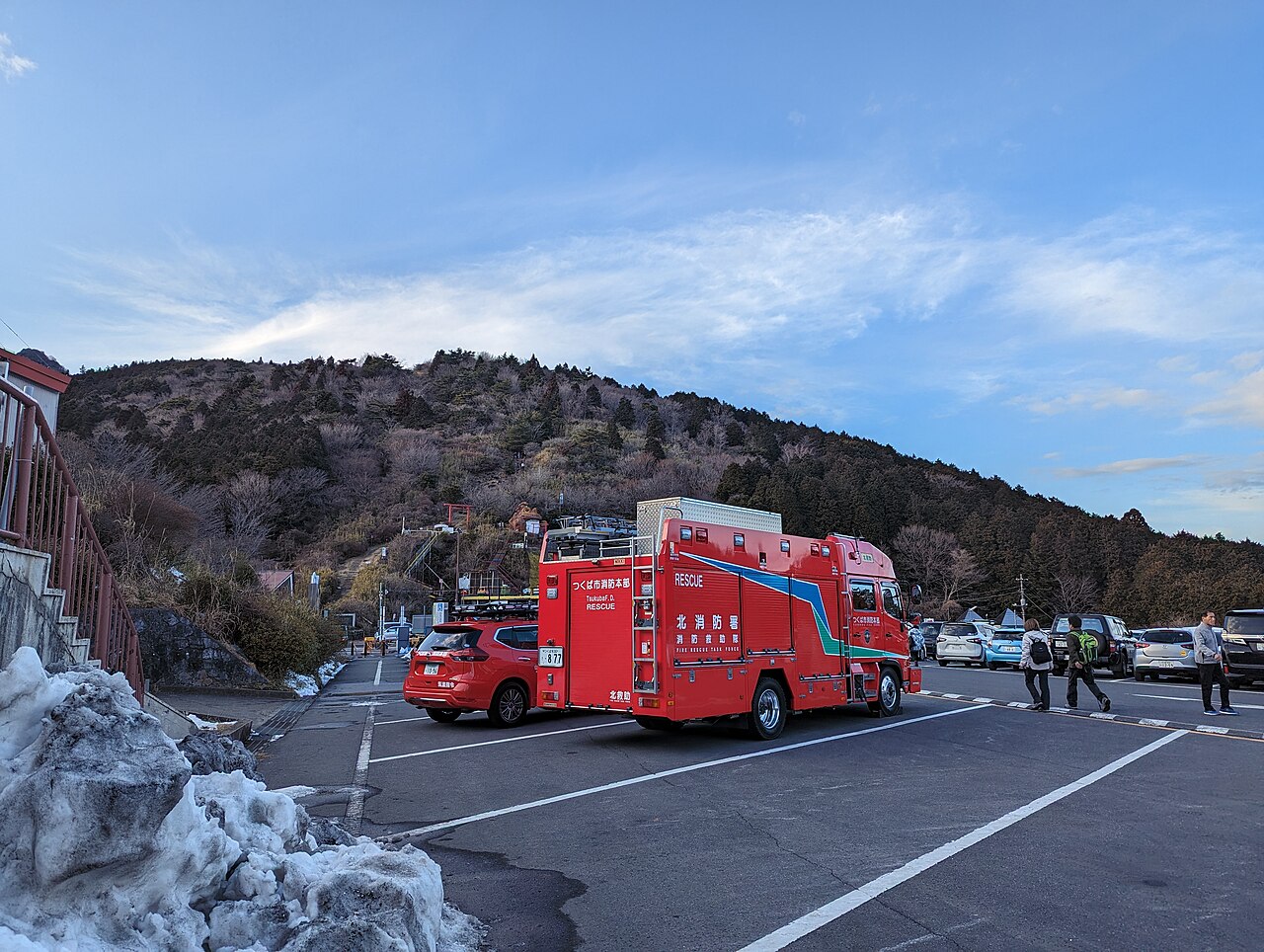
Ibaraki occupies the northeastern corner of the Kantō plain, facing the Pacific, with Mount Tsukuba as its inland landmark and Mito as its historical center. Awano Shunkei comes from Awa, a settlement in present-day Shirosato town (formerly Katsura village) in Higashiibaraki District, in the low hills between Mito and the mountainous north of the prefecture. The geography matters: hinoki for the boxes, and — further north in the Okukuji area around Daigo — some of the best raw urushi sap in Japan, kept the materials for clear-coat lacquerware close at hand.
The tradition’s founding is dated to 1489 — the first year of the Entoku era, a century before Tokugawa Ieyasu unified Japan. That start date makes Awano Shunkei one of the oldest shunkei lines in the country, and it is grouped with Hida Shunkei (Takayama, Gifu) and Noshiro Shunkei (Akita) as the Three Shunkei of Japan. Of the three, the Ibaraki line is the least industrialized: it never scaled into a multi-workshop production district, and instead survived as a single family’s craft.
“For roughly eighteen generations — a single line of hands reaching back to 1489 — the Inagawa family has passed Awano Shunkei from parent to child.”
- 1489 — Awano Shunkei lacquer craft founded in Awa village (present-day Shirosato), per the traditional record — among Japan’s oldest shunkei lines.
- Early 1600s — Mito becomes the seat of the Mito Tokugawa, one of the three Tokugawa branch houses, anchoring the region’s political and cultural life.
- Late 1600s — The craft is traditionally said to have been favored by the Mito Tokugawa household in the era of Tokugawa Mitsukuni — hence the alternative name Mito Shunkei.
- 1841–1842 — The Mito domain founds the Kodokan school and lays out Kairakuen garden — the scholarly, restrained Mito culture in which plain-grain lacquerware fit naturally.
- 20th century — Awano Shunkei is designated an intangible cultural property of Ibaraki Prefecture; the Inagawa family remains its sole bearer.
- 2026 — After roughly eighteen generations of near one-child transmission, the workshop in Shirosato continues to finish hinoki ware in amber suki-urushi.
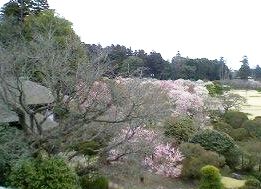
The Mito connection is more than a naming convenience. The Mito Tokugawa were one of the three branch houses of the shogunal family, and their domain culture — the historiography project begun under Mitsukuni, later the Kodokan domain school and the Kairakuen plum garden — prized scholarship and restraint over ostentation. A lacquerware that shows plain hinoki grain through clear amber, rather than gold leaf over black, sits squarely inside that aesthetic, and the tradition records that the Mito household favored it.
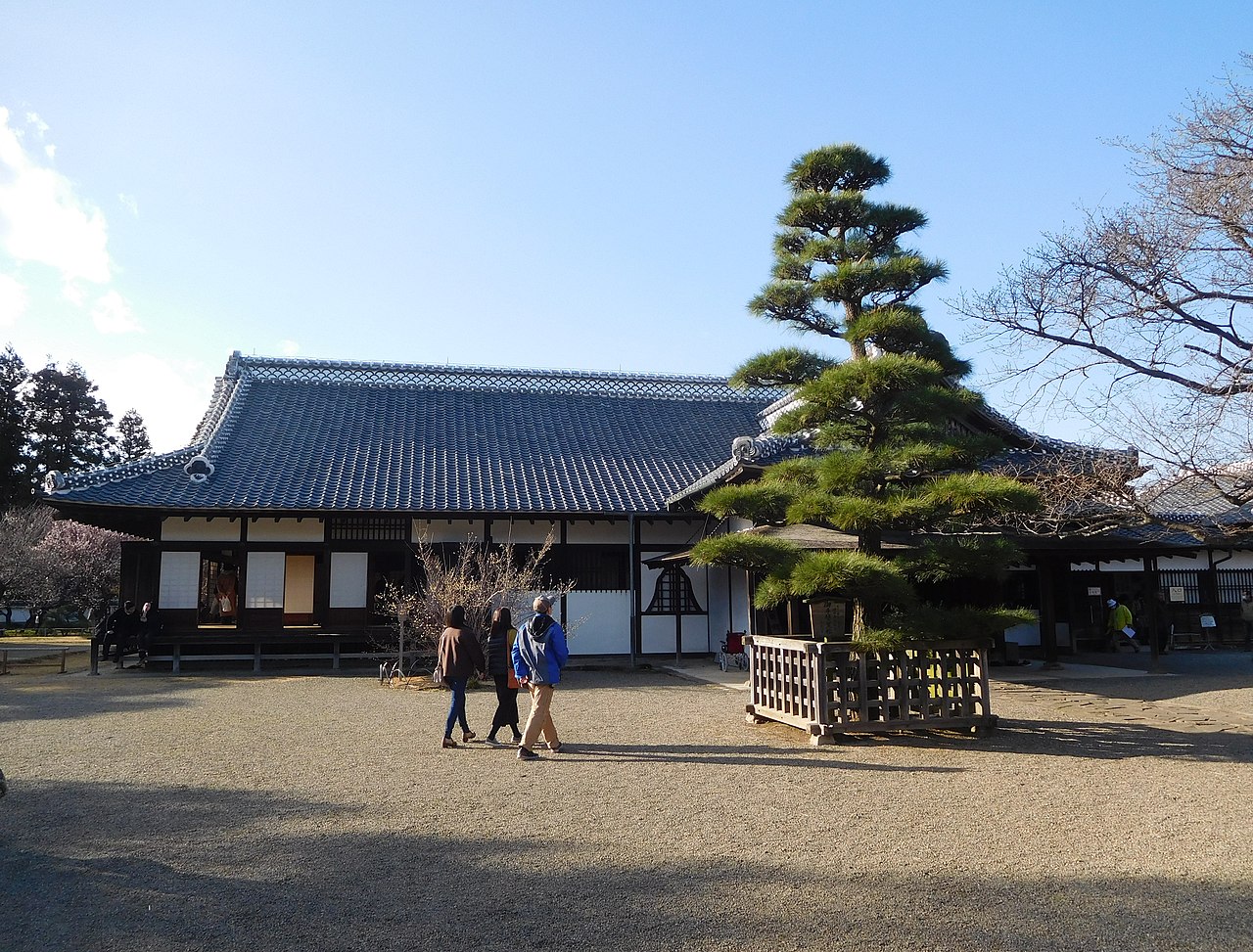
What “still being made here” means in this case is unusually literal. There is no production district of competing workshops, no cooperative, no factory tier: the Inagawa family of Shirosato is, per the craft record, essentially the entire tradition, transmitted in a near one-child line for around eighteen generations. That continuity earned the prefectural intangible-cultural-property designation, and it also defines the buying reality — output is small, batches are irregular, and availability may be intermittent rather than following a regular retail schedule.
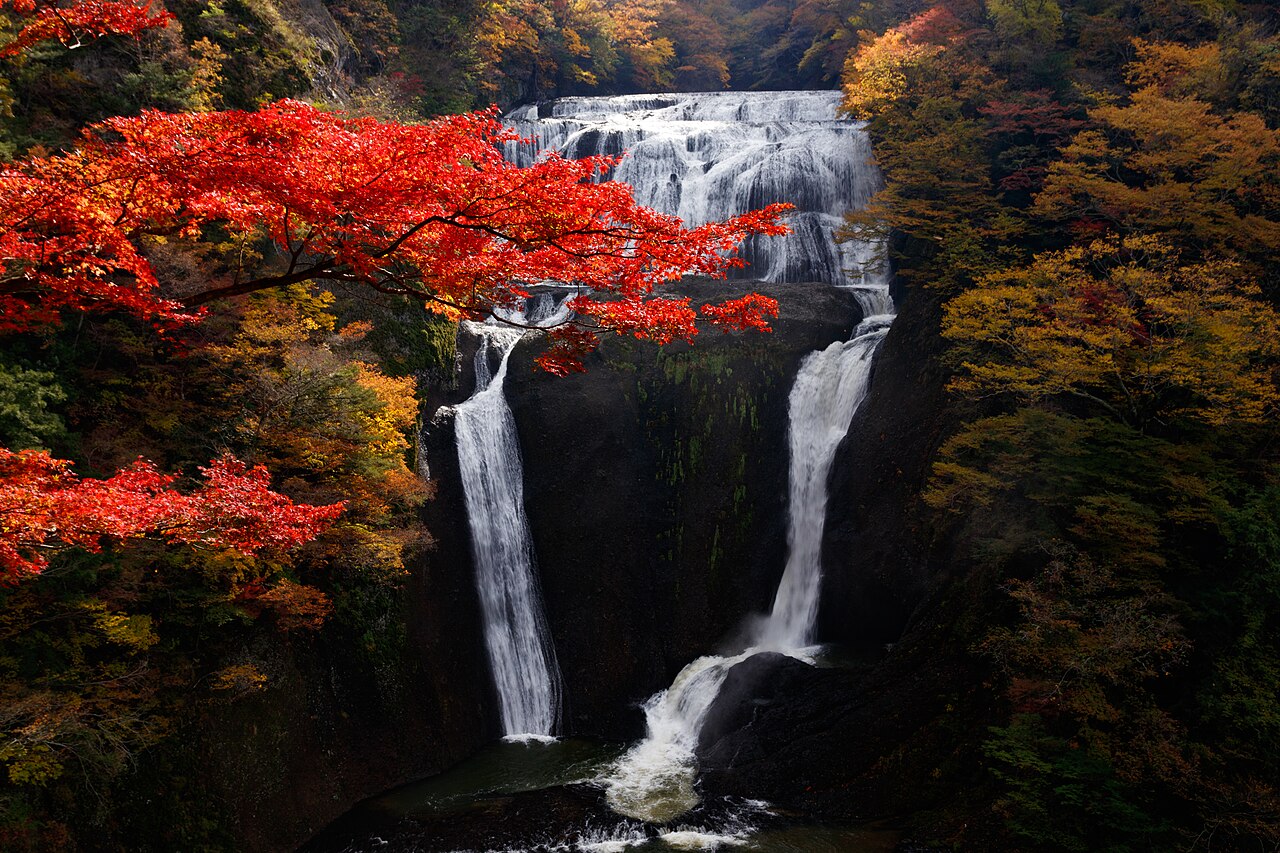
The material hinterland is still alive too. Okukuji, the river-and-gorge country around Daigo in northern Ibaraki — best known to travelers for Fukuroda Falls — remains one of Japan’s principal sources of raw urushi sap, so the prefecture that hosts this 500-year-old clear-lacquer craft also still taps the trees that supply it. Seasonally, a jubako like this one earns its keep at New Year, when osechi courses are stacked tier on tier, but a wood-grain amber box is unobtrusive enough for ordinary spring picnics and autumn gatherings as well.
 🍱 Ise Shunkei Lacquer Bento Box — another shunkei line, in single-box form
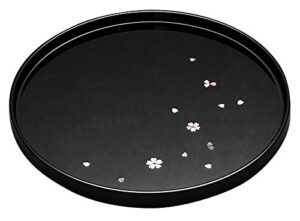 🐚 Nara Shikki Raden Lacquer Tray — mother-of-pearl inlay, the ornamental opposite
🍶 Wajima Nuri Meoto Sakazuki — Japan’s most layered opaque urushi, in paired cups
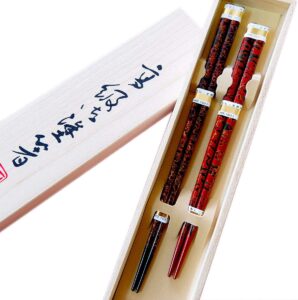 🥢 Tsugaru Nuri Meoto Chopsticks — Aomori’s speckled multi-layer lacquer
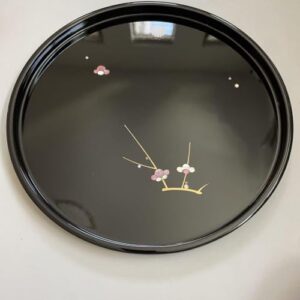 📦 Takaoka Shikki Raden Lacquer Box — blue-shell inlay box from Toyama
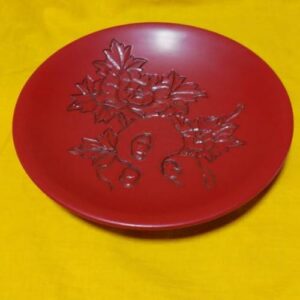 🍵 Murakami Tsuishu Carved Natsume — carved-lacquer tea caddy from Niigata
 🧣 Chichibu Meisen Silk Stole (Kanto) — another quiet Kanto-region revival craft
Buying options
Prices for shunkei jubako vary with size, lacquer work, and workshop. Use current seller information rather than estimating from a fixed figure; any USD conversion is approximate (¥150/USD baseline as of mid-2026).
| Store | Item / variant | Price | Notes |
|---|---|---|---|
| 🇺🇸 Amazon.com (US) | Browse Japanese lacquer jubako & tiered boxes | varies (USD) | Best if you are shopping from the US — Prime shipping, USD pricing, no international customs. Amazon US carries Japanese lacquer jubako and bento ware from various makers, useful for comparing sizes and finish styles; the Inagawa workshop’s Awano Shunkei piece itself ships from Japan (next row). |
| 🇯🇵 Amazon JP Global Store | Awano Shunkei hinoki jubako (this article’s item,) | — | International shipping from Japan may be available; terms vary by destination. Supply from a single workshop may be intermittent. |
| Maker direct | Inagawa family workshop, Shirosato | — | A single family workshop with no confirmed e-commerce storefront in the fetched data; orders are typically domestic and in-person or via Ibaraki craft outlets. Unconfirmed — check locally. |
| Proxy services (Buyee / Tenso) | Japan-only sources forwarded internationally | Item price + service fee + shipping | Fallback when direct shipping is unavailable; adds service fees and international shipping. |
What it does well
Weaknesses and things to verify before buying
- Budget guidance is limited. Confirm current seller terms before forming any value judgment.
- Stock from a single workshop is inherently unstable. With essentially one family producing the entire tradition, availability may change without a restock date. Do not assume current availability will persist.
- Tier arrangement is unconfirmed. Choose a form that suits your intended use; jubako forms vary widely.
- Urushi over hinoki requires care. Hand-wash with mild detergent and a soft cloth, dry promptly, and keep it away from dishwashers, microwaves, ovens, prolonged soaking, and direct sunlight. Buyers wanting zero-maintenance serveware should choose a different material.
- The amber finish is the point — not a flaw, but a taste filter. If you expect deep black or red lacquer, shunkei will read as “unfinished wood with a varnish.” It is not; but readers who prefer opaque urushi should look at Wajima or Tsugaru pieces instead.
- International shipping eligibility can change. Household goods may ship worldwide, but eligibility is shown at checkout; if blocked, a proxy service (Buyee / Tenso) adds fees. Customs duties may apply above your local threshold.
- New urushi can have a faint odor and, rarely, sensitize skin. Fully cured lacquer is food-safe and inert, but people with known urushiol sensitivity should let a new piece air before heavy handling — a standard caution for all genuine urushi ware.
Conclusion — which buyer type are you?
Other ways to approach this purchase
❓ Frequently Asked Questions
Does Amazon JP ship this jubako internationally?
Most Japanese retailers ship household lacquerware internationally, typically in the $15–$40 range to the US and EU, with eligibility shown at checkout. If a jubako cannot be shipped directly to your country, proxy forwarding services such as Buyee or Tenso are a standard workaround, adding service fees and consolidated shipping. Customs duties may apply above your local threshold.
How do I care for shunkei lacquerware?
Hand-wash with lukewarm water, mild detergent, and a soft cloth or sponge; dry promptly with a towel. Do not use a dishwasher, microwave, or oven, do not soak it for long periods, and store it away from direct sunlight and very dry air. Used this way, the craft record notes that the amber finish gains gloss and translucency over years of handling.
How is Awano Shunkei different from Hida Shunkei and Noshiro Shunkei?
All three are counted as the Three Shunkei of Japan and share the clear-amber-over-wood approach. Awano (Mito) Shunkei, dated to 1489 in Awa village in present-day Shirosato, Ibaraki, is among the oldest of the lines and is distinctive for surviving as essentially a single family’s craft — the Inagawa family, roughly eighteen generations in a near one-child transmission — rather than as a multi-workshop production district like Takayama’s Hida Shunkei.
Why is there no price shown in this article?
Because current prices vary, compare the JPY amount shown by the seller rather than estimating. Any USD conversion is approximate (¥150/USD baseline as of mid-2026).
Is urushi lacquerware food-safe?
Fully cured urushi has been used as food serveware in Japan for centuries and is considered inert in normal use. A brand-new piece can carry a faint lacquer odor that airs out, and people with known urushiol sensitivity should handle a new piece cautiously at first — a standard note for all genuine urushi ware, not specific to any one workshop.
Is this a good gift, and is stock reliable?
A jubako is a traditional celebratory vessel — New Year osechi above all — which makes a documented-lineage piece like this a strong wedding, housewarming, or milestone gift. The caveat is supply: with one family workshop producing the entire tradition, availability can lapse without a restock date, so if you are buying for a fixed occasion, do not leave the purchase to the last week.
jpmono.com is curated by a Japan-based editorial team (working out of Toyama in the Hokuriku region and Nara in Kansai) and is independent. We do not take payment from the makers we feature; income comes from affiliate links. We do not physically test every product — we read maker’s specifications and craft references, and we say plainly when current pricing is unavailable.
This article was prepared with AI assistance under human editorial direction; craft-history statements follow the verified notes for Awano Shunkei lacquer, and claims about dimensions and finish are limited to documented information.
Affiliate disclosure: jpmono.com may earn a commission on qualifying purchases made through links on this page, at no additional cost to you.