![Banshu Miki Bonsai Pruning Shears: Hyogo Hand-Forged Blades [2026]](https://jpmono.com/wp-content/uploads/2026/06/banshu-miki-bonsai-pruning-shears-where-to-buy-2026-featured.jpg)
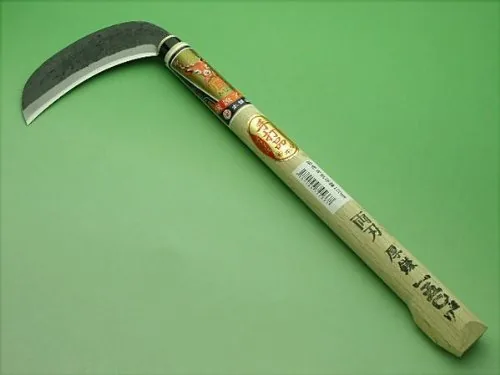
Banshu Miki pruning shears come from Miki City in Hyogo Prefecture, one of Japan’s oldest hardware-forging towns. The classic Koryu (“old style”) form — a butterfly-shaped looped handle and a short, stout blade — has been made by the town’s blacksmiths for generations, and it remains the tool many Japanese bonsai growers reach for first. These are hand-forged from laminated high-carbon steel, the same family of steels used in Japanese kitchen knives, and they are built to be sharpened and used for decades rather than replaced.
What makes the Banshu Miki tradition notable internationally is not novelty but continuity. Miki became a “town of hardware” (kanamono no machi, 金物の町) after the late-16th-century siege that razed its castle town, and the forging of saws, chisels, planes, and small bladed tools has been concentrated there ever since. Garden and bonsai shears (ueki-basami, 植木鋏) grew into one of the town’s signature lines, and the craft as a whole carries a METI designation as Banshu Miki Uchihamono (播州三木打刃物). It is, in effect, the Hyogo counterpart to Osaka’s better-known Sakai knife cluster.
This guide is for readers outside Japan who want to understand what they are actually buying: who makes these shears, why the town forges them, how the carbon-steel blade behaves, and where to buy from abroad. We cover the craft background, care requirements, honest weaknesses, and the purchase paths — Amazon US, Amazon JP Global Store, and proxy services — with the trade-offs of each.
🔄 Updated:
⏱️ Read time: ~10 min

- Who this is for — and who should skip it
- Product overview (from published specs)
- 📍 Where this comes from — place, era, and the craft tradition
- 📦 Shipping & where to buy from outside Japan
- Price snapshot across stores
- What it does well
- Weaknesses and things to verify before buying
- Conclusion — which buyer type are you?
- Other ways to approach this purchase
- 🏆 Editor’s Pick
- ❓ Frequently Asked Questions
Who this is for — and who should skip it
- Grow bonsai, houseplants, or do fine garden pruning and want a precise, clean cut
- Prefer a hand-forged carbon-steel tool you can sharpen and keep for decades
- Value provenance — a METI-designated craft from a named traditional forging town
- Are comfortable wiping and oiling a blade after each use to prevent rust
- Like the traditional butterfly-handle (Koryu) grip and a compact, controllable head
- Want a maintenance-free, dishwasher-tolerant stainless tool you never have to oil
- Need to cut thick branches — these are for fine stems, not loppers or saw work
- Dislike traditional looped handles and prefer spring-loaded ergonomic bypass pruners
- Want a guaranteed low price — hand-forged tools sit above mass-market shears
- Need it tomorrow with domestic returns and cannot wait on cross-border shipping
Product overview (from published specs)
Data note: at the time of writing, the automated source pull returned no live Amazon US or eBay listing for this exact item, so the table below is built from the maker tradition and the sourced Amazon JP Global Store listing (ASIN B00DK0EQZW) rather than a live price feed. Live pricing and stock may have shifted since the writing date; always verify at the retailer before purchasing.
Banshu Miki Bonsai Pruning Shears
三木章 万能鋏 赤柄 175mm 園芸鋏
通常2~3日以内に発送します。 · Sold by ライフ・エコショップ · ASIN B00DK0EQZW
Price and availability as of 2026-09-01 05:22 JST. The Amazon listing at the time of purchase is authoritative. jpmono.com earns a commission on qualifying purchases at no extra cost to you.
| Attribute | Detail (per source) | Source |
|---|---|---|
| Craft | Banshu Miki Uchihamono (播州三木打刃物), METI-designated traditional craft | Maker direct |
| Form | Koryu (old-style) shears — butterfly-loop handle, short stout blade | Maker direct |
| Blade material | Laminated high-carbon steel (white/blue paper steel family) | Maker direct |
| Intended use | Bonsai, houseplants, fine garden pruning (not thick branches) | Maker direct |
| Origin | Miki City, Hyogo Prefecture, Japan | Maker direct |
| Sourced listing | Amazon JP Global Store, ASIN B00DK0EQZW | Amazon JP Global Store |
| Price | Unconfirmed at time of writing — check current listing | Amazon JP Global Store |
📖 Glossary — key terms
- Uchihamono (打刃物) — forged-blade tools; “uchi” means to strike/hammer, the hot-forging method behind knives and shears.
- Banshu (播州) — the old name for the Harima region of southwestern Hyogo, where Miki sits.
- Koryu (古流) — “old style,” the traditional butterfly-loop handle form of Japanese garden shears.
- Ueki-basami (植木鋏) — garden/plant shears; the broad family these bonsai shears belong to.
- Kanamono no machi (金物の町) — “town of hardware,” Miki’s nickname from its concentration of toolsmiths.
- METI designation — recognition by Japan’s Ministry of Economy, Trade and Industry of a regional traditional craft.
- Hagane (鋼) — high-carbon steel; laminated to softer iron, it takes and holds a fine edge.
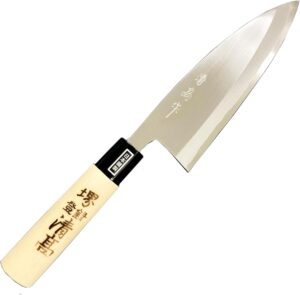
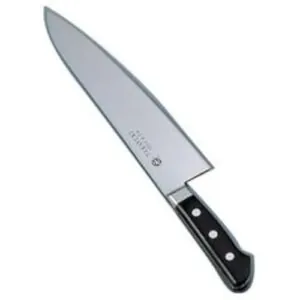
Other Japanese blades and garden tools we’ve covered — useful for comparing steel, geometry, and price tier.
📍 Where this comes from — place, era, and the craft tradition

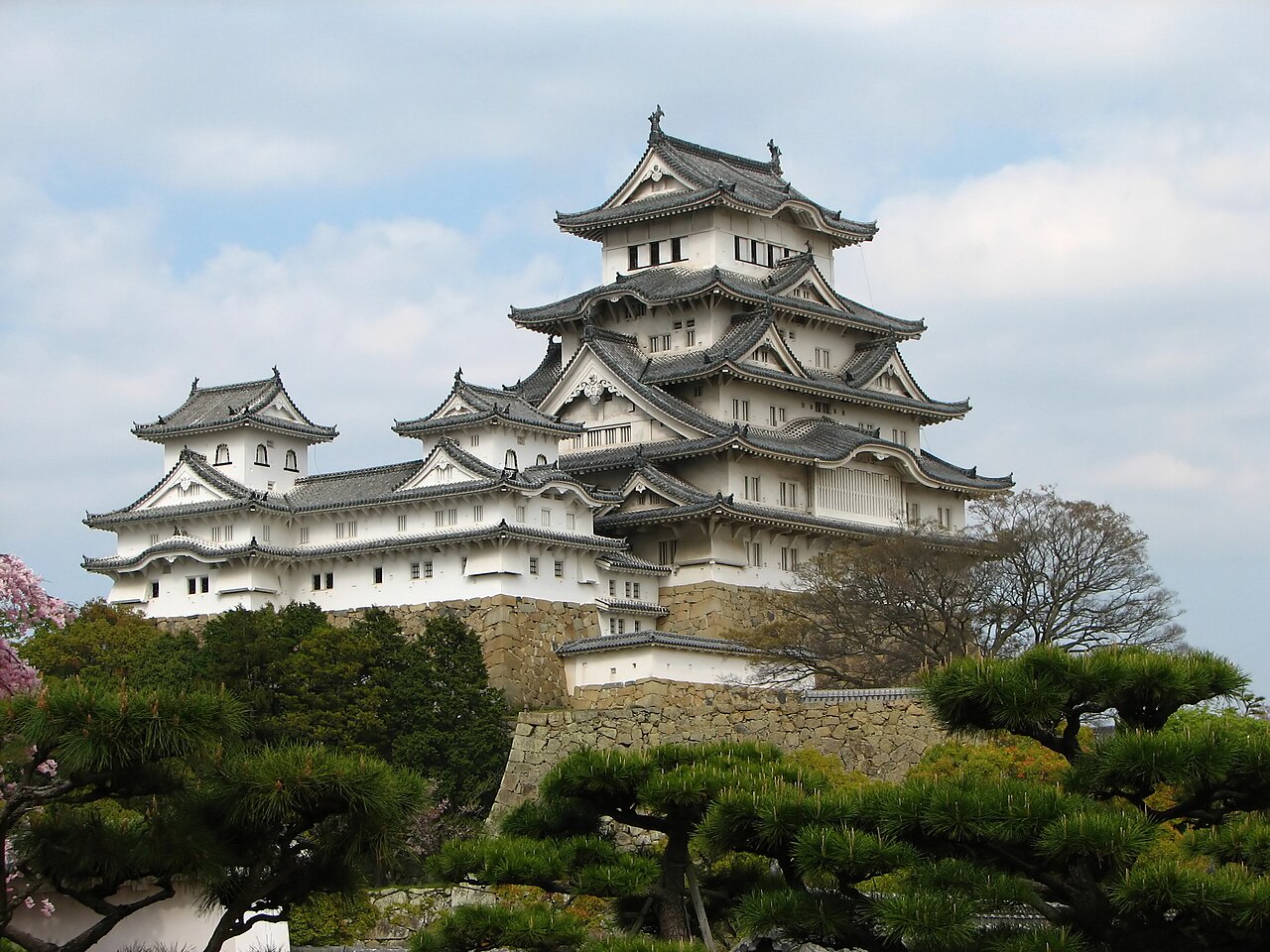
Miki sits inland in southwestern Hyogo, in the old Harima province the Japanese still call Banshu. It is part of the Kansai region — the historical heartland of Japanese craft — and lies a short distance west of the port city of Kobe, with Himeji and its famous white castle nearby to the west. The terrain here is one of low hills, rivers, and the broad Harima plain, sheltered to the north by the mountains that fold up toward the Chugoku range.
The town’s identity as a forging center is not a marketing veneer; it grew out of a specific catastrophe. During the unification wars of the late 16th century, Toyotomi Hideyoshi besieged Miki Castle and its lord, Bessho Nagaharu, in a long blockade remembered as the Miki no hoshigoroshi — the “starvation siege of Miki” (1578–1580). When the castle finally fell, the surrounding town had been razed.
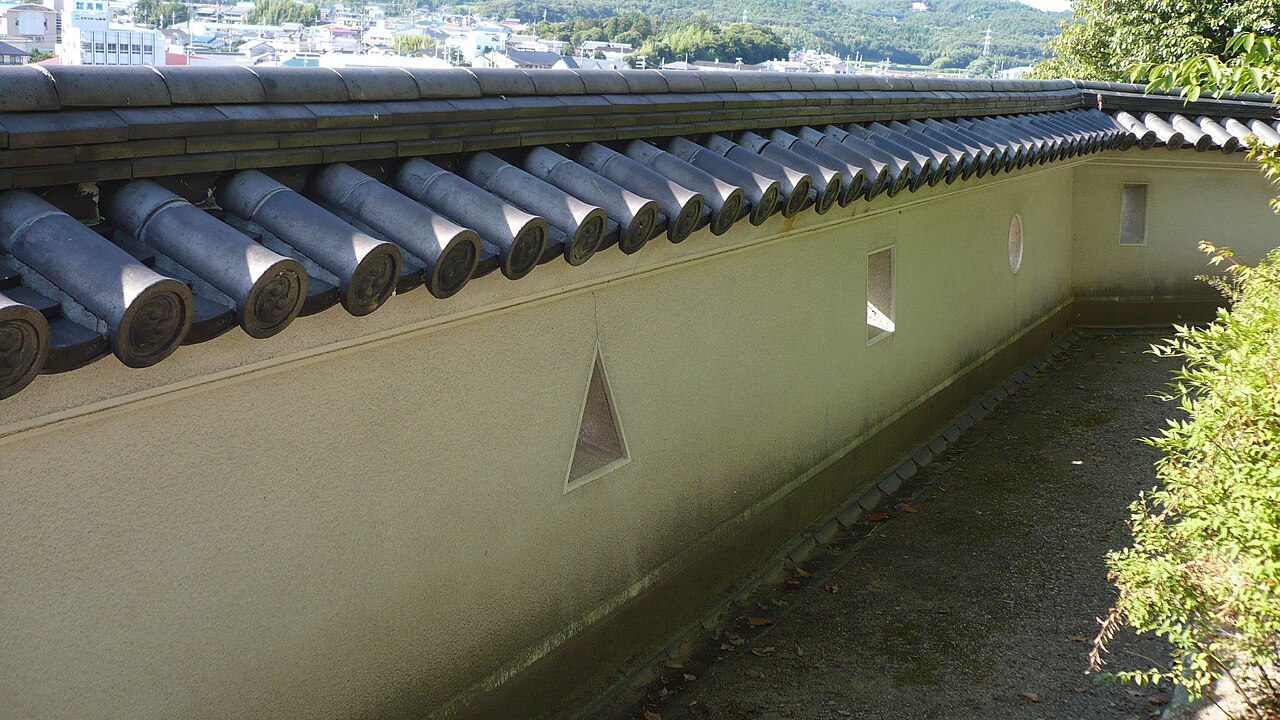
Reconstruction is what made the smiths. Rebuilding a destroyed castle town drew carpenters in large numbers, and carpenters need tools — saws, chisels, planes, and small knives — that have to be made, sharpened, and replaced locally. Blacksmiths gathered to meet that demand, and over the following centuries Miki settled into its role as the kanamono no machi, the “town of hardware.” Alongside the core carpentry tools, the town developed a strong line in garden and bonsai shears, the ueki-basami for which it is now known abroad.
- 1578–1580 — The Siege of Miki; Hideyoshi starves out Bessho Nagaharu’s castle (the “Miki no hoshigoroshi”), razing the town.
- Late 1500s–1600s — Carpenters arrive to rebuild; blacksmiths gather to supply saws, chisels, and planes.
- Edo period — Miki consolidates as the “town of hardware” (kanamono no machi); garden and bonsai shears become a signature line.
- Meiji onward — Workshops modernize while keeping hand-forging for high-grade tools.
- 1996 — Banshu Miki Uchihamono recognized as a METI-designated traditional craft.
- 2026 — The Koryu butterfly-handle shears are still hand-forged in Miki and shipped worldwide.
“A town burned to the ground in a siege became, over four centuries, the place Japan turns to for the tools that shape wood, garden, and tree.”
The continuity is the point. The forging of bladed tools in Miki has run more or less unbroken from the post-siege reconstruction to the present, and the craft as a whole carries the METI designation Banshu Miki Uchihamono. The Koryu shears in particular preserve an old form: the butterfly-loop handle and the laminated high-carbon-steel blade, in which a hard cutting layer (hagane) is forge-welded to softer iron so the edge can be honed fine and re-sharpened many times. It is the same lamination logic behind Japanese kitchen knives, applied to a garden tool.

For bonsai growers, the appeal of a forged carbon-steel blade is a clean, crushing-free cut. A well-sharpened, properly tensioned pair of shears severs a stem rather than pinching it, which matters when the goal is a wound that heals neatly on a living tree. This is the practical reason the Miki Koryu form survived industrialization: it does a specific job well, and the people who do that job seasonally — pruning in spring and after the summer flush — keep buying it.

📦 Shipping & where to buy from outside Japan
The specific shears in this guide are sourced from the Amazon JP Global Store listing (ASIN B00DK0EQZW), which ships internationally to most major destinations. For readers in the US, EU, and Australia, that is the most direct path to this exact item. Amazon US (amazon.com) is the easier shopping environment for many readers but typically does not carry this individual hand-forged piece, so the US link is a search across comparable Japanese garden and bonsai tools.
- International shipping from the Amazon JP Global Store to the US/EU commonly runs roughly $15–$40, depending on weight and speed; other regions can be higher.
- Orders above your local duty threshold may incur customs duties or VAT on import — budget for this separately.
- Carbon-steel blades are generally shippable as household tools, but confirm your country’s rules on bladed-tool imports before ordering.
- Proxy services (Buyee / Tenso) are a fallback if a particular listing does not ship to your country directly.
Price snapshot across stores
JPY is the authoritative price for the specific sourced item; USD figures are approximate estimates at a ¥150/USD baseline (mid-2026) and depend on the current exchange rate. At the time of writing, no live price was returned by the automated source pull, so figures below are marked unconfirmed — verify at the retailer before buying.
| Store | Item / Variant | Price (JPY + USD est.) | Notes |
|---|---|---|---|
| 🇺🇸 Amazon.com (US) | Browse Japanese bonsai & pruning shears | varies (USD) | Best if you’re shopping from the US — Prime shipping, USD pricing, no international customs. Amazon US carries Japanese bonsai tools and garden shears from various makers for comparison; the exact Banshu Miki piece is sourced from Japan (next row). |
| 🇯🇵 Amazon JP Global Store | Banshu Miki Koryu butterfly-handle shears (ASIN B00DK0EQZW) | Unconfirmed — check listing | Ships internationally from Japan. This is the sourced listing for the exact item in this guide. |
| Maker direct | Koryu shears via Miki toolsmith / specialist retailers | Varies | Japanese-language ordering; may not ship abroad directly. Best for selecting a specific smith or grade. |
| Proxy services (Buyee / Tenso) | Forwarding for JP-only listings | Item + service fee + forwarding | Useful when a listing won’t ship to your country directly. Adds a handling fee on top of the item price. |
What it does well
Weaknesses and things to verify before buying
- Carbon steel rusts. These blades need wiping dry and a light oil after use, especially after cutting sap-heavy growth. If you want zero maintenance, choose stainless instead.
- Not for thick branches. The form is for fine stems and foliage. Cutting wood beyond its capacity will damage the edge or spring the joint — use a saw or loppers for heavy cuts.
- Traditional grip is an acquired taste. The butterfly-loop handle suits some hands and not others; readers used to spring-loaded bypass pruners may find the ergonomics different.
- Pricing was unconfirmed at the time of writing. The source pull returned no live price; confirm the current figure and stock on the listing before ordering.
- Cross-border logistics. Buying the exact item means shipping from Japan, with possible duties and longer transit than a domestic purchase. Factor that into cost and timing.
- Bladed-tool import rules vary. Most countries allow garden shears, but confirm your local rules before ordering to avoid a customs hold.
Conclusion — which buyer type are you?
Other ways to approach this purchase
🏆 Editor’s Pick
❓ Frequently Asked Questions
Will Banshu Miki shears ship outside Japan?
The sourced listing is on the Amazon JP Global Store (ASIN B00DK0EQZW), which ships internationally to most major destinations. If a particular listing won’t ship to your country, a proxy service such as Buyee or Tenso can forward it for a handling fee.
Do carbon-steel shears rust?
Yes. High-carbon steel rusts if left wet or coated in sap. Wipe the blade dry after each use and apply a light oil, especially before long storage. In exchange you get a finer, more easily re-sharpened edge than stainless.
Can these cut thick branches?
No. The Koryu form is for fine stems and foliage in bonsai and garden work. For thick branches, use a saw or loppers; forcing oversized cuts can damage the edge or the joint.
What is the difference between these and a Sakai knife?
Both are forged from laminated high-carbon steel, but Sakai (Osaka) is a kitchen-knife cluster, while Banshu Miki (Hyogo) is a hardware-and-tool town. The steel logic is shared; the tool and its use are different.
Are these a good gift?
For someone who grows bonsai or keeps a garden and appreciates hand tools, yes — a named-craft, sharpenable tool is a lasting gift. For a recipient who wants zero maintenance, a stainless pruner is the kinder choice.
Why is no price shown?
At the time of writing, the automated source pull returned no live price for this item, so we have marked pricing as unconfirmed rather than guess. Check the current figure directly on the Amazon JP Global Store listing.
How do I keep the edge sharp?
Hone the blade with a fine whetstone periodically, keep the pivot clean and lightly oiled, and avoid cutting wire, soil, or oversized branches. Treated this way, a forged pair of shears can serve for decades.
jpmono.com is curated by a Japan-based editorial team (working out of Toyama in the Hokuriku region and Nara in Kansai) and is independent. We don’t take payment from the makers we feature; income comes from affiliate links. We don’t physically test every product — we read maker’s specs and source listings. Read more about our editorial standards.
This article was prepared with AI assistance and reviewed against the source listing data. Specifications, pricing, and availability should be confirmed at the retailer before purchase.
Affiliate disclosure: jpmono.com may earn a commission on qualifying purchases made through links on this page, at no additional cost to you.