![Bizen Osafune Hand-Forged Katana Letter Opener: Where to Buy [2026]](https://jpmono.com/wp-content/uploads/2026/05/japan-map-regions-and-prefectures-800x1050.png)
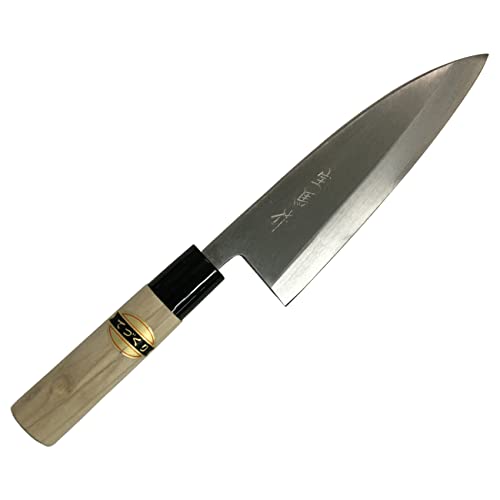
This is a miniature katana rendered as a working desk tool: a hand-forged steel letter opener (pen-knife / paper knife) made in Osafune, the riverside district of Setouchi City, Okayama Prefecture. Osafune was, for several centuries, the single most prolific sword-forging town in Japan, and the smiths who keep that tradition alive today apply the same forge-and-quench discipline to small objects like this one — a slim blade that slides home into a saya-style sheath.
What makes the piece notable to an international reader is not novelty but lineage. Bizen province — now southeastern Okayama — produced more blades than anywhere else in the country from the Heian through the Muromachi periods, defining the celebrated Bizen-den tradition. A letter opener forged in this town is, in effect, a domestic-scale descendant of a craft that armed samurai for half a millennium.
This guide is for readers outside Japan who want to understand the Bizen Osafune-inspired letter opener before buying. It explains the object’s form, the regional history and craft context, how it is used, its strengths, and what to verify. Where a detail depends on the individual piece, we avoid treating it as universal.
🔄 Updated:
⏱️ Read time: ~9 min
- Who this is for — and who should skip it
- Product overview (from published specs)
- Where this comes from — place, era, and the craft tradition
- Buying options
- What it does well
- Weaknesses and things to verify before buying
- Conclusion — which buyer type are you?
- Other ways to approach this purchase
- ❓ Frequently Asked Questions
Who this is for — and who should skip it
- Want a functional desk object with verifiable craft heritage, not a costume prop
- Appreciate forged steel and the Bizen-den sword tradition specifically
- Are buying a gift that carries a story — graduation, retirement, a desk milestone
- Prefer a small, affordable entry point into Japanese metalwork over a full blade
- Are comfortable buying from Japan and waiting for international shipping
- Expect a registered, full-length nihontō — this is a small desk tool
- Need a guaranteed named-smith attribution with paperwork
- Want a razor cutting edge; letter openers are intentionally dull-edged
- Live somewhere that restricts blade-shaped imports (verify local rules first)
- Are price-sensitive and unwilling to absorb cross-border shipping and possible duties
Product overview (from published specs)
A Bizen Osafune-style katana letter opener combines a sword-inspired silhouette with a practical stationery use. Exact dimensions and construction details can vary by piece, so treat the craft description as general context and confirm the details supplied with the object.
| Attribute | Detail | Source |
|---|---|---|
| Object type | Miniature katana letter opener (pen-knife / paper knife) with saya-style sheath | Buying note |
| Material | Hand-forged steel | Recommendation hint |
| Origin | Osafune, Setouchi City, Okayama Prefecture (Bizen sword-town tradition) | Craft data notes |
| Maker | Setouchi sword-town tradition | Recommendation hint |
| Length / weight | — | Not in fetched data |
| Price | — | Not in fetched data |
Dimensions, finishes, prices, and availability can vary between individual craft pieces. Use the maker’s own specification and care information for the final choice.
📖 Glossary — key Japanese craft terms
- Bizen (備前) — the old province covering southeastern Okayama; one of Japan’s five great historical sword-making regions.
- Bizen-den (備前伝) — the “Bizen tradition,” the school of forging style and steel character associated with Osafune blades.
- Osafune (長船) — the riverside district, now in Setouchi City, that out-produced every other sword town in medieval Japan.
- tamahagane (玉鋼, “jewel steel”) — the high-carbon steel produced in a tatara furnace and traditionally used for Japanese blades.
- satetsu (砂鉄, “iron sand”) — the river-and-coastal iron sand that fed the local furnaces.
- saya (鞘) — the sheath or scabbard; here, the form into which the letter opener slides.
- shokunin (職人) — a craftsperson or skilled artisan working within a defined trade lineage.
Where this comes from — place, era, and the craft tradition

Okayama lies on the southern, Seto Inland Sea side of the Chūgoku region — the western tail of Japan’s main island, Honshū. The mild, low-rainfall climate of the inland-sea coast earned the area its “Land of Sunshine” nickname, and the Yoshii River that runs through Osafune supplied two things a forging town needs: satetsu (iron sand) and water power, with pine forests nearby for charcoal. Those raw materials, more than any romantic accident, are why a sword industry took root here.
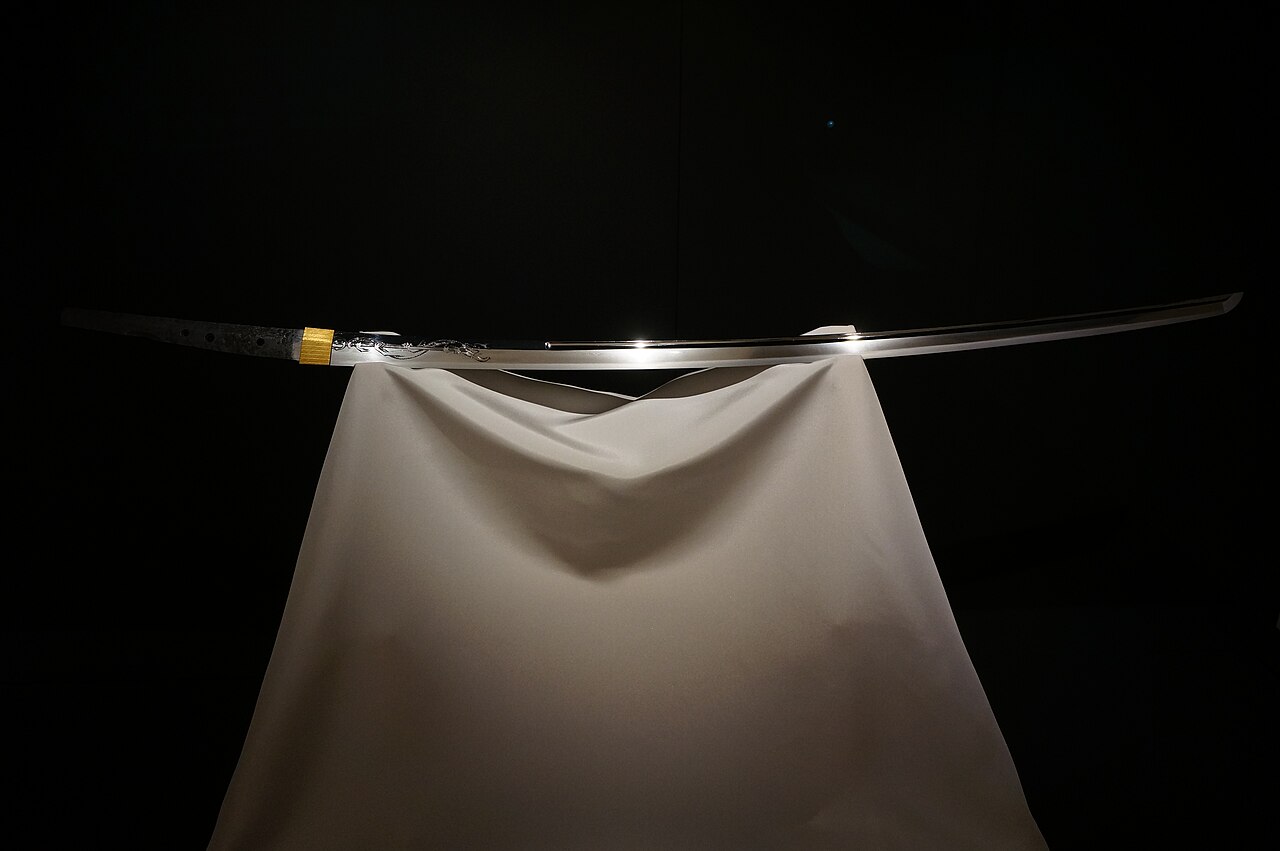
Bizen province was Japan’s foremost sword-producing region from the Heian period through the Muromachi period. Within it, the town of Osafune produced more blades than anywhere else in the country, and the style and steel character of those blades came to be known as the Bizen-den — one of the canonical traditions by which Japanese swords are still classified today.
- Kofun era (3rd–6th c.) — The ancient Kibi kingdom thrives in the region, anchoring its metallurgical and martial lore (Kibitsu Shrine, the Momotarō legend).
- Heian period (794–1185) — Bizen emerges as Japan’s foremost sword-forging province.
- Kamakura period (1185–1333) — The Osafune school rises; the Bizen-den tradition is defined.
- Muromachi period (1336–1573) — Osafune out-produces every other sword town in Japan.
- Edo period (1603–1868) — The Ikeda daimyo patronize Okayama’s metalworkers; Kōrakuen garden is completed in 1700.
- Today (2026) — The Bizen Osafune Sword Museum and a working smithy in Setouchi City keep tamahagane forging alive.
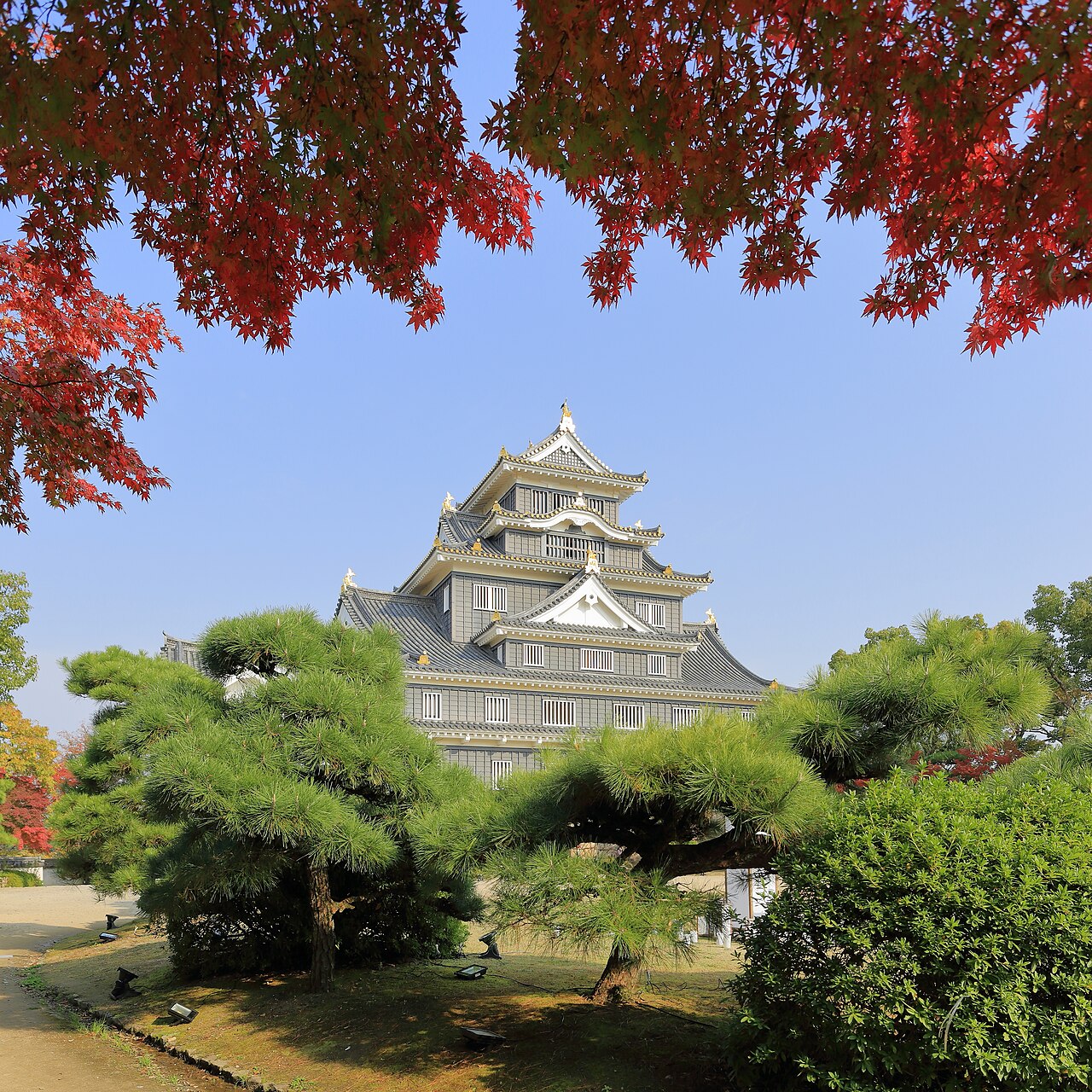
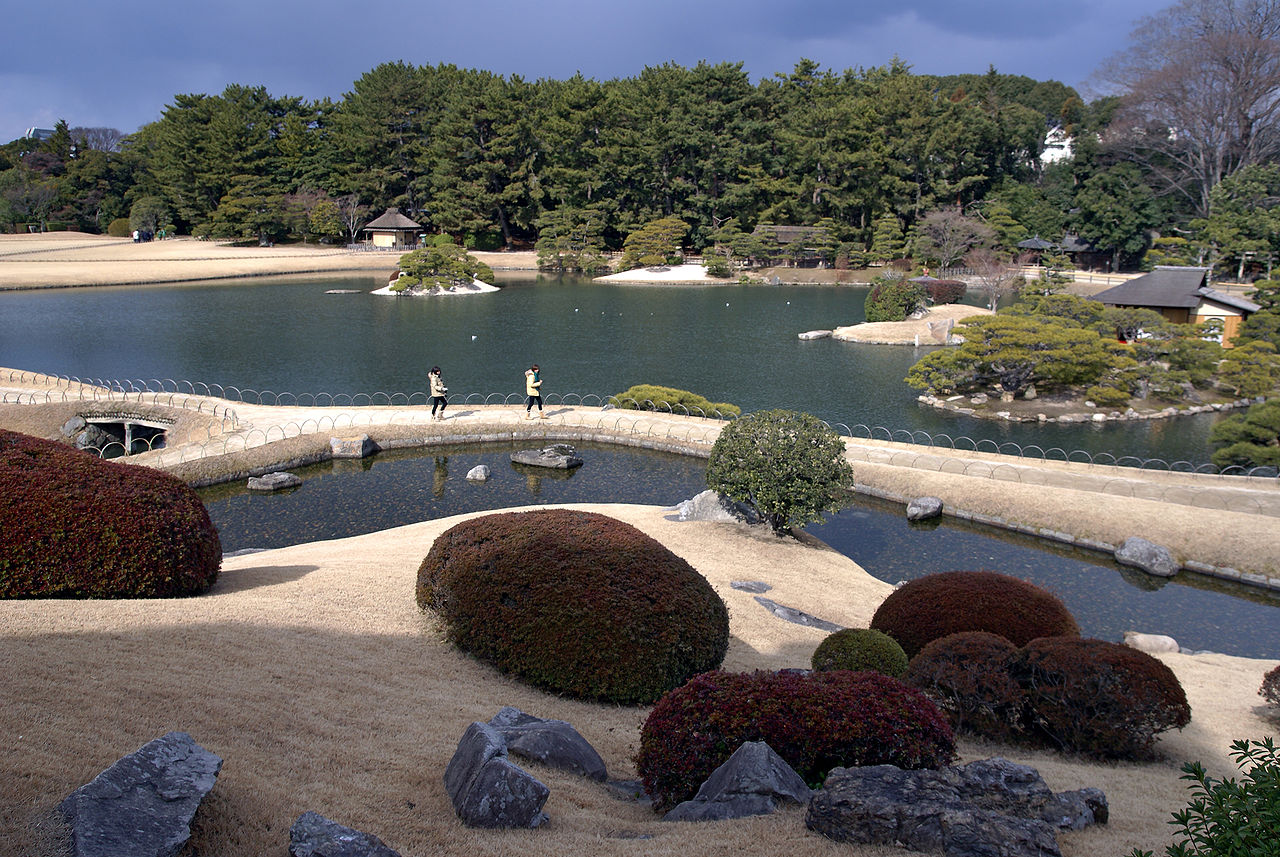
When peace arrived in the Edo period, the demand for blades fell, but the metalworking culture did not vanish. Okayama’s castle town flourished under the Ikeda daimyo, whose black-keeled castle and the adjacent Kōrakuen garden — counted among Japan’s three great gardens — signal the refined provincial culture that surrounded the craft. The skills migrated and adapted rather than disappeared.
“A letter opener forged in Osafune is a domestic-scale heir to the most prolific sword tradition Japan ever produced — the same forge, the same quench, scaled to a desk.”
The continuity case is concrete. Today the Bizen Osafune Sword Museum and its working smithy in Setouchi City keep tamahagane forging alive, and contemporary smiths apply the same forge-and-quench skills to small desk objects — including katana-form letter openers like this one. The object you would buy is not a souvenir cast in a factory; it is a byproduct of a still-active forging community.
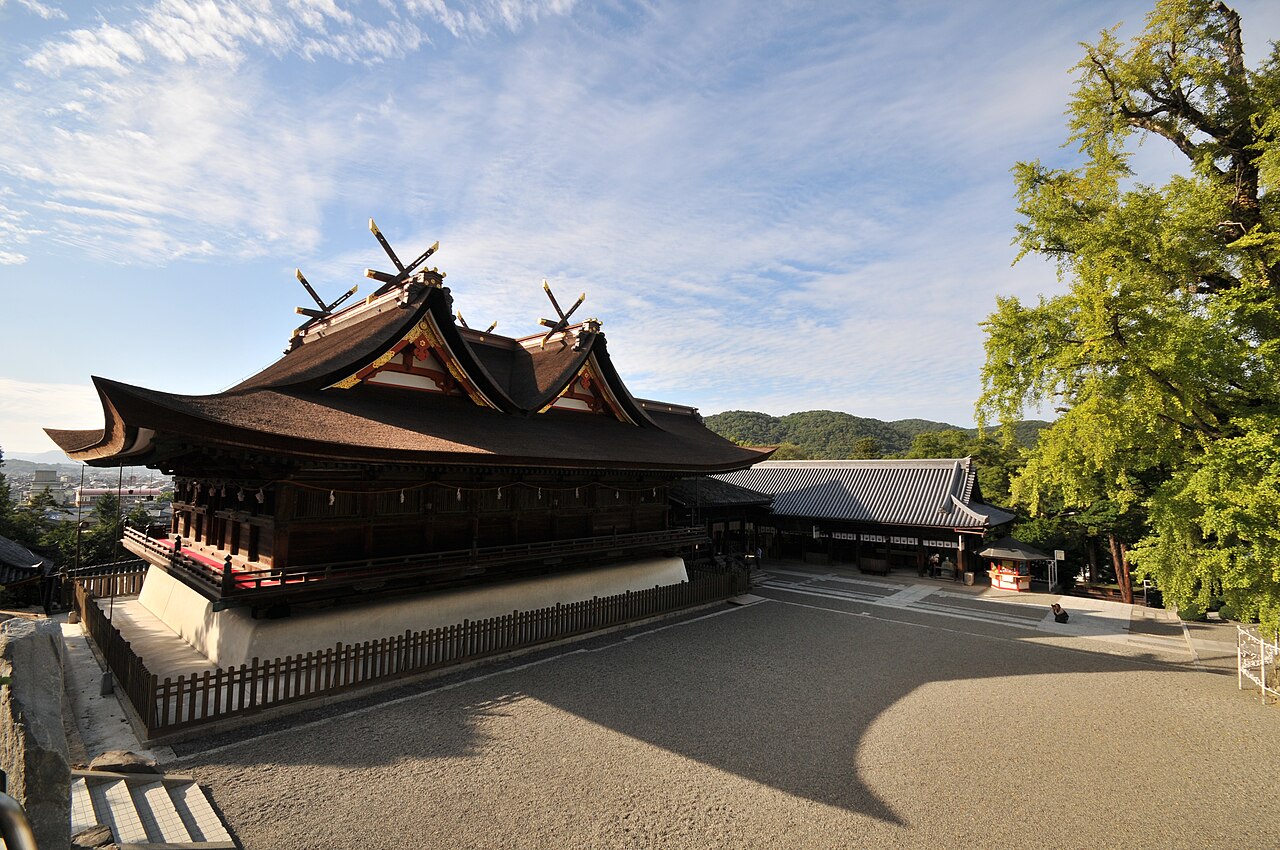
The region’s metallurgical roots run even deeper than the swords. The ancient Kibi kingdom — centered on Kibitsu Shrine and remembered through the Momotarō (“Peach Boy”) legend — anchors the area’s martial and metalworking lore back into the Kofun era, long before the Heian smiths.
If you are weighing this against other Japanese metal and forged-steel objects, these related jpmono guides are useful reference points — same prefecture, same region, or the same heritage of forged steel and cast metal.
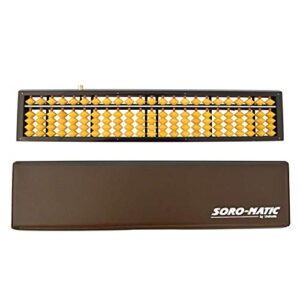 Unshu Soroban (Shimane, Chūgoku)
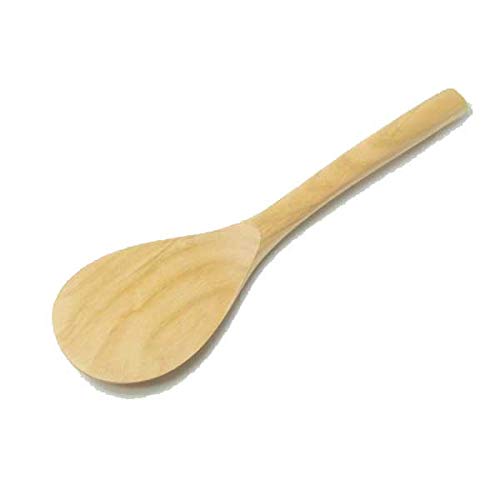 Miyajima Shamoji (Hiroshima, Chūgoku)
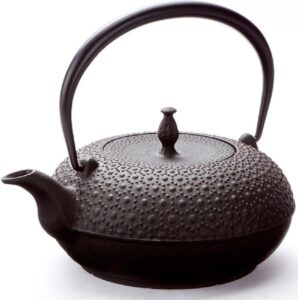 Oigen Nambu Tetsubin (iron metalcraft)
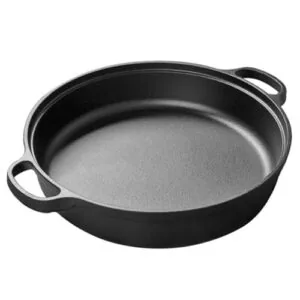 Kawaguchi Cast Iron Nabe (metal)
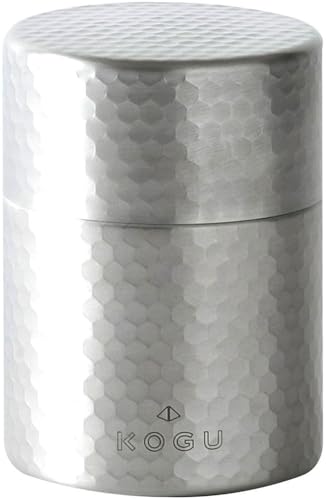 Kaikado Tin Tea Caddy (metal)
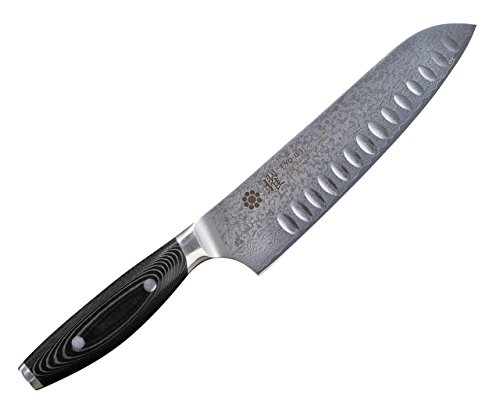 Seki Damascus Santoku (forged-steel heritage)
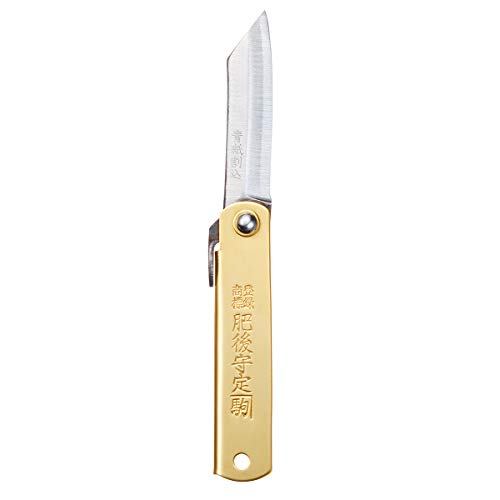 Higonokami Folding Knife (traditional steel)
Buying options
| Store | Item / Variant | Price | Notes |
|---|---|---|---|
| 🇺🇸 Amazon.com (US) | Browse Japanese letter openers & forged-steel desk tools | varies (USD) | Best if you are shopping from the US — Prime shipping, USD pricing, no international customs. Amazon US carries Japanese kitchen and desk steel goods useful for comparison; this exact Osafune piece is sourced from Japan (next row). |
| 🇯🇵 Amazon JP Global Store | Bizen Osafune katana letter opener | — | Ships internationally from Japan to most major destinations. |
| Maker direct | Bizen Osafune Sword Museum shop / Setouchi smithy | Unconfirmed | A museum shop and working smithy exist in Setouchi City; direct international ordering is not confirmed and may require Japanese-language contact. |
| Proxy services (Buyee / Tenso) | Forwarding from Japan-only sources | Item + fees | Useful for Japan-only offers; adds a service fee and a second shipping leg. Verify your country allows blade-shaped imports first. |
What it does well
Weaknesses and things to verify before buying
- Smith is not individually named. The Osafune sword-town tradition is noted, but no individual attribution or paperwork is given. Do not expect a signed, registered blade.
- It is a letter opener, not a sword. The edge is intentionally dull. Buyers expecting a sharp or full-length blade will be disappointed — that is by design and by law.
- Import rules vary by country. Some destinations restrict blade-shaped objects regardless of sharpness. Confirm your local customs and knife-import rules before purchase.
- Cross-border shipping and duties. Buying from the JP Global Store means international shipping time, possible customs duties above local thresholds, and currency conversion on top of the JPY price.
- Steel needs basic care. Forged carbon steel can spot or rust if left damp; wipe it occasionally with light oil. Care details should be confirmed before buying.
Conclusion — which buyer type are you?
Other ways to approach this purchase
❓ Frequently Asked Questions
Is this a real katana or a toy?
It is neither. It’s a functional letter opener forged in steel by smiths in the Osafune sword-town tradition. It has the form of a katana and a dull edge intended for opening mail, not a sharpened cutting blade.
Does it ship internationally?
Bizen Osafune katana-style pieces are typically listed on the Amazon JP Global Store, which ships to most major international destinations. Confirm that your own country permits blade-shaped imports before ordering, and budget for possible customs duties above local thresholds.
How much does it cost?
How do I care for the steel?
Forged carbon steel can spot or rust if left damp. Keep it dry, wipe it occasionally with a light, food-safe or mineral oil, and store it in its saya-style sheath. Use the maker’s care guidance for the exact finish and sheath.
Where exactly is it made?
In Osafune, a district of Setouchi City in southeastern Okayama Prefecture, on the Yoshii River. Osafune was historically the most prolific sword town in Japan and remains home to the Bizen Osafune Sword Museum and a working smithy.
Is it a good gift?
Yes, for the right recipient — someone who appreciates Japanese craft, forged steel, or a desk object with a clear story. The saya-style sheath makes it presentation-friendly. Order with international shipping time in mind so it arrives before the occasion.
jpmono.com is curated by a Japan-based editorial team (working out of Toyama in the Hokuriku region and Nara in Kansai) and is independent. We do not take payment from the makers we feature; income comes from affiliate links. We do not physically test every product — we consult maker specifications and public craft references.
🤖 This article was prepared with AI assistance and public craft references, then reviewed by the jpmono editorial team. Where details were not established, we have left them unfilled rather than guessed.
Affiliate disclosure: jpmono.com may earn a commission on qualifying purchases made through links on this page, at no additional cost to you.