![Echizen-yaki Natural Ash Glaze Flower Vase: Six Ancient Kilns Ikebana [2026]](https://jpmono.com/wp-content/uploads/2026/06/echizen-yaki-natural-ash-glaze-flower-vase-where-to-buy-2026-featured.jpg)
An Echizen-yaki (越前焼, “Echizen ware”) flower vase is one of those objects that looks almost unfinished until you understand what you are seeing. There is no painted decoration and, in the classic style, no applied glaze. The surface is what the fire left behind: iron-rich clay turned the color of riverbank earth, streaked with a glassy green where wood ash melted and ran, and flushed scarlet where flame licked the unglazed body. This is the unglazed stoneware tradition of one of Japan’s Six Ancient Kilns, brought down to the scale of a single ikebana stem.
Echizen-yaki is fired in Echizen Town, in the Tannan area of Fukui Prefecture, on the Sea of Japan coast. The kilns there were first lit in the late Heian period, in the 12th century, under the technical influence of neighboring Tokoname — roughly 850 years of continuous making. For centuries the district specialized in large, rugged storage vessels: water jars, seed jars, sake and dye jars, all shipped north by sea. A small ichirin-zashi (一輪挿し, “single-stem vase”) carries the same austere DNA in the palm of your hand.
This guide is written for the international buyer trying to decide whether a rustic, undecorated Japanese stoneware vase belongs in their home. We cover what the listing actually shows, where the ware comes from and why that matters, how it compares to the other Ancient Kilns, the realities of shipping it out of Japan, and — honestly — who should pass on it. Based on the available listing data, this is a niche piece rather than a mass-market product, so set expectations accordingly.
🔄 Updated:
⏱️ Read time: ~11 min

- Who this is for — and who should skip it
- Product overview (from published specs)
- 📍 Where this comes from — place, era, and the craft tradition
- 📦 Shipping & where to buy from outside Japan
- Price snapshot across stores
- What it does well
- Weaknesses and things to verify before buying
- Conclusion — which buyer type are you?
- Other ways to approach this purchase
- 🏆 Editor’s Pick
- ❓ Frequently Asked Questions
Who this is for — and who should skip it
- Appreciate wabi austerity — undecorated, asymmetric, earth-toned surfaces
- Practice or admire ikebana and want a single-stem (ichirin-zashi) vessel
- Are drawn to the Six Ancient Kilns story and want an authentic Echizen example
- Prefer objects shaped by process (fire, ash, iron) over painted ornament
- Are comfortable buying a craft piece where each one varies
- Want bright, glossy, painted, or color-matched decor
- Expect every unit to look identical to the catalog photo
- Need a large, voluminous vase for big bouquets
- Want a guaranteed watertight vessel without testing or a liner
- Are price-sensitive and unwilling to pay craft, not commodity, pricing
Product overview (from published specs)
Per the Amazon listing as of June 18, 2026, this is an Echizen-yaki single-stem flower vase in the unglazed natural-ash-glaze style, made in Echizen Town, Fukui. The fetched data set for this piece is thin: only the Amazon JP Global Store listing snapshot is available, and several precise figures (exact dimensions, weight, and live price) were not present in the data at the time of writing. Where a value is not confirmed in the listing, the table says so rather than guessing.
Echizen-yaki Natural Ash Glaze Flower Vase
越前焼 一輪挿し 花器 花瓶 伝統工芸品
通常6~7日以内に発送します。 · Sold by ハッピードア · ASIN B0GWWPC1LS
Price and availability as of 2026-08-31 02:30 JST. The Amazon listing at the time of purchase is authoritative. jpmono.com earns a commission on qualifying purchases at no extra cost to you.
| Source | What it covers | Notes |
|---|---|---|
| 🇺🇸 Amazon US (search) | Browse Japanese stoneware vases & ikebana vessels | Best if shopping from the US — Prime, USD pricing, no customs. Carries comparable Japanese vases; the exact Echizen piece ships from Japan (next row). |
| 🇯🇵 Amazon JP Global Store | The specific Echizen-yaki single-stem vase (this guide’s item) | Sourced listing; ships internationally from Japan. Live price was not present in the data at time of writing — verify on the listing. |
| Maker direct | Echizen Town kilns / Echizen Togei Mura village | Not confirmed for this specific piece — check the listing for the producing kiln. |
| Material | Iron-rich local clay, high-fired unglazed stoneware | Natural ash glaze (vidro) + scarlet hi-iro flush from anagama firing. |
| Dimensions / weight | Single-stem ichirin-zashi scale | Exact figures unconfirmed in the fetched data — check the listing before buying. |
📖 Glossary — key terms in this article
- Echizen-yaki (越前焼) — “Echizen ware,” the unglazed stoneware tradition of Echizen Town, Fukui.
- Rokkoyo (六古窯) — the “Six Ancient Kilns”: Seto, Tokoname, Echizen, Shigaraki, Tamba, and Bizen; the term was coined by scholar Fujio Koyama in 1948.
- Anagama (穴窯) — a single-chamber “hole kiln” dug into a slope, wood-fired for days, where falling ash creates the glaze.
- Vidro / bīdoro (ビードロ) — the glassy green natural ash glaze that forms where wood ash melts and runs over the clay.
- Hi-iro (緋色) — the scarlet “fire color” flush on unglazed areas touched by flame.
- Ichirin-zashi (一輪挿し) — a vase made to hold a single flower or stem.
- Kitamaebune (北前船) — the Edo-era Japan Sea coastal trading ships that carried Echizen jars north toward Tohoku.
- Wabi (侘び) — an aesthetic of restraint, rusticity, and quiet imperfection.
Five of the Six Ancient Kilns and several other wabi stoneware traditions already have guides on jpmono — useful for placing Echizen in context, including Fukui’s own forged blades.
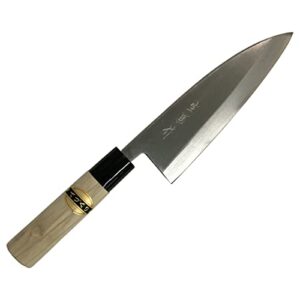 🔪 Fukui’s Echizen forged santoku
🍺 Bizen, a fellow Ancient Kiln
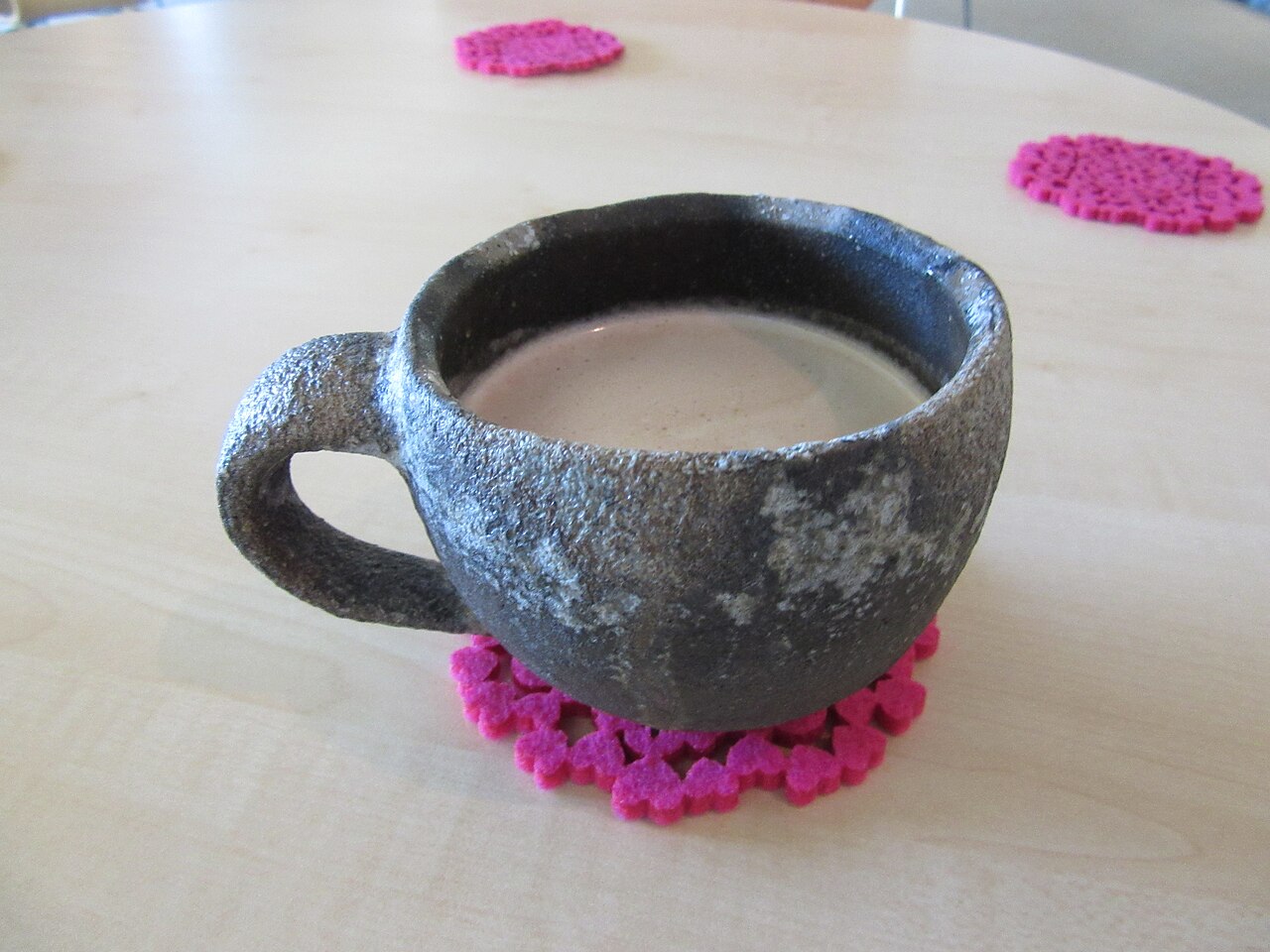
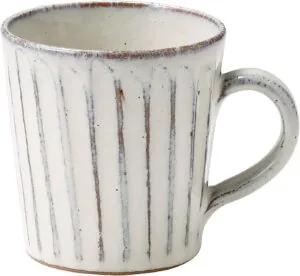 ☕ Shigaraki unglazed mug
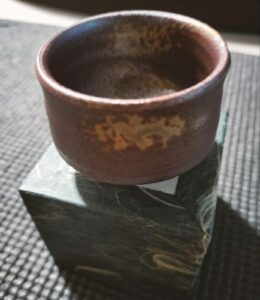 🍶 Tamba Ancient Kiln guinomi
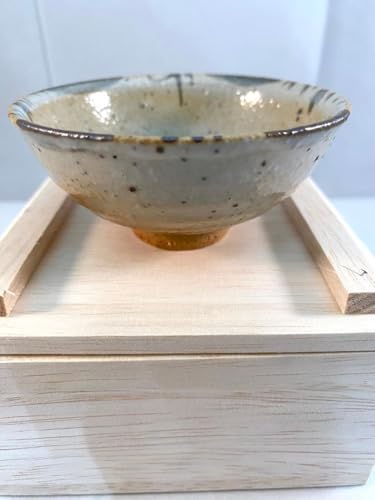 🏺 Karatsu wabi stoneware
🍽️ Fujina folk-craft plate
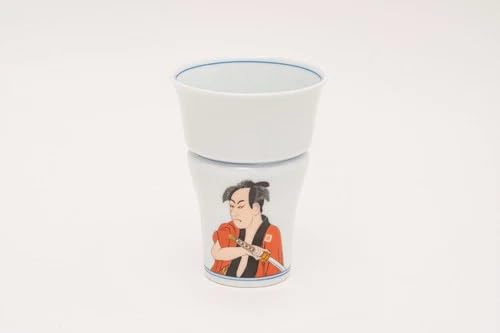 🥤 Otani large-vessel kiln
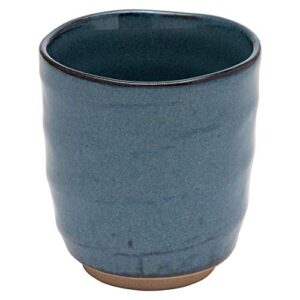 🍵 Shitoro-yaki yunomi
📍 Where this comes from — place, era, and the craft tradition

Echizen Town sits on the coast of Fukui Prefecture, in the historical province of Echizen, in the Hokuriku part of the Chūbu region. This is the Sea of Japan side of the country, a place of heavy winter snow, dramatic coastline, and old sea trade. The pottery district lies inland of the shore in the Tannan area, where iron-rich clay and forested slopes gave potters both the raw material and the firewood an anagama kiln demands. The sea did the rest: it carried the finished jars away.
The kilns of Echizen were first lit in the late Heian period, in the 12th century, under the technical influence of Tokoname to the south. That makes Echizen one of the Rokkoyo, the Six Ancient Kilns named by scholar Fujio Koyama in 1948 — Seto, Tokoname, Echizen, Shigaraki, Tamba, and Bizen. These are the kiln traditions that fired continuously through the medieval centuries without adopting imported glazing fashions, and Echizen is the flagship of that group on the Japan Sea coast.
- Late 12th c. — Echizen kilns first lit in the late Heian period under the technical influence of Tokoname.
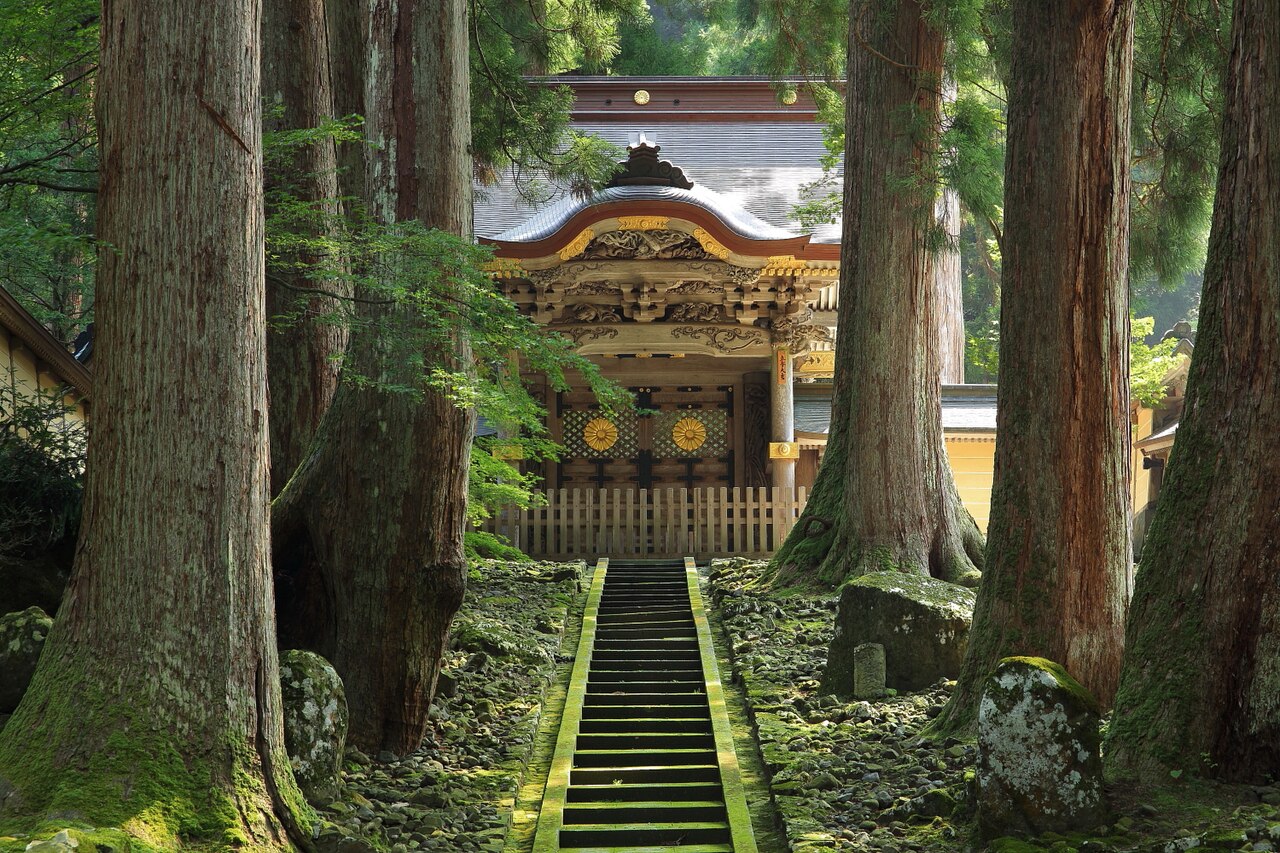
- 1244 — Dōgen founds Eihei-ji, the great Soto Zen training monastery, in the Echizen mountains.
- Medieval era — Echizen becomes a major production zone for large storage vessels — water jars, seed jars, ohaguro pots, and sake/dye jars.
- Edo period — Kitamaebune trading ships carry Echizen jars up the Japan Sea coast as far as Tohoku.
- 1948 — Scholar Fujio Koyama coins the term “Six Ancient Kilns” (Rokkoyo); Echizen is re-evaluated.
- Today — The Echizen Togei Mura pottery village and the Fukui Prefectural Ceramic Museum anchor the craft.
The deep history of the place runs alongside the kilns. In 1244 the monk Dōgen founded Eihei-ji in the Echizen mountains, and it remains one of the two head temples of Soto Zen — a monastery built on austerity and discipline. It is hard not to read the same restraint in Echizen-yaki’s bare, undecorated surfaces, though that is an aesthetic parallel rather than a documented design influence.
In the medieval centuries Echizen was, above all, a workshop for big, practical containers. Potters here turned out water jars, seed jars, ohaguro pots, and sake and dye jars — heavy, functional stoneware made to store and to last. These were not refined tea vessels; they were the storage infrastructure of pre-modern Japan, and Echizen made them at scale.
“Echizen never painted its pots. For eight and a half centuries the decoration has been whatever the fire and the falling ash decided to leave behind.”
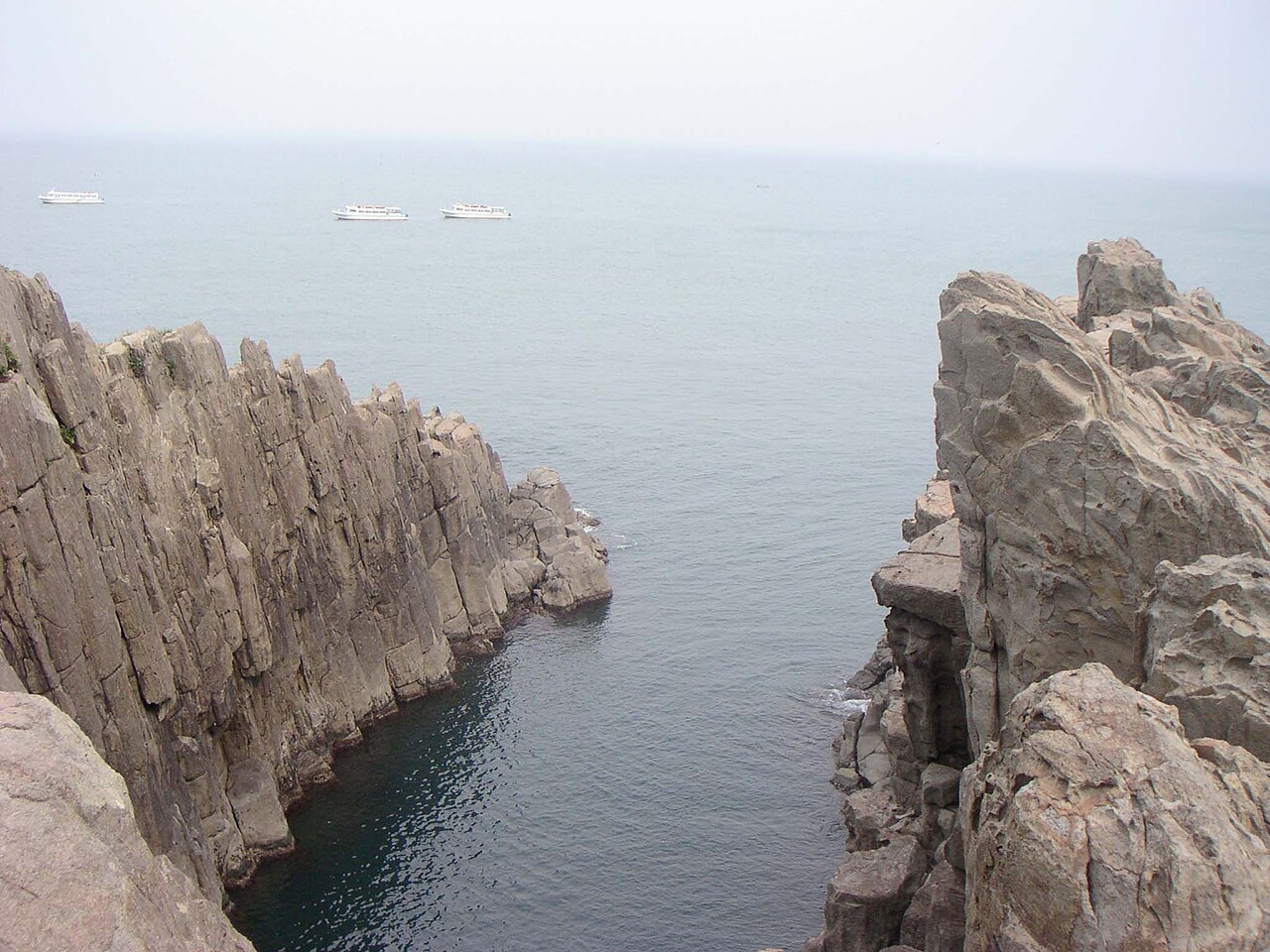
What turned a regional kiln into a nationally traded one was the sea. From the Edo period, the kitamaebune — the Japan Sea coastal trading ships — carried Echizen jars north along the coast as far as Tohoku. The rugged shoreline that made that trade possible is still there to see; the columnar basalt cliffs of Tōjinbō are the most dramatic stretch of it.
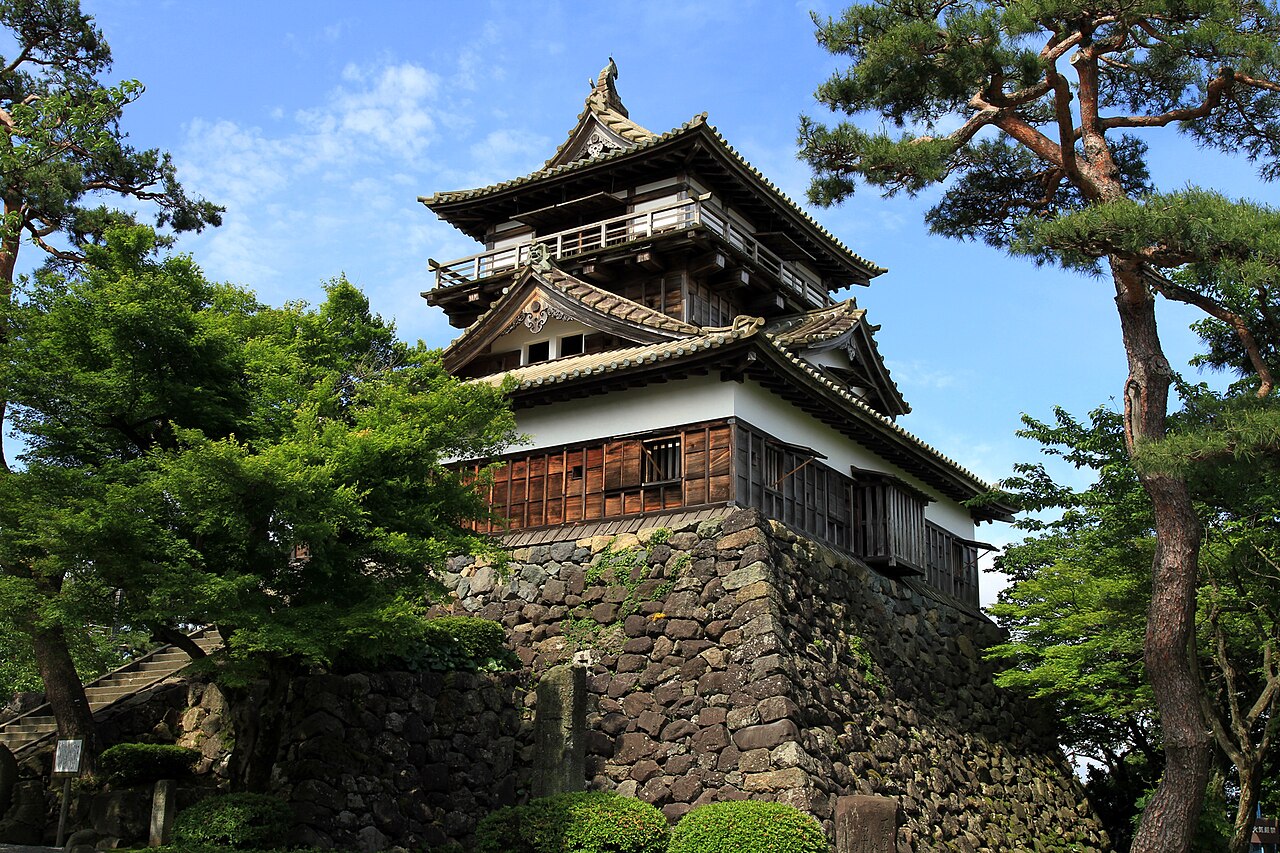
Fukui’s domain-era heritage frames the district too. Maruoka Castle, near the Echizen pottery area, preserves one of Japan’s oldest surviving castle keeps — a reminder that this coast was a settled, governed, working region long before the kilns were “rediscovered.” After Echizen’s medieval prominence faded, it was Koyama’s 1948 framing of the Six Ancient Kilns that pulled it back into national view as a living heritage craft.
Today the craft is anchored by the Echizen Togei Mura (“Echizen Pottery Village”) and the Fukui Prefectural Ceramic Museum, which preserve the kilns, train makers, and keep the tradition publicly visible. A small single-stem vase from this district is, in effect, the medieval storage-jar tradition scaled down for a modern alcove — the same iron clay, the same fire, the same refusal to decorate.
📦 Shipping & where to buy from outside Japan
The specific piece in this guide is sourced from the Amazon JP Global Store, which ships many household goods internationally to most major destinations. For a small, robust stoneware vase, that is usually the most direct path out of Japan. Shipping for a low-volume ceramic item of this size typically lands in the rough range of $15–$40 to the US and EU, with higher rates to more distant regions; the listing itself shows the exact figure at checkout.
If your Amazon JP search does not show the item shipping to your country, the usual fallback is a proxy service such as Buyee or Tenso, which receive the parcel at a Japanese address and re-forward it abroad. Orders above your country’s de minimis threshold may attract import duty and tax, so budget for that on top of the item and shipping. Ceramics are fragile; confirm the seller packs for international transit, or expect to absorb some breakage risk.
Price snapshot across stores
Prices and stock fluctuate; the figures below reflect what was available in the data at the time of writing. For this piece, the live price was not present in the fetched listing snapshot — treat the JP Global Store listing as authoritative and check it before buying. USD figures are approximate at a ¥150/USD baseline as of mid-2026.
| Store | Item / Variant | Price (JPY + USD est.) | Notes |
|---|---|---|---|
| 🇺🇸 Amazon.com (US) | Browse Japanese stoneware & ikebana vases | varies (USD) | Best if you’re shopping from the US — Prime shipping, USD pricing, no international customs. Amazon US carries comparable Japanese stoneware and ikebana vases; this exact Echizen piece is sourced from Japan (next row). |
| 🇯🇵 Amazon JP Global Store | Echizen-yaki single-stem flower vase (this item) | Price not listed in data — check listing | Ships internationally from Japan. The sourced listing for the specific item; live price was unavailable at time of writing. |
| Maker direct | Echizen Town kilns / Echizen Togei Mura | Varies by kiln | Not confirmed for this exact piece; many Echizen kilns sell direct or through the pottery village, often Japan-domestic only. |
| Proxy services (Buyee / Tenso) | Forwarding for JP-only listings | Item price + forwarding fee | Use when direct international shipping is unavailable; adds a handling fee and a second shipping leg. |
Prices in USD are approximate and depend on the current exchange rate. The JPY price on the listing is the authoritative one.
What it does well
The glassy green vidro ash glaze and scarlet hi-iro flush come from the anagama firing itself, not from applied decoration — each piece is one of a kind.
A genuine example of one of the Rokkoyo — about 850 years of continuous, unglazed stoneware tradition behind a single object.
The ichirin-zashi form suits minimalist ikebana — one branch or flower reads as a deliberate composition rather than a bouquet.
High-fired iron-rich stoneware is dense and durable, with a tactile, matte body that ages gracefully and pairs with natural interiors.
Weaknesses and things to verify before buying
- Variation is the point — and the risk. Because the surface is fire-made, your piece will differ from the catalog photo in color, ash run, and flush. If you need an exact match, this is the wrong category.
- Watertightness is not guaranteed. Unglazed stoneware can be porous or seep depending on firing. Test with water before using fresh flowers, or use a small glass/tube liner inside the vase.
- Exact dimensions and weight were unconfirmed in the fetched data. Check the listing for height and mouth diameter so the vase suits the stems you intend to display.
- Live price was not present in the data. Confirm the current price on the Amazon JP Global Store listing before committing; craft pricing varies by kiln and piece.
- Fragility in transit. Ceramics break. Verify the seller’s international packing, and factor in some risk or insured shipping for a long Japan-to-abroad journey.
- Customs and duty may apply above your country’s threshold, on top of item and shipping cost.
- Not a statement bouquet vessel. A single-stem vase is small by design; large arrangements will not fit.
Conclusion — which buyer type are you?
You value the Rokkoyo pedigree and one-of-a-kind fired surface. Buy the Echizen piece, and consider a maker-direct kiln purchase for a documented signature.
You want an authentic, earthy single-stem vase for a minimalist shelf. The JP Global Store listing is the straightforward path — just use a liner for water.
Compare comparable unglazed Japanese vases on Amazon US first; if price matters more than the specific Echizen origin, a similar stoneware piece may suit you.
If you want glossy, painted, color-matched, or large-capacity vases, this rustic single-stem stoneware will disappoint. Look elsewhere.
Other ways to approach this purchase
Craft ceramics rarely discount deeply, but international shipping promotions on Amazon JP can offset the freight. Watch the listing if you are flexible on timing.
Buying from an Echizen Town kiln or through the Echizen Togei Mura pottery village can get you a documented piece, though many sell Japan-domestic only.
If you hold Amazon points or rewards on your account, applying them at checkout is a simple way to trim the effective cost on either marketplace.
If the variation, porosity, or shipping fragility are dealbreakers, a domestic glazed vase will serve daily use with less fuss.
🏆 Editor’s Pick
❓ Frequently Asked Questions
Is Echizen-yaki really unglazed, and why does it look glassy in places?
In the classic style, no glaze is applied. The glassy green sheen, called vidro (bīdoro), forms when wood ash falling in the anagama kiln melts at high heat and runs over the iron-rich clay. The scarlet areas are hi-iro, the “fire color” where flame touched the bare body.
Will my vase look exactly like the photo?
No. Because the surface is created by fire and falling ash, color, ash run, and flush vary from piece to piece. This variation is a defining feature of the ware, not a defect. If you need an exact match to a photo, this category is not the right choice.
Can I put water and fresh flowers in it?
Often yes, but unglazed stoneware can be porous depending on firing. Test with water first, and if it seeps, use a small glass or plastic tube liner inside the vase to hold water for fresh stems.
Does Amazon JP ship this internationally?
The item is sourced from the Amazon JP Global Store, which ships many household goods to most major destinations. Shipping for a small ceramic typically runs roughly $15–$40 to the US and EU. If your country is not served directly, a proxy service such as Buyee or Tenso can forward it.
How is Echizen different from the other Six Ancient Kilns?
All six (Seto, Tokoname, Echizen, Shigaraki, Tamba, Bizen) are old unglazed-stoneware traditions. Echizen is the Japan Sea flagship, known historically for large storage jars and for the green vidro ash glaze over iron-rich clay. Bizen, Shigaraki, and Tamba each have distinct clays and surfaces — see the comparison links above.
How do I care for it?
Rinse with water and let it dry fully; avoid harsh detergents on the porous body. Empty water after use to limit mineral staining. Handle as you would any fired ceramic — it is dense but will chip or break if dropped.
Is this a good gift?
For someone who appreciates wabi aesthetics, ikebana, or Japanese craft heritage, yes — the Six Ancient Kilns story gives it meaning. For a recipient who prefers bright, decorative, or matched homeware, choose something else.
jpmono.com is curated by a Japan-based editorial team (working out of Toyama in the Hokuriku region and Nara in Kansai) and is independent. We do not take payment from the makers we feature; income comes from affiliate links. We do not physically test every product — we read maker specs and source listings.
🤖 This article was prepared with AI assistance for drafting and formatting, based on the listing and curated source data noted above, and reviewed before publication. Facts about the craft and region are drawn from the provided data notes.
Affiliate disclosure: jpmono.com may earn a commission on qualifying purchases made through links on this page, at no additional cost to you.