![Edo Kiriko Cut Glass Sake Cup: Tokyo Cut Crystal Ochoko [2026]](https://jpmono.com/wp-content/uploads/2026/06/edo-kiriko-cut-glass-sake-cup-where-to-buy-2026-featured.jpg)
Edo Kiriko (江戸切子, “Edo cut glass”) is the hand-cut glass craft of old Tokyo, conventionally dated to 1834, when Kagaya Kyubei, a glass merchant in Edo’s Odenma-cho district, began grinding patterns into the surface of glass with emery sand in imitation of imported British cut glass. An ochoko (お猪口, the small sake cup) made in this tradition carries a thin layer of colored glass cut through to the clear crystal beneath, so that the facets catch and split the light each time the cup is lifted to pour.
What makes the craft notable internationally is continuity rather than novelty. The cutting wheels concentrated in Edo’s low-city (shitamachi) — the Koto and Sumida wards along the Sumida and Arakawa rivers — and many of those family workshops still operate there today. Edo Kiriko was designated a Tokyo traditional craft in 1985 and a nationally designated traditional craft by Japan’s Ministry of Economy, Trade and Industry (METI) in 2002.
This guide is written for an international reader who wants the genuine article rather than a souvenir-grade lookalike. We cover what the geometric overlay patterns mean, how Edo Kiriko differs from the thicker-overlay Satsuma Kiriko of Kagoshima, how an ochoko differs from a guinomi or sakazuki, who this faceted sake cup suits, who should skip it, and the practical question every overseas buyer asks first — where to actually buy it, in USD or in JPY, and how it ships.
🔄 Last updated: June 16, 2026
⏱️ Read time: about 9 minutes

- Who this is for — and who should skip it
- Product overview (from published specs)
- 📍 Where this comes from — place, era, and the craft tradition
- Price snapshot across stores
- What it does well
- Weaknesses and things to verify before buying
- Conclusion — which buyer type are you?
- Other ways to approach this purchase
- 🏆 Editor’s Pick
- ❓ Frequently Asked Questions
Who this is for — and who should skip it
- Drink sake, shochu, or spirits neat and want a cup that performs as an object every pour
- Value hand-cut work and a documented regional tradition over mass-produced pressed glass
- Are shopping for a wedding, retirement, or milestone gift that reads as considered rather than generic
- Want a single conversation piece for a home bar or sake shelf rather than a matched set
- Appreciate that color sits in a thin overlay and reveals clear crystal where the wheel cuts through
- Need a large matched set of identical cups on a tight per-unit budget
- Run everything through a dishwasher and will not hand-wash (cut crystal prefers gentle hand-washing)
- Want a guaranteed dollar price today — overseas pricing on individual pieces fluctuates
- Prefer thick, soft gradient (bokashi) cutting — that is Satsuma Kiriko, a different craft from Kagoshima
- Are hard on glassware or have small children who handle drinkware roughly
Product overview (from published specs)
A note on data quality up front: at the time of writing, the structured product feed for this item returned only the listing reference (ASIN B019W4SPR4) and no live price or measured spec sheet. The table below therefore states only what can be verified from the listing identity and the craft tradition itself; unconfirmed fields are marked rather than guessed. Live pricing was unavailable at the time of writing — always confirm current figures at the retailer before purchasing.
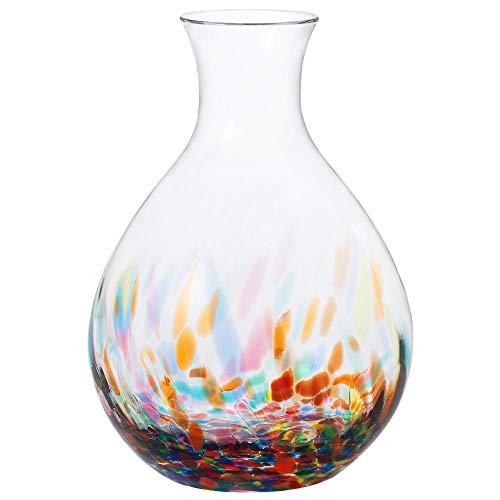
Edo Kiriko Cut Glass Sake Cup
タジマガラス(Tajimaglass) 田島硝子 江戸切子 星切子 ガラス ぐい呑 ペア TG98-203-2
残り1点 ご注文はお早めに · Sold by HINAストア【インボイス発行事業者】正規品取扱 · ASIN B019W4SPR4
Price and availability as of 2026-09-01 05:22 JST. The Amazon listing at the time of purchase is authoritative. jpmono.com earns a commission on qualifying purchases at no extra cost to you.
| Attribute | Detail | Source |
|---|---|---|
| Craft | Edo Kiriko (Tokyo hand-cut glass), colored overlay on clear crystal | Craft tradition |
| Type | Ochoko / sake cup (small drinking vessel) | Listing title |
| Typical pattern | Traditional geometric motif (e.g., kagome, nanako) — exact motif varies by listing | Craft tradition |
| Origin | Tokyo (Koto / Sumida wards, shitamachi low-city) | Craft tradition |
| Material | Crystal / soda-lime glass with iro-kise color overlay — Unconfirmed exact composition; check manufacturer site | — |
| Capacity / dimensions / weight | Unconfirmed — check manufacturer site / listing (ochoko are typically small, on the order of 45–90 ml, but confirm the specific cup) | — |
| Item reference | ASIN B019W4SPR4 (Amazon JP Global Store) | Listing snapshot |
Sources: Amazon US search (primary, moonill-20) + Amazon JP Global Store (secondary, moonill-22, sourced listing) + maker direct where applicable. Specs left as “Unconfirmed” above were absent from the fetched data and are not estimated.
📖 Glossary — key terms
- Kiriko (切子) — “cut glass”; the technique of grinding decorative facets into glass with rotating wheels.
- Ochoko (お猪口) — the small sake cup, usually drunk in one or two sips and refilled often; smaller than a guinomi.
- Guinomi (ぐい呑み) / sakazuki (盃) — a larger sake cup and a shallow ceremonial sake dish, respectively; both differ from the everyday ochoko.
- Edo (江戸) — the old name for Tokyo, used through the Edo period (1603–1868).
- Iro-kise (色被せ) — the thin colored glass overlay laid over clear crystal; cutting through it reveals the clear layer beneath as bright lines.
- Nanako (魚子) — “fish roe,” a dense field of small cut circles resembling clustered eggs.
- Kagome (籠目) — “basket eyes,” a woven-bamboo lattice pattern.
- Yarai (矢来) — a diagonal bamboo-fence motif; asanoha (麻の葉) — a six-point hemp-leaf geometry.
- Shitamachi (下町) — Tokyo’s “low city,” the older riverside artisan and merchant districts.
- Bokashi (ぼかし) — a soft graded edge; characteristic of Satsuma Kiriko, not Edo Kiriko.
📍 Where this comes from — place, era, and the craft tradition

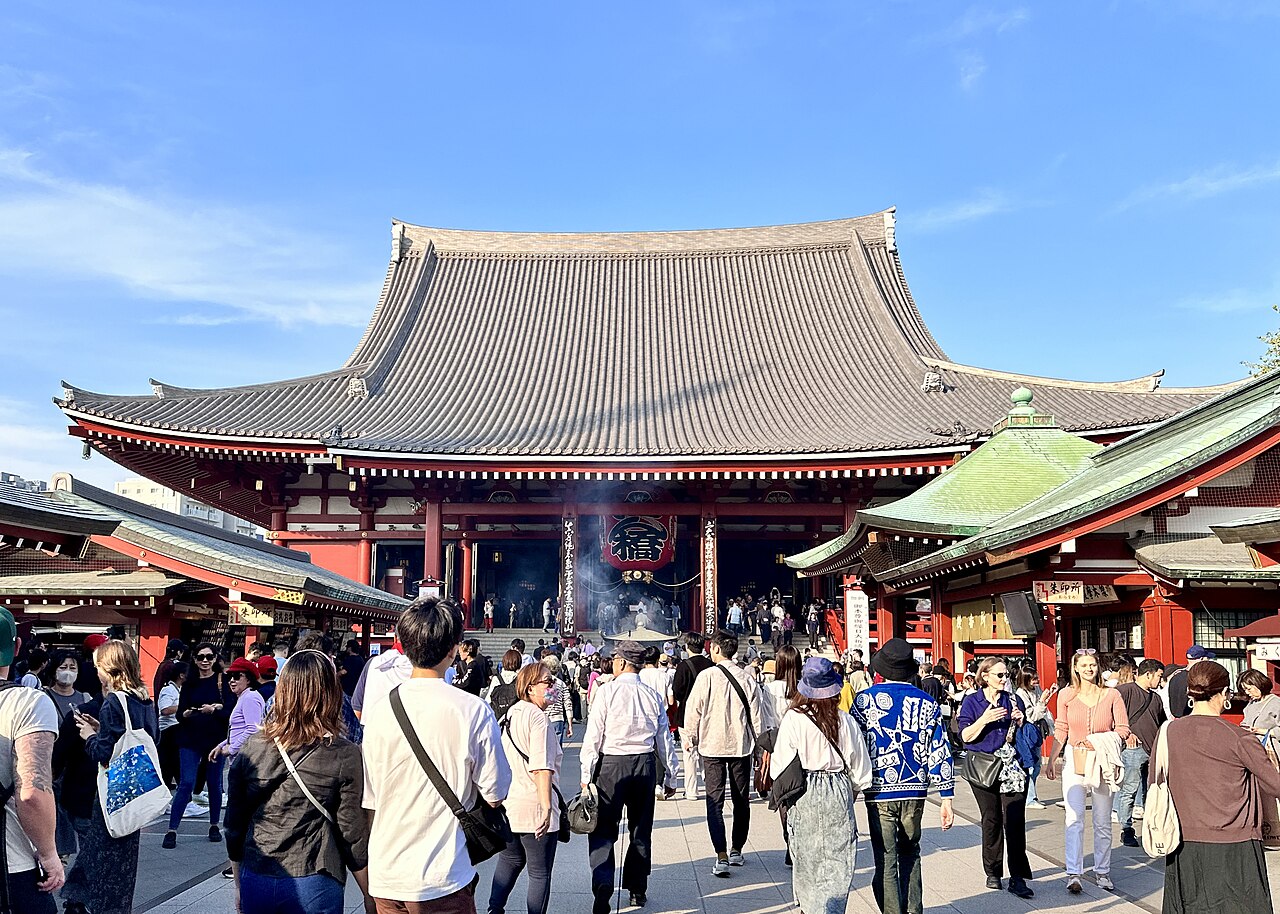
Edo Kiriko is a Tokyo craft, and specifically an eastern-Tokyo one. The workshops concentrated in the shitamachi — the “low city” of Koto and Sumida wards on the eastern bank of the Sumida River — rather than in the high-ground administrative districts. This is the old commercial and artisan Tokyo: dense, riverside, and built around small workshops handed down through families. The rivers mattered for the same reason they mattered to every Edo trade — they moved goods, materials, and people through the city’s eastern flank.
The craft’s conventional birth year is 1834. In that year Kagaya Kyubei, a glass merchant in Edo’s Odenma-cho — a merchant quarter of the kind that defined commercial districts like Nihonbashi — began cutting patterns into the surface of glass using emery sand as an abrasive, in imitation of the imported British cut glass then reaching Japan. This was decorative surface work on existing glass, the seed of what would become a distinct regional style.
The technique advanced sharply in the Meiji era (1868–1912). The new government invited the British engineer Emanuel Hauptmann to the Shinagawa Glass Works around 1881 to teach Western wheel-cutting, and that method fused with the existing Edo hand-craft — bringing the overlay-and-wheel approach that defines the style today. The hallmark is iro-kise (色被せ, “colored overlay”): a thin layer of cobalt, ruby, or amber glass is fused over clear crystal, then cut so the clear base flashes through the pattern. The signature motifs are geometric and named for everyday Edo life rather than for nobility: kagome (籠目, “basket eyes”), nanako (魚子, “fish roe”), asanoha (麻の葉, “hemp leaf”), and yarai (矢来, “bamboo fence”).
- 1603 — Edo becomes the seat of the Tokugawa shogunate; the city grows into Japan’s largest.
- 1834 — Kagaya Kyubei of Odenma-cho cuts patterns into glass with emery sand, copying imported British cut glass — the conventional founding of Edo Kiriko.
- 1868 — The Meiji era opens; Edo is renamed Tokyo.
- c. 1881 — British engineer Emanuel Hauptmann teaches Western wheel-cutting at the Shinagawa Glass Works, fusing it with the Edo hand-craft.
- 20th century — The craft concentrates in the Koto and Sumida shitamachi wards near the Sumida and Arakawa rivers.
- 1985 — Edo Kiriko is designated a Tokyo traditional craft.
- 2002 — METI designates Edo Kiriko a nationally recognized traditional craft.
- 2026 — Workshops in Koto and Sumida continue cutting glass by hand for sake cups, whisky glasses, and tableware.
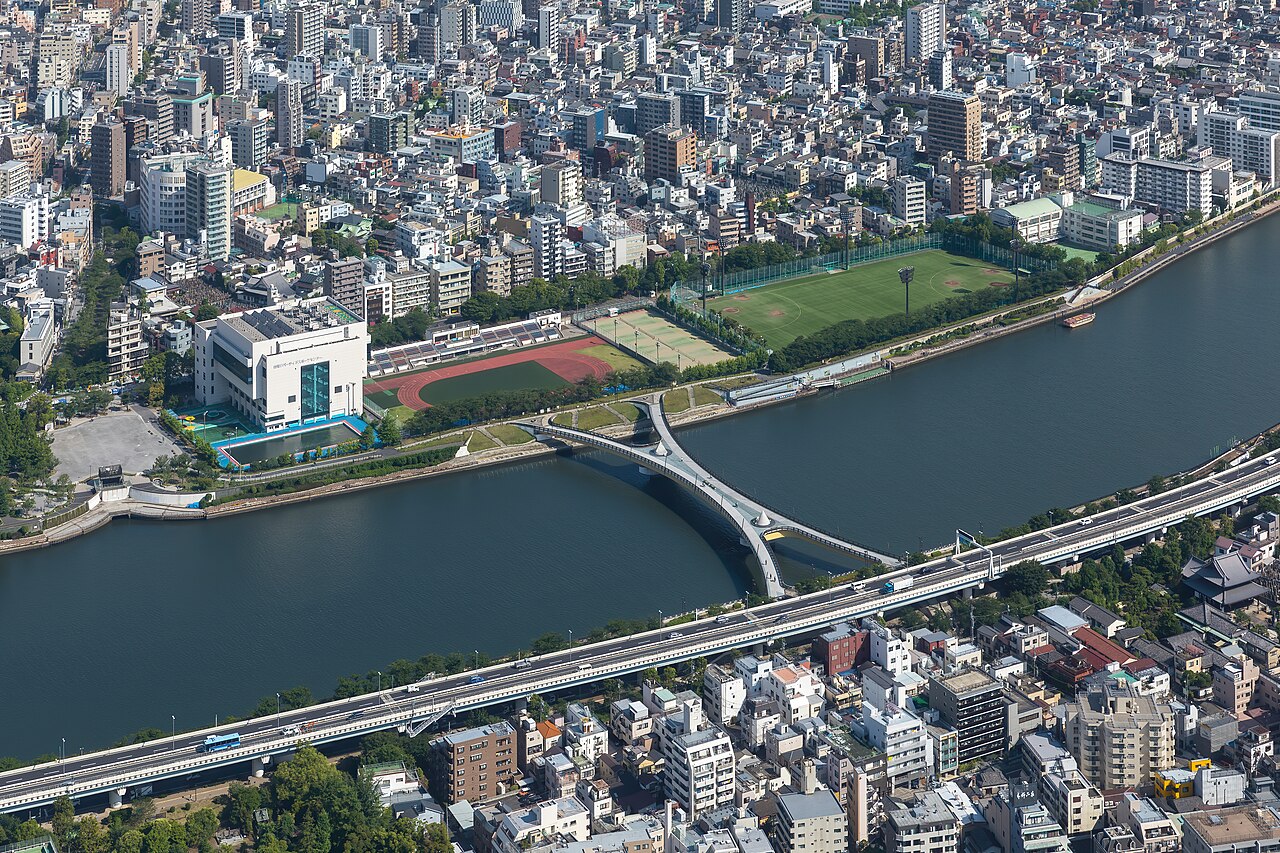
What “still being made here” means is concrete. The cutting work remains hand-guided against rotating wheels, and the eastern Tokyo wards still hold a working cluster of named houses — among them well-known makers such as Hirota Glass and the Toyo Sasaki / Kagami lines — that keep the technique alive as a living trade rather than a museum exercise. The motifs cut today are the same kagome and nanako geometries that the craft settled on generations ago.
“The color is only skin-deep on purpose — the cutter’s whole job is to reach through the overlay and let the clear crystal underneath do the shining.”
One distinction matters before you buy, because the two are easily confused. Edo Kiriko is not the same as Satsuma Kiriko, the cut glass of Kagoshima in the far southwest. Satsuma Kiriko uses a thicker color overlay and a soft graded edge (bokashi) where the color fades into clear; Edo Kiriko uses a thinner overlay and crisp, bright cut lines. Both are legitimate Japanese cut-glass traditions — they are simply different crafts from different ends of the country.
Other Japanese glass, sake-ware, and Tokyo / Kantō crafts we have covered — useful for placing this Edo Kiriko ochoko in context.
Price snapshot across stores
Prices in USD are approximate and depend on the current exchange rate (¥150/USD baseline as of mid-2026); the JPY price is the authoritative one for the specific listed item. Live pricing was unavailable from the fetched data at the time of writing — verify at the retailer before buying.
| Store | Item / Variant | Price (JPY + USD est.) | Notes |
|---|---|---|---|
| 🇺🇸 Amazon US (search) | Browse Japanese Edo Kiriko & cut-glass sake cups | varies (USD) | Best if you are shopping from the US — Prime shipping, USD pricing, no international customs. Amazon US carries Edo Kiriko and Japanese cut glass from various makers — useful for comparing patterns and price tiers; the exact piece here is sourced from Japan (next row). |
| 🇯🇵 Amazon JP Global Store | The specific Edo Kiriko ochoko sake cup (ASIN B019W4SPR4) | Price unavailable at time of writing — check listing | Ships internationally from Japan. This is the sourced listing for the item in this guide. |
| Maker direct | Hirota Glass / Toyo Sasaki / Kagami lines | varies (JPY) | Maker sites carry the full pattern range; international shipping support varies by maker. |
| Proxy services (Buyee / Tenso) | Forwarding for Japan-only listings | item price + service fee | Useful when a pattern is only sold on domestic Japanese stores; adds a forwarding fee on top of shipping. International shipping on a single cup typically runs roughly $15–$40 to the US and EU, and higher elsewhere; orders above your local de minimis threshold may attract customs duty or import VAT on arrival. |
What it does well
Weaknesses and things to verify before buying
- No confirmed price in the data. The fetched feed returned the listing reference but no live price; only the Amazon JP listing snapshot is available, and live pricing may have shifted since the writing date. Confirm the current figure before buying.
- Specs are unconfirmed. Capacity, exact dimensions, weight, and precise glass composition were not in the dataset. Check the listing or maker site if a specific size matters to you — ochoko vary widely in volume.
- Pattern and color vary by listing. “Traditional geometric motif” covers several patterns (kagome, nanako, and others) in several overlay colors. The exact motif and color you receive depend on the specific variant — confirm before ordering.
- Hand-wash recommended. Cut crystal generally prefers gentle hand-washing; dishwasher use risks clouding and chipping. Not ideal if you will not hand-wash.
- Fragility in transit. A single cut-glass cup shipped internationally is at real risk of breakage; verify the seller’s packaging and breakage/return policy.
- Customs and duties. Cross-border orders above your local de minimis threshold may attract import duty or VAT collected on arrival.
- Easy to confuse with Satsuma Kiriko. If you specifically want the thick-overlay, soft-gradient (bokashi) look, that is a different Kagoshima craft — make sure you are buying the Tokyo Edo Kiriko style you intend.
Conclusion — which buyer type are you?
Other ways to approach this purchase
🏆 Editor’s Pick
❓ Frequently Asked Questions
What is an ochoko, and how is it different from a guinomi or sakazuki?
An ochoko is the small everyday sake cup, usually drunk in one or two sips and refilled often. A guinomi is a larger cup that holds more, and a sakazuki is a shallow, wide ceremonial dish used at weddings and formal toasts. All three are sake vessels; the ochoko is the most casual and the most common.
What is the difference between Edo Kiriko and Satsuma Kiriko?
Edo Kiriko is the cut glass of Tokyo, with a thin colored overlay and crisp, bright cut lines. Satsuma Kiriko is from Kagoshima and uses a thicker overlay with a soft graded edge (bokashi) where the color fades into clear. They are two distinct Japanese cut-glass traditions from opposite ends of the country.
Can I put an Edo Kiriko sake cup in the dishwasher?
Hand-washing is generally recommended for cut crystal. Dishwasher cycles risk clouding the surface and chipping the cut edges over time. If you will not hand-wash your glassware, this is probably not the right purchase for you.
Does it ship internationally from Japan?
The Amazon JP Global Store lists this item and ships to most major destinations. International shipping on a single cup typically runs roughly $15–$40 to the US and EU, with higher costs to other regions. Because cut glass is fragile, confirm the seller’s packaging and breakage policy first.
Will I have to pay customs duties?
Possibly. Orders above your country’s de minimis threshold may attract import duty or VAT, collected by your local authorities on arrival rather than by the seller. Check your country’s threshold before ordering.
Why does the article not show a firm price?
At the time of writing, only the Amazon JP listing reference was available in our data and live pricing was not returned. Glass pricing also fluctuates with promotions and exchange rates. The JPY price on the listing is authoritative — verify it at the retailer before buying.
Is this a good gift?
A single hand-cut Edo Kiriko ochoko works well as a wedding, retirement, or milestone gift for someone who drinks sake or shochu. It carries a documented Tokyo craft tradition, which reads as more considered than a generic boxed cup set.
jpmono.com is curated by a Japan-based editorial team (working out of Toyama in the Hokuriku region and Nara in Kansai) and is independent. We do not take payment from the makers we feature; income comes from affiliate links. We do not physically test every product — we read maker specs and source listings.
🤖 This article was prepared with AI assistance and reviewed against the source listing data. Specifications and prices are drawn from available listing data at the time of writing and may have changed; verify details at the retailer before purchasing.
Affiliate disclosure: jpmono.com may earn a commission on qualifying purchases made through links on this page, at no additional cost to you.