Imado-yaki Maneki-neko Lucky Cat: Tokyo Clay Figurine Where to Buy [2026]
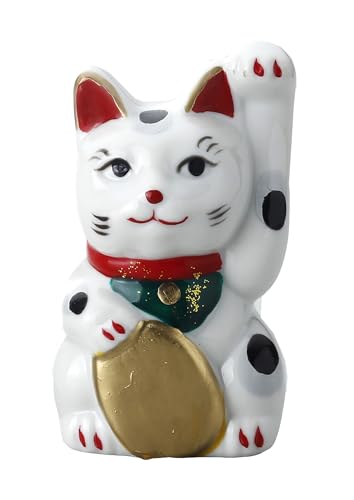
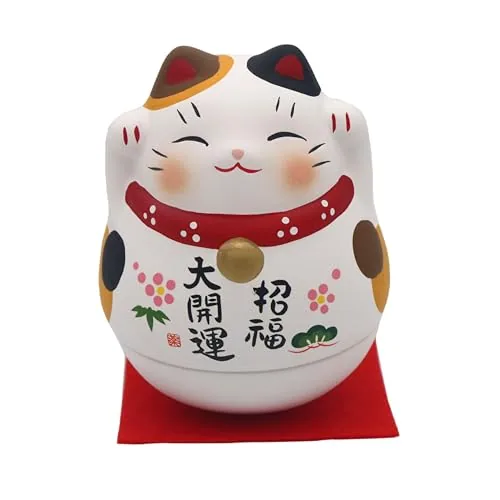
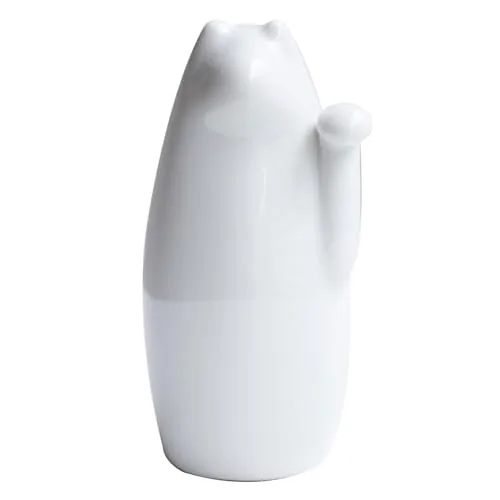
Imado-yaki is the Edo-era Asakusa earthenware tied to the maneki-neko's birth legend. A hand-shaped Tokyo clay lucky cat…
Browse 19 crafts and stories rooted in Tokyo — selected for international buyers and shipped directly to the U.S.
Imado-yaki is the Edo-era Asakusa earthenware tied to the maneki-neko's birth legend. A hand-shaped Tokyo clay lucky cat…
Imado-yaki is Tokyo's old Asakusa earthenware and the birthplace of the maneki-neko. This hand-shaped, low-fired beckoning cat carries…
Imado-yaki is the Edo-born earthenware of Asakusa, and Imado Shrine is celebrated as the birthplace of the maneki-neko.…
Tokyo Ginki is the Edo silversmith tradition once serving the shogunate. This hand-engraved, mirror-polished pure-silver tumbler keeps drinks…
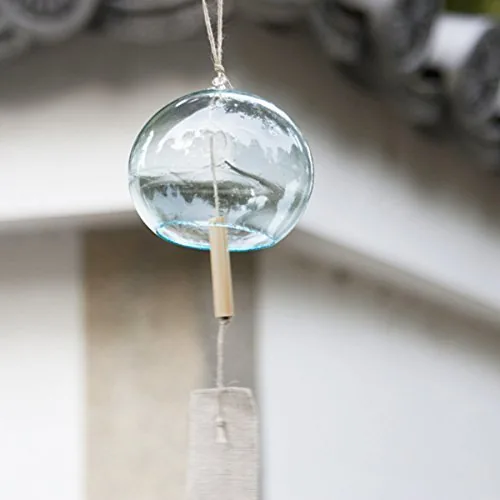
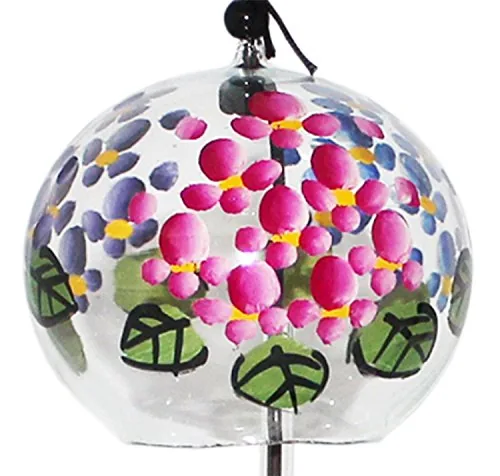
Edo Furin are mold-free, mouth-blown glass wind bells painted from the inside, with a deliberately rough-cut rim that…
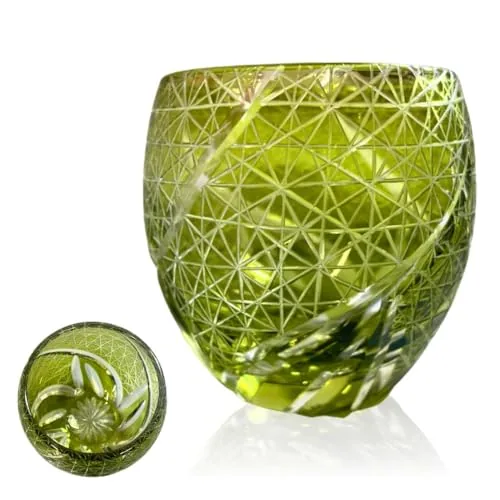
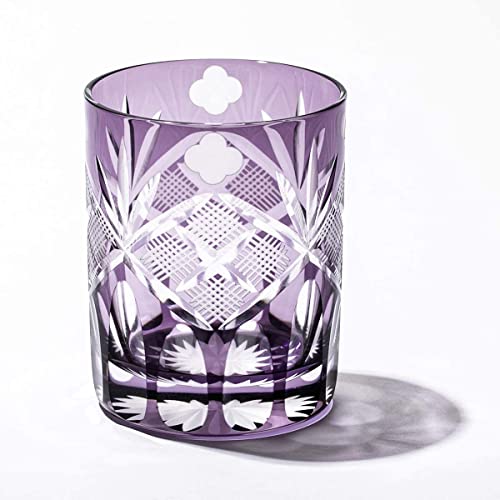
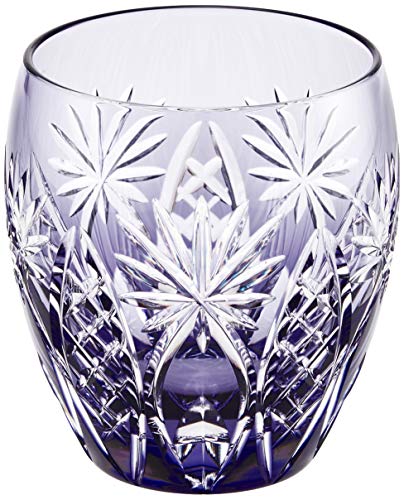
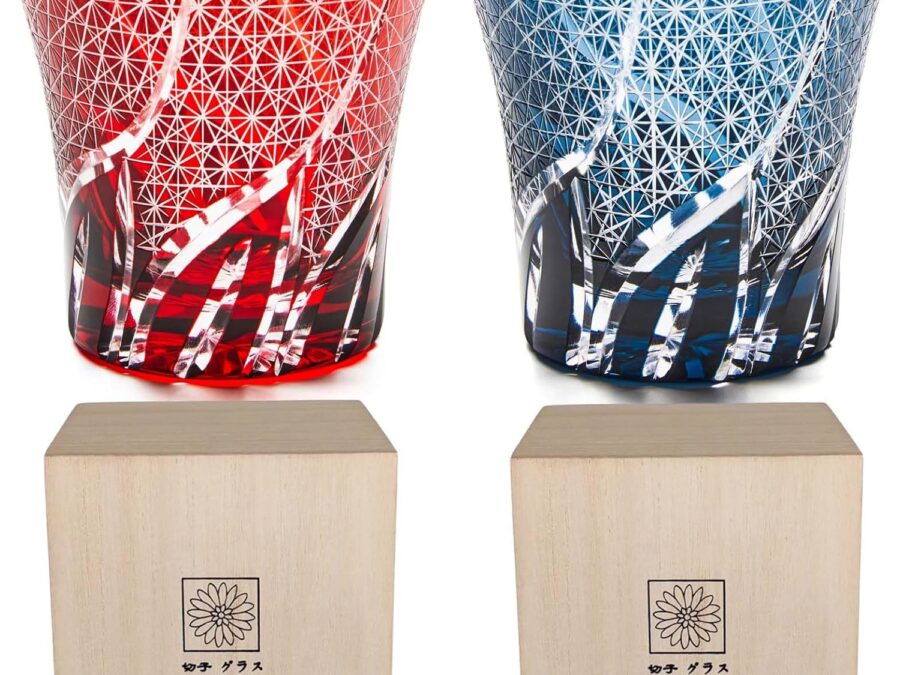
Edo Kiriko is Tokyo's colored cut-glass craft, born in 1834 Edo and refined with British technique in Meiji.…
Edo Kiriko is Tokyo's hand-cut glass craft, born in 1834 Edo. This faceted whisky glass throws prismatic light…
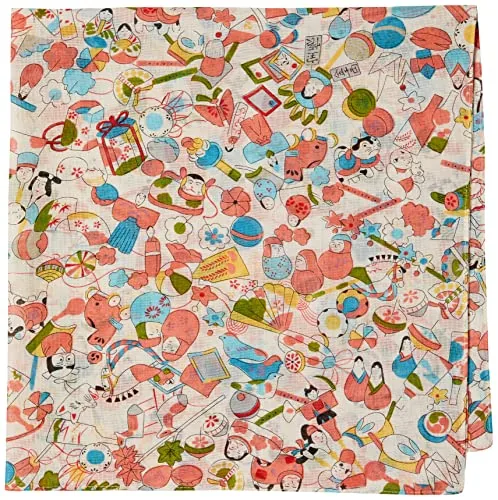
Edo Komon is Tokyo's stencil-dyed textile born from samurai kamishimo formalwear — solid from afar, ultra-fine pattern up…
Edo Sashimono is Tokyo's nail-free joinery craft, fitting island-mulberry boards with hidden mortise-and-tenon joints. We break down what…
Edo Komon is Tokyo's samurai-era stencil-dyed silk, its tiny komon pattern born of Edo sumptuary restraint—here carried into…
Edo Kiriko is Tokyo's hand-cut crystal craft, born in 1834 Edo and refined into the geometric color-overlay glassware…
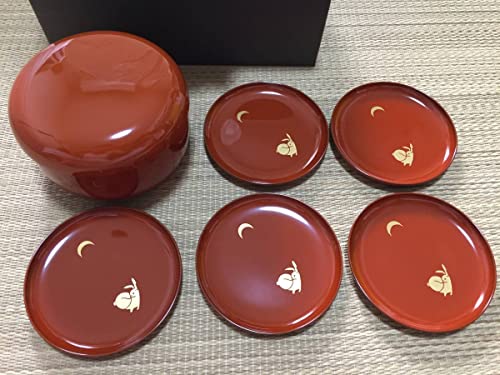
Yamada Heiando has made Tokyo urushi lacquerware since 1919 as an Imperial Household purveyor. Its Edo Shikki coaster…
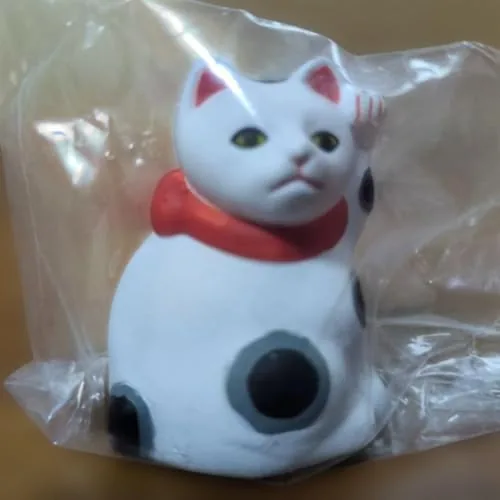
Imado-yaki is the Edo-period earthenware credited with the very first maneki-neko. A hand-shaped, hand-painted beckoning cat from the…
Each Edo Furin is blown without a mold and painted from the inside, its deliberately rough rim giving…
Edo Komon is a Tokyo stencil-dyed silk so fine it reads as a solid color until it catches…
A single-bevel yanagiba forged in the Edo blade tradition of Tokyo's Tsukiji district, the long, thin slicer that…
Tokyo Ginki is Edo's designated silverware craft, born from the shogunate's silversmiths who once worked near the old…
Edo Kumiko coasters lock dozens of tiny cypress slats into a geometric asanoha hemp-leaf lattice with no nails…
Edo Kiriko (江戸切子) is the cut-glass tradition of Tokyo — born in 1834 in the Edo-period merchant districts,…