![Edo Kumiko Coaster Set: Tokyo’s Nail-Free Wood Lattice, Where to Buy [2026]](https://jpmono.com/wp-content/uploads/2026/05/japan-map-regions-and-prefectures-800x1050.png)
An Edo Kumiko (江戸組子, “Edo lattice work”) coaster set takes one of Japan’s most demanding pieces of architectural joinery and shrinks it to fit under a teacup. Dozens of thin hinoki (檜, Japanese cypress) slats are grooved, mortised, and locked into a geometric lattice with no nails and no glue — the same technique that produced the shoji screens and ranma (欄間, “transom panels”) of Edo-period townhouses and temples. The set covered here is attributed to Tabuto Kobo (太武朗工房), a Tokyo-area workshop, and is built around the asanoha (麻の葉, “hemp-leaf”) pattern, a six-point star repeat that was an auspicious motif in Edo.
What makes the object interesting to an international reader is the compression of scale. Full kumiko panels are room-sized and effectively impossible to ship; a coaster set distills the identical hand-assembly into a tabletop object that travels well, costs a fraction of a panel, and asks nothing of the buyer beyond a flat surface and a cup. It is a single-hero, evergreen piece rather than a seasonal one.
This guide is written for readers deciding whether a nail-free wood-lattice coaster set is the right purchase, and where to buy it from outside Japan. We cover what the craft actually is, who the set suits and who should skip it, how to read the available details, the realistic purchase paths, and how it sits next to related Japanese wood and glass pieces we have reviewed. Prices and stock change over time, so unconfirmed details should be checked with a seller before you buy.
🔄 Updated:
⏱ Read time: about 9 minutes
- Who this is for — and who should skip it
- Product overview (from published specs)
- 📍 Where this comes from — place, era, and the craft tradition
- 📌 How does it compare?
- 📦 Shipping & where to buy from outside Japan
- Where to buy across stores
- What it does well
- Weaknesses and things to verify before buying
- Conclusion — which buyer type are you?
- Other ways to approach this purchase
- ❓ Frequently Asked Questions
Who this is for — and who should skip it
- Want a small, genuine example of Japanese joinery rather than a decorative print of one
- Appreciate visible craft — the geometry is the entire point of the object
- Are buying a gift that reads as considered without being fragile or bulky
- Like natural, untreated wood tones and the scent of hinoki
- Are comfortable checking the current price and stock before buying
- Want a heat-proof trivet — these are coasters, not hot-pot stands
- Need a dishwasher-safe or fully waterproof item; this is finished wood
- Are price-sensitive and expect mass-market coaster pricing
- Want a confirmed price before buying — no figure is given here
- Prefer solid, wipe-clean surfaces over an open lattice that can trap crumbs

Product overview (from published specs)
Published data for the Edo kumiko coaster category is modest. Several rows below are marked unconfirmed because a single authoritative specification sheet is not standard for this craft — measurements, weights, and prices vary by maker and set size. Qualitative attributes are drawn from the established definition of Edo kumiko and the maker attribution; measurable ones should be verified with each maker or seller before purchase.
| Attribute | Detail | Source |
|---|---|---|
| Object | Coaster set, Edo kumiko lattice | Maker attribution |
| Pattern | Asanoha (hemp-leaf), six-point star repeat | Maker attribution |
| Material | Hinoki (Japanese cypress) slats | Maker attribution |
| Construction | Nail-free and glue-free; grooved and mortised lattice | Craft definition |
| Maker | Tabuto Kobo (太武朗工房), Tokyo area | Maker attribution |
| Piece count | Not specified | — |
| Dimensions / weight | Not specified | — |
| Price | Not specified — confirm before buying | — |
📖 Glossary — key terms
- Kumiko (組子) — a nail-free, glue-free joinery method in which thin wood slats are grooved and mortised into a geometric lattice.
- Asanoha (麻の葉, “hemp-leaf”) — a six-point star repeat, an Edo-period auspicious motif traditionally believed to symbolize fast, straight growth and to ward off evil; it was common on children’s kimono.
- Hinoki (檜) — Japanese cypress, prized for its straight grain, pale color, and scent.
- Ranma (欄間) — a decorative transom panel set above sliding doors, a classic showcase for kumiko.
- Sashimono-shi (指物師) — a cabinet and lattice joiner who works without nails, fitting wood by precise jointing.
- Shitamachi (下町) — the low-lying old craft and merchant districts of Edo/Tokyo.

📍 Where this comes from — place, era, and the craft tradition

Edo kumiko is a craft of the city rather than of a single foundry town. Edo — renamed Tokyo in 1868 — became the political center of Japan when Tokugawa Ieyasu established his shogunate in 1603, and the building boom that followed concentrated a large population of woodworkers in the low-lying shitamachi districts. Sashimono-shi, the joiners who fit wood without nails, supplied shoji, ranma transoms, and folding screens to daimyo residences, temples, and the merchant townhouses that filled the new capital.
The technique itself is older than the city. Kumiko descends from the temple shoji and ranma joinery refined since the Asuka period, when continental Buddhist architecture brought a sophisticated timber-jointing tradition to Japan. What Edo added was scale and demand: an enormous urban market for partitions and decorative panels, and the patronage to support specialists who did nothing but cut and fit lattice.
- 538–710 — Asuka period; Buddhist temple architecture introduces and refines shoji/ranma timber joinery in Japan.
- 1603 — Tokugawa Ieyasu founds the shogunate; Edo becomes Japan’s political capital and a vast construction market.
- Edo period — Sashimono-shi cluster in Asakusa and the shitamachi districts, supplying shoji, ranma, and screens.
- Edo period — The asanoha hemp-leaf pattern becomes a popular auspicious motif, used on children’s kimono and lattice alike.
- 1868 — Edo is renamed Tokyo; the city remains Japan’s capital and a center of fine woodwork.
- Today — The trade survives in small Tokyo-area workshops, with coaster-scale pieces making the craft portable for export.
The asanoha pattern carries its own history. The hemp-leaf repeat was an Edo-period auspicious motif: hemp grows fast and straight, so the pattern was traditionally believed to encourage healthy growth and to ward off evil, which is why it appears so often on garments made for children. Choosing it for kumiko coasters is not arbitrary decoration — it is one of the canonical kumiko geometries, and the same shape is used on its own or combined with other geometric patterns such as yae-asanoha and sayagata.
“A kumiko panel is held together by its own geometry. Take away the nails and the glue, and the lattice still stands — because every slat is cut to hold every other one.”
What “still being made here” means for the buyer is modest but real: this is hand-assembly, not machine pressing, carried out in small shops rather than a factory line. That has consequences for both price and consistency, which the weaknesses section below addresses honestly.

📌 How does it compare?
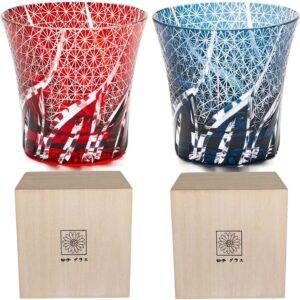
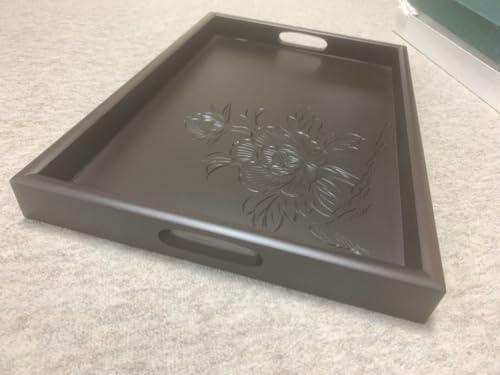
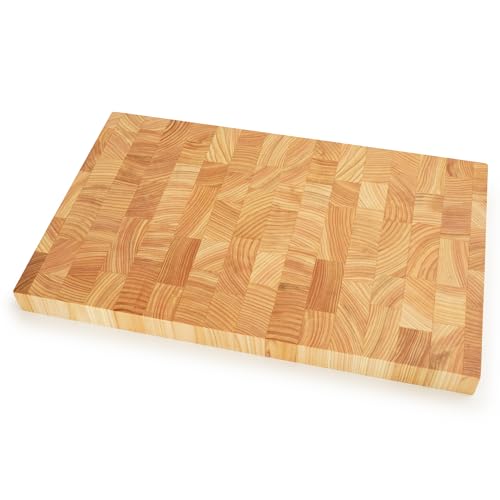
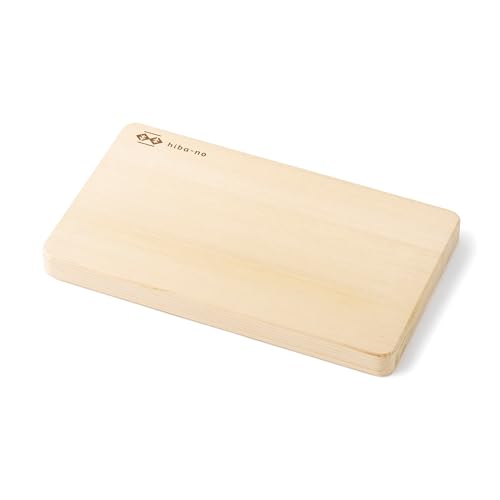
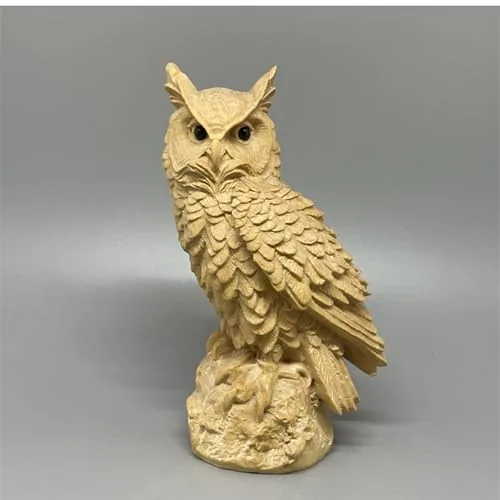
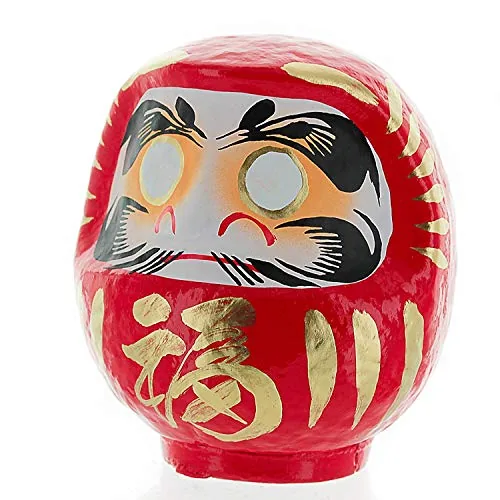
Related Japanese wood, glass, and lattice pieces we have reviewed:
📦 Shipping & where to buy from outside Japan
Small wood goods such as coasters typically cost roughly $15–$40 to ship to the US or EU, depending on weight and speed; orders above your local de minimis threshold may attract customs duties on arrival. As untreated or lightly finished wood, coasters are generally unrestricted for import, but verify your country’s wood-product rules if you are unsure.
Where to buy across stores
Prices and stock fluctuate, and no current figure was confirmed when this guide was prepared. USD figures, where shown elsewhere, are approximate at a ¥150/USD baseline as of May 2026; a current JPY amount from the seller is the authoritative reference.
| Store | Item / variant | Price (JPY + USD est.) | Notes |
|---|---|---|---|
| 🇺🇸 Amazon.com (US) | Browse Japanese wood coasters & kumiko | varies (USD) | Best if you are shopping from the US — Prime shipping, USD pricing, no international customs. Amazon US carries Japanese wood and lattice home goods from various makers, useful for comparing styles and price tiers. Tabuto Kobo’s exact set is sourced from Japan (next row). |
| 🇯🇵 Amazon JP Global Store | Edo Kumiko asanoha coaster set (hinoki) | Price not stated — confirm before buying | Ships internationally from Japan. This is the Japan-based store option for the specific item; confirm price and stock before buying. |
| Maker direct | Tabuto Kobo (太武朗工房) | Unconfirmed | Maker channels may list this and related kumiko pieces; availability not confirmed in our data. |
| Proxy services (Buyee / Tenso) | Forward a domestic JP purchase | Item price + forwarding fee | Useful if the Global Store does not ship to your country; adds a handling fee and a consolidation step. |
Prices in USD are approximate and depend on the current exchange rate.
What it does well
Weaknesses and things to verify before buying
- No confirmed price. No figure is given here. Confirm the current price before buying.
- Product details are limited. Set size and coaster count are unconfirmed; check the product details if you need a specific quantity.
- Not heat-proof. These are coasters for cups and glasses, not trivets for hot pots or pans.
- Finished wood, not waterproof. Standing moisture and dishwashers are not appropriate; wipe and air-dry.
- Open lattice traps debris. The geometry that makes it beautiful also means crumbs and dust can lodge between slats and need occasional brushing out.
- Hand-made variation. Small differences in tone and fit are inherent to hand assembly; this is a feature for some buyers and a frustration for those expecting machine uniformity.
- No product photograph is included here. Review the seller’s current images before purchasing to confirm the exact pattern and appearance.
Conclusion — which buyer type are you?
Other ways to approach this purchase
❓ Frequently Asked Questions
Is the coaster really made without nails or glue?
Yes. Kumiko is a nail-free, glue-free joinery method in which grooved and mortised slats interlock under tension. The geometry holds the lattice together, which is the defining feature of the craft.
Can I use it under hot cups or as a trivet?
It is designed as a coaster for cups and glasses, not as a heat-proof trivet. Avoid placing hot pans or pots on it, and do not expose it to standing moisture.
How do I clean and care for it?
Treat it as finished wood: wipe with a slightly damp cloth, air-dry, and brush debris out from between the slats occasionally. Do not put it in a dishwasher or soak it.
Does Amazon JP ship this internationally?
Small wood goods like this typically cost roughly $15–$40 to ship to the US or EU, depending on weight and speed, and orders above your local threshold may incur customs duties.
What does the asanoha pattern mean?
Asanoha is the hemp-leaf motif, a six-point star repeat. In the Edo period it was an auspicious pattern traditionally believed to symbolize fast, straight growth and to ward off evil, which is why it often appeared on children’s kimono.
Why is no price listed in this article?
Prices and stock can change over time. Verify the current amount and availability with the seller before buying.
jpmono.com is curated by a Japan-based editorial team (working out of Toyama in the Hokuriku region and Nara in Kansai) and is independent. We do not take payment from the makers we feature; income comes from affiliate links. We do not physically test every product — we read maker specifications and supporting sources.
This article was prepared with AI assistance and reviewed against the available source material. Where information was incomplete, the gaps are stated plainly rather than filled in by guesswork.
Affiliate disclosure: jpmono.com may earn a commission on qualifying purchases made through links on this page, at no additional cost to you.