![Izushi-yaki White Porcelain Coffee Cup & Saucer: Where to Buy Hyogo Hakuji [2026]](https://jpmono.com/wp-content/uploads/2026/07/izushi-yaki-white-porcelain-coffee-cup-where-to-buy-2026-featured.jpg)
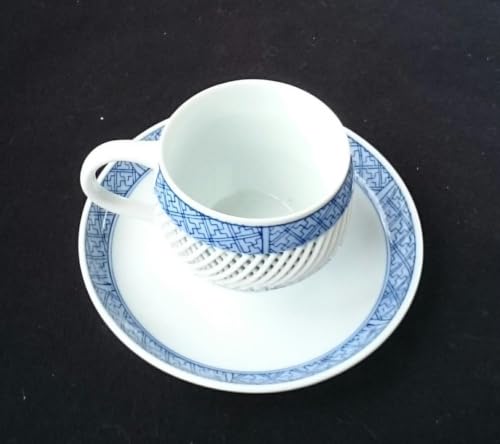
- What it is: A translucent white-porcelain (hakuji) coffee cup and saucer with delicate relief carving, made in the Izushi-yaki tradition.
- Made in: Izushi, Toyooka City, Hyogo — a designated Traditional Craft whose white-porcelain line dates to 1789.
- Price band: mid-range for hand-finished Japanese porcelain (see live listing) — the linked listing is authoritative.
- Best for: anyone who wants all-white, undecorated tableware that reads as modern on a Western table.
- Skip if: you want colorful painted patterns or rustic, earthy wabi-sabi pottery.
- Shipping: ships internationally from Amazon Japan — jump to our pick ↓
ℹ️ Live pricing and some specs weren’t in our snapshot — the linked Amazon Japan listing is authoritative; unconfirmed attributes are marked below.
Kaolin — the pure white clay that makes true porcelain possible — was found in the hills of Kakitani in 1789, and a small castle town in the far north of Hyogo has been firing snow-white cups from it ever since. That town is Izushi, tucked into the Tajima region near the Sea of Japan, and the porcelain it produces is one of only a handful of genuinely white ceramics made anywhere in Japan.
Izushi-yaki (出石焼, “Izushi ware”) stands apart from almost everything else in Japanese ceramics. Where most Japanese pottery leans into color, glaze pooling, and rustic texture, Izushi ware goes the opposite direction: a translucent, near-featureless white body, finished not with painting but with carving — openwork and low relief cut directly into the clay. Alongside the famous porcelains of Arita in Kyushu, Izushi is one of the few places in the country that fires a truly white porcelain (hakuji, 白磁), and its restrained aesthetic reads as strikingly modern on a Western table.
This guide is for readers considering an Izushi-yaki coffee cup and saucer — the relief-carved white porcelain set covered below — and it walks through what the ware is, where it comes from, how to buy it from outside Japan, and who it does and does not suit. Our comparison axes are material and finish, everyday care, shipping paths, and value against other Japanese ceramics.
🔄 Updated:
⏱️ Read time: ~9 min
- Who this is for — and who should skip it
- Product overview (from published specs)
- 📦 Shipping & where to buy from outside Japan
- 📍 Where this comes from — place, era, and the craft tradition
- Price snapshot across stores
- What it does well
- Weaknesses and things to verify before buying
- Conclusion — which buyer type are you?
- Other ways to approach this purchase
- 🏆 Editor’s Pick
- ❓ Frequently Asked Questions
Who this is for — and who should skip it
- Prefer clean, all-white tableware that suits both Japanese and Western place settings.
- Appreciate carved and openwork detail over painted patterns.
- Want a translucent porcelain body that shows off light and coffee color.
- Value a piece with a documented regional tradition, not anonymous mass production.
- Are looking for a restrained, giftable object that will not clash with existing dishes.
- Want bold color, hand-painted scenes, or blue-and-white sometsuke motifs.
- Prefer heavy, earthy, rustic stoneware with visible glaze pooling.
- Need a large-capacity mug — cup-and-saucer sets run to modest coffee/tea volumes.
- Are shopping strictly on lowest price rather than craft provenance.
- Would be frustrated by hand-to-hand variation in carving and translucency.
Product overview (from published specs)
Based on the listing, this is a white-porcelain coffee cup with a matching saucer, finished in the Izushi-yaki relief-carving tradition. Because our data snapshot did not include a full manufacturer spec sheet, the table below marks unconfirmed attributes plainly rather than guessing. The linked listing is the authoritative source for exact dimensions and current price.
Izushi-yaki White Porcelain Coffee Cup & Saucer
出石焼 カップ&ソーサー
通常9~10日以内に発送します。 · Sold by カマタ · ASIN B0H9KDX5B6
Price and availability as of 2026-09-01 05:22 JST. The Amazon listing at the time of purchase is authoritative. jpmono.com earns a commission on qualifying purchases at no extra cost to you.
| Attribute | Detail | Source |
|---|---|---|
| Material | White porcelain (hakuji), Izushi-yaki | Maker tradition |
| Form | Coffee cup + saucer set | Amazon JP Global Store (sourced listing) |
| Decoration | Relief / openwork carving, undecorated white surface | Maker tradition |
| Origin | Izushi, Toyooka City, Hyogo (Tajima region) | Maker direct |
| Capacity / dimensions | Unconfirmed — check manufacturer / listing | — |
| Price | See live listing — not in our snapshot | Amazon JP Global Store |
📖 Glossary — key terms
- hakuji (白磁, “white porcelain”) — a high-fired, snow-white, often translucent porcelain body left largely undecorated; the defining style of Izushi ware.
- kaolin — the fine white clay mineral required to make true porcelain; discovered near Izushi at Kakitani in 1789.
- Sara-yama (皿山, “plate mountain”) — the pottery district established under the Izushi domain where the kilns clustered.
- Tajima (但馬) — the northern region of Hyogo Prefecture, facing the Sea of Japan, where Izushi sits.
- sukashi-bori (透かし彫り, “openwork carving”) — pierced and relief carving cut into the porcelain in place of painted decoration.
- sara-soba (皿そば) — Izushi’s local buckwheat-noodle style, served on small white Izushi-yaki dishes.
Related Japanese ceramics and crafts we have covered — useful for weighing white porcelain against painted, rustic, and stoneware alternatives.
 Najio Washi (Hyogo)
Arita Sometsuke Porcelain Mug
 Shiro-Satsuma Sake Cup
 Akahada-yaki Nara-e Yunomi
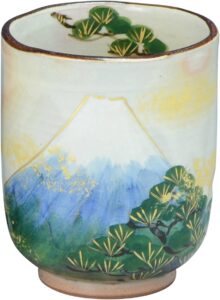 Kyoyaki Shunzan Yunomi
Iga-yaki Tokkuri
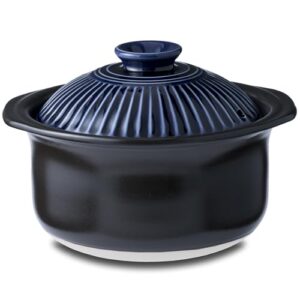 Banko-yaki Donabe
📦 Shipping & where to buy from outside Japan
Izushi-yaki is a niche regional ware, so it is rarely stocked on amazon.com directly. The practical path for most international buyers is the Amazon Japan Global Store, which lists the specific set covered here and ships to 65+ countries — including Canada, the UK and Australia — with import fees estimated and often collected at checkout. See our country guides for Canada, the UK, and Australia.
Expect international shipping in the rough range of $15–$40 to the US, EU, Canada, the UK, and Australia, depending on weight and speed. Porcelain is fragile, so confirm that the seller packs cup-and-saucer sets with adequate protection, and check customs thresholds for your country — Amazon estimates duties at checkout for most destinations. Proxy services such as Buyee or Tenso are a backup route if a particular kiln’s piece appears only on a Japan-domestic marketplace.
Prices in USD are approximate and depend on the current exchange rate (¥150/USD baseline as of mid-2026). The JPY price shown at the listing is the authoritative figure.
📍 Where this comes from — place, era, and the craft tradition

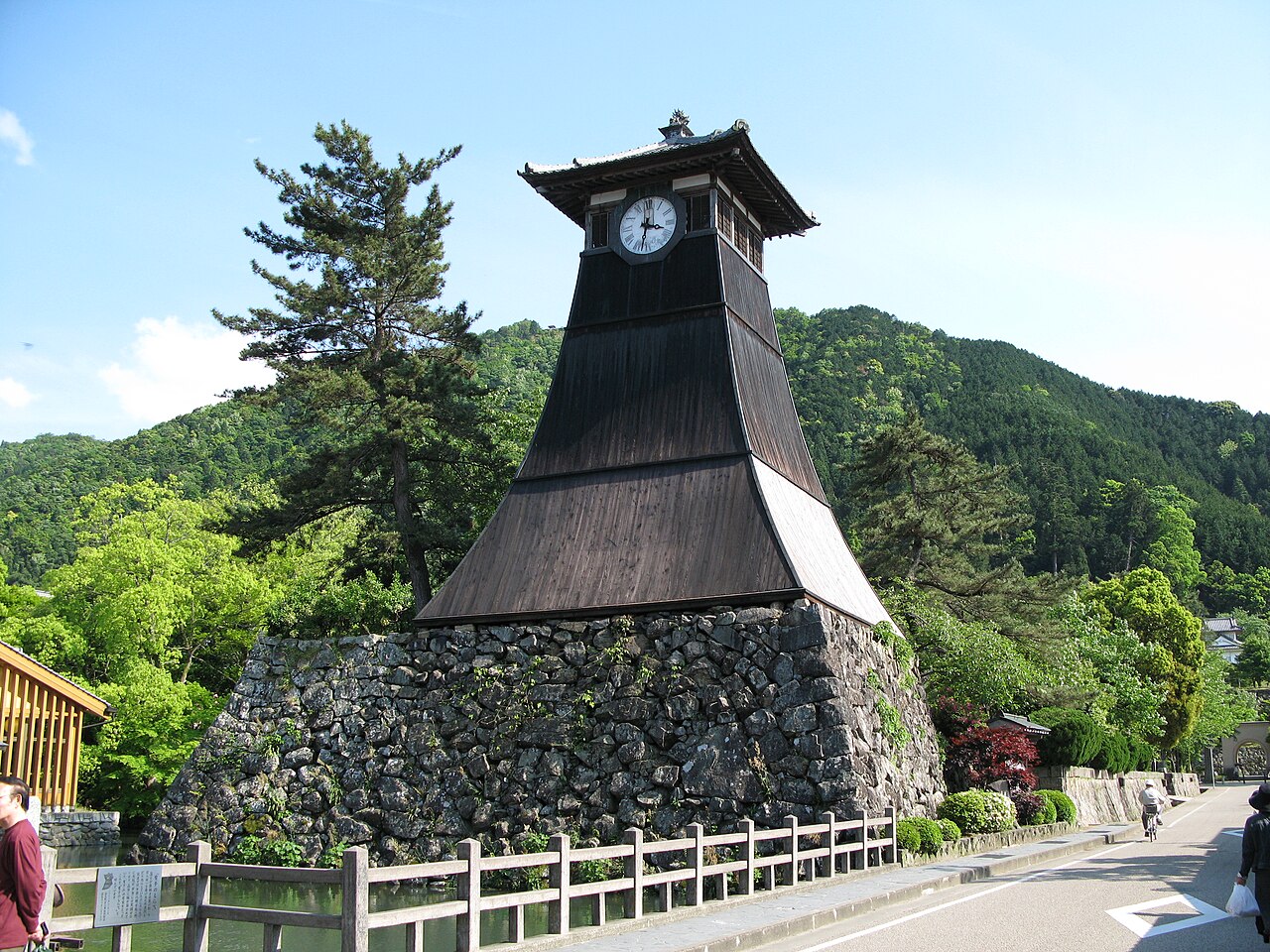
Izushi is a small former castle town in the Tajima region — the northern part of Hyogo Prefecture, which fronts the Sea of Japan. Unlike the port-and-industry cities of southern Hyogo such as Kobe, this is inland, mountain-fringed country, and the town’s grid of old streets, temples, and merchant houses has earned it the nickname the “Little Kyoto of Tajima.” Today it is part of Toyooka City. The combination of local clay, domain patronage, and a settled castle-town economy is exactly the kind of environment in which a specialized craft could take root and stay.
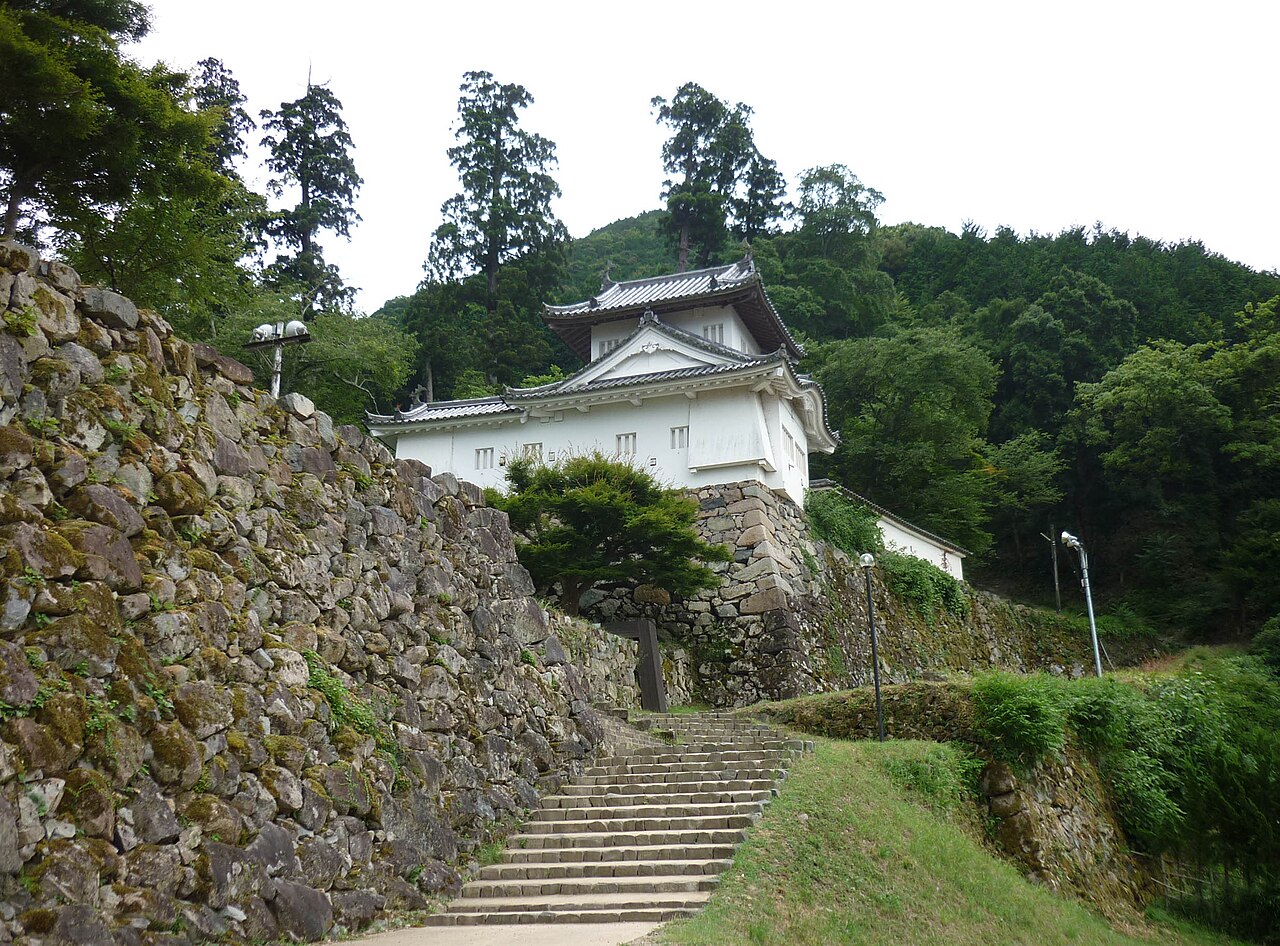
The turning point for the porcelain came in 1789, when kaolin clay was discovered at Kakitani, in the hills near the town. Kaolin is the raw material that separates true porcelain from ordinary stoneware, and its local availability meant Izushi could fire a hard, white, translucent body rather than the darker, earthier ceramics common elsewhere. The Izushi domain recognized the opportunity and protected the kilns, concentrating them into a district known as Sara-yama — literally “plate mountain.” Under that patronage the white-porcelain style matured over the 19th century, and the town’s most familiar landmark, the wooden Shinkoro clock tower, was raised in 1871.
- 1706 — The Sengoku clan is transferred to the Izushi domain; the castle town and its food culture (later famous for sara-soba) develop.
- 1789 — Kaolin clay is discovered at Kakitani, enabling true white porcelain.
- Late 1700s–1800s — The Izushi domain protects the kilns and builds the Sara-yama (“plate mountain”) pottery district.
- 19th century — The undecorated white-porcelain (hakuji) style matures, finished with relief and openwork carving.
- 1871 — The Shinkoro clock tower is raised, becoming the town’s enduring symbol.
- 20th century — Izushi-yaki is recognized as a designated Traditional Craft.
- 2026 — White-porcelain kilns still fire in Izushi.
“Alongside Arita in Kyushu, Izushi is one of only a handful of places in Japan that fires a truly white porcelain — snow-white, translucent, and left almost entirely undecorated.”
What makes Izushi-yaki notable is that it took the porcelain idea in an unusually austere direction. Rather than the blue-and-white painting of Arita, Izushi kilns leaned on the whiteness itself, carving pattern into the surface — pierced openwork and low relief — so the decoration is the same color and material as the body. The result is a ceramic that feels quiet and contemporary, and that pairs as easily with a modern Western table as with a traditional Japanese one.
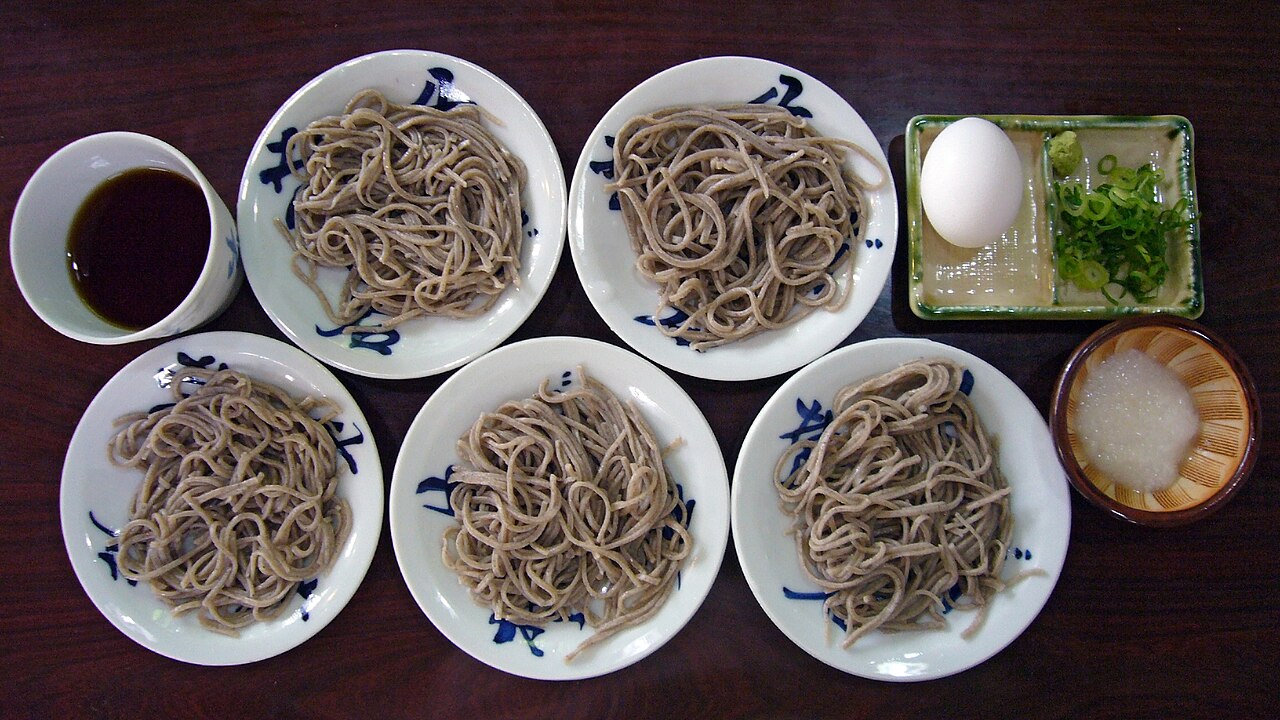
The porcelain is woven into daily life in Izushi through food. The town’s signature dish, Izushi sara-soba, is buckwheat noodles served across a set of small white Izushi-yaki dishes — a presentation that put the local ware on every restaurant table and helped keep the kilns busy. This is the useful test of a living craft: it is not preserved only in museums, but is made because the town still eats off it.
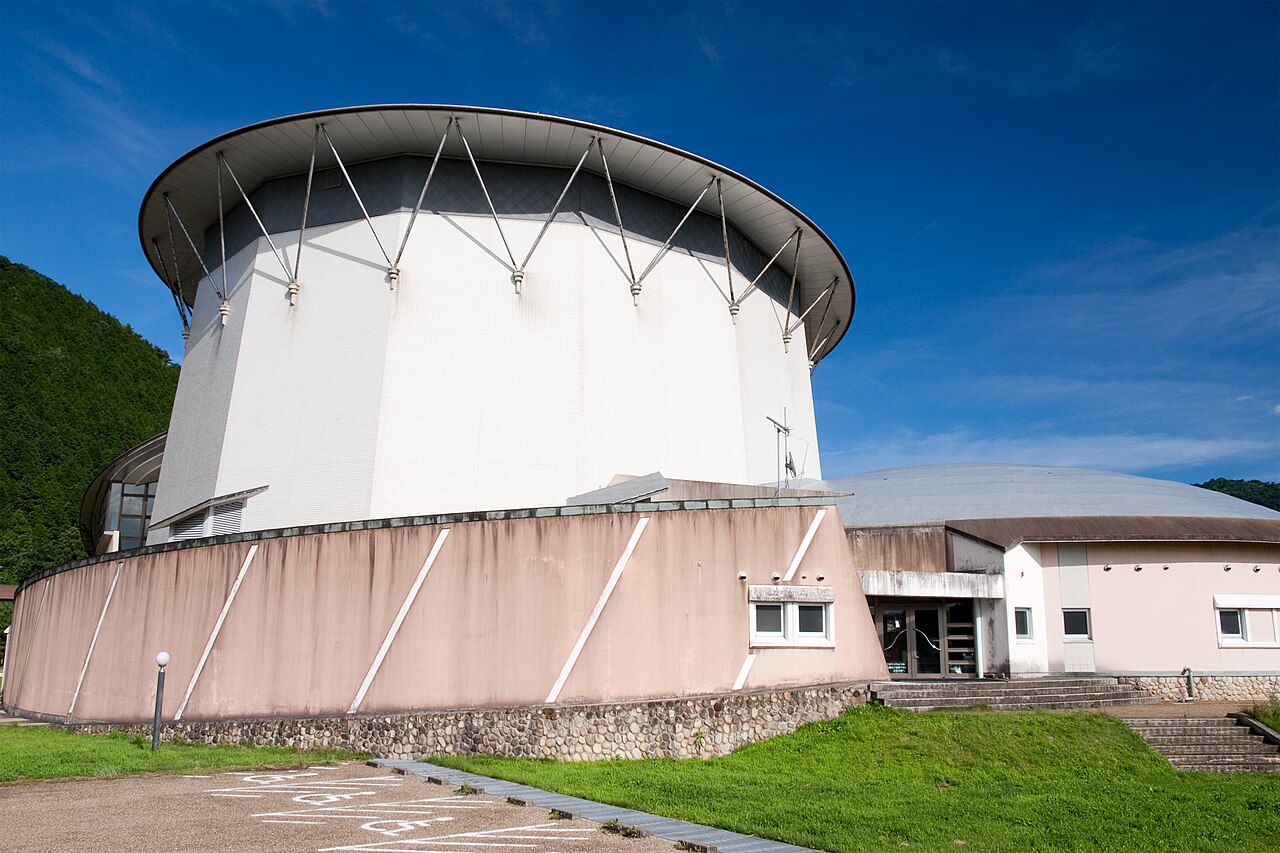
Izushi-yaki is a designated Traditional Craft, a recognition that reflects both its continuity and its distinct all-white identity. For an international buyer, that designation is a useful signal: it marks a ware with a documented regional origin rather than a generic import, and it locates this cup and saucer in a specific place — a mountain castle town in Tajima that has been carving white porcelain since the late 18th century.
Price snapshot across stores
Live pricing was not in our snapshot; figures below are directional. Confirm the current price at the listing before buying. USD figures are approximate at a ¥150/USD baseline.
| Store | Item / Variant | Price | Notes |
|---|---|---|---|
| 🇺🇸 Amazon.com (US) | Browse Japanese porcelain cups & saucers | varies (USD) | Best if you’re shopping from the US — Prime shipping, USD pricing, no international customs. Amazon US carries Japanese porcelain and white-ware from various makers; the exact Izushi-yaki set is sourced from Japan (next row). |
| 🇯🇵 Amazon JP Global Store | Izushi-yaki white porcelain coffee cup & saucer (this item) | See listing (JPY) | Ships internationally from Japan to 65+ countries — including Canada, the UK and Australia — with import fees estimated at checkout. This is the sourced listing for the exact set. |
| Maker direct | Izushi Sara-yama kilns / local shops | Varies (JPY) | Individual Izushi kilns and town shops carry a wider selection; most do not ship internationally without a proxy. |
| Proxy services (Buyee / Tenso) | Japan-domestic listings forwarded abroad | Item + fees (JPY) | Useful for pieces only listed on Japan-only marketplaces; adds a handling fee and a consolidation step. |
What it does well
General guidance for plain white porcelain — confirm anything printed on the specific listing, and treat carved or gilt detail gently.
- 🍽️ Dishwasher: generally fine for plain white porcelain; hand-wash to protect fine relief and any metallic trim.
- ♨️ Microwave: usually fine for undecorated white porcelain; avoid if the piece has any metallic decoration.
- 🧴 Daily care: rinse and wipe dry; a soft brush lifts residue from openwork and carved recesses.
- 🔧 Repairs: chips and cracks in porcelain can be restored with kintsugi (lacquer-and-gold repair).
Weaknesses and things to verify before buying
- No confirmed dimensions in our snapshot. Cup capacity and saucer diameter were not in the data — check the listing before assuming it fits your coffee routine.
- Live price unavailable at writing. Pricing was not captured; the JPY figure at the listing is authoritative and may have shifted.
- Fragility in transit. Porcelain cup-and-saucer sets need careful packing; confirm the seller’s packaging before international shipping.
- Hand-to-hand variation. Carving depth, translucency, and exact form can vary slightly between pieces — expected for craft ware, not a defect.
- Minimalist by design. If you want color or painted motifs, the all-white aesthetic will feel plain rather than special.
- Import fees and thresholds. Duties depend on your country’s threshold; Amazon estimates them at checkout, but confirm before ordering.
Conclusion — which buyer type are you?
Other ways to approach this purchase
🏆 Editor’s Pick
❓ Frequently Asked Questions
What is Izushi-yaki, and how is it different from other Japanese pottery?
Izushi-yaki is a white porcelain (hakuji) made in Izushi, a castle town in northern Hyogo. Unlike most Japanese ceramics, which use color, glaze, and rustic texture, Izushi ware is snow-white, often translucent, and decorated by carving rather than painting.
Is Izushi-yaki porcelain microwave- and dishwasher-safe?
Plain white porcelain is generally fine in both, but you should hand-wash to protect fine relief carving and avoid the microwave if the piece has any metallic decoration. Always follow whatever the specific listing states.
Can I buy an Izushi-yaki coffee cup outside Japan?
Yes. The Amazon Japan Global Store lists the set and ships to 65+ countries, including Canada, the UK, and Australia, with import fees estimated at checkout. Proxy services such as Buyee or Tenso are a backup for Japan-only listings.
How much does an Izushi-yaki coffee cup and saucer cost?
Live pricing was not in our data snapshot, so the JPY figure shown on the linked listing is the authoritative price. It sits in the mid-range for hand-finished Japanese porcelain; check the listing for the current amount.
Why is Izushi-yaki almost always white?
After kaolin clay was found at Kakitani in 1789, Izushi’s kilns specialized in true white porcelain and developed an aesthetic that celebrates the whiteness itself — carving pattern into the body instead of adding painted color.
How should I care for the relief carving and translucent body?
Rinse and wipe dry after use, and use a soft brush to clear residue from carved recesses and openwork. Chips or cracks can be restored with kintsugi, the traditional lacquer-and-gold repair.
Is an Izushi-yaki cup and saucer a good gift?
It suits recipients who like understated, modern-looking tableware with real provenance. The all-white finish mixes with existing dishes, and the designated Traditional Craft status gives the gift a clear story.
jpmono.com is curated by a Japan-based editorial team (working out of Toyama in the Hokuriku region and Nara in Kansai) and is independent. We do not take payment from the makers we feature; income comes from affiliate links. Read more about our editorial standards.
🤖 This article was drafted with AI assistance and reviewed against source listings and public references before publication. Specs and prices should be verified at the retailer before purchasing.
Affiliate disclosure: jpmono.com may earn a commission on qualifying purchases made through links on this page, at no additional cost to you.